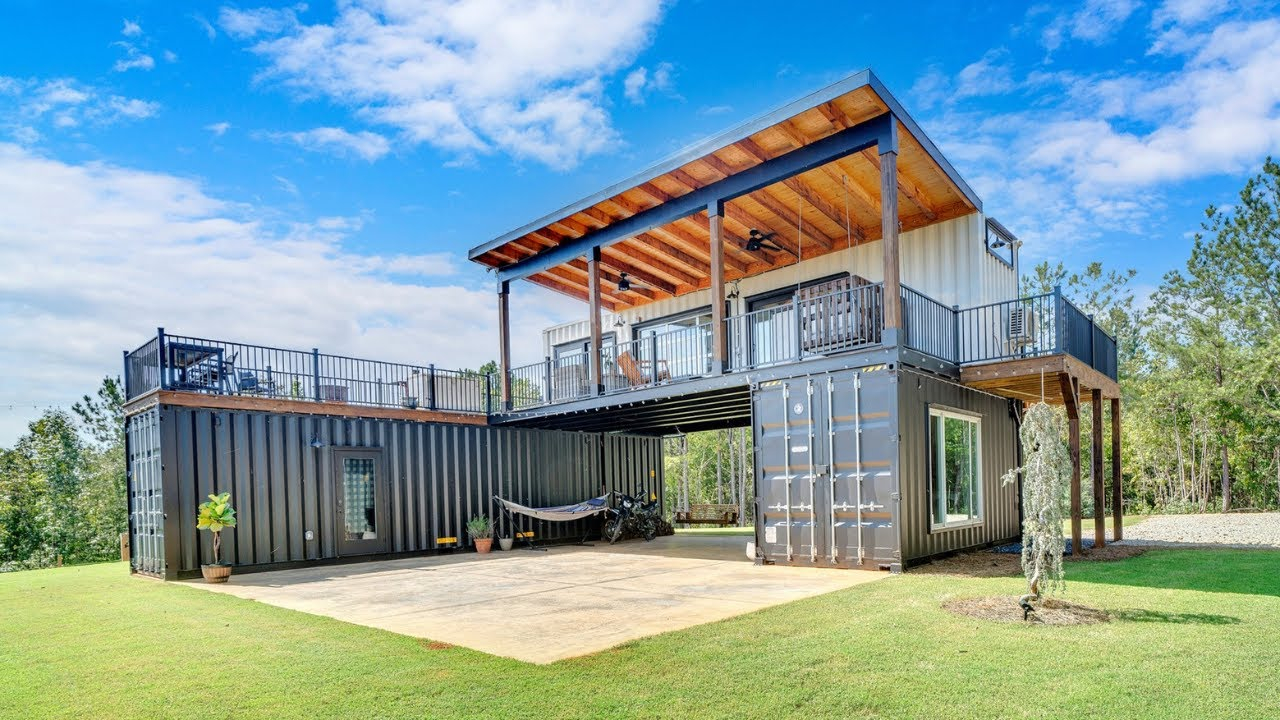
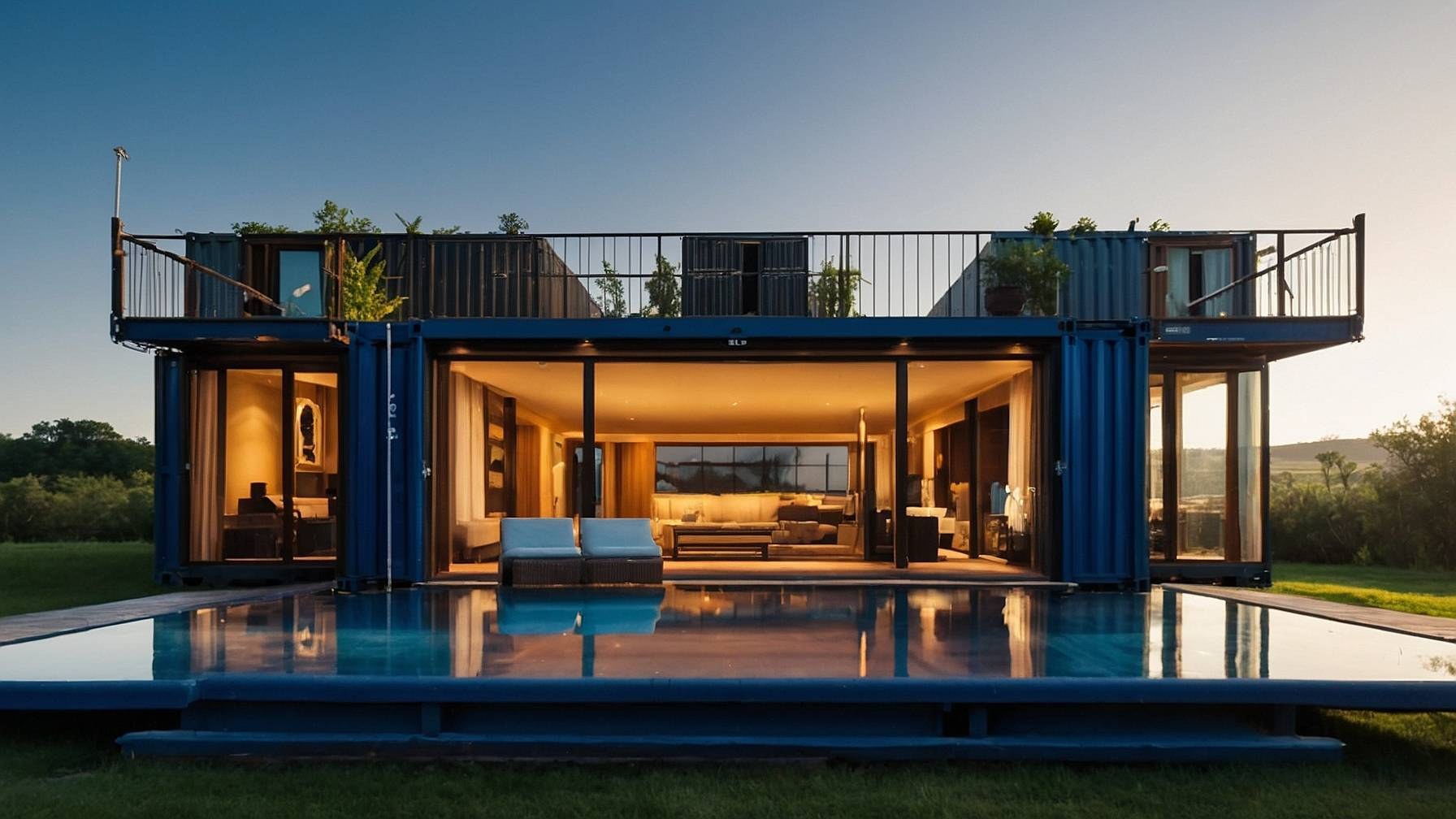
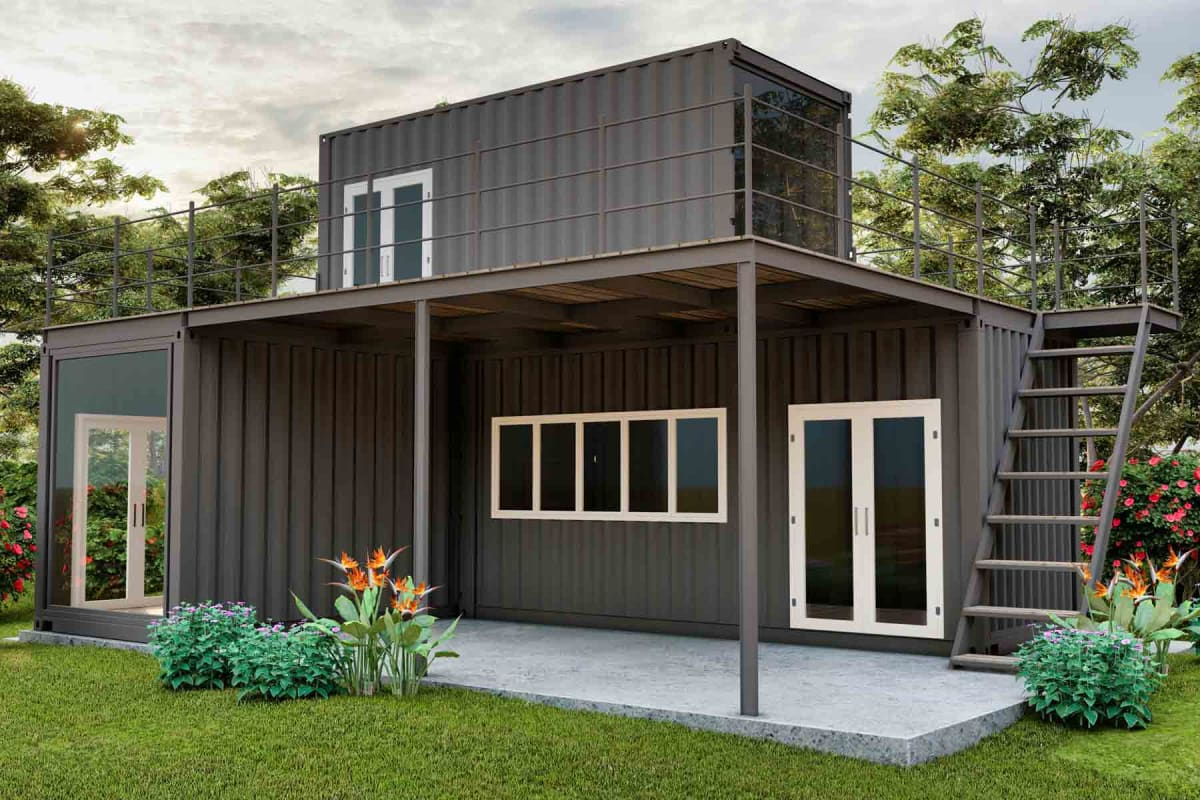
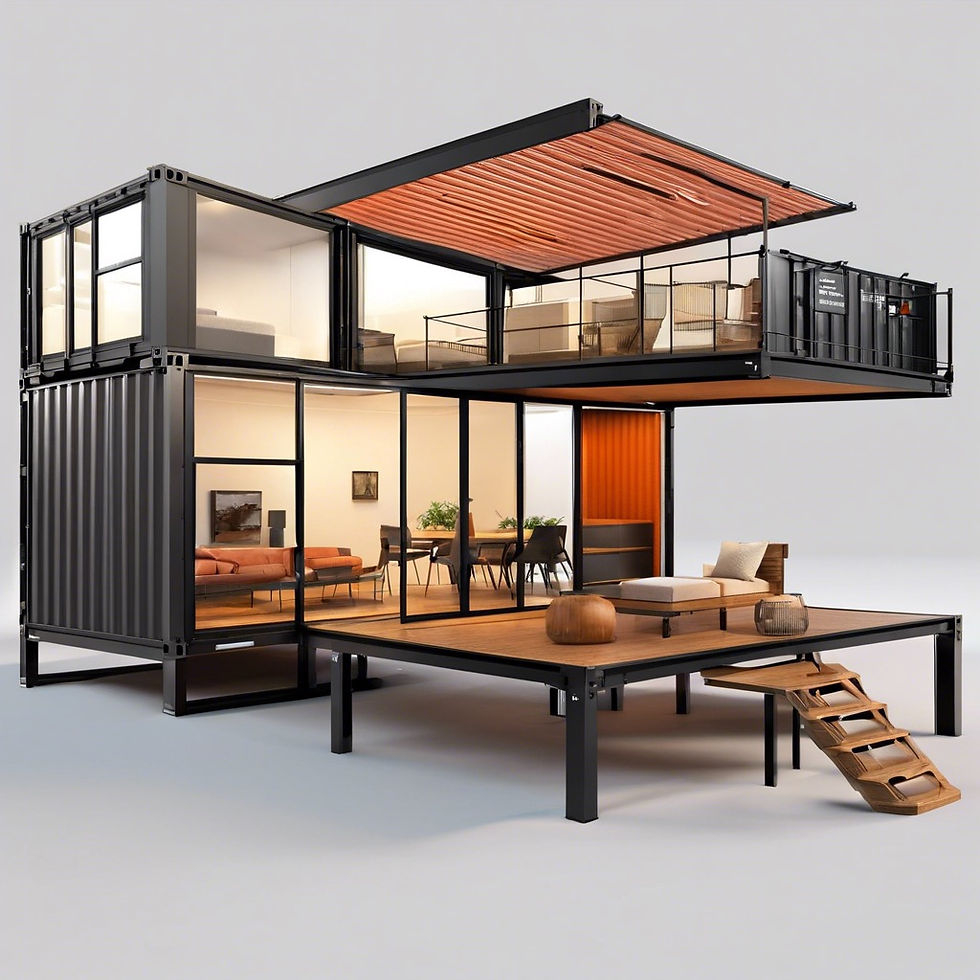
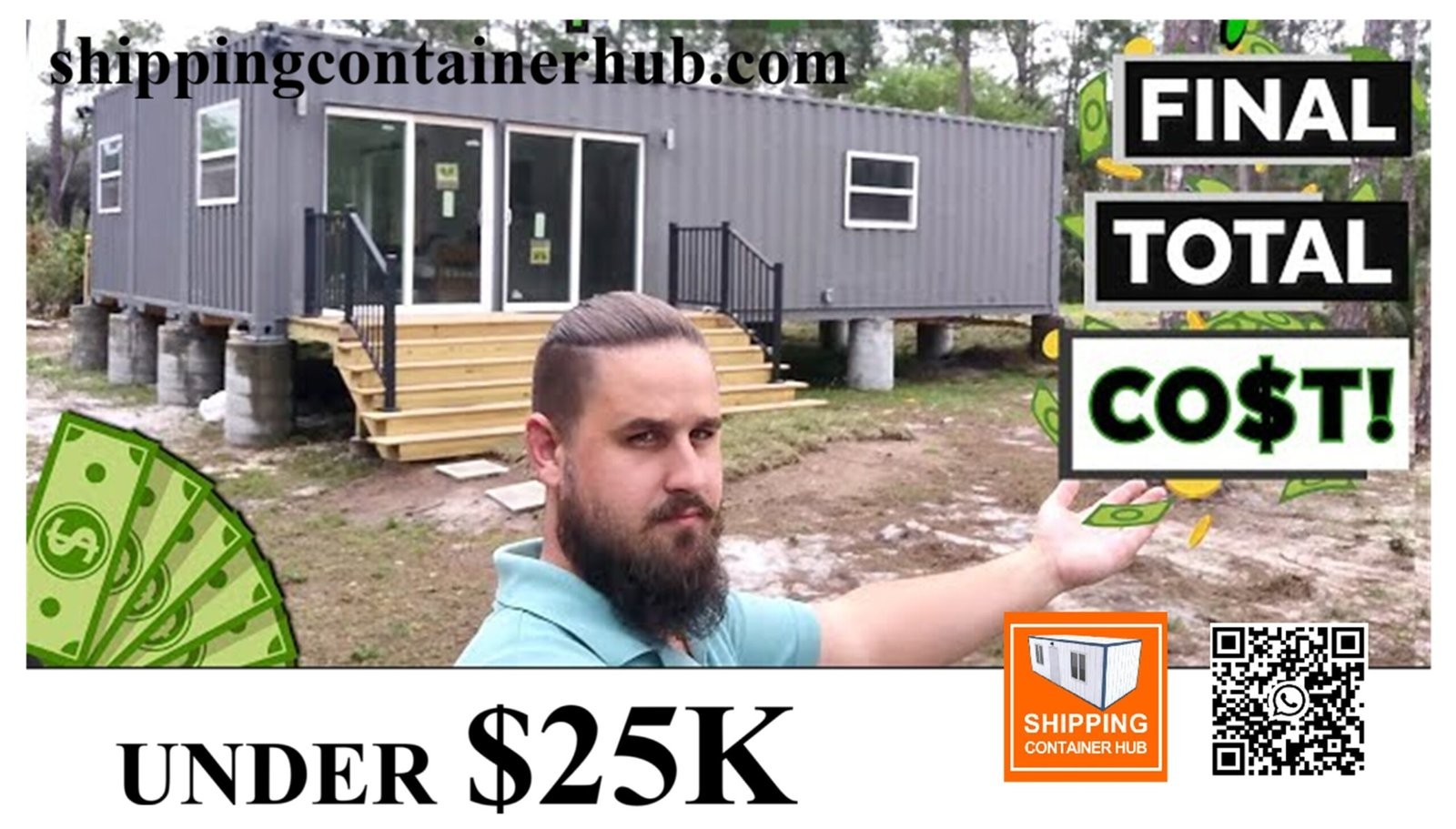
Have you ever looked at a massive metal cargo box sitting at a port and thought, wow, that could be a cool place to sleep. More folks are trading traditional mortgages for upcycled steel structures. Building a sustainable shipping container home from scratch is quite the journey. It is not just stacking metal blocks and calling it a day. You need patience and a solid plan to turn industrial waste into a cozy haven.
The tiny house movement and eco conscious living have completely exploded lately. People want smaller footprints and lower energy bills. Steel boxes offer a sturdy frame that withstands harsh weather. Yet, transforming them into livable spaces takes real work. Let us dive into what really goes down when you build one of these unique dwellings from the ground up.
Sourcing and Inspecting Your Steel Boxes
Finding the right containers is step number one. You cannot just grab any old box off the internet. Look for one trip units if possible because they have minimal wear and tear. Older containers might look rustic, but they often come with hidden rust damage or toxic chemical treatments on the floors.
Check every inch of the metal walls for deep dents or structural compromises. The corners are crucial since they carry all the weight. When you buy your materials, ask about the previous cargo history. You want to avoid boxes that transported harsh industrial chemicals. Clean steel gives you a much better canvas for your dream project.
Designing Your Layout and Floor Plan
Designing a container feels like playing a giant game of tetris. Standard units come in twenty or forty foot lengths. They are narrow, which means you have to get creative with your space. Cutting out too many walls weakens the structural integrity. You will need steel reinforcement frames wherever you add large windows or doors.
Think about how the sun hits your property. Smart placement lowers your heating and cooling costs down the road. Map out your plumbing and electrical runs early. Fitting pipes into corrugated metal requires precision. Keep things simple so you do not run into major headaches during construction.
Laying a Solid Foundation
You cannot just drop a metal box onto bare dirt. Ground moisture will rust the bottom out faster than you think. Most builders use concrete piers, slab foundations, or helical piles. These options keep the structure elevated and allow proper airflow underneath.
A level base makes framing and interior work ten times easier. Take your time getting the foundation right. If the base shifts, your doors will not close properly and cracks might form in your walls. Spend extra effort here to save yourself trouble later.
Framing and Spray Foam Insulation
Metal conducts temperature like nobody business. Without proper thermal breaks, your home will feel like an oven in summer and a freezer in winter. Spray foam insulation applied to the interior is the gold standard. It seals every gap and stops condensation from forming against the cold steel.
Once the insulation cures, you can put up stud walls for your drywall or wood paneling. This creates a cavity to run your wires and pipes safely. Do not skip this step or skimp on materials. Good climate control keeps your utility bills tiny and your living space comfortable year round.
Adding Windows Doors and Reinforcements
Cutting into steel changes how the box handles weight. You must weld steel tubing around any new openings to redistribute the load. Skipping this can cause the roof to sag. Once the structural reinforcement is done, you can cut out spaces for large windows and entryways.
Natural light transforms a dark metal tube into an airy home. Double paned glass works best for keeping indoor temperatures stable. Seal all edges thoroughly to prevent leaks. Water is the ultimate enemy of steel structures, so proper flashing around every cut is essential.
True sustainability means looking beyond just upcycling the shell. Adding solar panels on the roof turns your home into a powerhouse. Rainwater catchment systems and greywater recycling setups reduce your environmental impact even further.
For the interior finishes, choose reclaimed wood and non toxic paints. Bamboo flooring and energy efficient appliances round out the eco friendly vibe. Every material choice matters when you want a genuinely green footprint. You end up with a custom space that feels entirely yours.
Building a sustainable shipping container home from scratch is a massive undertaking. It tests your resolve, your budget, and your creativity. The reward is a custom dwelling built with your own hands. You get to live lightly on the land inside a structure designed to last.
Take things one phase at a time and do not rush the details. Whether you are living off grid or tucked into a backyard, these steel boxes offer endless potential. Ready to grab your welding gear and get started.