Remember when walking down a city street meant dodging exhaust fumes and squeezing past narrow sidewalks. For a long time, cars owned the asphalt, while people got the leftovers. But look around today in 2026, and you will notice something beautiful happening right outside your favorite neighborhood bistro. The concrete jungle is growing a soul, one outdoor table at a time.
It started as a quick fix during a global crisis, but it has turned into a total lifestyle shift. Striped asphalt and gray parking slots are vanishing. In their place, we are seeing lush planters, wooden decks, and rows of happy people sharing meals under the open sky. It turns out that when you take cars out of the equation, cities become much more human.
The Great Asphalt Awakening
For decades, urban planning focused mostly on how to move vehicles from point A to point B as fast as possible. Pedestrians were an afterthought. But recently, city leaders looked at those vast stretches of empty parking spaces and asked a radical question: What if this space served people instead of parked steel?
The shift to al fresco dining has completely flipped our relationship with public spaces. By letting restaurants build "parklets"—small platforms that extend the sidewalk into former parking spots—cities have created miniature community hubs. Walk down any major avenue today and you will see how these spaces invite people to slow down, chat, and actually enjoy their surroundings.
It is not just about eating outside; it is about reclaiming the right to the city. When we trade a parked sedan for a four-top table surrounded by flowers, the entire vibe of a neighborhood softens. The street stops being a noisy chute for traffic and becomes a shared living room.
Economic Lifelines for Local Shops
Let us talk numbers for a second because this trend isn’t just a win for our social lives. It is an absolute jackpot for local economies. When cash registers were ringing low a few years back, outdoor seating saved thousands of family-owned joints from shutting their doors forever.
Data from recent urban studies shows that restaurants with outdoor seating saw their revenues jump significantly compared to those stuck inside. And guess what. The benefit spills over to the rest of the block too. People who come for a coffee outside end up browsing the boutique next door or buying fresh flowers from the corner market.
- Foot traffic increases: More people walking means more eyes on local window displays.
- Longer dwell times: Customers hang out longer when they are sitting in a pleasant outdoor breeze.
- Higher employment: More tables means restaurants need to hire more servers and kitchen staff.
Overcoming the Growing Pains
Now, it has not all been smooth sailing and sunshine. Turning streets into dining havens requires dealing with a lot of real-world friction. Neighbors sometimes complain about the noise of clinking glasses late at night, and delivery drivers get stressed when their usual loading zones disappear.
Then there is the issue of accessibility. Early parklet designs were often slapped together with cheap wood and uneven ramps, making them a nightmare for people using wheelchairs or strollers. Cities have had to step in with strict design codes to make sure these spaces are safe, level, and open to everyone in the community.
Weather is another giant hurdle. How do you keep the outdoor dining dream alive when it is freezing or pouring rain. Innovative owners have figured out clever workarounds, from heated cushions and heavy-duty umbrellas to transparent igloos that trap warmth without ruining the view.
The Green Upgrades We Needed
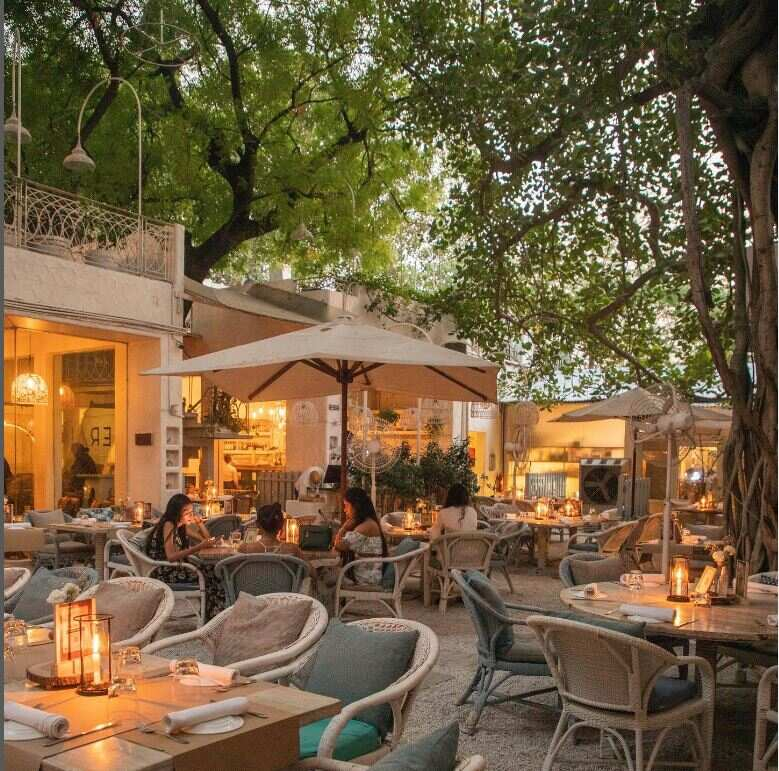
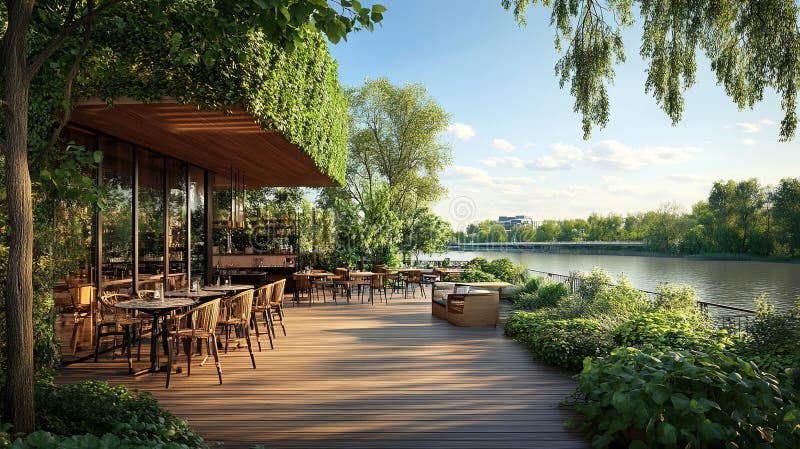
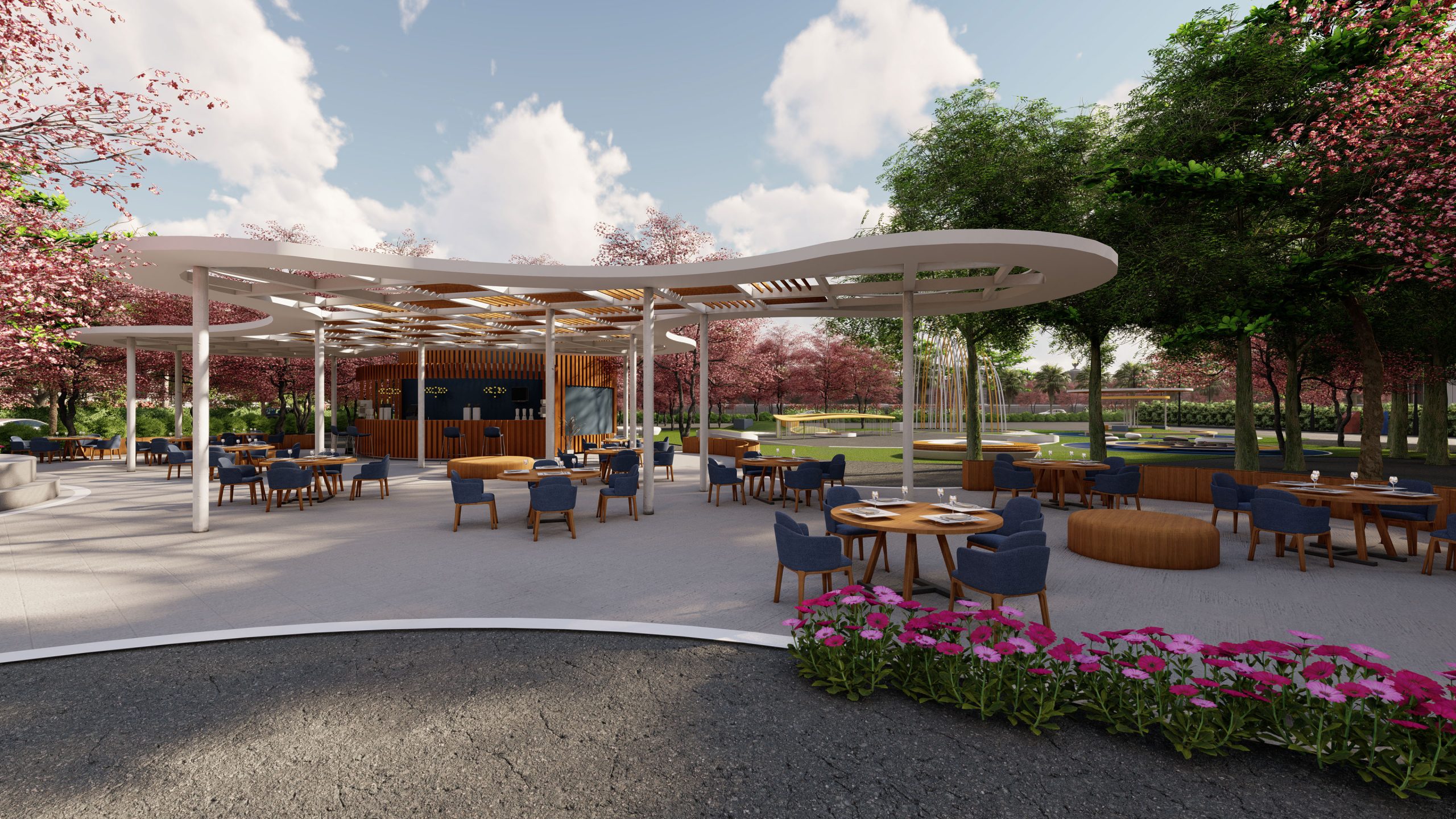
One of the coolest side effects of the al fresco boom is how much greener our streets look today. You can’t just put tables on bare asphalt and expect it to feel magical. To protect diners from traffic, restaurants started using massive planters filled with bushes, small trees, and colorful flowers.
This extra greenery does some heavy lifting for the environment. The plants help soak up rainwater, reducing street flooding during sudden downpours. Plus, all those leaves and petals act as natural filters, trapping dust and dampening the roar of passing city buses.
Birds and bees are even making a comeback in places they used to avoid. By creating these tiny green stepping stones along concrete corridors, we are accidentally building a friendlier ecosystem right in the middle of our downtowns.
Designing for Comfort and Safety
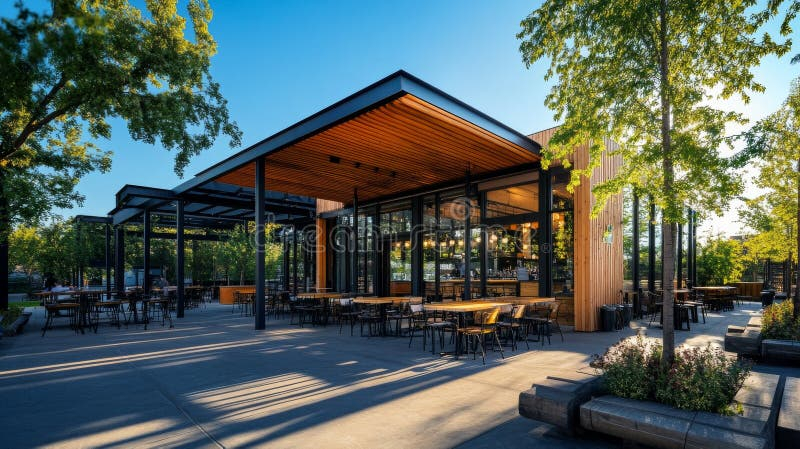
Creating a great outdoor dining spot is a real art form. It takes more than just dragging a few plastic chairs onto the sidewalk. The best spots use high-quality materials like reclaimed wood and sturdy steel frames that feel like a real extension of the permanent building.
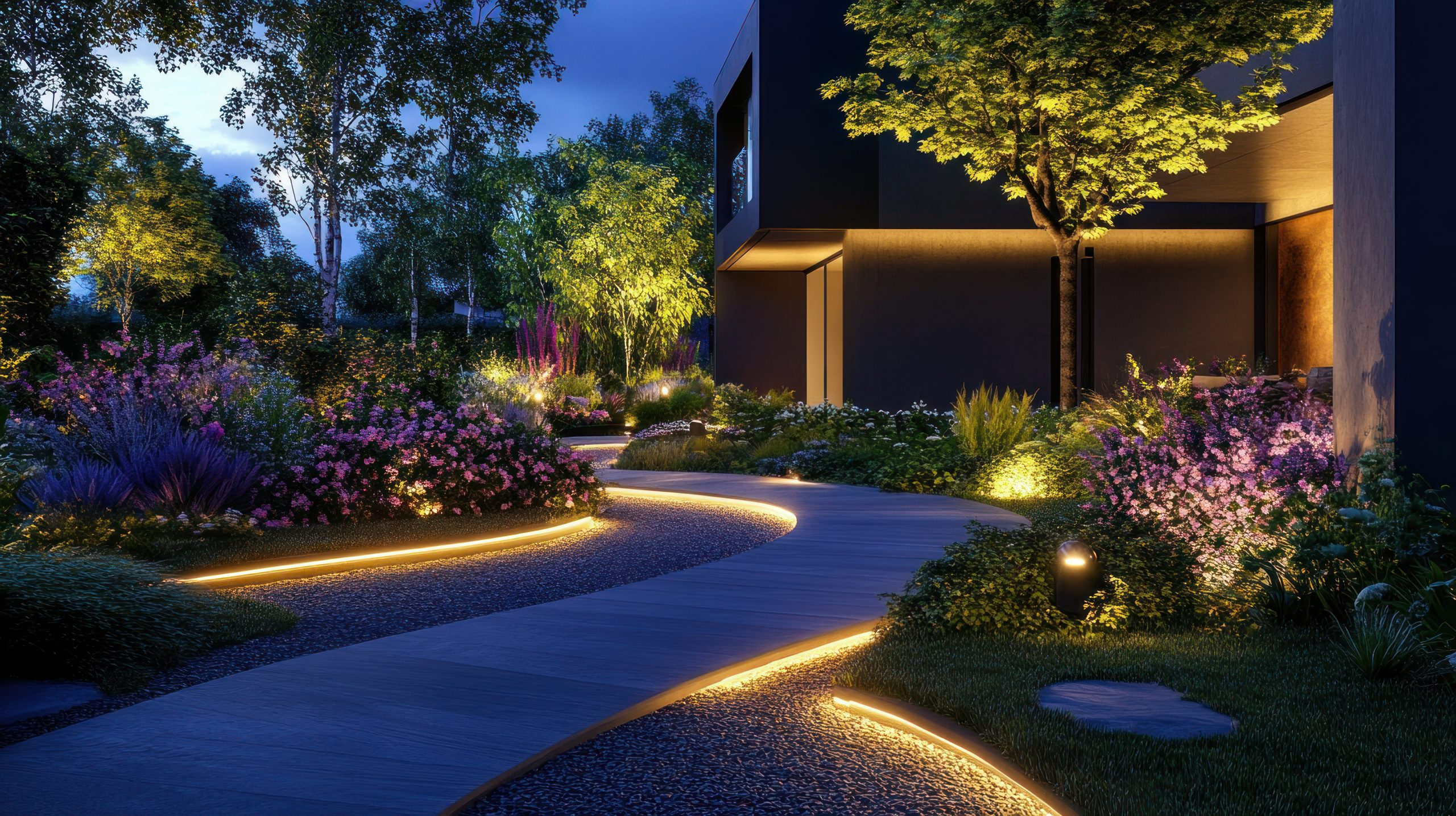
Safety is obviously the top priority when you are eating just feet away from moving traffic. Heavy concrete barriers disguised as beautiful flower boxes are used to shield diners from the roadway. Good lighting is also crucial—stringing up warm fairy lights not only keeps things safe after dark but creates an incredibly cozy mood.
- Buffer zones: Using thick planters to separate tables from the traffic lanes.
- Level flooring: Making sure the deck matches the sidewalk height perfectly.
- Smart shading: Deploying adjustable awnings to protect against the midday sun.
The Global Blueprint for the Future
Cities all over the world are taking notes and making these changes a permanent part of their future maps. From Paris to New York, urban planners are drafting laws to ensure outdoor dining structures don’t disappear when the seasons change. They are realizing that vibrant streets are the secret sauce to a successful city.
We are moving toward a future where entire blocks are closed off to cars permanently, transforming into pedestrian promenades filled with art, music, and food. This isn’t a temporary fad; it is the new standard for how modern cities should function.
As we look ahead, the goal is to make sure these spaces remain inclusive and do not just cater to expensive tastes. Everyone deserves a place to sit, breathe, and watch the world go by without having to pay a premium for it.
Looking back at how our streets used to look, it is wild to see how far we have come in such a short time. We used to accept that streets were dangerous, loud places meant only for cars. Today, we know they can be vibrant, peaceful spaces that bring people closer together.
Reclaiming the streets has given our neighborhoods their personalities back. It reminds us that cities are at their best when they are built around human connection rather than traffic flow.
So next time you grab a seat outside and order a cool drink, take a moment to look around. You are not just having lunch—you are enjoying a piece of a global movement that is making our world a little bit softer, greener, and much more welcoming.