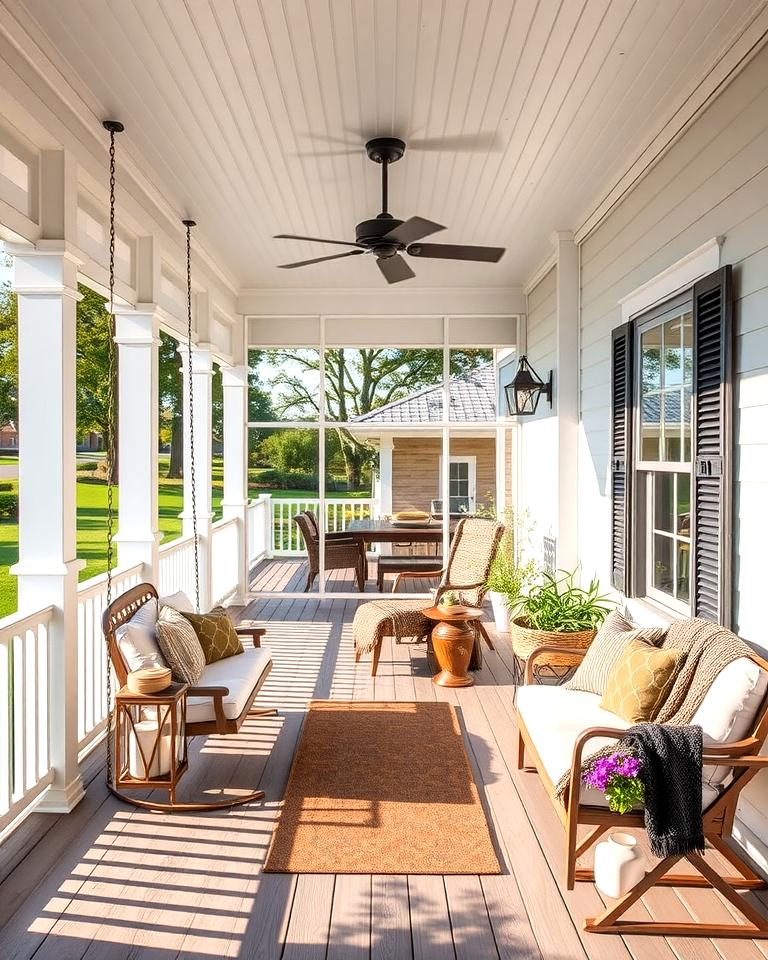
Imagine stepping out onto your brand new outdoor room on a warm summer evening, only to realize your favorite chair blocks the entire walkway. It is a frustrating feeling. Planning an enclosed patio sounds simple enough on paper, yet small oversights can turn your relaxing sanctuary into an awkward headache.
Building an outdoor living area is a major project that requires careful thought. Whether you are updating an existing deck or starting from scratch in 2026, getting the layout right makes all the difference. Let us dive into the common traps homeowners fall into and how you can sidestep them completely.
Forgetting About Traffic Flow and Movement
One of the biggest blunders people make is ignoring how people actually move through the space. If your door swings inward and smacks right into a sofa, you will regret that placement immediately. You need clear walking paths that connect your house to the yard without forcing anyone to squeeze past furniture.
Think about everyday habits. Will you be carrying trays of food from the kitchen out to a dining table. Make sure the path from the door to the seating area remains wide open. Leaving enough breathing room prevents the room from feeling cramped and chaotic.
Choosing the Wrong Room Size and Proportions
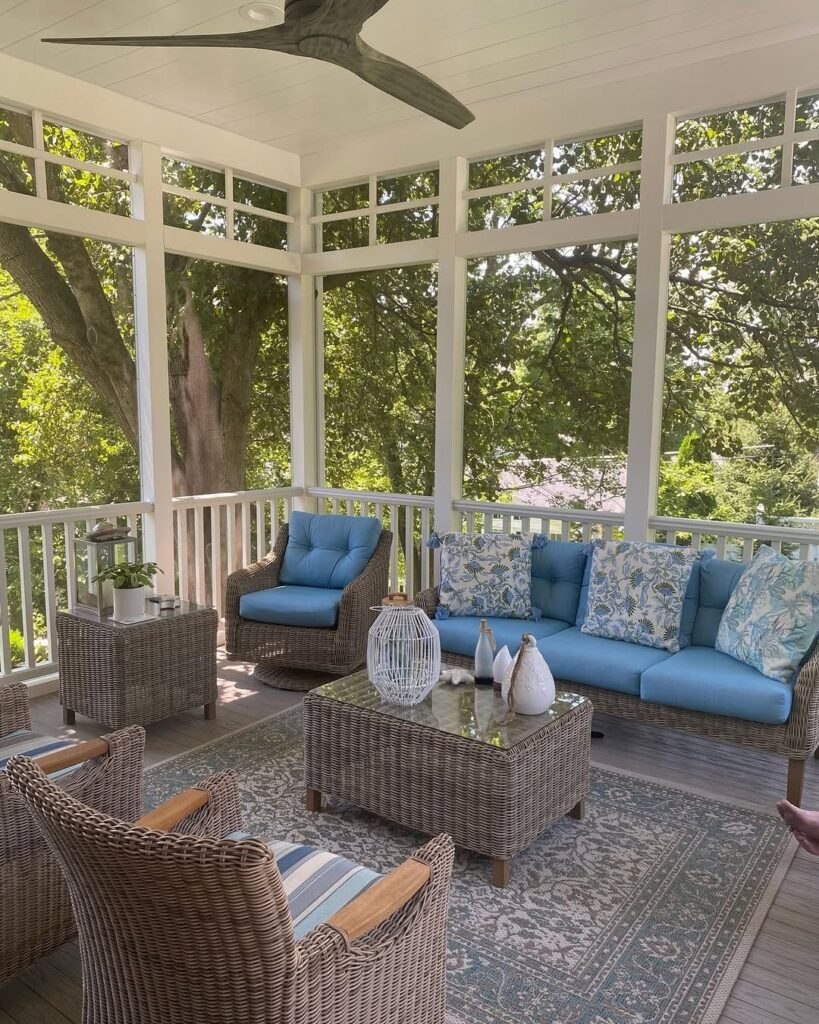
Building too small is a classic regret. People often underestimate how much space bulky outdoor furniture actually takes up. A sectional sofa and a coffee table can quickly eat up every square inch of a compact porch, leaving zero room to stretch your legs.
On the flip side, building a massive structure that dwarfs your backyard looks out of place. Balance is everything. Measure your furniture before construction begins and use painter’s tape on the ground to map out where everything will sit.
Ignoring Sun Exposure and Weather Patterns
The sun moves throughout the day, and ignoring its path can leave you baking in intense afternoon glare. If your porch faces west, you will get blasted by hot evening rays that make the space uncomfortable during peak summer months.
Wind direction matters just as much. If heavy storms usually roll in from the north in your region, driving rain can soak your screens and furniture. Positioning your structure thoughtfully shields you from the worst elements and keeps your seating area dry.
Poor Lighting Choices for Day and Night
Many folks rely solely on a single overhead light fixture in the middle of the ceiling. This creates harsh shadows and leaves dark corners, ruining the cozy vibe you want after sunset. Layered lighting is the secret to a warm, inviting atmosphere.
Combine overhead lights with wall sconces or portable lamps to give yourself options. Task lighting near reading chairs and soft ambient glow overhead turn the space into a functional room you can enjoy long after dark.
Neglecting Furniture Scale and Layout
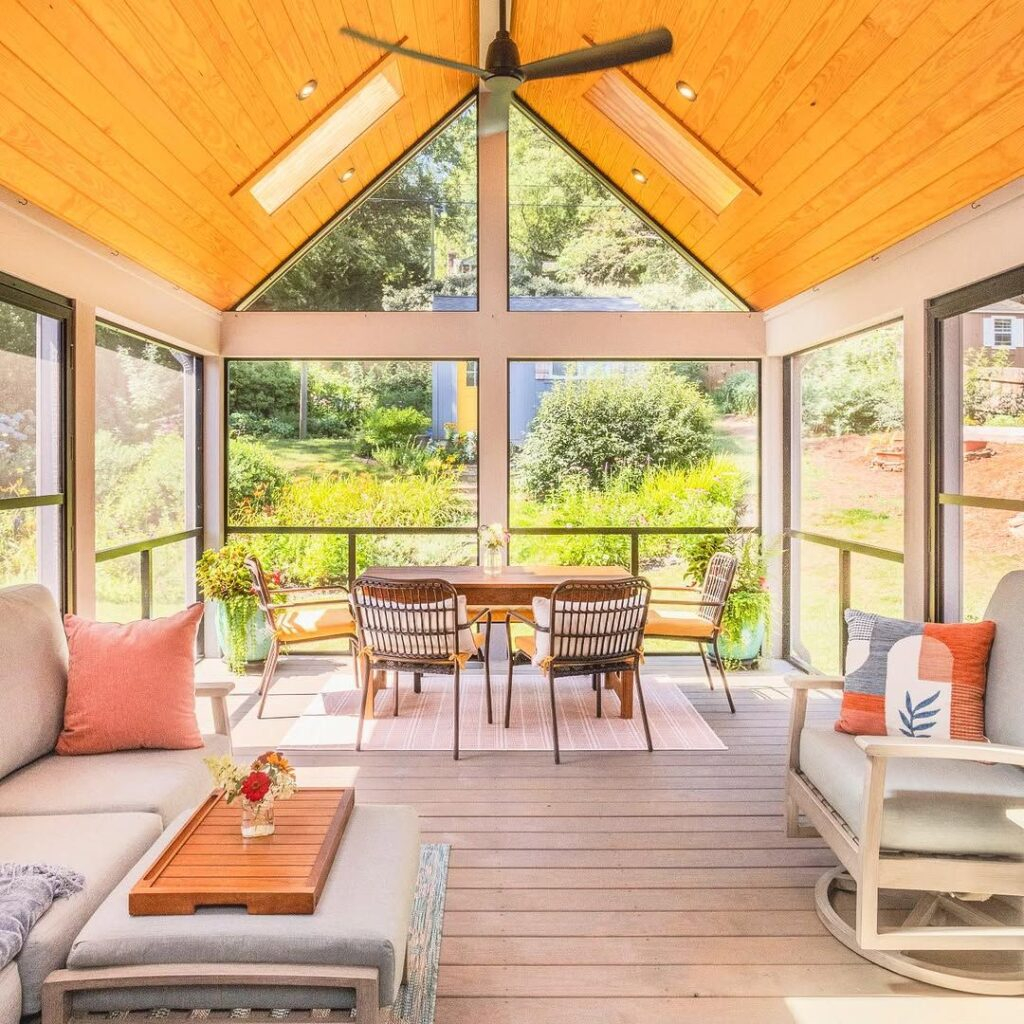
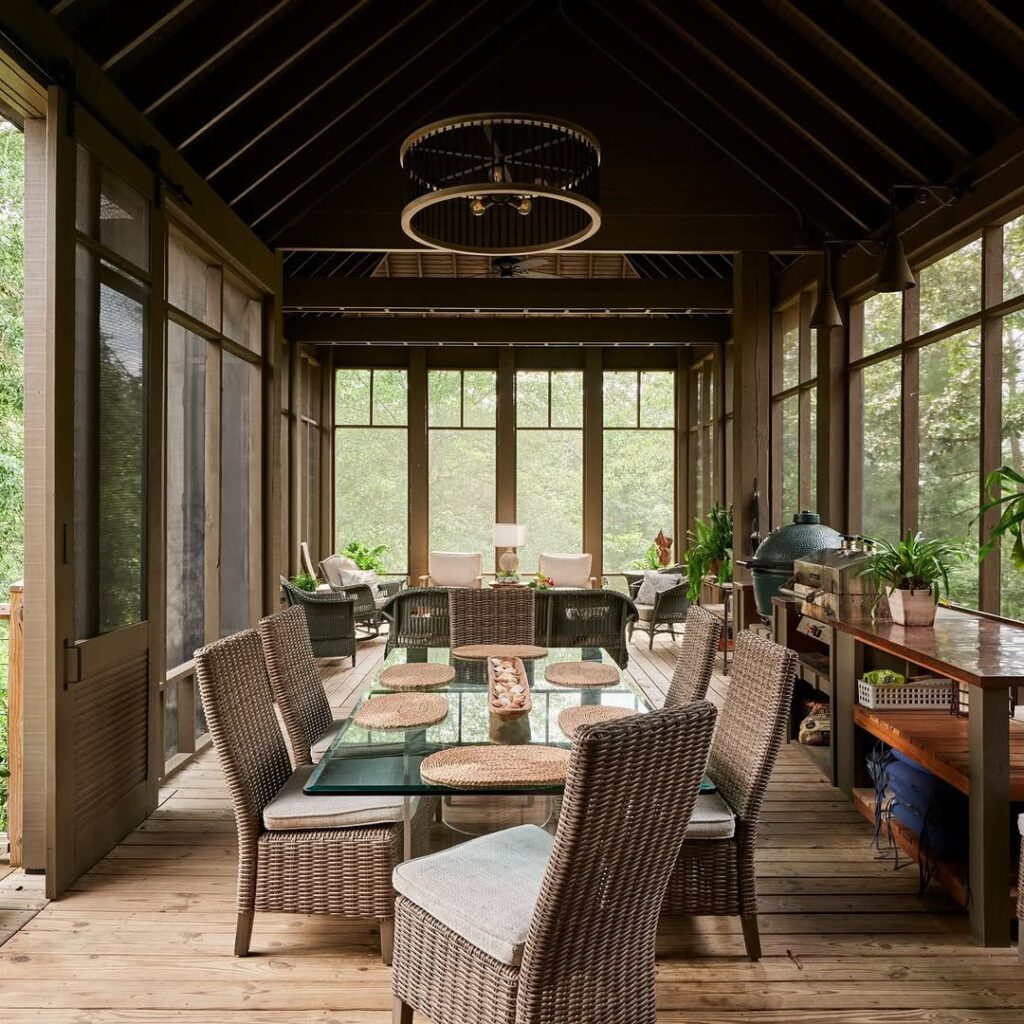
Packing too many pieces into a cozy enclosure ruins the relaxing vibe. Every item should have a clear purpose. If you try to squeeze a dining set and a full living room setup into a modest space, nothing will look or feel right.
Prioritize how you will actually use the area. If you love hosting dinner parties, focus on the table. If you prefer curling up with a book, invest in a comfortable lounge chair and a good side table instead of overcrowding the floor plan.
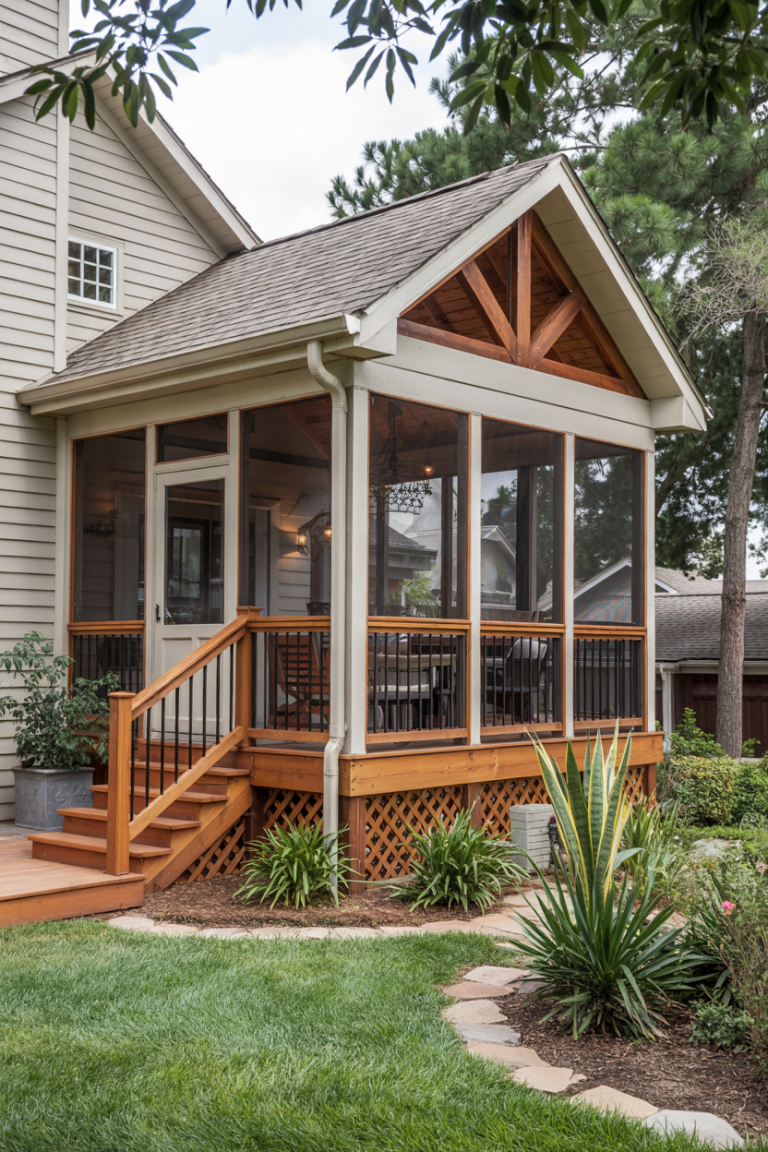
Treating the porch like a totally separate island often leads to awkward design choices. The flooring transition from your indoor living room to the outdoor enclosure should feel natural and seamless. Step heights and doorway widths need careful planning.
Also, consider how the roofline attaches to your existing house. A poorly planned roof can block natural light from entering your indoor windows, making your actual home feel dark and gloomy. Harmonizing the exterior architecture keeps your property looking cohesive and valuable.
Planning a screened porch should be an exciting journey, not a stressful chore. By keeping these common layout mistakes in mind, you can create a functional, beautiful retreat that you will love spending time in for years to come.
Take your time with the planning phase before picking up any tools. A little extra thought upfront saves you from costly headaches later. Your future relaxed self will thank you for being so prepared.