Imagine walking into a building that feels like it grew right out of the ground. The walls have these beautiful, wavy layers of reds, oranges, and tans, looking like a slice of the Grand Canyon. It is warm to the touch, dead quiet inside, and somehow keeps the perfect temperature without a roaring air conditioner. This isn’t a sci-fi dream—it is the reality of modern rammed earth architecture.
For decades, we have poured concrete and laid steel, convincing ourselves that modern meant synthetic. But as we navigate 2026, the construction world is facing a massive wake-up call regarding carbon emissions. Enter rammed earth. By taking humble soil, mixing it with a tiny bit of stabilizer, and compacting it into rigid frameworks, architects are creating high-end, durable masterpieces that look breathtaking while saving the planet.
What Exactly is Rammed Earth anyway?
To understand this magic, we have to look at how it’s actually made. Workers set up wooden or metal forms, kind of like molds for gelatin. Then, they dump in a damp mix of dirt, gravel, silt, and a tiny splash of cement to glue it all together. Next comes the hard part: pounding it down tightly until it’s compressed into rock-hard layers.
Once the forms are pulled away, you are left with a solid wall that is incredibly strong. You can actually see the different layers from each time they poured and packed the dirt. It looks less like a standard wall and more like a work of natural art. Plus, because the soil usually comes right from the building site, it matches the local scenery flawlessly.
The Secret Weapon: Saving Energy Naturally
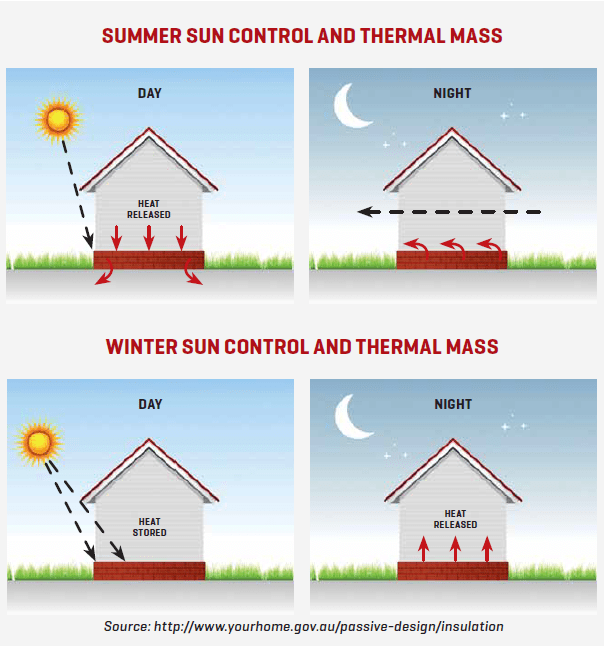
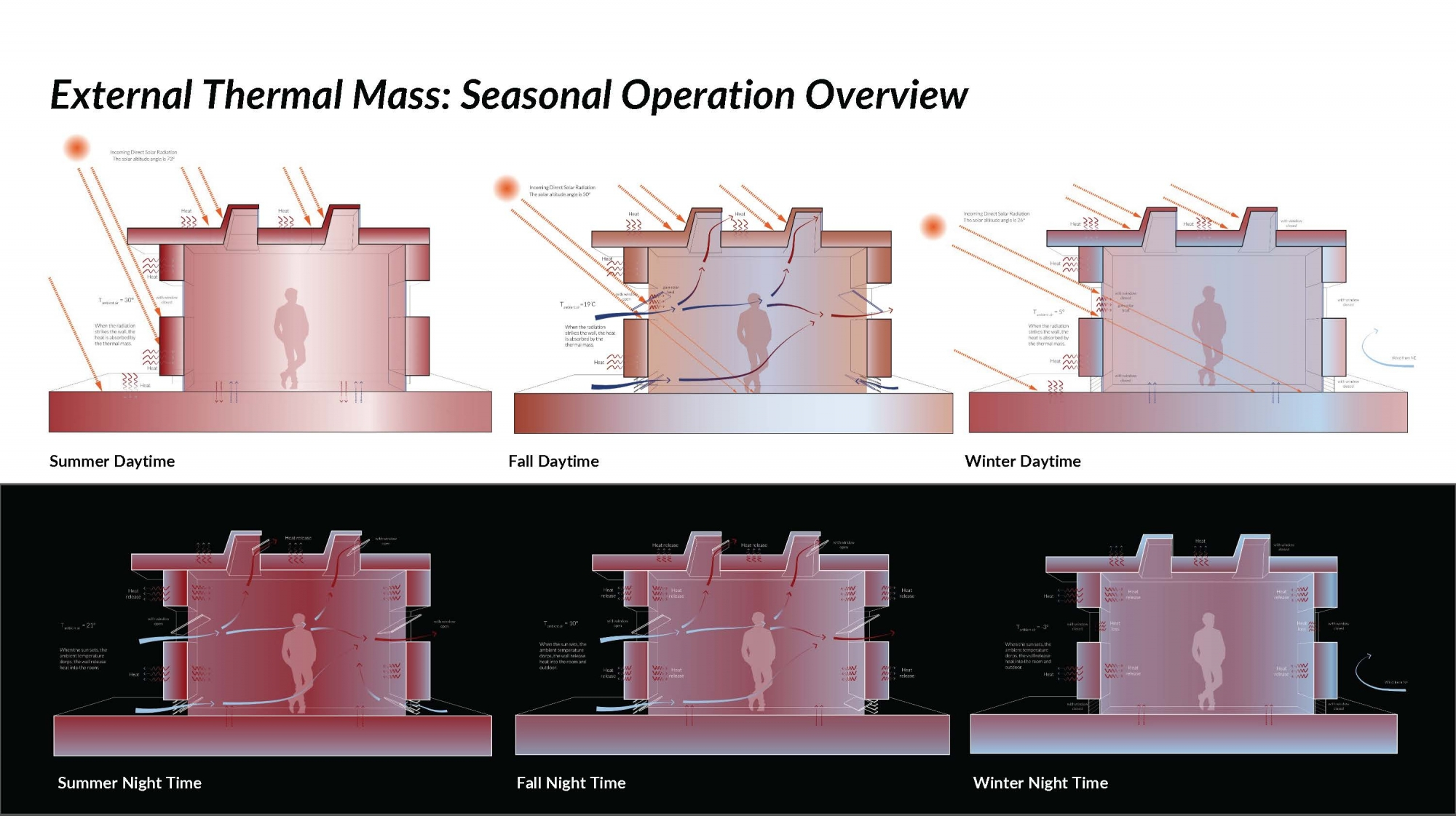
One of the coolest things about these buildings is something scientists call "thermal mass." Basically, these thick dirt walls act like giant batteries for temperature. During a blazing hot summer day, the walls absorb the heat slowly, keeping the inside of the house nice and chilly.
When the sun goes down and the air cools off, the walls slowly release that stored warmth back into the rooms. It is a natural heating and cooling system that works round the clock. Homeowners often find they barely need to turn on their HVAC units, saving a ton of money on electricity bills.
A Massive Win for the Environment
Let’s talk numbers for a second. Standard concrete production is one of the worst polluters on Earth, causing a huge chunk of global carbon emissions. Rammed earth completely flips the script because its primary ingredient is literally beneath our feet.
Because you don’t have to ship heavy bricks or concrete mixers across the country, you cut out a massive amount of transportation pollution. Many builders in 2026 are aiming for "net-zero" designs, and using earth is one of the easiest ways to get there. It’s a structure that can eventually return to the earth without leaving a toxic footprint.
Pushing the Boundaries of Modern Design
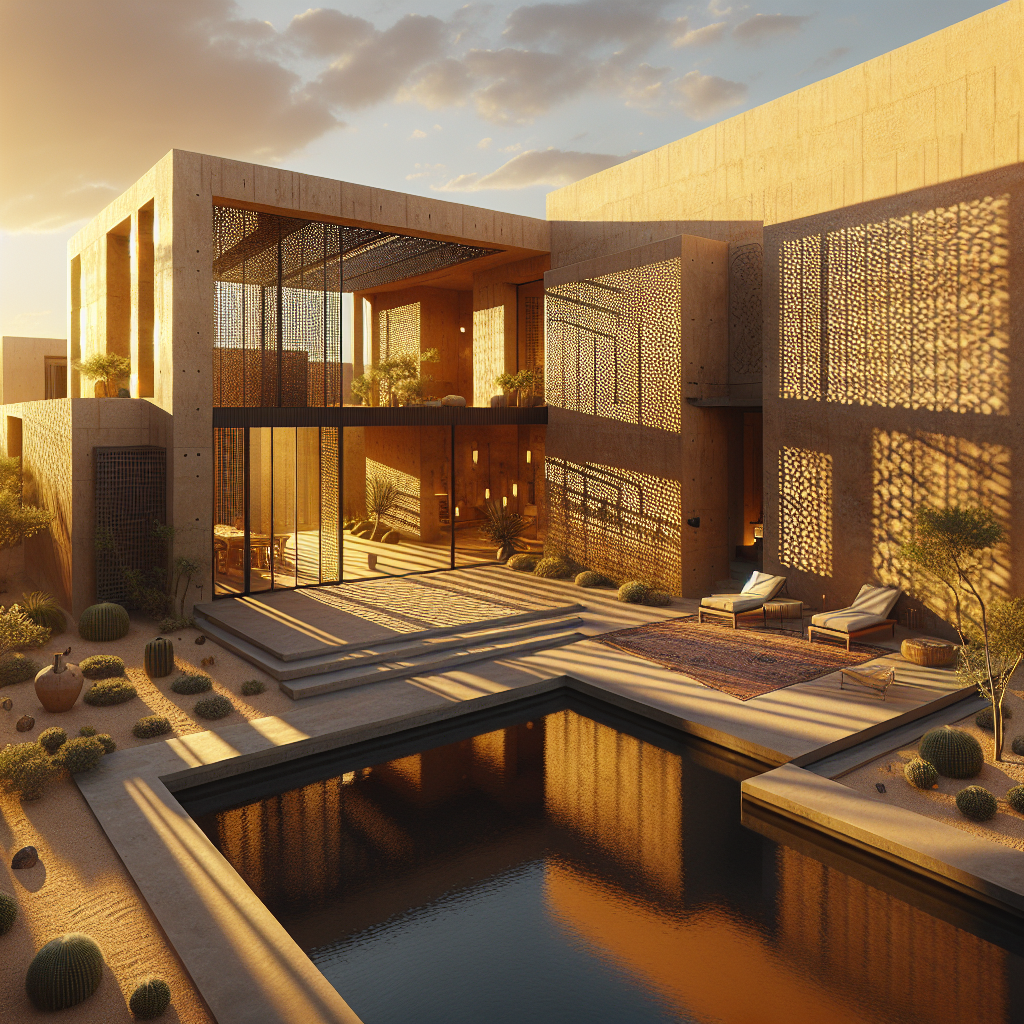
Some people might think dirt homes look like old mud huts, but modern designers are totally busting that myth. Today’s rammed earth structures feature massive glass windows, sleek flat roofs, and open-concept layouts. Architects are combining these textured walls with clean steel beams and polished concrete floors for a stunning contrast.
We are seeing luxury resorts, public libraries, and gorgeous family homes utilizing this method. By adding different natural pigments to the dirt mix, builders can even create custom colors, from deep charcoal grays to soft pastel pinks. It gives designers total artistic freedom.
Overcoming the Challenges of Mud and Rain
Now, it isn’t all sunshine and rainbows. Building with dirt comes with its own unique set of hurdles, especially when it comes to moisture. If a rammed earth wall gets soaked with water constantly, it can erode over time.
To solve this, modern builders use wide roof overhangs to shield the walls from heavy downpours. They also apply breathable, waterproof sealants to the exterior. Engineering has come a long way, and today’s rammed earth structures are fully capable of standing strong against harsh weather and even earthquakes.
Tips for Bringing Earth Into Your Own Project
If you are thinking about utilizing this technique for a future build, here are a few practical pointers to keep in mind:
- Test your soil: You need the right balance of sand, clay, and gravel. Too much clay will cause cracking, while too much sand means it won’t hold together.
- Hire an expert: Tamping earth requires specialized knowledge and equipment; it’s not exactly a weekend DIY project.
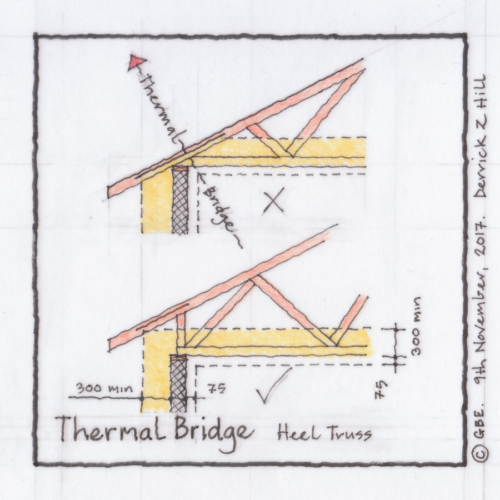
- Plan for insulation: In super cold climates, you might need to sandwich a layer of insulation inside the middle of the earth wall to stay warm.
As we look at the future of housing, it’s clear that we can’t keep building the way we used to. Rammed earth offers a beautiful bridge between ancient wisdom and modern technology. It proves that we don’t have to sacrifice style or comfort to live in harmony with nature.
By changing our perspective on what makes a building modern, we can create spaces that are healthier for us and gentler on the planet. The next time you see one of these layered masterpieces, you’ll realize that the ultimate building material has been right under our shoes the whole time.