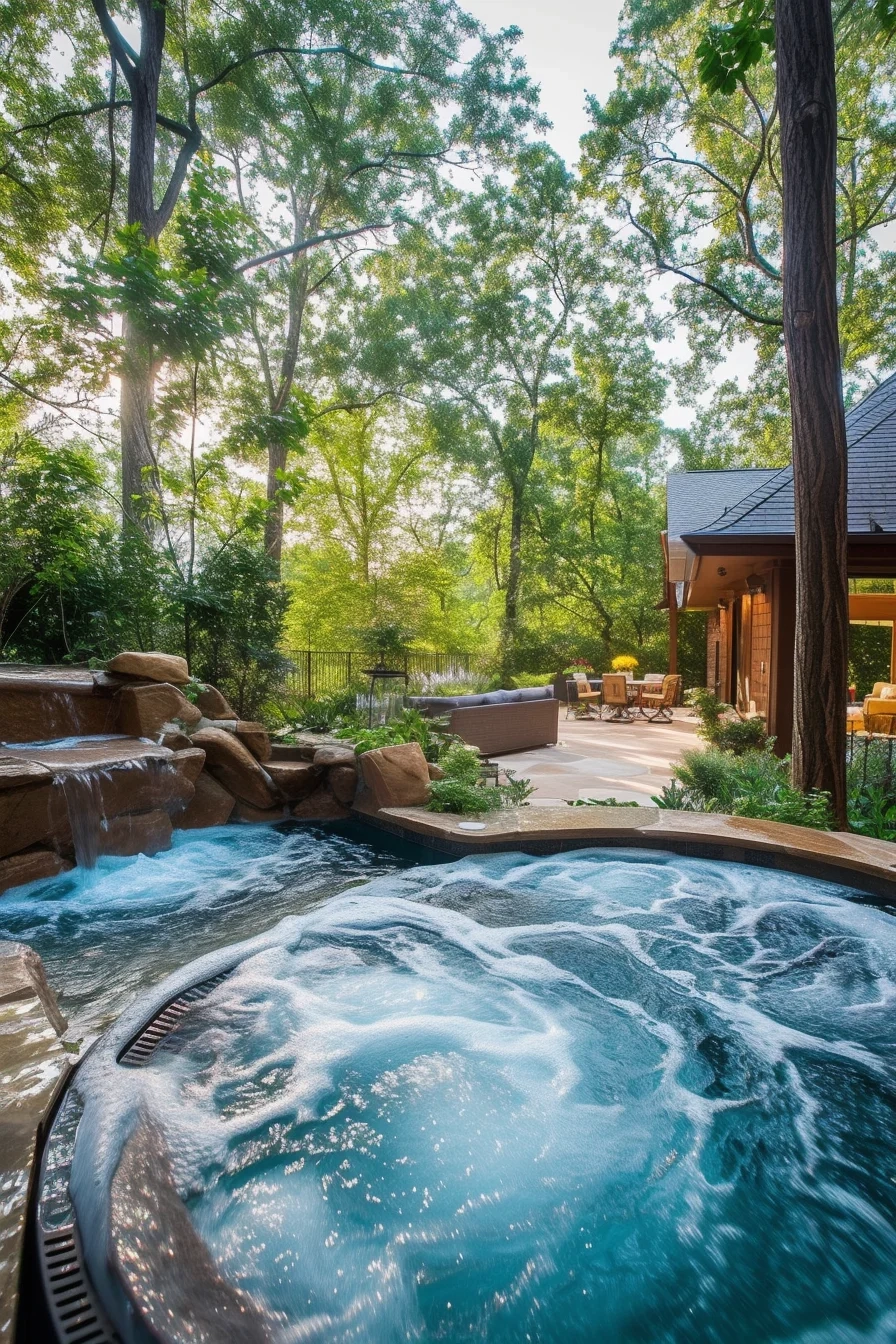
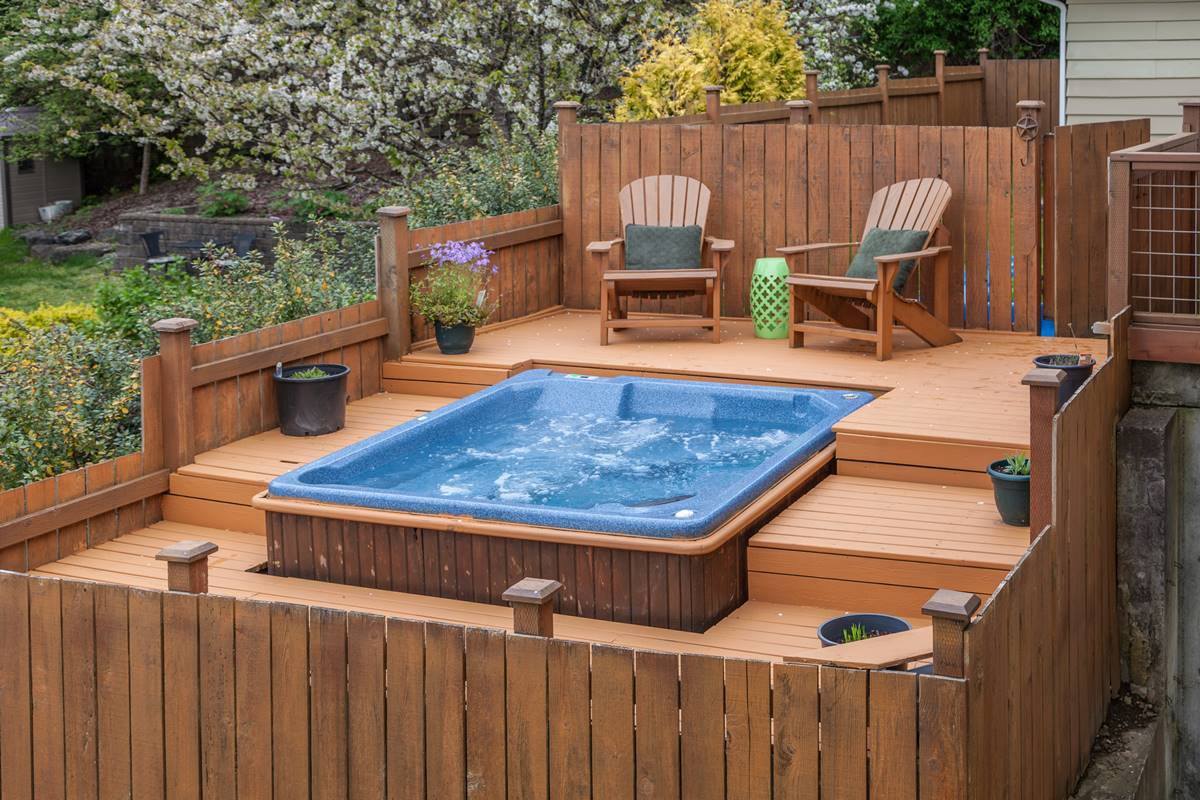
Imagine coming home after a grueling day, muscles aching, mind racing. You step into your backyard, slide into the warm water, and instantly feel the tension melt away. For decades, the backyard hot tub was just a luxury symbol—a place to sip a drink or chat with friends. But over the last few years, a quiet revolution has been brewing right under the surface.
Today, it is not just about bubbles and heat anymore. Mechanical engineers, physical therapists, and tech innovators have completely redesigned what happens inside that water. We are witnessing a massive shift from simple recreational soaking to highly precise, data-driven home hydrotherapy that targets pain and stress like never before.
The Secret Science of Fluid Dynamics
When you feel a jet pressing against your lower back, it feels great, right. But behind that simple sensation lies some incredibly complex engineering. Historically, hot tub jets just blasted water mixed with air at high pressure, which could sometimes bruise skin or cause discomfort after a few minutes.
Engineers in 2026 are using advanced fluid dynamics to change how water moves. By utilizing the Venturi effect—where fluid speeds up as it passes through a narrow pipe—designers can mix air and water at microscopic levels. This creates a kneading motion rather than a straight punch of water. It mimics the hands of a real massage therapist, targetting deep tissue without causing surface irritation.
Micro-Jet Mapping and Muscle Releif
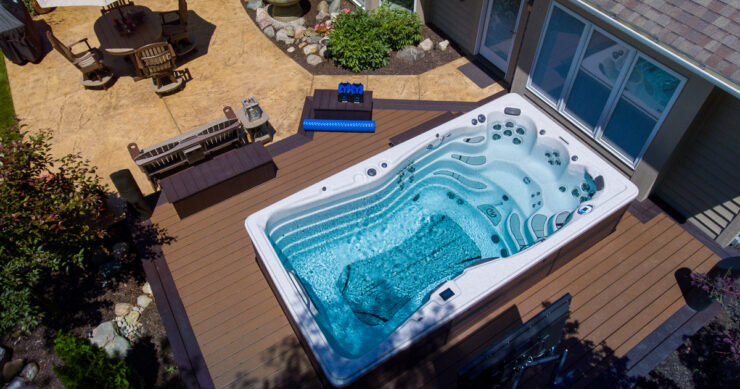
Everyone’s body is built differently, which means a standard jet layout doesn’t work for everyone. That is why modern engineering has shifted toward micro-jet mapping. Instead of a few massive nozzles, newer spa designs feature clusters of dozens of tiny, adjustable openings positioned precisely along the pathways of major muscle groups.
- Cervical Spine Support: Specialized collars target the neck and upper shoulders where we hold stress from staring at screens.
- Lumbar Precision: Dedicated clusters focus on the lower back, relieving pressure on the sciatic nerve.
- Zone Isolation: Users can direct power to specific areas while shutting off others completely, ensuring energy isn’t wasted.
Smart Automation and Custom Routines
Remember when you had to manualy turn dials and guess the temperature. Those days are long gone. Today’s backyard spas are fully integrated into smart home ecosystems. Utilizing machine learning, these systems can suggest specific hydrotherapy sessions based on your daily activity.
If your smartwatch tracks a high-intensity workout or a highly stressful workday, your tub can automatically preheat to the perfect temperature. It programs a specific jet sequence designed for lactic acid removal or nervous system calming. It takes the guesswork out of recovery, turning a simple soak into a personalized medical treatment.
Green Engineering and Thermal Efficiency
One of the biggest complaints about older hot tubs was the massive energy bill. Heating hundreds of gallons of water in the dead of winter used to cost a fortune. Thankfully, modern environmental engineering has solved much of this problem through innovative heat recycling systems.
Newer models capture the ambient heat generated by the pump motors and channel it back into the water supply. Advanced, high-density insulation materials—originally developed for aerospace applications—keep the heat trapped inside the cabinet. This means your spa stays hot while consuming a fraction of the electricity it did a decade ago.
Silent Tech and the Mental Health Connection
Hydrotherapy isn’t just about physical recovery; it is a vital tool for mental relaxation. However, the loud, disruptive hum of an old-school pump can easily ruin a peaceful evening. To fix this, acoustic engineers have made incredible strides in noise dampening.
By isolating the pumps on rubberized vibration mounts and designing smoother interior plumbing lines, engineers have created nearly silent operations. This allows the mental benefits of hydrotherapy to take center stage. When you can actually hear the gentle sound of water rather than a loud motor, your brain shifts much faster into a relaxed, meditative state.
Nobody likes stepping out of a hot tub smelling like a public swimming pool. Heavy chemical use can also irritate the skin and eyes, defeating the whole purpose of a wellness routine. Modern water engineering has tackled this issue head-on with multi-stage sanitization.
By combining ultraviolet (UV-C) light filters with ozone generators, modern spas destroy bacteria at a molecular level instantly. This drasticly reduces the need for harsh chemicals like chlorine or bromine. The result is crystal-clear, drinking-quality water that feels incredibly soft on your skin and doesn’t emit any strong odors.
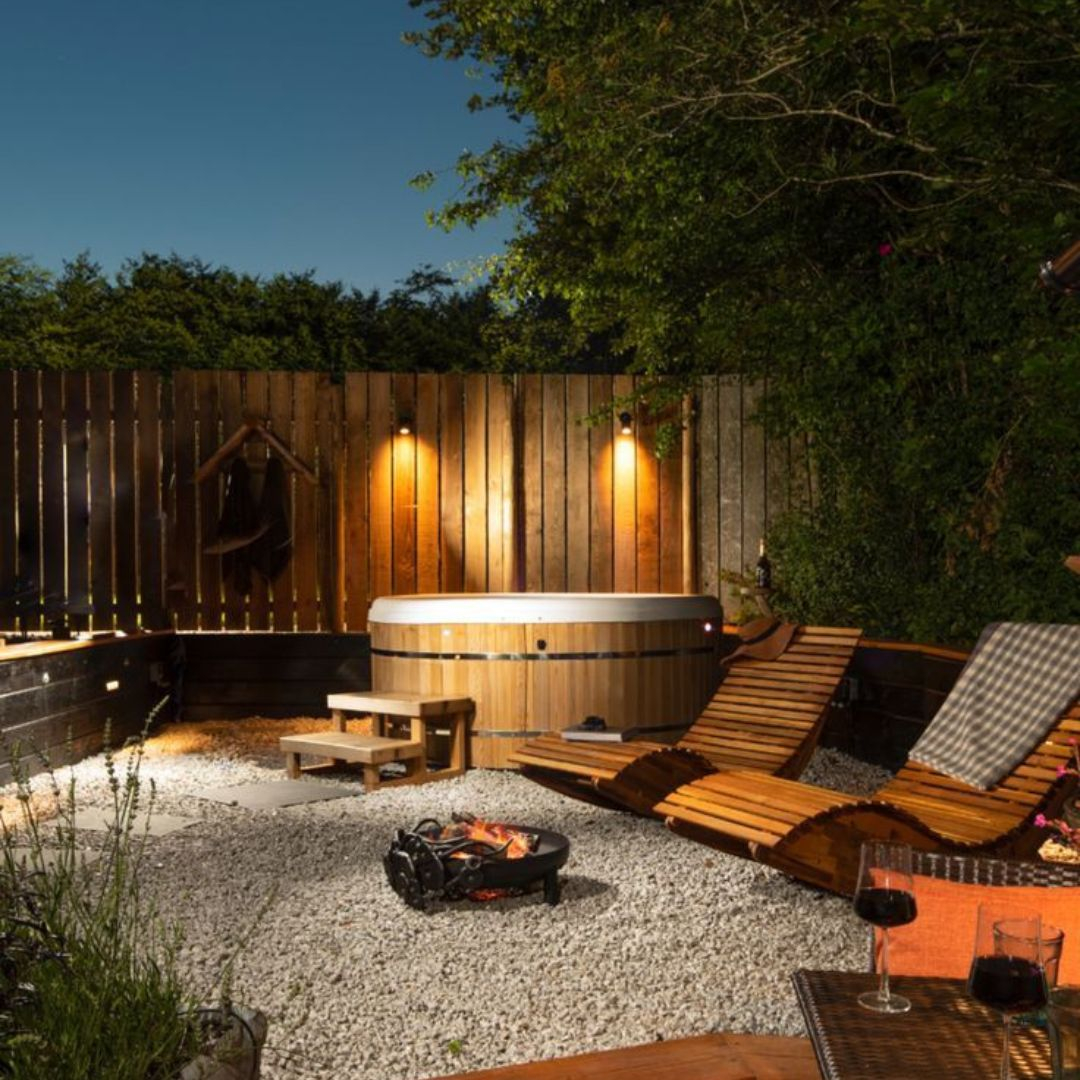
The evolution of backyard hydrotherapy shows us how far home wellness technology has come. What started as a basic wooden tub filled with hot water has transformed into a highly sophisticated machine designed to improve our quality of life. Through smarter designs, cleaner water, and personalized engineering, these systems are helping us take control of our health right from our own backyards.
If you are thinking about bringing one of these modern marvels home, focus on jet customization and energy ratings rather than just the number of seats. Look for systems that allow you to adjust the air-to-water ratio easily. In 2026, investing in a spa is no longer just about buying a luxury backyard accessory—it is about investing in a highly engineered tool for your long-term well-being.