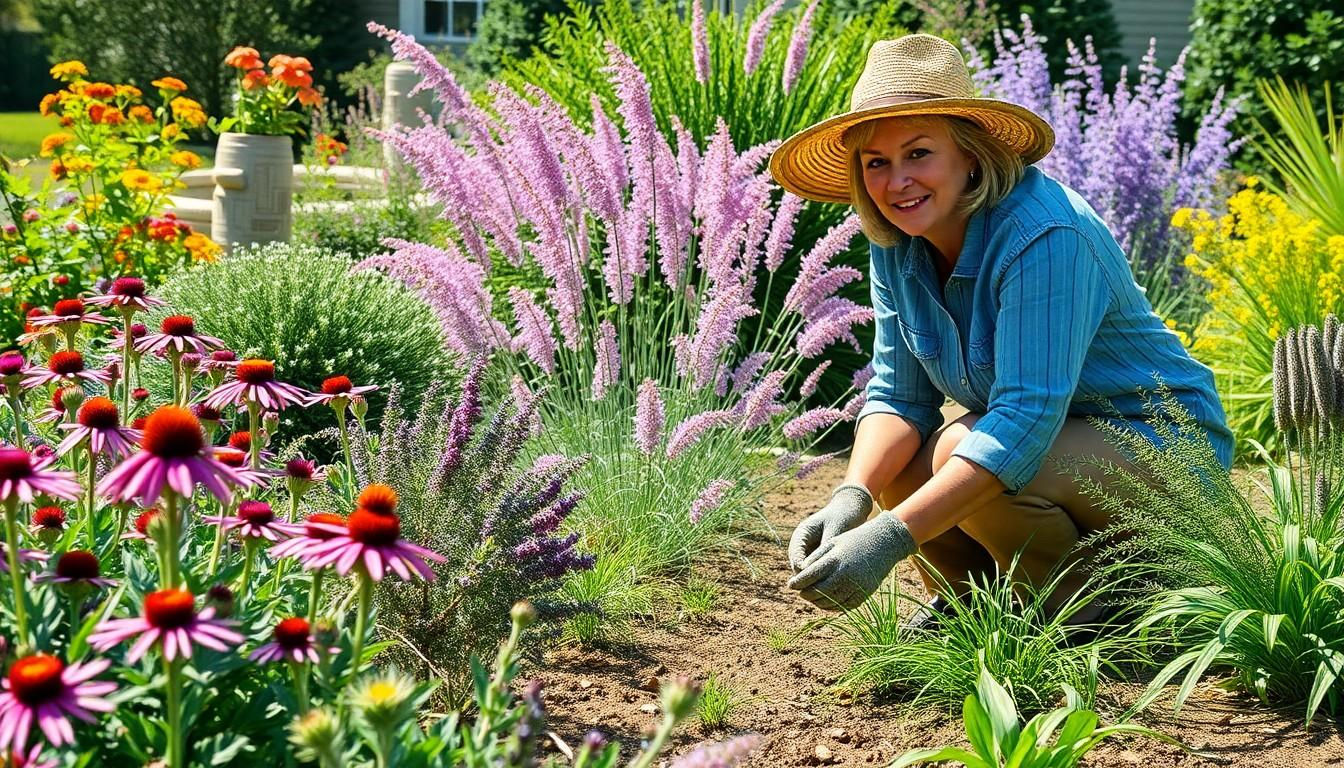
Ever look at your garden and feel less like "ah, nature" and more like "oh no, another chore"? You aren’t alone. In 2026, the trend isn’t about having the perfect, manicured lawn that looks like a golf course. It’s about letting go. It’s about finding plants that don’t just survive when you forget to water them, but actually prefer it.
The secret isn’t a new fertilizer or a fancy irrigation system. It’s going back to basics. Native shrubs are the unsung heroes of the low-effort landscape. They’ve been evolving in your specific region for thousands of years. They know the soil. They know the rain patterns. And honestly? They know how to take care of themselves better than we do.
Let’s be real for a second. Most of us are busy. We work, we raise kids, we try to have a social life. The last thing anyone wants is to spend their Saturday morning fighting with hedge trimmers or dragging hoses across the yard. But we still want beauty. We want color. We want that sense of peace that comes from sitting outside surrounded by greenery. That’s where these tough, native plants come in. They offer a truce between our desire for a beautiful home and our lack of free time.
Why Native Plants Are Basically Cheat Codes for Gardening
Think of non-native plants like guests who need constant attention. They need special food, they get cold easily, and if you look away for a second, they might cause trouble. Native shrubs? They’re like family. They know where the snacks are kept. They’re comfortable. They don’t need you to hover.
When you plant something native, you’re tapping into millennia of adaptation. These plants have developed deep root systems that can find water during dry spells. They’ve built up natural defenses against local pests and diseases. This means you don’t need to spray chemicals. You don’t need to baby them. As noted by recent gardening insights, once these regional superstars are established, they practically care for themselves. It’s not magic; it’s biology.
This "self-sufficiency" is a huge deal for your wallet and your back. You save money on water bills because these plants are drought-tolerant once they get settled. You save money on pesticides because local bugs usually have natural predators that keep them in check when the ecosystem is balanced. And you save your energy. Instead of spending hours fixing problems, you get to spend minutes enjoying the view. It’s a shift from being a servant to your garden to being its partner.
The Golden Rule: Right Plant, Right Place
Here is the one place where you actually have to put in some brainpower. You can pick the toughest native shrub in the world, but if you put it in the wrong spot, it will struggle. And a struggling plant is a high-maintenance plant. The key to "almost no care" is matching the plant to your specific site conditions before you even dig a hole.
Start by looking at your yard. Is it sunny all day? Is it shady under big oak trees? Is the soil clay that holds water like a bathtub, or is it sandy and drains fast? Don’t try to fight these conditions. Work with them. If you have a dry, sunny slope, don’t try to grow a moisture-loving fern. Pick a native drought-lover instead. This simple step eliminates 90% of future headaches.
For example, if you have a wet corner of the yard that stays soggy after rain, look for natives like Buttonbush or Winterberry Holly. They love wet feet. If you have a hot, exposed spot near the driveway, go for something like Bayberry or New Jersey Tea. These plants thrive in heat and poor soil. When you match the plant to the place, you stop fighting nature. And when you stop fighting nature, nature starts working for you. It’s really that simple.
Top Native Shrubs That Ask for Nothing (And Give Everything)
So, which plants should you actually buy? While the best choices depend on your specific region, there are some all-stars that are widely adaptable and famously low-fuss. Let’s look at a few heavy hitters that deliver blooms, berries, and structure without demanding your weekends.
First up is the Serviceberry (Amelanchier). It’s a small tree or large shrub that offers four-season interest. In spring, you get delicate white flowers. In summer, edible berries that birds go crazy for. In fall, the leaves turn brilliant shades of orange and red. And in winter, the smooth gray bark adds texture. It rarely needs pruning and handles a variety of soils. It’s basically the perfect package.
Another favorite is the Inkberry Holly (Ilex glabra). Unlike some hollies that get leggy and weird, Inkberry tends to stay dense and compact. It’s evergreen, so you have green leaves in the dead of winter. It produces small black berries that feed wildlife. It doesn’t have the sharp spines of English Holly, making it safer for kids and pets. Plus, it tolerates wet soil and partial shade, making it versatile for those tricky spots under trees or along foundations.
Don’t sleep on Summersweet (Clethra alnifolia) either. This shrub loves moisture and partial shade, which makes it great for woodland edges. In mid-to-late summer, when most other things are fading, it bursts into fragrant white or pink spikes. Bees and butterflies absolutely love it. It spreads slowly by runners, filling in gaps naturally, which means less mulching for you. It’s fragrant, pretty, and practically indestructible once planted.
The Myth of Pruning: Let Them Be Themselves
One of the biggest misconceptions in gardening is that shrubs need to be shaped. We see those perfect boxes and spheres in commercial landscapes and think we need to do that too. Please don’t. Most native shrubs have a natural habit that is beautiful exactly as it is. Pruning them into geometric shapes not only looks unnatural, but it also stresses the plant and removes the flowers and berries you planted it for.
In fact, many native shrubs require almost no pruning at all. If you choose the right size plant for the space, you won’t need to cut it back to keep it from hitting the house or blocking the window. Let them grow into their natural forms. A slightly wilder look is not only trendy in 2026, it’s healthier for the plant. It allows for better air circulation and provides better shelter for birds and beneficial insects.
If you must prune, do it sparingly and at the right time. Only remove dead, damaged, or diseased branches. This is often called the "three Ds." Do this in late winter or early spring before new growth starts. Avoid shearing the outside of the shrub, which creates a dense shell of leaves on the outside and dead twigs on the inside. Let the light in. Let the air flow. Your shrubs will thank you by staying healthy and vibrant with zero effort from you.
Wildlife: The Hidden Benefit of Low Care
When you stop spraying pesticides and start planting natives, something amazing happens. Life returns. You’ll notice more bees buzzing around in the spring. You’ll hear birds singing in the branches. You might even spot a butterfly laying eggs on the leaves. This isn’t just nice to watch; it’s essential for a healthy garden ecosystem.
Native shrubs are the foundation of the local food web. They provide nectar for pollinators, berries for birds, and host leaves for caterpillars. For instance, Oakleaf Hydrangea (native to the Southeast US) supports numerous moth species. When you plant it, you’re not just getting beautiful fall color; you’re feeding the next generation of birds. This biodiversity helps keep pest populations in check naturally. You won’t have aphid outbreaks because ladybugs and lacewings are there to eat them.
This connection to wildlife adds a layer of joy to gardening that goes beyond aesthetics. It feels good to know your yard is helping the environment. It feels good to see a goldfinch eating seeds from a Coneflower or a Wren nesting in a dense Juniper. These moments happen because you chose to step back and let nature do its thing. It’s a reward that comes from doing less, not more. And in a world that’s always asking us to do more, that’s a pretty sweet deal.
Okay, so I’ve sold you on the idea. How do you actually do it? The only "hard" part of native shrub gardening is the beginning. Specifically, the first two to three years. This is the establishment phase. During this time, the plants are growing their root systems. They need consistent watering, especially during dry spells. Think of it as an investment. You pay a little attention now, and you reap decades of laziness later.
Start small. Don’t try to redo your whole yard at once. Pick one bed or one corner. Remove the turf grass or existing weeds. Amend the soil if necessary (though most natives prefer native soil, so don’t overdo it with compost). Plant your shrubs at the right depth—usually the same depth they were in the container. Mulch around them to hold moisture and suppress weeds. Water them deeply once a week if it doesn’t rain.
After that initial period, you can back off. Really back off. Stop watering unless there’s a severe drought. Stop fertilizing (natives don’t need it). Stop worrying. Watch them grow. Watch them change with the seasons. Notice how they handle the weather without your help. You might make a mistake or two. Maybe a plant dies. That’s okay. It’s part of the learning process. Replace it with something else and keep going. The goal isn’t perfection; it’s resilience. And resilience, it turns out, is incredibly beautiful.
So, are you ready to let go? To trade your hose for a hammock? To let your garden breathe? Native shrubs are waiting. They’re tough, they’re pretty, and they’re ready to work with you. Not against you. Give them a chance, and you might just find that the secret to a beautiful garden was never about control. It was about trust. Trust in the plants. Trust in nature. And trust in yourself to just let it be.
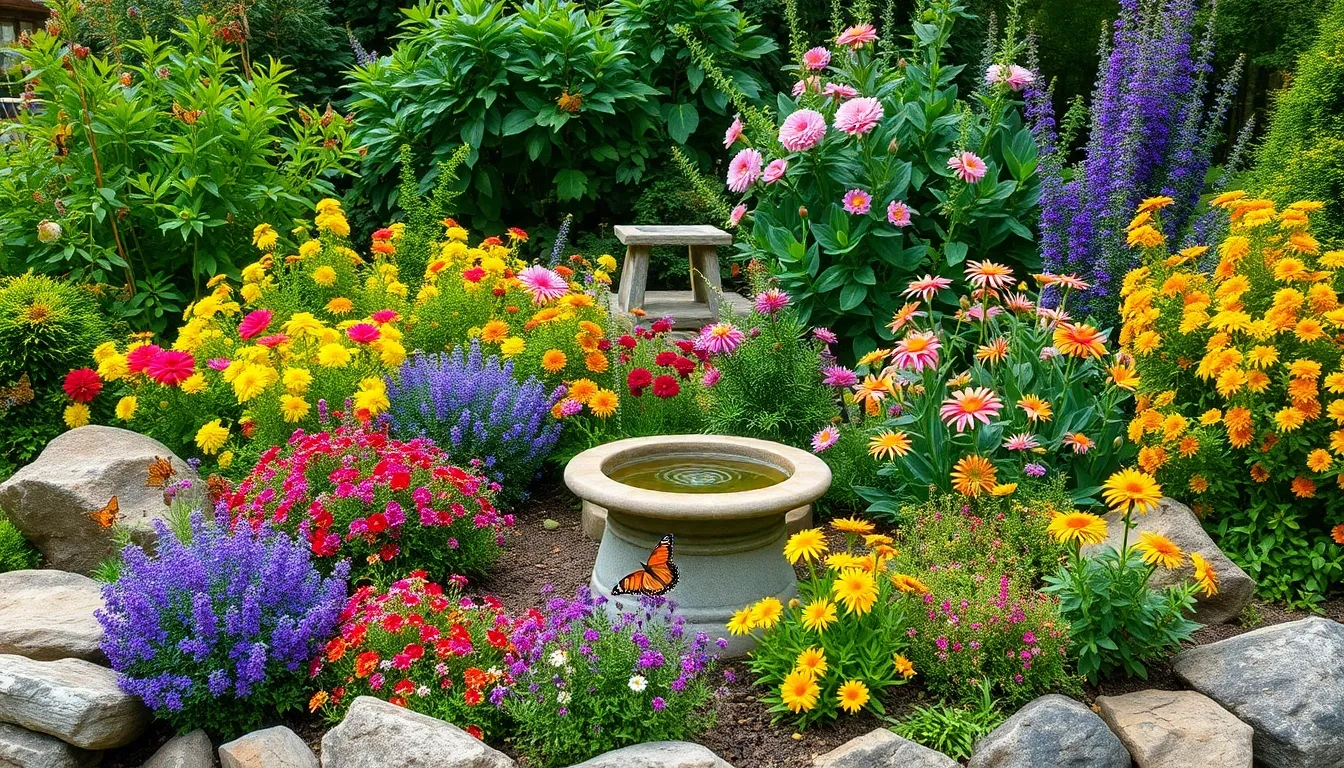
[sps_html tag=”img” src=”https://cdn.northcarolinafinearchitecture.com/2026/05/10-kids-backyard-fort-ideas-to-transform-your-yard-into-an-adventure-throughout-transforming-your-yard-into-a-living-habitat-with-layered-native-plants.jpeg” alt=”10 Kids Backyard Fort Ideas To Transform Your Yard Into An Adventure … throughout Transforming Your Yard into a Living Habitat with Layered Native Plants” style=”width: 100%; height: auto;”]
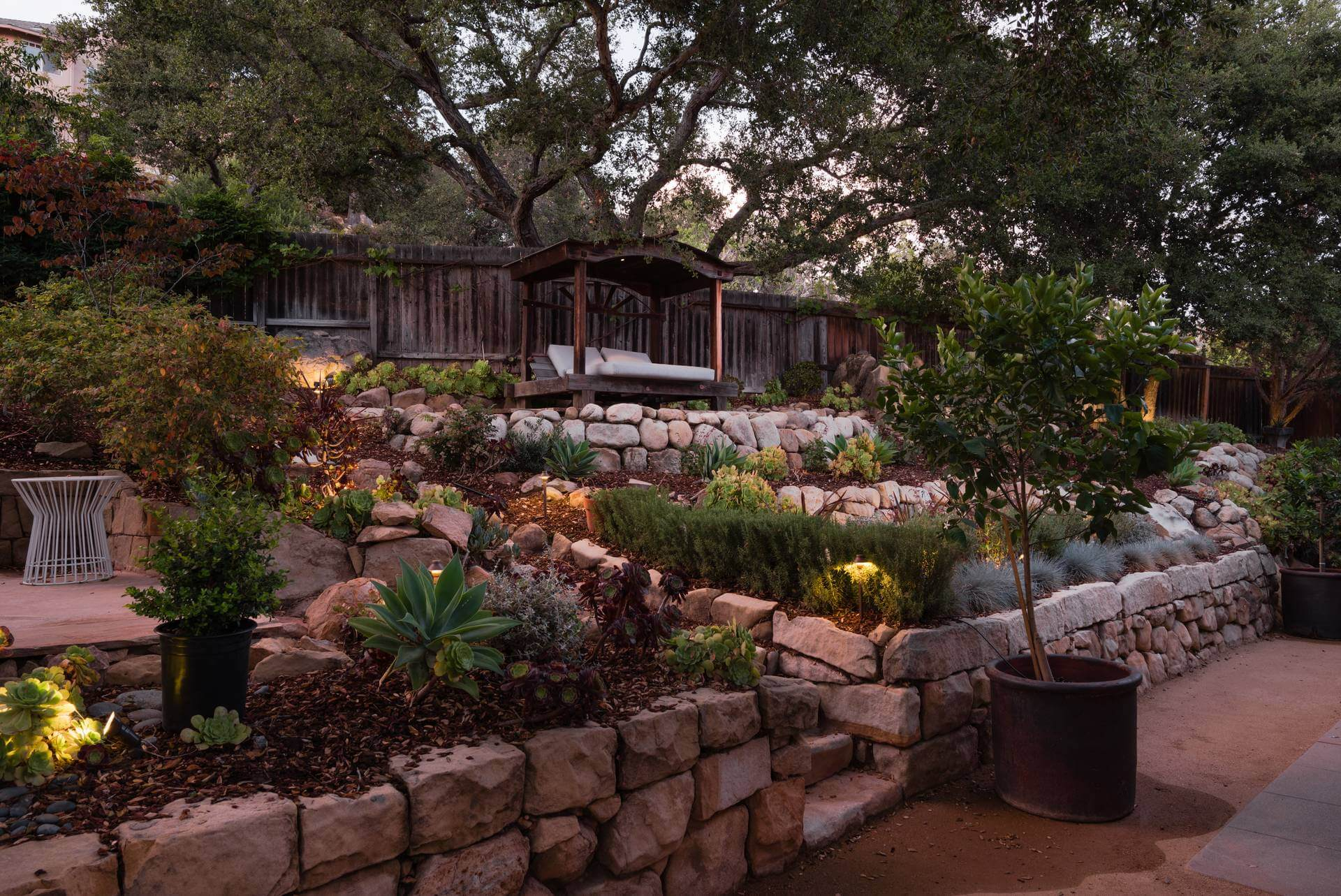
[sps_html tag=”img” src=”https://cdn.northcarolinafinearchitecture.com/2026/05/transform-your-yard-with-these-landscaping-hacks-throughout-transforming-your-yard-into-a-living-habitat-with-layered-native-plants.jpg” alt=”Transform Your Yard With These Landscaping Hacks throughout Transforming Your Yard into a Living Habitat with Layered Native Plants” style=”width: 100%; height: auto;”]
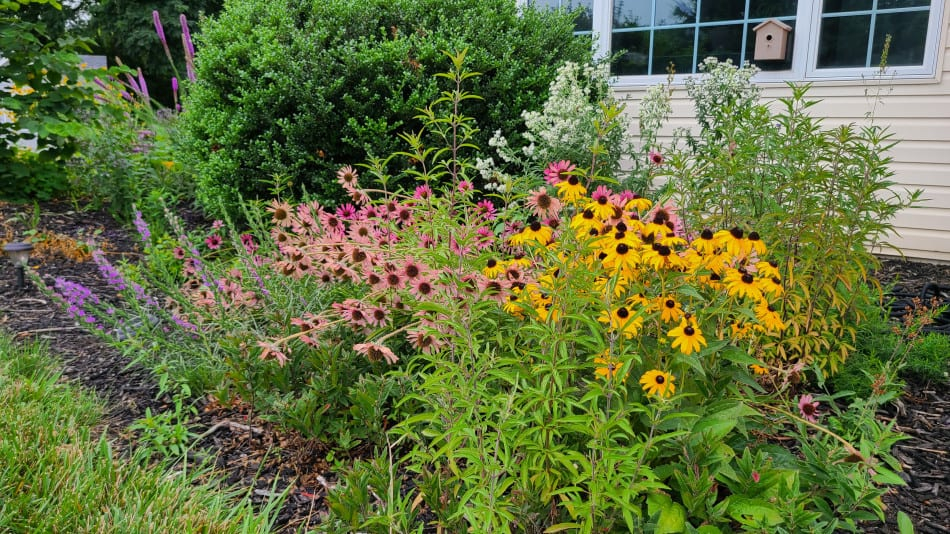
[sps_html tag=”img” src=”https://cdn.northcarolinafinearchitecture.com/2026/05/25-stunning-garden-area-ideas-to-transform-your-yard-into-a-paradise-pertaining-to-outdoor-native-garden-design.webp” alt=”25 Stunning Garden Area Ideas To Transform Your Yard Into A Paradise … pertaining to Outdoor Native Garden Design” style=”width: 100%; height: auto;”]
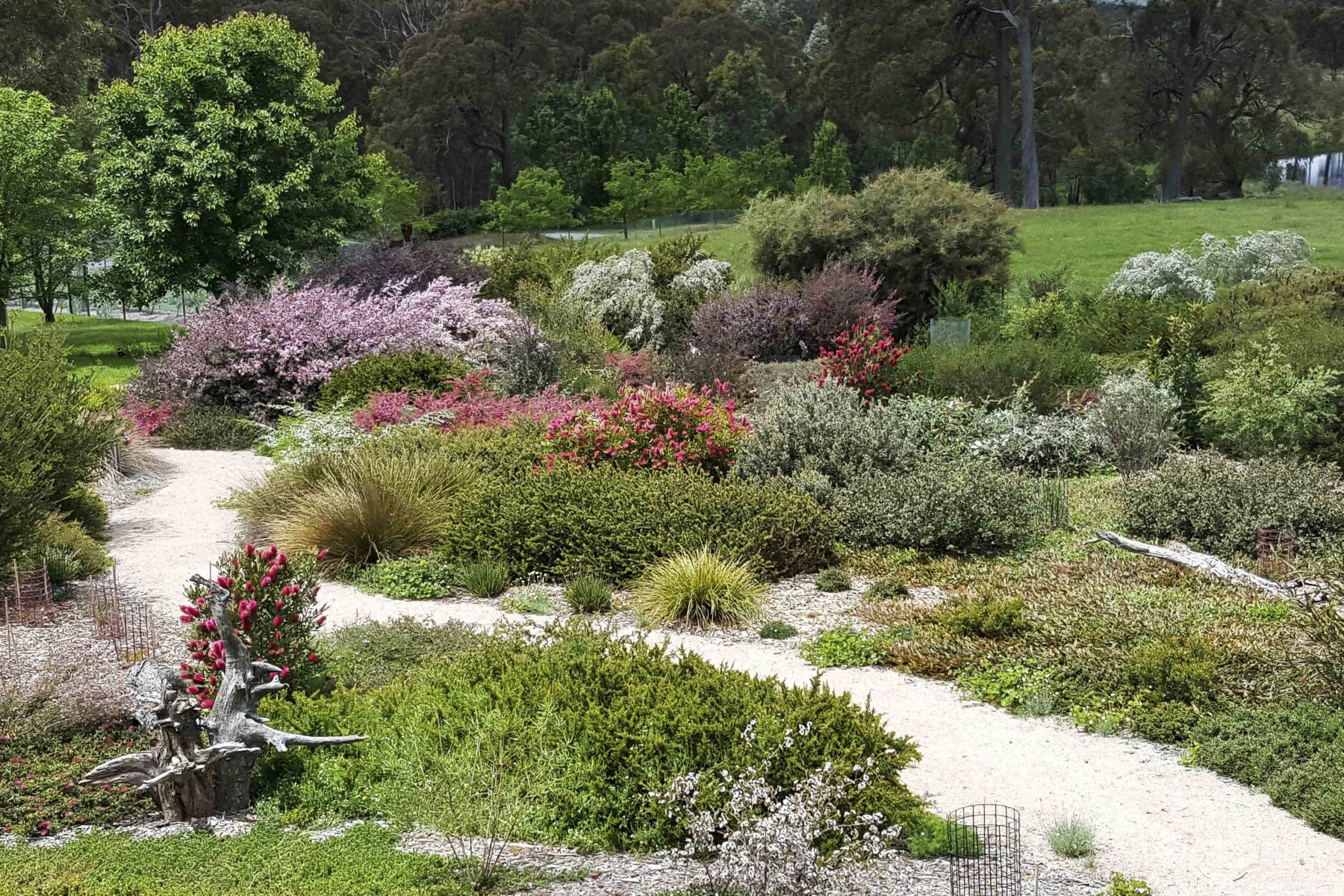
[sps_html tag=”img” src=”https://cdn.northcarolinafinearchitecture.com/2026/05/australian-native-grasses-mallee-native-plants-inside-outdoor-native-garden-design.jpg” alt=”Australian Native Grasses Mallee Native Plants inside Outdoor Native Garden Design” style=”width: 100%; height: auto;”]
[sps_html tag=”img” src=”https://cdn.northcarolinafinearchitecture.com/2026/05/transforming-your-yard-drought-resistant-garden-ideas-for-aussies-throughout-outdoor-native-garden-design.jpeg” alt=”Transforming Your Yard: Drought-Resistant Garden Ideas For Aussies … throughout Outdoor Native Garden Design” style=”width: 100%; height: auto;”]