You’ve probably looked up at a roof before and thought, “That’s just shingles.” Or maybe tiles. Maybe metal if you’re lucky. It’s a lid. A cap. Something to keep the rain off your head. But what if that lid was working against you? In the sweltering heat of July, or the biting cold of January, your roof is often the biggest culprit in why your HVAC system is screaming for mercy. We spend thousands on better windows, thicker insulation in the walls, and smart thermostats. Yet we ignore the five hundred square feet of exposed surface area baking in the sun above us.
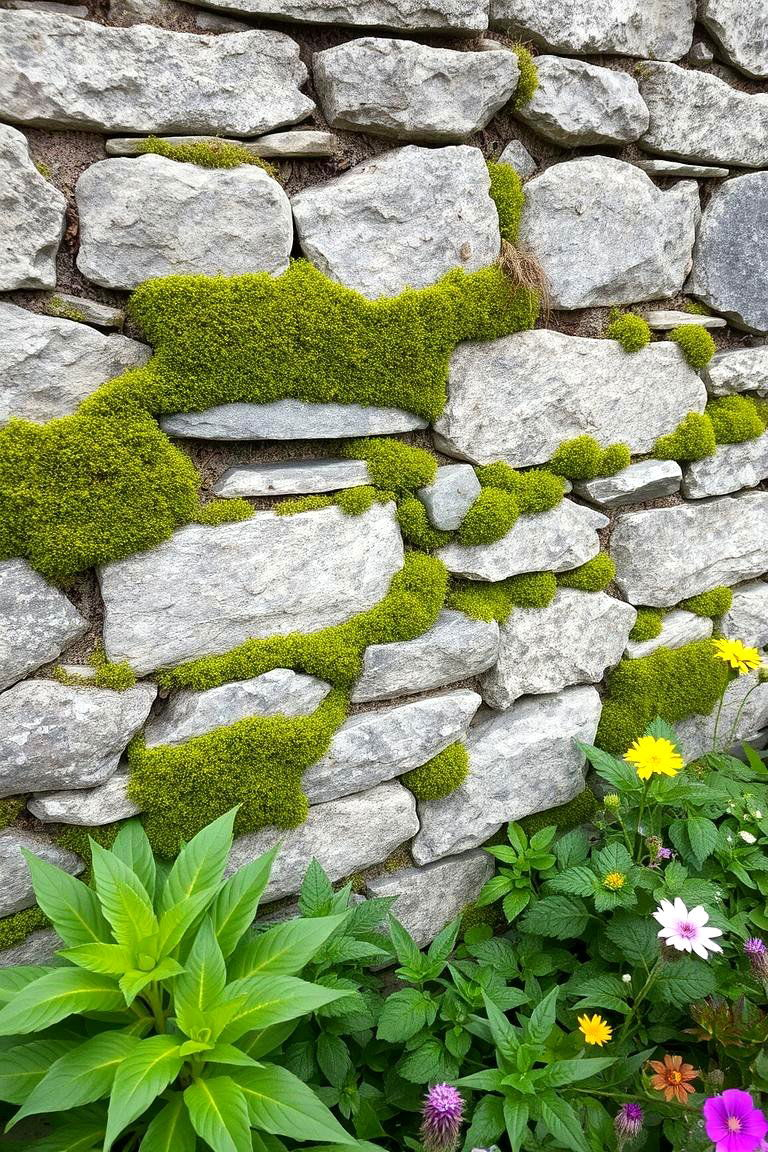
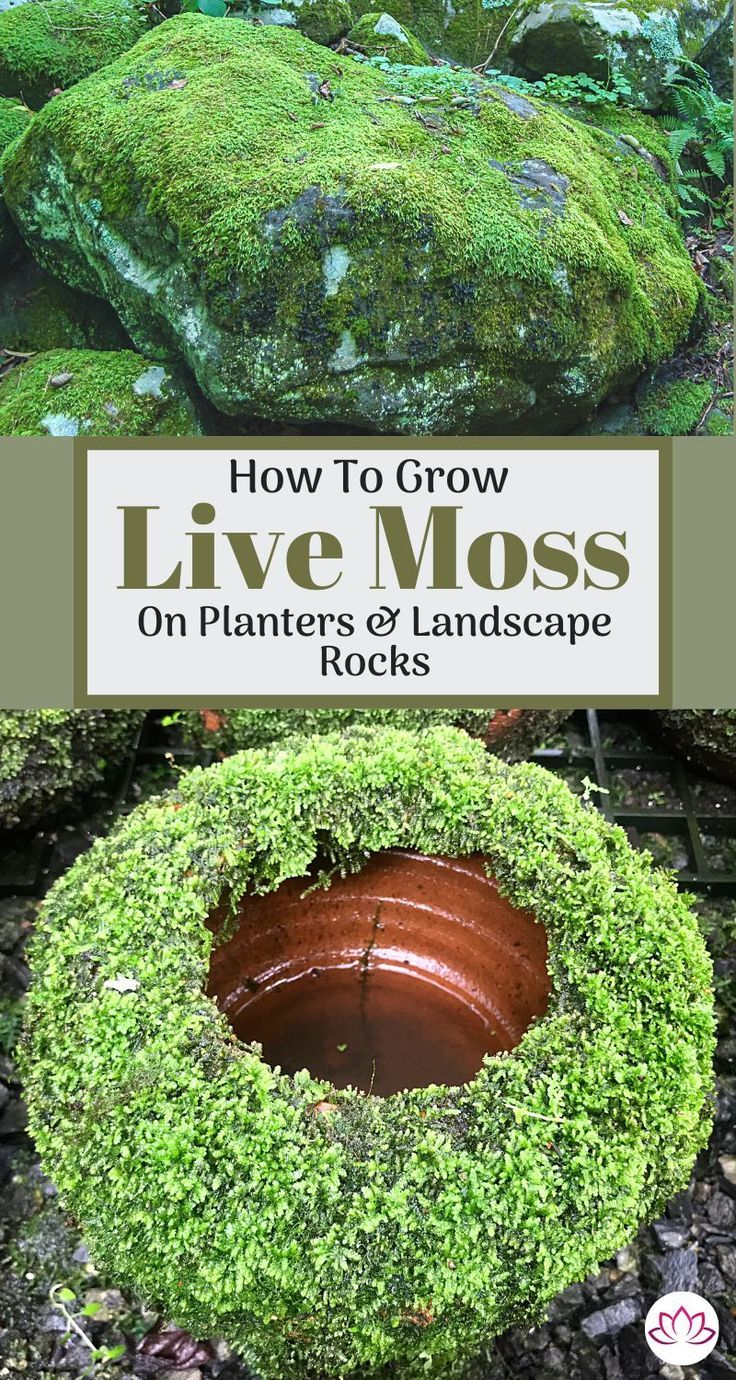
Enter the moss roof. Not the heavy, soil-laden gardens you might see on upscale eco-hotels, but something lighter. Sleeker. A whisper of green that clings to the surface without weighing down the structure. It sounds almost too simple, doesn’t it? Just moss. But in 2026, as energy costs climb and our cities turn into heat traps, this humble plant is becoming a serious player in building efficiency. It’s not about landscaping. It’s about physics. And money.
Most people assume green roofs are only for new construction or buildings with massive structural support. That’s old thinking. The latest developments in lightweight moss systems have changed the game entirely. We aren’t talking about hauling tons of dirt up a ladder. We’re talking about thin, modular mats that can be slapped onto existing roofs—yes, even older ones from the 70s—with minimal fuss. The result? A building that breathes differently. A home that stays cooler in summer and warmer in winter. And an energy bill that actually makes sense.
The Weight Problem and Why Moss Wins
Let’s get the obvious objection out of the way first. “My roof can’t hold a garden.” You’re right. Most residential roofs weren’t built to support the hundreds of pounds per square foot that traditional extensive green roofs require. Those systems need deep soil, drainage layers, and heavy vegetation. It’s a logistical nightmare for retrofitting. If you live in an older home, or even a standard suburban build from the last few decades, adding that kind of load is structurally risky and prohibitively expensive.
This is where the lightweight moss system flips the script. Moss is incredibly light. When you strip away the heavy substrate and replace it with specialized, ultra-thin mats, the weight drops dramatically. Recent studies highlight that these systems are ideal for aging urban stock, like reinforced-concrete buildings from the 1970s that were never designed for green infrastructure. Because the moss layer is so thin, it doesn’t require the heavy engineering reinforcements that sedum or shrub-based roofs do. It’s a retrofit solution that actually fits the retrofit market.
Think about it. You don’t need a crane. You don’t need to reinforce your joists. You just need a surface that’s clean and stable. This accessibility opens up a huge range of buildings that were previously “unreachable” for green tech. It’s not just for the wealthy or the new-build elite. It’s for the row house in the city, the small office block, the school with a flat top. By removing the weight barrier, we remove the primary excuse for not going green. And when more people can do it, the collective impact starts to matter.
How Moss Acts as a Living Insulator
So, how does a patch of green save you money on electricity? It’s not magic. It’s thermodynamics. Traditional roofing materials like asphalt shingles, metal, or concrete are thermal masses. They absorb heat during the day and radiate it back out. In the summer, your roof surface can hit 150°F or higher. That heat doesn’t just stay on the roof; it conducts downward into your attic, then into your living space. Your air conditioner has to work overtime to fight that constant influx of thermal energy.
Moss works differently. It’s a natural insulator. The structure of moss plants holds moisture, and water has a high specific heat capacity. This means it takes a lot of energy to heat up the water stored in the moss mat. Instead of absorbing solar radiation and turning it into heat, the moss uses that energy for evapotranspiration. Basically, the moss sweats. As the water evaporates from the plant surfaces, it cools the surrounding air and the roof membrane itself. It’s the same reason you feel cooler standing near a lake on a hot day.
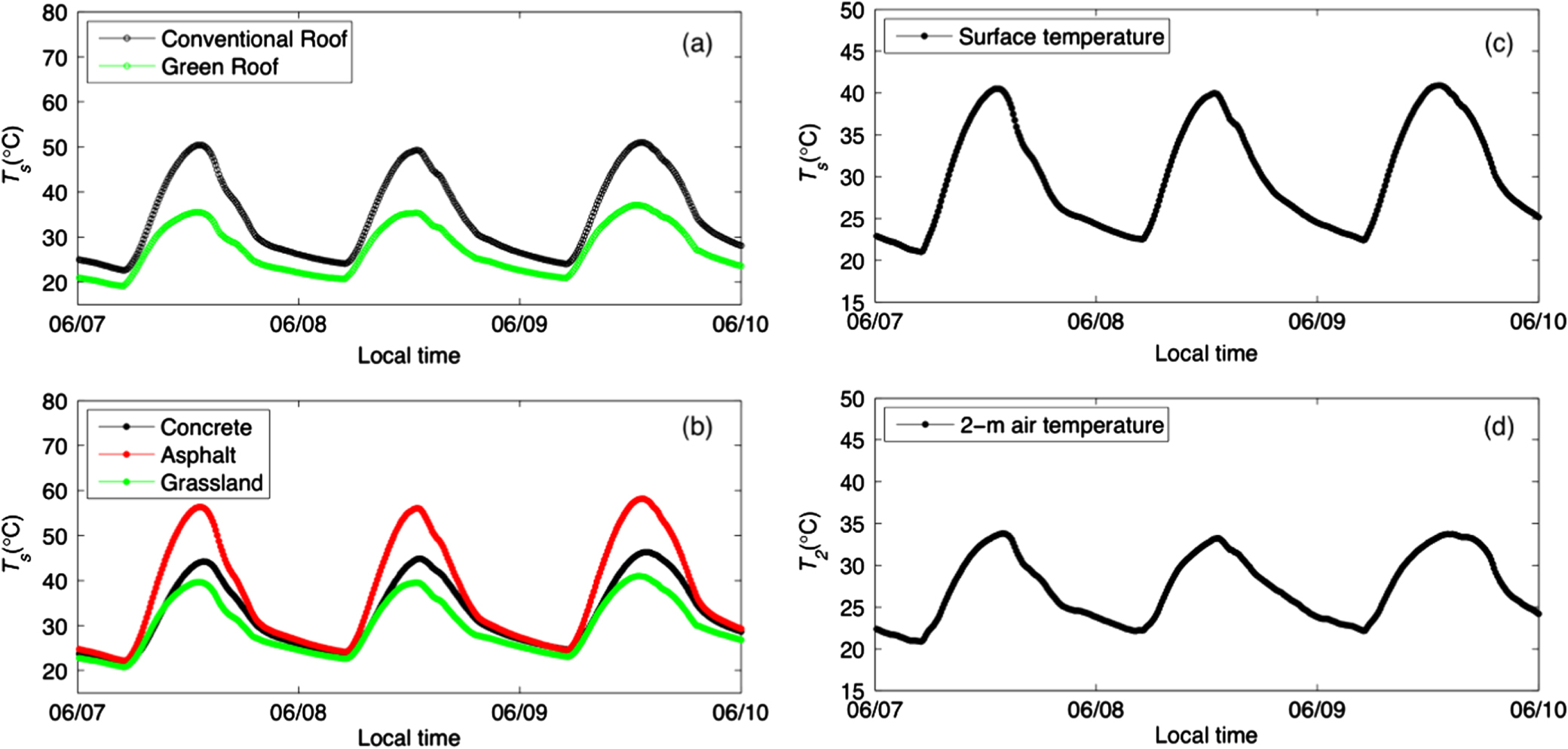
Research from recent evaluations shows that moss-based green roofs significantly reduce rooftop temperatures. One study noted that these systems are particularly effective because they maintain moisture retention better than many other shallow-rooted plants. This consistent moisture layer acts as a buffer. In the winter, the reverse happens. The moss layer adds an extra barrier of resistance against the cold, keeping the warmth inside where it belongs. It’s a two-way street. You’re not just blocking heat; you’re stabilizing the temperature exchange between your home and the outside world.
The Urban Heat Island Effect and Your Bill
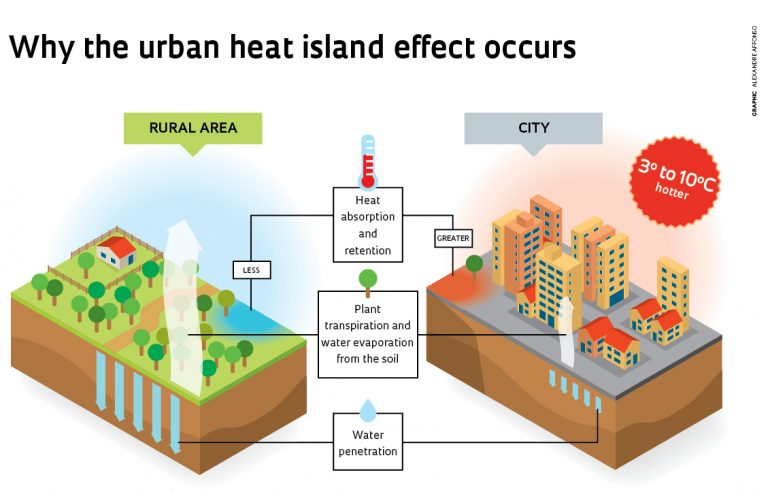
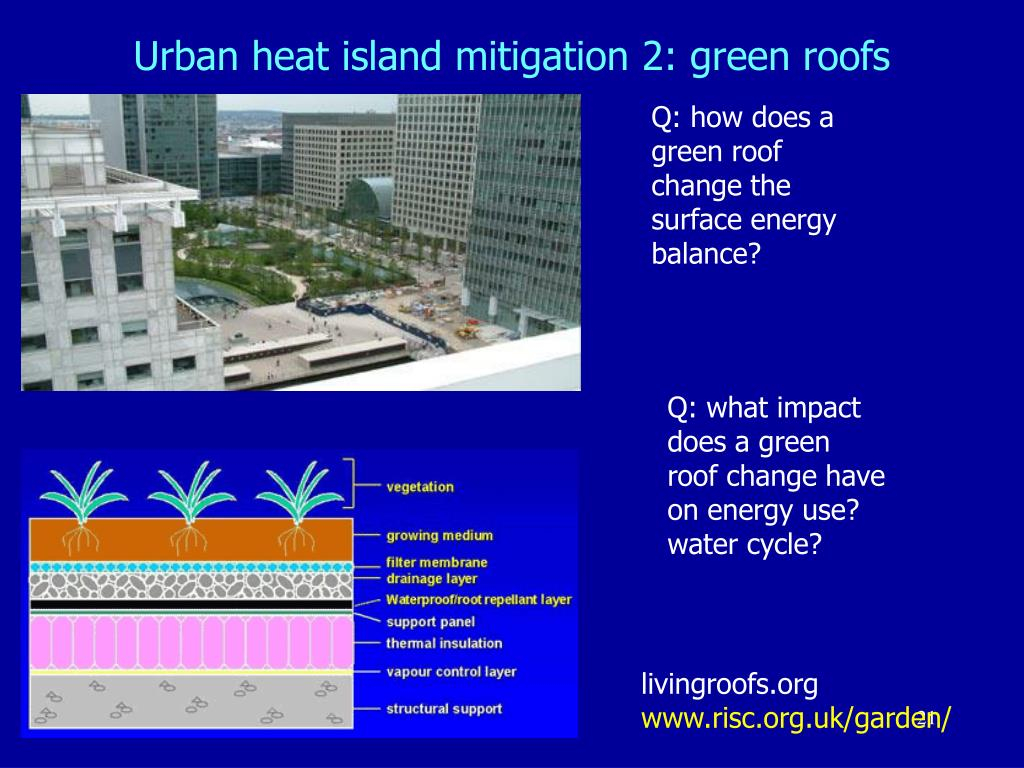
If you live in a city, you know it’s hotter there than in the countryside. This is the Urban Heat Island (UHI) effect. All those dark roads, concrete sidewalks, and black roofs absorb sunlight and re-radiate it, raising the ambient temperature of the entire area. In 2026, this isn’t just an inconvenience; it’s a public health issue and an energy drain. When the whole neighborhood is hot, everyone’s AC runs harder. The grid strains. Prices spike.
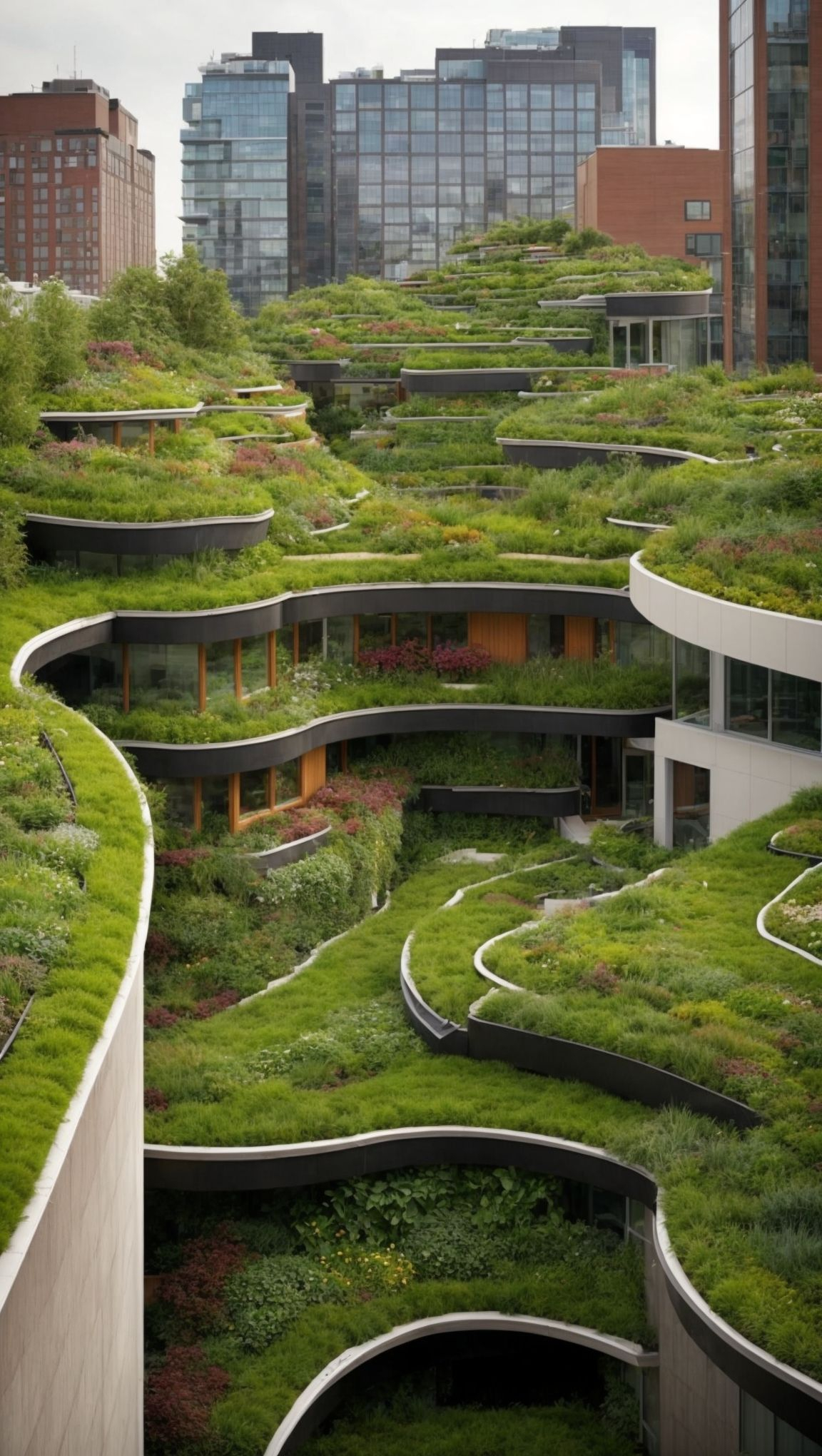
Installing a moss roof helps break this cycle. By covering a dark, heat-absorbing surface with a reflective, cooling vegetative layer, you’re not just helping your own wallet. You’re contributing to a cooler microclimate. The EPA has long noted that green roofs reduce temperatures of the roof surface and the surrounding air. But moss is particularly good at this because it covers the surface completely, leaving no gaps for heat to sneak through. It’s a continuous blanket of cooling.
Consider the ripple effect. If your roof is 20 degrees cooler, your attic is cooler. Your upstairs bedrooms are cooler. You might not even need to turn the AC on until late afternoon. Now multiply that by hundreds of homes in a single block. The cumulative drop in ambient temperature can be measurable. It reduces the demand on the local power grid during peak hours. For you, this means lower bills. For the community, it means less strain on infrastructure and a more livable environment. It’s a small action with a surprisingly large echo.
Carbon Sequestration and Air Quality Benefits
We talk a lot about energy savings, but there’s another hidden benefit that’s harder to put on a monthly statement: carbon sequestration. Moss is a powerhouse when it comes to capturing carbon. Unlike trees, which store carbon in wood over decades, moss grows quickly and densely, trapping particulate matter and absorbing CO2 directly from the air. A study published in MDPI highlighted the feasibility of using specific moss strains, like Racomitrium japonicum, to enhance carbon sequestration under actual urban conditions.
This isn’t just about saving the planet in the abstract. It’s about the air quality right outside your window. Urban environments are filled with pollutants—dust, exhaust, industrial emissions. Moss mats act as filters. They trap these particles, preventing them from circulating back into the air you breathe. While a single roof won’t clear the smog from a city, a network of them creates a healthier urban fabric. It’s a passive air purification system that requires no electricity and no filters to change.
Moreover, the production and installation of lightweight moss systems have a lower carbon footprint compared to traditional roofing replacements. You aren’t tearing off tons of old shingles and sending them to a landfill. You aren’t manufacturing heavy concrete tiles. You’re adding a thin, biological layer that grows and adapts. It’s a regenerative approach to building maintenance. In a world where every ton of carbon counts, choosing a material that actively removes carbon from the atmosphere is a smart, forward-thinking move. It aligns your home’s performance with broader environmental goals without requiring a lifestyle overhaul.
Maintenance Myths and Real-World Care
Here’s the thing that stops most people: “I don’t have time to garden.” And honestly, who does? The idea of a roof garden conjures images of weekend weeding, watering, and pruning. But moss is not a garden. It’s a ground cover. It’s arguably the lowest-maintenance plant on earth. Once established, a lightweight moss roof is largely care-free. It doesn’t need mowing. It doesn’t need fertilizing. In fact, adding fertilizer can harm it. Moss thrives on neglect, mostly.
The key is the initial setup. Using pre-cultivated mats ensures that the moss is already healthy and ready to adhere to the roof surface. After installation, the main requirement is moisture. In the first few weeks, you might need to mist it occasionally to help it root. But after that? Rain is your friend. Moss is designed to survive dry spells by going dormant and turning brown, then bouncing back to vibrant green when the rain returns. It’s resilient. It’s tough. It doesn’t throw a tantrum if you forget to water it for a month.
Interlace Hub and other industry leaders have found that these ultra-thin systems are cost-effective precisely because the maintenance is so low. There are no complex irrigation systems to break. No deep soil to compact or erode. You might need to clear debris like large leaves or branches once or twice a year, just to let the moss breathe. But that’s it. Compared to the hassle of cleaning gutters or repairing leaky shingles, a moss roof is practically self-sufficient. It’s a set-it-and-forget-it upgrade that keeps paying dividends year after year.
Let’s talk numbers. Installing any new roof system costs money. But when you look at the lifecycle cost, lightweight moss roofs start to look like a bargain. Traditional green roofs are expensive due to the structural reinforcements and heavy materials required. Cool roofs (white reflective coatings) are cheaper upfront but can degrade over time and don’t offer the same insulation benefits. Moss sits in a sweet spot. It’s more affordable than a full garden roof because it’s lighter and simpler, but it offers better thermal performance than a simple paint job.
In 2026, with energy prices fluctuating and often trending upward, the return on investment becomes clearer. The energy savings from reduced cooling and heating loads add up. If your HVAC system runs 20% less because your roof is regulating the temperature, that’s money back in your pocket every month. Over five or ten years, those savings can offset a significant portion of the installation cost. Plus, moss roofs protect the underlying waterproofing membrane from UV radiation and temperature fluctuations, which extends the life of your roof structure. You won’t need to replace your roof as often.
There’s also the intangible value. Property values are increasingly tied to sustainability features. Buyers in 2026 are savvy. They look for energy-efficient homes. A moss roof is a visible, tangible sign of a modern, eco-conscious property. It stands out. It adds aesthetic appeal without the clutter. It’s a unique selling point that differentiates your home in a crowded market. When you combine the direct energy savings, the extended roof lifespan, and the increased property appeal, the financial case for moss becomes hard to ignore. It’s not just an expense; it’s an investment in the building’s future.
So, where does this leave us? We’ve looked at the weight issues, the insulation physics, the urban heat impact, the carbon benefits, the low maintenance, and the cost. The picture is pretty clear. Lightweight moss roofs aren’t a niche trend for eco-warriors. They’re a practical, scalable solution for anyone looking to make their building more efficient. They solve real problems—high energy bills, overheating cities, aging infrastructure—with a simple, natural technology.
It’s easy to get overwhelmed by the complexity of modern sustainability. Solar panels, battery backups, smart grids. It feels like you need an engineering degree to make your home green. But moss reminds us that sometimes the best solutions are the oldest ones. Nature has been solving these problems for millions of years. We just had to learn how to listen. By integrating these lightweight systems into our built environment, we’re not fighting nature. We’re partnering with it.
If you’re sitting on the fence, wondering if it’s worth it, look at your roof. Really look at it. See it not just as a shield, but as an opportunity. An opportunity to cool your home, clean your air, and save some cash. The technology is ready. The data supports it. And the moss? It’s just waiting to grow. Maybe it’s time to let it.
[sps_html tag=”img” src=”https://cdn.northcarolinafinearchitecture.com/2026/05/the-effectiveness-of-cool-and-green-roofs-as-urban-heat-island-pertaining-to-the-science-behind-moss-roof-insulation-and-urban-heat-island-mitigation.jpg” alt=”The Effectiveness Of Cool And Green Roofs As Urban Heat Island … pertaining to The Science Behind Moss Roof Insulation and Urban Heat Island Mitigation” style=”width: 100%; height: auto;”]
[sps_html tag=”img” src=”https://cdn.northcarolinafinearchitecture.com/2026/05/urban-heat-island-mitigation-throughout-the-science-behind-moss-roof-insulation-and-urban-heat-island-mitigation.jpg” alt=”Urban Heat Island Mitigation throughout The Science Behind Moss Roof Insulation and Urban Heat Island Mitigation” style=”width: 100%; height: auto;”]
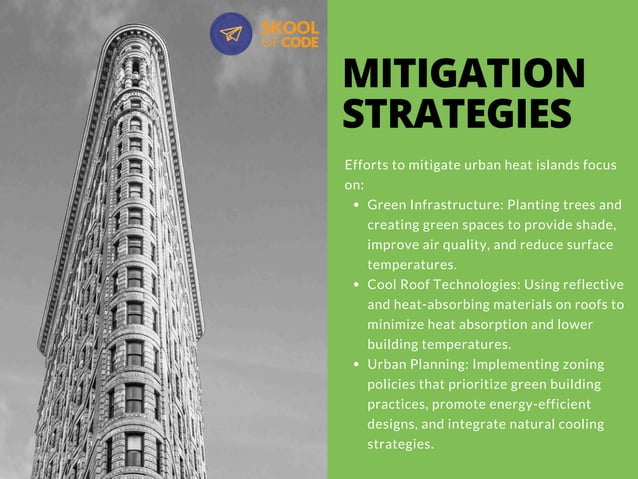
[sps_html tag=”img” src=”https://cdn.northcarolinafinearchitecture.com/2026/05/urban-heat-islands-understanding-the-impact-and-mitigation-strategies-pdf-for-the-science-behind-moss-roof-insulation-and-urban-heat-island-mitigation.jpg” alt=”Urban Heat Islands Understanding The Impact And Mitigation Strategies.pdf for The Science Behind Moss Roof Insulation and Urban Heat Island Mitigation” style=”width: 100%; height: auto;”]
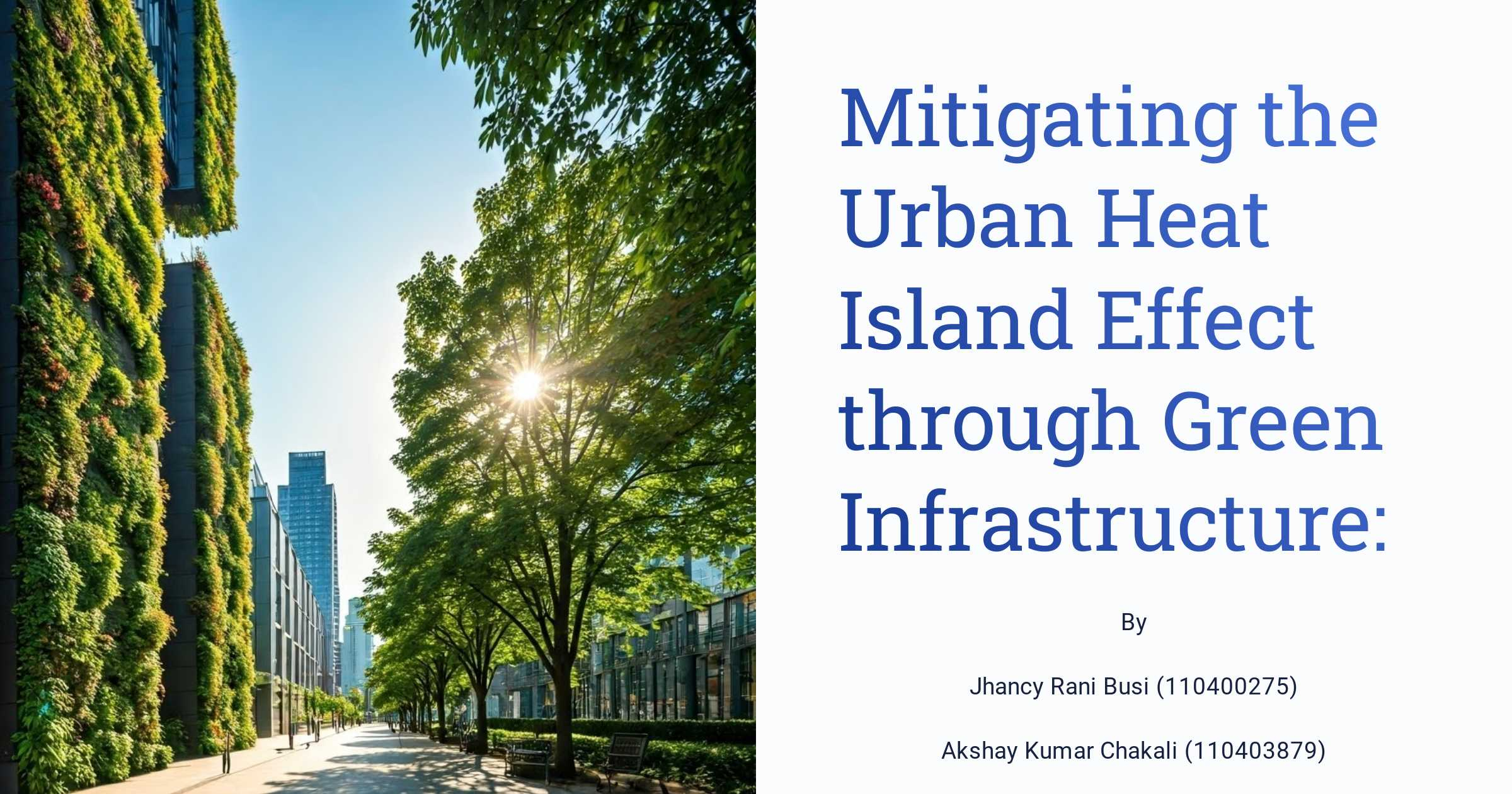
[sps_html tag=”img” src=”https://cdn.northcarolinafinearchitecture.com/2026/05/mitigating-the-urban-heat-island-effect-through-green-infrastructure-inside-outdoor-moss-roof-design.jpg” alt=”Mitigating The Urban Heat Island Effect Through Green Infrastructure: inside Outdoor Moss Roof Design” style=”width: 100%; height: auto;”]
[sps_html tag=”img” src=”https://cdn.northcarolinafinearchitecture.com/2026/05/ppt-part-2-urban-climate-powerpoint-presentation-free-download-id-regarding-the-science-behind-moss-roof-insulation-and-urban-heat-island-mitigation.jpg” alt=”Ppt - Part 2: Urban Climate Powerpoint Presentation, Free Download - Id … regarding The Science Behind Moss Roof Insulation and Urban Heat Island Mitigation” style=”width: 100%; height: auto;”]