Ever walked out of a store or office and felt like you were stepping onto a baking sheet? That heat radiating off the blacktop isn’t just uncomfortable; it’s a sign that our spaces are failing us. For decades, we’ve accepted vast seas of gray and black asphalt as the norm. It’s efficient, sure. But it’s also ugly, hot, and terrible for the environment. The good news? You don’t need a millionaire’s budget to fix it. In fact, some of the most stunning transformations happen when you work with what you have, rather than tearing everything out.
We are seeing a shift in 2026. Property owners, city planners, and even homeowners are realizing that a parking lot doesn’t have to be a wasteland. It can be a garden. It can be a community asset. It can actually look nice. The key is stopping the urge to rip up every inch of pavement. Instead, we look at softening the edges, breaking up the monotony, and letting nature back in. This approach saves money, reduces runoff, and makes people feel better about visiting your space. Let’s dive into how you can do this without spending a fortune.
Start with What You Have: Assessment and Planning
Before you buy a single plant or bag of mulch, you need to look at your asphalt with fresh eyes. Most people see cracks and stains. Try to see potential islands. Walk the lot. Where does water pool? Those spots might be perfect for rain gardens later. Where is the sun hottest? That’s where you’ll want shade trees. The biggest mistake folks make is trying to do too much, too fast. You don’t need to landscape the whole thing at once. Pick one corner, one median, or the perimeter. Start small. It’s less overwhelming and easier on the wallet.
Check the condition of the pavement. If there are major structural issues, no amount of landscaping will hide them. But if it’s just old and faded, you’re in luck. Minor cracks can actually be filled with soil and planted over in certain designs, or sealed cheaply before you start adding greenery. Take photos. Sketch a rough map on a napkin if you have to. Note where the utilities are—don’t plant a big oak tree over a sewer line. This simple prep work saves you from costly mistakes down the road. It’s about working smart, not just hard.
Also, think about who uses the space. Is it employees who sit there all day? They’d love some shade. Is it customers who rush in and out? They need clear visibility and safe walkways. Your design should serve the people first, aesthetics second. When you align the function with the beauty, the project feels less like a decoration and more like an improvement. This mindset shift is crucial for keeping costs down because you aren’t buying things just because they look pretty in a catalog.
Break Up the Sea of Gray with Strategic Islands
The most effective way to tackle a large asphalt expanse is to break it up. Think of your parking lot like a chocolate bar. You want to snap it into smaller, manageable pieces. Create planting islands within the lot. These don’t have to be huge. Even a four-by-four-foot square with a small tree and some ground cover can change the visual rhythm of the space. Use existing curbs if they are there. If not, you can use low-cost concrete blocks or even recycled tires (painted nicely) to define the edges. The goal is to interrupt the eye’s journey across the blacktop.
Trees are your best friends here. But not just any trees. You want species that are tough, drought-resistant, and won’t drop messy fruit all over the cars. In 2026, native oaks, maples, or serviceberries are popular choices depending on your region. They provide shade, which lowers the surface temperature of the asphalt around them. This is a huge win for sustainability. Plus, a shaded car is a happy customer. Planting trees in islands also helps manage stormwater. The soil absorbs rain that would otherwise rush into the drains, carrying oil and debris with it.
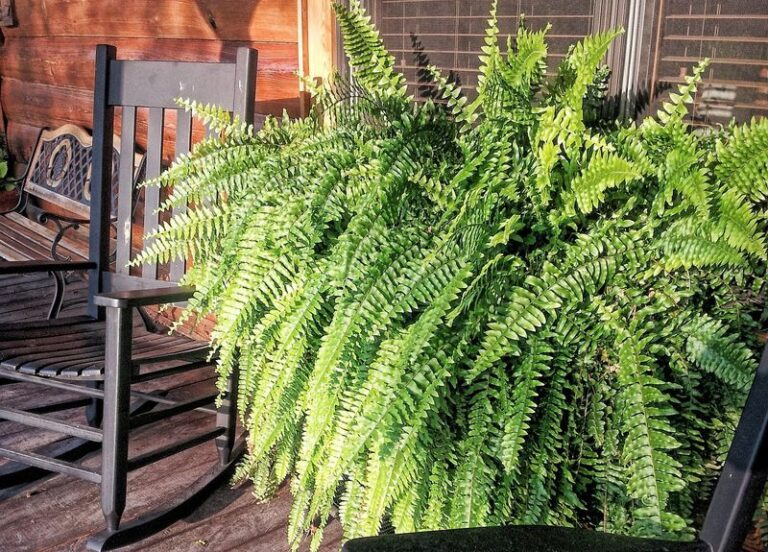
Don’t forget the understory. Beneath those trees, plant hardy shrubs or perennials. Hostas, ferns, or ornamental grasses work well because they don’t need constant mowing. Avoid high-maintenance flower beds that require weekly deadheading. You want this to look good with minimal effort. Mulch is essential here. It keeps the weeds down and holds moisture. Use dark brown or black mulch to tie in with the asphalt, creating a cohesive look. It’s a simple trick that makes the whole area feel intentional and designed, rather than just patched together.
Soften the Edges with Perimeter Planting
The border of your parking lot is often an afterthought. It’s usually a chain-link fence or a bare strip of dirt. This is a missed opportunity. Softening the perimeter creates a buffer between the harsh pavement and the surrounding buildings or streets. It makes the lot feel enclosed and safer. Start by clearing out any trash or invasive weeds. Then, add a layer of topsoil if needed. You don’t need expensive soil mixes; just decent dirt that drains well. Plant a mix of tall grasses and shrubs along the edge. This creates a green wall that hides the view of parked cars from the street, improving curb appeal instantly.
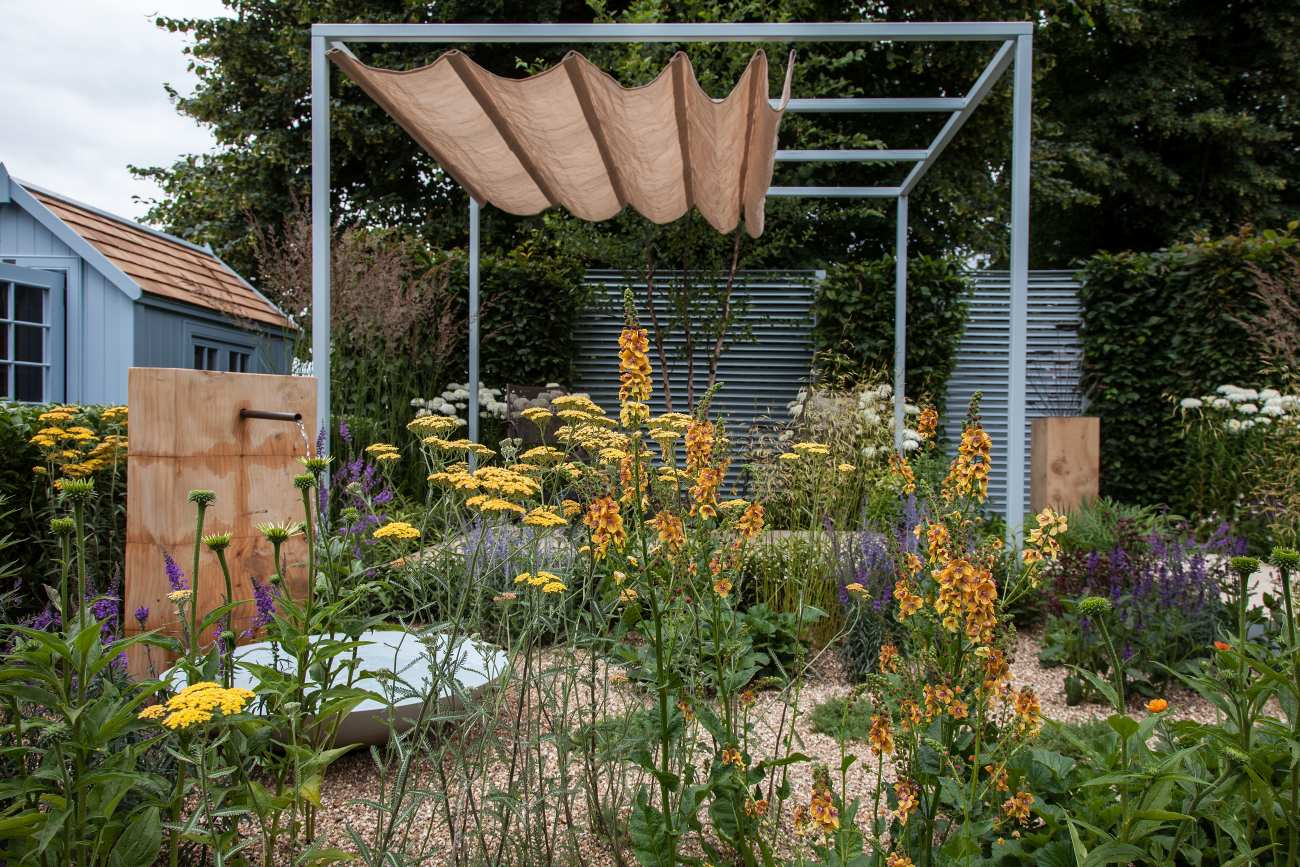
Consider using native plants for these borders. They are adapted to your local climate, meaning they need less water and no fertilizer. In many parts of the US, plants like switchgrass, coneflowers, and little bluestem are incredibly resilient. They sway in the wind, adding movement and life to a static scene. And they are cheap. You can often buy them in plugs or small containers, which cost a fraction of mature plants. It takes a season or two for them to fill in, but the wait is worth it. The result is a naturalistic look that feels effortless.
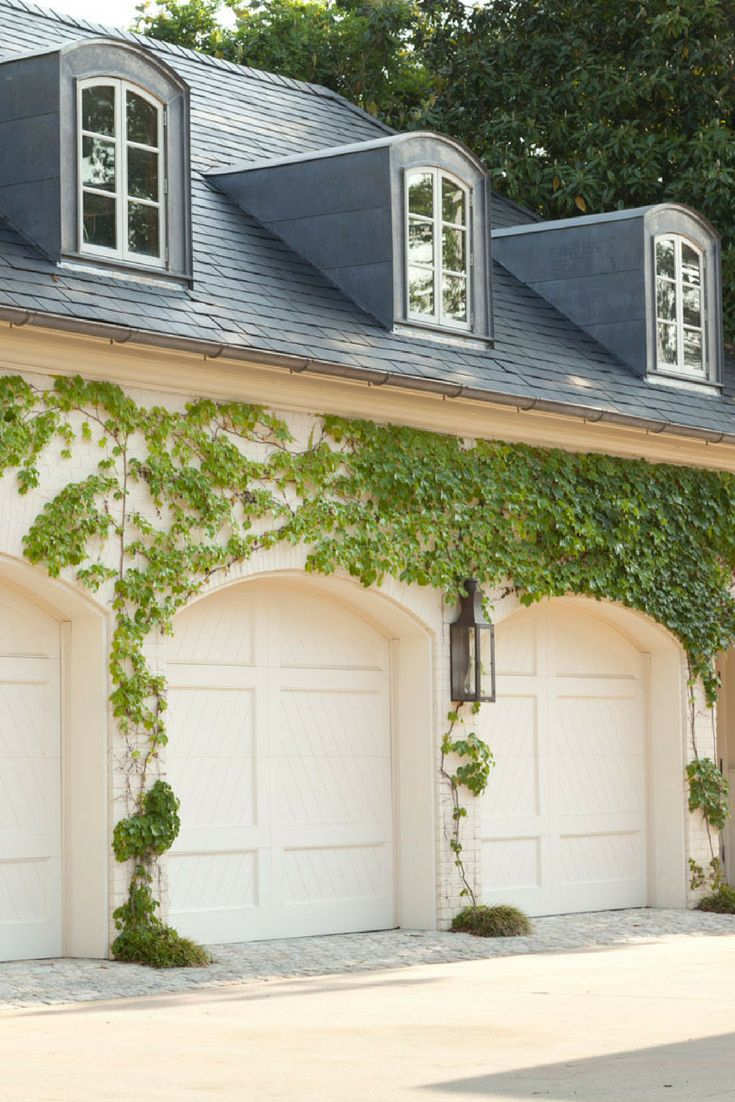
If you have a fence, let vines climb it. Ivy, clematis, or honeysuckle can turn a rusty metal barrier into a living tapestry. Just make sure you choose non-invasive varieties. This vertical gardening adds height and depth without taking up any parking space. It’s a budget-friendly hack that yields high visual impact. People notice the green before they notice the asphalt. By focusing on the edges, you frame the space and draw attention away from the pavement itself. It’s like putting a nice frame around a picture; the picture might be simple, but the frame makes it art.
Innovative Surfaces: Grass Pavers and Permeable Options
What if you could park on grass? Well, you kind of can. Grass pavers are a game-changer for low-traffic areas or overflow lots. These are grid-like structures made of plastic or concrete that you lay down and fill with soil and seed. The grid supports the weight of the car, while the grass grows through the holes. It looks like a lawn, but it functions like a parking lot. This is particularly useful for churches, schools, or parks that only need extra parking on weekends or special events. During the week, it’s just green space. It’s the best of both worlds.
In 2026, these systems are more affordable and easier to install than ever. You don’t always need a construction permit for grass pavers, which saves time and money. They also help with water infiltration. Rain soaks right into the ground instead of running off. This reduces the burden on city storm drains and helps recharge groundwater. It’s an eco-friendly choice that looks great. However, they do require some maintenance. You’ll need to mow them occasionally and maybe water them during dry spells. But compared to the heat island effect of asphalt, it’s a worthy trade-off.
For areas that need to stay paved, consider permeable asphalt or pavers for new sections. If you’re doing repairs, swap out traditional asphalt for these porous materials. They look similar but allow water to pass through. Combine this with landscaping by leaving gaps between paver strips for moss or creeping thyme to grow. This "green grout" effect softens the hardscape and adds texture. It’s a subtle change that makes the surface feel less industrial. While the upfront cost might be slightly higher, the long-term benefits for drainage and aesthetics are significant. It’s an investment in the future of your property.
Low-Maintenance Plant Choices for Busy Owners
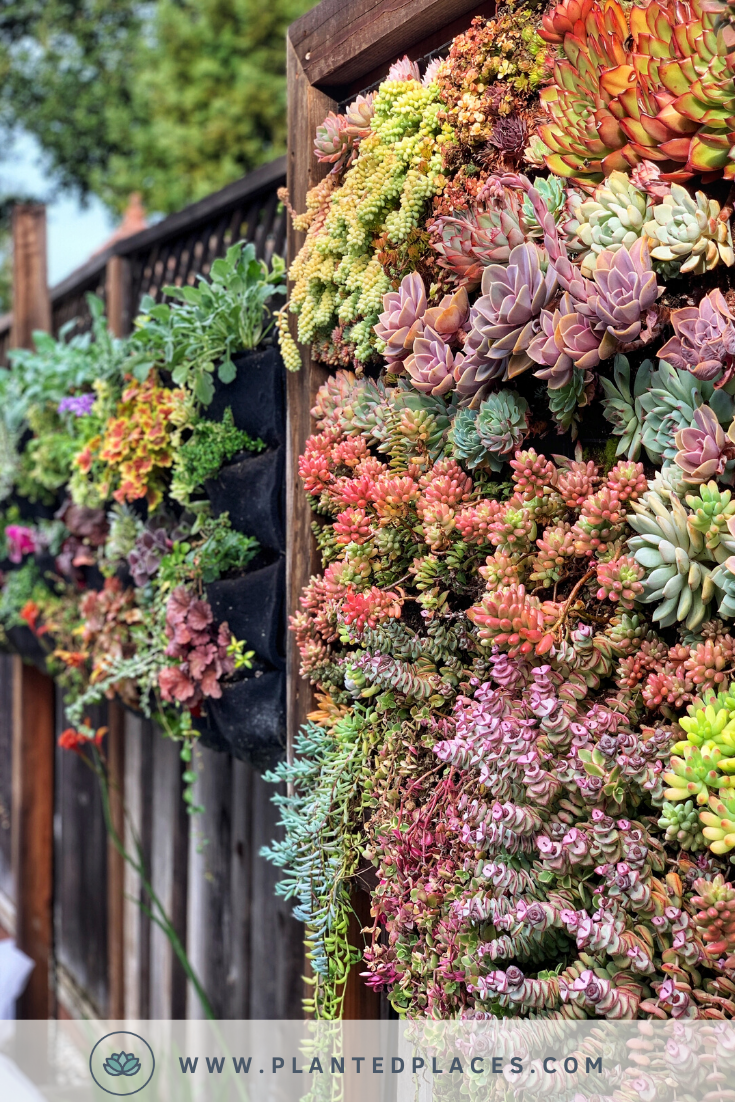
Let’s be real. Nobody wants to spend their weekends weeding a parking lot. The key to a sustainable landscape is choosing plants that thrive on neglect. Succulents are fantastic for this. They store water in their leaves, so they can handle hot, dry conditions typical of parking lots. Sedum, stonecrop, and agave are great options. They come in various colors and textures, adding visual interest without needing much care. Plant them in rocky beds or along curbs where soil is shallow. They look modern and sleek, fitting well with contemporary architecture.
Ornamental grasses are another low-effort hero. They don’t need deadheading or frequent pruning. Once established, they just grow. Varieties like fescue, feather reed grass, or maiden grass add height and movement. They turn golden in the fall, providing seasonal color without you lifting a finger. Group them in clumps for maximum impact. The swaying motion calms the eye and contrasts with the static cars. It’s a psychological benefit that often goes unnoticed but is deeply appreciated by visitors.
Avoid annuals. They look great for a few months but then die and need replanting. Stick to perennials and shrubs. They come back year after year, getting bigger and better. Native wildflowers are also a good choice if you want pops of color. Milkweed, black-eyed susans, and coreopsis are tough and attract pollinators. Seeing butterflies and bees in a parking lot is a delightful surprise that connects people to nature. It turns a utilitarian space into a mini-ecosystem. By choosing the right plants, you set yourself up for success. Less work, more beauty. It’s that simple.
Sometimes, you just need to cover the ugly. If your asphalt is stained and cracked but still structurally sound, consider painting it. Parking lot paint isn’t just for lines anymore. You can use specialized coatings to create patterns, mimic brick, or even add faux grass textures. There are eco-friendly, reflective paints that reduce heat absorption. A light gray or tan coat can make the lot feel cooler and brighter. Add some artistic flair with stenciled designs near the entrance. It shows you care about the details. It’s a relatively cheap fix that has a huge visual payoff.
Artificial turf is another option, though it comes with caveats. High-quality turf can look surprisingly real and requires zero watering or mowing. Use it in small patches, like around tree bases or in pedestrian walkways, to add green without the maintenance. Don’t cover the whole lot; that’s expensive and can get hot. But as an accent, it works wonders. It provides a soft surface for people walking, reducing fatigue. Just make sure to choose permeable turf that allows drainage. You don’t want water pooling on top of it.
Get creative with art installations. Old tires painted bright colors can become planters. Recycled metal scraps can become sculptures. Involve the local community or employees in the process. A mural on a retaining wall or a colorful bench adds personality. These touches humanize the space. They make it feel less like a corporate zone and more like a place where people belong. In 2026, authenticity is valued. Showcasing local art or recycled materials tells a story. It engages people on an emotional level. And when people feel connected to a space, they treat it with more respect. It’s a win-win for everyone involved.
Transforming an ugly asphalt lot doesn’t require a magic wand or a massive budget. It takes vision, patience, and a willingness to work with nature. By breaking up the pavement, choosing smart plants, and adding creative touches, you can turn a eyesore into an asset. The benefits go beyond looks. Cooler temperatures, better drainage, and happier visitors are just the start. So, look at your parking lot again. Don’t see the cracks. See the canvas. Start small. Plant one tree. Paint one stripe. Watch how it changes the feel of the place. You might just find that the most beautiful landscapes grow in the unlikeliest spots.
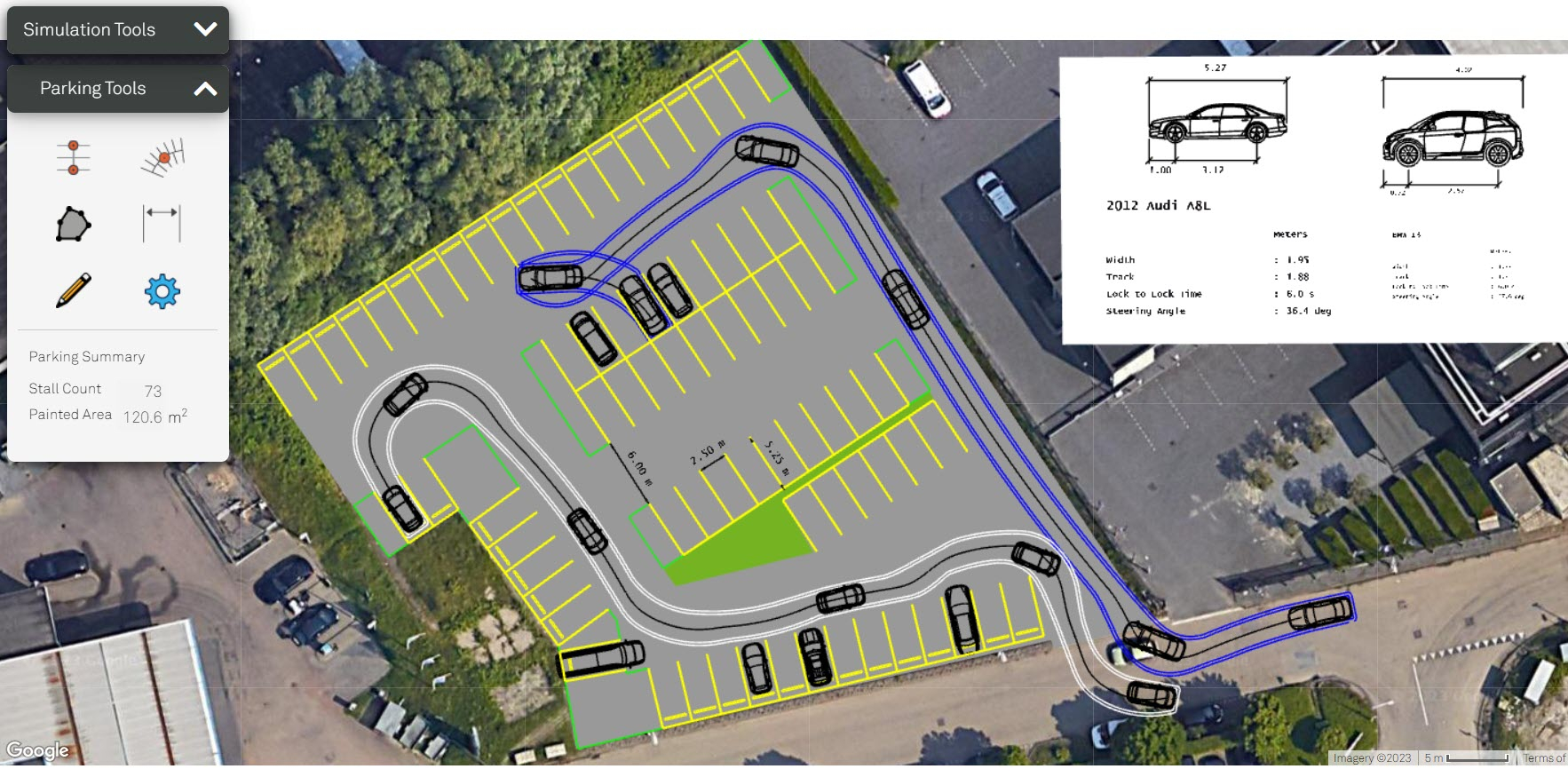
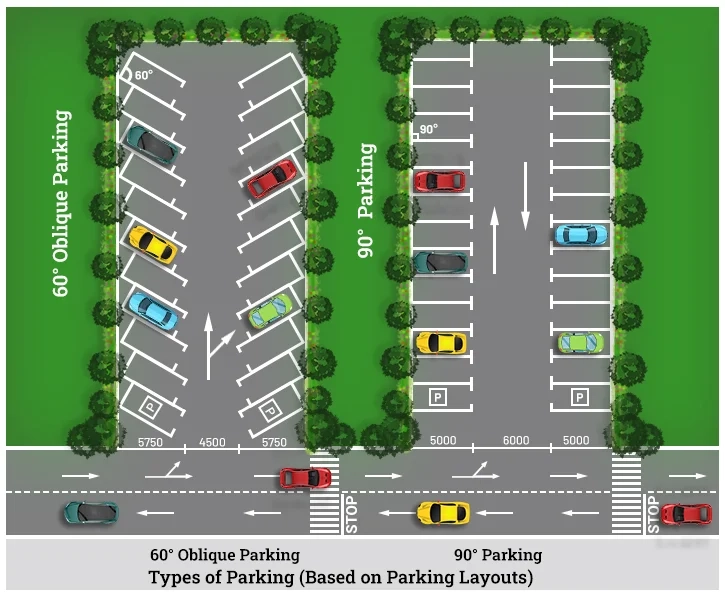
[sps_html tag=”img” src=”https://cdn.northcarolinafinearchitecture.com/2026/06/parking-lot-required-dimensions-with-regard-to-essential-dimensions-and-layout-tips-for-safe-and-efficient-parking-lots.jpg” alt=”Parking Lot Required Dimensions with regard to Essential Dimensions and Layout Tips for Safe and Efficient Parking Lots” style=”width: 100%; height: auto;”]
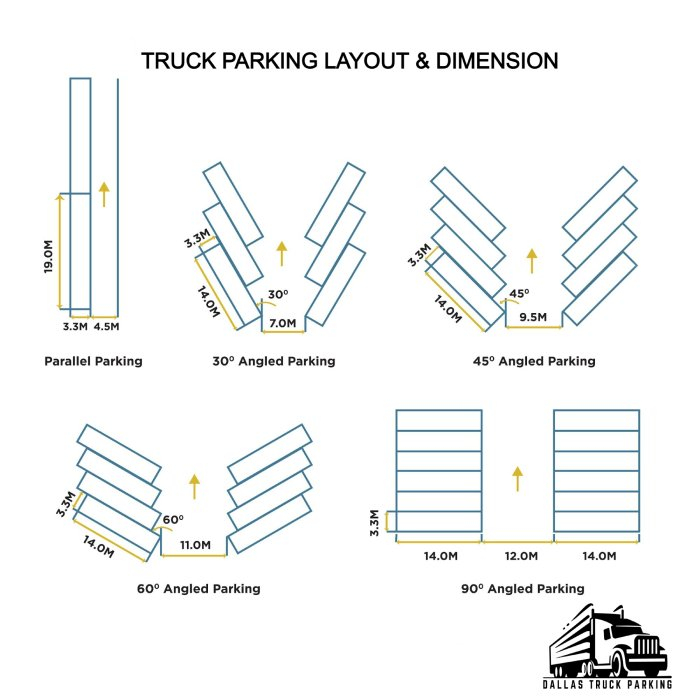
[sps_html tag=”img” src=”https://cdn.northcarolinafinearchitecture.com/2026/06/truck-parking-layout-dimension-efficient-truck-parking-designs-for-essential-dimensions-and-layout-tips-for-safe-and-efficient-parking-lots.jpg” alt=”Truck Parking Layout & Dimension: Efficient Truck Parking Designs for Essential Dimensions and Layout Tips for Safe and Efficient Parking Lots” style=”width: 100%; height: auto;”]
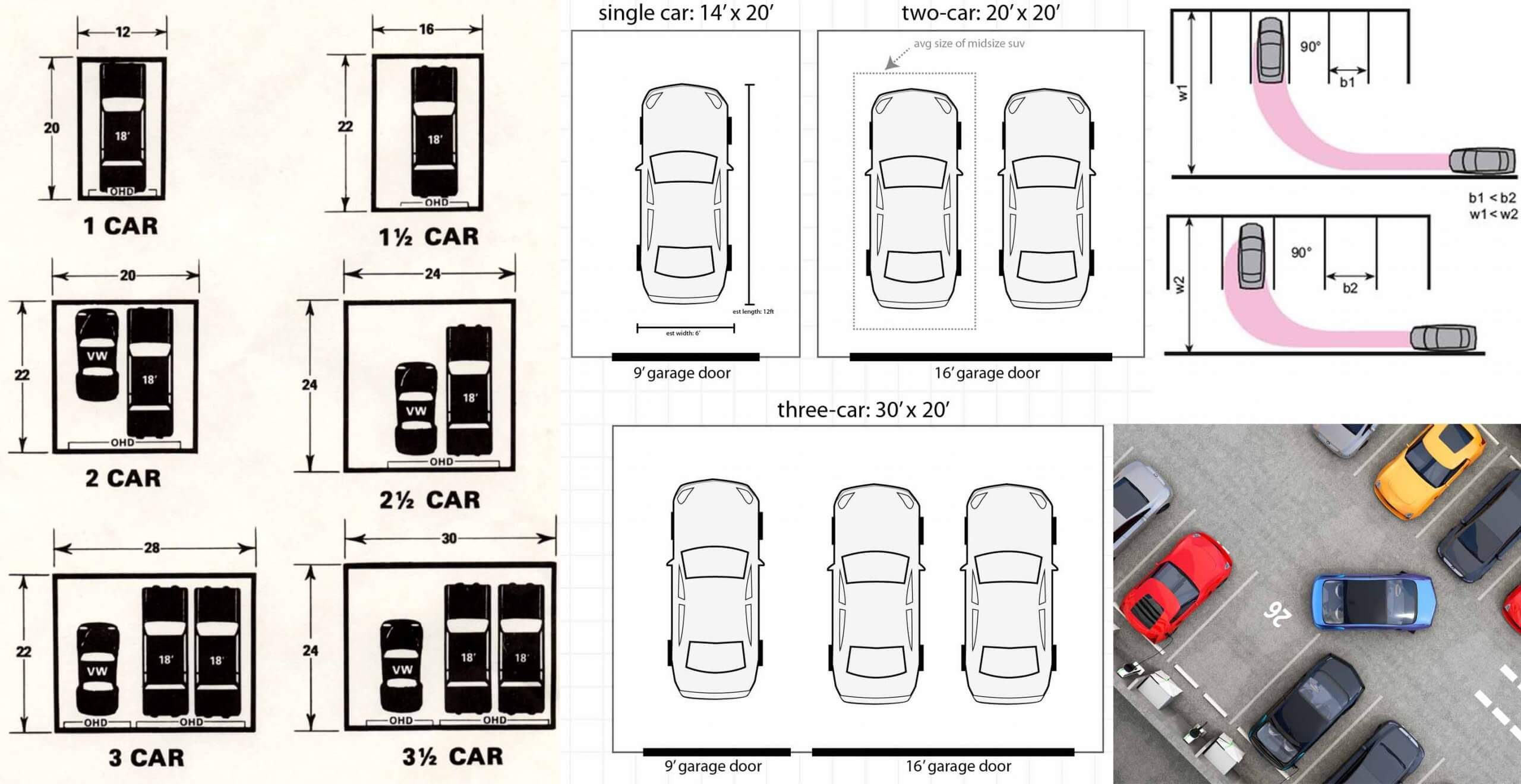
[sps_html tag=”img” src=”https://cdn.northcarolinafinearchitecture.com/2026/06/dimensional-car-parking-and-layout-information-engineering-discoveries-throughout-outdoor-parking-design.jpg” alt=”Dimensional Car Parking And Layout Information | Engineering Discoveries throughout Outdoor Parking Design” style=”width: 100%; height: auto;”]
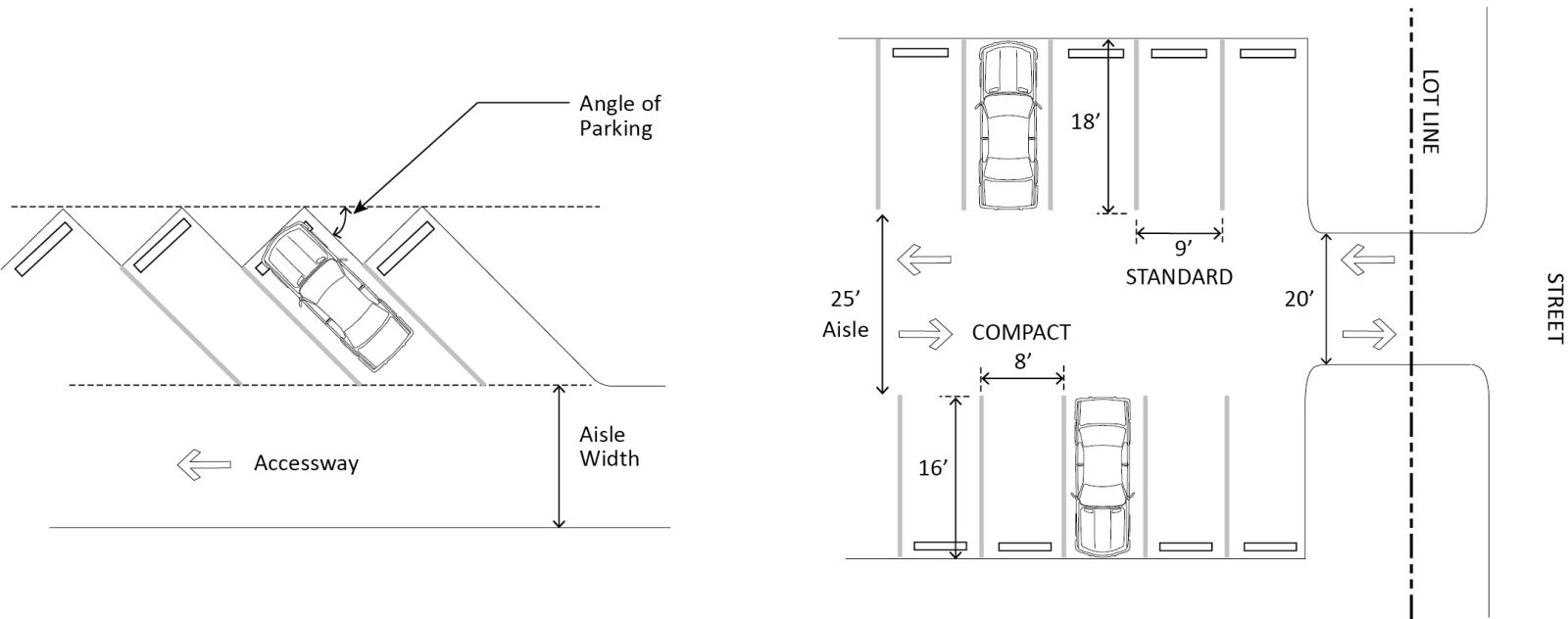
[sps_html tag=”img” src=”https://cdn.northcarolinafinearchitecture.com/2026/06/car-parking-lot-layout-dimensions-7-considerations-when-completing-regarding-essential-dimensions-and-layout-tips-for-safe-and-efficient-parking-lots.webp” alt=”Car Parking Lot Layout Dimensions 7 Considerations When Completing regarding Essential Dimensions and Layout Tips for Safe and Efficient Parking Lots” style=”width: 100%; height: auto;”]
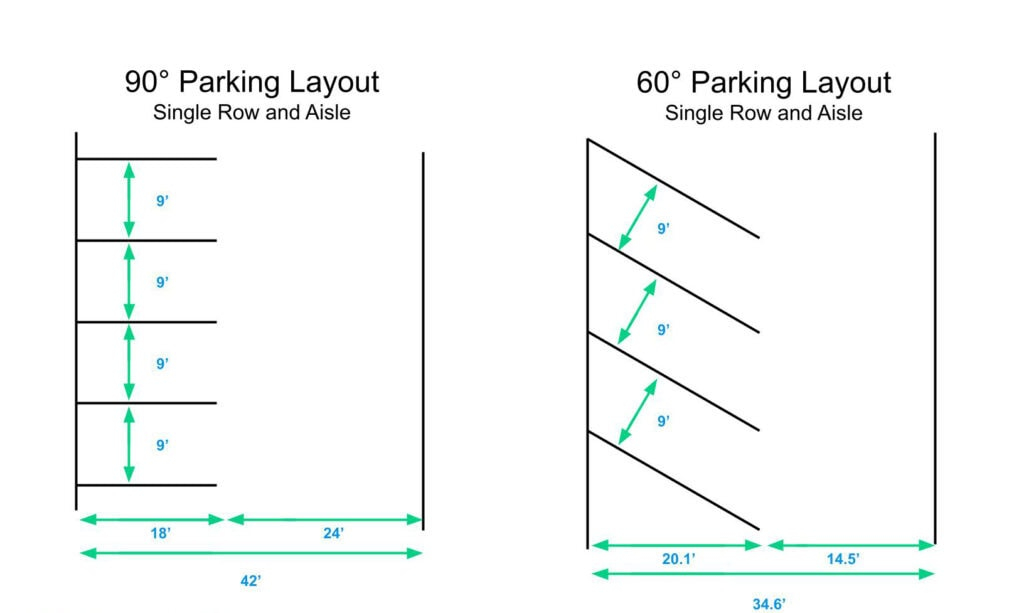
[sps_html tag=”img” src=”https://cdn.northcarolinafinearchitecture.com/2026/06/best-parking-lot-layout-at-edwin-hershman-blog-within-outdoor-parking-design.jpg” alt=”Best Parking Lot Layout At Edwin Hershman Blog within Outdoor Parking Design” style=”width: 100%; height: auto;”]