You know that feeling when you step outside on a warm evening? The air is just right, maybe there’s a faint scent of jasmine or damp earth after a light rain. Now imagine adding music to that moment. Not the tinny, distant sound of a cheap Bluetooth speaker struggling against the wind, but rich, full-bodied audio that seems to rise naturally from the ground itself. It’s not about blasting tunes so loud the neighbors call the cops. It’s about an envelope of sound that moves with you.
For years, we treated outdoor audio as an afterthought. We’d slap a couple of plastic boxes on the eaves and call it a day. But in 2026, the game has changed completely. The line between interior luxury and exterior comfort has blurred. People aren’t just building patios; they’re crafting outdoor rooms. And just like any room, these spaces need atmosphere. They need soul. That’s where the magic of blending high-fidelity tech with thoughtful landscape design comes in. It’s no longer about hiding ugly speakers. It’s about making the technology disappear so only the experience remains.
Think about it. Why should the beauty of a meticulously designed garden be interrupted by visible hardware? The goal today is seamless integration. We are talking about sound that feels organic, like the chirping of crickets or the rustle of leaves, but curated. This shift represents a major leap in how we think about our homes. It’s not just visual anymore. It’s multisensory. And getting it right requires a different mindset. You can’t just buy the gear and hope for the best. You have to plan it into the very bones of the landscape.
The Design-First Philosophy
The biggest mistake people make? Waiting until the plants are in the ground to think about sound. By then, it’s too late. You’re stuck running wires across finished stone work or mounting speakers in spots that look awkward. The modern approach, championed by firms like Kennedy Design Build, is a "design-first" methodology. This means audio isn’t an add-on. It’s a core component of the landscape architecture, right alongside the hardscape materials and plant selection.
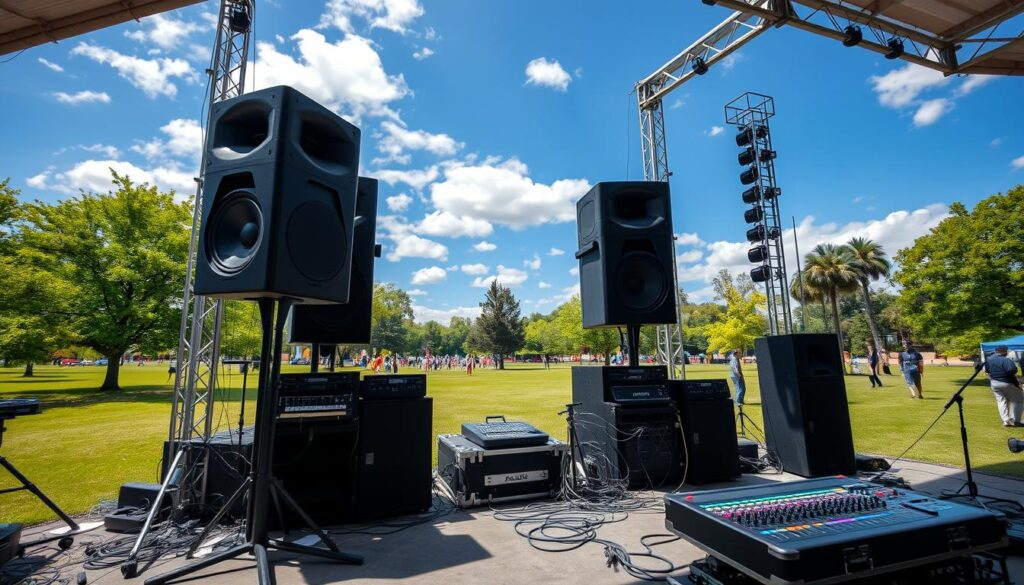
When you start with the end in mind, you align your audio goals with your lifestyle needs. Do you want background jazz for dinner parties on the terrace? Or do you want immersive, dynamic sound for movie nights under the stars? These questions dictate where the speakers go and what kind you need. For instance, if you have a large, open lawn, you might need distributed audio—multiple low-volume sources spread out—rather than two loud speakers trying to cover the whole area. This creates a consistent volume level everywhere you walk, avoiding those hot spots where the music is deafening and dead zones where you can’t hear a thing.
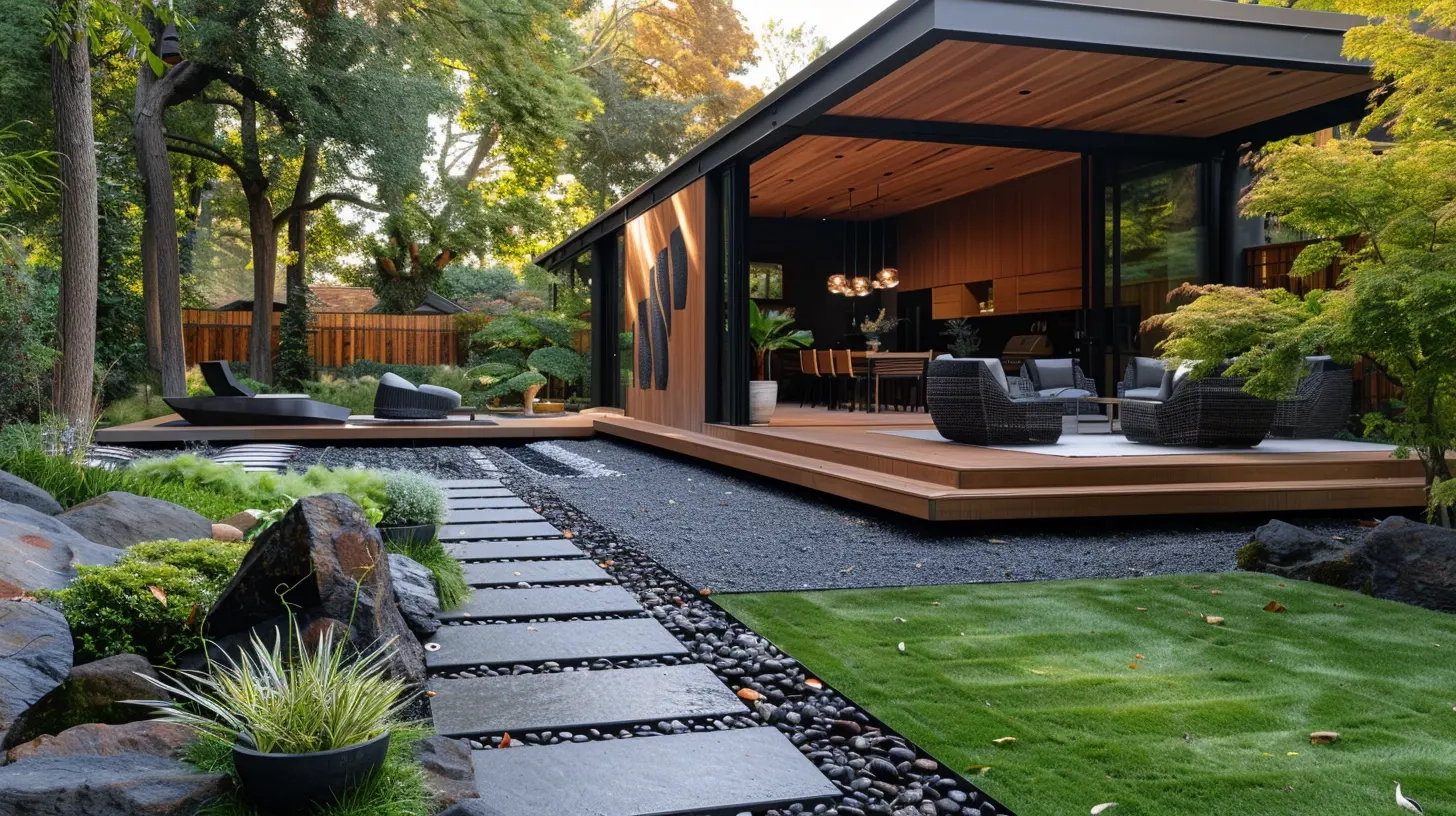
This philosophy also respects the visual integrity of the space. A well-designed garden is a composition of lines, textures, and colors. A bright white speaker box sticking out of a dark mulch bed ruins that composition. By integrating audio planning early, designers can choose solutions that complement the aesthetic. Maybe that means using speakers that mimic the color of tree bark, or embedding them into retaining walls. It’s about harmony. The tech serves the design, not the other way around. And honestly, isn’t that how it should be?
Hardware That Disappears
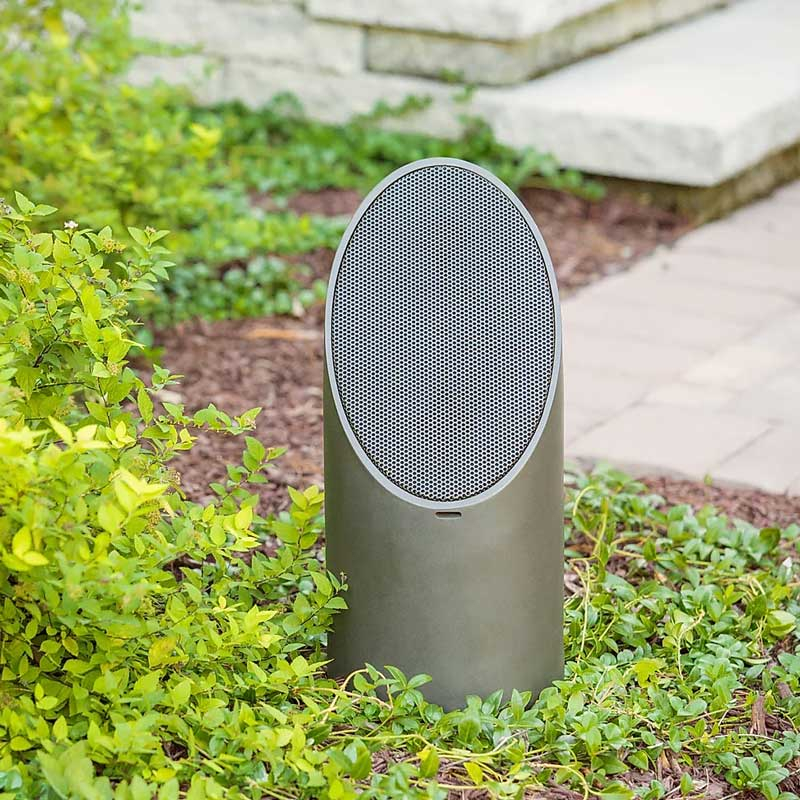
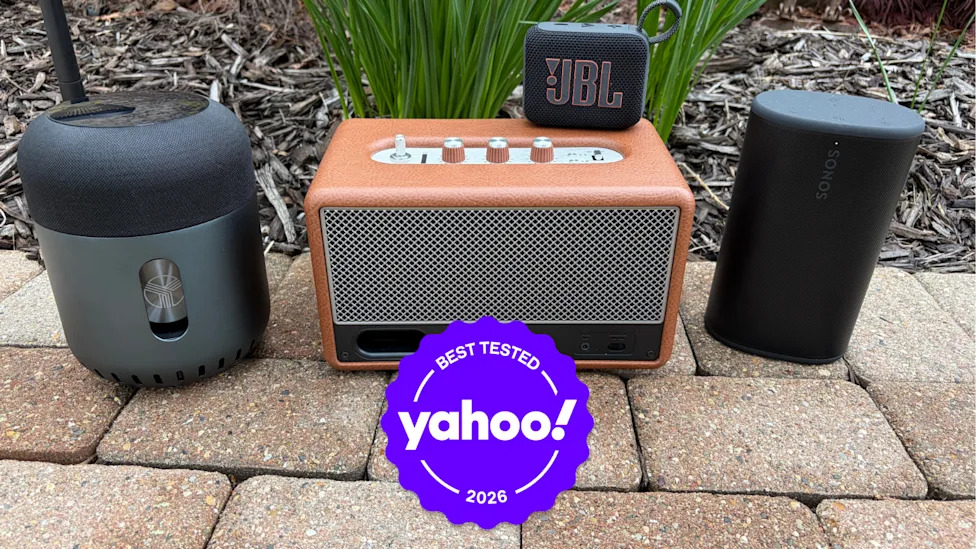
Let’s talk gear, because not all outdoor speakers are created equal. In the past, "outdoor rated" often just meant "waterproof plastic." Today, we have engineering marvels that prioritize both durability and acoustic performance. Brands like TruAudio have pushed the envelope with their Acoustiscape series. These aren’t just weather-resistant; they are designed to vanish. With models ranging from 4.5 to 8 inches, they offer full-range sound that fills the space without looking like industrial equipment.
Then there’s the innovation in form factor. James Loudspeaker, for example, has gained traction with their planter speakers. Imagine a beautiful ceramic or stone planter sitting on your patio. It looks like decor. But inside? High-fidelity drivers delivering crisp highs and deep lows. It’s a clever trick that solves two problems at once: you get your greenery and your soundtrack in a single, elegant package. Magna Audio takes this further with architectural integration, using refined materials that match high-end terraces and rooftops. These speakers are crafted to look like part of the building’s structure, not an intrusion.
But perhaps the most exciting development in 2026 is the fusion of light and sound. SIX FIVE Audio has introduced patented technology that combines dual all-weather speakers with LED pathway lighting. Think about that. Every time you light your path, you’re also enhancing your soundscape. It’s efficient, it’s beautiful, and it reduces clutter. Instead of having separate stakes for lights and separate mounts for speakers, you have one sleek unit doing both jobs. This kind of dual-purpose design is becoming the gold standard for luxury landscapes. It simplifies installation and maximizes the impact of every square foot of your yard.
The Physics of Open Air
Here’s the thing about outdoor audio: physics is working against you. Indoors, walls and ceilings reflect sound, helping it travel and giving it body. Outdoors? There are no walls. The sound just goes out into the void and disappears. This is why simply moving your indoor speakers outside rarely works well. You lose the bass, the clarity gets muddy, and you end up turning the volume up to compensate, which leads to distortion and annoyed neighbors.
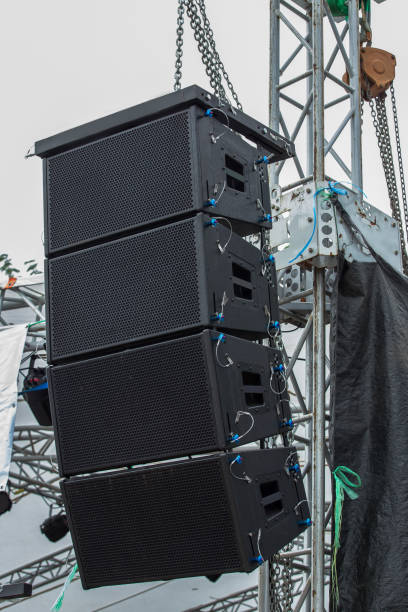
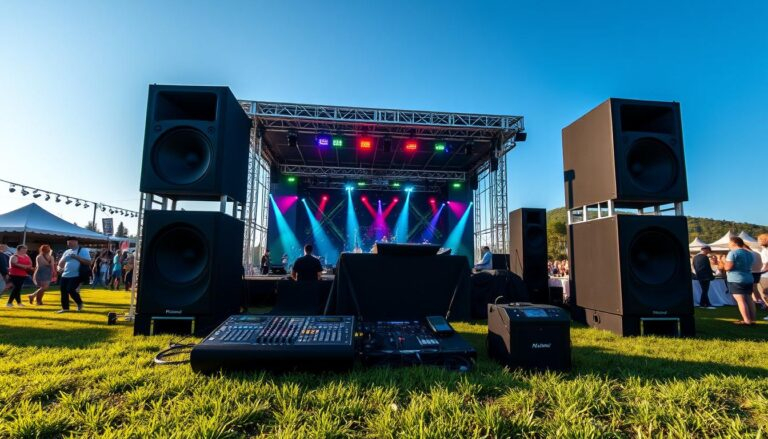
To overcome this, high-fidelity outdoor systems use specific engineering techniques. One key strategy is directional control. Modern landscape speakers are designed to project sound precisely where you want it—toward the seating areas, away from the property lines. This ensures that the energy is focused on the listeners, not wasted on the empty sky. Another technique is the use of subwoofers buried in the ground. Since bass frequencies are omnidirectional and hard to localize, you can hide a subwoofer in a planter or under a deck. It provides that thump you feel in your chest without anyone seeing the source.
Weather is another huge factor. Humidity, temperature swings, and UV radiation can destroy standard electronics. That’s why premium outdoor audio components are built with marine-grade materials. Stainless steel grilles, UV-stable polymers, and sealed enclosures are non-negotiable. But it’s not just about survival; it’s about consistency. A good system sounds the same in the heat of July as it does in the chill of October. This reliability is what separates a toy from a true high-fidelity experience. You shouldn’t have to tweak the EQ every time the season changes.
Creating Zones of Influence
One size does not fit all. A sprawling estate with a pool, a fire pit, a dining area, and a meditation garden has different audio needs than a small urban balcony. This is where zoning comes in. Zoning allows you to control what plays where and at what volume. Maybe you want upbeat pop by the pool during the day, but soft ambient tones in the meditation garden. With smart control systems, this is effortless.
Brands like Sonance, Crestron Audio, and Nice America offer systems that integrate seamlessly with home automation platforms. You can set scenes. "Dinner Party" mode might lower the volume in the kitchen and raise it slightly on the terrace, while dimming the lights. "Morning Coffee" mode could play gentle jazz in the breakfast nook and silence the rest of the yard. This level of control transforms the audio from a background noise into an active element of your lifestyle. It responds to how you live.
But zoning isn’t just about software. It’s about physical placement. Each zone needs its own dedicated speakers, properly spaced to create an even coverage pattern. In a dining area, you might want stereo separation to create a sense of width. In a pathway, mono sound might be sufficient to provide a subtle backdrop. Working with a professional installer helps map these zones out correctly. They consider obstacles like trees, walls, and water features, which can block or reflect sound in unexpected ways. A large stone wall, for instance, can create an echo if a speaker is pointed directly at it. Proper angling and placement mitigate these issues.
The Role of Light and Ambiance
Sound doesn’t exist in a vacuum. It interacts with light, texture, and movement. The most successful outdoor audio designs consider this holistic sensory experience. As noted by experts in the field, the future of outdoor living is an immersive path that connects people to music, landscape, and ambiance wherever they go. This is why the integration of audio with landscape lighting is such a powerful trend.
When light and sound are synchronized, the effect is magical. Imagine walking down a path where the lights gently brighten as you approach, accompanied by a swell of music that follows your movement. This isn’t science fiction; it’s available now. Systems can use motion sensors or geofencing to trigger audio and lighting cues. It creates a narrative journey through your outdoor space. It makes the environment feel alive, responsive, and deeply personal.
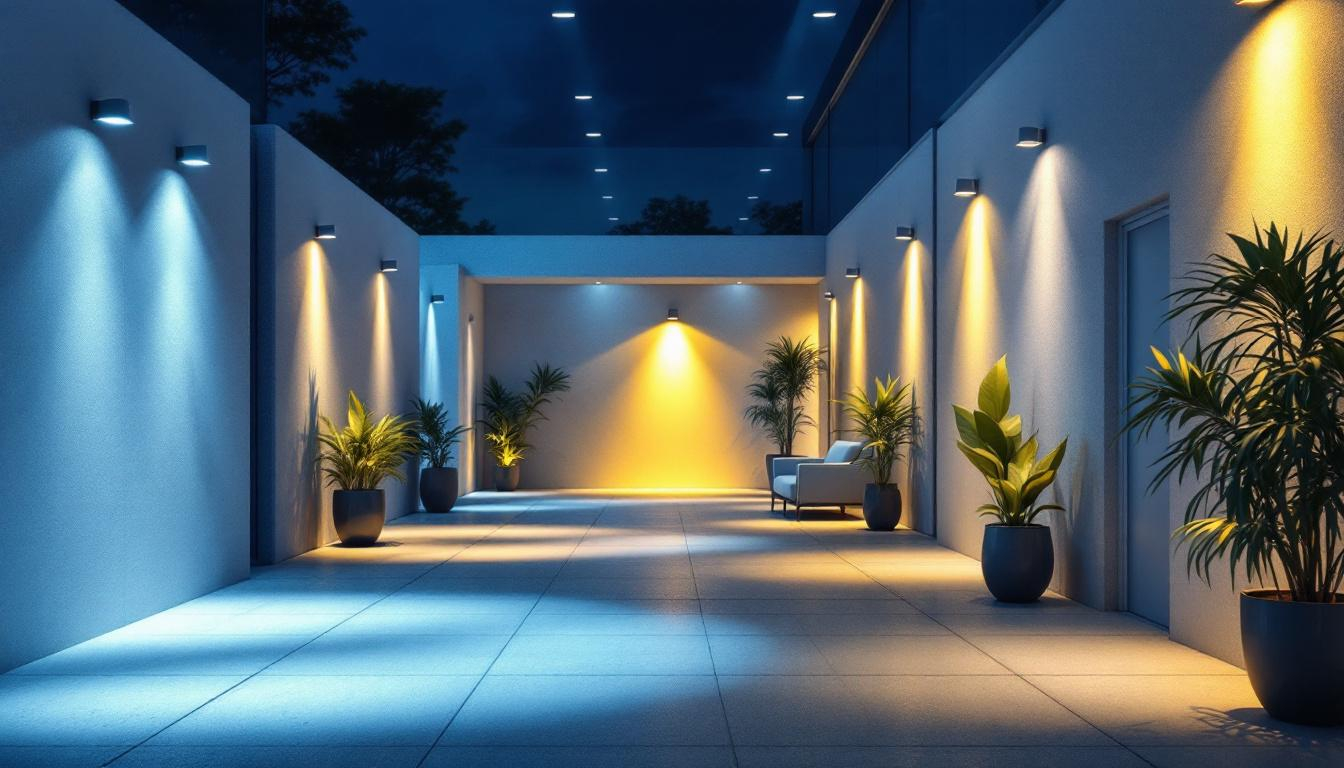
Even without high-tech automation, the interplay of light and sound matters. Soft, warm lighting pairs well with acoustic, mellow music. Bright, cool lighting might suit more energetic tracks. Designers are increasingly thinking about these pairings during the planning phase. They select fixtures and speakers that share a common design language—similar finishes, similar scales. This visual cohesion reinforces the auditory experience. When everything looks like it belongs together, it sounds like it belongs together too. It’s a subtle psychological cue that enhances the perception of quality.
So, you’re ready to dive in. Where do you start? First, define your budget and your priorities. High-fidelity outdoor audio is an investment. It’s not just the cost of the speakers; it’s the installation, the wiring, and the potential need for amplification and control systems. But don’t let the price tag scare you off. Start small. You don’t need to wire the entire property at once. Pick one key area, like your main patio, and do it right. You can always expand later.
Second, hire professionals who understand both audio and landscaping. An electrician might know how to wire a speaker, but they might not know how to hide the wire in a rock wall without damaging the structure. A landscaper might know plants, but not acoustic dispersion. Look for integrators who specialize in outdoor AV. Ask to see their portfolio. Listen to their installations. Does the sound feel natural? Are the speakers visible? If you can see the speaker immediately, keep looking.
Finally, think about maintenance. Even the best equipment needs care. Check connections annually. Clean speaker grilles to prevent debris buildup. Update your control software as needed. And remember, nature changes. Trees grow. Bushes expand. A speaker that was perfectly aimed last year might be blocked by new foliage this year. Stay engaged with your system. Tweak it. Adjust it. Make it yours. After all, it’s your sanctuary. It should sound exactly the way you want it to.
In the end, blending high fidelity with landscape design is about more than just hearing music outside. It’s about elevating the everyday. It’s about turning a simple evening in the garden into a memorable experience. It’s about creating a space that nourishes the senses and calms the mind. When done right, you won’t notice the technology at all. You’ll just notice how good it feels to be there. And really, isn’t that the point?
[sps_html tag=”img” src=”https://cdn.northcarolinafinearchitecture.com/2026/06/top-5-sound-system-setups-for-outdoor-events-in-outdoor-speaker-design.jpg” alt=”Top 5 Sound System Setups For Outdoor Events in Outdoor Speaker Design” style=”width: 100%; height: auto;”]
[sps_html tag=”img” src=”https://cdn.northcarolinafinearchitecture.com/2026/06/top-5-sound-system-setups-for-outdoor-events-for-outdoor-speaker-design.jpg” alt=”Top 5 Sound System Setups For Outdoor Events for Outdoor Speaker Design” style=”width: 100%; height: auto;”]
[sps_html tag=”img” src=”https://cdn.northcarolinafinearchitecture.com/2026/06/10-best-array-speakers-for-high-quality-sound-2026-singersroom-com-with-how-to-design-an-outdoor-speaker-system-that-actually-sounds-good-in-2026.jpg” alt=”10 Best Array Speakers For High-Quality Sound 2026 - Singersroom.com with How to Design an Outdoor Speaker System That Actually Sounds Good in 2026″ style=”width: 100%; height: auto;”]
[sps_html tag=”img” src=”https://cdn.northcarolinafinearchitecture.com/2026/06/outdoor-sounds-in-louisville-ky-derby-city-pools-with-regard-to-outdoor-speaker-design.jpg” alt=”Outdoor Sounds In Louisville, Ky - Derby City Pools with regard to Outdoor Speaker Design” style=”width: 100%; height: auto;”]
[sps_html tag=”img” src=”https://cdn.northcarolinafinearchitecture.com/2026/06/the-best-outdoor-speakers-of-2026-to-pump-up-your-parties-tested-and-with-outdoor-speaker-design.png” alt=”The Best Outdoor Speakers Of 2026 To Pump Up Your Parties, Tested And … with Outdoor Speaker Design” style=”width: 100%; height: auto;”]