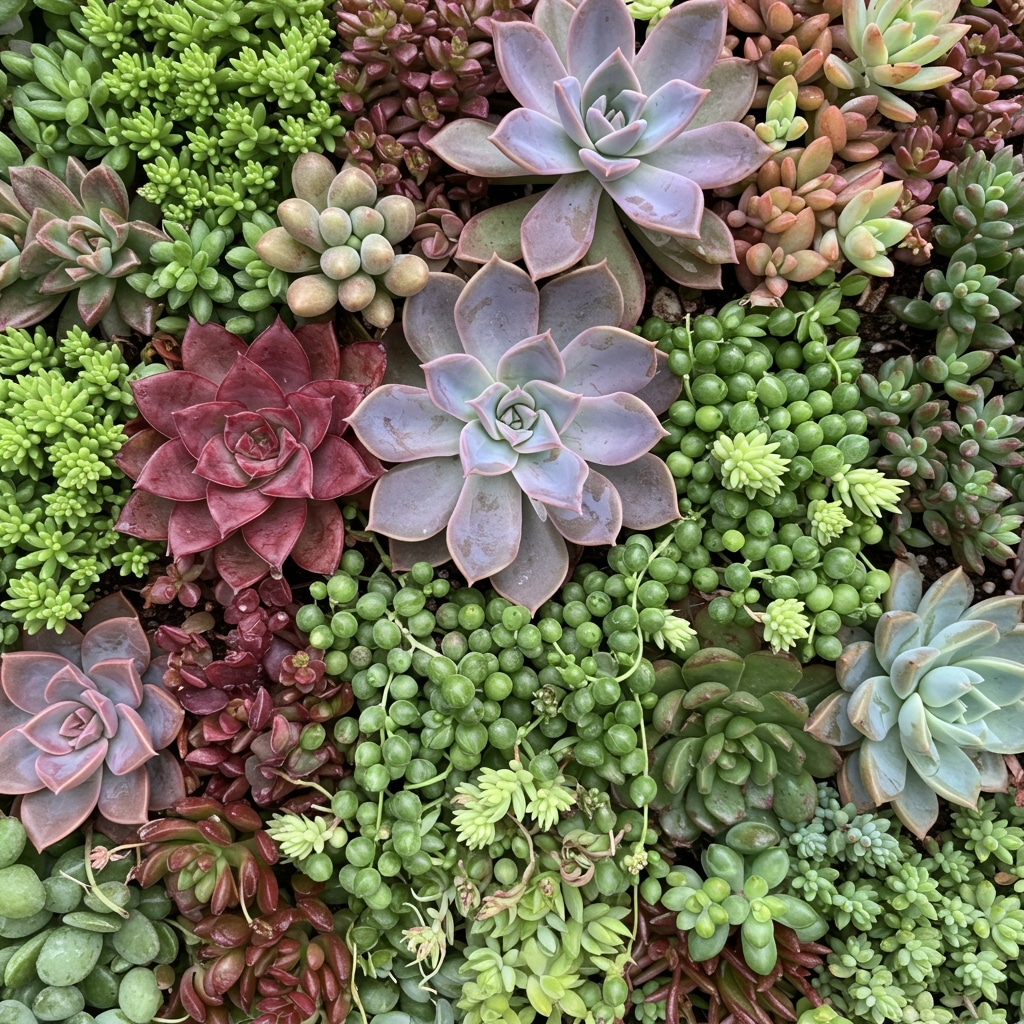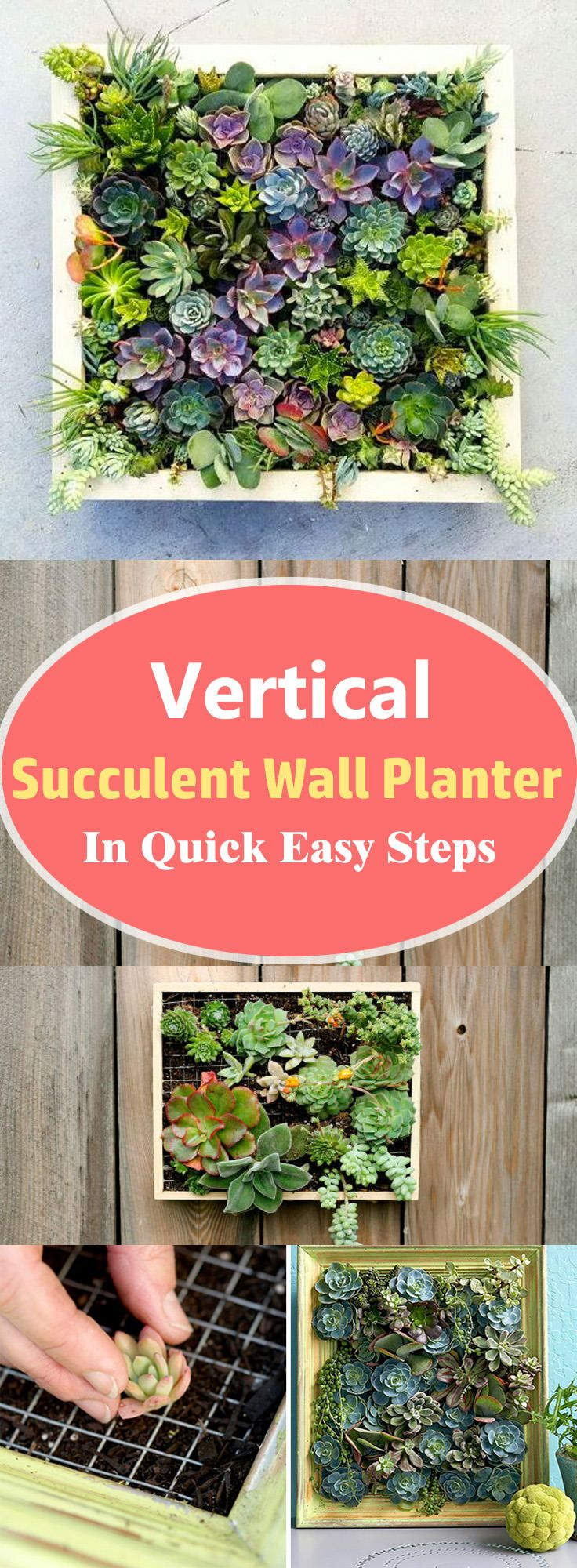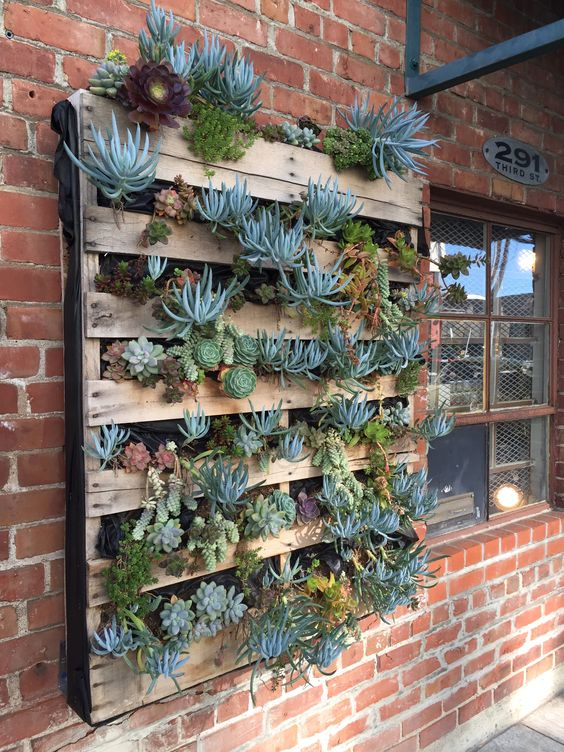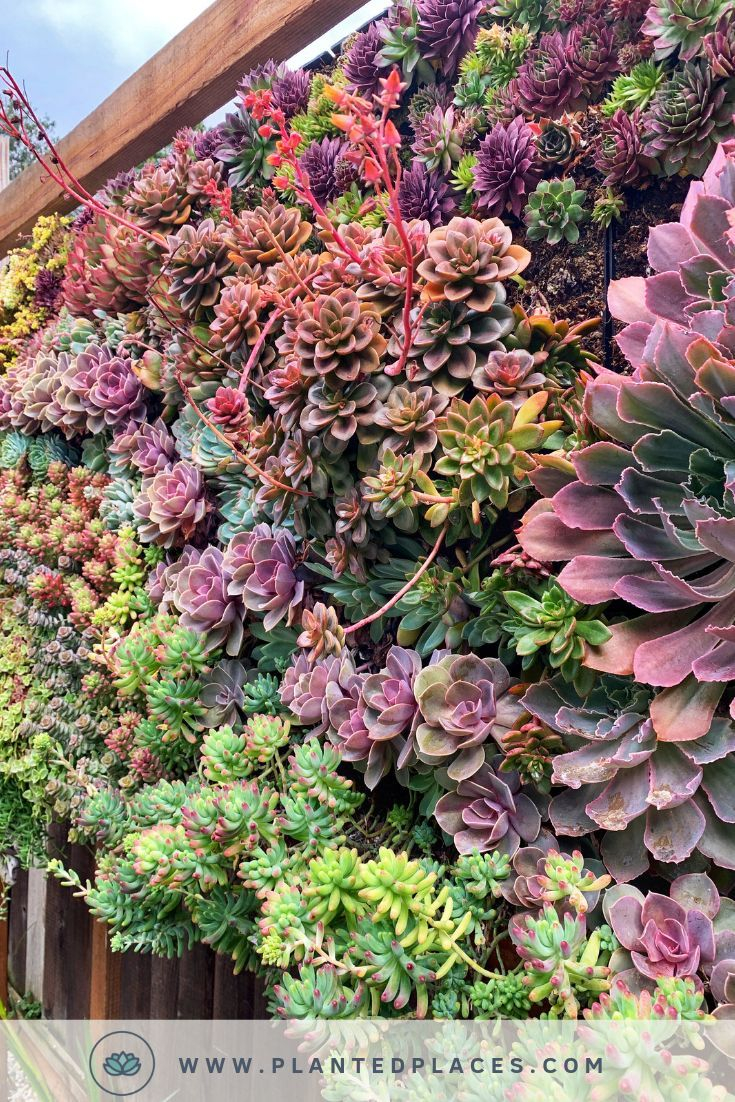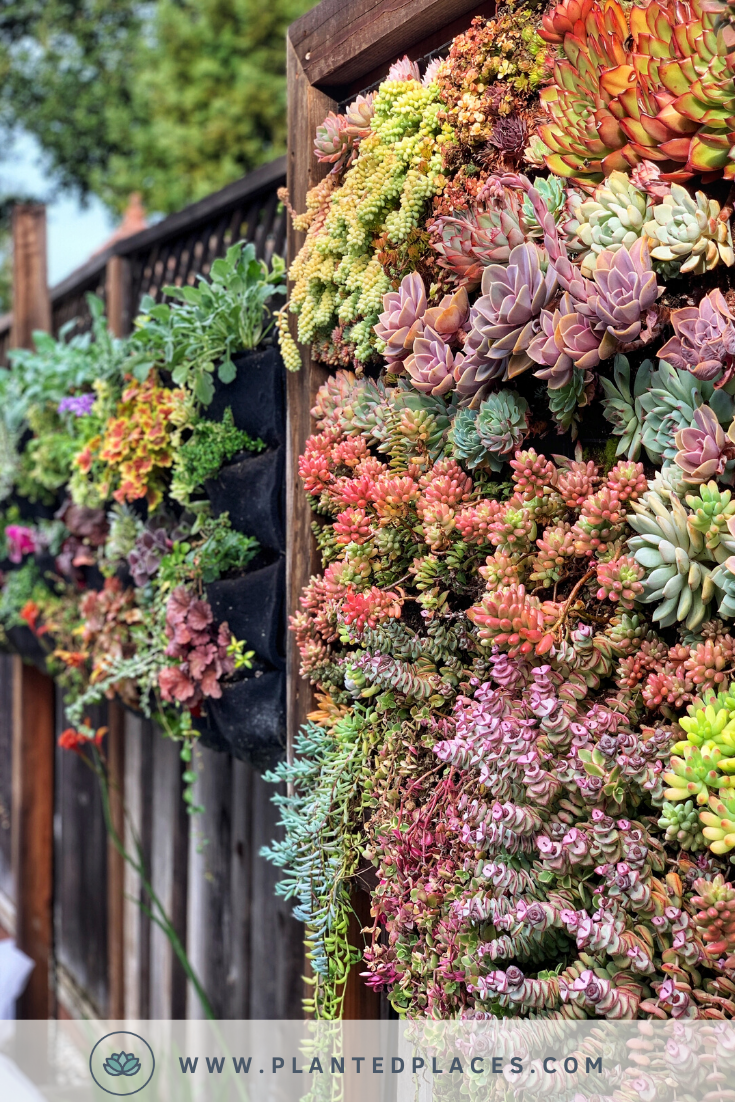
You’ve seen them on Instagram. Those lush, cascading walls of green that look like they belong in a high-end boutique hotel or a modern art gallery. They’re stunning. They’re also, frankly, a bit intimidating. You buy the frame, you pick out the prettiest Echeverias, and you stick them in. Two weeks later? Brown mush. It’s heartbreaking. And it’s almost always because of what’s happening underneath the surface.
We tend to focus on the leaves. The colors. The shape. But the real magic—and the real failure point—of a vertical succulent garden is the dirt. Or rather, the lack of traditional dirt. Growing upwards changes everything. Gravity isn’t just pulling your plants down; it’s pulling water through your soil faster than you’d expect, yet pockets of moisture can get trapped in ways that rot roots silently. It’s a paradox. You need dryness, but you need life. Getting this balance right isn’t just gardening; it’s a bit of engineering.
Let’s be honest. Most of us kill our vertical gardens by loving them too much. We water them like houseplants. We use soil from the bag labeled "Potting Mix" because it seems logical. But in a vertical setup, that standard mix is a death sentence. It holds too much water. It compacts. It suffocates. If you want that living wall to thrive in 2026 and beyond, you have to rethink the foundation. You have to become a student of drainage.
Why Vertical Changes Everything
When you plant a succulent in a regular pot on a table, gravity works in a straightforward way. Water goes in, drains out the bottom hole, and air gets pulled back in from the top. It’s a simple cycle. But turn that pot ninety degrees and mount it on a wall, and physics gets weird. The soil column is now horizontal relative to the ground, but the water still wants to fall straight down.
This creates uneven moisture levels. The bottom of your vertical planter (which is technically the side closest to the ground) stays wetter for longer. The top dries out incredibly fast. In a traditional horizontal bed, roots spread out evenly. In a vertical pocket or frame, the roots are confined. They can’t escape bad soil. If there’s a pocket of wet, dense earth, the roots sitting in it will rot before you even notice the leaves changing color.
Think of it like breathing. Roots need oxygen just as much as they need water. Standard soil clumps together when wet, squeezing out the air pockets. In a vertical garden, where airflow is already restricted by the frame and the density of the planting, this lack of oxygen is amplified. You aren’t just growing plants; you’re managing a micro-climate where air circulation is the silent hero. If the soil doesn’t breathe, the plant suffocates. It’s that simple.
The Anatomy of a Perfect Mix
So, what goes into the bag? You can’t just grab dirt from the yard. That’s clay-heavy and dense. You need a mix that is structurally sound. In 2026, the consensus among growers hasn’t changed much from previous years, but the availability of specific amendments has improved. The goal is a mix that is roughly 50% organic matter and 50% inorganic grit. Some experts even push for 70% inorganic for particularly sensitive species.
The organic part provides nutrients and holds a tiny bit of moisture. This is usually coconut coir or a very light peat alternative. Coconut coir is favored now because it’s more sustainable and rewets easier than peat moss. It doesn’t repel water when it gets bone dry, which is a common issue with old-school peat. You want the base to be light and fluffy, not heavy and dark.
The inorganic part is the skeleton. This is what keeps the soil open. Perlite is the classic choice. It’s white, lightweight, and cheap. But pumice is better. Pumice doesn’t float to the top like perlite does when you water. It stays mixed in. Coarse sand is another option, but it has to be sharp, builder’s sand, not play sand. Play sand is too fine and will compact like concrete. You want particles that are large enough to create gaps for air and water to move through freely.
DIY Recipes That Actually Work
You don’t need to buy expensive proprietary blends. In fact, making your own is often superior because you know exactly what’s in it. A solid starting recipe for most vertical succulent setups is the "1-1-1" method. Take one part coconut coir, one part pumice, and one part coarse perlite. Mix them thoroughly in a large tub. This gives you a balanced medium that drains fast but holds just enough dampness to keep the roots happy.
If you’re dealing with a particularly humid climate, or if your vertical frame doesn’t have great airflow behind it, you might want to lean heavier on the drainage. Try a "1-2" mix. One part organic (coir) to two parts inorganic (pumice/perlite). This is safer. It’s harder to overwater a mix that is mostly rock. I’ve seen gardens in the Pacific Northwest thrive on this heavier grit ratio because it counters the ambient moisture in the air.
For those who want to get fancy, adding a handful of activated charcoal per gallon of mix can help. It’s not a nutrient, but it helps filter impurities and keeps the soil smelling fresh. It also prevents fungal gnats, which love the damp, dark corners of vertical planters. Just crush it up and mix it in. It’s a small tweak, but it makes a difference in the long-term health of the root zone. Don’t forget to wear a mask when mixing dry ingredients; breathing in perlite dust is nobody’s idea of a good time.
The Hidden Role of the Frame
The soil doesn’t exist in a vacuum. It lives inside a frame. And the frame is just as important as the dirt. In 2026, we’re seeing more modular systems that allow for better back-ventilation. If you’re building your own, or choosing a kit, look for depth. Shallow pockets dry out too fast and leave no room for root growth. You want at least two to three inches of soil depth. Less than that, and the plants are constantly stressed.
But depth brings weight. Wet soil is heavy. Your frame needs to be sturdy. More importantly, the backing material matters. Many frames use landscape fabric or mesh. This is good. It allows air to hit the back of the soil column. If you use a solid plastic back, you’re creating a swamp. Moisture hits the back, can’t escape, and sits against the roots. Rot sets in within days. Always ensure there’s a gap between the wall and the planter box if possible. Even an inch of space allows air to circulate behind the unit.
Check the drainage holes. Every pocket, every cell, needs a way for excess water to exit. If you’re using a felt pocket system, the fabric itself wicks moisture, which can be good for even distribution but bad if the wall behind it isn’t waterproof. Water will seep through and stain your drywall. Use a waterproof barrier behind the entire unit. It’s not just about protecting your home; it’s about ensuring the water leaves the system entirely, rather than pooling at the bottom of the frame.
Watering Logic for Vertical Systems
Here’s the hard truth: you can’t water a vertical garden like a horizontal one. When you pour water on a flat pot, it soaks down evenly. On a vertical wall, water channels. It finds the path of least resistance and rushes down, often leaving the upper pockets dry and saturating the lower ones. This is why technique matters more than frequency.
Use a spray nozzle with a gentle shower setting. Start at the top and work your way down, but linger on each section. Don’t just blast it. Let the water soak in. Then, wait a minute. Let gravity do its work. Then water again. This "double soak" method ensures the hydrophobic tendencies of dry soil don’t repel the water. It forces the moisture to penetrate the root ball.
In the summer of 2026, with temperatures rising in many regions, you might need to water twice a week. In winter? Maybe once a month. Or less. Succulents go dormant. They stop drinking. If you keep watering a dormant vertical garden, you’re drowning it. Stick your finger into the soil. Actually, use a chopstick. Insert it into the middle of a pocket. Pull it out. If it comes out clean and dry, water. If it comes out with damp soil sticking to it, walk away. Patience is the most important tool in your shed.
Even with the best mix, things go wrong. You’ll see yellowing leaves. That’s usually overwatering. The roots are sitting in soggy soil. The fix? Stop watering. Increase airflow. If it’s severe, you might need to pull the plant, trim the rotten roots, let it callous, and replant it in fresher, grittier soil. It’s a hassle, but it saves the plant.
On the flip side, shriveled, crispy leaves mean underwatering. But in a vertical garden, this can also mean the soil has become hydrophobic. It’s repelling water. The water runs right off the surface and down the front of the frame, never touching the roots. To fix this, you need to bottom-water if possible, or submerge the entire pocket in a bucket of water for ten minutes. It rehydrates the coir and breaks the tension. Afterward, add more perlite to the surface to prevent crusting.
Algae growth on the soil surface is another common complaint. It looks like green slime. It’s harmless to the plant but ugly. It means the surface is staying too wet for too long. Add a top dressing of small gravel or decorative stones. This keeps the soil surface dry while allowing water to pass through to the roots below. It’s a simple aesthetic fix that also improves the health of the top layer of soil. Don’t ignore it; algae can attract fungus gnats, and nobody wants bugs in their living room wall.
At the end of the day, a thriving vertical succulent garden is a testament to patience and observation. It’s not about setting it and forgetting it. It’s about understanding that you’ve created a unique ecosystem where gravity, air, and water dance in a delicate balance. The soil is the stage for that dance. Get the stage right, and the performance will be breathtaking. Get it wrong, and you’re left with a wall of regrets.
So, take your time. Mix your soil with care. Choose your frame wisely. And when in doubt, err on the side of dryness. Succulents are tough. They can handle neglect. They can’t handle suffocation. Give them air, give them grit, and they’ll give you beauty. It’s a fair trade. And honestly, isn’t that what gardening is all about? Finding that sweet spot where nature and nurture meet.
[sps_html tag=”img” src=”https://cdn.northcarolinafinearchitecture.com/2026/06/planted-places-transforms-your-empty-interior-walls-into-a-beautiful-in-outdoor-succulent-wall-design.jpg” alt=”Planted Places Transforms Your Empty Interior Walls Into A Beautiful … in Outdoor Succulent Wall Design” style=”width: 100%; height: auto;”]
[sps_html tag=”img” src=”https://cdn.northcarolinafinearchitecture.com/2026/06/first-class-diy-succulent-planter-wall-wooden-fence-boxes-with-outdoor-succulent-wall-design.jpg” alt=”First Class Diy Succulent Planter Wall Wooden Fence Boxes with Outdoor Succulent Wall Design” style=”width: 100%; height: auto;”]
[sps_html tag=”img” src=”https://cdn.northcarolinafinearchitecture.com/2026/06/succulent-wall-artofit-with-outdoor-succulent-wall-design.png” alt=”Succulent Wall – Artofit with Outdoor Succulent Wall Design” style=”width: 100%; height: auto;”]
[sps_html tag=”img” src=”https://cdn.northcarolinafinearchitecture.com/2026/06/diy-vertical-succulent-wall-step-by-step-guide-best-plants-2025-in-transforming-bare-walls-into-lush-succulent-gardens-step-by-step.jpg” alt=”Diy Vertical Succulent Wall: Step-By-Step Guide + Best Plants (2025) in Transforming Bare Walls into Lush Succulent Gardens Step by Step” style=”width: 100%; height: auto;”]
[sps_html tag=”img” src=”https://cdn.northcarolinafinearchitecture.com/2026/06/11-secret-succulent-garden-ideas-for-small-spaces-gotinyspace-throughout-outdoor-succulent-wall-design.jpg” alt=”11 Secret Succulent Garden Ideas For Small Spaces - Gotinyspace throughout Outdoor Succulent Wall Design” style=”width: 100%; height: auto;”]