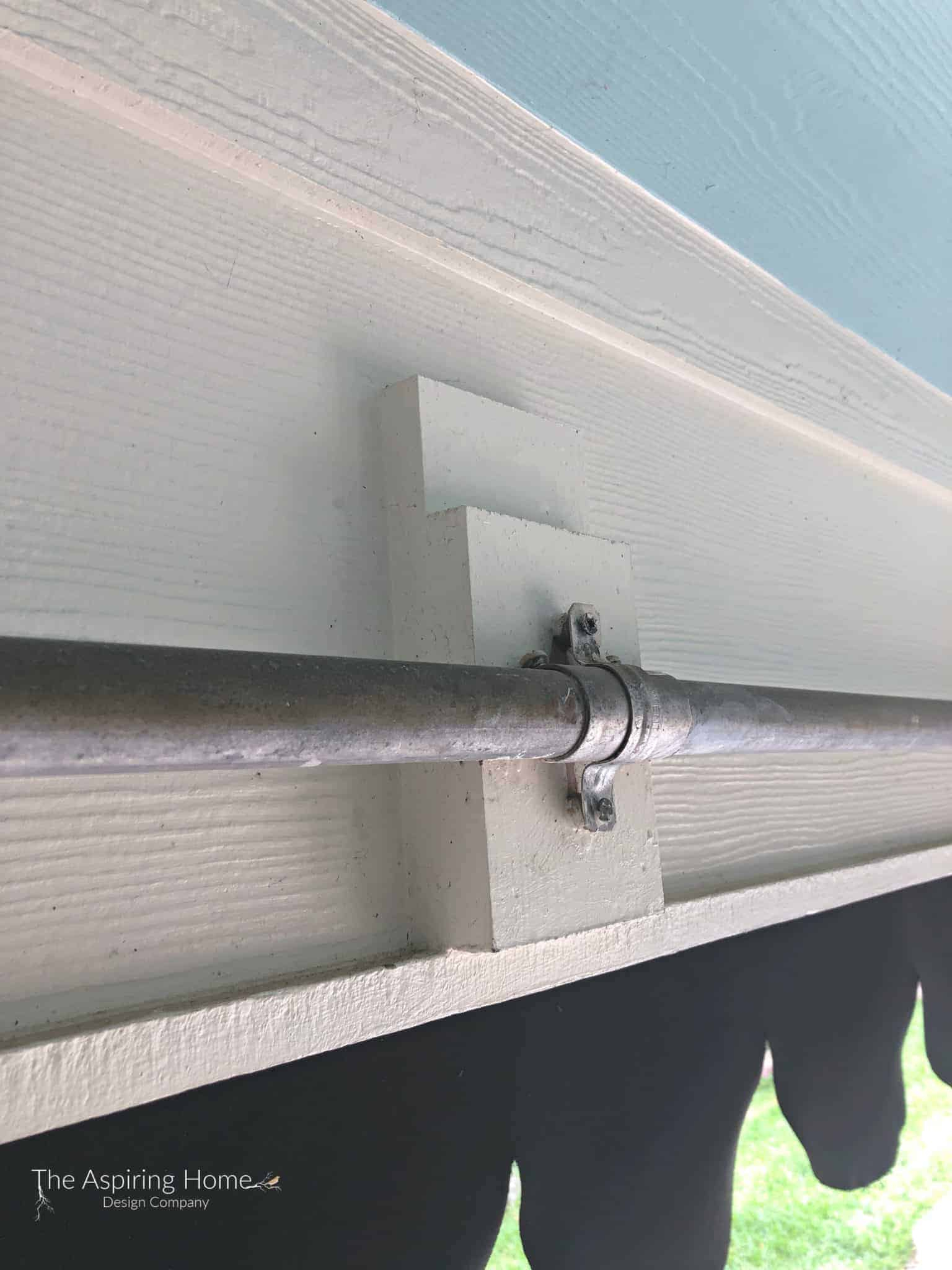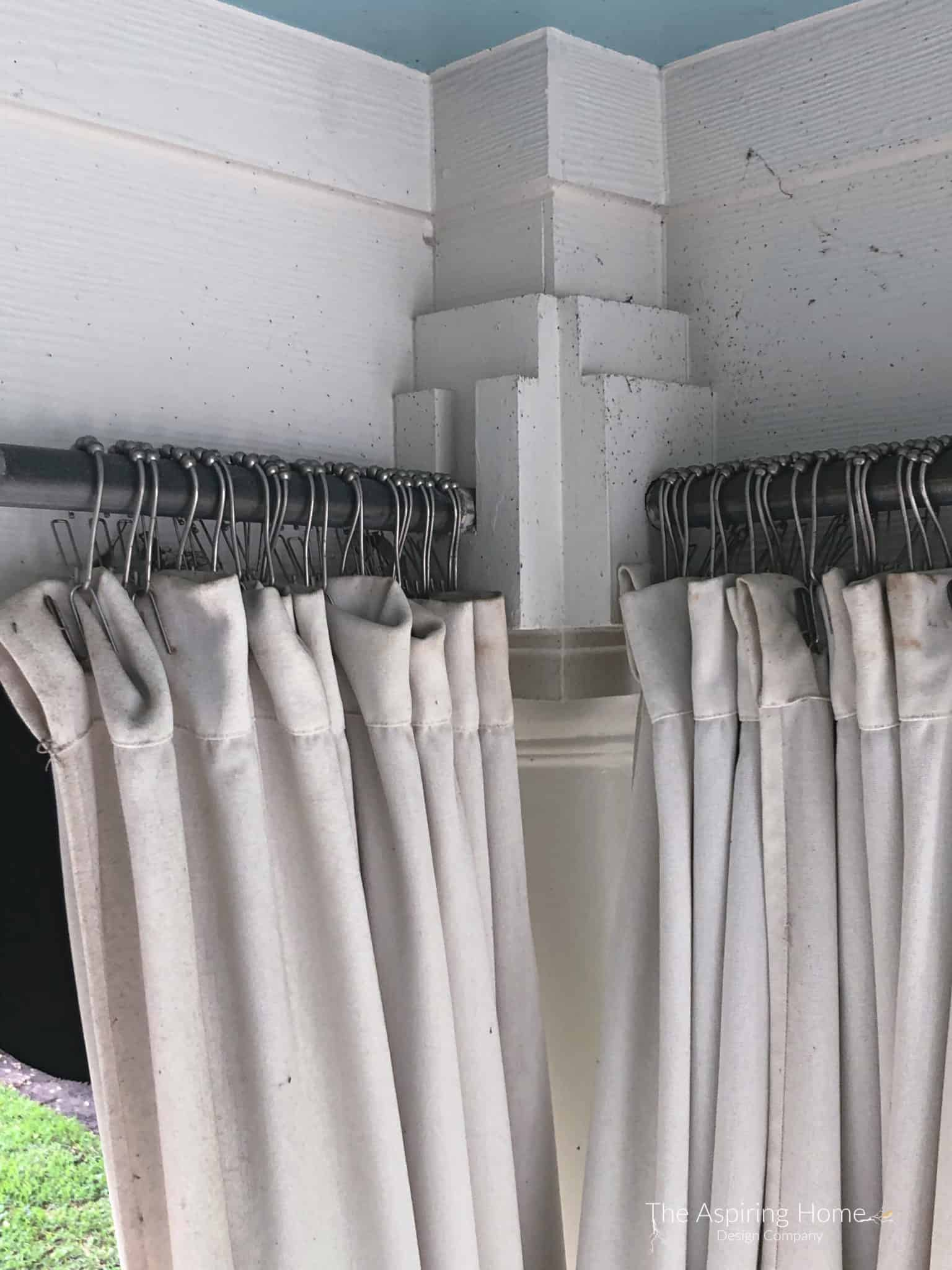
You’ve probably been there. Standing in the garden center or scrolling through endless online catalogs, staring at a beautiful wrought-iron chair or a sleek aluminum table. It looks perfect. Then you pause. You wonder, "Will this rust by next winter?" Or maybe, "Is that shiny coating going to peel off in the sun?" It’s a nagging doubt that stops so many of us from pulling the trigger on outdoor upgrades. We want our spaces to look good, sure, but we also don’t want to spend every Saturday scrubbing rust stains or repainting flaking surfaces.
The truth is, picking the right metal finish isn’t about luck. It’s not a gamble. It’s about understanding what your specific environment throws at your furniture and structures, and then matching that with the right protective layer. In 2026, we have more options than ever before, from high-tech powder coatings to classic, time-tested galvanization. But with more choice comes more confusion. This guide cuts through the noise. We’re going to look at what actually works, why it works, and how you can choose with confidence, no crystal ball required.
Understanding the Enemy: Weather and Corrosion
Before we talk about solutions, we need to understand the problem. Metal outdoors faces a constant battle. It’s not just rain. It’s humidity, salt air if you’re near the coast, UV rays from the sun, and even pollution in urban areas. These elements team up to cause corrosion, which is just a fancy word for rust or degradation. Think of it like this: untreated steel is basically hungry for oxygen and water. When they meet, they create iron oxide—rust. And rust eats away at the structural integrity and, let’s be honest, looks terrible.
Different climates demand different defenses. If you live in a dry, desert-like area, your main concern might be UV degradation and extreme temperature swings that can cause finishes to expand and contract until they crack. But if you’re in the Pacific Northwest or near the ocean, moisture and salt are your biggest enemies. Salt is particularly nasty because it accelerates the electrochemical process of corrosion. A finish that works great in Arizona might fail miserably in Maine. That’s why context is everything. You can’t just pick a finish because it looks nice in the showroom; you have to pick one that can handle your specific zip code’s weather patterns.
Also, consider the micro-climate of your actual space. Is your patio covered? Does it get direct afternoon sun? Is it under a tree where sap and bird droppings might land? These small details matter. A covered porch protects metal from direct rain, allowing you to use slightly less aggressive finishes. But an exposed deck railing takes a beating. Knowing these nuances helps you avoid over-spending on unnecessary protection or under-investing in something that will fail prematurely. It’s about smart matching, not just buying the most expensive option.
The Heavy Hitters: Powder Coating and Galvanization
When it comes to durable, long-lasting finishes for outdoor metal, two names come up again and again: powder coating and galvanization. Let’s start with powder coating. This has become the gold standard for outdoor furniture and architectural elements in recent years. Unlike traditional liquid paint, powder coating is applied as a dry free-flowing powder. It’s then cured under heat to form a hard, uniform skin. The result? A finish that is incredibly resistant to chipping, scratching, and fading. In 2026, advancements in powder formulations mean better UV resistance, so those bright colors stay vibrant longer without turning chalky.
Galvanization is a different beast, but equally important. This process involves coating steel or iron with a layer of zinc. You’ve seen it on those silver-gray utility poles or chain-link fences. The zinc acts as a sacrificial anode. What does that mean? It means the zinc corrodes instead of the steel underneath. Even if the coating gets scratched, the zinc continues to protect the exposed metal. It’s rugged, industrial, and highly effective, especially for structural items like railings, beams, or shed frames. However, it’s not always the prettiest option. The spangled, crystalline look of hot-dip galvanized steel doesn’t fit every design aesthetic.
So, which one should you choose? If appearance is a top priority and you want a wide range of colors and textures, powder coating is usually the way to go. It’s smooth, consistent, and can mimic other materials if needed. But if you’re building something structural where looks are secondary to pure longevity and cost-effectiveness, galvanized steel is hard to beat. Some high-end projects even combine both: galvanizing the steel first for core protection, then powder coating over it for aesthetics and an extra layer of defense. This dual approach is becoming more common for premium outdoor living spaces where failure is not an option.
The Elegant Choices: Stainless Steel and Aluminum
Not all metals need heavy coatings to survive outdoors. Some bring their own armor. Stainless steel and aluminum are prime examples. Stainless steel contains chromium, which reacts with oxygen to form a passive, invisible layer of chromium oxide on the surface. This layer self-heals if scratched, providing excellent corrosion resistance. But here’s the catch: not all stainless steel is created equal. For outdoor use, you generally want Grade 316, often called "marine-grade" stainless. It contains molybdenum, which boosts resistance to salt and chlorides. Grade 304 is okay for inland, dry areas, but it can still pit and rust in coastal environments.
Aluminum is another fantastic option because it naturally forms a protective oxide layer, similar to stainless steel. It’s lightweight, which makes it great for furniture that you might need to move around. Plus, aluminum doesn’t rust in the traditional sense. It might oxidize and turn a dull gray if left untreated, but it won’t flake away or weaken structurally like iron does. Many aluminum outdoor pieces are anodized. Anodizing is an electrochemical process that thickens the natural oxide layer, making it harder and more durable. It also allows for coloring, so you can get black, bronze, or even colored aluminum that won’t peel like paint.
The trade-off with these materials is often cost. Stainless steel, especially Grade 316, is significantly more expensive than coated carbon steel. Aluminum sits somewhere in the middle. But when you factor in maintenance, they can be worth it. You’re paying upfront for peace of mind. There’s no coating to chip, no paint to repaint. You wipe them down, and they look good. For modern, minimalist designs where clean lines are key, the natural metallic look of brushed aluminum or stainless steel is hard to replicate with coated alternatives. They offer a timeless aesthetic that doesn’t rely on trends.
The Living Finishes: Copper, Bronze, and Patina
Sometimes, you don’t want to fight nature. You want to work with it. This is where copper, bronze, and brass come into play. These metals are known for developing a patina—a chemical change on the surface caused by exposure to air and moisture. Instead of rusting away, they transform. Copper starts bright and shiny, then turns brown, and eventually develops that iconic green verdigris. Many people find this evolution beautiful. It adds character, history, and a sense of place to a garden or facade. In 2026, there’s a growing trend towards embracing these "living finishes" rather than trying to seal them permanently.
However, patience is required. The patina process can take months or even years, depending on the climate. And it’s not uniform at first. You might get streaks or uneven coloring, which some love and others hate. If you want the look immediately, you can buy pre-patinated metal or use chemical accelerants, but that adds complexity. Also, keep in mind that runoff from copper and bronze can stain light-colored stone, concrete, or wood. That green drip mark on your white patio pavers? That’s copper runoff. So, placement matters. You need to plan for drainage or use barriers if you’re installing copper elements near sensitive surfaces.
Bronze and brass offer similar benefits but with different color palettes. Bronze tends to turn a darker, richer brown, while brass can develop a warm, antique gold hue. These are often used for accents—door handles, light fixtures, or decorative trim—rather than large structural elements, partly due to cost and weight. But they add a touch of warmth and elegance that cold steel or aluminum can’t match. If you’re designing a space that feels organic, rustic, or historically inspired, these metals are incredible tools. Just remember: you’re signing up for a changing appearance. If you prefer consistency, these might drive you crazy.
Maintenance Realities: What Are You Willing to Do?
Let’s be real for a second. No finish is truly "maintenance-free." That’s a marketing myth. The question isn’t whether you’ll maintain it, but how much effort you’re willing to put in. Powder-coated steel might only need a yearly wash with mild soap and water to remove dirt and pollutants that can break down the coating over time. Stainless steel might need occasional polishing if you want to keep it mirror-bright, or just a wipe-down if you’re okay with a brushed look. Galvanized steel is tough, but if it gets damaged, you might need to touch it up with a zinc-rich paint to prevent rust from spreading.
Consider your lifestyle. Do you enjoy tinkering and caring for your home? Or do you want to set it and forget it? If you’re the latter, lean towards high-grade stainless steel, aluminum, or high-quality powder coating with a good warranty. Avoid bare iron or unfinished steel unless you specifically want the rustic, evolving look and are prepared to oil or seal it regularly. Also, think about accessibility. Can you easily reach that railing to clean it? If it’s a high-up facade, you might need a finish that requires less frequent attention, like a fluoropolymer coating (often used on commercial buildings) which sheds dirt and resists UV damage exceptionally well.
Another factor is repairability. If your dog scratches the powder coat on your table, can you fix it? Small chips can be touched up with matching paint pens, but it’s never quite perfect. With solid metals like aluminum or stainless, a scratch is just a scratch—it doesn’t expose a different layer underneath. This makes them more forgiving in high-traffic areas or homes with pets and kids. Knowing how a finish ages and how easy it is to repair helps you avoid regret later. It’s better to choose a slightly more expensive, low-maintenance option than to resent your furniture because it demands too much care.
So, how do you actually make the choice? It can feel overwhelming, but it doesn’t have to be. Use this simple three-step framework. First, assess your environment. Is it coastal? Urban? Dry? Humid? Write down the top two weather challenges you face. Second, define your aesthetic and budget. Do you want modern and sleek? Rustic and warm? Industrial? How much are you willing to spend upfront versus over time? Third, match the finish to those needs. For coastal + modern + high budget, go with 316 Stainless Steel. For inland + rustic + low budget, consider galvanized steel or even Corten steel (which rusts intentionally in a controlled way).
Don’t be afraid to ask suppliers specific questions. In 2026, transparency is better than ever. Ask about the thickness of the powder coat (measured in mils). Ask about the grade of stainless steel. Ask if the aluminum is anodized. A reputable vendor will have these answers readily available. If they hesitate, that’s a red flag. Also, look for warranties. A good powder coater might offer a 5-10 year warranty against fading and chipping. That’s a sign of confidence in their product. Remember, the cheapest option is rarely the best value if you have to replace it in three years.
Finally, trust your instincts but verify with facts. See samples in person if possible. Colors look different on screens than in natural light. Touch the surfaces. Feel the weight. Imagine them in your space after a rainy week. Will they look tired? Or will they hold up? By combining practical knowledge of materials with a clear understanding of your own needs, you remove the guesswork. You’re not just buying metal; you’re investing in the longevity and beauty of your outdoor sanctuary. And that’s a choice you can feel good about.
Choosing the right metal finish doesn’t have to be a source of stress. It’s actually an opportunity to enhance your outdoor space with materials that are both functional and beautiful. By understanding the threats of weather, knowing the strengths of different finishes like powder coating, galvanization, stainless steel, and copper, and being honest about your maintenance willingness, you can make a decision that lasts. Don’t rush it. Take your time to weigh the options. Your future self, relaxing on a rust-free patio in five years, will thank you.
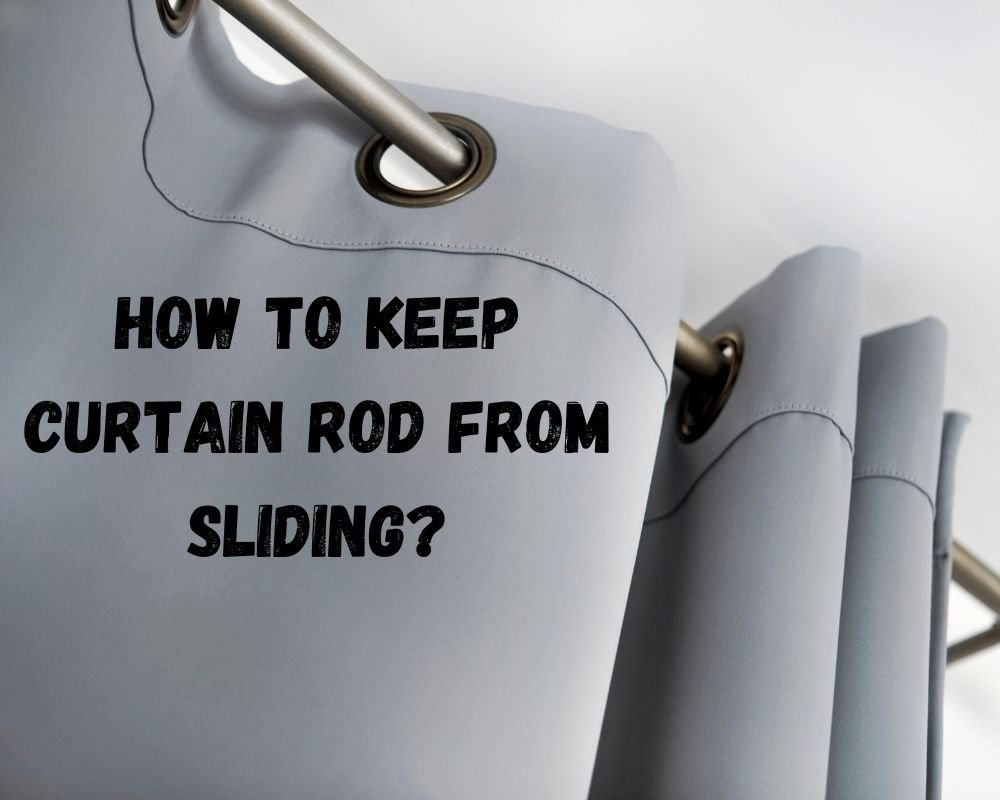
[sps_html tag=”img” src=”https://cdn.northcarolinafinearchitecture.com/2026/06/how-to-keep-curtain-rod-from-sliding-dave-burroughs-regarding-why-your-outdoor-curtain-rods-keep-rusting-and-how-to-fix-it-for-good.jpg” alt=”How To Keep Curtain Rod From Sliding? - Dave Burroughs regarding Why Your Outdoor Curtain Rods Keep Rusting and How to Fix It for Good” style=”width: 100%; height: auto;”]
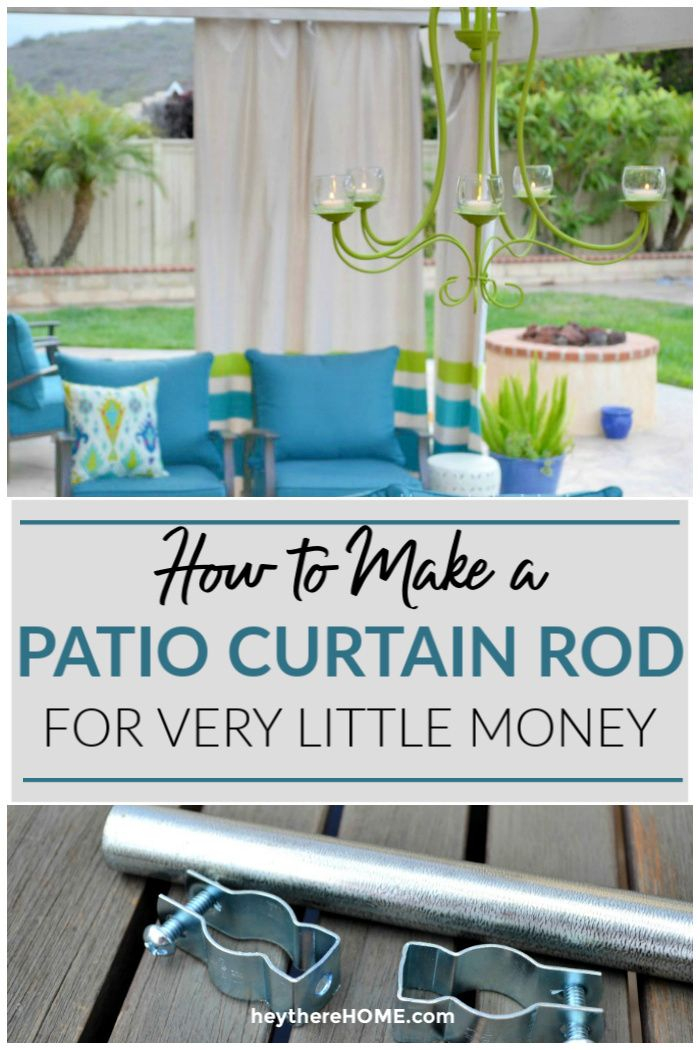
[sps_html tag=”img” src=”https://cdn.northcarolinafinearchitecture.com/2026/06/make-this-diy-outdoor-curtain-rod-the-aspiring-home-interiors-in-outdoor-rod-design.jpg” alt=”Make This Diy Outdoor Curtain Rod | The Aspiring Home Interiors in Outdoor Rod Design” style=”width: 100%; height: auto;”]
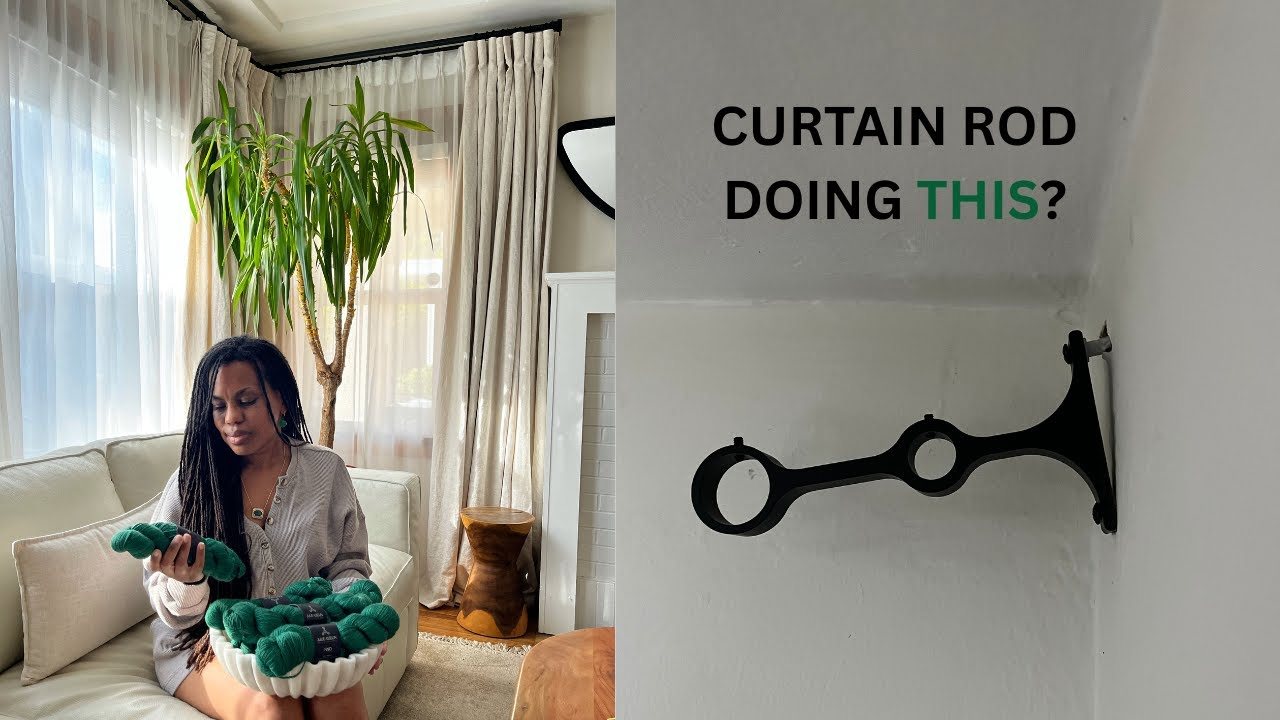
[sps_html tag=”img” src=”https://cdn.northcarolinafinearchitecture.com/2026/06/why-your-curtain-rod-is-falling-and-how-to-fix-it-for-good-youtube-for-outdoor-rod-design.jpg” alt=”Why Your Curtain Rod Is Falling And How To Fix It For Good - Youtube for Outdoor Rod Design” style=”width: 100%; height: auto;”]
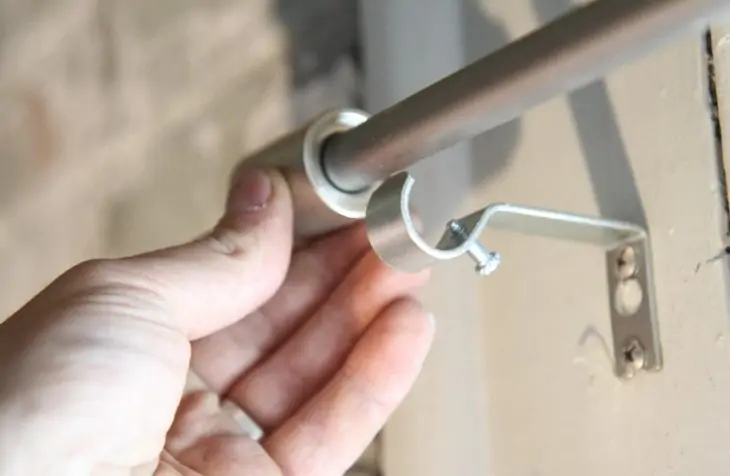
[sps_html tag=”img” src=”https://cdn.northcarolinafinearchitecture.com/2026/06/how-to-fix-curtain-rod-falling-out-of-wall-10-easy-methods-within-outdoor-rod-design.jpg” alt=”How To Fix Curtain Rod Falling Out Of Wall | 10 Easy Methods within Outdoor Rod Design” style=”width: 100%; height: auto;”]
[sps_html tag=”img” src=”https://cdn.northcarolinafinearchitecture.com/2026/06/make-this-diy-outdoor-curtain-rod-the-aspiring-home-interiors-intended-for-why-your-outdoor-curtain-rods-keep-rusting-and-how-to-fix-it-for-good.jpg” alt=”Make This Diy Outdoor Curtain Rod | The Aspiring Home Interiors intended for Why Your Outdoor Curtain Rods Keep Rusting and How to Fix It for Good” style=”width: 100%; height: auto;”]