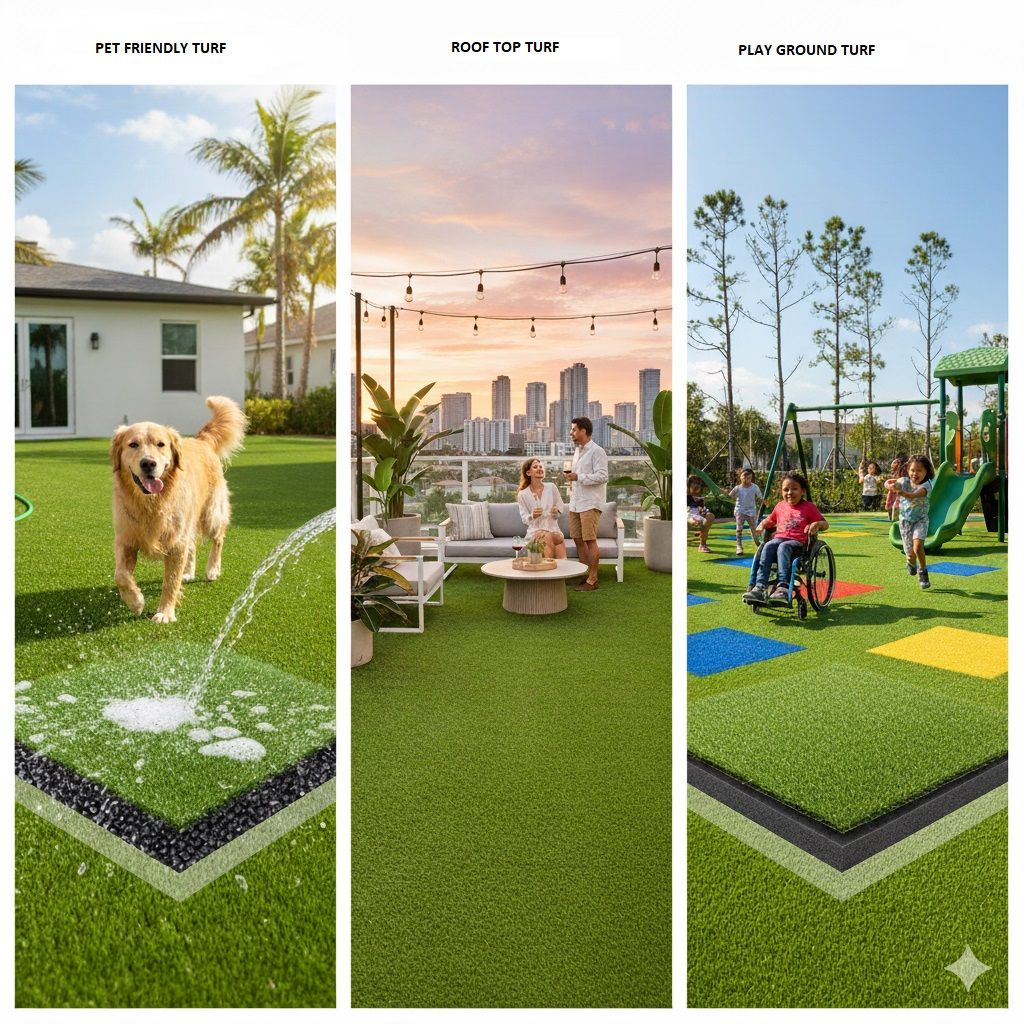
Have you ever looked up at a grey, flat rooftop and thought it could be so much more? Maybe you imagined a patch of green, a little slice of nature floating above the street noise. In 2026, that dream isn’t just for eco-warriors or luxury hotels anymore. It’s becoming a real, accessible option for homeowners who want to lower their energy bills and help the planet, one square foot at a time. But let’s be honest. Putting soil and water on top of your house sounds scary. What if it leaks? What if the roof collapses? Those are valid fears. And they’re exactly why we need to talk about doing this right.
A grass roof, or what the pros call a "green roof," is more than just dumping dirt on shingles. It’s a carefully engineered system. It blends architecture with living biology. When done correctly, it creates a lightweight, sustainable layer that protects your home while looking incredible. It can even add value to your property. But the margin for error is slim. You can’t cut corners here. This guide will walk you through the nuts and bolts of designing a system that is both safe and stunning. We’ll cover the structural checks, the waterproofing secrets, and the plants that actually survive up there. By the end, you’ll know if this project is right for you and how to start planning it without losing your mind.
Checking the Bones: Structural Integrity First
Before you buy a single bag of soil, you have to look at what’s holding your house up. A grass roof is heavy. Even when it’s dry, the layers of membrane, drainage, and substrate add significant weight. When it rains? That weight doubles, sometimes triples. In 2026, building codes in many US cities have gotten stricter about this. You can’t just guess. You need a structural engineer to come out and assess your roof’s load-bearing capacity. They’ll look at the joists, the beams, and the foundation. If your house was built in the 90s, it might not be ready for this kind of addition without some reinforcement.
This step is non-negotiable. I’ve seen too many DIY projects fail because someone skipped the engineering report. They thought, "It’s just grass, how heavy can it be?" Pretty heavy, as it turns out. An extensive green roof (the kind with shallow soil and small plants) usually adds 15 to 30 pounds per square foot when saturated. An intensive one (with deeper soil and shrubs) can add 50 to 100 pounds or more. Your engineer will tell you which category your roof falls into. If they say you need steel beams added, listen to them. It’s expensive, yes. But it’s cheaper than rebuilding your collapsed living room.
Once you have the green light from the engineer, you’ll have a clear idea of your limits. This dictates everything else. It tells you how deep your soil can be. It tells you what kind of plants you can use. Don’t fight the structure. Work with it. If your roof can only handle a light load, embrace the minimalist look. Sedums and mosses are beautiful in their own right. You don’t need a jungle to make an impact. Sometimes, less is actually more safe, and more stylish.
The Invisible Shield: Waterproofing and Root Protection
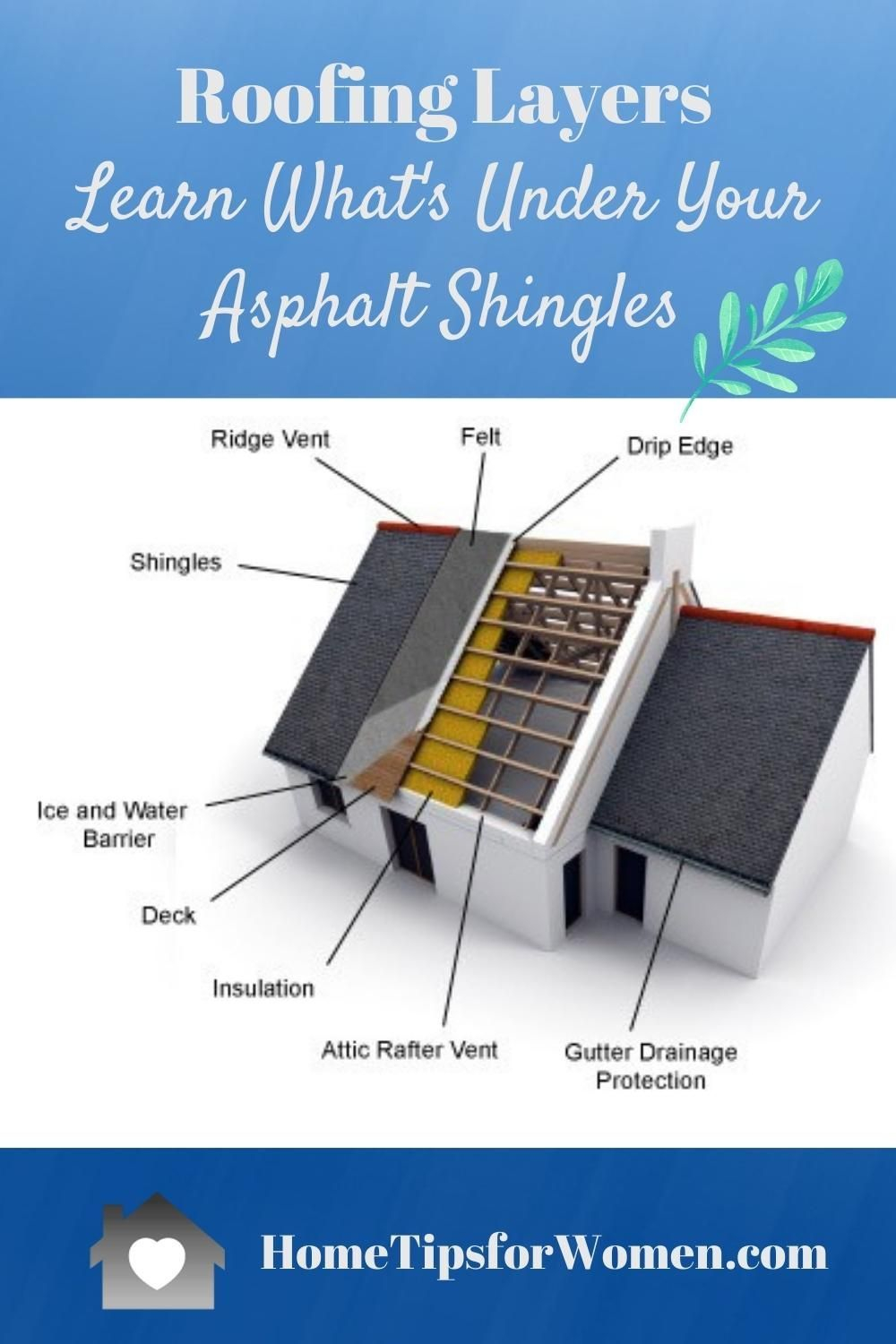
Now that we know the roof can hold the weight, we need to make sure it doesn’t leak. Water is the enemy of any building. Adding a garden on top means you’re intentionally holding water against your roof deck. This requires a high-performance waterproofing membrane. In 2026, the standard isn’t just any old tar paper. We’re talking about reinforced EPDM (ethylene propylene diene monomer) or TPO (thermoplastic polyolefin) membranes. These materials are durable, flexible, and resistant to UV rays. They form a seamless barrier that keeps moisture out of your home.
But there’s another threat you might not think about: roots. Plants are persistent. If a root finds a tiny crack in your waterproofing, it will wedge itself in and grow. Over time, it can punch through the membrane like a needle. That’s why you need a root barrier. This is a separate layer, often made of high-density polyethylene (HDPE), that sits on top of the waterproofing. It stops roots from penetrating down while letting water drain away. Some modern membranes come with root-resistant chemicals built-in, but a physical barrier is still the safest bet. Don’t skimp here. A leak caused by a dandelion root is a nightmare to fix.
Installation matters just as much as the materials. The membrane needs to be installed by professionals who know how to seal the seams properly. Heat-welding is common for TPO, while EPDM often uses adhesive tapes or liquid adhesives. Every corner, every pipe penetration, and every edge needs to be flashed and sealed tightly. Think of it like wrapping a present, but the present is your house, and you can’t afford any tears in the paper. Once it’s down, it’s hidden forever. So, get it right the first time.
Letting It Flow: Drainage and Irrigation Systems
You’ve got the structure, and you’ve got the shield. Now, where does the water go? A grass roof isn’t a sponge that holds everything. It needs to drain excess water quickly to prevent pooling. Pooling water adds unnecessary weight and can lead to plant rot. This is where the drainage layer comes in. Usually, this is a dimpled plastic sheet or a specialized geocomposite mat. It creates air gaps under the soil, allowing water to flow freely toward the roof drains. In 2026, many systems also include water retention cups in the drainage layer. These hold a small amount of water for the plants to use during dry spells, which is a smart move given the unpredictable weather patterns we’re seeing.
Speaking of water, you’ll need a plan for when it doesn’t rain. Yes, green roofs are drought-tolerant, but they aren’t magic. Especially in the first year, while plants are establishing their roots, they need help. An irrigation system is highly recommended. Drip irrigation is the gold standard here. It’s efficient, delivering water directly to the root zone without wasting it on evaporation. Smart controllers are now common, too. They connect to local weather stations and adjust watering schedules automatically. If it rained yesterday, the system skips today. This saves water and keeps your plants happy without you lifting a finger.
Don’t forget the overflow. What happens during a massive storm? Your drainage pipes need to be clear and sized correctly to handle peak flow. It’s also wise to install an overflow scupper or secondary drain. This acts as a safety valve if the primary drains get clogged with leaves or debris. It’s a small detail, but it prevents water from backing up and spilling over the edges of your roof, which could damage your siding or foundation. Think of it as insurance for your insurance.
The Foundation of Life: Choosing the Right Substrate
Here’s a secret: you can’t just use dirt from your backyard. Garden soil is too heavy, compacts too easily, and doesn’t drain well enough for a roof environment. Instead, you need a specially engineered growing medium, often called substrate. This is a lightweight mix of inorganic materials like expanded shale, clay, or slate, blended with a small amount of organic compost. The goal is to create something that holds enough moisture for plants but drains quickly enough to prevent waterlogging. In 2026, these mixes are highly refined. They’re designed to be stable, meaning they won’t break down and turn into mud over time.
The depth of this substrate depends on your structural limits and plant choices. For a simple sedum roof, you might only need 2 to 4 inches. For grasses and wildflowers, you’ll need 4 to 6 inches. If you want shrubs or small trees, you’re looking at 8 inches or more. Each inch adds weight, so refer back to your engineer’s report. The substrate also provides nutrients. Since you can’t easily fertilize a roof like a lawn, the initial mix needs to be balanced. Slow-release fertilizers are often incorporated into the substrate during manufacturing. This feeds the plants gently over several months.
Quality varies wildly between suppliers. Look for substrates that meet FLL guidelines (Forschungsgesellschaft Landschaftsentwicklung Landschaftsbau), which is the German standard widely respected globally. Even if you’re in the US, this benchmark ensures you’re getting a product that performs. Cheap soil might save you money upfront, but it will compact, suffocate your plants, and wash away in the first heavy rain. Invest in good media. It’s the literal foundation of your garden’s success.
Picking the Players: Vegetation for 2026 Climates
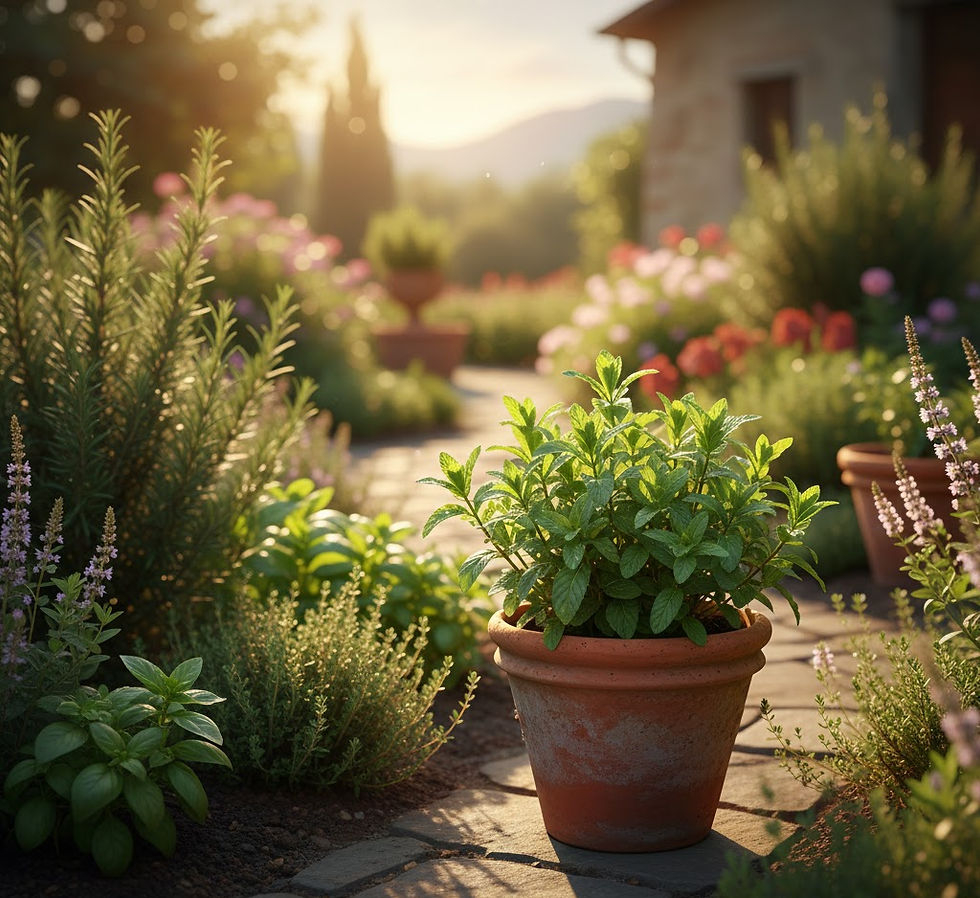
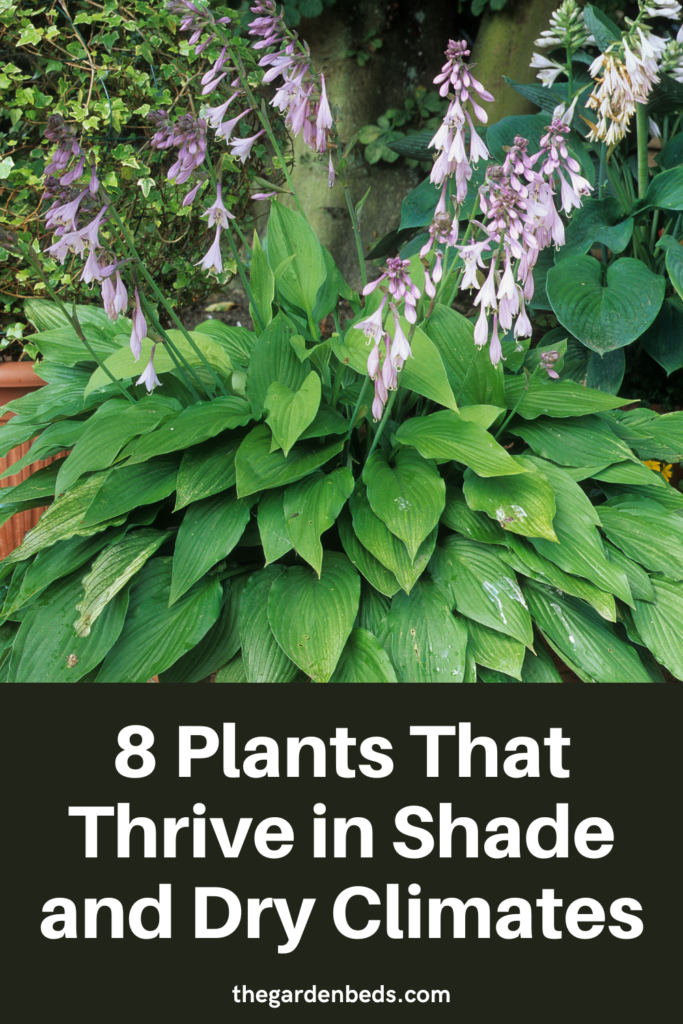
Now for the fun part: picking plants. But wait. Not all grass is created equal. In fact, traditional lawn grass is a terrible choice for most green roofs. It has shallow roots, needs tons of water, and requires frequent mowing. Who wants to haul a lawnmower onto the roof? Instead, look for native, drought-tolerant species. Sedums (stonecrops) are the classics. They’re succulents that store water in their leaves, making them incredibly resilient. They come in various colors and textures, creating a lovely mosaic. In 2026, there’s a big trend toward mixing sedums with native grasses and wildflowers. This creates a more natural, meadow-like look that supports pollinators like bees and butterflies.
Consider your local climate. If you’re in a hot, dry area, choose plants that thrive in heat. If you’re in a rainy, cool region, pick species that handle moisture well. Native plants are always the best bet because they’re adapted to your local pests and weather. They require less maintenance and support local biodiversity. Some popular choices include Blue Grama Grass, Little Bluestem, and Purple Coneflower. These plants have deep root systems that help hold the substrate in place and improve drainage. They also look great year-round, offering interest even in winter when they’re dormant.
Avoid invasive species. You don’t want your roof garden spreading seeds to neighboring properties or local wild areas. Check with your local extension office for a list of approved plants. Also, think about wind. Rooftops are windy places. Tall, floppy plants might get battered. Low-growing, clumping varieties tend to perform better. If you do want height, use sturdy ornamental grasses that bend with the wind rather than break. The goal is a self-sustaining community of plants that look good with minimal intervention.
You’ve built it. It’s green. It’s gorgeous. Now, don’t ignore it. A common myth is that green roofs are "install and forget." They’re not. They’re low maintenance, not no maintenance. In the first year, you’ll need to water regularly to help plants establish. After that, you should inspect the roof at least twice a year, typically in spring and fall. Look for clogged drains, damaged membranes, or weeds that have blown in. Weeds are the biggest nuisance. Birds and wind bring seeds. Pull them early before they take over. A little hand-weeding goes a long way.
Fertilizing might be needed once a year, depending on your plant choices. Sedums rarely need it, but flowering perennials might appreciate a light boost in spring. Use a slow-release, organic fertilizer to avoid burning the plants or polluting runoff. Check the irrigation system too. Ensure emitters aren’t clogged and lines aren’t cracked. Winter can be harsh on exposed pipes, so drain the system if you live in a freezing climate. In 2026, many homeowners hire specialized green roof maintenance crews for annual check-ups. It’s worth the cost for peace of mind. They spot problems you might miss.
Finally, enjoy it. A grass roof isn’t just for looking at from the ground. If your structure allows, add a small patio area or a path. Make it a space you can use. Sit there with your morning coffee. Watch the birds. Feel the cooling effect on a hot summer day. The mental health benefits are real. Connecting with nature, even a small patch of it, reduces stress. Your roof becomes more than a covering. It becomes a sanctuary. And that’s the ultimate goal. To create a space that heals both the planet and the people living under it.
So, is a grass roof right for you? It’s a commitment. It costs more upfront than a standard roof. It requires planning and care. But the rewards are immense. Lower energy bills, longer roof life, stormwater management, and a beautiful, living asset. In 2026, as our cities grow denser and our climate changes, these roofs are more than a trend. They’re a necessity. They’re a way to reclaim space for nature in the concrete jungle. If you’re ready to take the plunge, start with a structural engineer. Take it step by step. Don’t rush. Build it safe, build it smart, and watch it grow. Your house, and the planet, will thank you.
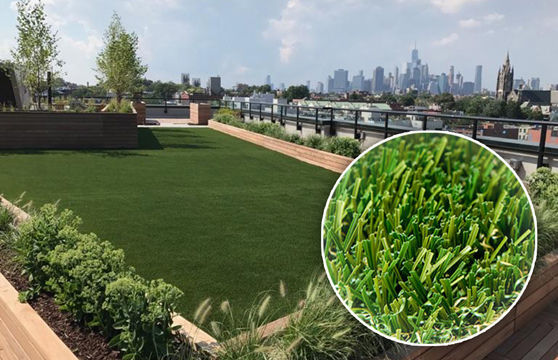
[sps_html tag=”img” src=”https://cdn.northcarolinafinearchitecture.com/2026/06/easy-and-effective-ways-to-use-rooftop-turf-on-your-roof-deck-tile-regarding-creating-a-pet-friendly-oasis-with-rooftop-artificial-turf.jpg” alt=”Easy And Effective Ways To Use Rooftop Turf On Your Roof Deck | Tile … regarding Creating a Pet Friendly Oasis with Rooftop Artificial Turf” style=”width: 100%; height: auto;”]
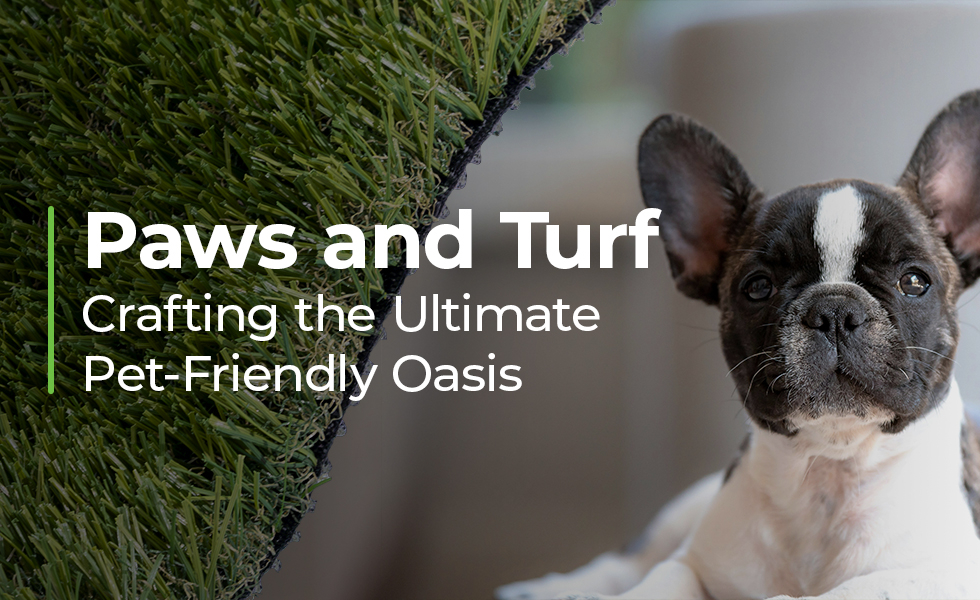
[sps_html tag=”img” src=”https://cdn.northcarolinafinearchitecture.com/2026/06/paws-and-turf-crafting-the-ultimate-pet-friendly-oasis-turf-distributors-with-regard-to-creating-a-pet-friendly-oasis-with-rooftop-artificial-turf.jpg” alt=”Paws And Turf: Crafting The Ultimate Pet-Friendly Oasis | Turf Distributors with regard to Creating a Pet Friendly Oasis with Rooftop Artificial Turf” style=”width: 100%; height: auto;”]
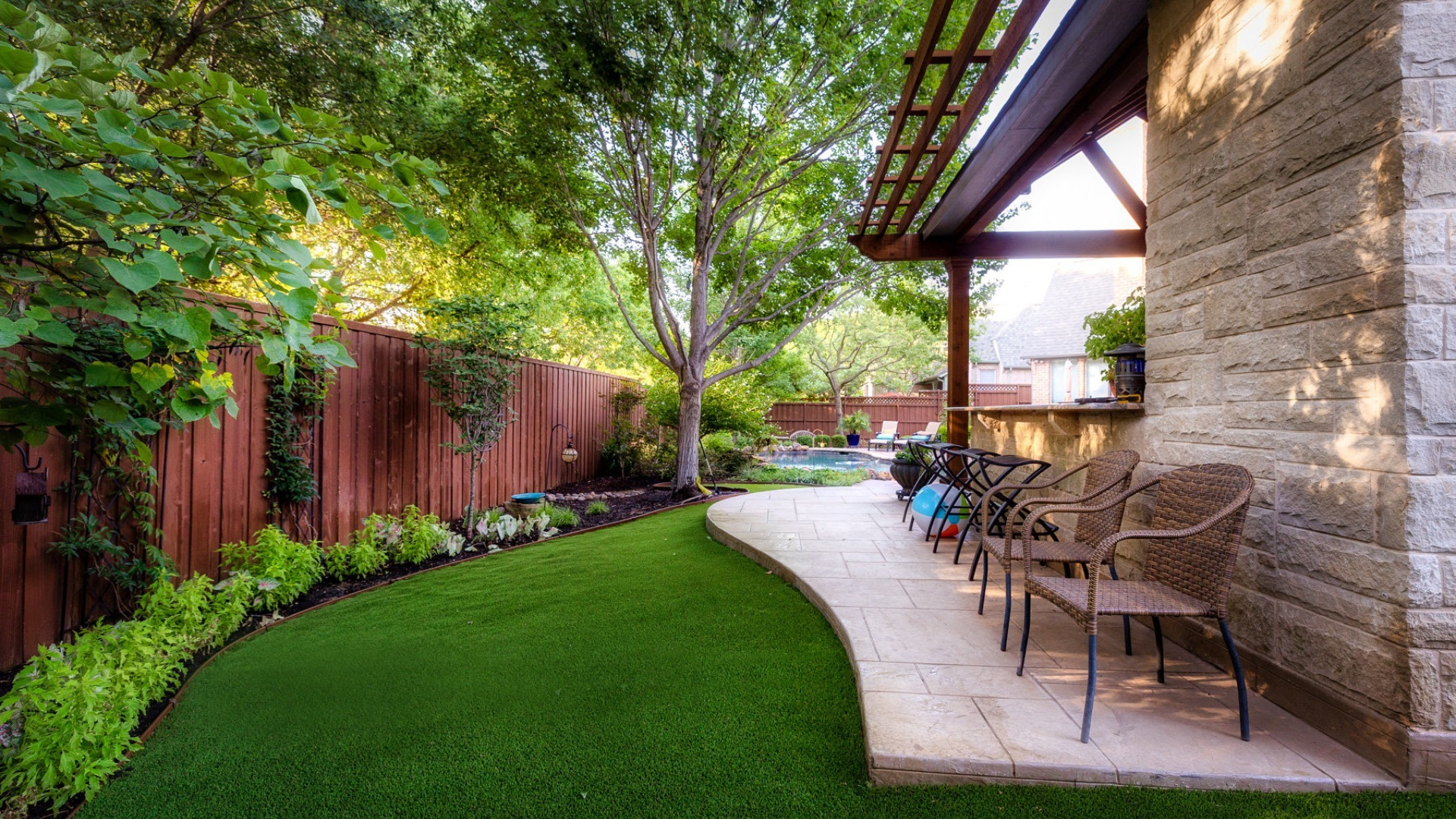
[sps_html tag=”img” src=”https://cdn.northcarolinafinearchitecture.com/2026/06/pet-turf-tile-tech-pavers-pertaining-to-outdoor-grass-roof-design.jpg” alt=”Pet Turf - Tile Tech Pavers pertaining to Outdoor Grass Roof Design” style=”width: 100%; height: auto;”]
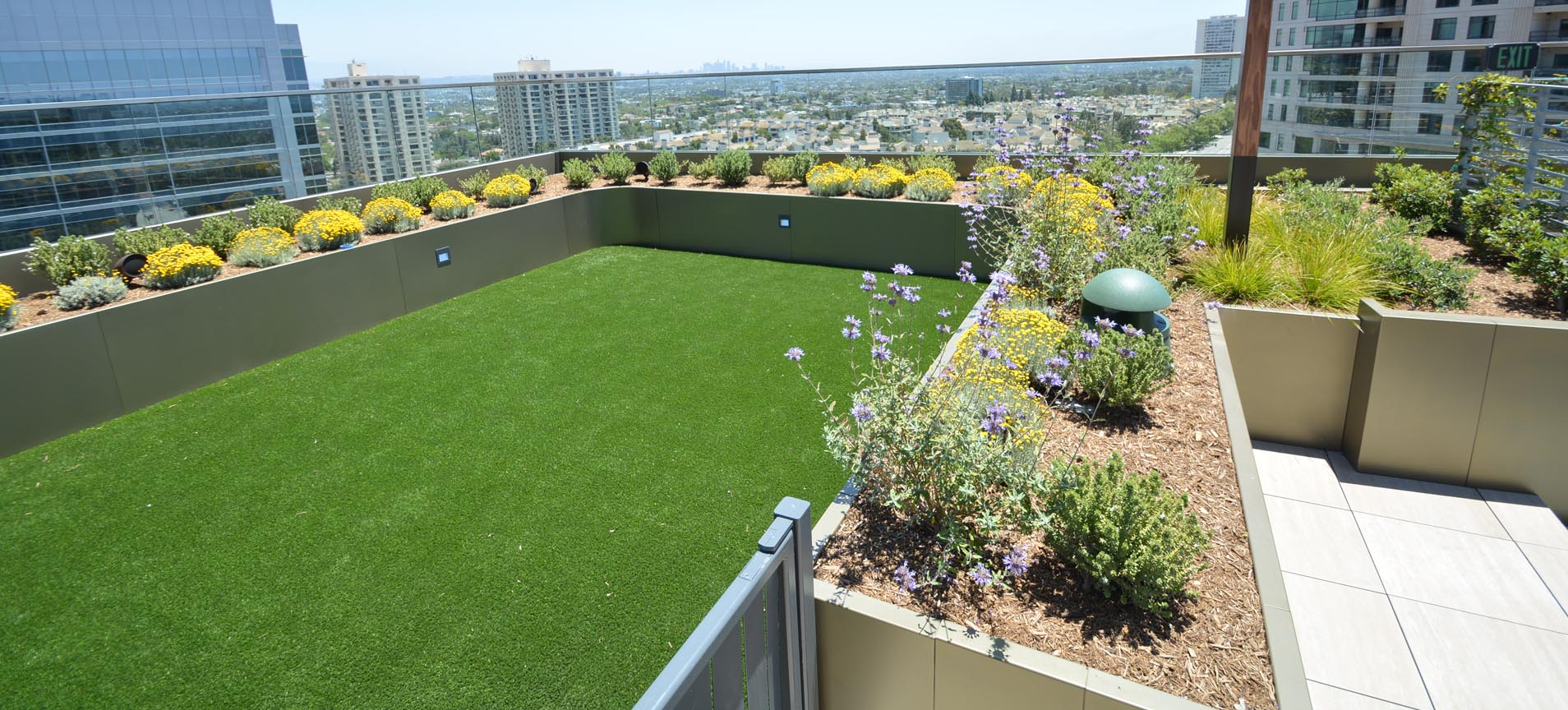
[sps_html tag=”img” src=”https://cdn.northcarolinafinearchitecture.com/2026/06/create-a-pet-friendly-paradise-with-the-best-fake-grass-with-regard-to-outdoor-grass-roof-design.jpg” alt=”Create A Pet-Friendly Paradise With The Best Fake Grass with regard to Outdoor Grass Roof Design” style=”width: 100%; height: auto;”]
[sps_html tag=”img” src=”https://cdn.northcarolinafinearchitecture.com/2026/06/exploring-artificial-turf-options-for-creating-a-pet-friendly-oasis-with-rooftop-artificial-turf.jpg” alt=”Exploring Artificial Turf Options for Creating a Pet Friendly Oasis with Rooftop Artificial Turf” style=”width: 100%; height: auto;”]