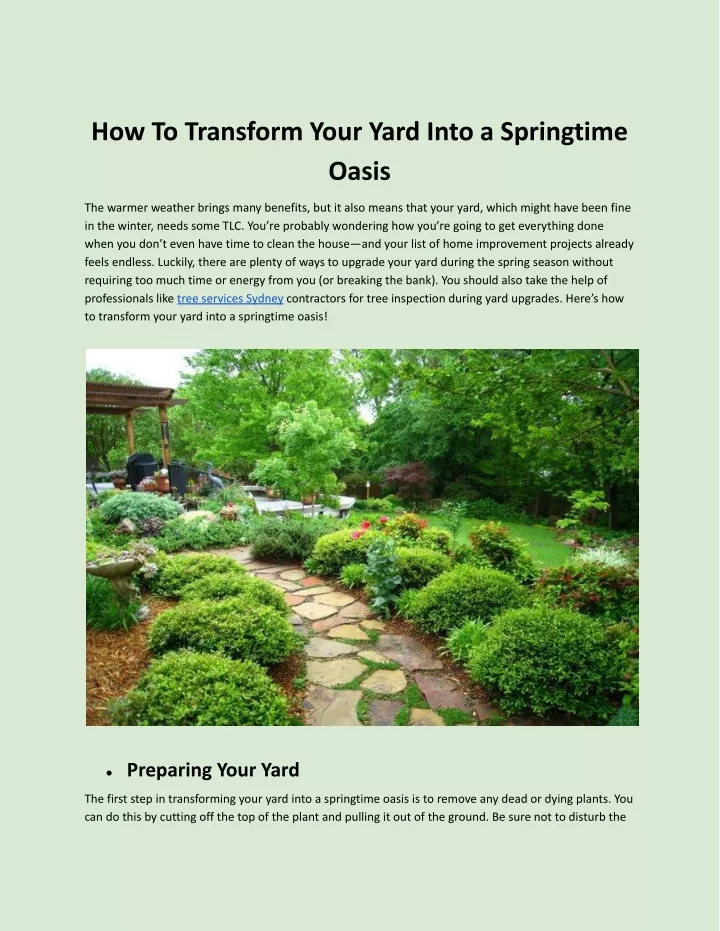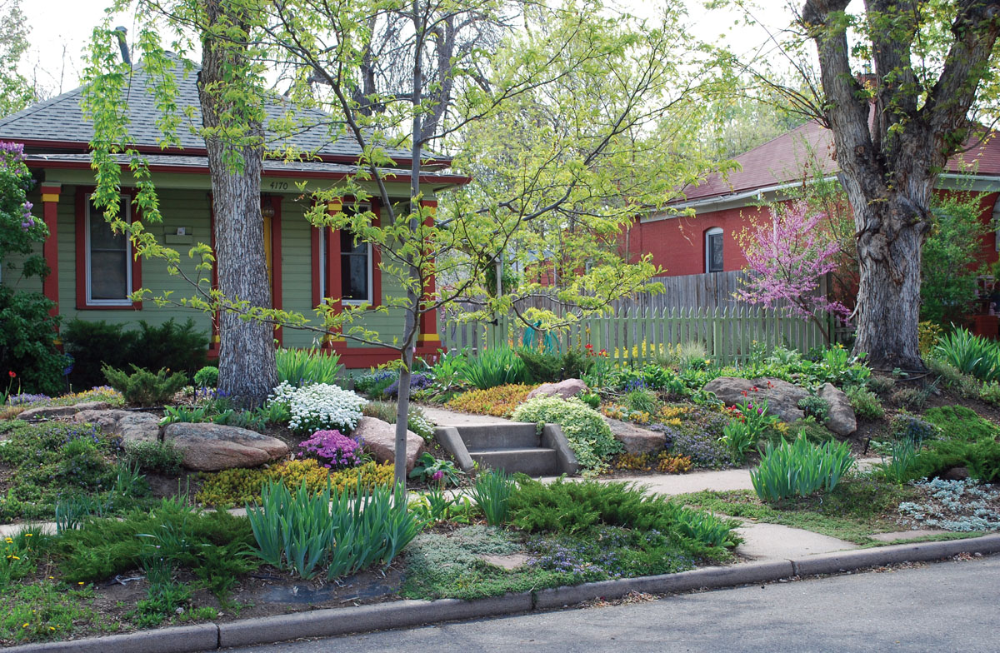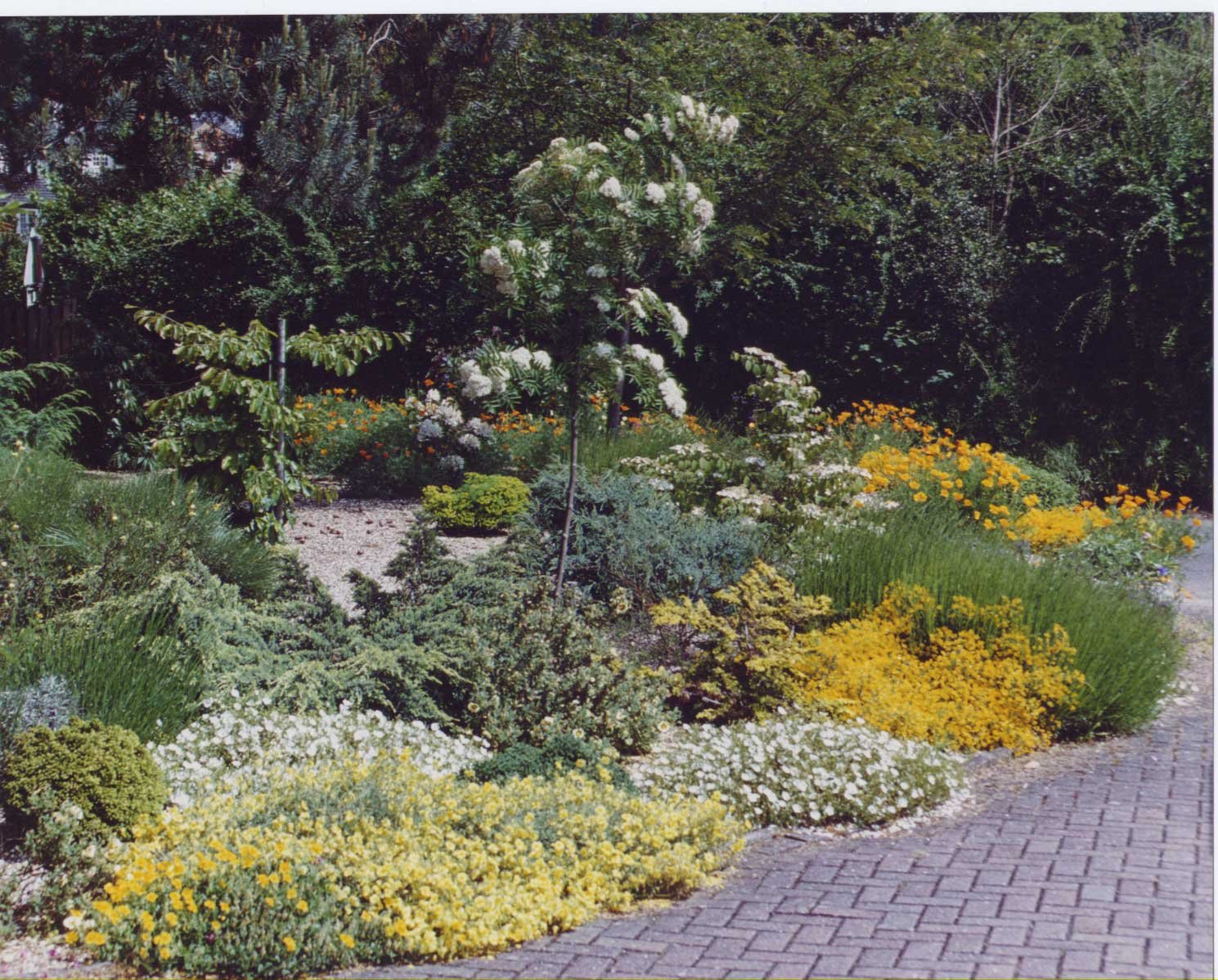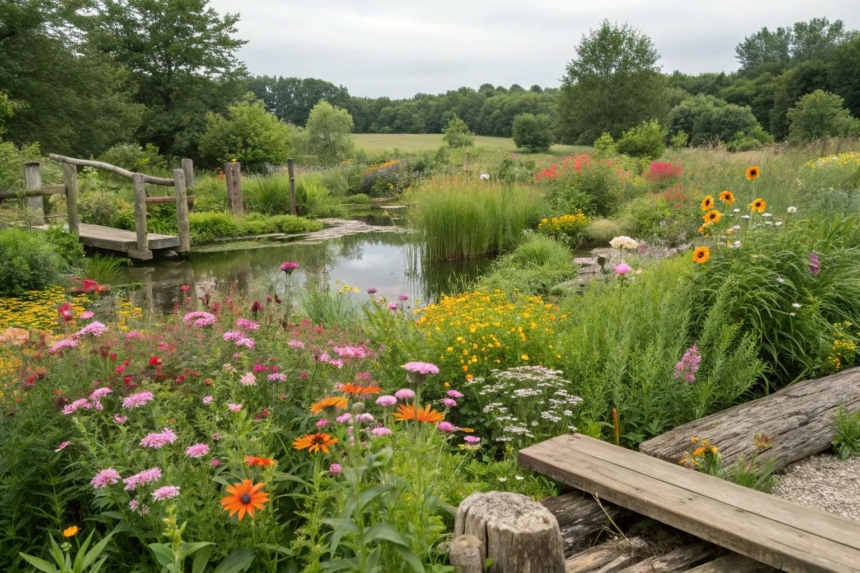
Ever looked at that soggy corner of your yard and thought, "What on earth do I do with this?" You aren’t alone. Most of us try to fight the water, digging trenches or hauling in dry soil, but what if you just… let it be? Actually, what if you celebrated it? That’s the magic of a bog garden. It’s not a pond, and it’s not a regular flower bed. It’s something in between—a lush, damp haven that feels wild and untamed yet looks intentionally beautiful.
In 2026, gardening is shifting. We’re moving away from high-maintenance lawns and toward spaces that work with nature, not against it. A bog garden fits this perfectly. It uses less water than you’d think because it retains moisture, and it becomes a hotspot for life. Frogs, dragonflies, and bees love these spots. Plus, they offer a chance to grow plants you simply can’t keep alive anywhere else. If you’ve been hesitant, thinking it’s too complicated or messy, let’s clear that up right now. It’s easier than you think, and the payoff is huge.
Why Choose a Bog Garden Over a Pond or Regular Bed?
You might be wondering why you shouldn’t just dig a pond instead. Ponds are great, sure, but they require standing water, which means dealing with algae, pumps, and sometimes mosquitoes if not managed well. A bog garden, on the other hand, has soil that is constantly moist but not submerged. Think of it like a sponge that’s been wrung out just a little bit—it’s wet to the touch, but there’s no puddle on top. This distinction is crucial because it opens up a different palette of plants. You get the dramatic foliage of iris and the bright pops of cardinal flowers without the hassle of deep-water maintenance.
Another big reason people are jumping on the bog bandwagon in 2026 is the wildlife benefit. Traditional gardens often lack the specific habitat needs of local amphibians and insects. By creating a zone that stays damp year-round, you’re providing a critical refuge, especially during dry spells. It’s like setting up a rest stop for nature. And let’s be honest, watching a dragonfly zip around or hearing frogs croak in the evening adds a layer of joy to your outdoor space that a static lawn just can’t match. It turns your yard into an ecosystem, not just a decoration.
Picking the Perfect Spot and Preparing the Ground
Location is everything. You don’t need a massive area; even a small 4×4 foot patch can work wonders. Look for a spot that gets at least six hours of sunlight. Most bog plants are sun-lovers. If you have a naturally low area where rain collects, that’s your golden ticket. But if your yard is flat or slopes away, don’t worry. You can create a bog anywhere by using a liner to hold the water in. The key is to avoid places under large trees where roots might compete for water or drop too much debris, which can rot and mess up the soil chemistry.
Once you’ve picked your spot, it’s time to dig. You’ll want to go down about 18 to 24 inches. If you’re using a liner (which is recommended for control), make sure the sides are fairly vertical. Remove any sharp rocks that could puncture the liner. Here’s a pro tip: don’t make it perfectly symmetrical. Nature hates straight lines. Give it some curves and varied depths. Some areas can be slightly deeper to hold more moisture, while others can be shallower. This variation helps create micro-habitats for different plant types. It’s a bit of extra work upfront, but it saves you headaches later when your plants are trying to find their perfect niche.
Building the Foundation: Liners and Soil Mix
Now comes the technical part, but keep it simple. You’ll need a heavy-duty pond liner. Don’t skimp here; a cheap liner will crack in a year or two, and then you’re starting over. Lay it in your hole, smoothing out the wrinkles as best you can. Some people punch a few tiny holes in the bottom to allow for very slow drainage, preventing the water from becoming stagnant, but for beginners, keeping it mostly sealed is safer. You want the soil to stay wet, not turn into a swampy mess. Cover the liner with a layer of sand or old carpet to protect it from the soil above.
The soil mix is where most people mess up. Do not use regular potting soil or garden topsoil. These are too rich and often contain fertilizers that will burn sensitive bog plants. Instead, you want a lean, acidic mix. A classic recipe is one part coarse horticultural sand to one part sphagnum peat moss. Make sure the peat moss doesn’t have added fertilizers or pH buffers—check the label carefully. This mix mimics the natural nutrient-poor conditions that bog plants evolved in. It drains well enough to prevent root rot but holds moisture like a champ. Fill your lined hole with this mix, leaving a few inches at the top for mulch and planting.
Choosing Plants That Love the Wet Life
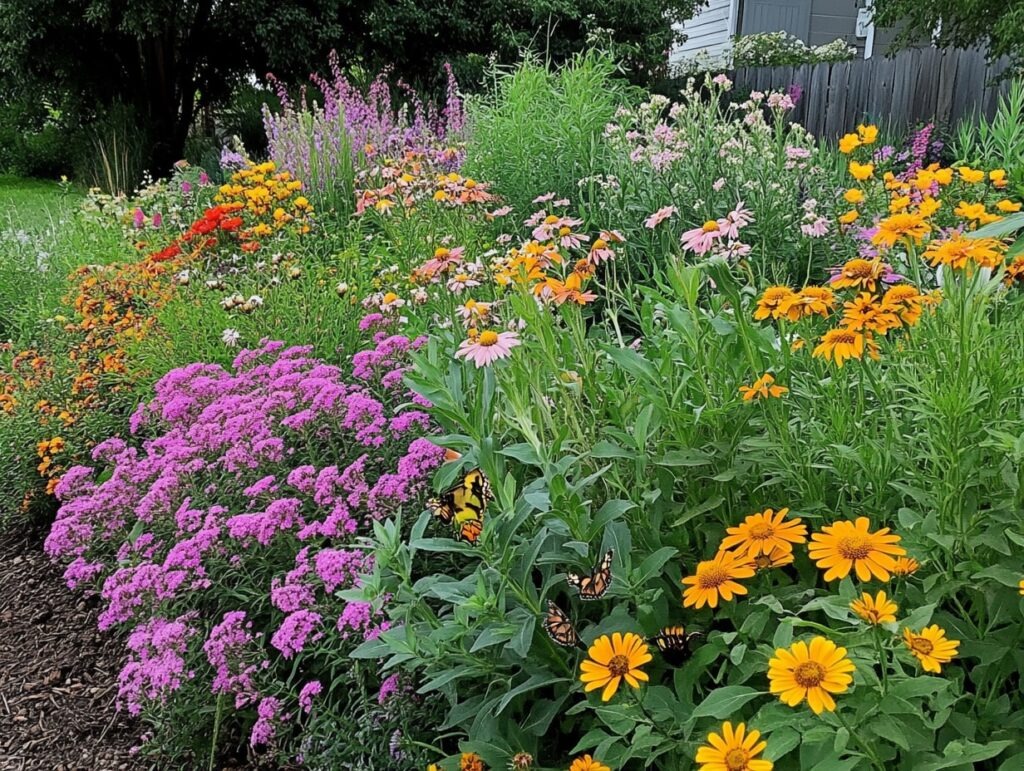
This is the fun part. Bog gardens let you grow exotic-looking plants that thrive in wet feet. Start with some structural plants. Yellow Flag Iris is a classic choice; it’s tough, tall, and adds a splash of bright yellow in early summer. For height and drama, try Joe-Pye Weed or Cardinal Flower, which hummingbirds absolutely adore. If you want something ground-hugging, look at Creeping Jenny or Marsh Marigold. These spread nicely and help keep the soil cool and moist. In 2026, native plant selections are more available than ever, so check your local nursery for region-specific options that support local pollinators.
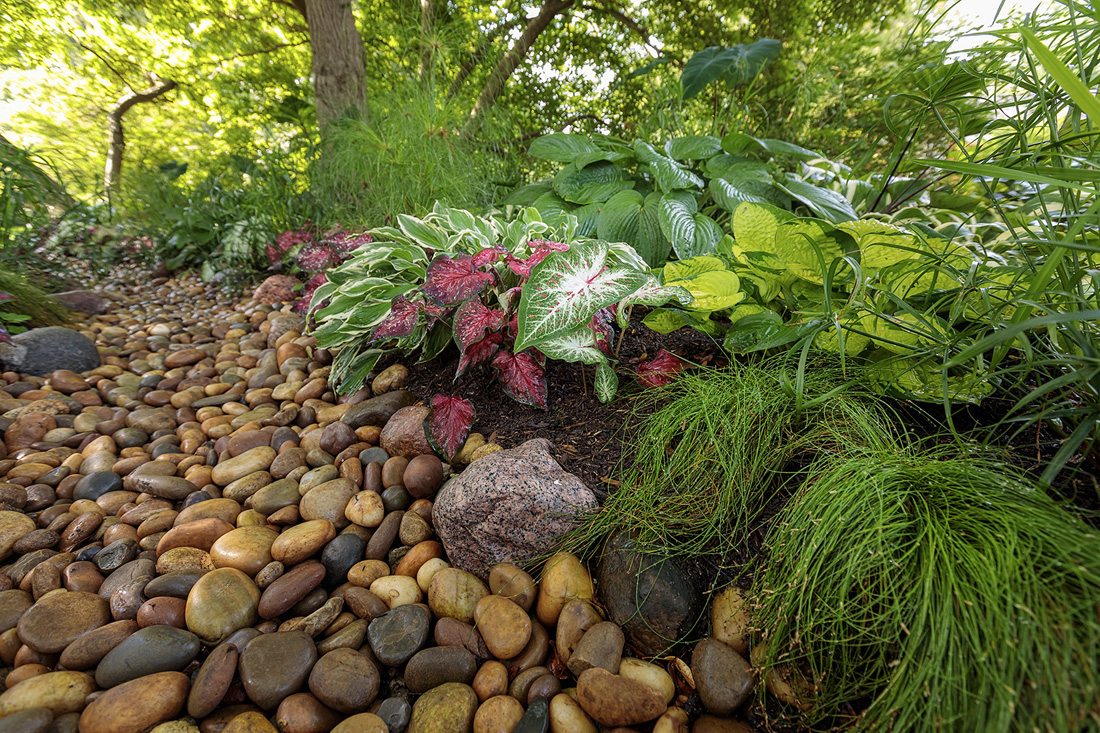
Don’t forget about texture. Bog gardens aren’t just about flowers; they’re about foliage. Sedges and rushes add grass-like movement that looks great even when nothing is blooming. Pitcher plants and Sundews are carnivorous options that fascinate kids and adults alike, though they need very specific, pure water conditions (rainwater is best). When planting, group them in odd numbers—threes or fives—to create natural-looking clusters. Place taller plants in the back or center, depending on your view, and let the shorter ones spill over the edges. It should look a bit unruly, like a snippet of wild wetland dropped into your yard.
Watering and Ongoing Care Essentials
One of the biggest myths is that bog gardens need constant watering. Once established, they’re surprisingly self-sufficient. The liner holds the moisture, and the mulch reduces evaporation. However, during hot, dry spells in summer, you will need to top it off. Use rainwater if you can collect it, as tap water often contains minerals and chlorine that can build up in the soil over time and harm sensitive plants. If you must use tap water, let it sit out for 24 hours to off-gas some of the chlorine. The goal is to keep the soil consistently damp, like a wrung-out sponge, not soupy.
Maintenance is minimal compared to a traditional flower bed. You won’t be weeding much because the dense planting and moist conditions suppress most common weeds. What you will do is tidy up. In late winter or early spring, cut back the dead foliage from the previous year. This keeps the garden looking fresh and allows light to reach new growth. Also, keep an eye on the edges. Sometimes the liner can peek out as the soil settles; just tuck some decorative stones or moss over the edge to hide it. It’s a low-stress garden, designed to give you peace, not more chores.
The number one mistake? Adding fertilizer. Resist the urge. Bog plants are adapted to low-nutrient environments. If you feed them, they’ll grow fast and weak, then flop over or die. They don’t need it. Another common error is letting the bog dry out completely. While they can handle slight fluctuations, prolonged drought will kill the root systems. If you’re going on vacation in July, ask a neighbor to hose it down lightly every few days. It’s better to err on the side of too wet than too dry in the first year.
Also, watch out for invasive plants. Some moisture-loving plants, like certain mints or aggressive irises, can take over your entire bog in a single season. Stick to clump-forming varieties or be prepared to divide them regularly. And please, avoid using chemical pesticides. The whole point of a bog garden is to invite life. If you see aphids, let the ladybugs handle them. If you see slugs, let the frogs eat them. It’s a balanced system. Disrupting that balance with chemicals defeats the purpose and can harm the very wildlife you’re trying to attract. Patience is key; let the ecosystem find its own rhythm.
Creating a bog garden is less about construction and more about invitation. You’re inviting water, wildness, and life into a space that might otherwise be ignored. It’s a shift in perspective. Instead of seeing a wet spot as a problem, you see it as an opportunity. And the beauty of it is that it evolves. The first year might feel a bit sparse as plants establish, but by the second and third years, you’ll have a thriving, buzzing, blooming sanctuary that feels ancient and timeless.
So, grab a shovel and some peat moss. Don’t worry about getting it perfect. Nature doesn’t do perfect, and neither should you. Just get started. Watch how the light hits the water droplets on the leaves in the morning. Listen for the splash of a frog. You’re not just building a garden; you’re building a connection to the natural world right outside your door. And in 2026, that’s pretty much the best thing you can do for yourself and the planet.
[sps_html tag=”img” src=”https://cdn.northcarolinafinearchitecture.com/2026/06/partial-to-full-shade-bog-garden-plants-how-to-build-a-house-within-turn-your-wet-yard-problem-into-a-thriving-bog-garden-oasis.jpg” alt=”Partial To Full Shade Bog Garden Plants | How To Build A House within Turn Your Wet Yard Problem Into a Thriving Bog Garden Oasis” style=”width: 100%; height: auto;”]
[sps_html tag=”img” src=”https://cdn.northcarolinafinearchitecture.com/2026/06/ppt-how-to-transform-your-yard-into-a-springtime-oasis-docx-within-turn-your-wet-yard-problem-into-a-thriving-bog-garden-oasis.jpg” alt=”Ppt - How To Transform Your Yard Into A Springtime Oasis.docx … within Turn Your Wet Yard Problem Into a Thriving Bog Garden Oasis” style=”width: 100%; height: auto;”]
[sps_html tag=”img” src=”https://cdn.northcarolinafinearchitecture.com/2026/06/landscaping-ideas-for-wet-lawn-10-solutions-for-soggy-soil-pertaining-to-outdoor-bog-garden-design.jpg” alt=”Landscaping Ideas For Wet Lawn 10 Solutions For Soggy Soil pertaining to Outdoor Bog Garden Design” style=”width: 100%; height: auto;”]
[sps_html tag=”img” src=”https://cdn.northcarolinafinearchitecture.com/2026/06/turn-your-small-yard-into-an-oasis-with-these-landscaping-solutions-regarding-turn-your-wet-yard-problem-into-a-thriving-bog-garden-oasis.png” alt=”Turn Your Small Yard Into An Oasis With These Landscaping Solutions … regarding Turn Your Wet Yard Problem Into a Thriving Bog Garden Oasis” style=”width: 100%; height: auto;”]
[sps_html tag=”img” src=”https://cdn.northcarolinafinearchitecture.com/2026/06/14-inspiring-bog-garden-ideas-for-lush-landscapes-throughout-outdoor-bog-garden-design.jpg” alt=”14+ Inspiring Bog Garden Ideas For Lush Landscapes throughout Outdoor Bog Garden Design” style=”width: 100%; height: auto;”]