Ever looked at your postage-stamp backyard and thought, "Is there even room to breathe out here?" You aren’t alone. In 2026, urban living means shrinking outdoor footprints, but that doesn’t mean you have to sacrifice style or comfort. A pergola might seem like a bulky addition, something reserved for sprawling estates with acres of lawn. But thats a myth. In fact, the right overhead structure can actually make a small yard feel larger, cozier, and infinitely more usable. It’s about working with what you’ve got, not wishing for what you don’t.
Think of a pergola not just as a roof, but as a room divider without walls. It defines space. It creates intention. When you drop a beam structure into a tiny patio, you’re telling your eyes where to look and your body where to relax. It turns a vague patch of concrete into a destination. Whether you’re dealing with a narrow side yard, a cramped balcony, or a backyard that feels more like a corridor, there’s a way to make it work. And honestly? Some of the most charming outdoor spots I’ve seen are the ones where every inch had to earn its keep.
Lean Into the Wall: The Power of Attached Structures
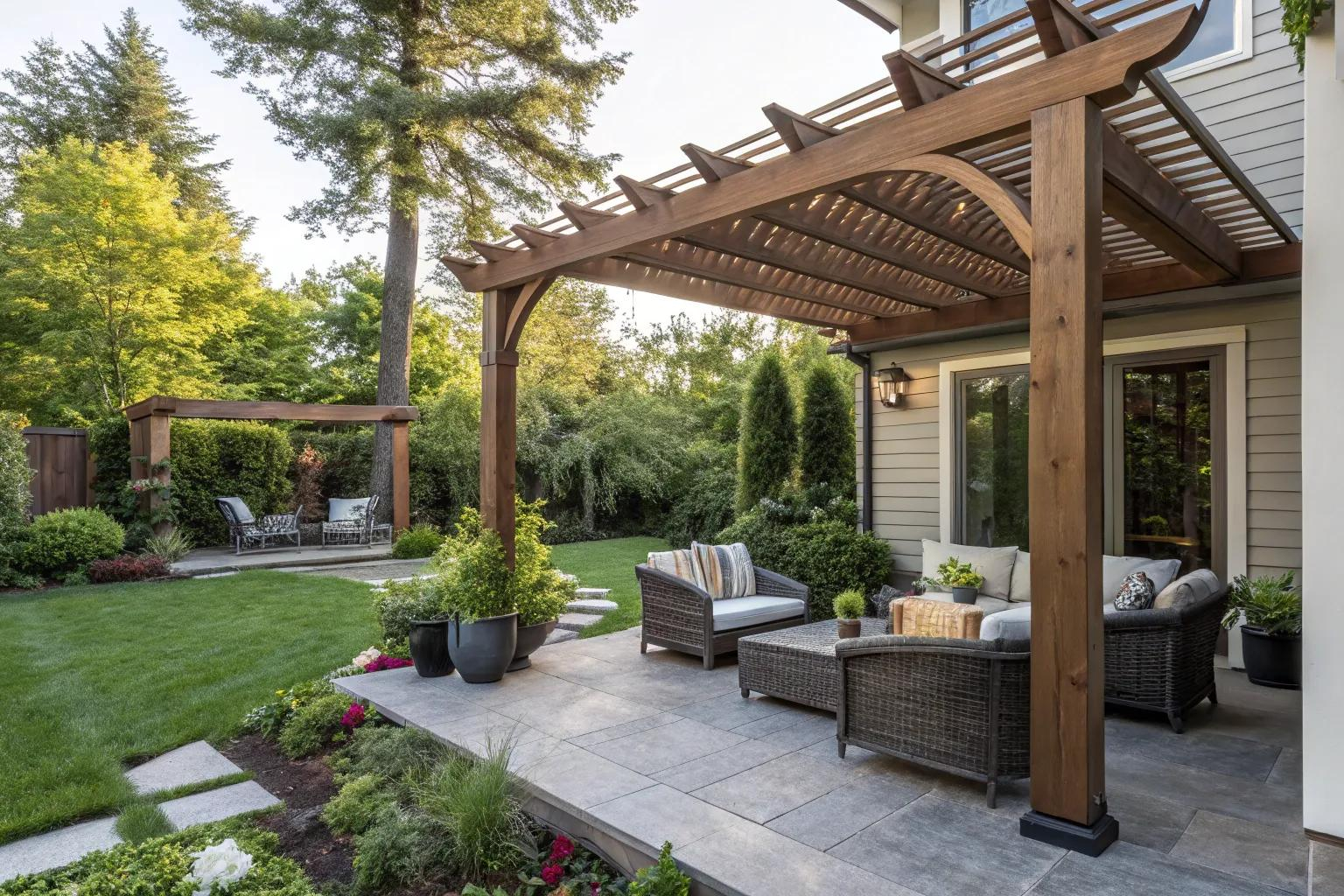
When floor space is tight, the walls are your best friend. A freestanding pergola requires four posts, which eats up valuable square footage and can make a small area feel cluttered. By attaching the structure directly to your house or a sturdy garden wall, you cut the post count in half. This is often called a lean-to or attached pergola, and it’s a game-changer for compact layouts. It creates a seamless flow from indoors to outdoors, making the interior room feel like it extends further than it actually does.
These designs are also typically easier on the wallet and simpler to build. Since you’re anchoring one side to an existing structure, you’re working with shorter beams—often just 8 to 10 feet instead of the massive 12 or 14-foot spans needed for standalone units. This makes DIY projects much more manageable for the average homeowner. You don’t need heavy machinery to lift giant timbers. Plus, by keeping the footprint narrow, you preserve crucial walking paths. You get the shade and the aesthetic punch without blocking the door or tripping over posts every time you grab a glass of wine.
Consider the angle of the roof, too. A slight slope away from the house helps with rain runoff, but it also draws the eye upward and outward. If you have a second-story window or a deck above, you can even tier the structure. The key is to keep the visual weight light. Use slender posts, maybe metal or thin cedar, rather than chunky treated lumber. The goal is to frame the view, not block it. In 2026, we’re seeing a huge trend in minimalist aluminum attachments that mimic wood but offer a sleeker profile perfect for modern, tiny urban homes.
Corner Magic: Utilizing Dead Space
Corners are often the forgotten zones of a small yard. They’re awkward to navigate, hard to furnish, and usually end up as dumping grounds for gardening tools or empty pots. But a corner pergola flips this narrative completely. By tucking the structure into a 90-degree angle, you free up the rest of the yard for movement. It’s a strategic move that maximizes utility while minimizing obstruction. You’re essentially building a cozy nook that feels protected and intimate, almost like a secret garden within your garden.
This layout works exceptionally well for creating distinct "rooms" in a multi-use space. Imagine a small rectangular yard. You could place a corner pergola at the far end, housing a bistro set or a small lounge chair. The rest of the yard remains open for play, pets, or just walking through. Because the structure is tucked away, it doesn’t dominate the view from your kitchen window. Instead, it adds depth. It gives the eye a place to rest. Designers in 2026 are loving this approach because it allows for vertical gardening on two sides, turning dead walls into lush green backdrops.
Materials matter here, too. Since corners can sometimes feel dark or enclosed, opt for lighter colors or open-lattice roofs. You want sunlight to filter through, not be blocked entirely. Climbing plants like jasmine or clematis can soften the hard lines of the corner, blending the structure into the landscape. It’s about softening the architecture. And if you’re worried about feeling boxed in, keep one side completely open. Let the space breathe. The pergola becomes a frame for the sky, not a cage. It’s a subtle shift, but it makes all the difference in how spacious the area feels.
Go Vertical: Layers and Height
In a tiny yard, if you can’t go out, go up. Vertical space is the most underutilized real estate in small outdoor areas. A pergola provides the perfect skeleton for layering height. Think of it as a trellis on steroids. By adding hanging planters, wind chimes, or even lightweight fabric shades, you draw the eye upward. This tricks the brain into perceiving the space as taller and airier than it is. It breaks the monotony of horizontal lines that can make a small yard feel flat and confined.
Consider using retractable canopy covers or shade sails attached to the beams. These add functionality without permanent bulk. On a hot summer day in 2026, you can pull them out for relief. On a cool evening, retract them to stargaze. This flexibility is crucial in small spaces where one static feature might feel oppressive. You’re adapting the space to the moment. Also, look at lighting. String lights woven through the rafters add a magical glow at night, creating a ceiling of stars that makes the small footprint feel infinite. It’s cozy, not cramped.
Don’t forget the posts themselves. They can serve double duty. Install hooks for hanging chairs, hammocks, or even outdoor curtains. A hanging egg chair suspended from a sturdy beam takes up zero floor space but adds a huge dose of luxury. It’s a focal point that doesn’t steal square footage. Just be mindful of weight limits. Ensure your structure is anchored properly, especially if you’re hanging anything heavy. The goal is to create a sense of enclosure and safety, a little nest above the ground. It’s about comfort, not just coverage.
Multi-Use Zones: One Structure, Many Functions
Small spaces demand versatility. You rarely have the luxury of dedicating a zone to just one activity. A pergola in a tiny yard needs to pull double, maybe even triple, duty. This is where intentional design comes in. Instead of just thinking "shade," think "dining room," "yoga studio," and "entertainment hub" all rolled into one. The structure defines the zone, but your furniture and accessories dictate the function. And since it’s small, switching roles is easy.
For example, use a fold-down table attached to the house wall under the pergola. During the day, it’s a potting bench or a workspace. At dinner time, it becomes a dining table for two. When you’re done, fold it flat against the wall, and suddenly you have open floor space for morning stretches or playing with the dog. This adaptability is key to keeping a small yard from feeling cluttered. You’re not storing unused furniture; you’re transforming the space as needed. It’s smart living.
Another trick is to use the pergola posts for storage. Slim, vertical shelving units can be attached to the outside of the posts, holding candles, books, or small plants. This keeps the floor clear. In 2026, modular outdoor furniture is huge, allowing you to reconfigure seating arrangements instantly. A few stackable stools and a small ottoman can serve as extra seats or a footrest. The pergola acts as the anchor, the constant element that holds these changing scenes together. It’s the stage for your daily life, whatever act is playing out.
Material Matters: Lightness and Scale
Choosing the right materials can make or break a small-space pergola. Heavy, dark woods can feel imposing and shrink the space visually. In contrast, lighter materials like powder-coated aluminum, vinyl, or pale cedar create a sense of airiness. Aluminum is particularly popular in 2026 for tiny yards because it’s strong yet slender. You can get incredibly thin profiles that still support significant weight, allowing for maximum light penetration. It’s also low maintenance, which is a bonus when you’re short on time and space for upkeep.
Color plays a huge role here, too. Painting or staining your pergola to match your house siding or fence helps it blend in, making it feel less like an intrusion and more like an extension of the home. White or light gray tones reflect light, keeping the area bright and open. Dark colors absorb light and can make the ceiling feel lower. If you love the look of dark wood, consider using it only for accent pieces or the top beams, keeping the posts lighter. It’s a balancing act.
Don’t overlook the roof slats. The spacing between them determines how much light gets through. In a small yard, you might want more openness to avoid feeling cave-like. Wider spacing allows for dappled light, which is dynamic and interesting. It changes throughout the day, creating a living pattern on the floor. You can always add climbing vines later if you want more shade. Start open, then fill in. This approach gives you control over the atmosphere. It’s about layering, not locking yourself into one level of coverage.
A pergola without plants is just a skeleton. In a small yard, greenery is essential for softening the hard edges of construction and blending the structure into the natural environment. But you have to be strategic. Overgrown vines can quickly overwhelm a tiny space, making it feel wild and unkempt. The trick is to choose plants that are manageable and suit the scale of the structure. Annual climbers like sweet peas or morning glories offer seasonal color without permanent bulk. They die back in winter, letting the light in when you need it most.
For a more permanent solution, consider trained espalier trees or structured shrubs planted at the base of the posts. This grounds the structure and adds height without spreading out horizontally. Jasmine, wisteria, and climbing roses are classic choices, but they require regular pruning. In 2026, many homeowners are opting for native, drought-resistant climbers that require less water and care. This is not just eco-friendly; it’s practical for small spaces where maintenance access might be limited. You don’t want to be wrestling with a hose in a cramped corner.
Hanging baskets are another fantastic option. They add volume at eye level without taking up ground space. Mix trailing plants like ivy or ferns with upright flowers for texture. The key is variety. Don’t just stick to one type of leaf. Mix broad leaves with fine needles, or smooth textures with rough bark. This creates visual interest and depth. It makes the small space feel rich and layered. The pergola becomes a living sculpture, changing with the seasons. It’s a connection to nature, even in the heart of the city.
So, can a pergola really work in a tiny yard? Absolutely. It’s not about the size of the structure, but the intelligence of the design. By attaching it to walls, tucking it into corners, going vertical, ensuring multi-use functionality, choosing light materials, and integrating greenery, you transform a cramped patch into a cherished retreat. It’s about intention. It’s about making every beam, every post, and every leaf count.
In 2026, the trend isn’t toward bigger backyards, but better ones. We’re learning to love the spaces we have, however small. A pergola is a tool in that journey. It offers shade, yes, but it also offers definition, beauty, and a sense of place. It turns a yard into a room. So don’t let square footage stop you. Measure twice, plan wisely, and build something that fits your life, not just your lot. Your tiny oasis is waiting.
[sps_html tag=”img” src=”https://cdn.northcarolinafinearchitecture.com/2026/06/what-to-consider-when-choosing-between-a-pergola-gazebo-regarding-outdoor-pergola-design.jpg” alt=”What To Consider When Choosing Between A Pergola & Gazebo regarding Outdoor Pergola Design” style=”width: 100%; height: auto;”]
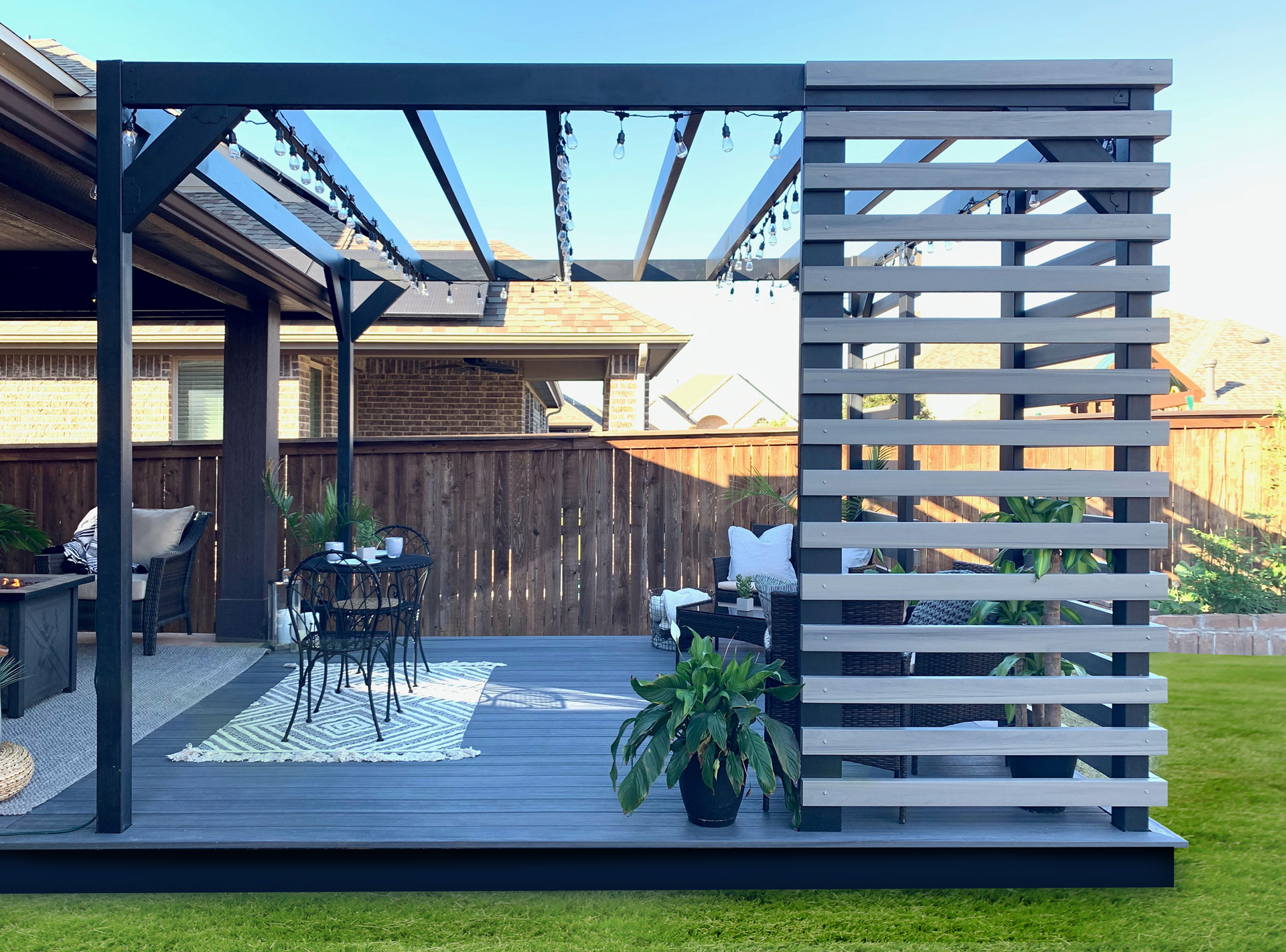
[sps_html tag=”img” src=”https://cdn.northcarolinafinearchitecture.com/2026/06/choosing-the-right-pergola-for-your-backyard-size-style-materials-regarding-outdoor-pergola-design.jpg” alt=”Choosing The Right Pergola For Your Backyard: Size, Style & Materials … regarding Outdoor Pergola Design” style=”width: 100%; height: auto;”]
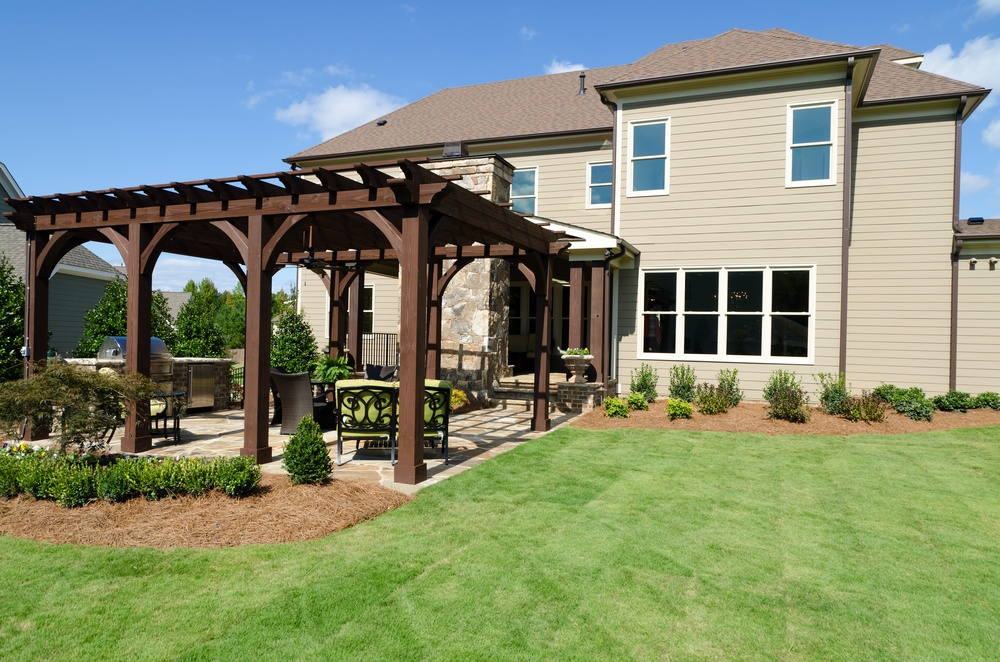
[sps_html tag=”img” src=”https://cdn.northcarolinafinearchitecture.com/2026/06/inspiring-backyard-covered-pergola-ideas-with-pictures-to-transform-inside-choosing-between-attached-and-freestanding-pergolas-for-your-backyard.jpg” alt=”Inspiring Backyard Covered Pergola Ideas With Pictures To Transform … inside Choosing Between Attached and Freestanding Pergolas for Your Backyard” style=”width: 100%; height: auto;”]
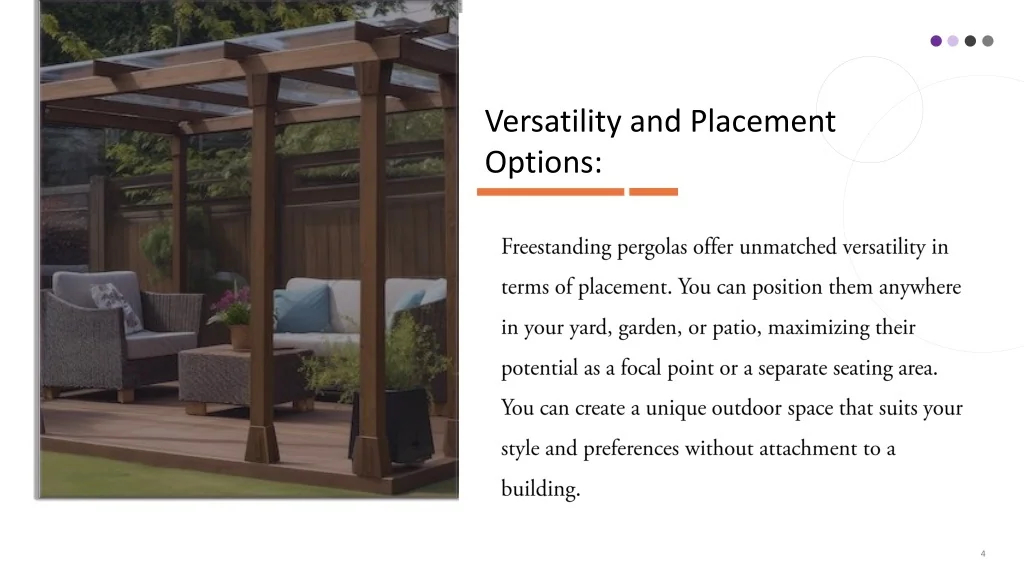
[sps_html tag=”img” src=”https://cdn.northcarolinafinearchitecture.com/2026/06/ppt-choosing-the-perfect-outdoor-oasis-freestanding-vs-attached-for-choosing-between-attached-and-freestanding-pergolas-for-your-backyard.jpg” alt=”Ppt - Choosing The Perfect Outdoor Oasis: Freestanding Vs. Attached … for Choosing Between Attached and Freestanding Pergolas for Your Backyard” style=”width: 100%; height: auto;”]
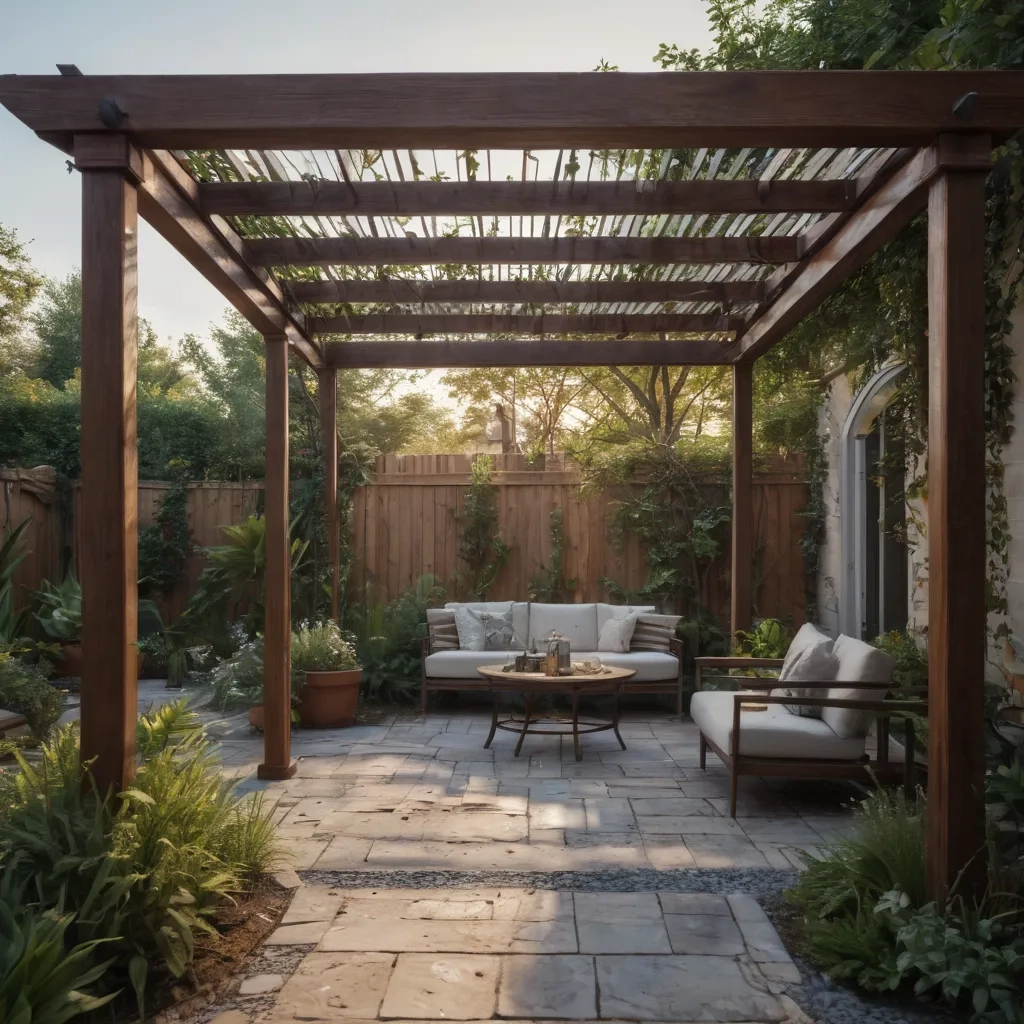
[sps_html tag=”img” src=”https://cdn.northcarolinafinearchitecture.com/2026/06/the-ultimate-guide-to-choosing-backyard-pergolas-throughout-outdoor-pergola-design.webp” alt=”The Ultimate Guide To Choosing Backyard Pergolas throughout Outdoor Pergola Design” style=”width: 100%; height: auto;”]