Ever looked at that strip of grass along your fence line and felt like it was… well, wasted space? It’s just there. A green void. But what if I told you that same narrow patch could be buzzing with life? Imagine waking up to the chatter of sparrows or watching a bumblebee tumble lazily from one bloom to another, right outside your kitchen window. That’s not a dream. It’s entirely possible, and it starts with rethinking the border.
We’ve spent decades treating garden edges as mere boundaries. Lines on a map. Places to keep the lawn neat. But in 2026, the conversation has shifted. We’re not just decorating; we’re hosting. A wildlife-friendly border isn’t about perfection. It’s about invitation. It’s about creating a safe haven in a world that’s getting increasingly hostile to our smaller neighbors. And honestly? It’s easier than you think. You don’t need acres. You don’t need a degree in ecology. You just need a little know-how and a willingness to let things get a bit wild.
Start with the Why: Knowing Your Guests
Before you dig a single hole, take a moment to ask yourself: who do you want to visit? This might sound strange. Isn’t the goal to attract everyone? Well, yes and no. Different creatures have different needs. If you’re dreaming of hummingbirds zipping around in July, you’ll need tubular flowers that bloom in mid-summer. If you want to support early-season bees, you need crocuses and pussy willows in March. The Royal Horticultural Society (RHS) suggests starting with this simple question: what type of wildlife would you like to see more of?
It helps to think locally. What’s native to your area? Native plants are the backbone of any successful wildlife garden. They’ve co-evolved with local insects and birds over thousands of years. A monarch butterfly caterpillar, for instance, can only eat milkweed. No milkweed, no monarchs. It’s that simple. By choosing plants that belong in your region, you’re providing the specific food sources local wildlife relies on. It’s like serving their favorite meal instead of generic takeout.
Don’t worry about getting it perfect right away. Start small. Maybe you love birds. Focus on plants that produce seeds in the fall and winter, like coneflowers or sunflowers, and add some berry-producing shrubs like elderberry or serviceberry. Or perhaps you’re fascinated by beetles and beneficial bugs. In that case, leave some leaf litter and add some flat stones for basking. The key is intentionality. When you know who you’re inviting, you can set the table properly.
Layering Life: Structure and Shelter
A border isn’t just a row of flowers. It’s a three-dimensional space. Think of it like a house. You need a roof, walls, and a foundation. In gardening terms, this means combining woody plants (shrubs and small trees), herbaceous perennials (plants that die back in winter), and annuals. This layering creates diverse habitats. Birds need dense shrubs for nesting and hiding from predators. Bees need sunny spots on bare ground or dead wood for nesting. Butterflies need host plants for their caterpillars and nectar sources for themselves.
Start with the "bones" of your border. These are your shrubs and small trees. They provide year-round structure and shelter. Choose native species that offer multiple benefits. Dogwood, for example, provides spring flowers for pollinators, summer shade, and fall berries for birds. Oak trees support hundreds of species of caterpillars, which are crucial food sources for baby birds. Even a small border can fit a dwarf variety of these larger plants. Don’t underestimate the power of a single well-placed shrub.
Next, fill in the middle layer with perennials. These are your workhorses. They come back year after year, providing reliable nectar and pollen. Mix heights and textures. Tall Joe-Pye weed can stand at the back, while shorter asters spill over the front. Finally, add annuals for bursts of color and extra nectar during gaps in the perennial bloom cycle. Zinnias and cosmos are bee magnets. The goal is to ensure there’s always something blooming, from early spring to late fall. This continuous buffet keeps your guests coming back.
The Power of Native Plants and Bloom Succession
Let’s talk timing. One of the biggest mistakes people make is planting everything that blooms in June. Sure, it looks great for a month. But what happens in August? Or October? Wildlife needs food all season long. This is where bloom succession comes in. It’s simply planning your plant choices so that as one flower fades, another takes its place. It’s like choreographing a dance that lasts eight months.
In early spring, think bulbs. Snowdrops, crocuses, and scilla are lifelines for hungry bees emerging from hibernation. As the weather warms, transition to late-spring bloomers like columbine and wild geranium. Summer is the peak season, so load up on coneflowers, black-eyed Susans, and bee balm. But don’t stop there. Fall is critical. Many birds and butterflies are preparing for migration or winter. Goldenrod and asters are essential late-season sources of nectar and seeds. Leaving the seed heads on these plants through winter provides food for finches and other small birds.
Choosing the right natives for your specific climate is crucial. What works in Omaha, Nebraska, might not thrive in Georgia. Recent landscape renovations, like the one overseen by Benjamin Vogt in Omaha, show the transformative power of going 100% native. He turned a bare suburban lot into a thriving prairie ecosystem. You don’t need to go that extreme, but the principle holds. Check with local nurseries or extension services for plant lists tailored to your zone. They’ll know what grows best and what the local wildlife loves. It’s worth the extra research.
Water, Walls, and Safe Spaces
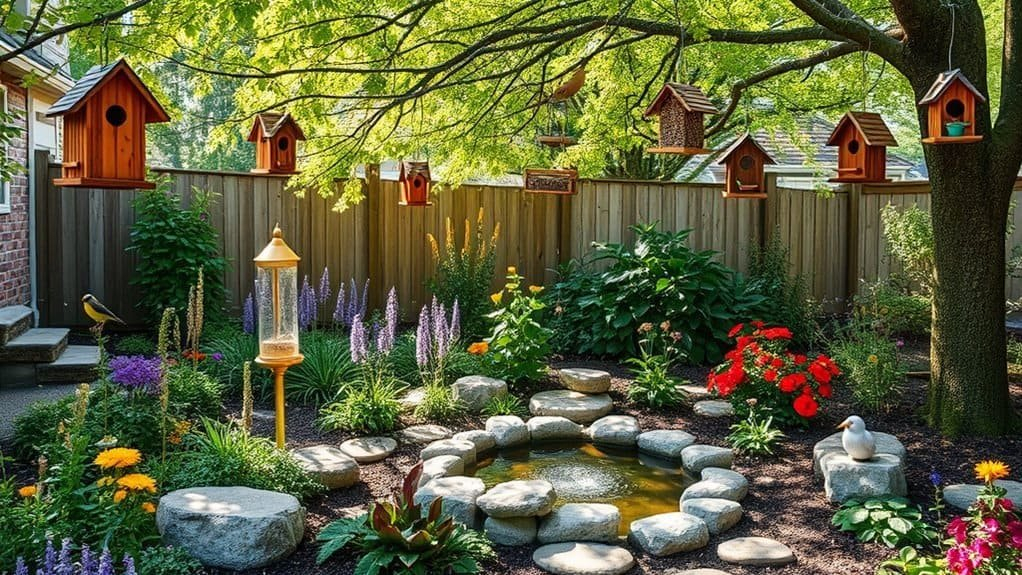
Food and shelter are vital, but water is life. A simple birdbath can make a huge difference. But here’s the trick: it needs to be safe. Birds need shallow water where they can stand without drowning. Add some stones or pebbles to create varying depths. Keep it clean. Stagnant, dirty water can spread disease. Change it every few days, especially in hot weather. If you have space, consider a small pond. Even a half-barrel sunk into the ground can attract dragonflies, frogs, and drinking birds. It becomes a mini ecosystem unto itself.
Now, let’s look at the boundaries themselves. Traditional fences can be death traps for hedgehogs, turtles, and other ground-dwelling creatures. If you have a solid fence, consider cutting small "hedgehog highways" at the base—holes about 5 inches wide—to allow them to pass through. Better yet, replace sections of your fence with living hedges. Native shrubs like hazel or hawthorn make excellent, permeable barriers. They provide food, shelter, and connectivity for wildlife moving through your neighborhood.
Safety extends to materials, too. Avoid using pesticides and herbicides. They kill the very insects you’re trying to attract. Instead, embrace a little chaos. Leave some areas untidy. A pile of logs in a corner is a hotel for beetles and solitary bees. Dead flower stems provide overwintering sites for moth pupae. It might look "messy" to some, but to a gardener in 2026, it looks like life. It’s a sign that your garden is working. It’s functioning as a habitat, not just a display.
Designing for Year-Round Interest and Resilience
A wildlife-friendly border shouldn’t just be a summer spectacle. It needs to look good—and function well—year-round. This is where evergreen plants and structural elements come in. Boxwood (or native alternatives like inkberry holly) provides green structure in winter. Ornamental grasses, left standing until spring, add movement and texture against the snow. They also offer crucial cover for small mammals and birds during cold snaps.
Think about color and scent, too. While wildlife doesn’t care about our aesthetic preferences, we do! Choosing plants with varied foliage colors—silvers, purples, deep greens—keeps the border visually interesting even when few flowers are blooming. Fragrant herbs like lavender and mint attract pollinators and delight our senses. It’s a win-win. The key is balance. You’re designing for both beauty and biology.
Resilience is another big factor. Native plants are generally tougher. They’re adapted to local weather patterns, requiring less water and fertilizer once established. This makes your garden more sustainable and less work for you. In an era of changing climates, this resilience is invaluable. Drought-tolerant natives like purple coneflower and sedum can withstand dry spells that would kill exotic imports. By building a resilient border, you’re future-proofing your garden.
Here’s the best part: maintaining a wildlife-friendly border often means doing less. Sounds counterintuitive, right? We’re conditioned to think gardening means constant tweaking. But in this style, restraint is key. Resist the urge to cut everything back in fall. Leave the stems. Leave the leaves. This "lazy gardening" approach provides essential overwintering habitat. Wait until late spring—when temperatures are consistently above 50°F—to clean up. This ensures any dormant insects have had time to emerge.
When you do prune, do it selectively. Remove dead or diseased wood, but leave healthy stems. Cut back perennials in stages rather than all at once. This prevents shocking the system and maintains some structure. Compost your garden waste on-site if possible. It returns nutrients to the soil and creates a habitat for decomposers like worms and fungi. Healthy soil equals healthy plants equals happy wildlife. It’s a simple cycle.
Finally, observe. Spend time in your garden. Watch what visits. Notice which plants are getting the most attention. Adjust accordingly. Gardening is a dialogue, not a monologue. If a particular plant isn’t attracting anyone, maybe replace it with something else. If you see a new visitor, try to identify it and learn its needs. This ongoing learning process is what makes wildlife gardening so rewarding. It connects you to the natural world in a deep, meaningful way. And honestly, isn’t that what we’re all looking for?
So, there you have it. A plan. A path. It’s not about creating a pristine showcase. It’s about weaving a tapestry of life. Start with one corner. Plant one native shrub. Add a bowl of water. Watch what happens. You might just find that by inviting the wild in, you’ve created a sanctuary for yourself, too. The birds will sing. The bees will buzz. And you? You’ll finally feel at home in your own backyard.
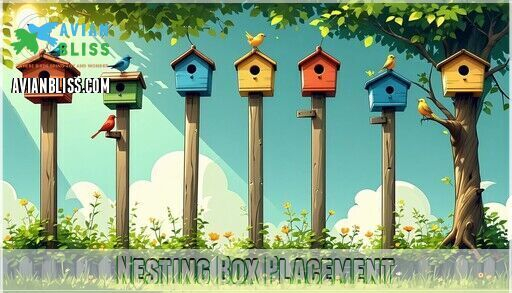
[sps_html tag=”img” src=”https://cdn.northcarolinafinearchitecture.com/2026/06/bird-sanctuary-creation-guide-transform-your-yard-into-wildlife-haven-with-transform-your-backyard-into-a-bird-sanctuary-with-these-simple-design-steps.jpg” alt=”Bird Sanctuary Creation Guide: Transform Your Yard Into Wildlife Haven with Transform Your Backyard into a Bird Sanctuary with These Simple Design Steps” style=”width: 100%; height: auto;”]
[sps_html tag=”img” src=”https://cdn.northcarolinafinearchitecture.com/2026/06/13-backyard-bird-sanctuary-ideas-to-attract-wildlife-lush-backyard-in-transform-your-backyard-into-a-bird-sanctuary-with-these-simple-design-steps.jpg” alt=”13 Backyard Bird Sanctuary Ideas To Attract Wildlife - Lush Backyard in Transform Your Backyard into a Bird Sanctuary with These Simple Design Steps” style=”width: 100%; height: auto;”]
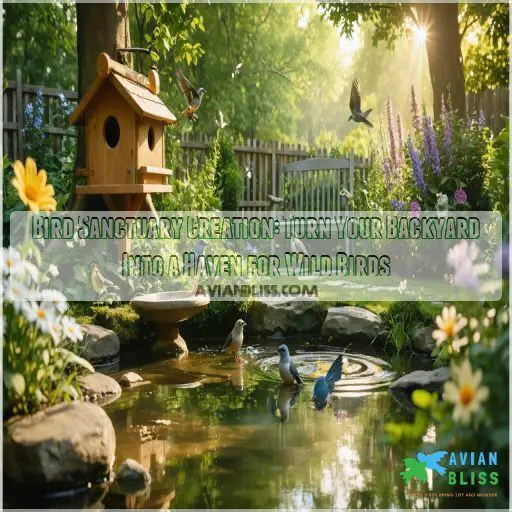
[sps_html tag=”img” src=”https://cdn.northcarolinafinearchitecture.com/2026/06/bird-sanctuary-creation-turn-your-backyard-into-a-haven-for-wild-birds-with-outdoor-bird-garden-design.jpeg” alt=”Bird Sanctuary Creation: Turn Your Backyard Into A Haven For Wild Birds with Outdoor Bird Garden Design” style=”width: 100%; height: auto;”]
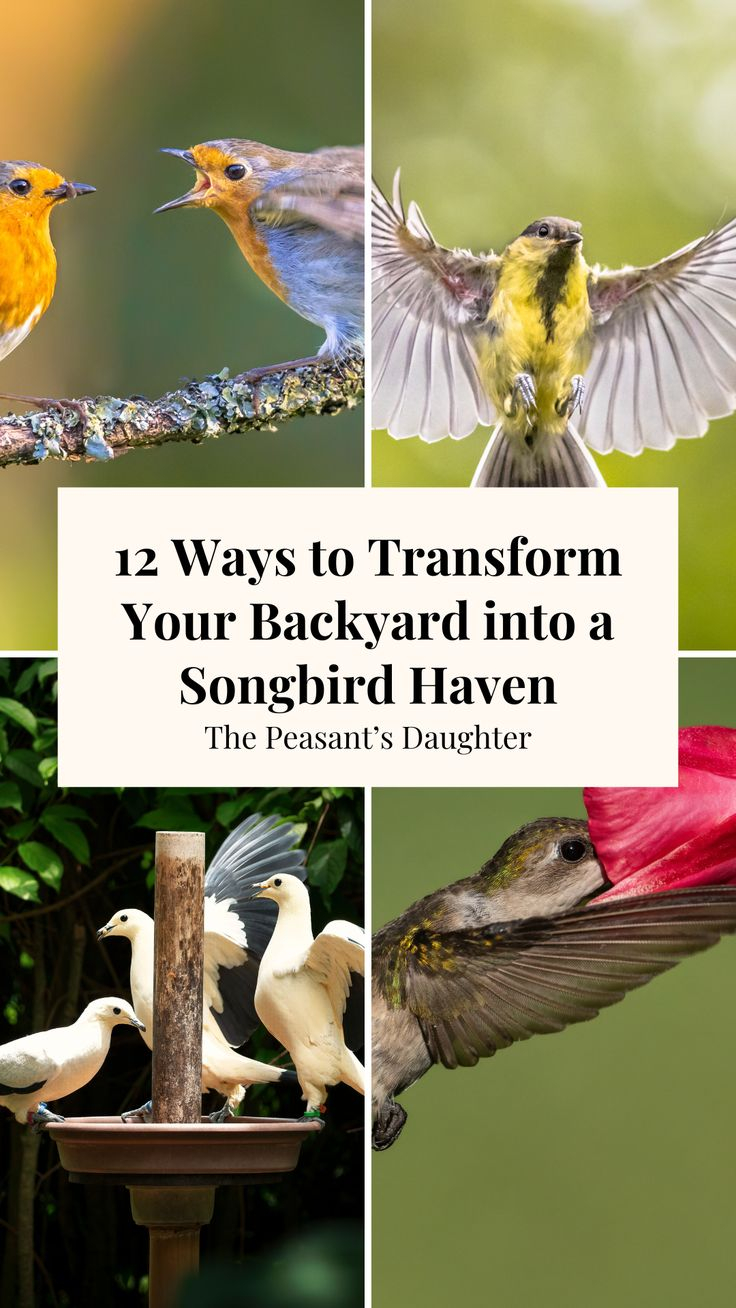
[sps_html tag=”img” src=”https://cdn.northcarolinafinearchitecture.com/2026/06/12-ways-to-transform-your-backyard-into-a-songbird-haven-in-2025-with-regard-to-transform-your-backyard-into-a-bird-sanctuary-with-these-simple-design-steps.jpg” alt=”12 Ways To Transform Your Backyard Into A Songbird Haven In 2025 … with regard to Transform Your Backyard into a Bird Sanctuary with These Simple Design Steps” style=”width: 100%; height: auto;”]
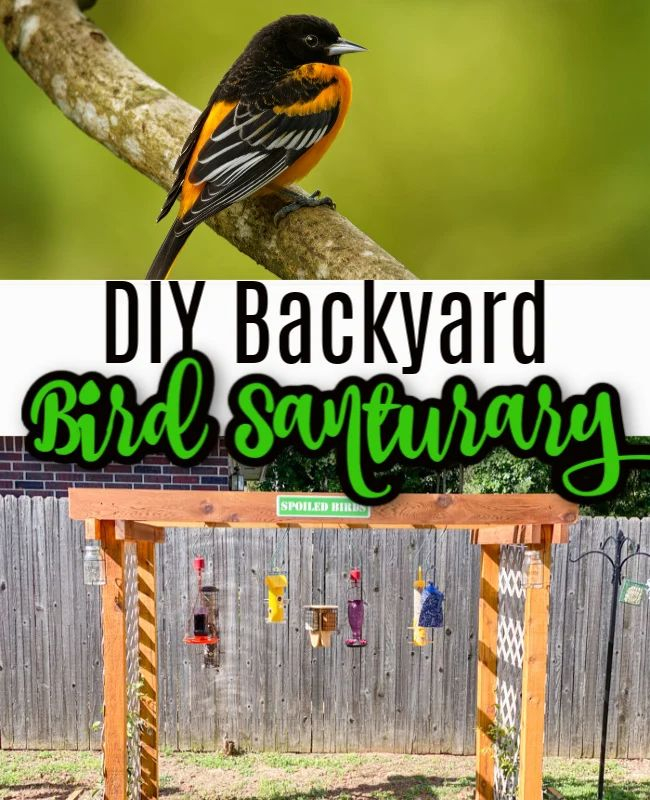
[sps_html tag=”img” src=”https://cdn.northcarolinafinearchitecture.com/2026/06/diy-bird-sanctuary-how-to-build-your-own-with-instructions-inside-transform-your-backyard-into-a-bird-sanctuary-with-these-simple-design-steps.jpg” alt=”Diy Bird Sanctuary - How To Build Your Own With Instructions inside Transform Your Backyard into a Bird Sanctuary with These Simple Design Steps” style=”width: 100%; height: auto;”]