Ever sat down on a beautiful outdoor sofa, only to feel like you’re sliding off a cliff five minutes later? Or maybe you’ve perched on a dining chair that looks sleek but leaves your lower back screaming for mercy by dessert. It’s frustrating. We spend hours curating the perfect aesthetic—pillows, plants, lighting—yet we often overlook the one thing that actually keeps us outside: physical comfort.
It’s not just about thick cushions. In fact, relying solely on padding is a common mistake. True comfort is a quiet conversation between physics, biology, and material engineering. It’s about how your spine aligns, how heat moves through fabric, and how a frame flexes under weight. By 2026, the gap between indoor luxury and outdoor durability has nearly vanished, thanks to advances in weather-resistant foams and ergonomic modeling. But you don’t need a degree in engineering to spot the difference. You just need to know what to look for.
The Geometry of Relaxation: Angles and Depth
Let’s talk about the shape of sitting. It sounds simple, right? You sit down. But the angle of your body relative to the ground changes everything. Most standard outdoor chairs have a backrest angle of about 90 to 100 degrees. That’s fine for eating a quick meal, but it’s terrible for lounging. Research in posture biomechanics shows that for true relaxation, the backrest needs to recline between 105 and 115 degrees. This slight tilt shifts your weight from your tailbone to your upper back and thighs, reducing pressure points.
Then there’s seat depth. This is where "deep seating" has become such a game-changer in recent years. A standard chair might have a seat depth of 18 to 20 inches. But if you’re taller than average, or if you like to curl up, that’s not enough. Deep seating pushes that depth to 24 inches or more. Why does this matter? Because it allows your hamstrings to rest fully supported while still letting your knees bend naturally over the edge. If the seat is too shallow, your thighs dangle, cutting off circulation. Too deep, and you’re slouching to reach the backrest. It’s a Goldilocks scenario, and getting it wrong means you’ll never stay seated for long.
Don’t forget the armrests either. They aren’t just for resting your elbows. Properly designed arms should be high enough to support your forearms without shrugging your shoulders up toward your ears. If your shoulders are tense, your neck gets tense, and suddenly, that peaceful evening is ruined by a headache. Look for arms that slope slightly downward or sit at a height that lets your shoulders drop naturally. It’s a small detail, but your body notices it immediately.
The Foam Factor: Density vs. Softness
Here’s a secret most salespeople won’t tell you: softness is not the same as comfort. In fact, overly soft foam is often the enemy of longevity and support. When you sink into a pillow-top cloud, it feels great for ten seconds. But after an hour? You’re bottoming out. You’re hitting the hard frame beneath. The key lies in foam density, measured in pounds per cubic foot. For outdoor use, you want high-density foam—usually 1.8 lbs/ft³ or higher. This type of foam resists compression set, meaning it bounces back after you stand up.
But wait, there’s a twist. Outdoor foam has to deal with moisture. Traditional indoor foam acts like a sponge, holding water and inviting mold. Modern solutions, widely adopted by 2026, use open-cell structures with hydrophobic treatments. These allow air to circulate and water to drain through, rather than getting trapped. Some high-end brands even use quick-dry reticulated foam, which looks like a honeycomb. It’s incredibly breathable and dries out in minutes after a rainstorm.
Layering is another trick of the trade. The best seats don’t use just one block of foam. They use a sandwich approach. A firm, high-density base provides the structural support. A softer, plush top layer adds that initial feeling of luxury. This combination gives you the best of both worlds: immediate comfort and long-term support. If you’re shopping, press down hard on the cushion. If it hits a hard stop quickly, it’s too firm. If it sinks all the way to the wood, it’s too soft. You want a gradual resistance that feels supportive yet yielding.
Thermoregulation: Keeping Cool Under Pressure
Have you ever noticed how dark metal chairs get scorching hot in the sun? Or how vinyl cushions stick to your skin on a humid July afternoon? That’s thermoregulation failure. Comfort isn’t just about shape; it’s about temperature control. Your body constantly exchanges heat with its environment. If your chair traps that heat, you’re going to sweat, shift, and eventually go inside.
Material choice plays a huge role here. Natural fibers like cotton are breathable but terrible for outdoors because they hold water. Synthetic blends have come a long way. Solution-dyed acrylics, for instance, are engineered to resist UV fading and moisture, but their weave structure also matters. A tight weave keeps dirt out but traps heat. A looser, textured weave allows air to pass through, creating a micro-climate between your body and the seat. This is why wicker or woven synthetic rattan feels cooler than solid plastic—it’s full of tiny air gaps.
Frame materials matter too. Aluminum is a favorite for modern outdoor furniture because it doesn’t retain heat like steel or iron. Wood, especially teak or eucalyptus, has natural insulating properties. It stays closer to ambient air temperature, so it never feels freezing in the morning or burning at noon. If you live in a hot climate, avoid dark-colored metals in direct sunlight. Opt for lighter colors or materials with low thermal conductivity. It’s a simple switch that makes a massive difference in how long you can comfortably stay outside.
Suspension Systems: The Invisible Support
Underneath those pretty cushions, there’s often a hidden hero: the suspension system. Cheap chairs just slap a piece of plywood or a thin sheet of plastic under the foam. This creates a rigid, unforgiving surface. High-quality outdoor seating uses webbing, springs, or flexible slats to create a bit of give. Think of it like the difference between sleeping on a floor and sleeping on a mattress. The suspension absorbs movement and distributes weight evenly.
Sinuous springs are common in higher-end pieces. These S-shaped metal wires flex under weight, providing a bounce that feels alive. They’re durable and rust-resistant when coated properly. Another option is marine-grade polymer webbing. It’s stretched tightly across the frame, offering a firm but flexible base. The advantage here is drainage. Water passes right through the gaps in the webbing, so the cushion above doesn’t sit in a puddle.
Why does this matter for comfort? Because static stiffness causes fatigue. When a surface doesn’t move at all, your muscles have to work harder to stabilize your body. A slight flex in the seat allows your body to make micro-adjustments without effort. It reduces the strain on your lower back and hips. If you’re testing a chair, give it a gentle bounce. Does it feel dead and rigid? Or is there a subtle, supportive spring? That little bit of life in the seat is what makes you want to stay for another drink.
Biomechanics and Posture: Supporting the Spine
Let’s get a bit technical, but keep it simple. Your spine has natural curves. When you sit poorly, you flatten those curves, leading to strain. Good outdoor furniture respects the lumbar region—the lower back. Many modern designs include a slight outward curve in the lower part of the backrest. This fills the gap between your spine and the chair, providing crucial support. Without it, your lower back muscles have to work overtime to keep you upright, leading to that familiar ache after an hour.
Head and neck support is often overlooked in outdoor settings. Indoor sofas usually have high backs. Outdoor chairs often have low backs to maintain sightlines and a breezy feel. But if you’re tall, or if you want to nap, this is a problem. Look for adjustable headrests or high-back lounge chairs if you plan on spending extended periods reading or dozing. The goal is to keep your head aligned with your spine, not tilted forward or hanging back unsupported.
Hip alignment is another key factor. Your hips should be slightly higher than your knees when sitting. This opens up the angle between your torso and thighs, reducing pressure on the abdomen and allowing for easier breathing. If your knees are higher than your hips, you’re slouching. This is why seat height matters. Standard dining chair height is around 18 inches. Lounge seating is lower, around 14 to 16 inches. Make sure the height matches the activity. Eating requires a more upright posture; lounging requires a reclined one. Mixing them up leads to discomfort.
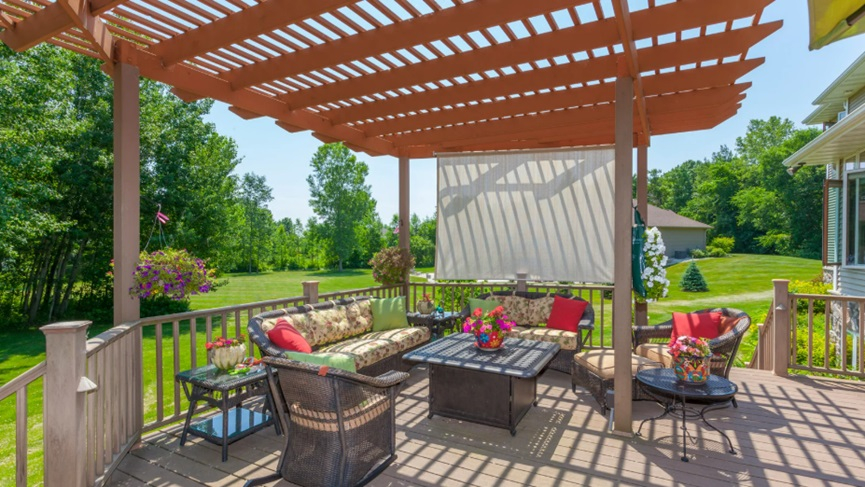
Comfort isn’t just physical; it’s psychological. How your furniture is arranged affects how relaxed you feel. This is the "conversation-friendly" aspect of design. If chairs are spaced too far apart, you have to shout to be heard. That creates tension. If they’re too close, you feel invaded. The sweet spot is usually about 3 to 4 feet between seats. This allows for easy conversation without crowding.
Orientation matters too. Facing each other directly can feel confrontational. Angling chairs slightly toward a central point, like a fire pit or a coffee table, creates a sense of shared focus and community. It’s less intense and more inviting. Circular or U-shaped layouts encourage group interaction, while linear setups are better for enjoying a view. Think about what you want to do on your patio. If it’s for parties, go circular. If it’s for sunset watching, face the view.
Finally, consider the visual weight of the furniture. Bulky, heavy pieces can make a small space feel cramped and claustrophobic, which subconsciously raises stress levels. Lighter, elevated frames with visible legs create a sense of openness and airiness. This visual breathing room translates to mental breathing room. When your space feels open, you feel more at ease. It’s not just about the chair you’re sitting on; it’s about the environment the chair creates. A well-planned layout turns a collection of furniture into a welcoming retreat.
So, what’s the takeaway? Comfort is a layered experience. It starts with the right angles and depth to support your body’s geometry. It relies on smart materials that manage heat and moisture. It depends on hidden suspension systems that give rather than break. And it’s completed by a layout that invites connection. Don’t just buy the prettiest set. Sit in it. Test the bounce. Check the lumbar support. Feel the fabric. Your body will tell you the truth long before your eyes do. After all, the best patio isn’t the one that looks best in a photo. It’s the one you never want to leave.
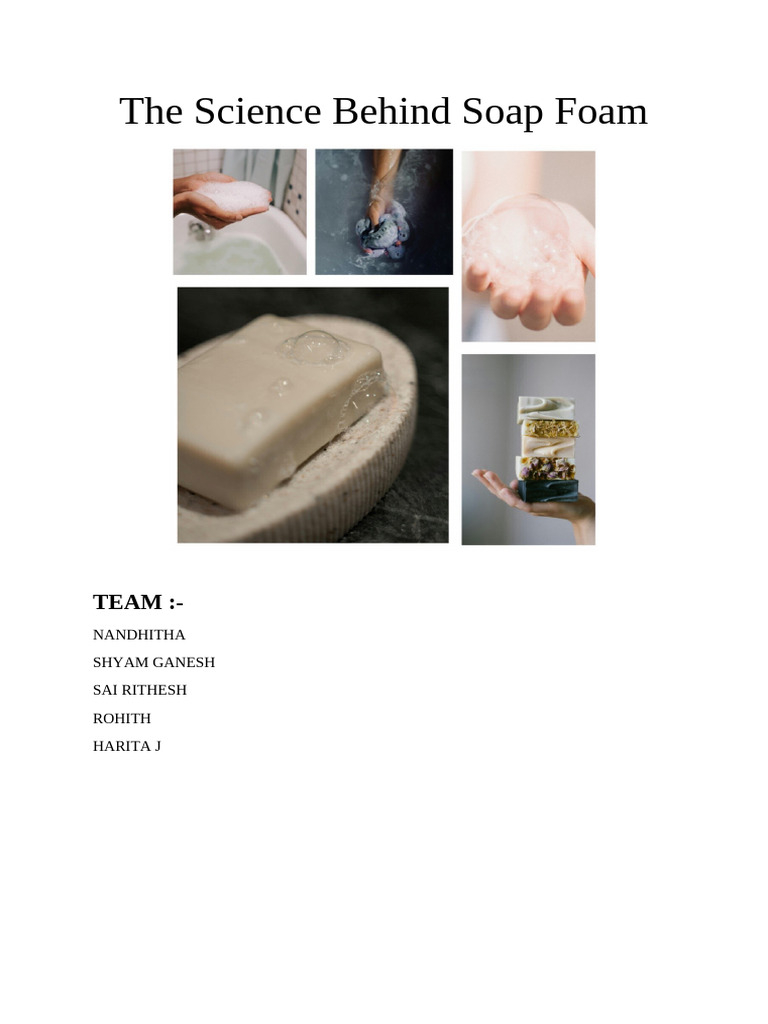
[sps_html tag=”img” src=”https://cdn.northcarolinafinearchitecture.com/2026/06/the-science-behind-soap-foam-pdf-surfactant-water-pollution-pertaining-to-the-hidden-science-behind-durable-outdoor-foam-and-why-it-matters.jpg” alt=”The Science Behind Soap Foam | Pdf | Surfactant | Water Pollution pertaining to The Hidden Science Behind Durable Outdoor Foam and Why It Matters” style=”width: 100%; height: auto;”]
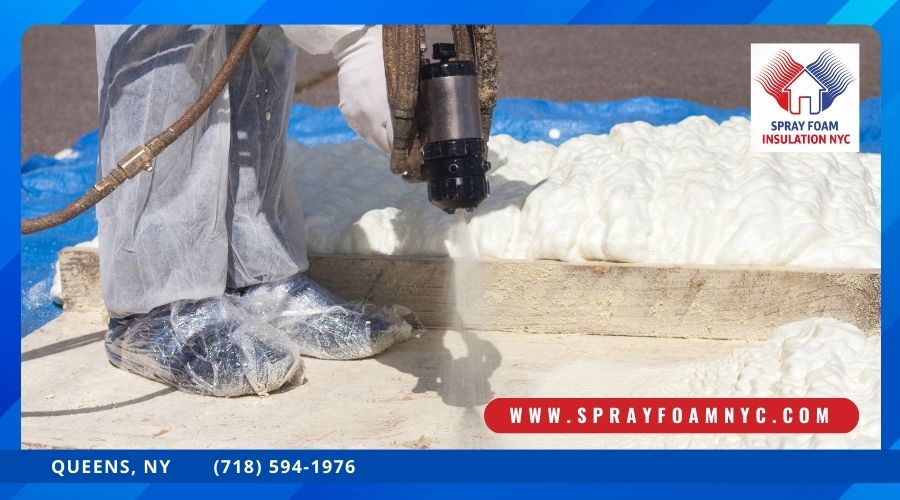
[sps_html tag=”img” src=”https://cdn.northcarolinafinearchitecture.com/2026/06/commercial-insulation-contractors-new-york-city-spray-foam-insulation-nyc-pertaining-to-outdoor-cushion-design.jpg” alt=”Commercial Insulation Contractors New York City – Spray Foam Insulation Nyc pertaining to Outdoor Cushion Design” style=”width: 100%; height: auto;”]
[sps_html tag=”img” src=”https://cdn.northcarolinafinearchitecture.com/2026/06/the-science-behind-spray-foam-sunlight-contractors-pertaining-to-outdoor-cushion-design.jpg” alt=”The Science Behind Spray Foam - Sunlight Contractors pertaining to Outdoor Cushion Design” style=”width: 100%; height: auto;”]
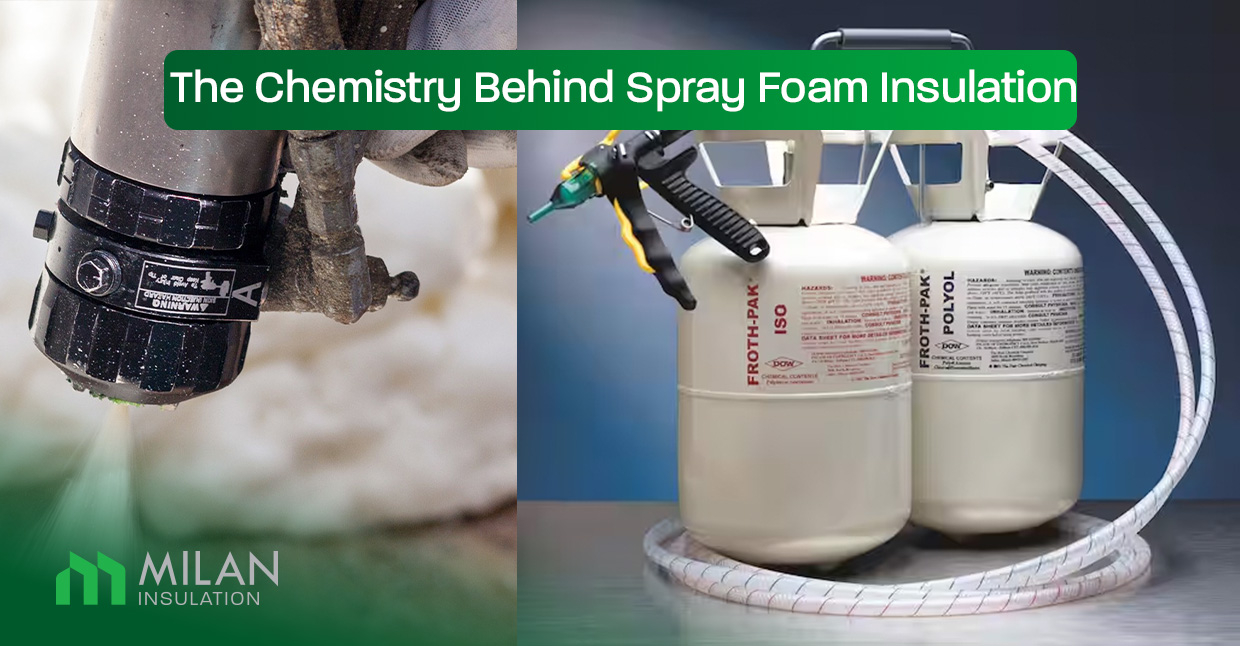
[sps_html tag=”img” src=”https://cdn.northcarolinafinearchitecture.com/2026/06/what-is-spray-foam-insulation-made-of-essential-details-update-2026-pertaining-to-the-hidden-science-behind-durable-outdoor-foam-and-why-it-matters.jpg” alt=”What Is Spray Foam Insulation Made Of? Essential Details | Update 2026 … pertaining to The Hidden Science Behind Durable Outdoor Foam and Why It Matters” style=”width: 100%; height: auto;”]
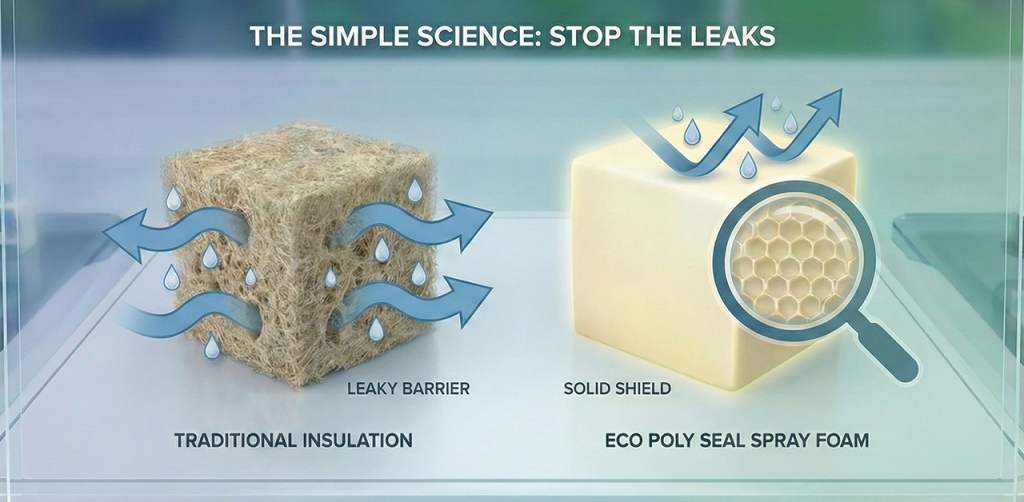
[sps_html tag=”img” src=”https://cdn.northcarolinafinearchitecture.com/2026/06/beyond-the-foam-the-science-behind-ecopolyseals-efficiency-throughout-outdoor-cushion-design.png” alt=”Beyond The Foam: The Science Behind Ecopolyseal's Efficiency … throughout Outdoor Cushion Design” style=”width: 100%; height: auto;”]