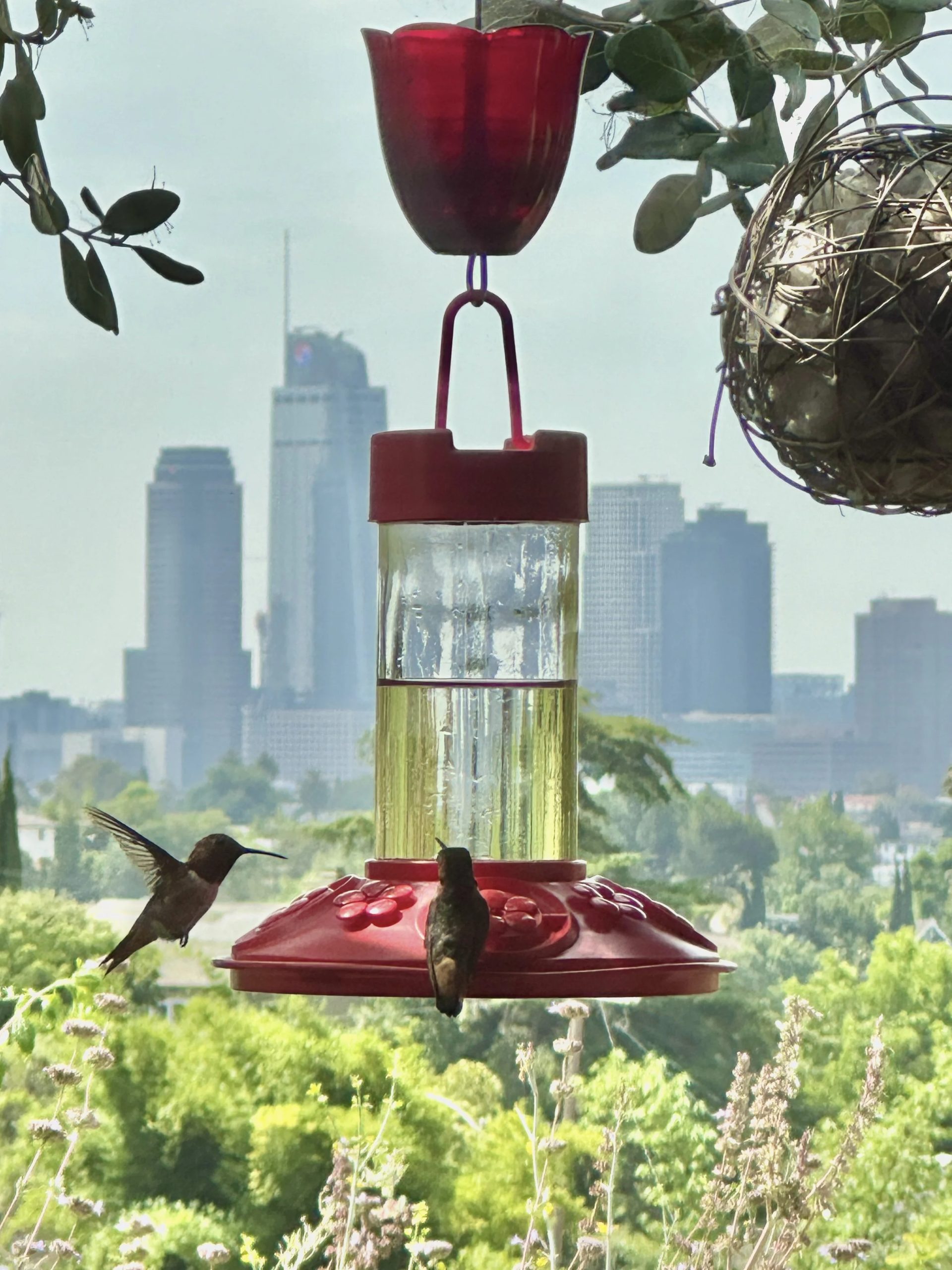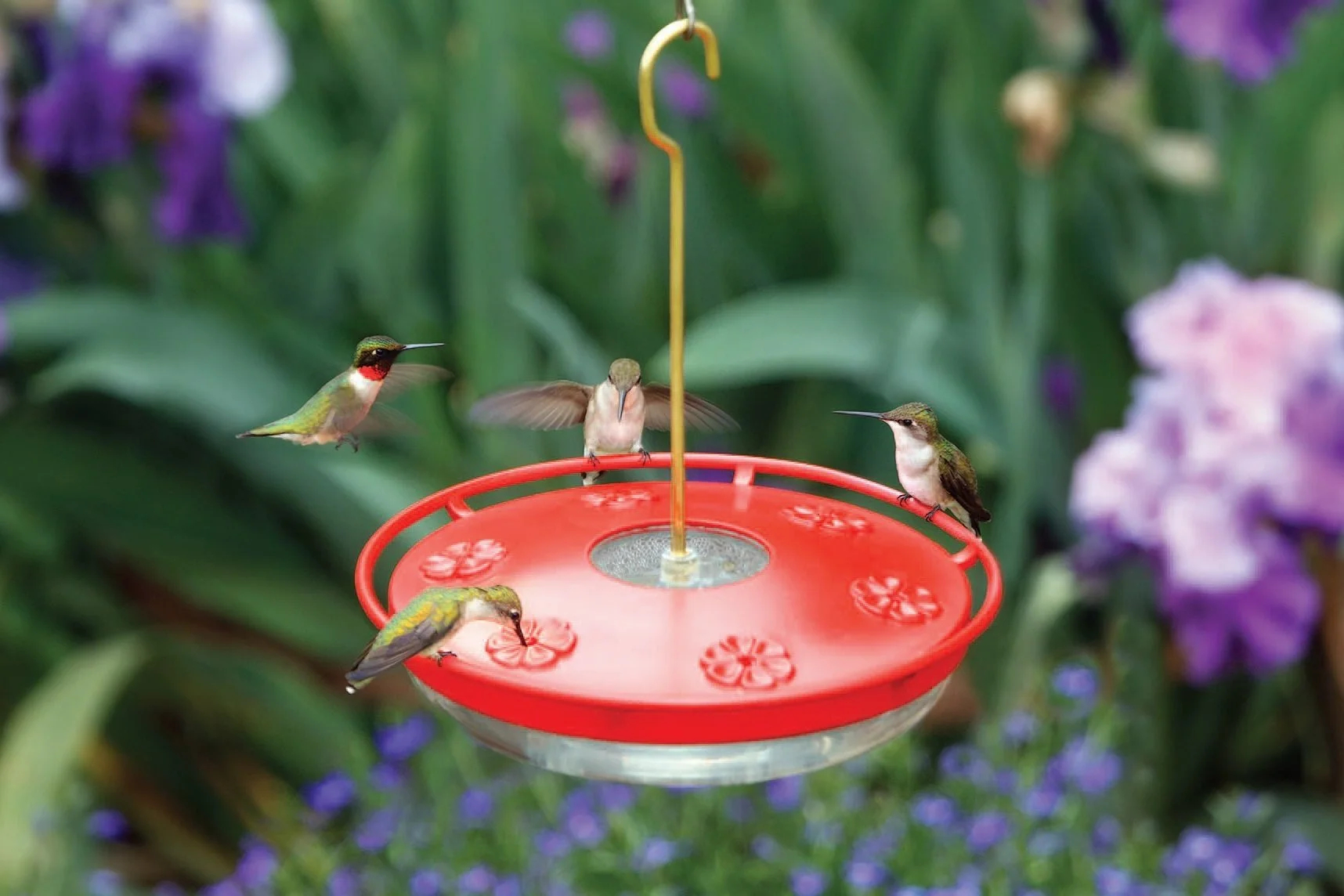
You know that feeling when you’re sitting on your porch with a cup of coffee, and suddenly—zip! A flash of iridescent green darts past your ear. It’s gone before you can even blink. But then it comes back. Hovering. Watching. Maybe even daring to get a little closer. That moment? It’s magic. Pure, unadulterated magic. And if you’ve ever tried to attract hummingbirds, you know it’s not just about sticking a red feeder on a hook and hoping for the best.
Sure, sugar water helps. But if you really want them to stay—if you want your garden to become their favorite stop on their migration route or their summer home—you need to think bigger. You need to think in layers. Most people plant a few pretty flowers and call it a day. But the secret? It’s about creating a living, breathing ecosystem. A vertical world where every inch, from the dirt up to the treetops, serves a purpose. It’s not just gardening. It’s hospitality. And once you get the hang of it, you won’t just see hummingbirds. You’ll keep them coming back, year after year.
Why Flat Gardens Fail the Tiny Flyers
Let’s be honest for a second. A flat garden is boring. Not just for us, but for hummingbirds too. Imagine if your entire house was just one big open room with no furniture, no corners, and no place to hide. You’d feel exposed, right? Vulnerable. That’s exactly how a hummingbird feels in a yard that’s all lawn and a single row of petunias. They are tiny, fragile creatures in a world full of hawks, cats, and sudden gusts of wind. They need structure. They need options.
When you plant in a single layer, you’re only offering food at one height. Maybe your zinnias are great, but they’re three feet off the ground. What if a bird wants to feed while keeping an eye on the sky for predators? Or what if it wants to rest on a high branch after a long flight? If you don’t have those options, they’ll fly right past your yard to the neighbor’s place that has a messy, overgrown hedge or a tall oak tree. It’s not personal. It’s survival.
Think of it like a buffet. If the buffet table is empty except for one dish, you might try it, but you won’t linger. But if there are appetizers, main courses, desserts, and cozy booths to sit in? You’ll stay awhile. Layered planting creates that variety. It gives them choices. And in the wild, choice equals safety. By stacking your plants vertically, you’re not just decorating. You’re building a sanctuary. And trust me, they notice the difference.
The Canopy Layer: Safety and High-Altitude Perches
Start at the top. I know, we usually start with the flowers, but the canopy is where the real security happens. Hummingbirds don’t just feed; they sleep, they preen, and they scout for danger from above. They need tall trees or large shrubs that act as lookouts. In 2026, more gardeners are realizing that native oaks, maples, or even fruit trees aren’t just shade providers—they’re essential infrastructure for wildlife.
These tall plants serve two main jobs. First, they offer perches. Thin branches, specifically, are perfect for hummingbirds to land on while they guard their territory or rest between feeds. You want these perches to be within sight of your feeding areas, but not so close that a cat can jump from the branch to the flower. It’s a delicate balance. Second, the canopy provides shelter from rain and harsh sun. Have you ever seen a hummingbird tucked into the leaves of a tree during a storm? It’s adorable, but it’s also critical for their energy conservation.
If you don’t have space for a massive tree, don’t worry. Large shrubs like lilacs or viburnums can fill this role. The key is height and density. You want enough leaves to hide them, but enough open space for them to zip in and out quickly. Avoid dense, thorny thickets right next to feeders, though. You want them to feel safe, not trapped. Think of the canopy as the roof of their house. Without it, they’re sleeping in the rain. And nobody wants that.
The Mid-Layer: The Heart of the Nectar Corridor
This is where the party happens. The mid-layer, usually between three and six feet tall, is the primary feeding zone. This is where you put your heavy hitters—the tubular, nectar-rich flowers that hummingbirds crave. But here’s the trick: don’t just plant one type. You need a "nectar corridor." That’s a fancy way of saying you should plant clusters of different blooms that overlap in their flowering times.
Imagine a relay race. As one flower fades, another takes its place. In early spring, you might have azaleas or honeysuckle taking the lead. By summer, bee balm, salvia, and trumpet vine take over. Then, as fall approaches, cardinal flowers and late-blooming asters step up. If you have gaps in this timeline, the birds will leave. They won’t wait for your garden to catch up. They’ll go find food elsewhere. So, plan for succession. It’s like making sure the fridge is always stocked.
Also, think about color. We know they love red, but they’ll visit orange, pink, and purple too. The key is contrast. Plant bright blooms against green foliage so they pop. And cluster them. A single flower is hard to spot from the air. A patch of ten? That’s a beacon. In recent years, experts have emphasized using native plants in this layer because they often produce more nectar and are better adapted to local insects, which hummingbirds also eat for protein. It’s not just about sugar. It’s about nutrition.
The Ground Layer: Insects and Low-Level Cover
Don’t ignore the dirt. Seriously. The ground layer is often overlooked, but it’s vital for a complete ecosystem. Hummingbirds aren’t just nectar sippers; they’re insect hunters. They need spiders, gnats, and small flies for protein, especially when they’re raising chicks. Low-growing plants like creeping phlox, wild ginger, or native sedges create a habitat for these tiny bugs. No pesticides, please. If you kill the bugs, you starve the birds. It’s that simple.
Beyond food, the ground layer offers cover. Young hummingbirds, or fledglings, are clumsy. They spend a lot of time on or near the ground as they learn to fly. Dense ground cover gives them a place to hide from cats or squirrels while they practice their hovering skills. It also helps retain moisture in the soil, which keeps your mid-layer plants healthier and producing more nectar. It’s a win-win.
Plus, it looks good. A garden that goes all the way down to the earth feels lush and finished. It doesn’t look like a bunch of sticks stuck in mulch. It looks like a forest floor. And that’s inviting. When you walk through your garden, you want to feel immersed. The birds feel the same way. If they can dart from a high branch, down to a flower, and then into the low cover without ever being fully exposed, they’ll feel secure. And secure birds are repeat visitors.
Water Features and Resting Spots: The Hidden Essentials
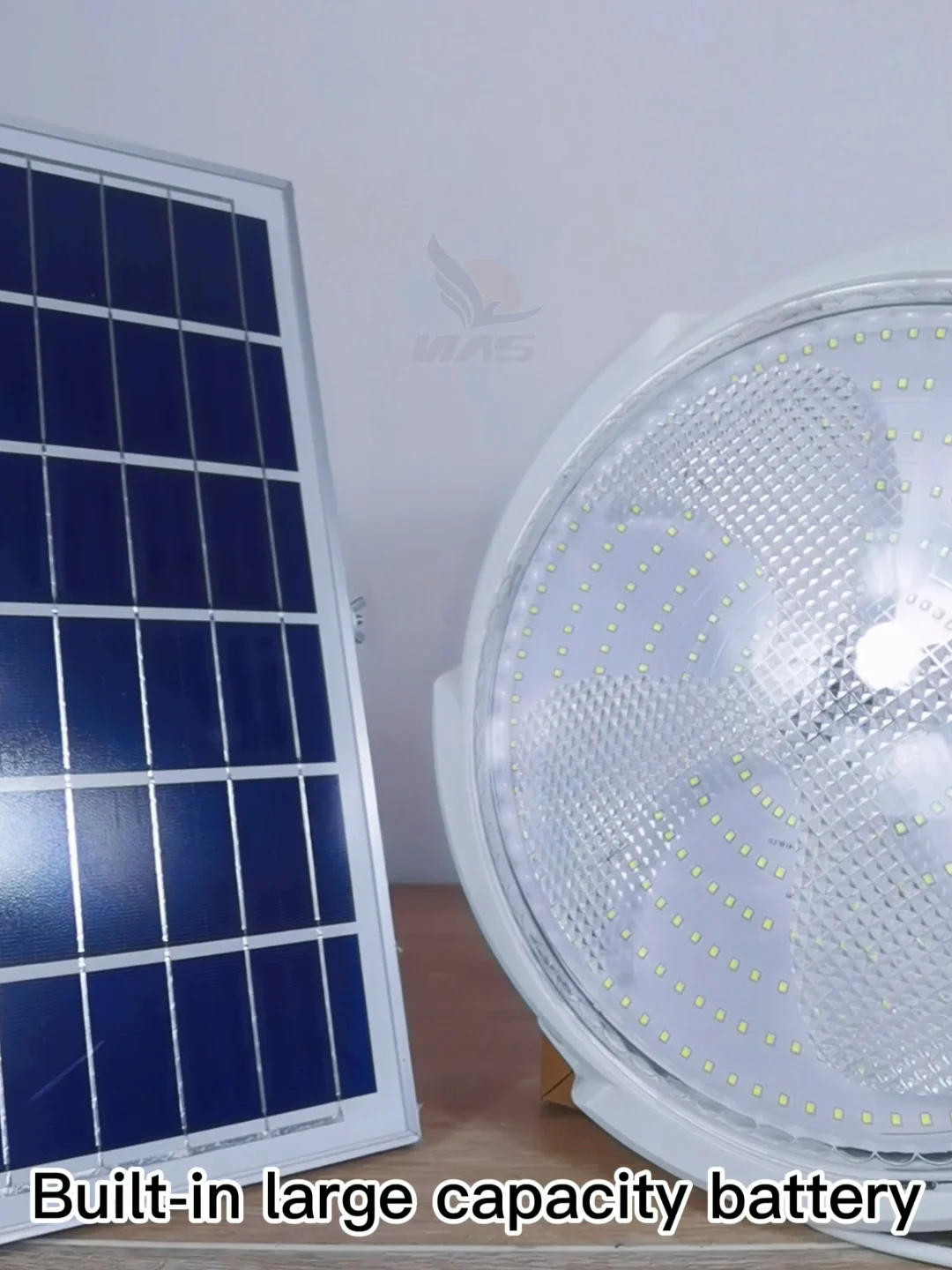
Food is great, but have you ever thought about thirst? Hummingbirds don’t drink from birdbaths like robins do. They prefer moving water. A gentle mister, a dripping faucet, or a small fountain with a fine spray is irresistible to them. They’ll fly through the mist to bathe, cleaning their feathers and cooling off on hot days. In 2026, solar-powered misters are super popular because they’re easy to install and don’t require wiring. Just stick it in the ground near your mid-layer plants and let it run.
But water isn’t the only thing they need. They need places to rest. And not just any places. They need thin, bare branches or twigs that are easy to grip. These should be scattered throughout your layers. Think of them as resting stops on a highway. If a bird is tired from defending its territory or migrating, it needs a quick place to land. If you prune your shrubs too neatly, you might be removing these crucial perches. Leave a few messy bits. Let some dead branches stay if they’re safe.
Also, keep an eye on spider webs. I know, spiders are part of the ecosystem, but large webs across feeding zones can trap hummingbirds. It’s a rare but tragic occurrence. Regularly check your high-traffic areas and gently clear any large webs. It’s a small task, but it shows you’re paying attention. These little details—water, perches, safety checks—are what separate a good garden from a great one. It’s about anticipating their needs before they even arrive.
Here’s the hard truth: it might not work right away. You could plant everything perfectly, set up the mister, and still hear nothing but crickets for weeks. Don’t panic. Hummingbirds are creatures of habit and chance. Sometimes, it takes a migrant scouting the area to discover your oasis. Once one finds it, it’ll tell the others. Or it’ll come back next year. Patience is part of the process. Keep your feeders clean, keep your plants watered, and trust the design.
Maintenance matters too. Deadhead your flowers. It sounds tedious, but snipping off spent blooms encourages new growth and more nectar production. If you let your salvias go to seed, they stop making flowers. And no flowers means no birds. Also, avoid pesticides like the plague. Even "organic" ones can harm the insects hummingbirds rely on. Let your garden be a little wild. A few aphids? Good. That’s baby food for the birds.
Finally, think year-round. If you live in a warmer climate, you might have winter visitors. In colder zones, plan for early spring blooms to welcome them back from migration. Crocus and lungwort are great early starters. The goal is to be the first stop on their journey and the last before they leave. If you can do that, you’re not just a gardener. You’re a lifeline. And that’s a pretty special thing to be.
So, there you have it. It’s not just about planting pretty flowers. It’s about building a home. A multi-story, fully-stocked, safe haven that meets every need a hummingbird has. From the high canopy to the low ground cover, every layer plays a part. It takes a bit of planning, sure. But the reward? Sitting on your porch, watching a tiny jewel hover inches from your face, knowing you created that moment. That’s worth every minute. Start small if you have to. Add one layer at a time. But start. They’re waiting.
[sps_html tag=”img” src=”https://cdn.northcarolinafinearchitecture.com/2026/05/hummingbird-feeder-complete-guide-best-options-in-2024-with-regard-to-outdoor-hummingbird-garden-design.jpg” alt=”Hummingbird Feeder: Complete Guide + Best Options In 2024 with regard to Outdoor Hummingbird Garden Design” style=”width: 100%; height: auto;”]
[sps_html tag=”img” src=”https://cdn.northcarolinafinearchitecture.com/2026/05/building-sustainable-communities-green-matters-within-outdoor-hummingbird-garden-design.jpg” alt=”Building Sustainable Communities | Green Matters within Outdoor Hummingbird Garden Design” style=”width: 100%; height: auto;”]
[sps_html tag=”img” src=”https://cdn.northcarolinafinearchitecture.com/2026/05/hummingbird-habitat-starter-kit-sunmonsters-throughout-beyond-feeders-building-a-complete-habitat-for-hummingbirds-scaled.jpg” alt=”Hummingbird Habitat Starter Kit — Sunmonsters throughout Beyond Feeders Building a Complete Habitat for Hummingbirds” style=”width: 100%; height: auto;”]
[sps_html tag=”img” src=”https://cdn.northcarolinafinearchitecture.com/2026/05/attracting-hummingbirds-erie-bird-observatory-intended-for-beyond-feeders-building-a-complete-habitat-for-hummingbirds.jpg” alt=”Attracting Hummingbirds — Erie Bird Observatory intended for Beyond Feeders Building a Complete Habitat for Hummingbirds” style=”width: 100%; height: auto;”]
[sps_html tag=”img” src=”https://cdn.northcarolinafinearchitecture.com/2026/05/west-texas-feeders-beyond-hummingbirds-youtube-within-beyond-feeders-building-a-complete-habitat-for-hummingbirds.jpg” alt=”West Texas Feeders: Beyond Hummingbirds - Youtube within Beyond Feeders Building a Complete Habitat for Hummingbirds” style=”width: 100%; height: auto;”]