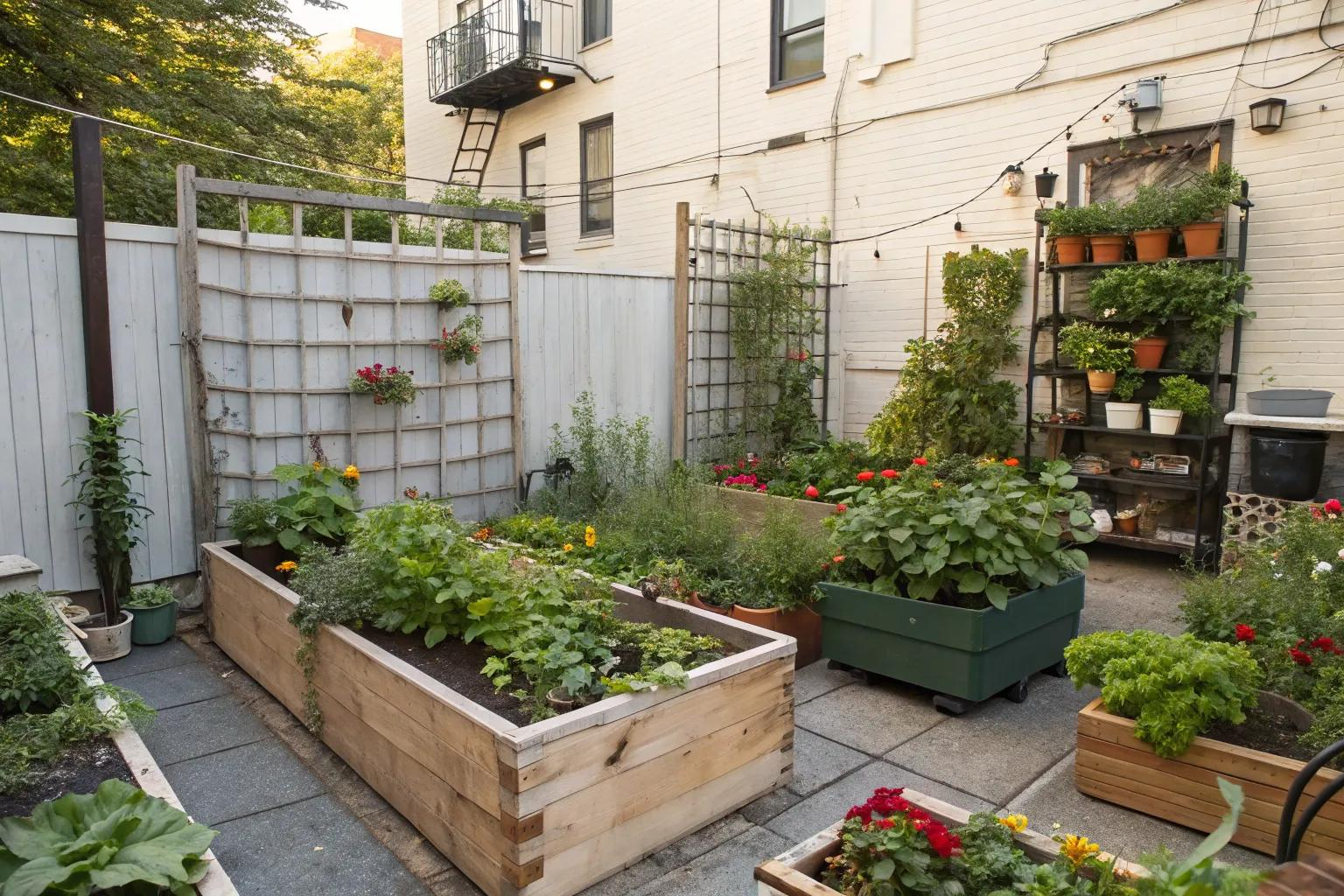
You look out at your balcony, patio, or that sad little corner of the yard and think… could this actually be beautiful? Maybe you’ve killed a succulent or two. Maybe you think you need a green thumb that you just don’t have. But here’s the thing. You don’t need acres of land. You don’t even need a yard. You just need a pot, some dirt, and a bit of curiosity.
Container gardening is having a massive moment in 2026. People are realizing that nature doesn’t care if you live in a high-rise apartment or a suburban house with a sprawling lawn. Plants grow where you let them. And honestly? There is something deeply satisfying about building a living thing from nothing. It’s slow. It’s messy. And it’s worth every second. Let’s get your hands dirty.
Choosing the Right Vessel for Your Space
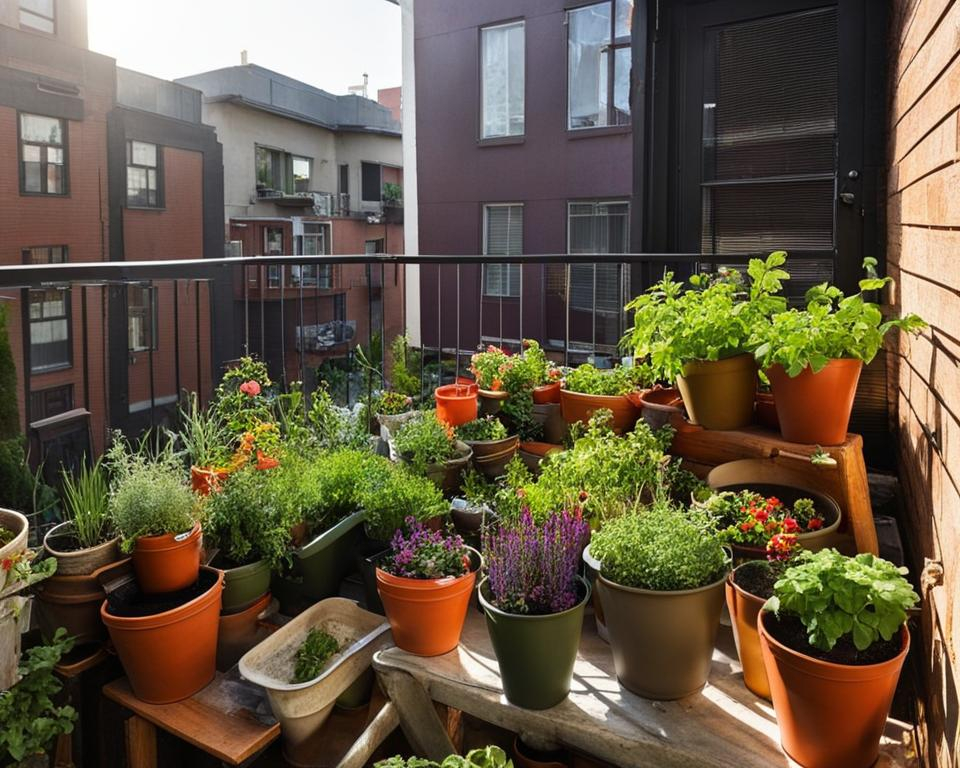
First things first. You need a home for your plants. But please, don’t rush to the big box store and buy the most expensive ceramic pot you see. That’s a trap. The best container is one that fits your space, your budget, and your lifestyle. In 2026, we are seeing a huge shift toward upcycled materials. Old wooden crates, galvanized buckets, even sturdy fabric grow bags are trending. Why? Because they work, and they cost next to nothing.
Drainage is non-negotiable. If water can’t get out, roots will rot. It’s that simple. If you find a cute vintage tin or a wooden box that doesn’t have holes, grab a drill. Punch a few holes in the bottom. If you’re using a porous material like terracotta, remember it dries out faster. Plastic retains moisture longer. Fabric pots breathe amazing well but need watering more often in the heat. Think about where your pot will sit. Is it a windy balcony? Go heavy or secure it. Is it a shady porch? Lighter materials might suffice.
Don’t forget size matters. A tiny pot looks cute, but it’s a nightmare to maintain. Small volumes of soil dry out incredibly fast. You’ll be watering three times a day in July. Aim for containers that are at least 12 inches deep for most flowers and herbs. For veggies like tomatoes or peppers, go bigger. 5 gallons or more. Give the roots room to stretch out. They’ll thank you with bigger blooms and tastier fruit.
The Dirt on Soil: Why Garden Soil Won’t Cut It
Here is a mistake I see all the time. Someone digs up dirt from their yard and shoves it into a pot. Don’t do this. Seriously. Garden soil compacts in containers. It turns into a brick. Roots suffocate. Water pools on top or runs right through without soaking in. You need potting mix. Not "potting soil," which often contains actual dirt. Look for bags labeled "potting mix" or "container mix."
These mixes are fluffy. They contain peat moss, coconut coir, perlite, and maybe some compost. They hold moisture but also drain well. It’s a delicate balance. In recent years, sustainable options have become more accessible. Coconut coir is a great alternative to peat moss, which is being harvested unsustainably in many regions. Look for mixes that use coir if you want to be eco-friendly. It works just as well, if not better.
You can also make your own. It’s cheaper in the long run. Mix equal parts compost, coarse vermiculite or perlite, and peat or coir. Add a slow-release organic fertilizer if you want a head start. This DIY blend gives you control over what your plants eat. Just remember, potting mix has no nutrients on its own (mostly). You’ll need to feed your plants eventually. But starting with the right base is half the battle won.
Design Secrets: The Thriller, Filler, Spiller Method
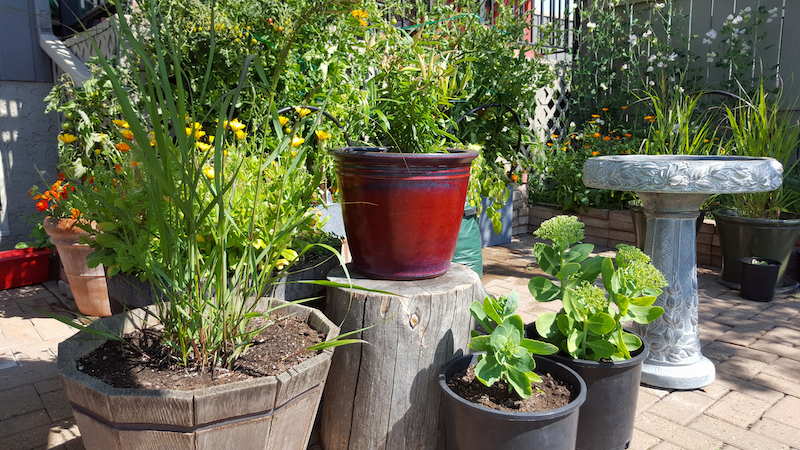
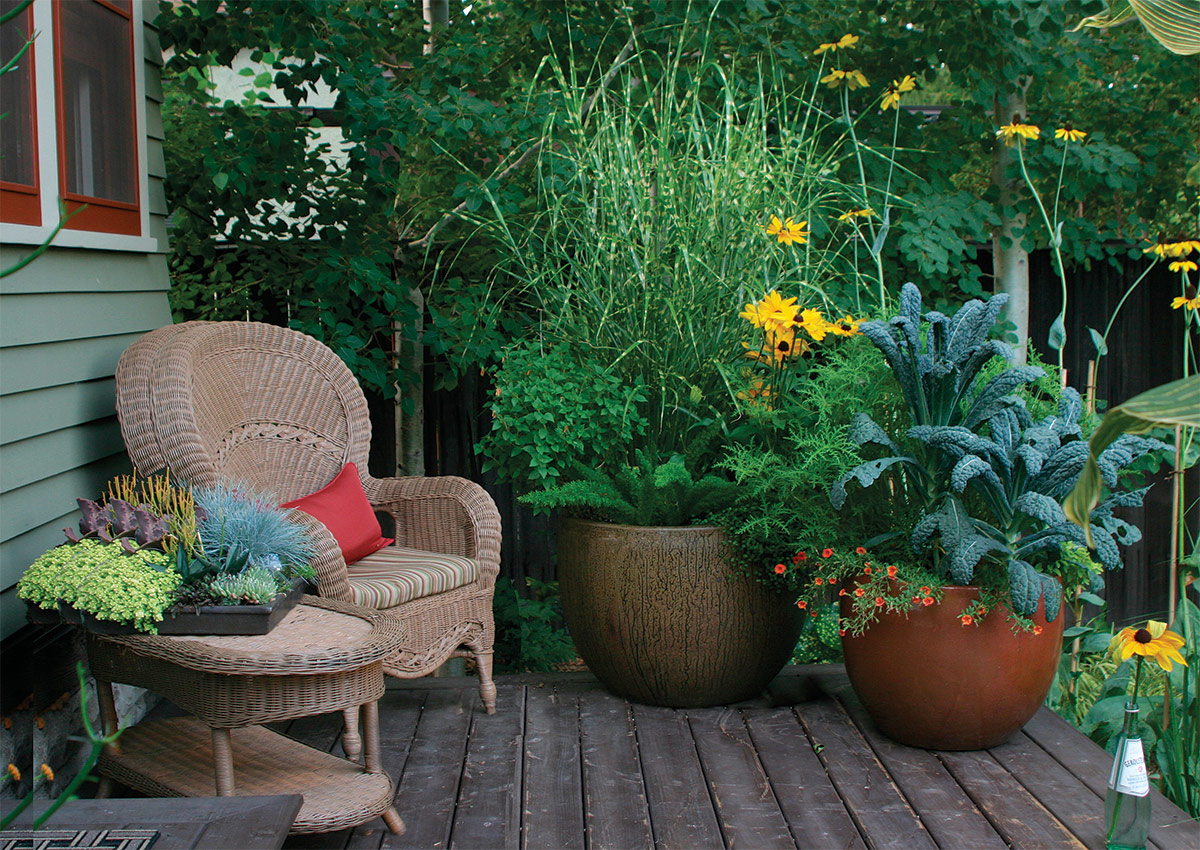
Now for the fun part. Picking plants. Staring at hundreds of colorful tags can be overwhelming. How do you know what goes together? Enter the "Thriller, Filler, Spiller" method. It’s the golden rule of container design, and it hasn’t changed because it just works. Every good planter needs these three elements to look professional and lush.
The Thriller is the star. It’s tall, dramatic, and grabs attention. Think ornamental grasses, a small Japanese maple, a spiky Dracaena, or a tall Salvia. Place this in the center (if viewed from all sides) or the back (if against a wall). It sets the height and tone. Without a thriller, your pot looks flat. Boring. You want that vertical pop.
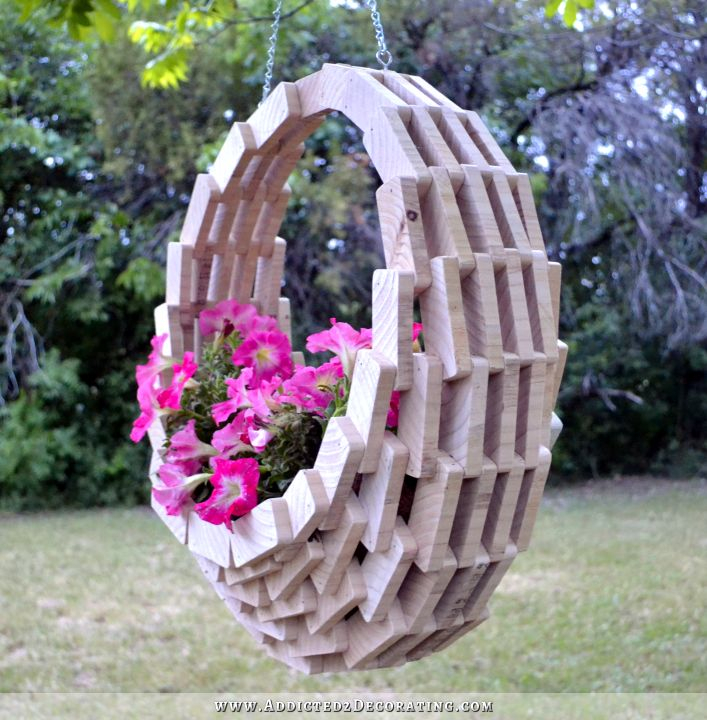
The Filler fills the space around the thriller. These are mounding plants that add bulk and color. Petunias, Coleus, Geraniums, or Leafy Lettuce work great. They hide the bare stems of the thriller and make the pot look full. Finally, the Spiller cascades over the edge. Ivy, Sweet Potato Vine, Creeping Jenny, or trailing Lobelia. They soften the hard lines of the pot and connect it to the ground. When you combine these three, you get a balanced, dynamic arrangement that looks like it took hours to design. It didn’t. It just took strategy.
Budget-Friendly Hacks for Maximum Impact
Let’s talk money. Gardening can get pricey. Those fancy annuals add up. But you don’t need to break the bank. Start with seeds. It’s the cheapest way to grow. A packet of marigold seeds costs a dollar and gives you fifty plants. Sure, it takes longer. But watching a seed sprout is magic. Plus, you can start them indoors weeks before the last frost, getting a jump on the season.
Shop end-of-season sales. Nurseries dump prices in late spring and early fall. Buy perennials then. They’ll overwinter and come back stronger next year. Divide them later to double your stock for free. Another trick? Swap with neighbors. Join local community garden groups online. People always have extra seedlings or cuttings they don’t know what to do with. A cutting of Pothos or Spider Plant roots in water in days. Free plants are the best plants.
Repurpose everything. That old colander? Drill fewer holes and use it as a hanging basket. Broken terra cotta pots? Use the shards at the bottom of new pots for drainage (though gravel works too). Wooden pallets can become vertical planters. Get creative. The most gorgeous gardens often look eclectic because they are made from love and scavenged items, not just credit cards.
Placement and Light: Reading Your Space
You can have the perfect pot, the best soil, and the prettiest plants. But if you put them in the wrong spot, they will die. Light is food. You need to know what your space gets. Spend a day watching your balcony or yard. Where does the sun hit at 10 AM? At 2 PM? At 6 PM?
Full sun means 6+ hours of direct light. Most veggies and flowering annuals need this. Partial shade is 3-6 hours. Many leafy greens and ferns prefer this. Full shade is less than 3 hours. Hostas and Impatiens thrive here. Don’t fight your space. If you have a north-facing balcony, don’t try to grow tomatoes. You’ll just be frustrated. Embrace the shade. Grow lush foliage plants instead. They can be just as stunning as flowers.
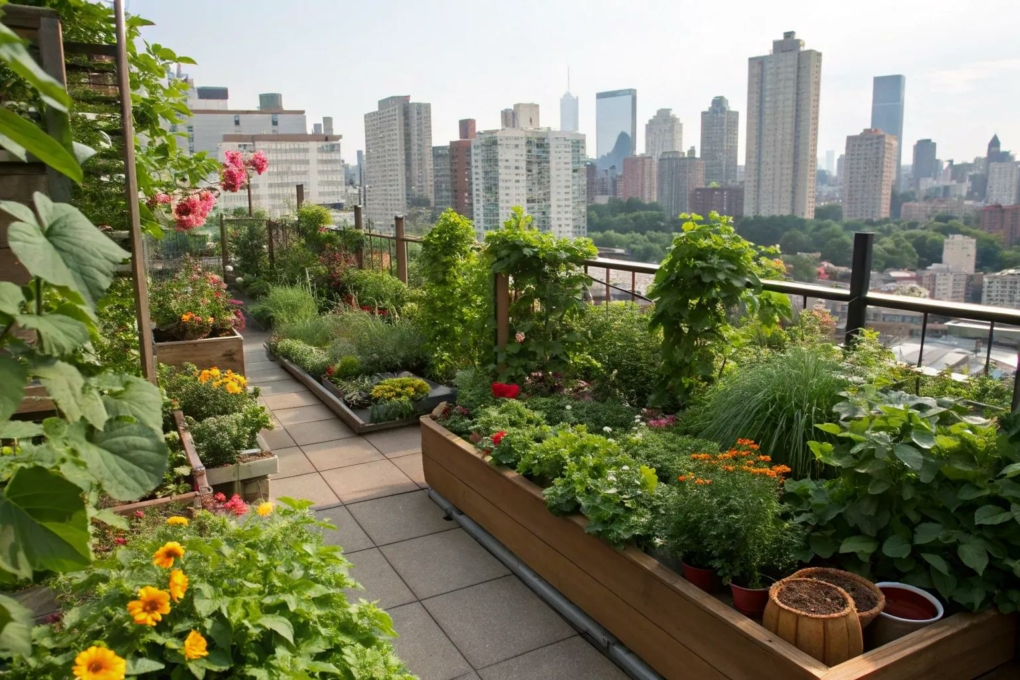
Wind is another factor. High-rise balconies are wind tunnels. Wind dries out plants fast and can snap tall stems. Use windbreaks like trellises or sturdy shrubs to protect delicate plants. Group pots together. They create a microclimate that holds humidity and protects each other. It’s smarter than fighting the elements. Work with your environment, not against it.
Watering is the number one killer of container gardens. Too much or too little. The finger test is your best friend. Stick your finger an inch into the soil. Dry? Water. Damp? Wait. Don’t water on a schedule. Water on need. Weather changes. A cloudy week means less water. A heatwave means more. Terracotta pots dry out faster than plastic. Hanging baskets dry out fastest of all. Check them daily in summer.
Feeding is crucial. Potting mix nutrients wash out with watering. After about four weeks, your plants will be hungry. Use a liquid fertilizer every two weeks during the growing season. Or mix in slow-release granules at planting time. Organic options like fish emulsion smell bad but work wonders. Chemical fertilizers are faster but can burn roots if overused. Balance is key.
Deadheading. It sounds gross, but it’s just pinching off dead flowers. Do it regularly. It tells the plant to make more flowers instead of seeds. Snip off yellow leaves. Keep the plant tidy. Talk to your plants. Seriously. It helps you notice changes. A drooping leaf. A new bud. You become attuned to their needs. Gardening isn’t just maintenance. It’s a relationship.
So, there you have it. Building a container garden isn’t rocket science. It’s patience. It’s observation. It’s getting a little dirt under your nails and feeling proud when that first bloom opens. Start small. One pot. One herb. See how it goes. Then add another. Before you know it, you’ll have created a little sanctuary. A place that breathes. A place that’s yours. And isn’t that what we’re all looking for? A bit of beauty, grown by hand, right outside our door.
[sps_html tag=”img” src=”https://cdn.northcarolinafinearchitecture.com/2026/05/17-inspiring-urban-garden-ideas-for-your-home-pertaining-to-outdoor-container-design.jpg” alt=”17+ Inspiring Urban Garden Ideas For Your Home pertaining to Outdoor Container Design” style=”width: 100%; height: auto;”]
[sps_html tag=”img” src=”https://cdn.northcarolinafinearchitecture.com/2026/05/16-clever-small-space-gardening-ideas-inside-how-to-design-container-gardens-that-thrive-in-small-urban-spaces.jpg” alt=”16+ Clever Small Space Gardening Ideas inside How to Design Container Gardens That Thrive in Small Urban Spaces” style=”width: 100%; height: auto;”]
[sps_html tag=”img” src=”https://cdn.northcarolinafinearchitecture.com/2026/05/container-garden-layout-pertaining-to-how-to-design-container-gardens-that-thrive-in-small-urban-spaces.jpg” alt=”Container Garden Layout pertaining to How to Design Container Gardens That Thrive in Small Urban Spaces” style=”width: 100%; height: auto;”]
[sps_html tag=”img” src=”https://cdn.northcarolinafinearchitecture.com/2026/05/discover-urban-gardening-solutions-for-your-busy-city-life-urban-inside-how-to-design-container-gardens-that-thrive-in-small-urban-spaces.jpg” alt=”Discover Urban Gardening Solutions For Your Busy City Life. – Urban … inside How to Design Container Gardens That Thrive in Small Urban Spaces” style=”width: 100%; height: auto;”]
[sps_html tag=”img” src=”https://cdn.northcarolinafinearchitecture.com/2026/05/maximizing-small-spaces-container-gardening-ideas-waynesboro-pertaining-to-how-to-design-container-gardens-that-thrive-in-small-urban-spaces.png” alt=”Maximizing Small Spaces: Container Gardening Ideas – Waynesboro … pertaining to How to Design Container Gardens That Thrive in Small Urban Spaces” style=”width: 100%; height: auto;”]