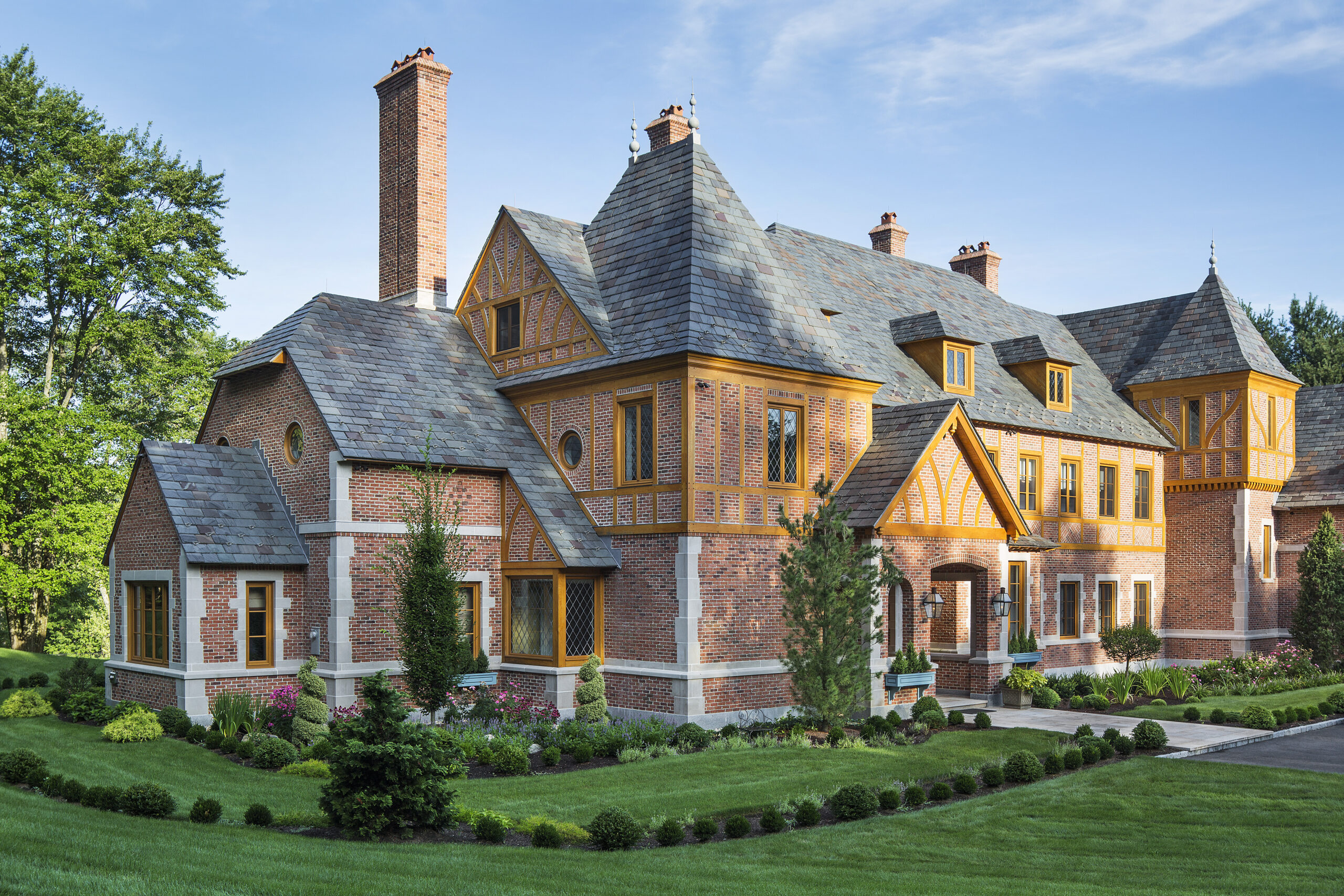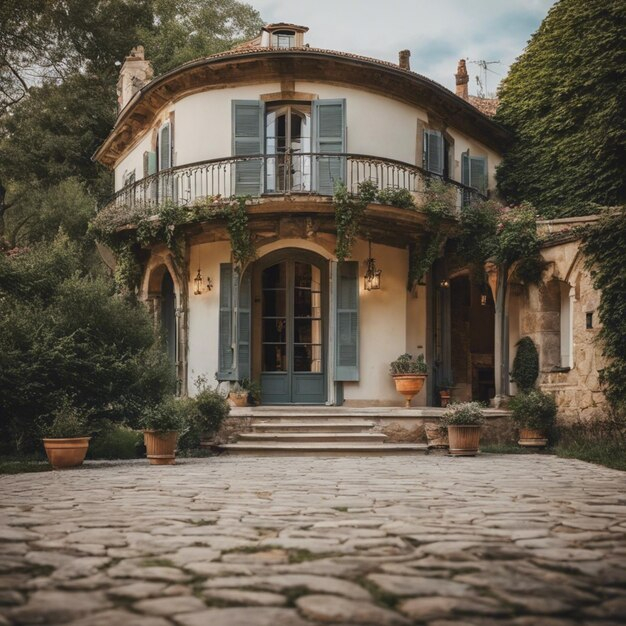
You know that feeling when you walk into a room and your shoulders just… drop? The tension melts away. It’s not just about pretty furniture or expensive art. It’s something deeper. A sense of being held by the space itself. That is the magic of French Normandy style. It isn’t trying to impress you. It’s trying to welcome you.
In a world that moves too fast, where digital noise never stops, we are craving spaces that feel grounded. Real. In 2026, this old-world aesthetic isn’t just a trend; it’s a refuge. It’s about imperfection. It’s about history you can touch. Let’s dig into why these homes, with their crooked beams and weathered stone, feel more alive than any perfectly staged modern apartment ever could.
The Beauty of Imperfect Materials
Normandy design doesn’t do "perfect." And thank goodness for that. The core of this style is the celebration of raw, natural materials that have lived a little. Think about the wood. It’s rarely polished to a high shine. Instead, you see oak beams that are dark, knotty, and maybe even a bit warped from centuries of holding up a roof. These aren’t defects. They are stories.
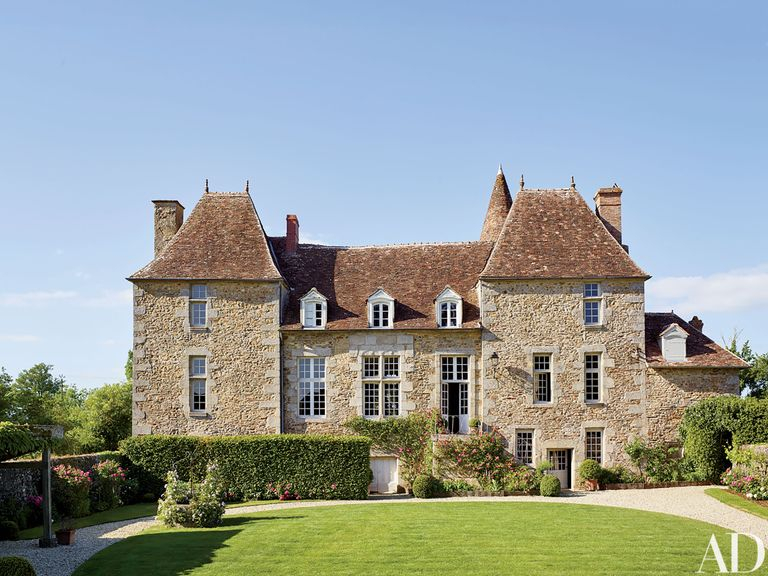
Stone is another hero here. Local limestone or fieldstone is used for floors, walls, and fireplaces. It’s cool to the touch in summer and holds heat from the fire in winter. When you run your hand along a rough-hewn stone wall, you feel the earth. It connects you to the land outside. In recent years, designers have stopped trying to hide these textures. They highlight them. A crack in the plaster isn’t patched over; it’s acknowledged as part of the home’s character.
This approach changes how you live in a space. You stop worrying about scratching the table or scuffing the floor. The materials are meant to age. They get better with time, developing a patina that new things just can’t replicate. It gives you permission to relax. To be human. To spill a little wine and not panic. That freedom is what makes the room feel warm. It’s not a museum. It’s a home.
A Palette Borrowed from the Landscape
If you look out a window in Normandy, you see muted greens, soft grays, creamy whites, and the deep brown of wet earth. The interior colors mirror this. There are no neon brights or harsh blacks. The palette is gentle on the eyes. It creates a visual silence that allows your mind to rest.
Creamy whites and off-whites dominate the walls. But they aren’t sterile. They have yellow or gray undertones that shift with the light. During the day, they glow. At night, they soften. This is crucial because Normandy can be cloudy and rainy. The interiors need to hold their own light. Designers in 2026 are moving away from pure white paints, which can feel clinical, and embracing these warmer, complex neutrals. They make small rooms feel larger and darker corners feel less gloomy.
Then there are the accents. Soft blues reminiscent of the sea, sage greens from the gardens, and terracotta from the roof tiles. These colors are used sparingly. Maybe in a ceramic vase, a linen cushion, or a painted cabinet door. The goal is harmony, not contrast. Everything blends together. It’s like a watercolor painting where the edges bleed into each other. This lack of sharp boundaries makes the space feel fluid and calm. It wraps around you like a soft blanket.
Textiles That Invite Touch
You can’t talk about warmth without talking about fabric. Normandy interiors are layered with textiles that beg to be touched. Linen is the star. It’s used for curtains, tablecloths, slipcovers, and bedding. Linen wrinkles. It slumps. It looks better when it’s lived-in. A crisp, ironed linen sheet feels cold. A rumpled one feels inviting. It breathes, keeping you cool in summer and warm in winter.
Wool and cotton are also key. You’ll find heavy wool throws draped over chair arms, ready for chilly evenings. Cotton rugs, often striped or checked in muted tones, add softness underfoot. The layering is important. It’s not just one rug or one pillow. It’s a mix. A sheepskin on a wooden bench. A quilt on the bed. These layers add visual depth and physical comfort.
In today’s market, there’s a huge focus on sustainability. People want natural fibers that last. Synthetic fabrics feel plastic and cold. They don’t age well. Natural fibers, on the other hand, soften with every wash. They develop a personal connection with the owner. When you sit on a linen sofa that has molded to your shape over five years, it feels like it knows you. That’s the kind of intimacy these interiors create. It’s tactile warmth.
The Heart of the Home: Kitchen and Hearth
In French Normandy homes, the kitchen isn’t just a place to cook. It’s the center of life. And almost always, there is a fireplace nearby, if not in the kitchen itself. The hearth is symbolic. It’s where the family gathered for warmth and safety. Today, even if the fireplace is decorative, it anchors the room. It draws people in.
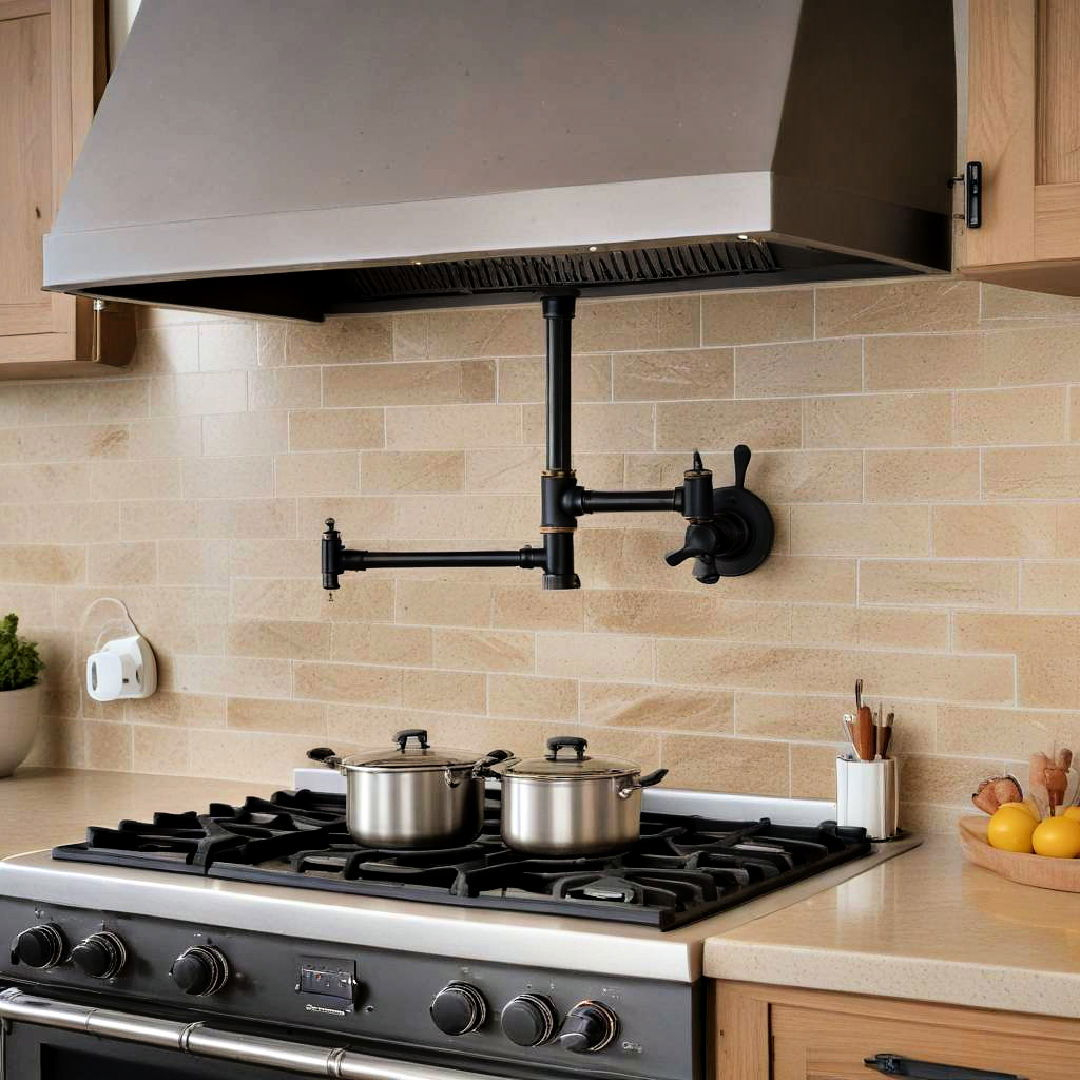
The kitchens themselves are functional and rustic. Open shelving displays simple ceramics and copper pots. There are no hidden appliances behind sleek panels. The tools of cooking are part of the decor. A large farmhouse table sits in the middle, surrounded by mismatched chairs. This isn’t about symmetry. It’s about gathering. The table is worn, marked by years of meals and conversations.
Lighting plays a big role here too. Fixtures are often made of wrought iron or aged brass. They cast a warm, golden glow. In 2026, we see a return to candlelight and oil-lamp-style bulbs. Harsh overhead lighting is avoided. Instead, light comes from multiple low sources. Lamps on tables. Sconces on walls. This creates pools of light and shadow, making the room feel intimate and cozy. It encourages people to lean in and speak softly. It turns a meal into an event.
Embracing Vintage and Handcrafted Pieces
You won’t find mass-produced furniture in a true Normandy interior. The pieces are either antiques or handcrafted reproductions. They have weight. They have presence. A solid oak armoire, a carved wooden chair, a ceramic pitcher. Each item has a history. Even if it’s new, it’s made to look like it has been around for a while.
This mix of old and new is key. A modern lamp might sit on an 18th-century side table. A contemporary painting might hang above a rustic buffet. But the modern elements are always subdued. They don’t shout. They respect the older pieces. This balance keeps the space from feeling like a period movie set. It feels current but rooted.
Shopping for these items is different too. It’s not about clicking "add to cart." It’s about visiting flea markets, estate sales, and artisan workshops. It’s about finding the one piece that speaks to you. This process adds emotional value to the objects. When you bring a chair home that you hunted for, you care for it differently. You notice its details. You appreciate its craftsmanship. This appreciation translates into the atmosphere of the room. It feels curated with love, not bought with money.
Normandy is famous for its gardens. Lush, slightly wild, and full of life. The interiors reflect this connection to nature. Large windows frame views of the garden. Indoor plants are common. Ferns, ivy, and potted herbs bring greenery inside. The boundary between inside and outside is blurred.
Flowers are also essential. Not arranged in perfect, stiff bouquets, but picked loosely from the garden. Peonies, roses, lavender. They are placed in simple jars or pitchers on tables and mantels. Their scent fills the air. Their colors add life to the neutral palette. This connection to the seasons is vital. In spring, the house fills with blossoms. In autumn, with dried branches and pumpkins. The home changes with the year.
This biophilic design—connecting humans to nature—is proven to reduce stress and improve well-being. In 2026, as we spend more time indoors, this aspect of Normandy style is more relevant than ever. It reminds us that we are part of the natural world. It brings the calming effect of the outdoors inside. The sound of rain on the roof, the sight of wind in the trees through the window, the smell of damp earth. These sensory experiences make the home feel alive and peaceful.
So, what makes French Normandy interiors so warm? It’s not one thing. It’s the combination of honest materials, soft colors, tactile fabrics, and a deep respect for history and nature. It’s about creating a space that supports life, not just displays it. It’s about imperfection. It’s about comfort.
As we move further into 2026, the desire for these qualities grows. We are tired of the disposable. We crave the enduring. We want homes that heal us. French Normandy style offers that. It teaches us to slow down. To appreciate the beauty in a cracked plate or a wrinkled curtain. To find joy in the simple act of sitting by a fire.
Maybe you can’t rebuild your house with stone beams. But you can add a linen throw. You can paint a wall a creamy white. You can bring in a bunch of wildflowers. You can choose one vintage piece that you love. Start small. Let your home breathe. Let it be imperfect. And watch how it starts to hug you back.
[sps_html tag=”img” src=”https://cdn.northcarolinafinearchitecture.com/2026/05/normandy-style-architecture-with-regard-to-what-architects-wish-you-knew-before-restoring-a-normandy-home.jpg” alt=”Normandy Style Architecture with regard to What Architects Wish You Knew Before Restoring a Normandy Home” style=”width: 100%; height: auto;”]
[sps_html tag=”img” src=”https://cdn.northcarolinafinearchitecture.com/2026/05/french-normandy-architecture-characteristics-with-regard-to-normandy-style-home.jpg” alt=”French Normandy Architecture Characteristics with regard to Normandy Style Home” style=”width: 100%; height: auto;”]
[sps_html tag=”img” src=”https://cdn.northcarolinafinearchitecture.com/2026/05/french-normandy-style-homes-for-sale-at-erin-wright-blog-inside-what-architects-wish-you-knew-before-restoring-a-normandy-home.jpg” alt=”French Normandy Style Homes For Sale At Erin Wright Blog inside What Architects Wish You Knew Before Restoring a Normandy Home” style=”width: 100%; height: auto;”]
[sps_html tag=”img” src=”https://cdn.northcarolinafinearchitecture.com/2026/05/normandy-style-architecture-pertaining-to-what-architects-wish-you-knew-before-restoring-a-normandy-home.jpg” alt=”Normandy Style Architecture pertaining to What Architects Wish You Knew Before Restoring a Normandy Home” style=”width: 100%; height: auto;”]
[sps_html tag=”img” src=”https://cdn.northcarolinafinearchitecture.com/2026/05/normandy-style-architecture-with-regard-to-normandy-style-home.jpg” alt=”Normandy Style Architecture with regard to Normandy Style Home” style=”width: 100%; height: auto;”]