Have you ever walked into a building, or even a room, and felt an immediate sense of calm, of grandeur, of something truly right? Perhaps the ceilings soared, the lines felt crisp and clear, and there was a quiet dignity to the whole space. Chances are, you were experiencing the profound influence of neoclassical design. It’s a style that speaks to something deep within us, a yearning for order and beauty that seems to transcend passing fads. In a world that often feels chaotic and fleeting, why does this particular aesthetic, born centuries ago, still hold such a powerful grip on our imaginations and our daily lives?
It’s more than just pretty columns and fancy friezes, you know. Neoclassical design is a whole philosophy wrapped up in stone, timber, and fabric. It emerged as a deliberate return to the perceived purity and noble simplicity of ancient Greek and Roman art and architecture, right around the mid-18th century. Think about it: a time of great upheaval and intellectual ferment, the Enlightenment, where reason and logic were championed. People were looking back to the classical world not just for inspiration, but for a blueprint for a better society, a more ordered existence. This wasn’t just about making things look good; it was about embodying ideals.
Unpacking the Core Elements: What Makes It Neoclassical?
At its heart, neoclassical style is about harmony, proportion, and balance. It’s a deliberate rejection of the flamboyant excesses of the preceding Rococo period, opting instead for a more restrained and intellectual elegance. Imagine walking through a grand estate or even a modern home that subtly nods to this style. You’d likely notice an emphasis on symmetry – everything perfectly mirrored, creating a sense of stability and calm. This isn’t accidental. It’s a design language that speaks of thoughtful arrangement and careful consideration.
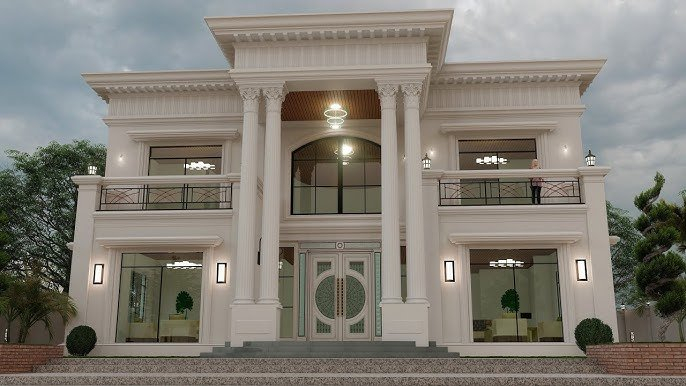
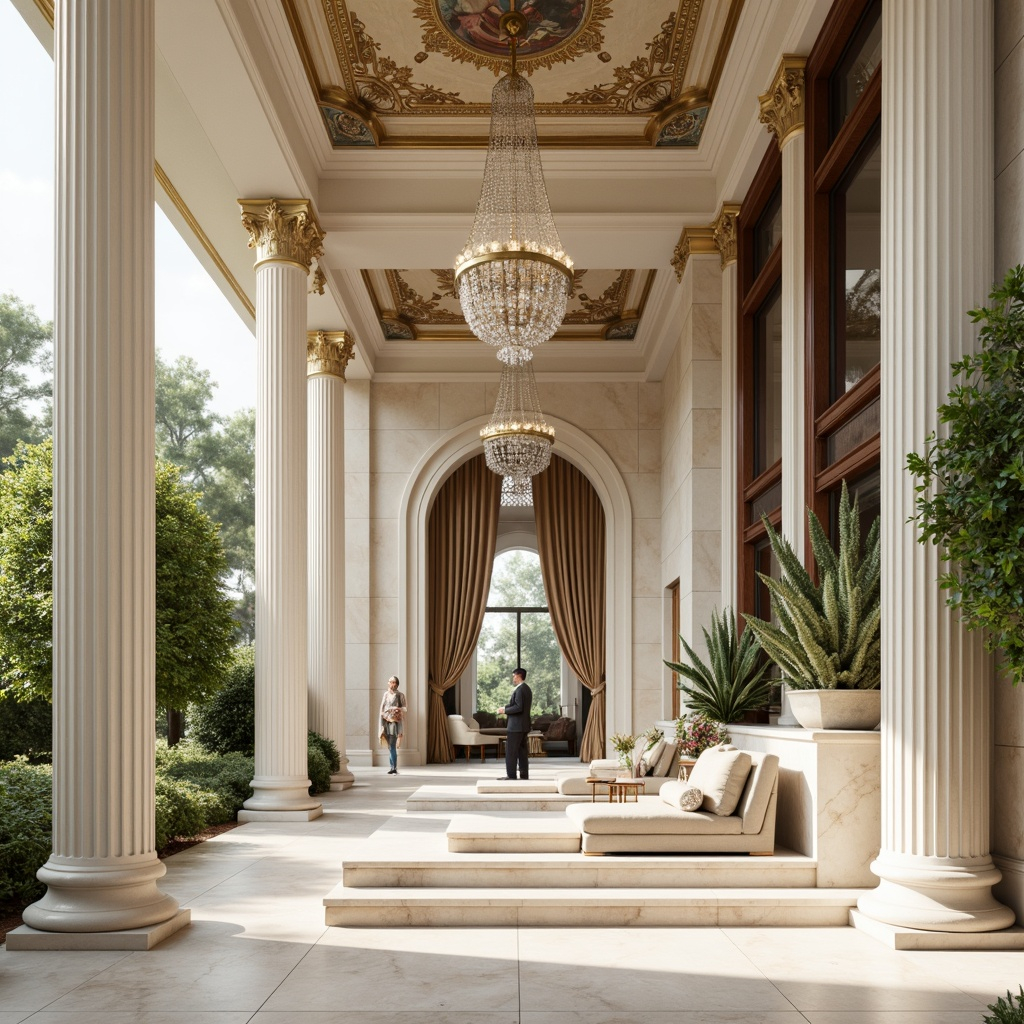
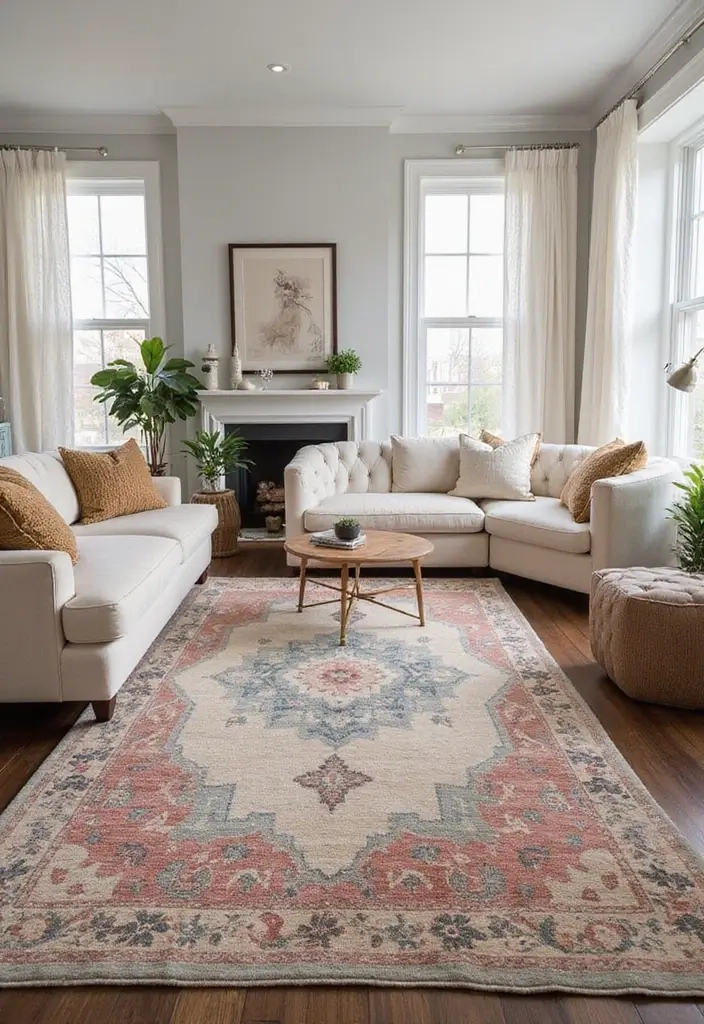
Think of those iconic features: sturdy columns, often Doric, Ionic, or Corinthian, supporting substantial entablatures. You might see pediments, those triangular gables, above windows or doors, adding a touch of classical majesty. Ornamentation, when present, is usually precise and purposeful, like delicate swags, rosettes, or laurel wreaths, rather than sprawling, organic forms. The color palettes tend to be muted and refined, drawing from nature—think soft creams, pale grays, gentle blues, and the timeless elegance of white. It’s an aesthetic that values clarity and structure above all else, making spaces feel both expansive and inviting, never overwhelming.
A Nod to History: Where Did This Enduring Fascination Begin?
The birth of Neoclassicism wasn’t just an artistic whim; it was a cultural awakening. The rediscovery of ancient Roman cities like Pompeii and Herculaneum in the mid-1700s, preserved under volcanic ash, ignited a fervent interest in classical antiquity. Suddenly, people could see these ancient worlds firsthand, not just through scattered ruins or scholarly texts. This wasn’t merely an academic pursuit; it was a societal shift. Architects, artists, and thinkers flocked to these sites, sketching, studying, and absorbing the principles that had governed these long-lost civilizations.
This renewed appreciation for classical ideals coincided with the Enlightenment’s emphasis on reason, order, and democracy. The ancient republics of Greece and Rome were seen as models of civic virtue and intellectual prowess. So, adopting their aesthetic wasn’t just about fashion; it was a statement. It was about aligning oneself with these lofty ideals, creating structures and interiors that reflected intelligence, moral integrity, and a sense of enduring authority. This historical context is vital to truly understanding why the style resonated so deeply then, and why it continues to echo through our design choices today, in 2026.
The Psychological Pull: Why Do We Still Crave This Look?
So, why does this style, with its ancient roots, still feel so relevant and captivating in our hyper-modern 2026 world? I think it boils down to something primal. In an era often marked by rapid change, digital overload, and a sense of impermanence, neoclassical design offers a powerful antidote. It provides a sense of anchoring, a visual reassurance that some things—like beauty, order, and enduring principles—can stand the test of time. It’s comforting, isn’t it, to be surrounded by things that feel stable and well-considered.
This design language speaks to our innate human desire for structure and meaning. The clear lines, the balanced forms, the deliberate sense of proportion—they all contribute to an environment that feels calm and thoughtful. It’s a design that respects the intellect, inviting contemplation rather than demanding attention. For many, it evokes a feeling of quiet luxury, not ostentatious wealth, but a deep appreciation for quality, craftsmanship, and a heritage of refined taste. It’s a style that whispers, rather than shouts, its elegance.
Neoclassical in 2026: Adapting for Modern Living
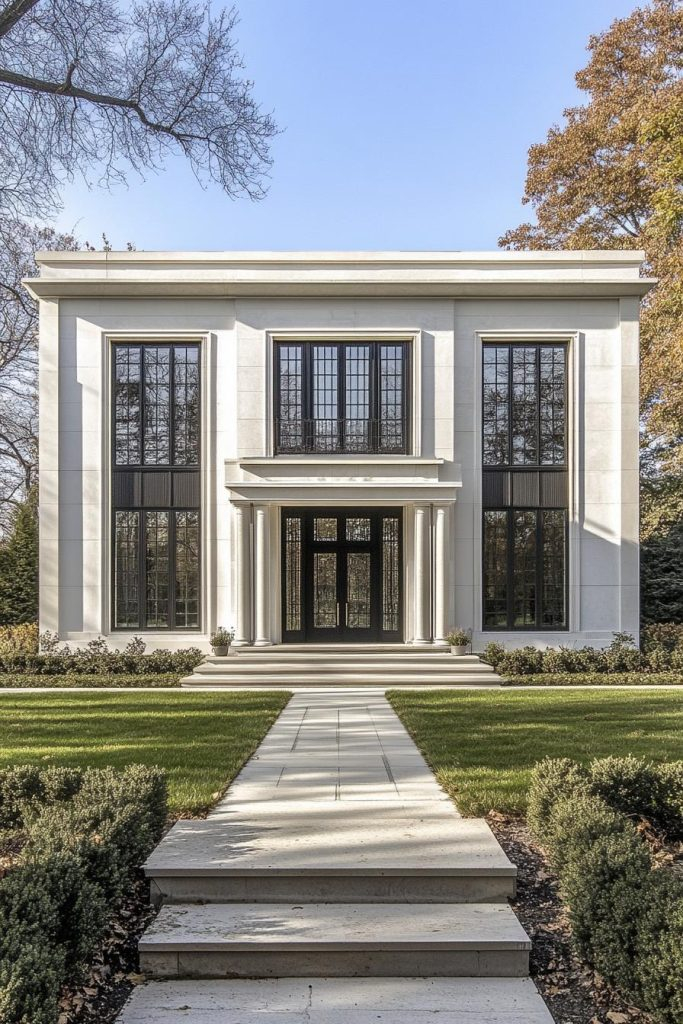
You might think neoclassical design is just for museums or grand government buildings. But you’d be wrong! In 2026, we’re seeing a fascinating evolution of this enduring aesthetic. Modern interpretations often blend classical elements with contemporary sensibilities, creating spaces that feel fresh yet grounded. Think of a sleek, minimalist living room anchored by a single, perfectly proportioned console table with fluted legs, or a bathroom featuring a classic clawfoot tub against marble tile, but with ultra-modern fixtures.
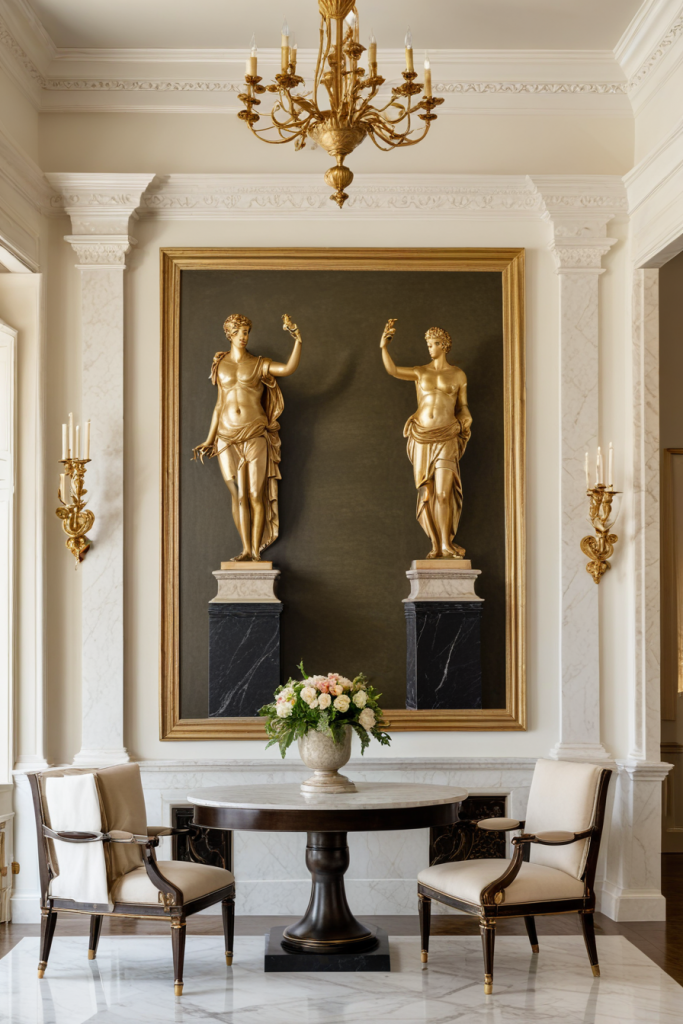
Interior designers are cleverly incorporating neoclassical touches without going full period drama. This might mean using a classical bust as an accent piece in an otherwise modern setting, choosing furniture with clean lines and subtle curves, or employing a restrained color palette with touches of metallic gold or silver for understated glamor. We also see it in the renewed interest in high-quality, durable materials like natural stone, rich woods, and fine fabrics—a move towards sustainability and longevity that echoes the timelessness of the original style. It’s about creating sophisticated, livable spaces that offer a sense of enduring grace, rather than just chasing the latest trend.
Bringing Neoclassical Charm Into Your Own Space
Feeling inspired to bring a bit of this timeless appeal into your own home? You don’t need a sprawling mansion to do it. Even small touches can make a significant impact. Here are a few practical ideas to get you started:
- Focus on Symmetry: Arrange furniture in balanced pairs. Two matching armchairs flanking a fireplace, or a pair of identical lamps on a console table, instantly create that neoclassical sense of order.
- Embrace Muted Colors: Opt for a palette of soft whites, creams, grays, and pale blues. These colors not only feel elegant but also make spaces appear larger and more serene.
- Introduce Classical Motifs: Look for decorative objects like busts, urns, or framed prints of classical architecture. Even a simple mirror with a Greek key border can add a subtle nod.
- Prioritize Quality Over Quantity: Neoclassical design values well-made, substantial pieces. Invest in a few key items—a beautiful wooden chest, a sturdy dining table—that will stand the test of time.
- Consider Architectural Details: If you’re able, think about adding simple crown molding, wainscoting, or even just a well-proportioned mantelpiece to your fireplace. These elements instantly elevate a room.
- Lighting is Key: Use ambient lighting to highlight architectural features and create a warm, inviting glow. Chandeliers with classic lines or elegant sconces can be perfect additions.
Remember, it’s about thoughtful curation, not overwhelming a space. A few carefully chosen pieces can convey the essence of the style without making your home feel like a museum.
From the grand avenues of Washington D.C. to the stately homes of European capitals, neoclassical design has left an indelible mark on the world’s architectural landscape. Think of the White House, a prime example of American Neoclassicism, or the British Museum in London, both embodying those classical principles of order and monumental scale. The Pantheon in Paris, originally a church and now a mausoleum, also showcases the powerful influence of Roman temples adapted for new purposes. These structures aren’t just buildings; they’re statements about national identity, civic pride, and a belief in enduring ideals.
Even beyond these monumental examples, the principles of neoclassical design ripple through countless more modest homes and public buildings across the globe. Its emphasis on proportion and functional beauty has influenced everything from furniture design to landscape architecture. It’s a testament to its versatility and timeless appeal that it could be adopted and adapted so widely, proving that good design truly transcends cultural and geographical boundaries. It just works, you know.
So, as we navigate the complexities of 2026 and look towards the future, the enduring allure of neoclassical design remains as potent as ever. It offers more than just an aesthetic; it provides a connection to history, a sense of stability, and a profound appreciation for beauty born of reason and order. It’s a reminder that sometimes, the most innovative path forward involves looking back, drawing wisdom from the past to create spaces that nourish our spirits and stand the test of time. And isn’t that something truly wonderful.