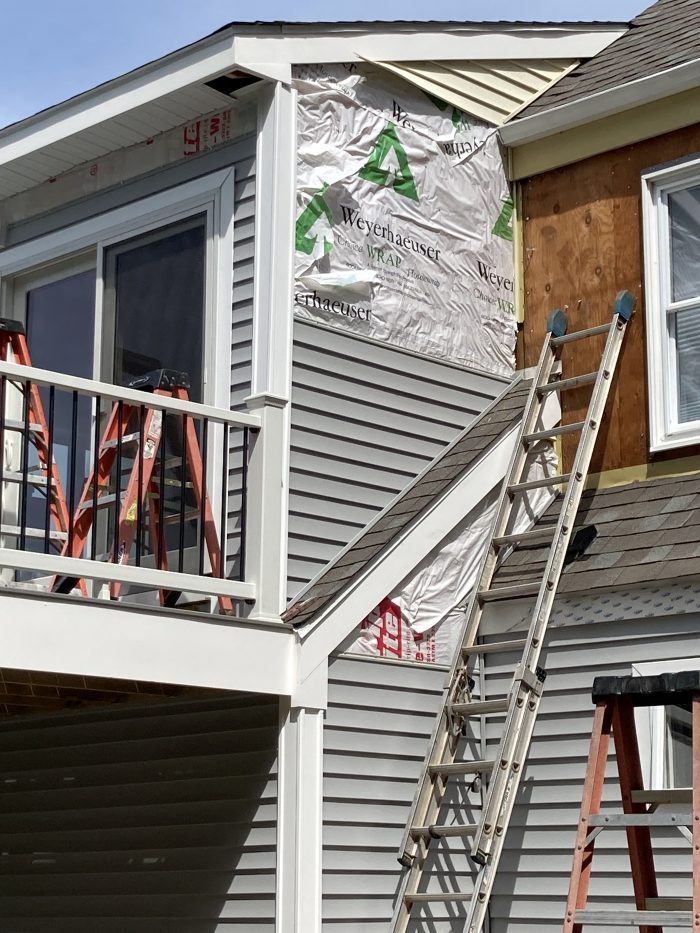
You’ve probably seen it. That crinkly, white sheet clinging to the skeleton of a new house like a second skin. It flutters in the wind, gets torn by careless elbows, and sometimes looks like an afterthought. But that stuff? It’s doing some of the heaviest lifting in your home’s longevity. We call it house wrap, but the pros know it as a water-resistive barrier (WRB). And if you think all wraps are created equal, well, you’re in for a surprise.
For decades, one name has dominated the conversation: Tyvek. It’s become so ubiquitous that people use the brand name like "Kleenex" or "Google." But here in 2026, the landscape has shifted. The market isn’t just about who has the biggest billboard anymore. It’s about performance, sustainability, and even technology. With the global house wraps market expected to grow by nearly $1 billion between 2026 and 2030, builders and homeowners have more choices than ever. And honestly? Some of those choices are better than the old standard.
So, what’s the truth? Is Tyvek still the king? Or have newer players stolen the crown? Let’s dig into the layers.
The Legacy of Tyvek: Why It Still Matters
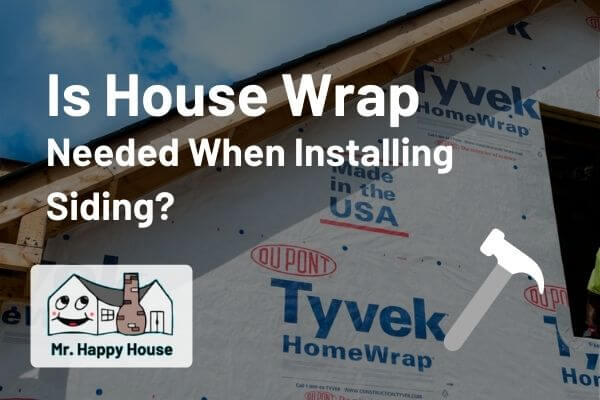
DuPont didn’t just invent house wrap; they basically invented the category. Since the 1970s, Tyvek has been the benchmark. When you walk onto a job site in Wilmington or anywhere else in the US, you’re likely seeing Tyvek HomeWrap, StuccoWrap, or DrainWrap. Why? Because it works. It’s durable. It breathes. And builders trust it. There’s a comfort in that familiarity. You know what you’re getting.
The Tyvek segment held the largest share of the market in 2025, and that momentum carries into 2026. Its strength lies in field-tested durability. Contractors know how to tape it, how to staple it, and how to fix it when it rips. That institutional knowledge is powerful. You don’t have to retrain your crew every time a new product hits the shelf. For many, that ease of use outweighs marginal gains in specs.
But let’s be real. Being the pioneer doesn’t mean you’re always the best option today. Tyvek is great, but it’s not magic. It relies heavily on proper installation. If the seams aren’t taped right, or if it’s left exposed to the sun for too long before siding goes up, its performance drops. It’s a solid choice, sure. But it’s no longer the only choice worth considering.
The Rise of the Challengers: Beyond the White Sheet
While DuPont rests on its laurels, other companies have been busy innovating. In 2026, we’re seeing a mature market where performance specifications matter more than brand recognition. Companies like Benjamin Obdyke and Pro Clima are making waves, especially for eco-conscious building. They offer wraps that are not just barriers, but part of a holistic moisture management system.
Then there’s Huber. If you’ve heard of the ZIP System, you know they’ve been a market leader since 2008. Their approach is different. Instead of a separate wrap, they integrate the barrier directly into the sheathing. It’s rigid, it’s sealed with tape, and it eliminates a whole step in the construction process. For many contractors, time is money. Skipping the wrap installation entirely? That’s a huge sell. Plus, the consistency of quality across their sheathing and accessories is hard to beat.
And let’s not forget 3M. They’re pushing high-performance, breathable wraps that compete directly with Tyvek on durability and moisture management. The key takeaway here? You have options. Whether you prioritize speed, environmental impact, or pure water resistance, there’s a brand out there that fits your specific needs better than a one-size-fits-all solution.
Performance vs. Price: What Are You Really Paying For?
Here’s the thing about house wrap: it’s cheap. Relatively speaking. Compared to your roof or your windows, the cost of the WRB is a drop in the bucket. But skimping here can cost you thousands later in mold remediation or structural repair. So, when we talk about price, we’re really talking about value.
Tyvek alternatives now compete on vapor permeability, water resistance, and durability. Some are cheaper upfront. Others cost more but offer better long-term protection. For instance, liquid-applied WRBs are gaining traction. They’re not a "wrap" in the traditional sense, but they form a seamless barrier that can’t tear or blow off. They’re pricier and require more skill to apply, but for complex shapes or high-wind areas, they might be worth the extra cash.
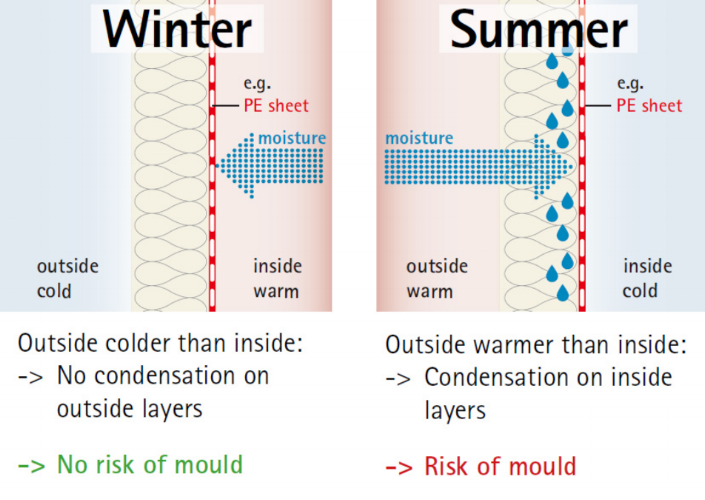
It’s also about the climate. A wrap that works perfectly in dry Arizona might fail in humid Florida. Vapor permeability is crucial. You want moisture to escape from inside the wall, but you don’t want rain getting in. High-performance wraps balance this act better than older generations. Don’t just look at the price tag. Look at the specs. Look at the perm rating. Ask yourself: what is this wall going to face for the next 50 years?
The Smart Home Revolution: Wraps with Brains?
This is where things get weird. And exciting. The convergence of house wraps with smart building systems is opening new avenues for market expansion. We’re no longer just talking about plastic sheets. We’re talking about integrated systems. Imagine a wrap embedded with moisture sensors. These sensors can talk to your ventilation controls and energy management platforms.
Why does this matter? Because it enables real-time monitoring. If a leak develops behind your siding, you’ll know about it before the drywall rots. The system can adapt, turning on fans or dehumidifiers to dry out the wall cavity. It optimizes energy use and prolongs material lifespan. This isn’t sci-fi. It’s happening in 2026.
For the average homeowner, this might seem like overkill. But for high-end builds or commercial projects, it’s a game-changer. It shifts the WRB from a passive barrier to an active participant in your home’s health. It’s expensive, yes. But think of it as insurance. Real-time data means you can fix small problems before they become catastrophic failures. That’s peace of mind you can’t put a price on. Well, you can, but it’s worth it.
Installation Errors: The Hidden Enemy
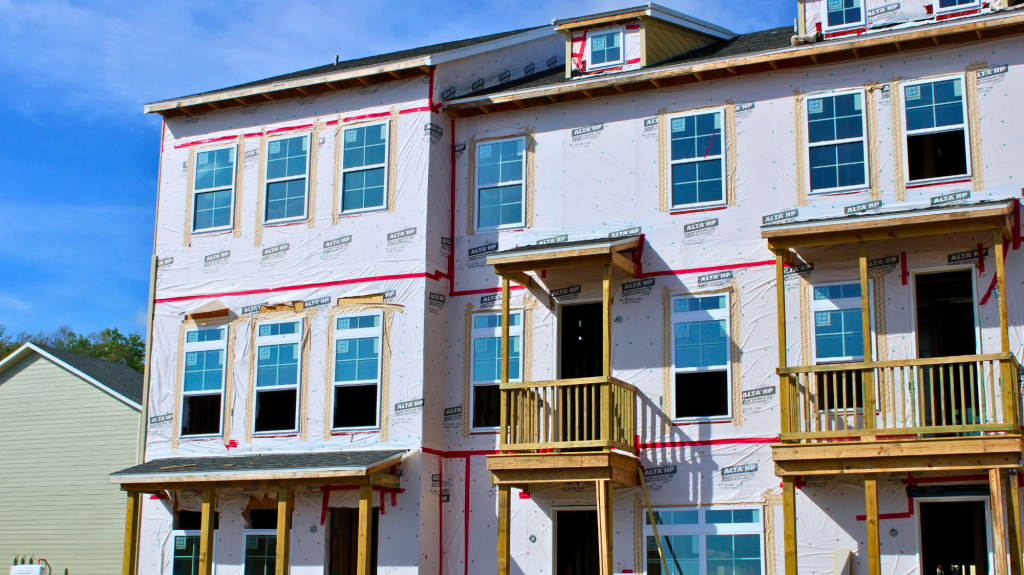
Here’s a dirty secret: the best house wrap in the world won’t save you if it’s installed poorly. In fact, most failures aren’t due to product defects. They’re due to human error. Gaps in tape. Missed seams. Tears that never got patched. It’s messy work, and it’s often rushed.
Solatatech and other technical guides emphasize that understanding the role of rainscreens is key. A wrap is just one part of the puzzle. If you don’t have proper drainage behind it, water will find a way in. Builders need to treat the WRB with respect. It’s not just a throwaway layer. It’s the last line of defense before your structure gets wet.
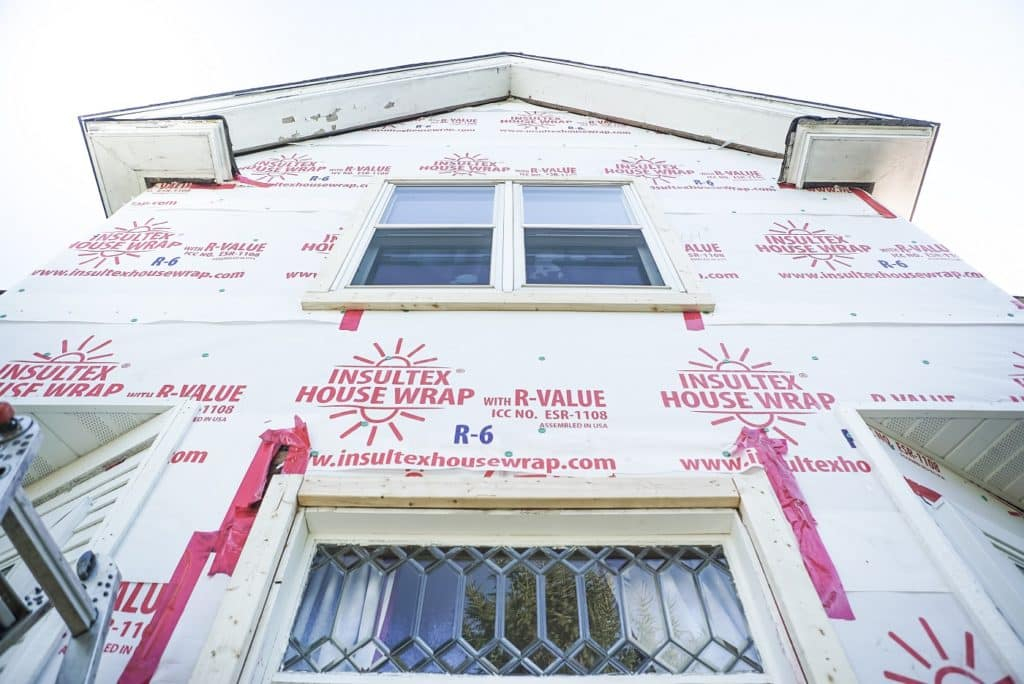
This is why some contractors prefer integrated systems like ZIP. By taping the sheathing joints, they reduce the number of steps where things can go wrong. Fewer staples, fewer loose flaps, fewer chances for error. If you’re going the traditional route with Tyvek or a similar product, pay attention to the details. Use the right tape. Overlap correctly. And don’t leave it exposed to the elements for months on end. UV rays degrade these materials faster than you think.
So, how do you choose? It depends on your priorities. If you want simplicity and brand confidence, Tyvek is still a safe bet. DuPont delivers field-tested durability that’s hard to argue with. If you’re looking for speed and efficiency, Huber’s ZIP System might be your best friend. It streamlines the process and offers consistent quality.
For the eco-conscious, look at Benjamin Obdyke or Pro Clima. They offer environmentally friendly options that don’t sacrifice performance. And if you’re building a high-tech smart home, explore those integrated sensor systems. They’re the future.
Don’t just randomly switch products because you saw a cool ad. Understand your wall assembly. Know your climate. Talk to your builder. Ask them why they chose a specific product. If they say "because we’ve always used it," maybe push back a little. The market has matured. There are seven top alternatives to Tyvek alone in 2026. You owe it to your future self to pick the right one.
At the end of the day, house wrap is unglamorous. It’s hidden behind vinyl or brick or stone. No one sees it. But it’s working hard every single day to keep your home dry and safe. Whether you stick with the classic white sheet or go for something smarter and newer, make sure it’s done right. Your walls will thank you. And so will your wallet, when you avoid those costly repairs down the road.
[sps_html tag=”img” src=”https://cdn.northcarolinafinearchitecture.com/2026/05/is-house-wrap-needed-when-installing-siding-mr-happy-house-inside-why-your-house-wrap-is-failing-and-how-to-fix-it-before-mold-sets-in.jpg” alt=”Is House Wrap Needed When Installing Siding? | Mr. Happy House inside Why Your House Wrap Is Failing and How to Fix It Before Mold Sets In” style=”width: 100%; height: auto;”]
[sps_html tag=”img” src=”https://cdn.northcarolinafinearchitecture.com/2026/05/can-you-fix-a-damaged-house-wrap-without-a-replacement-within-house-wrap-design.webp” alt=”Can You Fix A Damaged House Wrap Without A Replacement … within House Wrap Design” style=”width: 100%; height: auto;”]
[sps_html tag=”img” src=”https://cdn.northcarolinafinearchitecture.com/2026/05/failure-to-follow-manufacturers-instructions-for-housewrap-fine-in-why-your-house-wrap-is-failing-and-how-to-fix-it-before-mold-sets-in.jpeg” alt=”Failure To Follow Manufacturers Instructions For Housewrap - Fine … in Why Your House Wrap Is Failing and How to Fix It Before Mold Sets In” style=”width: 100%; height: auto;”]
[sps_html tag=”img” src=”https://cdn.northcarolinafinearchitecture.com/2026/05/the-top-3-mistakes-when-installing-house-wrap-and-how-to-avoid-them-throughout-why-your-house-wrap-is-failing-and-how-to-fix-it-before-mold-sets-in.png” alt=”The Top 3 Mistakes When Installing House Wrap (And How To Avoid Them … throughout Why Your House Wrap Is Failing and How to Fix It Before Mold Sets In” style=”width: 100%; height: auto;”]
[sps_html tag=”img” src=”https://cdn.northcarolinafinearchitecture.com/2026/05/insultex-house-wrap-home-weatherization-solution-lindus-pertaining-to-why-your-house-wrap-is-failing-and-how-to-fix-it-before-mold-sets-in.jpg” alt=”Insultex™ House Wrap Home Weatherization Solution | Lindus pertaining to Why Your House Wrap Is Failing and How to Fix It Before Mold Sets In” style=”width: 100%; height: auto;”]