You know that feeling when you walk into a tiny kitchen and your eyes just dart around, looking for a place to rest? It’s chaotic. Cluttered. Loud, even if no one is speaking. We’ve all been there. In 2026, the trend isn’t about adding more stuff; it’s about finding peace in the negative space. And surprisingly, one of the most powerful tools for achieving this calm isn’t a high-tech appliance or a custom-built island. It’s a rod. Just a simple, slender line of metal or wood.
It sounds too easy, right? But think about it. A single horizontal line can define a zone without building a wall. It can hold your daily essentials without hiding them behind cabinet doors that eat up floor space. This is the quiet elegance we’re talking about. It’s not shouting for attention. It’s whispering, "I’ve got this." For anyone living in a compact apartment, a studio, or just a cozy home with a pint-sized prep area, these minimalist rods are becoming the unsung heroes of interior design. They turn cramped corners into curated displays. They make the small feel intentional, not accidental.
Let’s be honest. Small kitchens often feel like a battle against physics. Where do the mugs go? How do you dry dishes without covering the only counter you have? The old advice was to buy bins and stack them high. But stacking creates visual weight. It feels heavy. Minimalist rods do the opposite. They lift things up. They create airiness. By moving items from horizontal surfaces to vertical lines, you free up the counter for what actually matters: cooking, connecting, and breathing. This shift in perspective is changing how we look at micro-living in 2026. It’s not about sacrificing style for function. It’s about letting a simple bar do the heavy lifting.
The Psychology of Horizontal Lines in Tight Quarters
Why does a simple rod make a room feel bigger? It’s partly optical illusion, but mostly it’s about order. Our brains crave patterns. When you have a jumble of items on a counter, your brain has to process each individual object as a separate entity. That’s cognitive load. It’s tiring. But when you hang six mugs on a sleek, matte-black rod, your brain sees one unit: the row of mugs. It simplifies the visual input. This reduction in "visual noise" is key to the minimalist aesthetic that’s dominating design forums like Houzz and Apartment Therapy this year.
In small spaces, every inch counts, but so does every glance. A cluttered view creates anxiety. A clean, linear view creates calm. By using tension rods or mounted bars, you’re creating a horizon line within the kitchen. This draws the eye across the room rather than down at the mess. It elongates the space. Designers at HGTV have noted that horizontal elements help widen the perceived dimensions of a narrow galley kitchen. It’s a trick as old as architecture, but applying it to storage is a fresh, modern twist. You aren’t just storing spoons; you’re curating a vista.
Consider the material choice here, too. A thin brass rod feels warm and inviting. A slim stainless steel one feels crisp and industrial. These textures add depth without bulk. Unlike a bulky shelf bracket that protrudes three inches into your walkway, a rod sits flush or hangs delicately. It respects the boundaries of your small footprint. This respect for space is what makes it elegant. It doesn’t demand room; it adapts to it. And in 2026, adaptability is the ultimate luxury. We want our homes to flex with us, not fight us. A rod is the epitome of this flexible, gentle approach to design.
Function Meets Form: Beyond the Curtain Rod
Let’s clear something up. We aren’t just talking about hanging cafe curtains, though that’s a classic move. The modern minimalist rod is a multi-tasker. It’s a towel bar, a utensil holder, a spice rack, and a plant stand all in one. The versatility is staggering. Take the humble S-hook. Pair it with a rod, and suddenly you have a modular storage system. You can slide hooks along the bar to adjust spacing. You can remove them entirely when you need open space for a party. It’s dynamic storage. Static shelves can’t do that.
Think about the sink area. It’s usually the wettest, messiest spot. Instead of a bulky caddy that traps grime, imagine a single rod mounted above the basin. You hang your scrub brush, your dish soap dispenser (if it has a loop), and a small hand towel. Everything drips dry. Air circulates. It’s hygienic and looks incredibly chic. Real Homes magazine highlighted this trend recently, noting that open-air drying solutions are preferred for their ability to keep small sinks feeling uncluttered. It’s about letting things breathe.
Then there’s the coffee station. In a tiny kitchen, you might not have counter space for a machine and all its accessories. Mount a rod above the machine. Hang your favorite mugs. Maybe add a small basket for pods or beans. Suddenly, you’ve created a dedicated zone without sacrificing an inch of prep surface. It turns a chaotic corner into a ritualistic nook. This is where function meets emotion. Making coffee becomes a smoother, more pleasant experience because everything is within reach and visually organized. It’s the little things that make a house feel like a home.
Material Matters: Choosing the Right Aesthetic
Not all rods are created equal. The finish you choose sets the tone for the entire kitchen. In 2026, we’re seeing a move away from shiny chrome toward softer, more tactile finishes. Matte black is still huge. It provides a sharp, graphic contrast against white or light wood cabinets. It grounds the space. But don’t sleep on brushed brass or aged copper. These metals add warmth. They catch the light in a way that feels cozy, not sterile. For a Scandinavian vibe, natural wood dowels are making a comeback. They bring organic texture to a space that might otherwise feel too cold or technical.
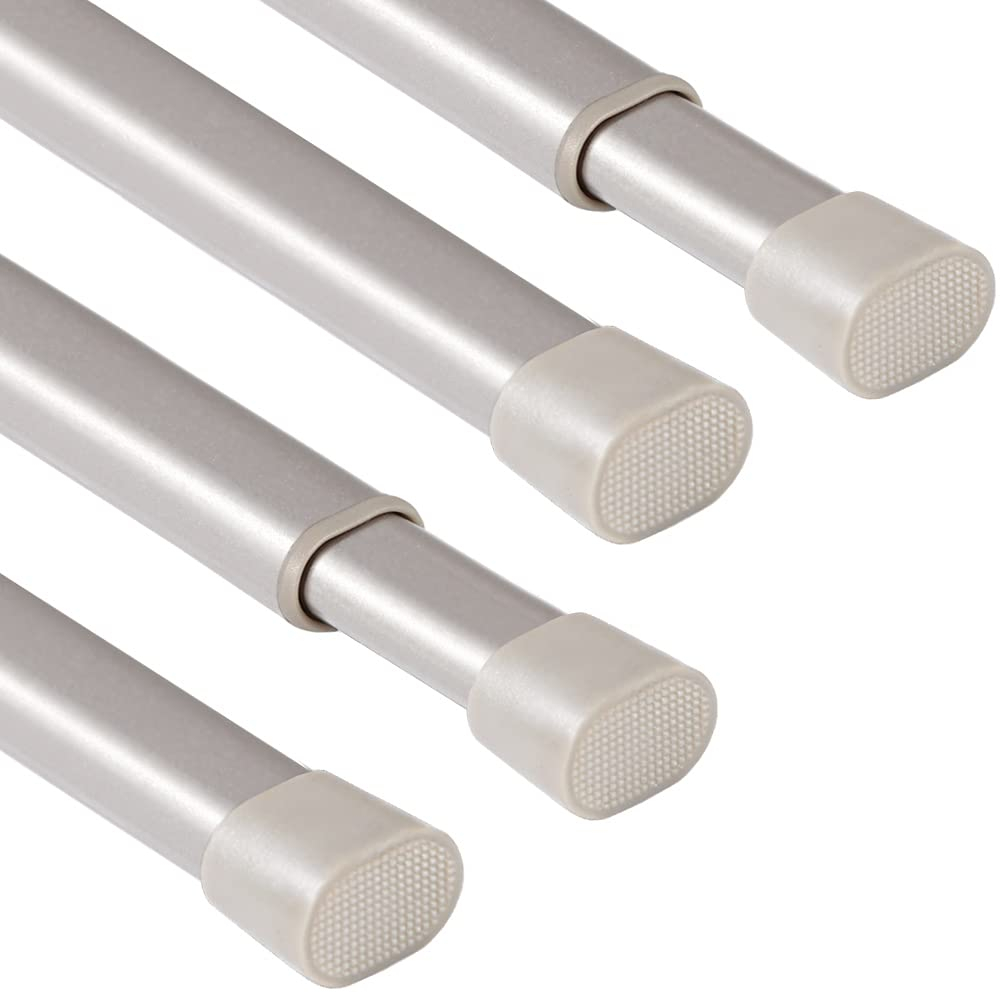
Weight capacity is another practical consideration. If you’re hanging cast-iron skillets, you need a sturdy, mounted steel bar with solid brackets. If it’s just lightweight linen towels or plastic utensils, a tension rod might suffice. But be careful with tension rods in humid areas. They can slip. For a permanent, reliable solution, fixed mounts are better. They feel more substantial. More intentional. There’s a certain satisfaction in knowing your storage isn’t going to crash down while you’re reaching for a spatula. Safety and style should never be mutually exclusive.
Also, consider the diameter of the rod. Thinner rods (around 1/2 inch) look more delicate and modern. They disappear into the background, letting the items they hold take center stage. Thicker rods (1 inch or more) make a bolder statement. They feel more rustic or industrial. For a small space, thinner is usually better. It reduces visual obstruction. You want the eye to travel through the space, not stop at a thick bar. It’s a subtle distinction, but it makes a big difference in how airy the room feels. Choose wisely. Your eyes will thank you.
Strategic Placement: Where to Install for Maximum Impact
Location is everything. You could put a rod anywhere, but where should you put it? Start with the dead zones. The space between the upper cabinets and the ceiling is often wasted. A rod there can hold infrequently used items in baskets, keeping them accessible but out of the way. Or, look at the side of your fridge. If it’s facing an open area, a magnetic rod or a mounted bar can turn that blank metal face into a vertical pantry for spices or oils. It’s unused real estate waiting to be harvested.
Another prime spot is inside cabinet doors. This is a secret weapon for minimalists. Mount a small rod on the inside of a lower cabinet door. Hang measuring cups or cleaning supplies. When the door is closed, it’s invisible. When open, it’s highly functional. This keeps countertops completely clear. House Beautiful has featured numerous examples of this "hidden utility" approach. It’s about maintaining the serene exterior while maximizing the interior efficiency. You get the best of both worlds: a clean look and a clutter-free workflow.
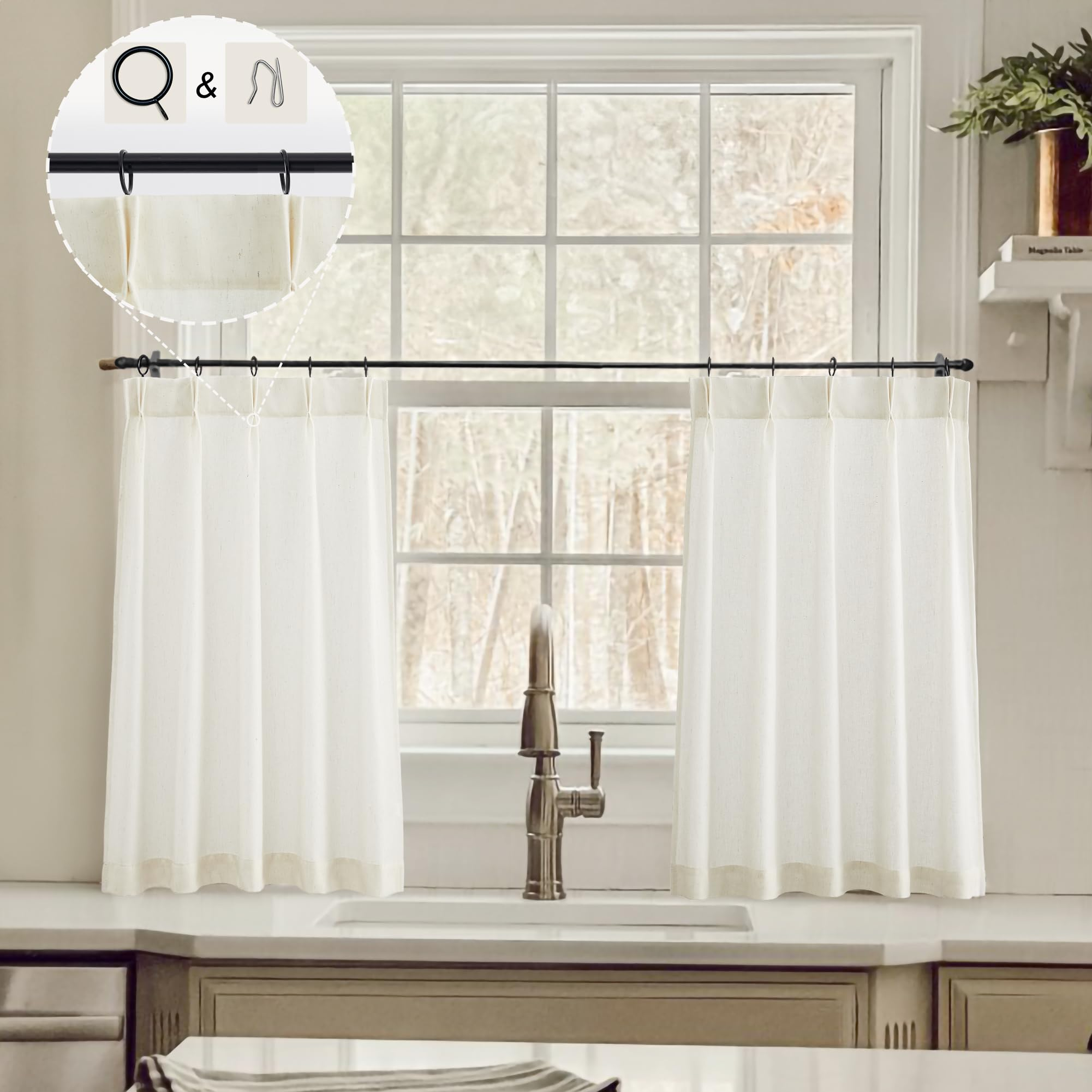
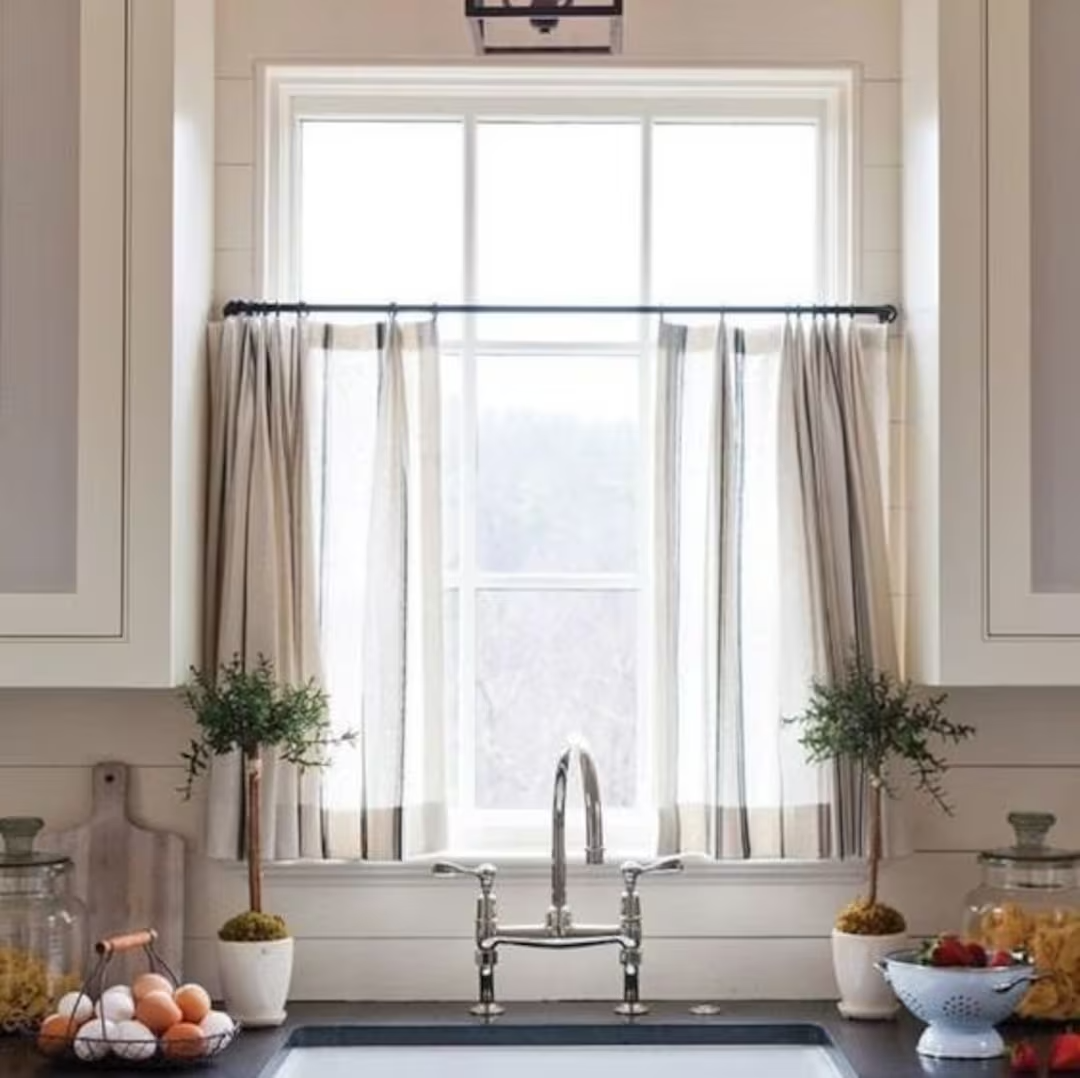
Don’t forget the window frame. Cafe rods are traditional, but why stop at curtains? Use a rod across the lower half of the window to hang small potted herbs. Basil, thyme, mint—they love the light, and you love having them fresh for cooking. It brings life into the kitchen. Literally. The greenery softens the hard lines of the appliances and cabinetry. It adds a splash of color without taking up counter space. Plus, watering them is easy. It’s a win-win that connects you to nature even in the smallest urban apartment.
Styling Tips: Keeping It Curated, Not Cluttered
Here’s the trap: you install a rod, and then you hang everything you own on it. Don’t do that. Minimalism requires editing. Be ruthless. Only hang what you use daily or what brings you joy. If you have twelve mugs but only drink from two, hang those two. Leave the rest in a box. The power of the rod lies in the negative space between the items. If the hooks are touching, it looks messy. Give each item room to breathe. Spacing is key to that high-end, curated look.
Color coordination helps too. If your rod is black, try to keep the items on it neutral or monochromatic. White mugs, wooden spoons, stainless steel tools. If you introduce too many bright colors, it can look chaotic again. Let the rod be the anchor. You can add a pop of color with one specific item, like a bright yellow tea towel, but keep the rest subdued. This creates a focal point. It guides the eye. It’s a basic design principle, but it’s often overlooked in the rush to organize.
Lighting plays a role as well. If you have under-cabinet lighting, make sure it illuminates the rod area. Shadows can make things look dingy. Good light highlights the textures of the wood, metal, and ceramic. It makes the setup look intentional and expensive. Even a cheap rod looks premium under the right light. So, check your angles. Adjust your bulbs. Make sure your hard work is seen. It’s the final polish on a well-executed design.
Minimalist designs show dirt easily. A fingerprint on a matte black rod is visible. A water spot on brass is obvious. This isn’t a bad thing; it’s just reality. Regular wiping is part of the routine. But it’s quick. A microfiber cloth takes seconds. Keep it nearby. Make it a habit. When you wipe down the counter, wipe the rod. It keeps the space feeling fresh and cared for. Neglect leads to grime, and grime kills the vibe.
Check the hardware periodically. Screws can loosen over time, especially if you’re hanging heavy pots. Tighten them up. If you’re using tension rods, check the tension. Humidity changes can affect the grip. A slipping rod is frustrating and dangerous. Replace rubber tips if they wear out. These small maintenance tasks ensure your system stays reliable. It’s about respecting the tools that make your life easier.
Finally, be willing to change it up. Seasons change. Your needs change. Maybe in summer, you want more space for fresh flowers. In winter, you need more room for heavy mugs. Move the hooks. Swap the items. The rod is a flexible framework, not a rigid rule. Adapt it to your life. That’s the beauty of this system. It grows with you. It doesn’t force you into a box. It supports your lifestyle, quietly and elegantly, day after day.
So, as we navigate the compact living trends of 2026, remember that simplicity doesn’t mean emptiness. It means intentionality. A minimalist kitchen rod is more than a piece of hardware. It’s a design choice that says, "I value space. I value calm. I value function." It’s a small investment with a huge return on peace of mind. Whether you’re in a studio apartment or just a cozy corner of a larger home, try it. Hang a rod. Clear the counter. Breathe. You might just find that the quietest elements speak the loudest.
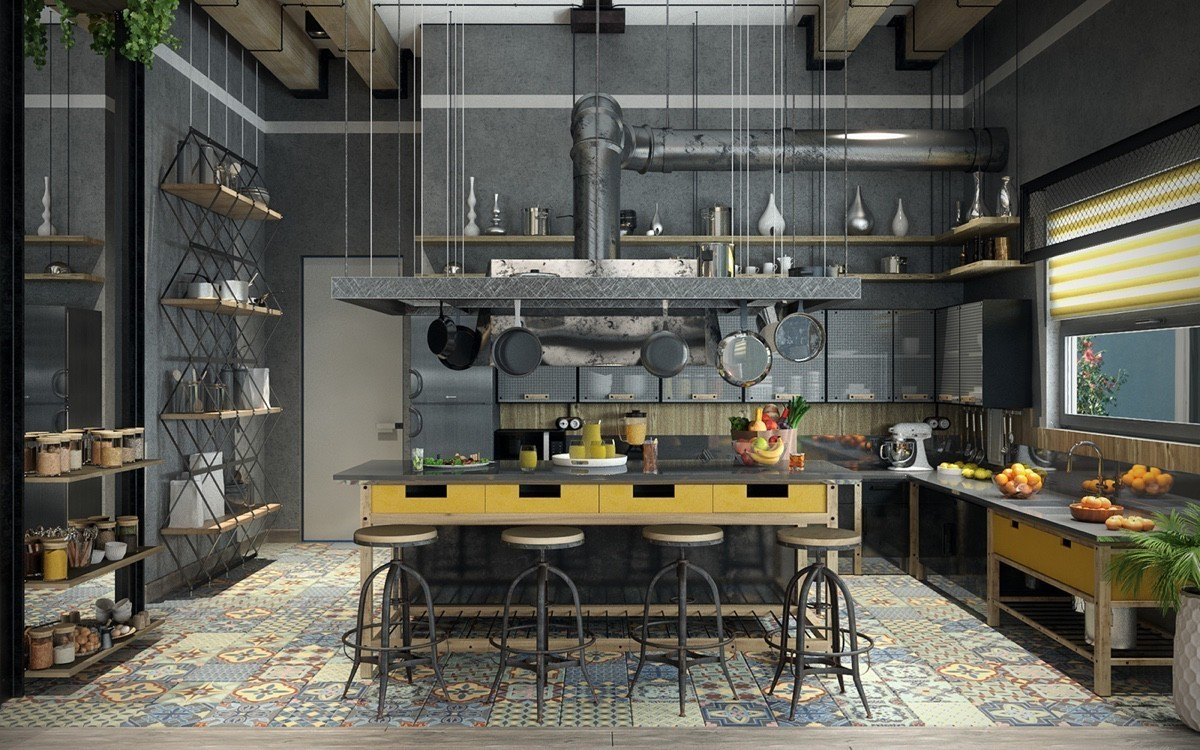
[sps_html tag=”img” src=”https://cdn.northcarolinafinearchitecture.com/2026/05/why-a-commercial-kitchen-design-is-important-nova-pizza-new-town-with-kitchen-rod-design.jpg” alt=”Why A Commercial Kitchen Design Is Important? – Nova Pizza New Town with Kitchen Rod Design” style=”width: 100%; height: auto;”]
[sps_html tag=”img” src=”https://cdn.northcarolinafinearchitecture.com/2026/05/durable-kitchen-cabinet-hardware-with-premium-aluminum-tie-rods-inside-what-professional-designers-look-for-when-selecting-durable-kitchen-rods.jpg” alt=”Durable Kitchen Cabinet Hardware With Premium Aluminum Tie Rods … inside What professional designers look for when selecting durable kitchen rods” style=”width: 100%; height: auto;”]
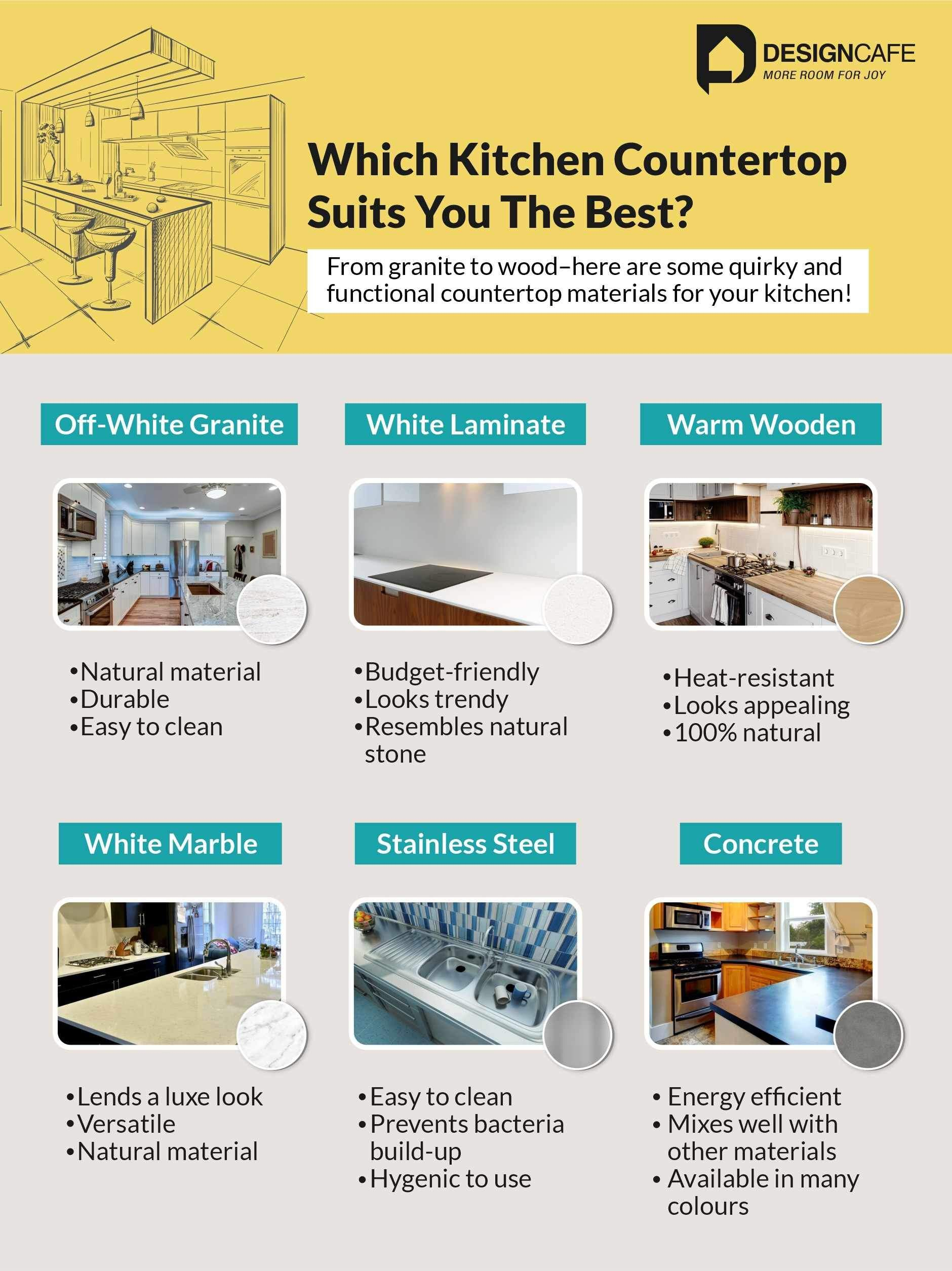
[sps_html tag=”img” src=”https://cdn.northcarolinafinearchitecture.com/2026/05/best-countertop-materials-for-kitchens-durable-stylish-picks-handy-intended-for-what-professional-designers-look-for-when-selecting-durable-kitchen-rods.jpg” alt=”Best Countertop Materials For Kitchens: Durable, Stylish Picks - Handy … intended for What professional designers look for when selecting durable kitchen rods” style=”width: 100%; height: auto;”]
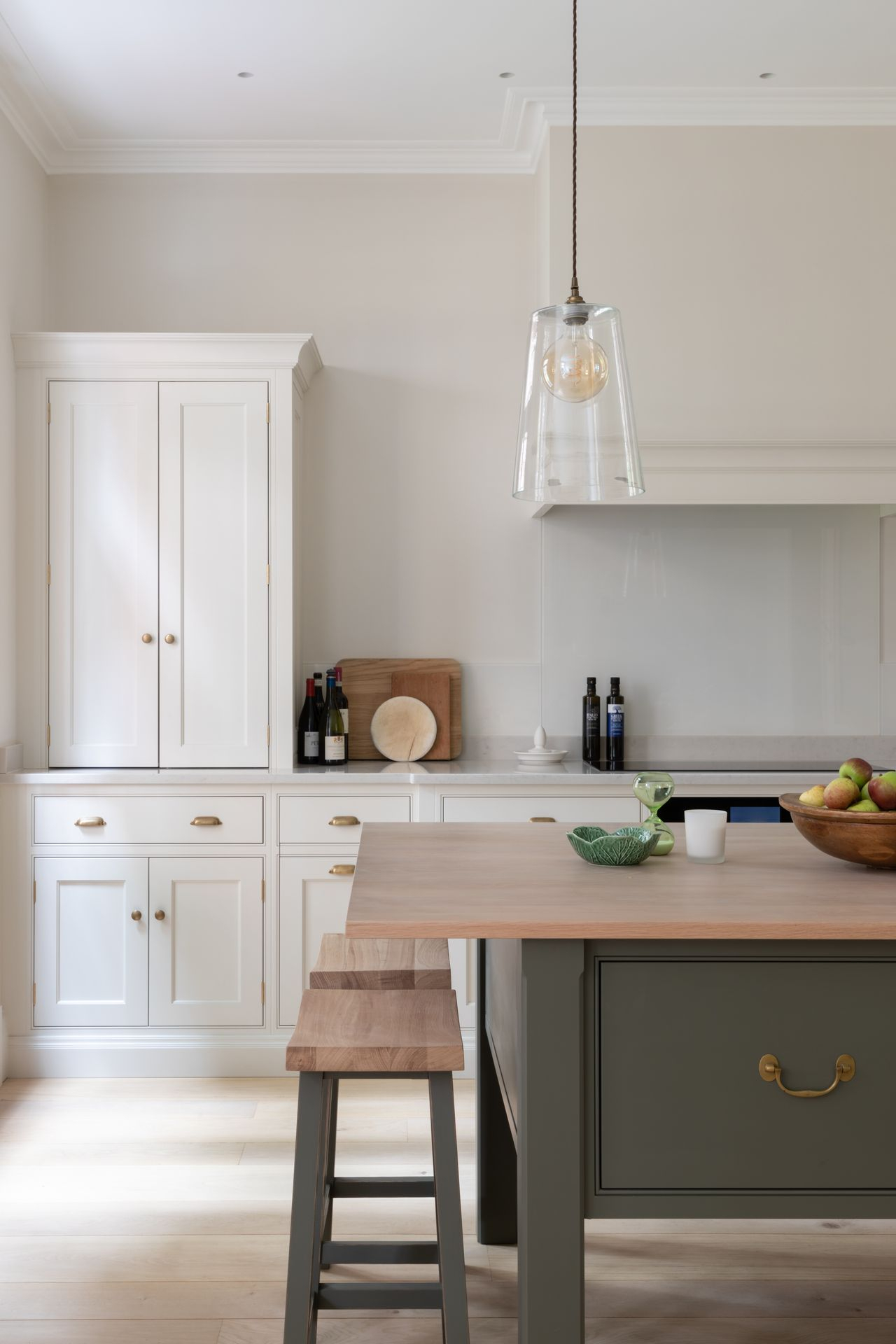
[sps_html tag=”img” src=”https://cdn.northcarolinafinearchitecture.com/2026/05/how-to-create-a-functional-layout-in-your-kitchen-remodel-northern-throughout-kitchen-rod-design.jpg” alt=”How To Create A Functional Layout In Your Kitchen Remodel - Northern … throughout Kitchen Rod Design” style=”width: 100%; height: auto;”]
[sps_html tag=”img” src=”https://cdn.northcarolinafinearchitecture.com/2026/05/h-versailtex-4-pack-spring-tension-curtain-rods-36-60-inch-lightweight-pertaining-to-what-professional-designers-look-for-when-selecting-durable-kitchen-rods.jpg” alt=”H.versailtex 4 Pack Spring Tension Curtain Rods 36-60 Inch Lightweight … pertaining to What professional designers look for when selecting durable kitchen rods” style=”width: 100%; height: auto;”]