Have you ever pulled up to a house and heard that satisfying crunch under your tires? There is something classic about a gravel path leading up to a home. But when you start thinking about putting one in yourself, reality sets in. How much is this actually going to set you back today?
Building a home entry path seems simple enough on the surface. You throw down some rocks and call it a day, right? Not quite. Prices shift, materials vary, and labor isn’t getting any cheaper. Let us look at what you can really expect to spend on a stone drive in 2026.
The Basic Price Tag and Square Footage
When looking at national numbers for 2026, a standard gravel driveway usually runs between one and three dollars per square foot for basic setups. If you want a bit more depth or high-end stones, those figures can climb up to ten dollars per square foot. Most homeowners spend around fifteen hundred dollars total for a standard project.
Of course, your total bill depends heavily on how large your parking area is. A small single-car spot might only cost six hundred dollars. Meanwhile, a long rural lane can easily stretch past several thousand dollars. Planning ahead helps you avoid nasty surprises when the contractor hands over the final bill.
Picking the Right Stone Material
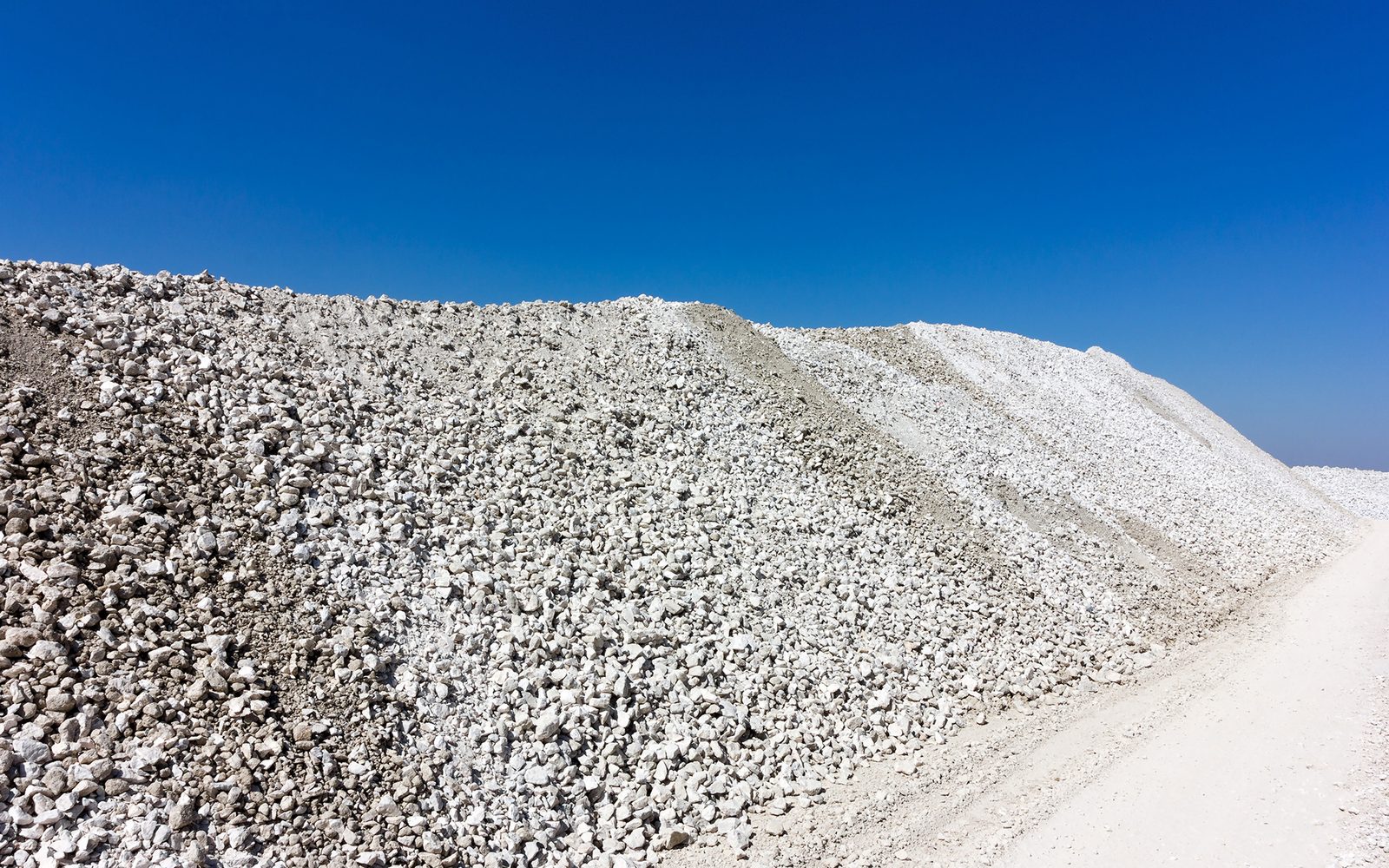
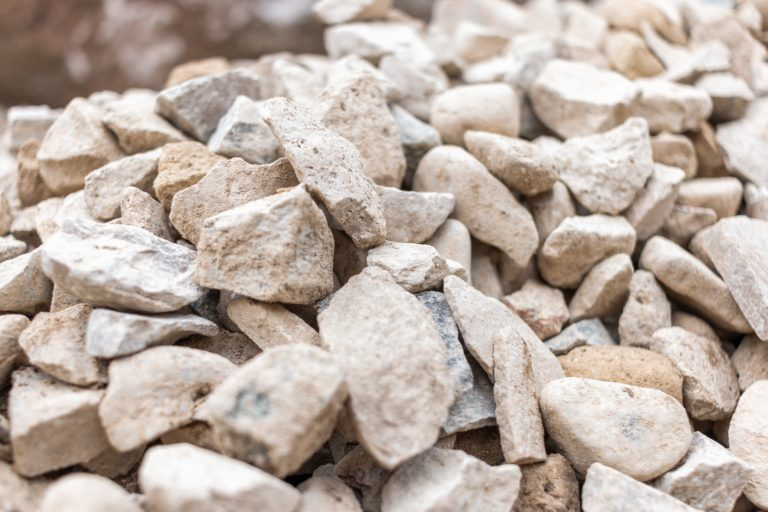
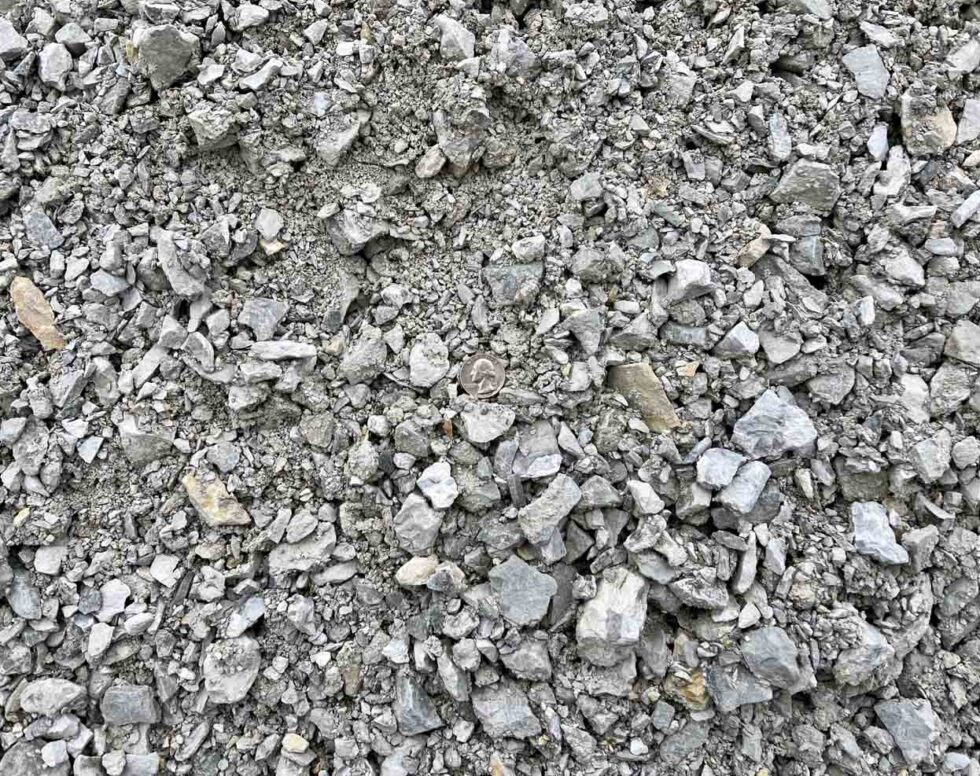
Not all rocks are created equal. The type of stone you choose changes your total budget quite a bit. Crushed limestone and basic crusher run are usually the most budget friendly choices, often costing thirty to fifty dollars per ton. These options lock together nicely to form a stable base.
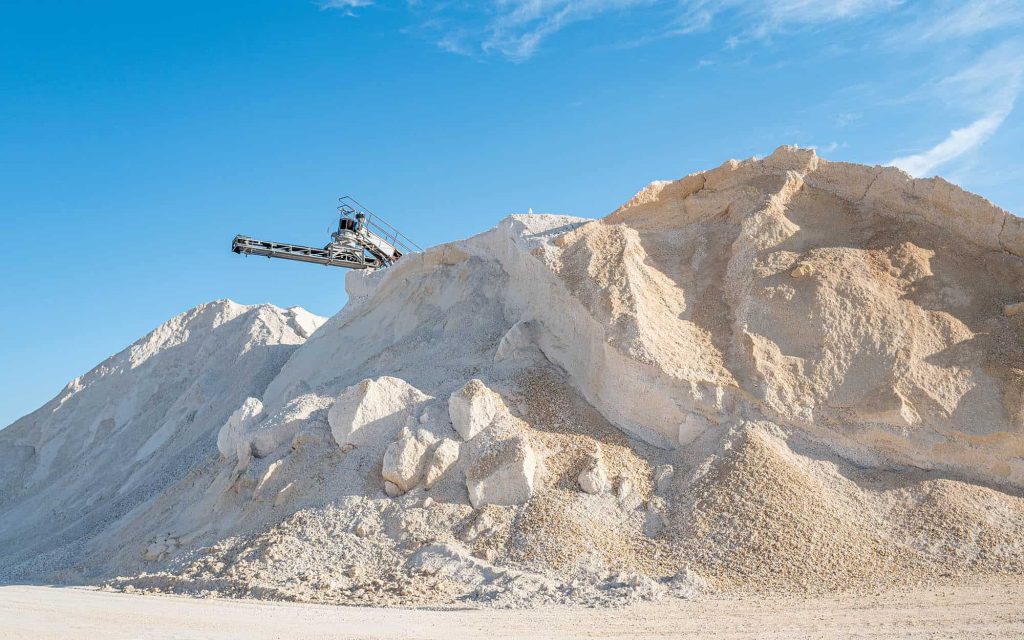
On the flip side, decorative choices like white marble chips or river rocks can cost significantly more per ton. People love how they look, but they tend to shift around easier under heavy tires. Choosing a mix of crushed stone for the bottom layer and nicer rock on top is a smart trick to save cash.
Ground Prep and Excavation Work
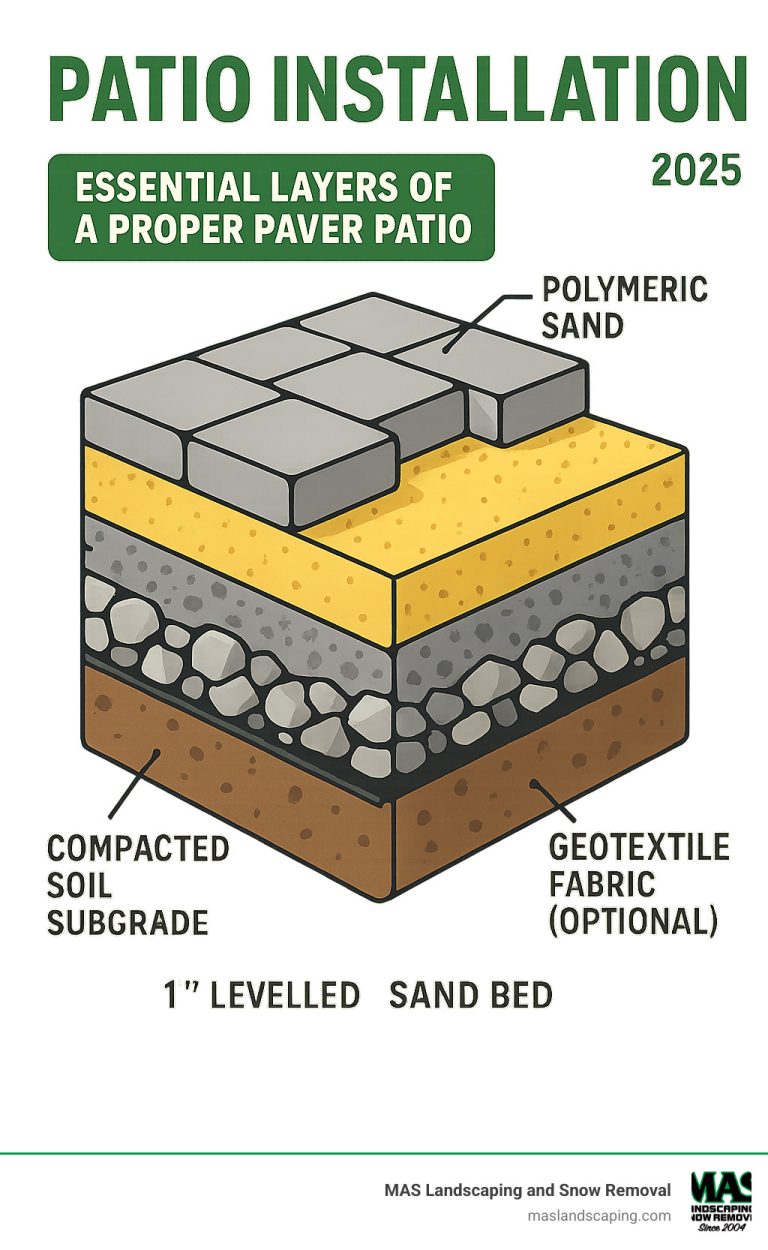
You cannot just dump stone onto grass and expect it to hold up. Proper site prep is crucial. Contractors have to clear away trees, brush, and topsoil before laying anything down. Excavation and grading can add anywhere from a few hundred to a couple thousand dollars depending on your yard layout.
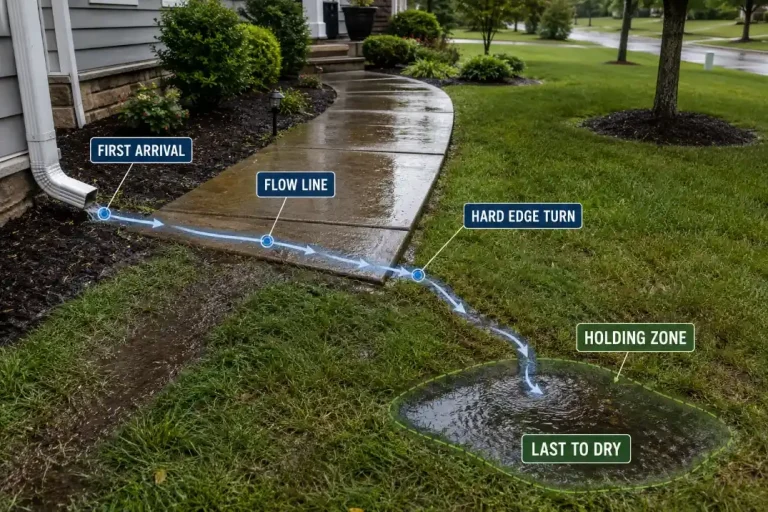
If your property has slopes or holds standing water, you will also need to think about drainage. Putting in culverts or sloping the ground correctly prevents nasty washouts during heavy rainstorms. Skipping this step to save money upfront almost always leads to expensive repairs later on.
Professional Labor Versus Doing It Yourself
Hiring local pros makes life easier, but labor accounts for a huge chunk of the project budget. Crew rates usually run between thirty and one hundred dollars per hour. Professionals bring heavy machinery like skid steers and plate compactors that finish the job in days instead of weeks.
If you want to save on labor, a DIY approach is tempting. You will still need to rent equipment and buy materials like wooden stakes and erosion mats, which adds up fast. Tackling a large property by yourself is tough physical work, so weigh your weekends against the contractor quote carefully.
Understanding Ongoing Maintenance Costs
The initial install is only part of the financial picture. Stone paths need regular upkeep to stay looking neat and functional. You should budget between one hundred and four hundred dollars every year for routine maintenance tasks.
Over time, tires push stones aside and create ruts. You will need to rake the surface flat and bring in fresh loads of aggregate every few years. Dealing with weeds popping up through the rocks also takes time and effort throughout the spring and summer months.
Many buyers wonder how stone stacks up against asphalt or concrete. Traditional paving materials come with a much heftier upfront price tag, often ranging from three to twenty dollars per square foot. They last longer initially, but repairing cracks in concrete can be a massive headache.
Gravel offers a charming, rustic look at a fraction of the initial cost. It also drains water naturally, reducing runoff issues in your yard. While it demands more frequent hands-on attention, many homeowners find the lower initial investment and aesthetic appeal worth the extra upkeep.
Getting a stone path installed in 2026 comes down to balancing your aesthetic goals with your wallet. By understanding material expenses, prep work, and yearly upkeep, you can create a welcoming entrance that fits your budget. Take your time getting multiple quotes and plan carefully for the long haul.