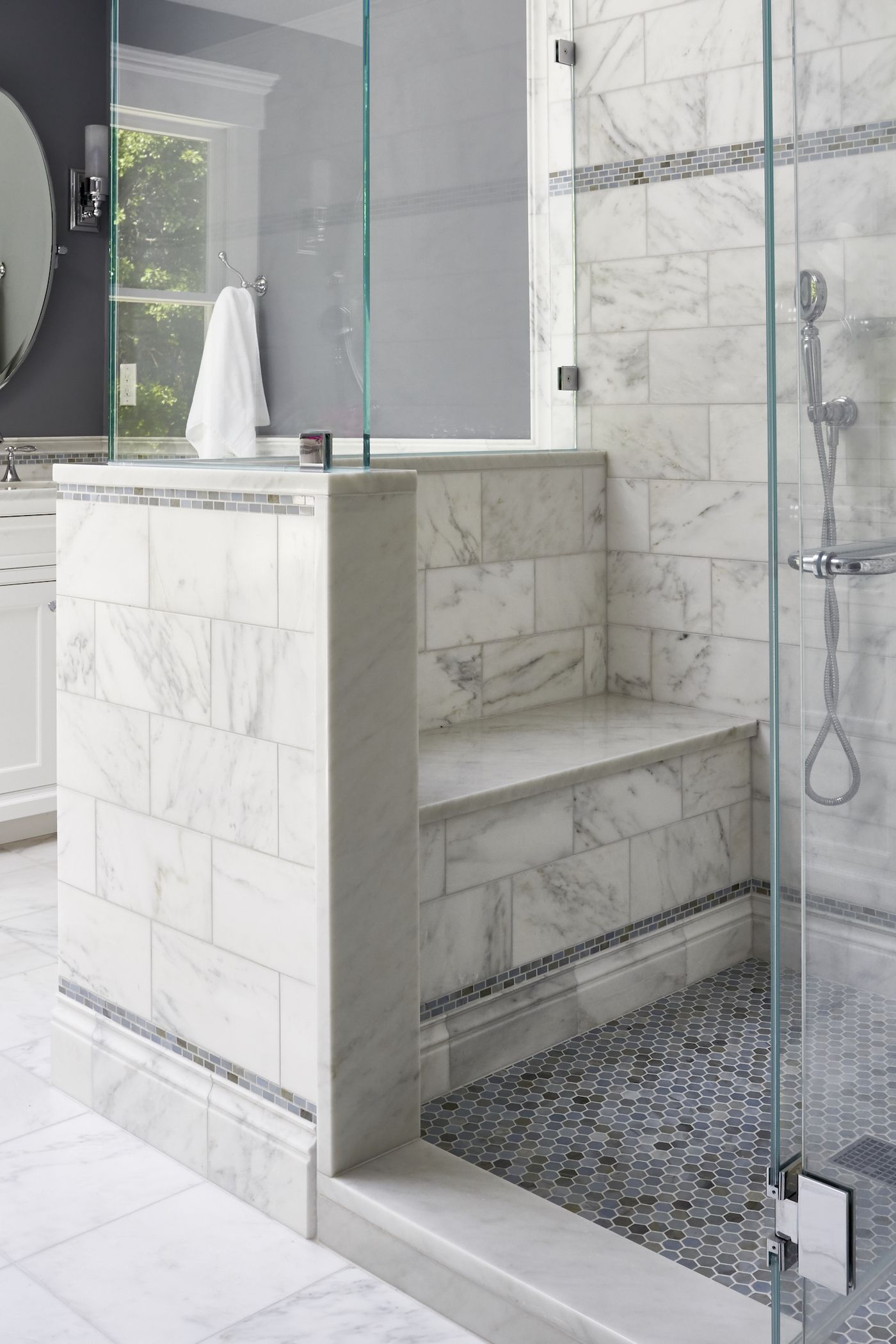
Have you ever sat down on a bench in a steamy shower and wondered why it wasn’t completely soaked through or covered in nasty mold. It is one of those everyday things we totally take for granted. We just expect our bathroom furniture to survive constant blasting from hot water and soap without falling apart.
But behind that simple stool or built-in bench lies a whole world of clever engineering. It is a constant battle against moisture, humidity, and time. Let’s dive into how designers keep these everyday items durable and safe.
The Nightmare of Constant Moisture
Bathrooms are basically torture chambers for furniture. You have got wild temperature swings, high humidity, and direct water contact. Normal wood would warp and crack within weeks, creating perfect little hiding spots for bacteria.
Even metal can rust super fast if it isn’t treated right. That is why engineers can’t just use standard manufacturing tricks for bathroom seating. Every single joint, surface, and screw has to be rethinked to survive the splash zone.
Material Magic: Beyond Regular Wood
So, how do they stop things from rotting. It all starts with choosing the right base ingredients. A lot of modern waterproof seating uses high-density polyethylene (HDPE) or specially treated composite materials.
+-------------------+-----------------------------------+
| Material Type     | Main Benefit                      |
+-------------------+-----------------------------------+
| HDPE Plastic      | 100% waterproof, won't rot        |
| Teak Wood         | Natural oils repel moisture       |
| Aluminum + Powder | Lightweight and resists rust      |
+-------------------+-----------------------------------+
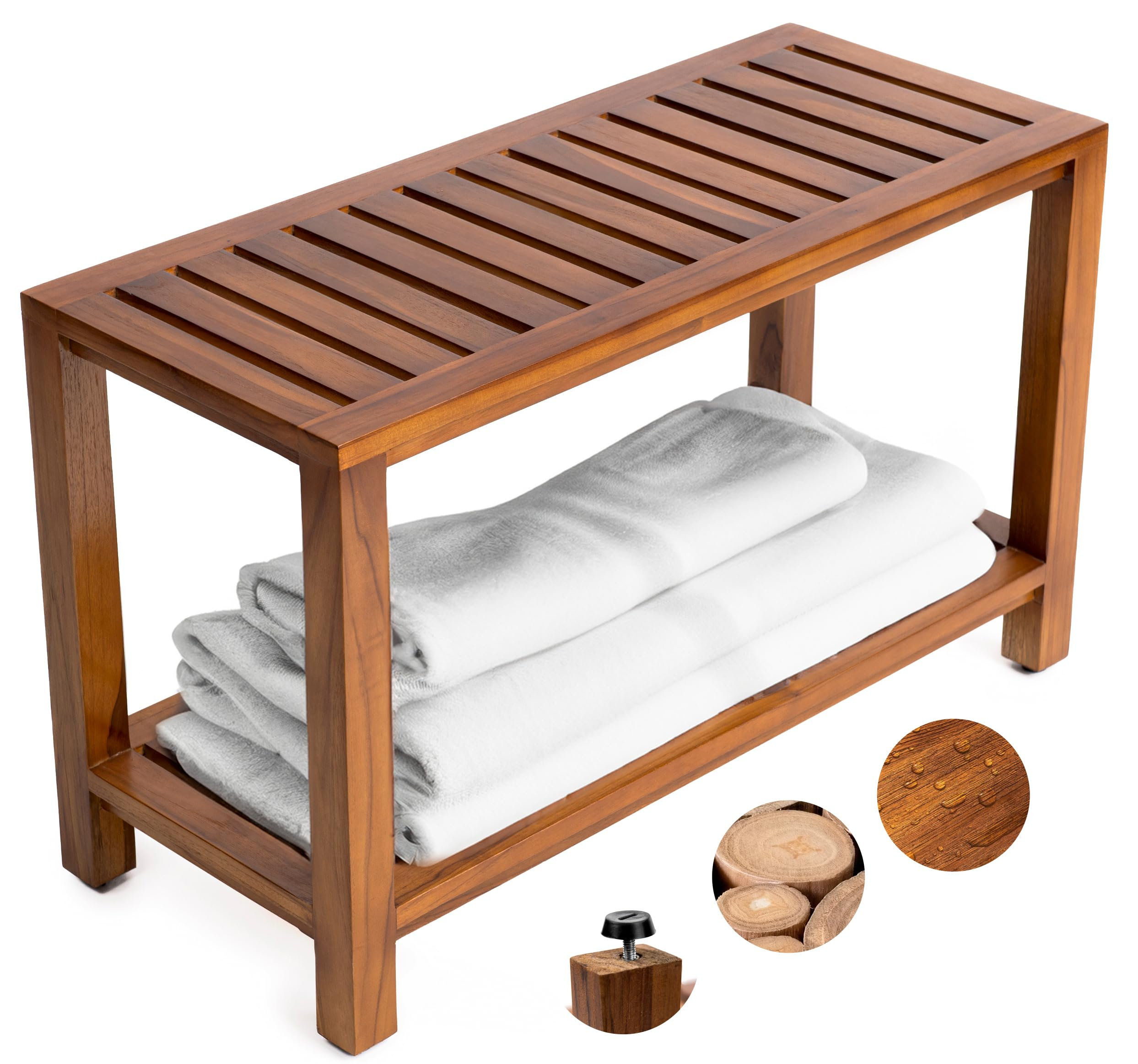
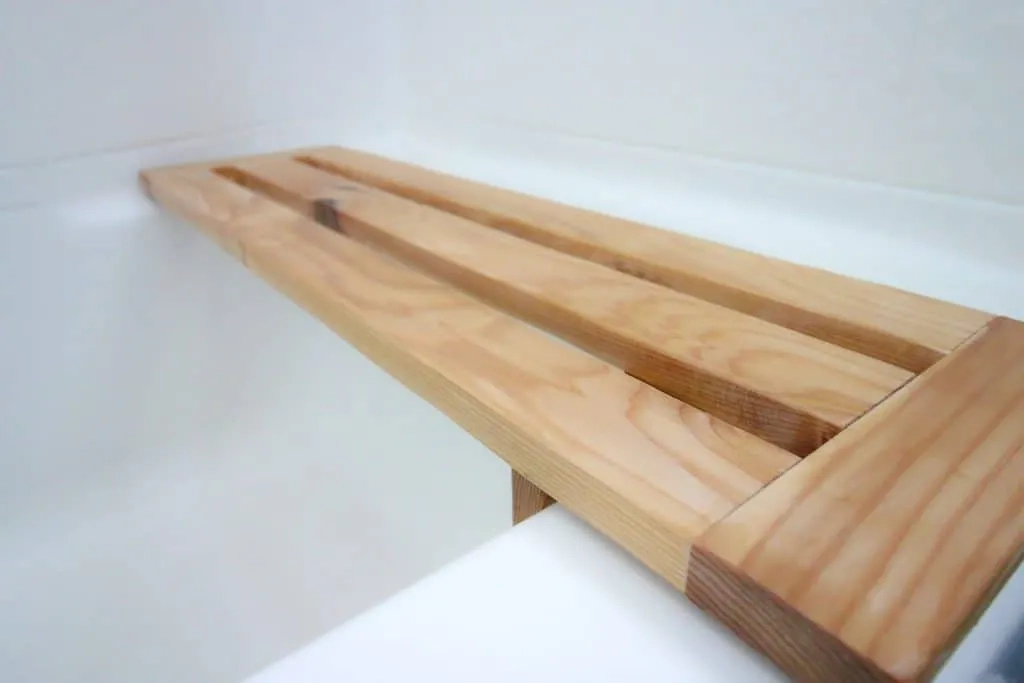
Teak is also a classic choice because it naturally packs a ton of protective oils. But even teak needs precise kiln-drying to lock out water before it ever gets shaped into a bench.
Hidden Channels and Smart Drainage
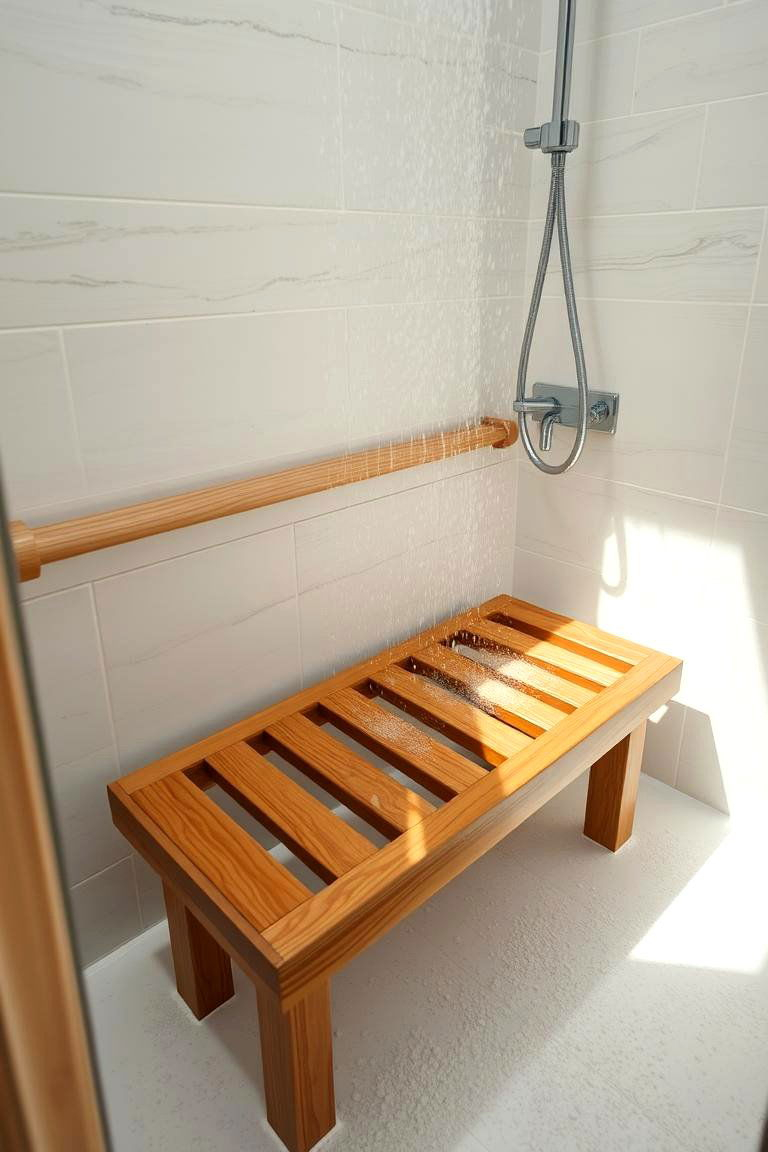
If water sits in one place for too long, trouble starts. That is why you will rarely see a perfectly flat, solid seat in a modern shower. Look closely and you’ll notice subtle slopes or built-in slats.
These aren’t just for decoration; they are carefully calculated drainage paths. Engineers design these micro-grooves to let gravity pull water away instantly. If the water can’t pool, the mold can’t grow. Simple, right.
The Secret World of Invisible Seals
What about the inside where parts actually connect. That is usually where the real engineering happens. Standard glue would dissolve in a hot shower, so builders use marine-grade adhesives instead.
Pro Tip: When picking out a shower bench, look for seamless joins or hidden stainless steel hardware. Exposed regular screws will rust and stain your tile fast.
They also use special rubber gaskets around screw holes to seal them completely. This prevents microscopic drops of water from sneaking into the core of the seat.
Dealing with Soap Scum and Cleaners
Water isn’t the only enemy in the bathroom. Think about all the harsh chemicals in shampoos, body washes, and heavy-duty bleach cleaners. They can eat through cheap finishes in no time at all.
To fight this, manufacturers apply industrial-strength powder coatings or UV-curable finishes. These protective shields stop chemicals from discoloring the surface, keeping the seat looking brand new for years.
Testing to the Absolute Limit
Before a bench ever makes it to your home, it goes through some pretty wild testing. Labs will put these seats in specialized chambers that blast them with hot steam and cold water cycles for weeks on end.
They also use heavy robotic weights to press down on the seats thousands of times while wet. This ensures the structural integrity holds up even when the materials are warm and slick.
Even with all this amazing hidden engineering, a little upkeep goes a long way. Giving your bathroom stool a quick rinse with clean water after a shower helps wash away leftover soap residue.
Every few months, check the feet or rubber grips on the bottom to make sure they aren’t wearing down. Taking care of those tiny details keeps the waterproof seals working exactly like they should.