Ever looked out the window during a storm and worried about your dog? Or maybe you have a barn cat that needs a dry spot when the snow starts falling. It’s a common feeling. We love our pets like family, but sometimes life happens, and they need to spend time outside. Whether it’s for work, play, or just because they prefer the fresh air, having a solid shelter isn’t just nice—it’s essential.
But let’s be real. Buying a pre-made plastic igloo often feels like a rip-off. They crack in winter, bake in summer, and frankly, look kinda sad in the yard. Building one yourself? That’s different. It gives you control. You pick the materials. You ensure it’s safe. And honestly, there’s a special kind of pride in watching your pup curl up in a house you built with your own two hands. In 2026, with material costs fluctuating, DIY is also a smart financial move. Let’s dive into how you can create a sanctuary that’s safe, warm, and built to last.
Planning and Sizing: Getting the Basics Right
Before you buy a single nail, you need a plan. And no, I don’t mean a sketch on a napkin (though that’s a start). You need to think about who this house is for. Size matters more than you’d think. If the space is too big, your pet’s body heat won’t warm it up in winter. Too small, and they can’t turn around comfortably. The golden rule? The shelter should be just large enough for your pet to stand up, turn around, and lie down stretched out. Nothing more.
Measure your pet from nose to tail and from floor to shoulder. Add a few inches for comfort, but keep it cozy. For a medium-sized dog, that’s usually around 30 by 30 inches for the floor space. For cats or smaller breeds, go smaller. Also, consider the climate where you live. If you’re in a rainy area like the Pacific Northwest, you’ll want a sloped roof to shed water. In windy plains, a lower profile might be better to avoid tipping. Take a weekend to scout your yard. Where does the sun hit in the morning? Where does the wind blow hardest in winter? Place the door away from prevailing winds. This simple step can make a huge difference in warmth.
Don’t forget about future growth. If you’re building for a puppy, remember they won’t stay tiny forever. But don’t build for their adult size if they’re still babies, or they’ll freeze. Maybe design it so you can add an interior partition later? That’s a clever trick many folks use. It allows the space to grow with the animal. Also, check local zoning laws. Some neighborhoods have rules about outbuildings, even small ones. A quick call to the city hall can save you a headache later. Better safe than sorry, right?
Choosing Materials That Last and Protect
Now for the fun part: shopping. But wait, not all wood is created equal. You want materials that resist rot, insects, and weather. Cedar and redwood are top choices because they naturally repel bugs and don’t rot easily. They cost a bit more, sure, but they last years longer than pine. If you’re on a budget, pressure-treated pine is okay for the frame and base, but never let your pet chew on it. The chemicals aren’t great for them. For the inner walls, stick to untreated, safe wood. Plywood works, but make sure it’s exterior grade so it doesn’t delaminate when it gets wet.
Insulation is key. In 2026, we’re more aware of energy efficiency, and that applies to pet houses too. You don’t need fancy foam board everywhere, but a layer of rigid foam insulation between the inner and outer walls works wonders. It keeps the heat in during winter and out during summer. Just cover the foam with wood on both sides. Pets will chew exposed foam, and it’s a mess. Another option is straw. Yes, plain old straw. It’s cheap, breathable, and traps heat well. Avoid hay, though—it molds quickly and can cause respiratory issues. Straw stays dry and fluffy.
For the roof, asphalt shingles are a classic choice. They’re cheap, easy to install, and waterproof. Plus, they look like a mini version of your own house, which is kinda cute. Metal roofing is another option if you live in an area with heavy snow. It sheds snow easily and lasts forever. Just make sure to seal all edges with silicone caulk to prevent leaks. And please, avoid using toxic paints or stains inside. If you want to paint the outside for curb appeal, use non-toxic, water-based exterior paint. Your pet’s health comes first. Always.
Building the Foundation and Frame
A house is only as good as its foundation. If you set a wooden box directly on the grass, it will rot within a year. Moisture from the ground is the enemy. So, lift it up. You can use concrete blocks, pavers, or even a simple wooden pallet treated for outdoor use. The goal is to get the floor at least two to three inches off the ground. This allows air to circulate underneath, keeping the bottom dry. It also discourages pests like ants or mice from moving in.
Start by building the floor frame. Use 2×4 lumber for strength. Cut your pieces to size and screw them together to form a rectangle. Add cross-braces in the middle for support. Then, attach your flooring material—exterior-grade plywood or tongue-and-groove boards. Make sure the surface is smooth. No splinters! Once the floor is done, flip it over and attach your legs or supports. If you’re using concrete blocks, just place the house on top later. If you’re building integrated legs, make sure they’re sturdy.
Next, frame the walls. Build them separately on the ground, then lift them into place. This is way easier than trying to hold everything up while hammering. Start with the back wall, then the sides, and finally the front. Use galvanized screws instead of nails. Screws hold tighter and don’t pop out over time as the wood expands and contracts. Leave an opening for the door. Remember, the door should be small. Just big enough for your pet. A large door lets in cold air and makes the house harder to heat. Think of it like a cave entrance—small and secure.
Insulating and Weatherproofing the Structure
With the frame up, it’s time to make it cozy. This is where you add that insulation we talked about. Cut your rigid foam boards to fit snugly between the studs of the walls. No gaps! Gaps let cold air sneak in. Secure the foam with construction adhesive or small staples. Then, cover it with your interior wall paneling. Plywood or thin cedar planks work great. Make sure all seams are tight. You want this thing airtight, but not too airtight—you still need a tiny bit of ventilation to prevent condensation buildup.
The roof needs special attention. It takes the brunt of rain, snow, and sun. Build the roof frame with a slight slope. Even a one-inch drop per foot is enough to shed water. Attach your roof sheathing, then lay down roofing felt or tar paper. This is an extra barrier against leaks. Then, install your shingles or metal sheets. Overhang the roof by a few inches on all sides. This keeps rain from running down the walls and soaking the wood. It also provides a little shade for the entrance in summer.
Seal every crack and crevice. Use exterior-grade silicone caulk around windows, corners, and where the roof meets the walls. Check for any rough edges or protruding screw heads inside. Sand them down. You don’t want your pet getting snagged or injured. Consider adding a flap over the doorway. Heavy vinyl or rubber flaps act like a door, keeping wind and rain out while letting your pet push through easily. It’s a game-changer for warmth. You can buy them online or make one from an old tire mat. Recycling is good, right?
Adding Safety Features and Comfort Touches
Safety isn’t just about structure; it’s about details. Is the house stable? Give it a shake. If it wobbles, reinforce it. In windy areas, you might need to anchor it to the ground with stakes or brackets. You don’t want it blowing over with your pet inside. Also, think about visibility. While you want it cozy, you don’t want it to be a trap. Make sure the entrance is clear of debris. Keep the area around the shelter clean to discourage ticks and fleas.
Comfort is the next layer. What goes inside? Bedding is crucial. In winter, cedar shavings or straw are best. They insulate and wick moisture. Change them regularly to keep them fresh. Avoid blankets or towels unless you can wash them daily. They absorb moisture and freeze, making your pet colder. In summer, skip the bedding or use a cool mat. Elevating the bed slightly off the floor can also help with air circulation.
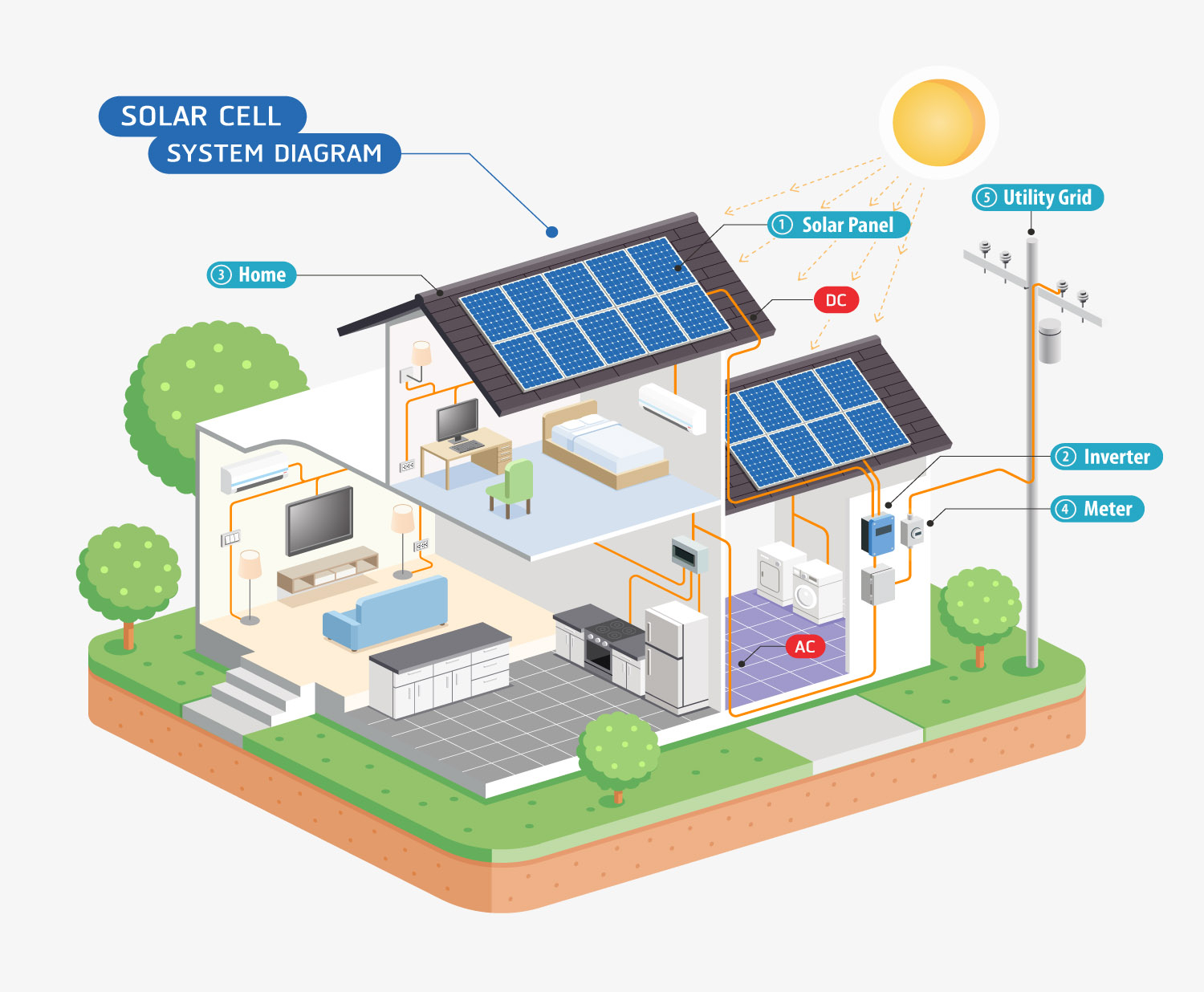
Lighting? Maybe. A small, solar-powered LED light nearby can help you find the shelter at night and deter predators. But keep it outside the house. You don’t want wires inside for your pet to chew. Speaking of predators, if you live in an area with coyotes or larger animals, consider adding a latch to the door that your pet can’t open but keeps intruders out. Or, build the shelter inside a secured run or fenced area. Layered security is always smarter. It gives you peace of mind when you’re asleep.
You’ve built it. Your pet loves it. Done, right? Not quite. Like any home, it needs upkeep. Check it every season. In spring, look for winter damage. Did the roof leak? Are there cracks in the wood? Sand and reseal any exposed wood to prevent rot. Clean out old bedding and scrub the interior with a mild vinegar solution. It disinfects without harsh chemicals. Let it dry completely before adding fresh straw.
Summer brings heat. Is the shelter too hot? If so, add shade. Plant a bush nearby or put up a canopy. You can also remove the door flap to increase airflow. Some people even drill small ventilation holes near the roof peak, covered with mesh to keep bugs out. Cross-ventilation helps keep the air moving. Watch your pet. If they’re panting heavily or avoiding the house, it’s too hot. Adjust accordingly.
Winter prep is vital. Before the first snow, check the insulation. Is it still intact? Add extra straw. Check the door flap—is it stiff or cracked? Replace it if needed. Ensure the entrance isn’t blocked by snow drifts. You might need to shovel a path. And keep an eye on your pet. If it’s extremely cold, below freezing for days, consider bringing them inside. No outdoor shelter is perfect for extreme weather. Knowing when to intervene is part of being a responsible owner. It’s about balance.
Building an outdoor shelter is more than a woodworking project. It’s an act of care. It shows your pet that you’re thinking about their comfort, even when they’re out of sight. By following these steps, you’re not just stacking wood; you’re creating a safe haven. It’s durable, warm, and tailored to your friend’s needs. So grab your tools, take your time, and enjoy the process. The wagging tail you see when it’s finished? That’s the best reward there is.
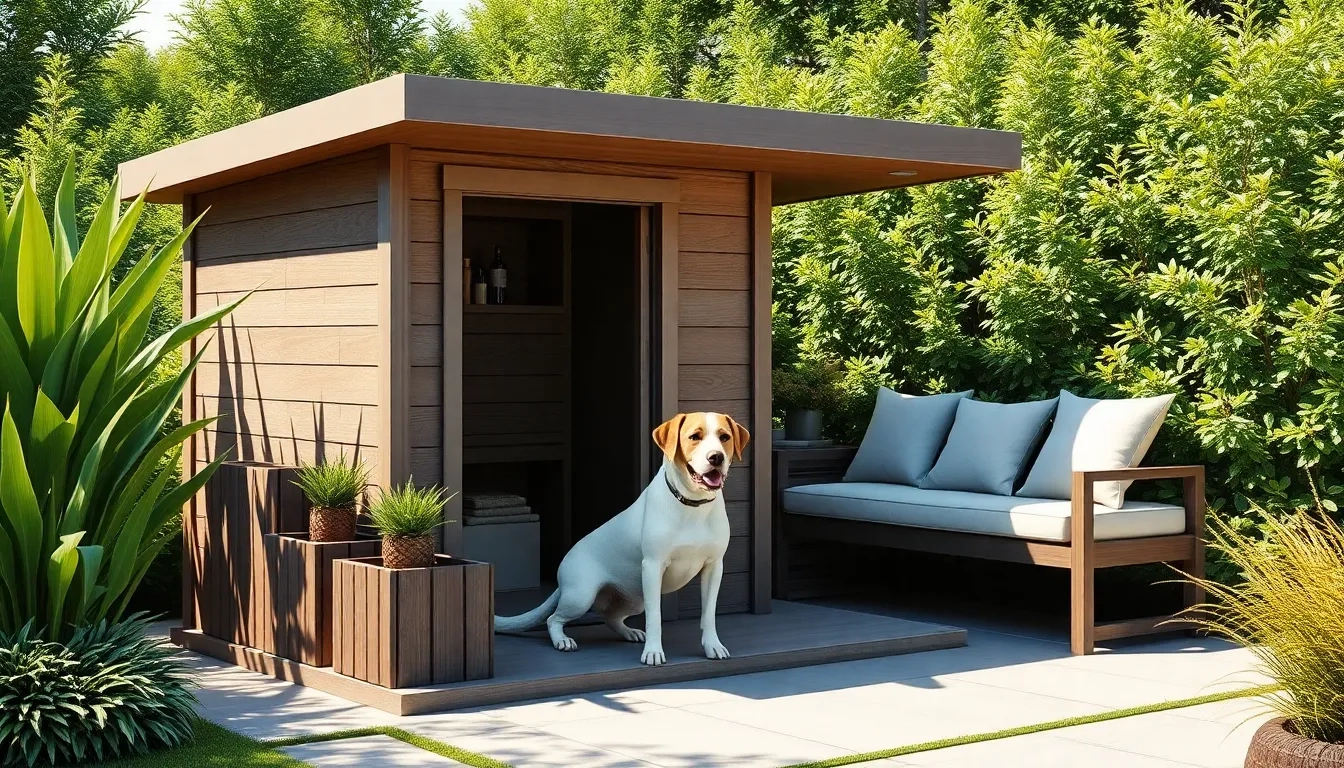
[sps_html tag=”img” src=”https://cdn.northcarolinafinearchitecture.com/2026/06/this-modern-dog-house-is-the-perfect-home-for-pups-with-regard-to-stylish-and-functional-dog-house-trends-pet-owners-are-loving-in-2026.png” alt=”This Modern Dog House Is The Perfect Home For Pups with regard to Stylish and Functional Dog House Trends Pet Owners Are Loving in 2026″ style=”width: 100%; height: auto;”]
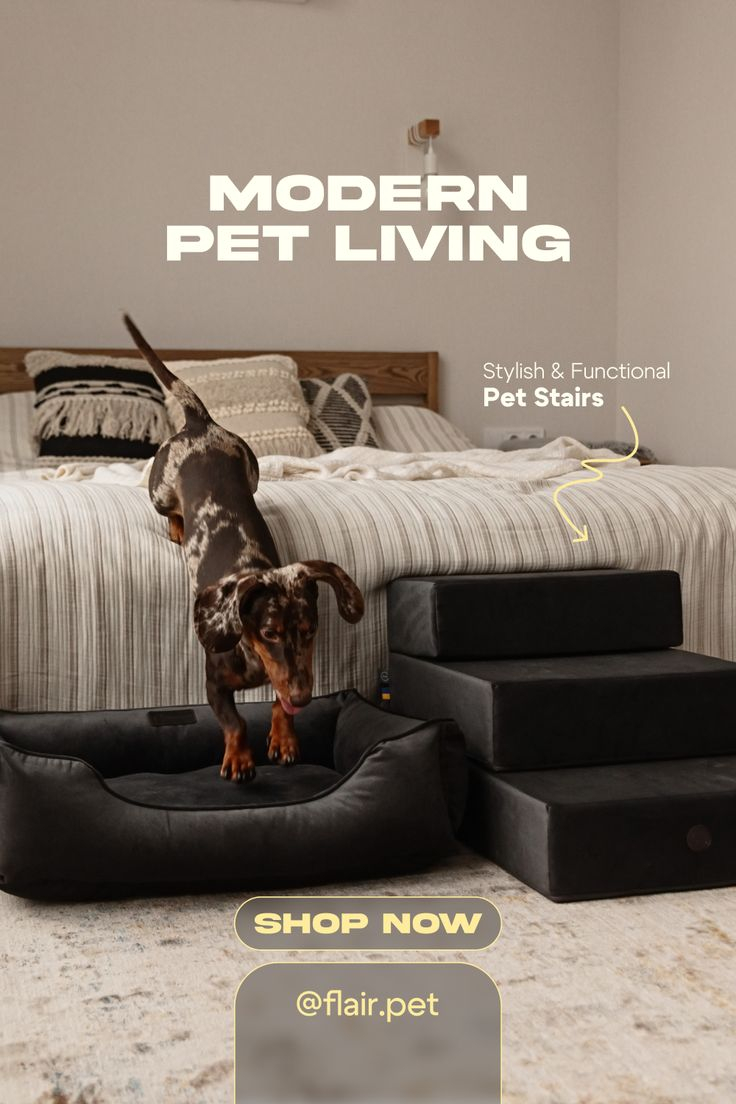
[sps_html tag=”img” src=”https://cdn.northcarolinafinearchitecture.com/2026/06/elegant-dog-stairs-flair-pet-stylish-functional-pet-steps-with-dog-house-design.jpg” alt=”Elegant Dog Stairs | Flair.pet | Stylish & Functional Pet Steps … with Dog House Design” style=”width: 100%; height: auto;”]
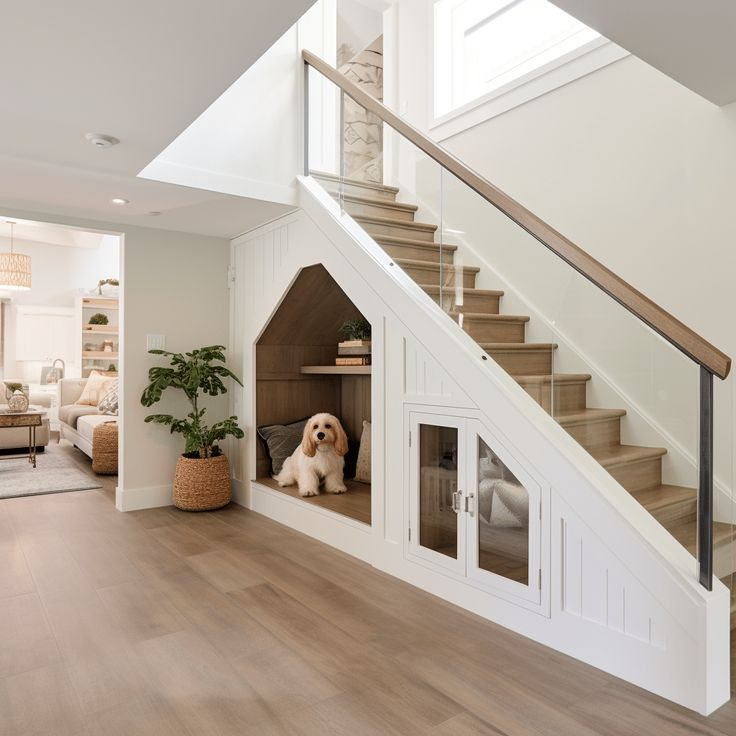
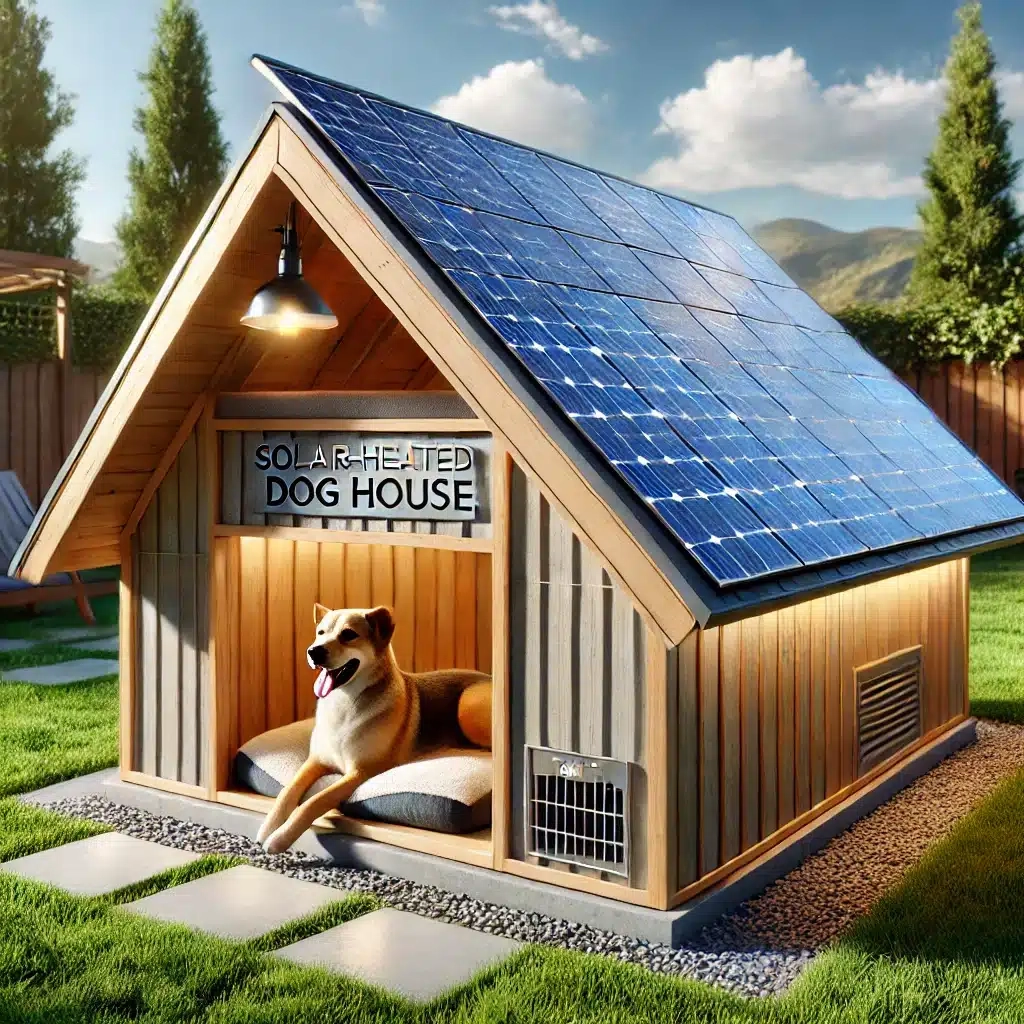
[sps_html tag=”img” src=”https://cdn.northcarolinafinearchitecture.com/2026/06/solar-heated-dog-houses-for-cold-climates-how-to-keep-your-pet-cozy-in-in-dog-house-design.webp” alt=”Solar Heated Dog Houses For Cold Climates: How To Keep Your Pet Cozy In … in Dog House Design” style=”width: 100%; height: auto;”]
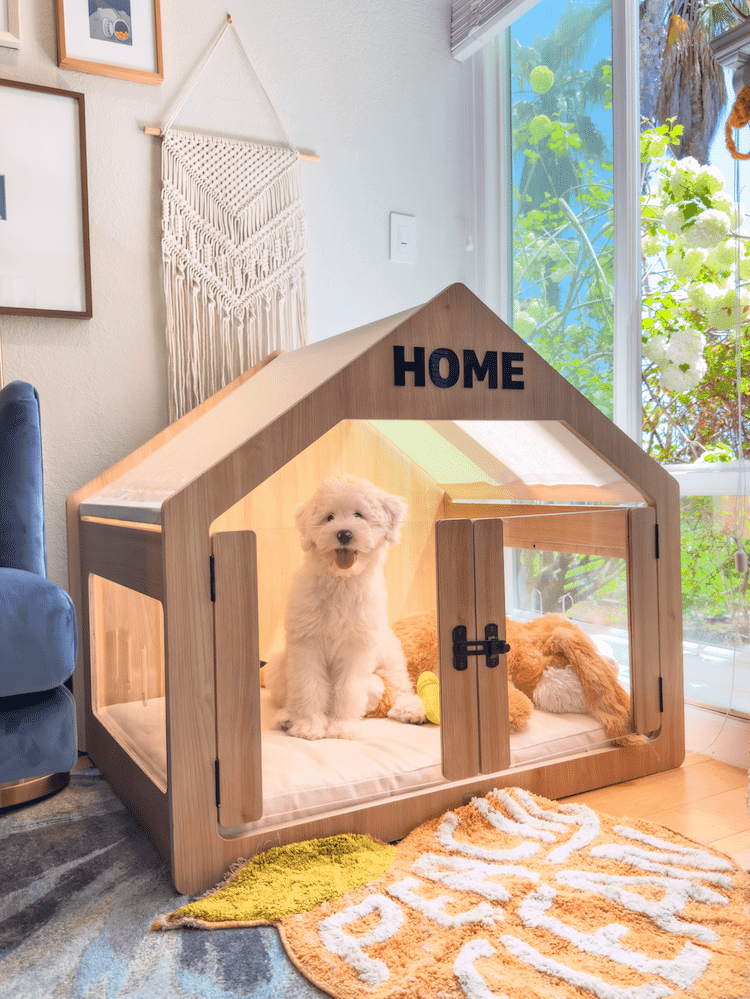
[sps_html tag=”img” src=”https://cdn.northcarolinafinearchitecture.com/2026/06/15-dog-house-design-ideas-for-indoors-and-outdoors-throughout-dog-house-design.jpg” alt=”15+ Dog House Design Ideas For Indoors And Outdoors throughout Dog House Design” style=”width: 100%; height: auto;”]
[sps_html tag=”img” src=”https://cdn.northcarolinafinearchitecture.com/2026/06/25-creative-outdoor-dog-house-ideas-for-every-breed-budget-2025-with-regard-to-stylish-and-functional-dog-house-trends-pet-owners-are-loving-in-2026.webp” alt=”25 Creative Outdoor Dog House Ideas For Every Breed & Budget (2025 … with regard to Stylish and Functional Dog House Trends Pet Owners Are Loving in 2026″ style=”width: 100%; height: auto;”]