You pick one up, and it feels surprisingly light. Maybe even flimsy if you’re used to hefting a two-by-four. It’s just a C-shaped piece of metal, right? A shiny, galvanized strip rolled into a profile that looks like it belongs in a gutter system rather than holding up your living room wall. But here’s the thing. That simple-looking stud is carrying a burden of complexity that would make most DIYers sweat.
We’ve all been there. Standing in a lumber yard or a steel supply depot, looking at the stack of materials, thinking, "How hard can this be?" Wood is organic, predictable in its unpredictability. Steel? Steel seems cold, calculated, easy. But anyone who has tried to frame a house with light gauge steel (LGS) knows the truth. It doesn’t forgive mistakes. It doesn’t warp, sure, but it twists, it conducts heat like a highway, and it sings when the wind blows if you haven’t secured it just so.
In 2026, as we push for faster, greener, and more resilient buildings, these studs are everywhere. From high-rise apartments to suburban retrofits. Yet, the conversation rarely goes deep enough. We talk about speed and sustainability, but we skip the nitty-gritty of why that thin web of steel behaves the way it does. Let’s peel back the drywall and look at what’s really going on inside those walls.
The Physics of Thinness: Strength vs. Stability
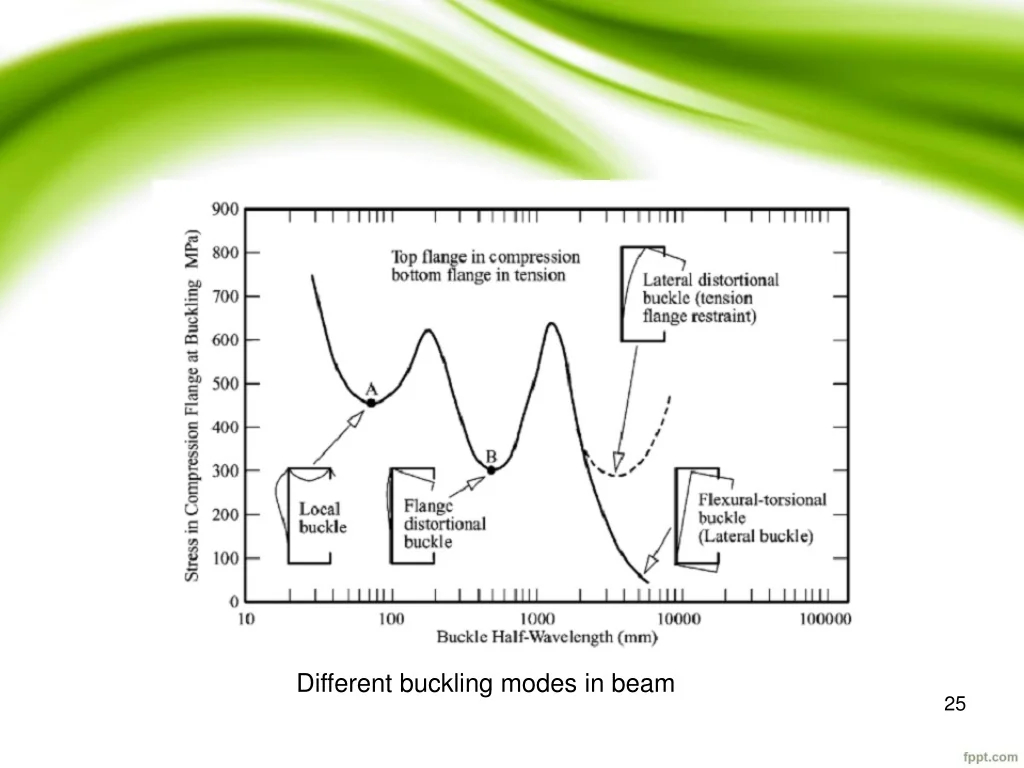
It’s counterintuitive. How can something so thin hold up a roof? The secret isn’t in the thickness; it’s in the shape. When manufacturers roll that high-strength galvanized steel sheet, they aren’t just making a U-shape. They are creating a structural member that relies on geometry to fight gravity. This is cold-formed steel (CFS), and it behaves differently than the hot-rolled beams you see in skyscrapers.
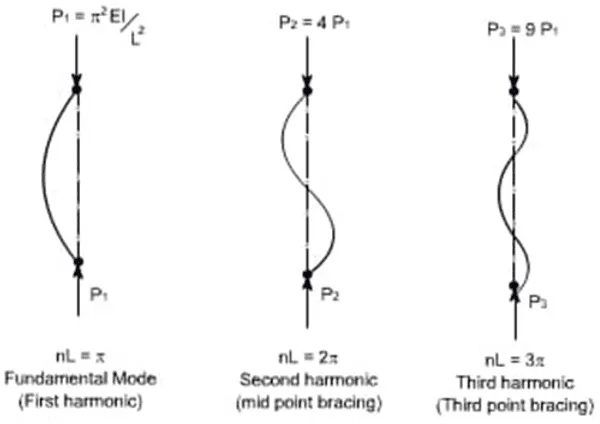
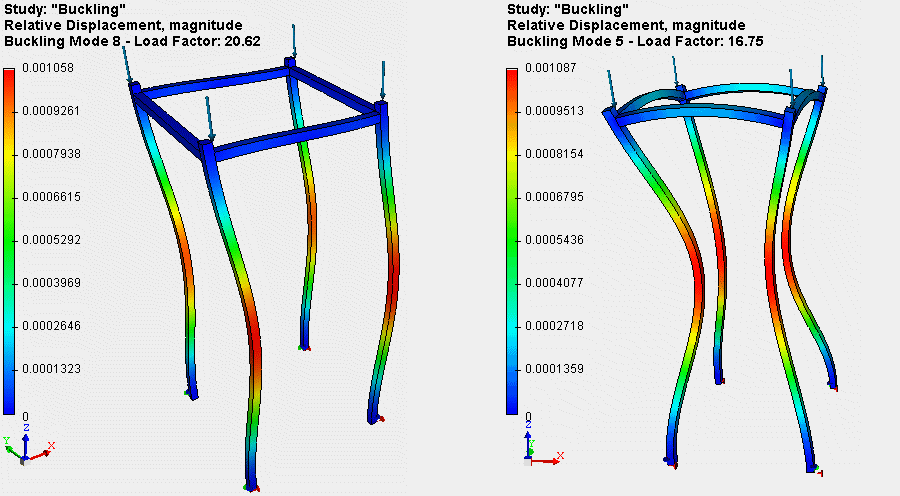
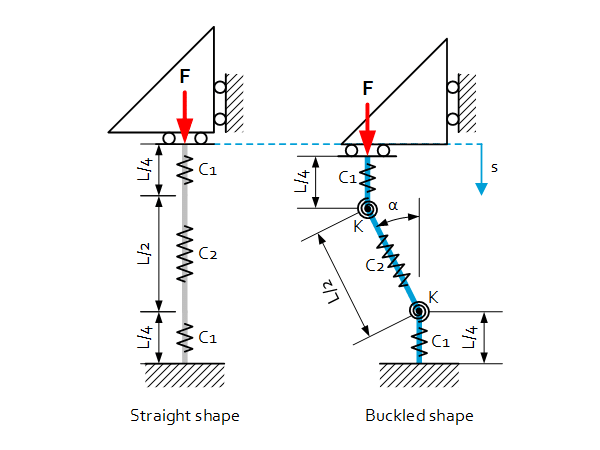
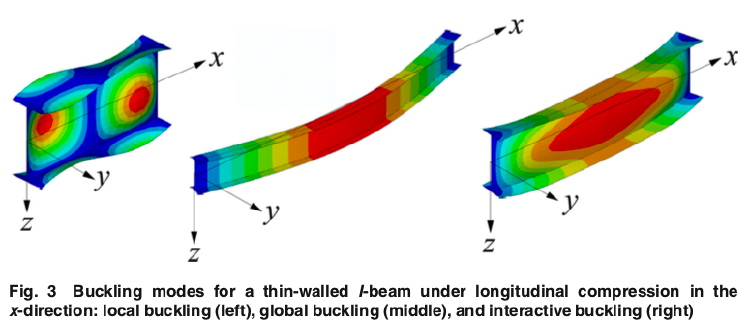
The main enemy here isn’t weight; it’s buckling. Because the steel is thin—often ranging from 33 mils to 97 mils (that’s 0.033 to 0.097 inches)—it’s prone to twisting or crumpling under pressure if not supported correctly. You might see terms like "local buckling" or "distortional buckling" in the engineering specs. Sounds scary, but think of it like this: if you press down on an empty soda can, it holds a lot of weight. But if you dent the side even a little, it collapses instantly. Steel studs are similar. The lips, the webs, and the flanges all work together to keep that "can" from denting.
This is why you can’t just nail them anywhere. The connection points matter immensely. In wood framing, you can be a bit sloppy with nail placement and still get away with it. With steel, every screw location is a potential stress concentrator. If you miss the mark, you weaken the entire section. The industry standards, like AISI S100, aren’t just bureaucratic red tape; they are the result of decades of watching how these thin shapes fail. Understanding this balance between strength and stability is the first step to respecting the material.
Thermal Bridging: The Invisible Energy Leak
Here’s a problem that keeps building scientists up at night. Steel is an excellent conductor of heat. Like, really excellent. About 300 to 400 times better than wood. This creates what we call a "thermal bridge." Imagine your wall stud is a highway for heat. In the winter, the warmth inside your house travels straight out through the steel stud to the cold exterior. In the summer, the heat outside zips right in.
If you just insulate between the studs with standard fiberglass batts, you’re leaving those steel highways wide open. The R-value of your wall drops significantly because the steel bypasses the insulation. It’s like wearing a warm coat but leaving a zipper open from neck to waist. In 2026, energy codes are tighter than ever. You can’t get away with this anymore. Builders have to get creative.
So, what’s the fix? It’s not just adding more insulation. It’s about breaking the bridge. Techniques like continuous exterior insulation (ci) are becoming standard. This wraps the entire building in a thermal blanket, covering the studs so they can’t touch the cold outside air directly. Another method is using slotted studs or thermally broken clips that physically separate the interior drywall from the exterior sheathing. It adds cost, yes. But it stops the condensation too. And nobody wants mold growing inside their walls because warm, moist air hit a cold steel stud.
The Symphony of Sound: Acoustics in Steel Frames
Walk into a room framed with steel, and clap your hands. Hear that slight ring? That’s the metal talking. Steel is stiff and lightweight, which makes it fantastic for structure but tricky for sound. Unlike wood, which absorbs some vibration due to its cellular structure, steel transmits it. This is why acoustic performance is such a big deal in multi-family housing and offices using LGS.
It’s not just about blocking noise from the neighbors; it’s about stopping the structure itself from becoming a drum. If you attach drywall directly to the studs with screws, you’re creating a direct path for sound vibrations to travel from one side of the wall to the other. This is called flanking noise. You could have the thickest insulation in the world, but if the screws are rigid, the sound will find a way.
The solution lies in decoupling. Think of it as shock absorbers for sound. Resilient channels or isolation clips are used to hang the drywall so it doesn’t touch the steel stud directly. This breaks the vibration path. In recent years, we’ve also seen advancements in damping compounds—viscoelastic layers applied to the steel itself to soak up energy. It’s a delicate dance. Get it wrong, and you’ll hear every footstep from the apartment above. Get it right, and the wall feels solid, quiet, and dead to the ear.
Corrosion and Coatings: The Long Game
Steel rusts. It’s a fact of life. But in modern construction, we don’t let it happen easily. The galvanized coating you see on those studs isn’t just for shine; it’s a sacrificial layer. Zinc protects the underlying steel by corroding first. But here’s the catch: not all coatings are created equal. The amount of zinc matters.
In dry, interior environments, a standard G60 coating might be fine. But step outside, or into a bathroom, or a coastal zone, and you need more protection. G90 or even higher grades are required. In 2026, with climate change bringing more extreme weather and humidity fluctuations, the demand for higher corrosion resistance has spiked. Builders are seeing failures where cheaper, lightly coated studs were used in marginally damp conditions. Five years later, the screws are rusted, and the structural integrity is compromised.
And it’s not just the studs. It’s the connections. Screws, tracks, and clips must match the corrosion resistance of the studs. If you use a high-grade stud with a low-grade screw, the screw will rust out, and the wall will fail. It’s a system. You can’t mix and match without understanding the chemistry. There’s also the issue of dissimilar metals. If steel touches copper or certain types of treated wood, galvanic corrosion can occur. It’s like a battery forming in your wall, eating away the metal. Proper detailing and separation are key.
Precision and Tolerance: The Digital Shift
Wood is forgiving. You can shim it, plane it, or force it into place. Steel? Not so much. Light gauge steel is manufactured with tight tolerances. We’re talking fractions of a millimeter. This precision is a double-edged sword. On one hand, it means walls are straighter and truer than wood ever could be. No bowing, no twisting, no shrinking after installation. Your drywall goes on smooth.
On the other hand, it means your foundation and your layout have to be perfect. If your floor slab is off by half an inch, those steel studs won’t fit. You can’t just hammer them into place. This has driven a massive shift toward digital fabrication and Building Information Modeling (BIM). In 2026, it’s rare to see steel studs cut on-site with snips. Instead, designs are sent directly to roll-forming machines that cut, punch, and label every piece with surgical accuracy.
This integration with BIM allows for prefabrication. Entire wall panels are built in factories, wired, insulated, and shipped to the site. It’s faster and reduces waste. But it requires a different mindset from contractors. You can’t eyeball it. You have to trust the data. For old-school builders, this transition has been tough. It requires a level of coordination between architects, engineers, and framers that wasn’t necessary with wood. But once you get it right, the efficiency is unmatched.
Installation Nuances: The Human Factor
Even with perfect designs and precise manufacturing, the human element remains critical. Installing steel studs feels different. The tools are different. You’re not swinging hammers; you’re driving self-tapping screws with impact drivers. The sound is different—a high-pitched whine instead of a thud. And the technique matters.
Over-driving screws is a common mistake. If you sink the screw head too deep, you dimple the steel, weakening the connection. Under-driving leaves the head sticking out, preventing the drywall from sitting flat. It’s a Goldilocks scenario. Plus, steel edges are sharp. Really sharp. Gloves aren’t optional; they’re survival gear. Cut fingers are the rite of passage for new steel framers.
Another nuance is bracing. Because steel is flexible, walls need temporary bracing during construction to keep them plumb until the sheathing is applied. Without it, a gust of wind can knock a row of studs over like dominoes. And let’s not forget the electrical and plumbing runs. You can’t just drill holes anywhere. The holes must be pre-punched or carefully drilled to avoid compromising the structural web. Knockouts are standard, but field modifications require care. It’s a craft that blends carpentry with metalworking skills.
So, are light gauge steel studs better than wood? It’s not about better. It’s about fit. Steel offers consistency, durability, and resilience that wood struggles to match. It doesn’t rot, it doesn’t burn, and it doesn’t shrink. But it demands respect. It demands precision. It demands an understanding of physics, thermodynamics, and acoustics.
As we move further into 2026, the construction industry is leaning harder into steel. The waste reduction alone is compelling. You can recycle nearly 100% of steel scrap. Wood ends up in landfills; steel goes back into the furnace. But to reap these benefits, we have to stop treating steel studs like simple replacements for wood. They are engineered components with specific behaviors and requirements.
Next time you see a stack of those shiny C-channels, don’t just see metal. See the geometry fighting buckling. See the thermal breaks protecting your energy bill. See the acoustic clips keeping your peace. It’s a hidden complexity, sure. But it’s also a testament to how far we’ve come in building smarter, stronger, and more sustainable homes. It’s not just a stud. It’s a system. And once you understand it, you’ll never look at a wall the same way again.
[sps_html tag=”img” src=”https://cdn.northcarolinafinearchitecture.com/2026/05/three-buckling-modes-of-an-axially-compressed-thin-walled-i-beam-inside-mastering-the-three-buckling-modes-that-define-light-gauge-steel-performance.jpg” alt=”Three Buckling Modes Of An Axially Compressed Thin-Walled I-Beam inside Mastering the Three Buckling Modes That Define Light Gauge Steel Performance” style=”width: 100%; height: auto;”]
[sps_html tag=”img” src=”https://cdn.northcarolinafinearchitecture.com/2026/05/buckling-fundamentals-jpe-intended-for-mastering-the-three-buckling-modes-that-define-light-gauge-steel-performance.png” alt=”Buckling Fundamentals - Jpe intended for Mastering the Three Buckling Modes That Define Light Gauge Steel Performance” style=”width: 100%; height: auto;”]
[sps_html tag=”img” src=”https://cdn.northcarolinafinearchitecture.com/2026/05/buckling-analysis-for-mastering-the-three-buckling-modes-that-define-light-gauge-steel-performance.png” alt=”Buckling Analysis for Mastering the Three Buckling Modes That Define Light Gauge Steel Performance” style=”width: 100%; height: auto;”]
[sps_html tag=”img” src=”https://cdn.northcarolinafinearchitecture.com/2026/05/what-is-buckling-how-do-we-calculate-it-and-why-is-it-so-throughout-mastering-the-three-buckling-modes-that-define-light-gauge-steel-performance.png” alt=”What Is Buckling? - How Do We Calculate It? - And Why Is It So … throughout Mastering the Three Buckling Modes That Define Light Gauge Steel Performance” style=”width: 100%; height: auto;”]
[sps_html tag=”img” src=”https://cdn.northcarolinafinearchitecture.com/2026/05/ppt-performance-based-design-of-cold-formed-steel-frames-powerpoint-with-regard-to-light-gauge-steel-design.jpg” alt=”Ppt - Performance Based Design Of Cold-Formed Steel Frames Powerpoint … with regard to Light Gauge Steel Design” style=”width: 100%; height: auto;”]