The morning light hits the plywood floors of Elena Vance’s three-hundred-square-foot converted transit van, waking her not to the buzz of an alarm clock synced to a mortgage payment, but to the rustle of pine trees outside a state park in Oregon. Three years ago, Elena was drowning in a twenty-five-hundred-square-foot suburban split-level. Her life was a revolving door of weekend home repairs, three-hour weekly cleaning sessions, and a crushing monthly overhead that tethered her to a desk job she loathed. Today, her fixed living expenses hover around four hundred dollars a month. She does not own a lawnmower, a guest room mattress she hasn’t slept on in a year, or a basement full of forgotten plastic bins. She owns her time.
Elena’s transformation is hardly an isolated eccentric rebellion. Across North America and Europe, a profound cultural recalibration is underway. The traditional housing paradigm—the sprawling suburban estate packed to the gills with mass-produced furniture and consumer goods—is losing its grip on the collective imagination. Driven by persistent inflation, shifting work-from-home realities, and a collective burnout born of hyper-consumerism, a surging demographic of professionals, retirees, and young families are deliberately downsizing. They are discovering a counter-intuitive truth: shrinking the footprint of your physical habitation exponentially expands the acreage of your life.
This movement away from square footage is not merely about aesthetic minimalism or saving a few bucks on utility bills. It is a calculated structural realignment. People are waking up to the realization that physical space is a silent tax. Every extra square foot demands heating, cooling, property taxes, insurance, maintenance, and, most insidiously, the labor hours required to pay for it all. When you strip away the excess, you stop working to maintain your belongings and start working to fuel your actual existence.
The Economics of Less: Why Downsizing is the Ultimate Financial Hedge
The financial mechanics driving the shift toward smaller living spaces are rooted in hard math and shifting generational priorities. For decades, the cultural script dictated that success was measured by linear expansion: move from the apartment to the starter home, and eventually upgrade to the sprawling suburban manse. Yet, the economic climate of the mid-2020s has fundamentally broken that equation. High interest rates, soaring property insurance premiums, and relentless inflation have turned traditional homeownership into a financial anchor rather than a reliable wealth-building vehicle for the average earner.
When a household eliminates excess square footage, the balance sheet transforms almost overnight. Consider the compound effect of shedding a five-hundred-square-foot empty-nest premium. Dropping that unused space translates directly to thousands of dollars in annual property tax savings, slashed HVAC expenditures, and zero spending on decorative filler items designed to occupy void corners. More importantly, it alters debt-to-income ratios so drastically that individuals can abruptly opt out of the corporate treadmill.
This financial breathing room buys something far more valuable than equity in drywall and siding: optionality. When your monthly nut is cut in half, the terror of a sudden layoff evaporates. You no longer need to tolerate a toxic work environment or commute two hours a day just to service a lifestyle built around accumulating rooms you rarely enter. Downsizing acts as a sovereign wealth fund for your daily peace of mind, replacing the illusory security of a massive house with the concrete security of low overhead.
The Architecture of Intentionality: How Physical Constraints Breed Creativity
Living in a compact footprint forces an immediate and radical confrontation with how we consume objects. In a four-thousand-square-foot home, clutter hides easily in spare bedrooms, crawl spaces, and deep closets, allowing bad buying habits to compound out of sight. A three-hundred-square-foot studio, tiny home, or accessory dwelling unit (ADU) offers no such hiding places. Every single item you bring across the threshold must justify its existence through daily utility, profound sentimental value, or multi-functional brilliance.
This spatial discipline fosters an unexpected psychological liberation. Psychologists have long documented the cognitive load of physical clutter; visual noise signals to the brain that work remains unfinished. By reducing the number of possessions in your immediate environment, cognitive bandwidth is freed up for creative pursuits, deep relationships, and personal reflection. You stop spending your weekends browsing home goods stores for items to fill arbitrary gaps in your decor, and start channeling that energy into experiences, skills, and community engagement.
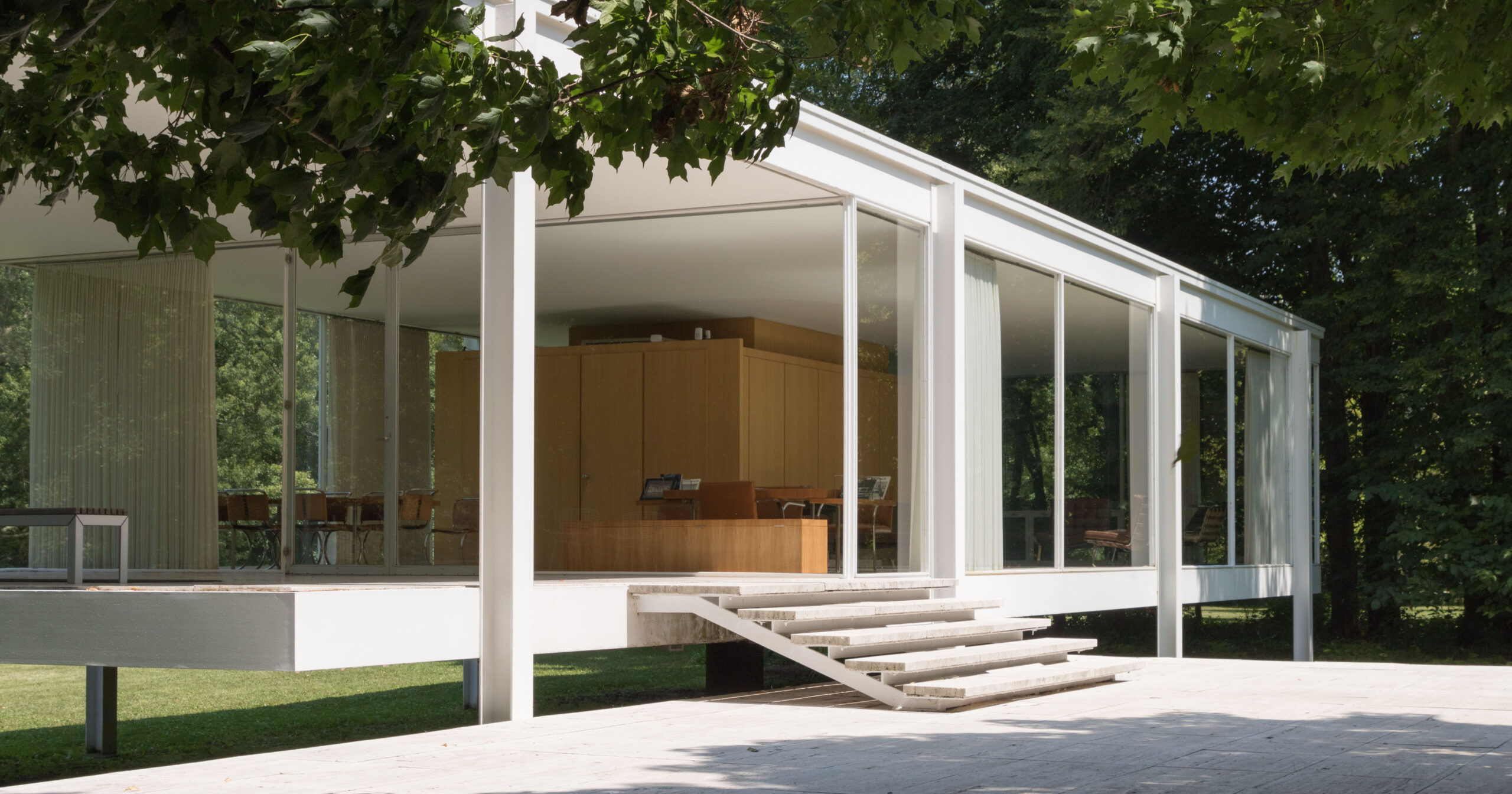
Moreover, modern compact architecture has evolved far beyond the cramped, poorly ventilated trailers of the past. Advances in modular engineering, custom millwork, and transformable furniture have turned small spaces into marvels of ergonomic efficiency. Think of beds that fold flush into walls to reveal full-scale home offices, staircases with built-in pull-out pantries, and smart climate control systems that keep tiny footprints comfortable without energy waste. The physical constraint of square footage becomes a design puzzle rather than a deprivation, rewarding ingenuity with a living space that feels curated, intimate, and deeply personal.
Designing and Executing Your Downsize: A Methodological Blueprint
Transitioning from a large footprint to a compact, freedom-oriented lifestyle requires a systematic deconstruction of your belongings, habits, and spatial expectations. It cannot be done on a whim over a single weekend; it demands a structured, phased approach that addresses both the physical logistics and the emotional attachments tied to your current possessions.
- Step 1 (The Room-by-Room Audit): Catalog every single physical item you own over a four-week period, sorting them into three rigid categories: daily essentials, seasonal utilities, and dormant items that have not been touched in the past six months.
- Step 2 (The Ruthless Purge): Sell, donate, or responsibly recycle everything in the dormant category. Do not rent a storage unit; paying monthly storage fees to house items you do not use is the financial antithesis of freedom.
- Step 3 (Spatial Program Analysis): Evaluate your actual daily routines rather than your idealized fantasies. If you cook elaborate meals twice a year, you do not need a commercial-grade six-burner stove; if you work remotely, prioritize an ergonomic desk setup over a formal dining room table.
- Step 4 (Infrastructure Right-Sizing): Audit your utilities, subscription services, and vehicle requirements to align with your new physical scale. A smaller home often eliminates the need for multiple cars, lawn care services, and extensive home maintenance contracts.
- Step 5 (The Pilot Phase): Before making a permanent real estate transaction, rent a compact space or spend a month living out of your downsized baseline to test your spatial tolerance and refine your daily workflows.
Navigating the Hidden Roadblocks of Compact Living
While the romanticized images of tiny homes and minimalist apartments look effortless on social media, the reality of trading square footage for freedom comes with distinct operational hurdles. Ignoring these challenges can lead to burnout and a hasty retreat back to oversized consumerism.
- Pitfall 1 (Underestimating Spatial Friction): Living in close quarters with a partner or family creates rapid interpersonal friction if personal boundaries blur. Workaround: Designate micro-zones for solitude and establish clear communication protocols for sharing multi-functional areas.
- Pitfall 2 (Zoning and Regulatory Nightmares): Local municipal codes, minimum square footage laws, and antiquated HOA bylaws often outlaw tiny homes or ADUs. Workaround: Thoroughly research local zoning ordinances, partner with specialized real estate agents, or look into moveable structures that bypass permanent foundation restrictions.
- Pitfall 3 (The Storage Trap): Succumbing to the temptation of off-site storage units to hold items you couldn’t fit defeats the financial and psychological purpose of downsizing. Workaround: Adopt a strict one-in, one-out rule for all possessions, treating your new space as a hard capacity ceiling.
- Pitfall 4 (Loss of Entertaining Capacity): Downsizing often strains traditional social routines centered around hosting large dinner parties or holiday gatherings. Workaround: Shift your social life outward by utilizing public parks, local cafes, and community spaces, or embrace alfresco hosting.
- Pitfall 5 (Resilience Deficit in Extreme Weather): Compact homes, particularly mobile or conversion units, can be acutely sensitive to thermal swings and high winds. Workaround: Invest heavily in high-performance insulation, marine-grade vapor barriers, and robust climate control redundancies.
The Macro Shift: How Micro-Living is Reshaping Communities and Economies
The movement away from oversized housing is rippling outward, fundamentally altering urban planning, municipal zoning, and the broader consumer economy. Cities are slowly being forced to adapt to a population that prioritizes walkability, public green spaces, and shared community infrastructure over private square footage. Municipalities that embrace micro-housing, co-living spaces, and modular infill developments are seeing revitalized downtowns and more economically diverse populations.
At the same time, this shift represents a direct vote of no confidence in the endless cycle of domestic hyper-consumption. When people stop buying houses that require rooms full of furniture, the home goods, decor, and appliance industries must adapt to a customer base that values durability, multi-functionality, and modularity over disposable trend-chasing. The economic footprint shrinks alongside the physical one, redirecting billions of dollars away from corporate retail giants and back into local experiences, travel, education, and early retirement funds.
This macro-trend also signals a profound ecological awakening. The building sector is one of the single largest contributors to global carbon emissions, driven heavily by the extraction of raw materials for massive residential construction and the energy required to heat and cool underutilized square footage. By opting for compact, highly efficient living spaces, individuals are dramatically shrinking their carbon footprint without sacrificing their quality of life. Sustainability stops being an abstract moral obligation and becomes a natural byproduct of living within your actual physical means.
Practical Frameworks for Sustaining a Minimalist, Freedom-Driven Life
Embracing a smaller footprint is not a one-time event; it is an ongoing practice of intentional curation. To ensure that freedom remains the central pillar of your lifestyle over the long term, you must establish behavioral guardrails that prevent creep—the insidious tendency for possessions and expenses to gradually expand back to their original size.
First, institute a mandatory cooling-off period for any physical purchase exceeding a modest dollar threshold. When every square inch of your home is accounted for, bringing a new object inside requires a deliberate spatial sacrifice. Ask yourself: What item am I willing to throw away or donate to make room for this new acquisition? If nothing qualifies, the purchase does not cross the threshold.
Second, decouple your self-worth from the physical scale of your living quarters. Society has spent generations programming us to view square footage as a scorecard of adult achievement. Cultivate an internal metric of success defined by your free time, your savings rate, your health, and the richness of your daily experiences. When a visitor walks into your compact home and remarks on its size, view it not as a deficit to be defended, but as a deliberate choice of liberty over liability.
Finally, invest your newfound financial surplus aggressively into assets that generate time rather than things. Channel the capital saved on mortgage interest, property taxes, and utility bloat into investments, skill acquisitions, or freedom funds that allow you to work less or pursue meaningful projects on your own terms. The ultimate return on investment for downsizing is never the real estate value; it is the reclamation of your calendar.
The modern obsession with expansive square footage was an experiment in abundance that ultimately tipped over into confinement. We built larger and larger cages, filled them with objects we had to work overtime to afford, and called it the American Dream. Yet, as we navigate through 2026, the cultural narrative is experiencing a profound correction. People are realizing that true wealth is not measured by the number of rooms under your roof, but by the number of uncommitted hours in your day.
Trading square footage for freedom is an act of reclamation. It requires courage to step off the default escalator of societal expectations, and it demands creativity to design a life that fits comfortably within a smaller physical boundary. But for those who make the leap, the reward is immediate and enduring: a life unburdened by excessive overhead, uncluttered by mindless consumption, and wide open to the possibilities of the world beyond your front door. The future belongs not to those who accumulate the most space, but to those who reclaim the freedom to actually live in it.