Fluorescent ballast hums used to be the background noise of modern productivity, accompanied by the cold, bluish glare of 4100K T8 tubes that flickered just beneath the threshold of conscious annoyance. For decades, interior spaces were built on a simple premise: light meant lumens, and lumens meant wattage. If you could see the paper on your desk or the projector screen at the front of the auditorium, the lighting system had done its job. We optimized buildings for energy efficiency on paper, yet inadvertently created enclosed ecosystems where human biology was treated as an afterthought.
Modern architecture solved the thermal puzzle of the 20th century by wrapping schools and office towers in high-performance glass. These advanced window coatings successfully blocked UV rays and managed solar heat gain, reducing HVAC loads significantly. However, they also inadvertently scrubbed out crucial bands of the natural light spectrum—most notably the infrared and near-infrared wavelengths that biological systems evolved alongside. Classrooms and corporate headquarters became hermetically sealed lighting environments where occupants spent forty hours a week under restricted spectra that mitochondria and circadian pacemakers simply were not designed to process.
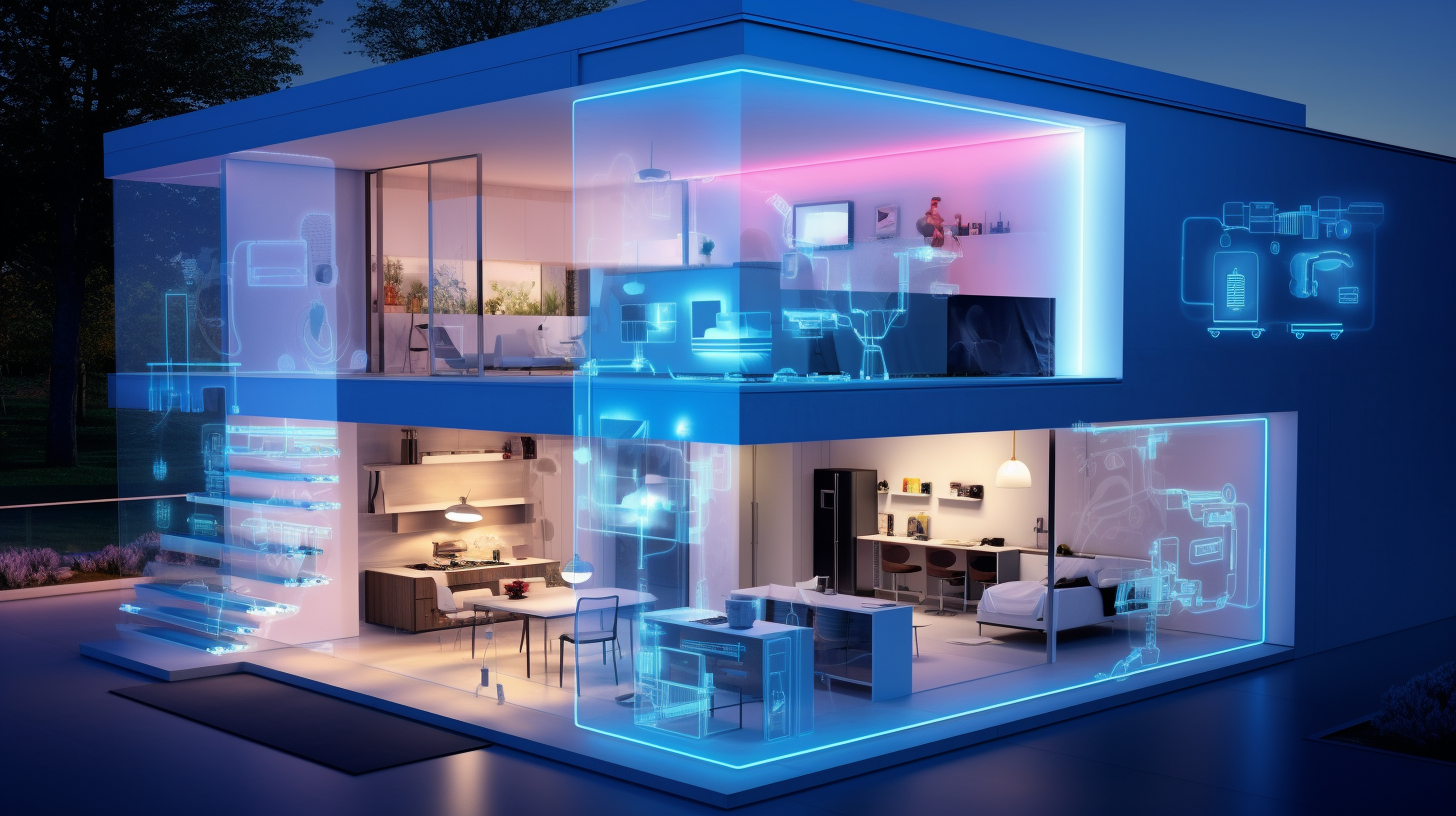
This mismatch triggered a quiet rebellion behind closed doors. Facility managers, neuroscientists, and forward-thinking architects began noticing that the traditional one-size-fits-all approach to indoor illumination was costing organizations dearly in fatigue, behavioral friction, and cognitive drag. A silent upgrade cycle began taking root, moving far beyond simple energy-saving LED swaps. Illumination stopped being a static utility and transformed into a dynamic biological interface, changing how human beings process information, regulate stress, and sustain attention throughout the day.
The shift is neither cosmetic nor fleeting. It rests on a growing body of neuroscientific data proving that photons do more than activate our visual cortex; they act as a primary zeitgeber—a time-giver—synchronizing our internal biological clocks and governing neurotransmitter release. When schools and offices upgrade to smarter lighting architectures, they are not merely decorating; they are engineering an environment that respects human physiology.
Decoding the Biological Mechanics of Tunable Spectrum Illumination
For generations, lighting design relied on static correlated color temperature (CCT) values. A bulb was either warm white at 2700K or cool white at 5000K, and it stayed that way from morning until night. Human biology, conversely, is profoundly dynamic. Our retinas contain specialized photosensitive retinal ganglion cells (pRGCs) housing melanopsin, a pigment entirely distinct from the rods and cones responsible for vision. When high-intensity blue-enriched light hits these pRGCs, they signal the suprachiasmatic nucleus in the hypothalamus to suppress melatonin production, elevate cortisol appropriately, and heighten alertness.
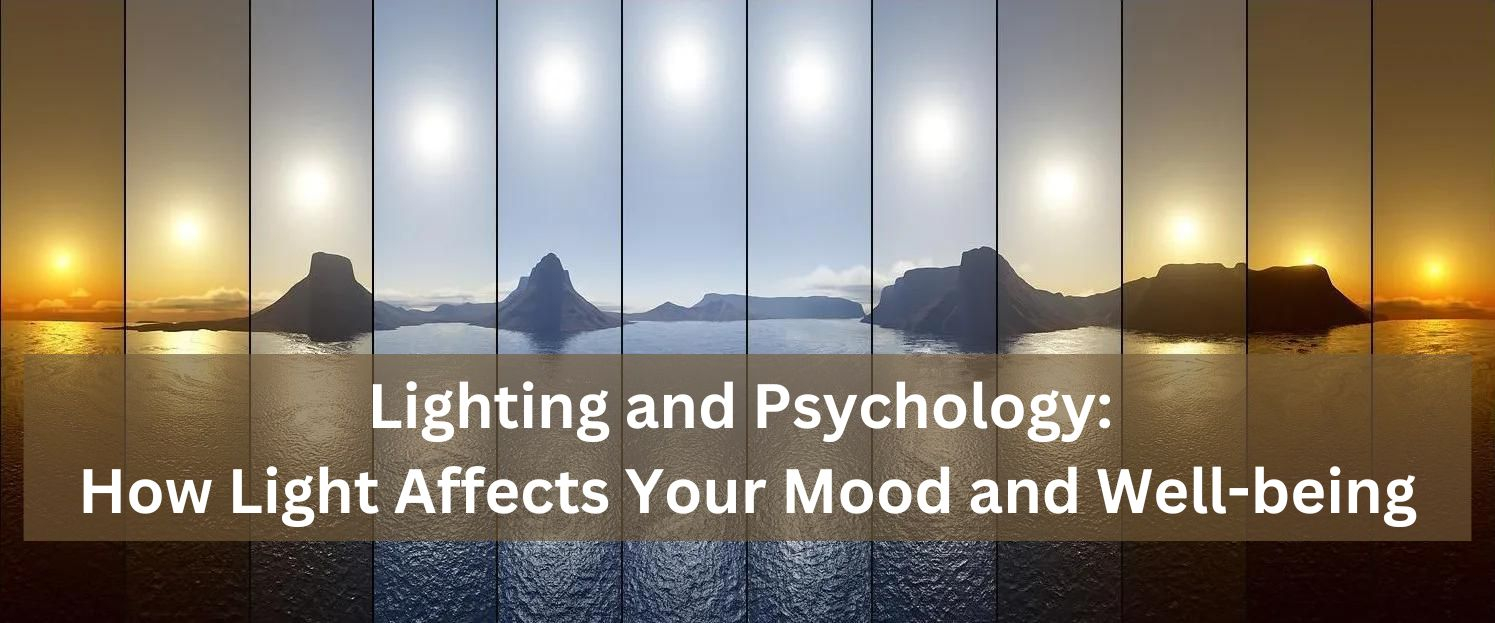
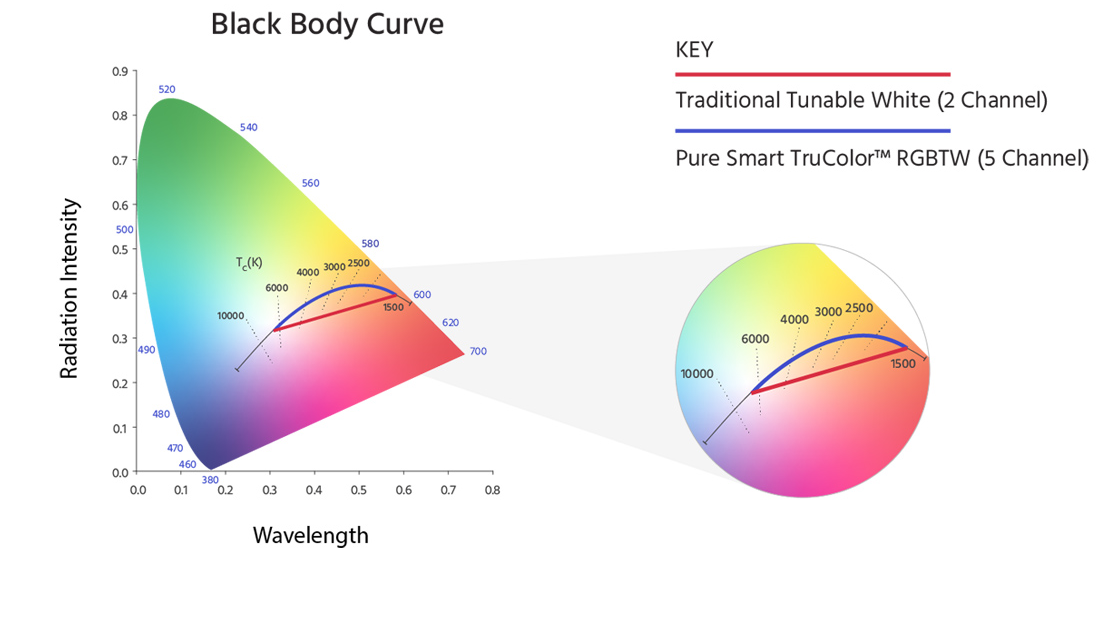
In standard indoor environments, people sit under static illumination that remains flatly indifferent to the sun’s trajectory. This constant spectral diet confuses the endocrine system, contributing to the afternoon slump that plagues millions of office workers and students alike. Smarter illumination introduces tunable CCT ranges—frequently spanning from a cozy 2700K up to an invigorating 6500K—that dynamically shift throughout the day. In the morning, the light delivers a crisp, high-kelvin boost that mimics a clear blue sky, signaling wakefulness and focus. By late afternoon, the system transitions gradually toward warmer, amber-hued spectra that reduce melanopsin stimulation and prepare the body for restorative rest.
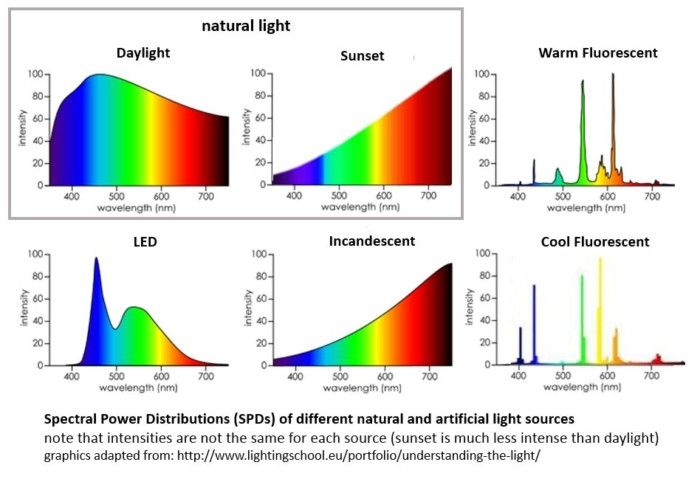
The mechanics go deeper than circadian rhythms alone. Recent insights into cellular biology highlight how specific light wavelengths interact with mitochondrial chromophores. While standard architectural glass filters out much of the solar spectrum that nature provided, advanced solid-state lighting arrays can be engineered to deliver balanced spectral power distributions. By filling in the spectral gaps left by cheap LEDs and high-performance architectural glass, these systems support cellular energy production, reducing the low-grade inflammatory stress associated with flicker and poor color rendering.
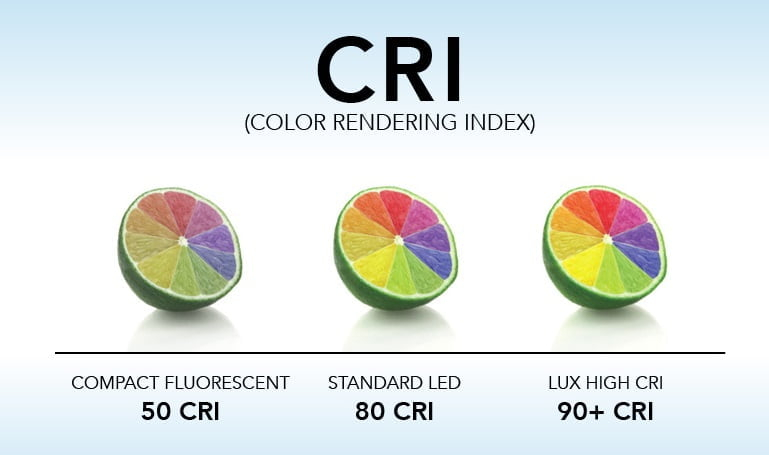
Implementing this requires moving past basic architectural assumptions. High Color Rendering Index (CRI) metrics—consistently exceeding 90 or even 95—ensure that colors appear natural and reduce the micro-strain placed on the visual cortex as it struggles to interpret washed-out environments. When text on a whiteboard or a financial spreadsheet is illuminated with high fidelity, cognitive load drops. The brain spends less energy deciphering visual noise and more energy processing core concepts.
The Neuroinclusive Classroom: Designing Environments for Diverse Learners
Traditional school design often assumed a neurotypical student body capable of sitting still under harsh, flickering illumination for six hours straight. For students with sensory processing differences, ADHD, or autism spectrum conditions, standard institutional lighting can act as an invisible source of sensory overload. The high-pitched electromagnetic hum of magnetic ballasts, combined with the high flicker index of aging fluorescent tubes, creates a continuous, low-level fight-or-flight response that drains cognitive bandwidth before a lesson even begins.
Neuroinclusive design reframes illumination as a practical, adjustable tool for behavioral and cognitive regulation. Schools embracing smarter controls allow educators to modify lighting scenes on the fly using intuitive wall interfaces or automated scheduling. During high-focus periods, such as standardized testing or independent reading, the CCT can be shifted to a cool, concentrated setting. When the room transitions to collaborative group work or calming storytelling, teachers can drop the color temperature to a warm, enveloping amber and lower overall dimming levels.
This flexibility offers teachers an invaluable behavioral cueing mechanism. Students quickly learn to associate specific lighting presets with specific classroom expectations, reducing transition anxiety and minimizing behavioral outbursts. For special education classrooms in particular, tunable lighting provides a non-verbal anchor. Instead of raising their voices to quiet an overstimulated room, educators can alter the room’s atmosphere with a single preset button, smoothing transitions and restoring collective calm.
Furthermore, uniform illumination distributed through direct/indirect luminaire configurations eliminates harsh glare on glossy textbook pages and digital screens. By balancing light bouncing off ceilings with direct downward illumination, schools create a softer, more enveloping visual field. Students no longer squint or hunch to avoid hot spots, leading to better posture, less eye fatigue, and sustained engagement from the first bell to the final dismissal.
Step-by-Step Practical Implementation Guide for Smart Lighting Upgrades
Transitioning a school building or corporate office from legacy fixtures to a human-centric, smart lighting ecosystem demands a structured methodology. Haphazard retrofits often result in broken controls, flickering drivers, and user frustration. Follow this tested framework to ensure a seamless upgrade.
- Step 1 (Auditing and Baseline Assessment): Document existing fixture types, electrical wiring infrastructure, daylight harvesting potential, and current occupant complaints regarding glare, fatigue, or spatial gloom.
- Step 2 (Protocol and Ecosystem Selection): Choose an open, interoperable control protocol such as DALI (Digital Addressable Lighting Interface) or PoE (Power over Ethernet) to ensure fixtures from different manufacturers can communicate effortlessly without proprietary lock-in.
- Step 3 (Spectral and CCT Specification): Select luminaires that offer a wide tunable range (minimum 2700K to 6500K), a high CRI (90+), and flicker-free drivers with IEEE 1789 compliance to eliminate invisible strobe effects that trigger headaches.
- Step 4 (Zone Configuration and Control Design): Map out logical zoning based on architectural usage, ensuring teachers or office managers have straightforward preset controls alongside automated astronomical clock schedules that track natural daylight shifts.
- Step 5 (Commissioning, Training, and Iteration): Calibrate light sensors and motion detectors during the final setup, train end-users on interface presets, and gather feedback after thirty days of operation to fine-tune transition speeds and intensity curves.
Common Pitfalls and Field-Tested Workarounds in Smart Lighting Retrofits
Many well-funded lighting projects fail not because the hardware is inadequate, but because the human interface and installation parameters were poorly managed. Recognizing these missteps early saves organizations from costly rework and user resistance.
- Pitfall 1 (Over-Complex User Interfaces): Installing wall controllers with dozens of confusing buttons leads to staff ignoring the system entirely. Workaround: Design interfaces around three clear, activity-based presets: Focus, Collaborate, and Calm, while locking advanced programming behind administrative apps.
- Pitfall 2 (Ignoring Driver Flicker): Selecting budget-tier LED drivers that produce high modulation flicker causes chronic eye strain and migraines. Workaround: Insist strictly on flicker-free drivers meeting IEEE 1789 recommendations, verifying performance with a handheld flicker meter before final sign-off.
- Pitfall 3 (Abrupt CCT Transitions): Programming circadian lighting shifts that snap abruptly from warm to cold light startles occupants and draws unwanted attention. Workaround: Program smooth, gradual cross-fading schedules that take at least thirty to sixty minutes to transition between color temperatures.
- Pitfall 4 (Neglecting Daylight Integration): Failing to pair interior smart lights with photosensors wastes energy and creates glaring contrast mismatches near windows. Workaround: Calibrate daylight harvesting sensors so interior fixtures dim proportionally when natural sunlight floods perimeter zones.
- Pitfall 5 (Siloed Stakeholder Planning): Architects and electricians designing lighting layouts without consulting educators or office workers results in impractical switch locations. Workaround: Involve end-users directly in early walkthroughs to identify where actual tasks occur and how physical space is navigated daily.
The Broader Economic and Sustainable Value of Human-Centric Illumination
When facility directors pitch smart lighting upgrades to finance committees, the conversation usually centers on kilowatt-hour reductions. Traditional LED retrofits already deliver substantial energy savings over fluorescent technology, but smart lighting systems layered with occupancy sensors, daylight harvesting, and scheduling automation push efficiency even further. Lights automatically drop to 20% output when a room empties, eliminating the costly habit of fixtures burning bright in vacant conference rooms overnight.
However, viewing illumination solely through an energy-accounting lens misses the primary economic engine of the upgrade: human capital performance. In an enterprise office setting, payroll typically accounts for up to 90% of operating expenses, while energy costs hover around 1%. A modest 2% boost in employee focus, error reduction, or vitality resulting from optimized circadian lighting dwarfs any utility bill savings. When employees experience fewer afternoon slumps and reduced eye strain, output rises naturally and absenteeism drops.
In educational institutions, the calculus translates into academic retention, standardized test performance, and reduced teacher burnout. Teachers who work in environments with balanced, tunable lighting report lower stress levels and greater control over classroom management. When classrooms are designed to support biological health and neuroinclusive learning, the ripple effects touch graduation rates, disciplinary incidents, and overall institutional reputation.
Sustainability also extends to hardware longevity and circular design principles. High-performance modular fixtures designed for the smart era allow components like LED boards and drivers to be swapped out without replacing the entire aluminum housing. This modularity reduces lifecycle waste, keeping tons of material out of landfills and aligning real estate portfolios with aggressive corporate ESG (Environmental, Social, and Governance) targets.
Actionable Frameworks for Fostering Visual Well-Being in Modern Spaces
Translating lighting science into daily operational reality requires clear design heuristics that architects, facility managers, and educators can apply immediately. The following framework provides a repeatable standard for evaluating and improving any indoor workspace or learning environment.
- Prioritize Indirect Distribution: Ensure that at least 60% of light output is directed upward toward a light-colored ceiling, bouncing diffuse illumination back down into the room. This eliminates harsh shadows, reduces direct glare on computer screens, and creates an open, expansive perceptual field.
- Implement Circadian Anchoring: Program control systems to deliver high-intensity, cool-spectrum light (around 5000K to 6500K) during morning hours, tapering down to warm, low-intensity settings (2700K to 3000K) by late afternoon to support natural melatonin synthesis.
- Empower Local Control: Give occupants agency over their immediate zones. Whether through a wall-mounted keypad or a secure desk app, allowing individuals to make minor adjustments to local illumination fosters a sense of comfort and psychological safety.
- Eliminate Sensory Distractions: Audit spaces regularly for audible ballast noise, visible strobe effects from aging LEDs, and hot spots caused by improper luminaire spacing. Clean, quiet light is the foundation of cognitive ease.
- Combine Metrics with Feedback Loops: Pair automated sensors with periodic surveys asking staff or students about their visual comfort, energy levels, and headaches. Quantitative data from energy meters combined with qualitative human feedback ensures continuous improvement.
The transformation unfolding in classrooms and offices is a testament to a quiet, overdue realization: human beings are outdoor creatures spending their lives indoors. For over a century, we built our working and learning environments around the mechanical limitations of electricity rather than the evolutionary requirements of biology. We accepted eye strain, afternoon brain fog, and sensory overload as unavoidable costs of civilization.
As smarter illumination technologies mature, that compromise dissolves. We now possess the tools to bring the dynamic, life-giving properties of natural light inside sealed architectural envelopes. When schools and offices embrace tunable spectra, neuroinclusive design, and intelligent controls, they stop treating buildings as mere shelters and start designing them as active partners in human health and learning.
The revolution requires no radical upheaval or disruptive technology; it hums quietly above our heads, adjusting color temperatures, respecting our circadian rhythms, and illuminating a path toward spaces that truly work with human nature rather than against it.