The midnight crash of a ceramic bowl packed with dog kibble is nothing compared to the slow, silent disaster of a refrigerator water line leaking quietly behind the kitchen island for three days. Decades ago, that kind of moisture intrusion spelled an absolute death sentence for a residential floor. Solid hardwood would cup, buckle, and rip itself apart from the subfloor as the wood fibers absorbed water and expanded. Traditional laminate would swell at the core like a sponge left out in the rain, permanently distorting the surface seams until the entire floor looked like a corrugated metal roof. Homeowners were trapped in a frustrating cycle of expensive tear-outs, insurance claims, and temporary fixes that never quite held up to the unpredictable messiness of daily domestic life.
That era of domestic anxiety is largely behind us, displaced by a quiet revolution in polymer chemistry and structural composite manufacturing. When builders and renovators look at floors today, the conversation has shifted away from whether a material can survive water to how efficiently modern luxury vinyl plank handles structural demands. This transformation did not happen by accident. It is the result of systematic material engineering designed to conquer the three historic enemies of residential flooring: moisture intrusion, dimensional instability, and surface degradation. By re-imagining what a floor plank is made of from the bottom up, manufacturers created a category that behaves less like vulnerable organic matter and more like an architectural armor system.
To understand why modern homes across the country now rely on engineered vinyl in spaces once reserved strictly for cold tile, we have to look beneath the surface. The evolution of this material solved a puzzle that baffled flooring scientists for generations: how to give homeowners the warmth and visual fidelity of natural hardwood paired with the absolute impermeability of marine-grade plastics. It is a masterclass in functional design that permanently altered expectations for what a home interior surface can endure.
The historic vulnerability of residential flooring stems from a fundamental mismatch between organic materials and indoor environmental volatility. Wood, paper-based HDF cores in laminate, and natural stone grout lines all react negatively to humidity swings and standing water. For generations, homeowners navigated this reality through defensive living. Rugs were stationed strategically around sinks, muddy boots were banned at the threshold, and basement playrooms required constant humidity monitoring to prevent mold growth beneath carpet pads. Sheet vinyl offered a water-resistant alternative, but it was widely viewed as a cheap aesthetic compromise, prone to tearing, yellowing, and curling at the edges under heavy foot traffic.
As architectural design shifted toward open-concept layouts where kitchens flow directly into living rooms, the architectural strain on flooring multiplied exponentially. A single unified floor plan meant the kitchen, dining room, and entryway had to share a single surface material. Traditional hardwood could not bridge that functional gap without high maintenance and inevitable water damage near the dishwasher. The market desperately required a hybrid product that married high-end interior aesthetics with industrial-grade resilience. The response was the development of multi-layer luxury vinyl, which rapidly evolved from flexible glue-down strips into rigid, structurally independent planks capable of floating over imperfect subfloors while resisting absolute saturation.
The Anatomy of an Impermeable Plank: Breaking Down Modern Composite Engineering
A modern waterproof vinyl plank is not a homogeneous piece of plastic; it is a sophisticated composite structure where every single layer performs a specific, highly technical job. The outermost barrier is the wear layer, typically measured in mils (thousandths of an inch). This transparent PVC or polyurethane shield protects the printed design film underneath from UV fading, micro-scratches from pet claws, and abrasive grit tracked in from the outdoors. High-traffic residential settings demand at least a 12-mil to 20-mil wear layer, while commercial spaces often step up to 28-mil or higher. Beneath this defense shield sits the high-definition decorative layer—a photographic or printed film that mimics the intricate grain patterns of white oak, hickory, or the subtle variations of poured concrete and natural slate with startling realism.
The true breakthrough of modern flooring, however, lies deeper in the cross-section: the core. Older vinyl products relied entirely on flexible polyvinyl chloride, which meant they conformed to every single bump, dip, and irregularity in the subfloor. If a subfloor had a slight depression, the flexible vinyl would sag into it, eventually stressing the surface seams. The introduction of rigid core technology—divided primarily into Stone Plastic Composite (SPC) and Wood Plastic Composite (WPC)—changed everything. SPC cores combine pulverized limestone with PVC polymers and stabilizers, resulting in an exceptionally dense, rigid board that refuses to dent under heavy furniture or expand when exposed to high humidity and standing water. WPC cores incorporate foamed PVC mixed with wood flour or recycled plant materials, offering a slightly softer, warmer underfoot feel while maintaining absolute water resistance.
Underneath the rigid core lies the balancing or backing layer. This foundational sheet seals the bottom of the plank, blocking ground moisture from rising through concrete slabs and destabilizing the installation. Crucially, the entire system is bound together using precise mechanical click-lock milling profiles. These tongue-and-groove joints snap together under tension, creating a mechanical seal that blocks water from seeping down to the subfloor even when subjected to prolonged liquid pooling. It is this synergy between surface treatments, rigid mineral-infused cores, and tight mechanical locking systems that defines true waterproof engineering.
Why Traditional Flooring Materials Lost the Battle Against Moisture
To fully appreciate the engineering triumphs of modern vinyl, one must examine the specific failure points of the materials it replaced. Traditional solid hardwood is a hygroscopic material, meaning it constantly absorbs and releases moisture from the surrounding air to reach equilibrium with its environment. When a liquid spill occurs on hardwood, water slips past the microscopic gaps between planks and penetrates the unfinished bottom or unsealed side joints. Because wood fibers swell unevenly when wet, the planks crown, cup, or buckle. Once wood has undergone significant water-induced warping, sanding and refinishing often cannot save it because the structural integrity of the wood cell walls has been permanently compromised.
Laminate flooring attempted to solve the cost and maintenance issues of hardwood by using a photographic paper layer bonded to a high-density fiberboard (HDF) core. While laminate offered superior surface scratch resistance compared to soft domestic woods, its Achilles’ heel was always the core. HDF is essentially compressed wood dust and resin. If water manages to breach the surface joints—whether through a pet accident, an overflowing bathtub, or routine wet mopping—the HDF core acts like a wick. The wood particles swell irreversibly, causing the edges of the laminate planks to peak and delaminate. Replacing damaged laminate requires tearing out entire sections of the floor, as individual planks cannot be easily extracted from the middle of a continuous run.
Ceramic and porcelain tile have historically served as the gold standard for wet areas like bathrooms and laundry rooms, but they come with their own distinct set of drawbacks. Tile installations are notoriously cold and hard underfoot, leading to joint fatigue for individuals who stand for long periods while cooking or working. Furthermore, while the tile itself is impervious to water, the cementitious grout lines between them are porous. Grout readily absorbs moisture, spills, and dirt, requiring aggressive chemical cleaning and routine sealing to prevent staining and mold growth. Tile installations are also heavy, labor-intensive, and prone to cracking if the wooden subfloor underneath experiences structural deflection. Waterproof vinyl sidesteps all of these vulnerabilities by delivering continuous, seamless surface protection without the cold rigidity, grout maintenance, or susceptibility to subfloor movement that plagues traditional hard surfaces.
The Step-by-Step Methodology for Seamless Waterproof Vinyl Installation
Installing waterproof vinyl plank flooring appears deceptively simple—often marketed as a weekend DIY project where boards simply click together. However, achieving a professional, long-lasting installation that maintains its waterproof integrity for decades requires strict adherence to preparation and placement protocols. Skipping foundational steps invariably leads to joint separation, telegraphing subfloor flaws, or edge lifting.
- Step 1 (Subfloor Assessment and Moisture Testing): Inspect the subfloor meticulously. Concrete subfloors must be fully cured, structurally sound, and tested for relative humidity and moisture emission rates using calcium chloride or pinless meters. Wood subfloors must have a moisture content below 12% to prevent trapped organic decay beneath the impermeable vinyl layer.
- Step 2 (Surface Preparation and Leveling): Ensure the substrate is perfectly flat. Use a 6-foot straightedge across the floor; any dips or rises exceeding 3/16 of an inch over a 10-foot span must be corrected using a self-leveling cementitious underlayment or concrete patch. Rigid SPC cores do not forgive undulating subfloors, and high spots will place undue stress on the click-lock joints.
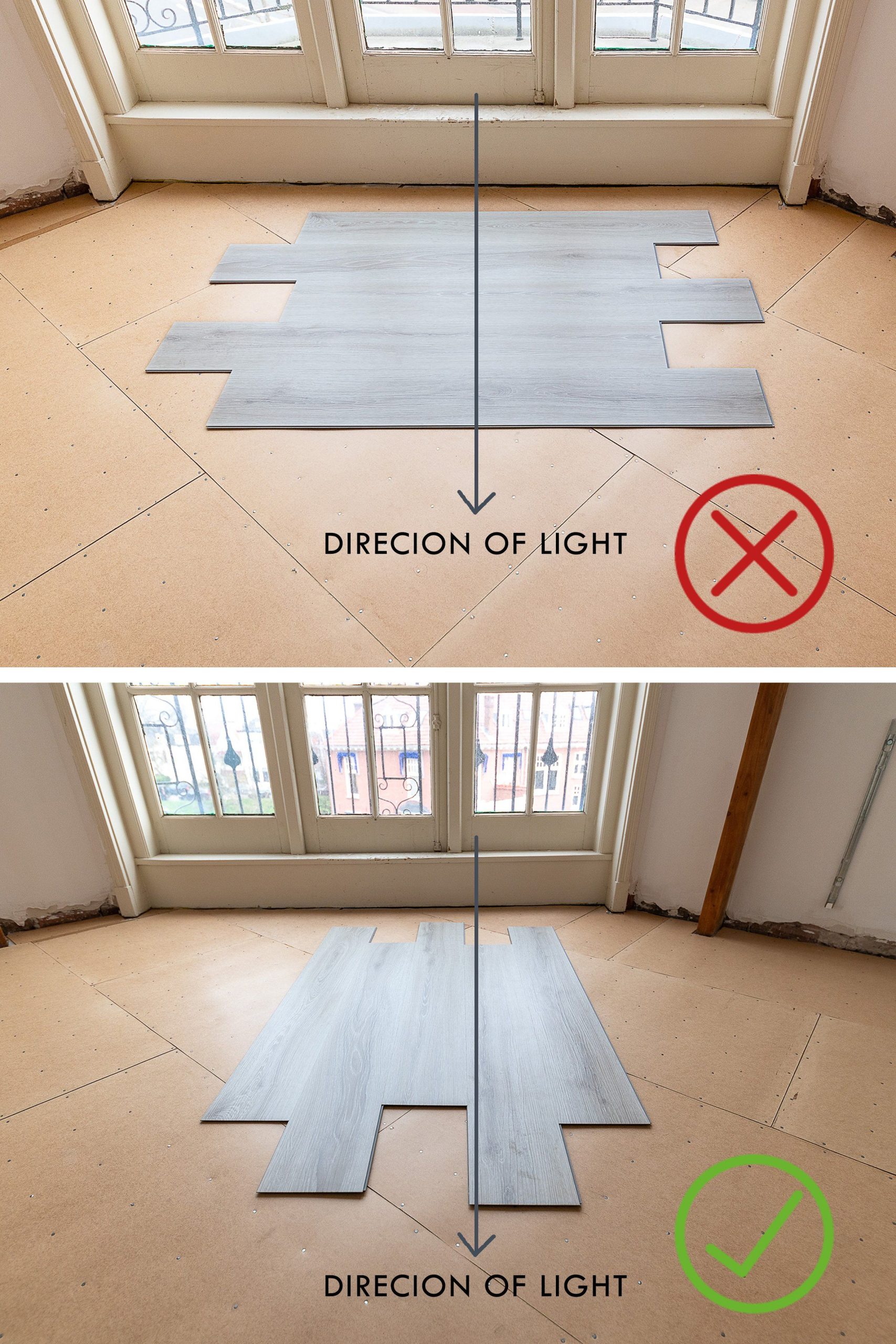
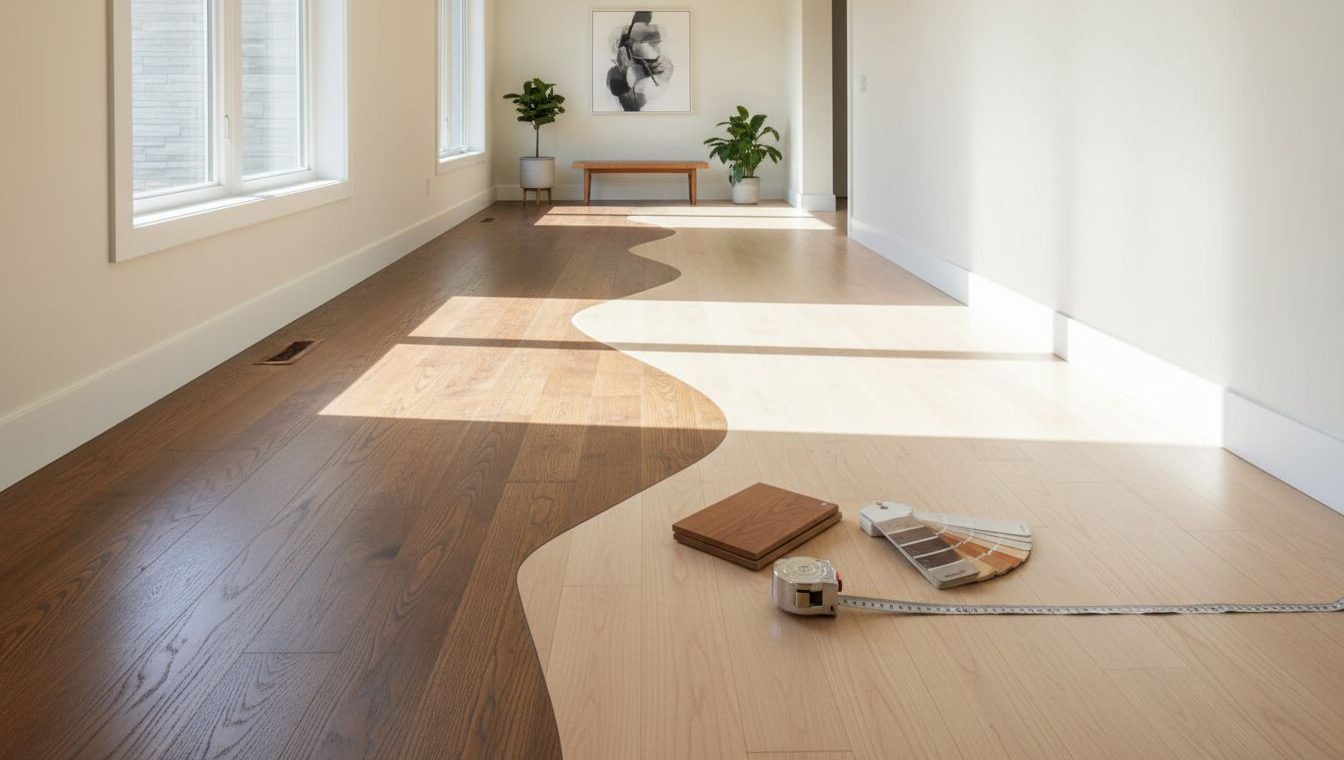
- Step 3 (Acclimation and Layout Planning): Bring the boxes of flooring into the installation space at least 48 hours prior to work to allow the composite material to adjust to normal room temperatures (ideally between 65°F and 85°F). Measure the room dimensions carefully to calculate your centerlines, ensuring you do not end up with awkward, narrow slivers of planks less than three inches wide along opposing walls.
- Step 4 (Precision Cutting and Joint Locking): Lay the first row along a chalk line using spacers to maintain a mandatory 1/4-inch to 3/8-inch expansion gap around all vertical obstructions, including baseboards, door frames, and kitchen islands. Score the rigid planks with a heavy-duty utility knife and snap them cleanly, or cut them using a miter saw or specialized vinyl cutter, locking each subsequent row at a 20-to-30-degree angle and tapping gently with a rubber mallet if necessary.
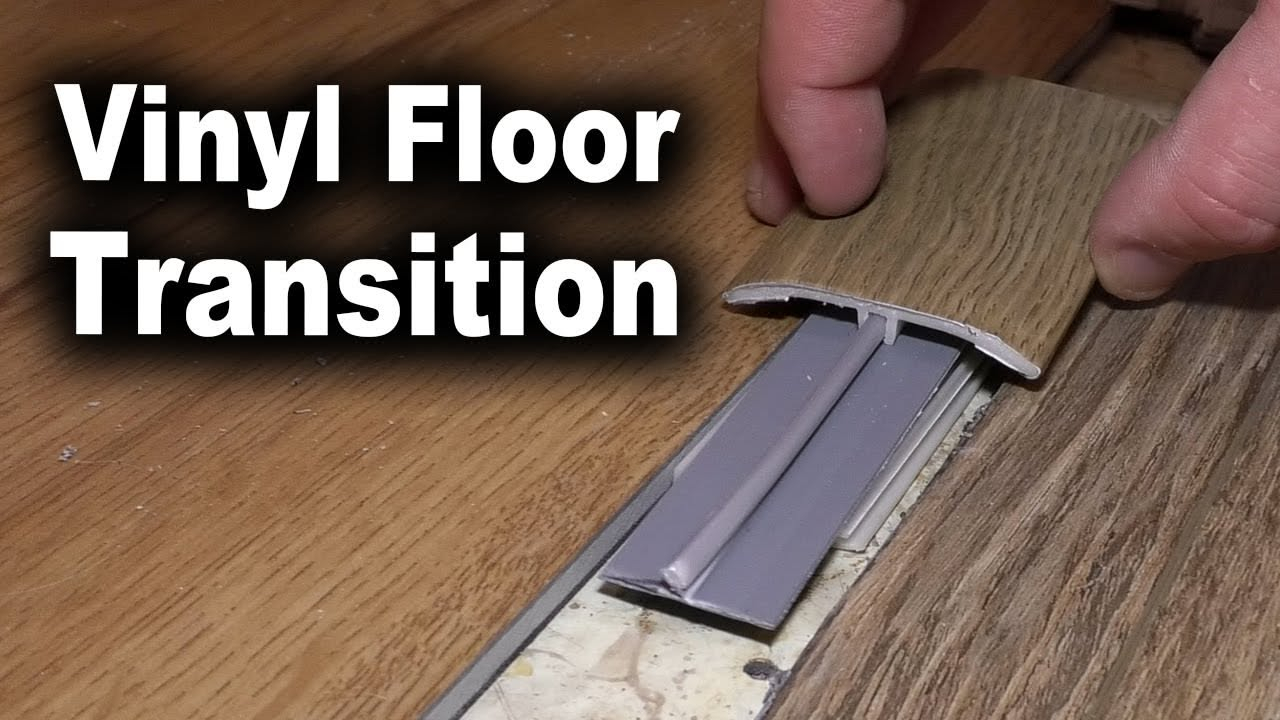
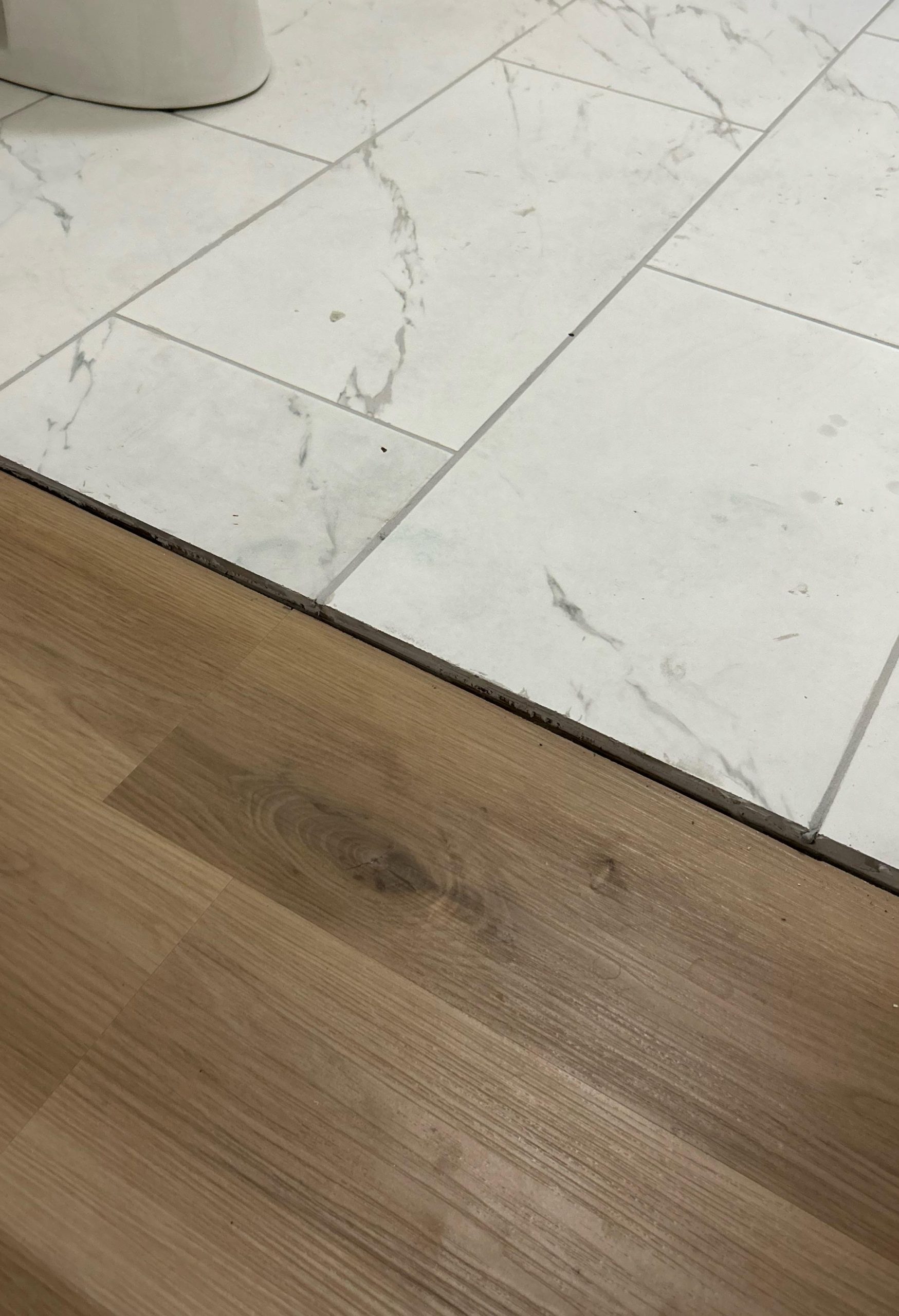
- Step 5 (Perimeter Sealing and Transition Management): Finish the installation by removing spacers and installing matching baseboards or quarter-round moldings, ensuring the molding is fastened to the wall rather than pinning down the floating floor. In high-moisture zones or transitions to adjacent carpet or tile, apply a bead of flexible silicone caulk to seal the expansion perimeter against direct water intrusion.
Common Installation Pitfalls and Field-Tested Workarounds
Even with the durability of modern rigid core materials, improper installation techniques can compromise the performance of a waterproof floor. Understanding the common missteps made by DIYers and inexperienced contractors prevents costly mistakes and ensures the manufacturer’s warranty remains fully valid.
- Pitfall 1 (Pinning the Floating Floor): Homeowners often make the mistake of driving baseboard nails directly through the edge of the flooring planks or securing door stops through the floor. Workaround: Always treat waterproof vinyl as a floating system that expands and contracts as a single sheet with ambient temperature changes. Fasten trim strictly to the walls, leaving the floor free to float beneath it.
- Pitfall 2 (Ignoring Expansion Gaps Near Doorways and Cabinets): Installing vinyl planks tightly against door jambs or running the flooring underneath heavy kitchen cabinets restricts the floor’s natural thermal movement. Workaround: Undercut wooden door jambs with a hand saw so the flooring slips smoothly underneath, and never install heavy, immovable cabinetry directly on top of a floating click-lock floor; always install the flooring around the perimeter of the island.
- Pitfall 3 (Failing to Address Subfloor Irregularities): Skipping the floor leveling compound because the vinyl plank feels thick and rigid. Workaround: While rigid SPC cores resist flexing, severe subfloor dips will cause the click-lock mechanisms to flex under heavy foot traffic, eventually snapping the interlocking plastic profiles and creating loose joints where water can pool.
- Pitfall 4 (Using Incorrect Underlayment): Adding thick, spongy carpet padding beneath rigid core vinyl to achieve a softer feel. Workaround: Only use underlayments specifically rated for luxury vinyl flooring that meet the manufacturer’s specified maximum thickness and density ratings, preventing excessive vertical deflection at the joints.
- Pitfall 5 (Neglecting Expansion Spaces in Large Runs): Running a continuous installation through multiple large rooms and long hallways without T-moldings. Workaround: Follow manufacturer guidelines regarding maximum continuous run lengths (typically exceeding 30 to 50 linear feet), and install transition moldings where rooms narrow or span large distances to accommodate thermal expansion.
The Broader Economic Value and Sustainability of Modern Engineered Surfaces
The rise of waterproof vinyl flooring is reshaping residential economics and home maintenance standards. In the past, replacing damaged floors meant absorbing significant material costs, disposal fees, and labor disruptions every ten to fifteen years. Because modern luxury vinyl planks are engineered to withstand heavy abuse from pets, children, and localized moisture events, their lifecycle cost is remarkably low. Homeowners no longer need to worry about the recurring financial burden of refinishing solid hardwood or tearing out water-logged carpet after a single plumbing mishap. This longevity translates directly into higher retained property value and lower maintenance overhead for rental properties, multi-family housing developments, and primary residences alike.
From a manufacturing and environmental perspective, the industry has also evolved significantly. Early vinyl products relied heavily on questionable plasticizers and chemicals that drew scrutiny regarding indoor air quality. Today, leading manufacturers produce phthalate-free formulations that meet stringent indoor air emission standards such as FloorScore certification. Furthermore, the incorporation of recycled limestone and post-consumer polymers in SPC cores reduces the demand for virgin petroleum-based raw materials. By utilizing high-definition photographic layers that accurately replicate rare or endangered exotic hardwoods, vinyl engineering also helps preserve natural old-growth forests that would otherwise be clear-cut for traditional solid wood flooring.
This architectural shift also impacts how interior spaces are planned and utilized. Designers are no longer restricted by functional boundaries. The ability to run the exact same waterproof, wood-look plank seamlessly from a damp basement mudroom, through an active family kitchen, and directly into a master bathroom creates visual continuity that makes smaller homes feel expansive and unified. This versatility reduces material waste during construction, as off-cuts from one room can easily be utilized in another without worrying about regional grain or moisture susceptibility variations.
Strategic Recommendations for Selecting and Maintaining Your Investment
Choosing the right waterproof vinyl flooring requires looking past flashy marketing terms and examining precise product specifications. Not all products stamped with the word "waterproof" offer equal structural integrity. Use a structured decision-making framework when evaluating samples to ensure your investment delivers decades of reliable performance.
- Prioritize Core Density and Thickness: Look for overall plank thicknesses between 5mm and 8mm, with rigid SPC cores offering superior dent resistance and dimensional stability compared to softer WPC or flexible glue-down alternatives.
- Verify Wear Layer Specifications: Demand a minimum 20-mil wear layer for active households with large dogs or children, as this extra thickness provides superior resistance against surface scratching and premature dulling.
- Inspect the Locking System: Choose products featuring high-precision, patented mechanical locking mechanisms (such as Unilin or Valinge profiles) that pull tight and hold fast without requiring chemical glue sealing at the joints.
- Evaluate Attached Underlayment Quality: Opt for planks with high-density pre-attached backing (such as IXPE or cork) that provides sound absorption, minor subfloor imperfection masking, and enhanced underfoot comfort.
- Adopt a Proper Maintenance Protocol: Clean the floor regularly using a soft-bristle broom or vacuum with a hard-floor attachment, and wash periodically with a pH-neutral cleaner specifically formulated for luxury vinyl, avoiding steam mops and harsh solvent-based strippers that can degrade the factory finish.
The journey from water-vulnerable organic timber to high-performance composite polymer flooring represents one of the most successful problem-solving eras in modern interior architecture. Homeowners no longer have to compromise between natural beauty and practical survival. By tackling the fundamental physics of moisture absorption, dimensional instability, and surface wear, engineered waterproof vinyl transformed spaces that were once high-stress zones into worry-free environments.
As material science continues to advance, we can expect even greater integration of sustainable raw materials, enhanced acoustic dampening technologies, and hyper-realistic surface textures that blur the line between synthetic engineering and organic creation. For anyone renovating a kitchen, finishing a basement, or simply trying to survive the daily chaos of family life, understanding this engineering triumph opens the door to smarter, more resilient design decisions that will stand the test of time—and whatever water spills come their way.