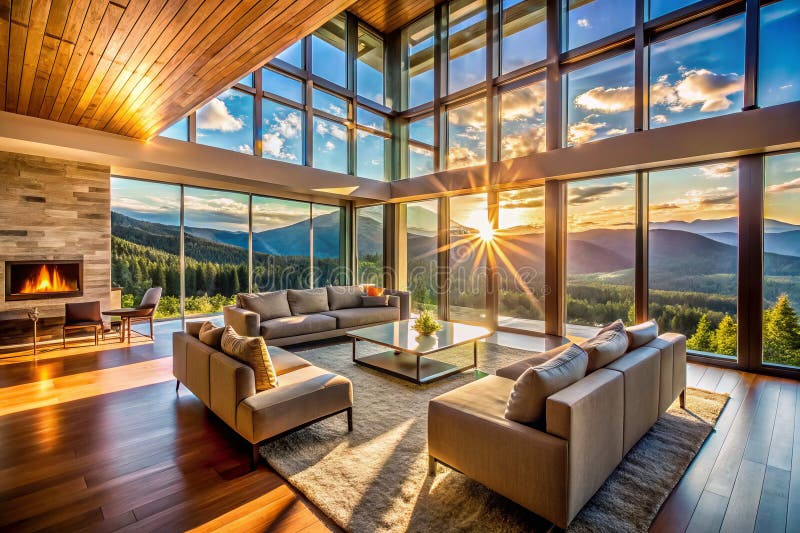
Picture a venture capitalist sitting in a sleek glass-walled office in Zurich, casually rotating a multi-million-dollar penthouse listing in Miami, Florida, with the flick of a wrist. They aren’t looking at flat JPEGs or reading a static PDF brochure. Instead, they are stepping through the glass sliding doors, checking the depth of the kitchen island, switching the interior mood lighting from warm evening glow to bright morning daylight, and instantly measuring the clearance for a custom Italian dining table—all without leaving Europe. This is the baseline reality of the property and design markets today.
The real estate and architectural landscapes have officially outgrown the era of the flat photo and the static 2D blueprint. In high-growth markets spanning Phoenix, Miami, Dallas, Tampa, Charlotte, and Austin, listings and design proposals built around 360-degree walkthroughs and interactive spatial data are utterly dominating transactions. Traditional photography sessions, which once cost between $150 and $500, now look quaint when weighed against sophisticated 360-degree immersive environments that routinely command investments from $1,500 to over $10,000 depending on architectural scale and visual fidelity.
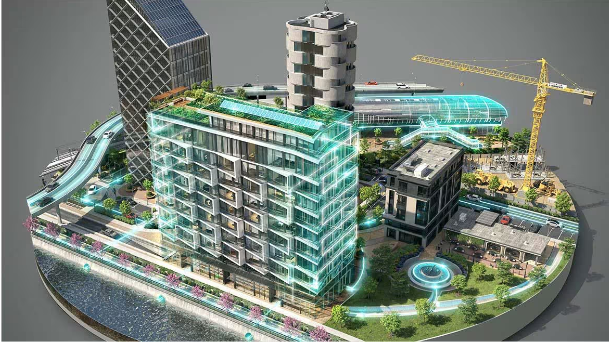
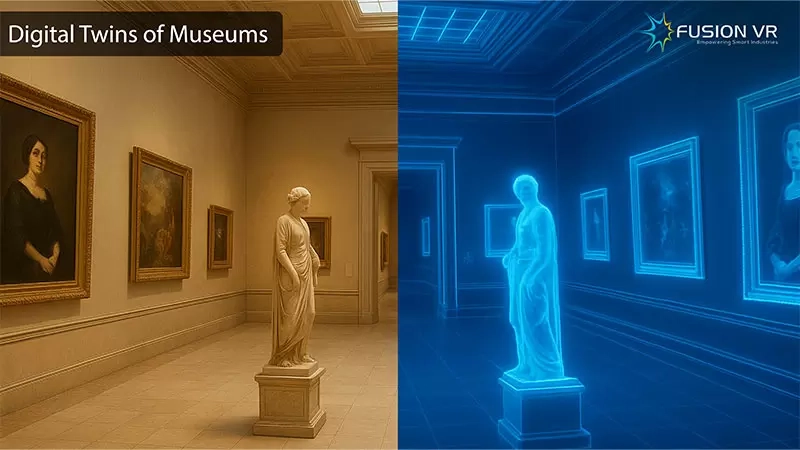
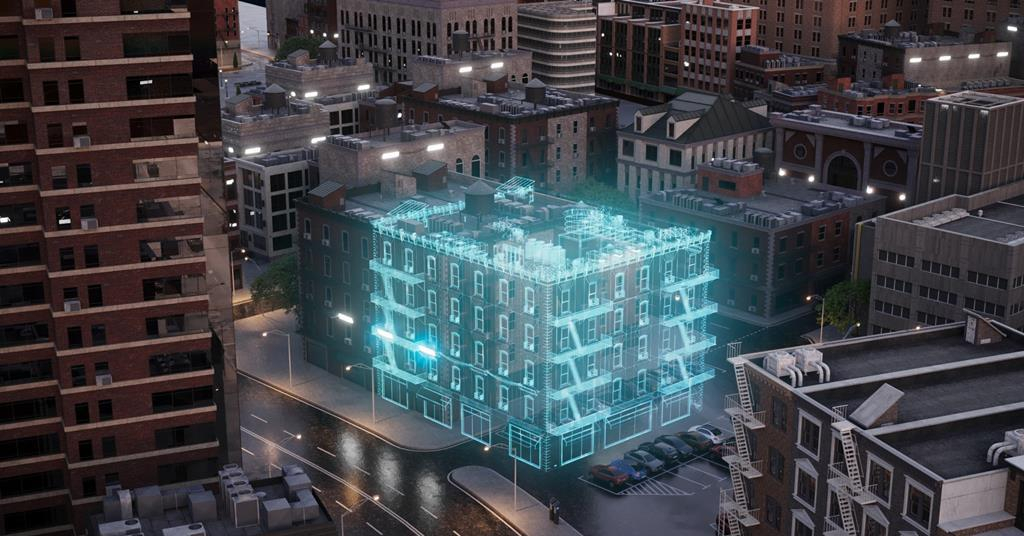
For decades, the physical walk-through was considered an irreplaceable ritual of real estate acquisition and architectural sign-off. Buyers had to fly across time zones, stakeholders had to coordinate grueling site visits, and architects relied heavily on imagination and physical scale models to sell an unbuilt concept. Today, spatial computing and advanced web-gl rendering have collapsed geographical distance. Designers can update a BIM model in real time while a client in another hemisphere walks through the digital twin, changing finishes and evaluating spatial flow on the fly.
The Evolution from Static Imagery to Immersive Spatial Environments
The transformation of visual media in the built environment did not happen overnight. For years, the industry relied on stitched panoramic photos that offered a crude approximation of a room, plagued by distortion and slow loading times. Today’s 360-degree virtual tours are entirely different beasts. Built on high-resolution HDR panoramic capture, laser-scanned point clouds, and real-time game engines like Unreal Engine 5, modern virtual tours deliver a hyper-realistic sense of presence. Viewers are no longer passive observers locked into a fixed camera angle; they control their navigation, gaze, and pacing through an environment that reacts dynamically to their inputs.
In architectural practice, this shift means that the schematic design phase is now inherently collaborative across vast distances. When an architect in Seattle drafts a commercial office layout, the structural data is instantly pushed to a cloud-based 360 platform. Remote investors can examine load-bearing columns, check ceiling heights, and verify ADA compliance features directly within the browser without installing heavy CAD software. This democratization of spatial data removes the friction that traditionally slowed down project approvals and municipal reviews.
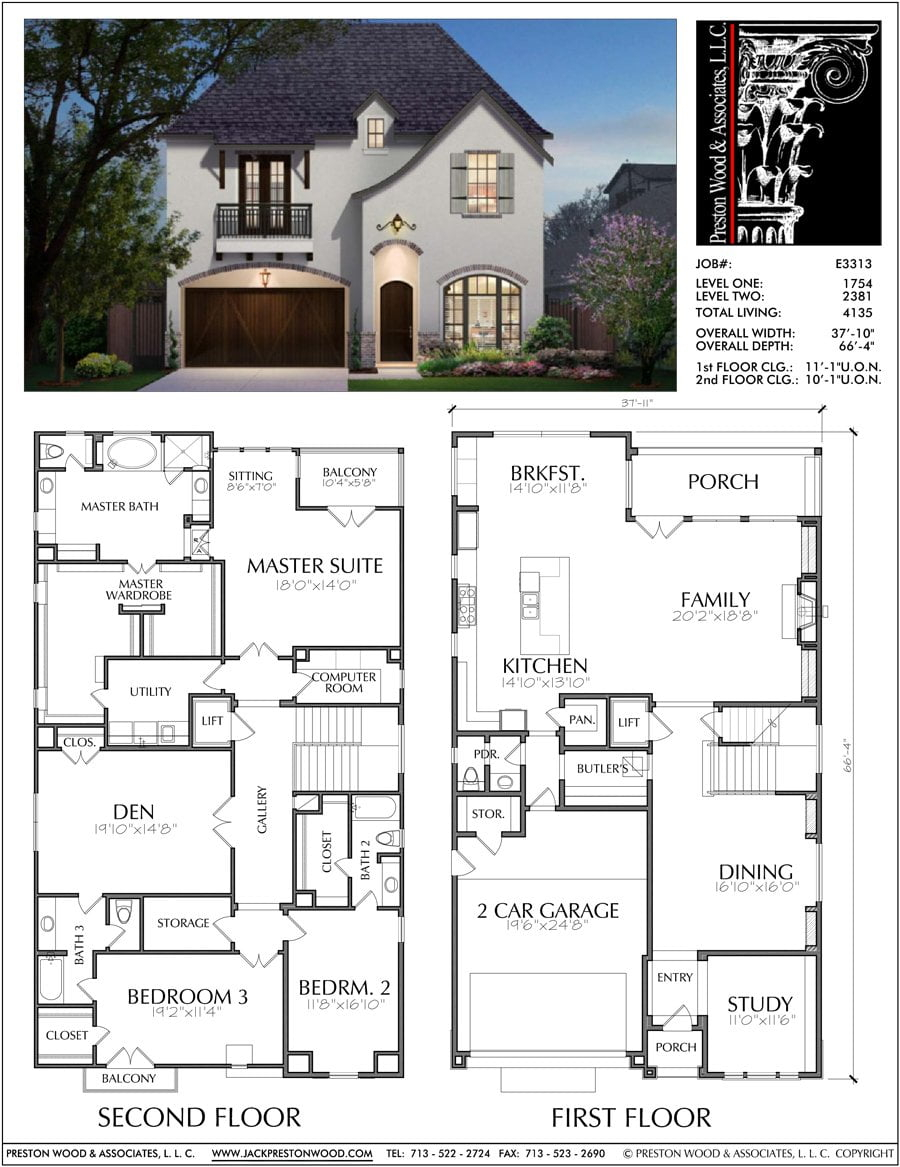
Furthermore, the consumer expectation in residential real estate has shifted dramatically. Buyers in competitive sunbelt markets expect more than a simple slideshow; they demand interactive floor plans integrated seamlessly with 360-degree nodes. When a buyer clicks a specific room on a 2D floor plan, the view instantly teleports them to that exact spot in the 360 space, preserving their orientation and spatial awareness. This spatial continuity reduces buyer fatigue and filters out unqualified leads before agents waste time on physical showings.
Economic Impact and Market Valuation of 360-Degree Design
Adopting advanced virtual tour design is no longer viewed as an optional marketing expense; it is core operational infrastructure for modern brokerages and progressive architecture firms. Listings leveraging immersive 3D and 360 walkthroughs consistently outperform traditional photography-only listings in terms of days on market and final sales price. Properties marketed with high-end spatial visualization attract serious international buyers who are willing to submit competitive offers sight-unseen, secure in the accuracy of the digital twin.
On the architectural side, the economic argument rests heavily on error reduction and accelerated client sign-offs. Change orders during construction are notoriously expensive. When clients can experience every inch of a proposed home through a 360-degree interface early in the design development phase, miscommunications regarding material selections, cabinetry placements, and lighting fixtures are caught and corrected on screen rather than with a sledgehammer on the construction site. The upfront investment in high-end rendering pays for itself manifold by eliminating costly rework.
Moreover, marketing agencies and developers are finding that interactive tours significantly boost digital engagement metrics. Users spend up to three to five times longer interacting with a 360 virtual tour than browsing a standard photo gallery. This extended dwell time signals search engines and property portals that the listing is high-value, resulting in better organic visibility and higher lead conversion rates. The return on investment becomes measurable through clickstream analytics, hot-spot interaction heatmaps, and direct booking inquiries.
Step-by-Step Implementation Guide for Creating High-Conversion Virtual Tours
Executing a flawless 360-degree virtual tour requires a disciplined methodology that blends technical camera operation, spatial software configuration, and intentional user experience design. Whether capturing an existing luxury estate or rendering an unbuilt architectural masterpiece from CAD data, following a structured workflow ensures professional results.
- Step 1 (Spatial Capture or CAD Export): Begin by securing high-resolution 360-degree HDR photography using specialized multi-shot panoramic rigs, or export clean, optimized mesh data from your primary architectural software (Revit, Rhino, or SketchUp) into a real-time visualization engine.
- Step 2 (Stitching and Post-Processing): Process raw panoramic files or rendered frames to ensure seamless nadir (floor) and zenith (ceiling) patches, balancing exposure, color temperature, and dynamic range to eliminate harsh shadows and blown-out windows.
- Step 3 (Hotspot and Navigation Integration): Upload your processed panoramas into a cloud-based tour management platform (such as CloudPano or Matterport), linking nodes together with directional hotspots and overlaying interactive 2D floor plans for intuitive room-to-room jumping.
- Step 4 (Contextual Tagging and AI Staging): Enhance the spatial environment by embedding rich data tags—such as material specifications, appliance model numbers, or pricing details—and applying AI-assisted virtual staging to empty rooms to illustrate layout potential.
- Step 5 (Multi-Channel Distribution and Optimization): Export the final tour package into responsive web formats, embedding the WebGL player directly into MLS listings, developer landing pages, and social media ad campaigns while optimizing file sizes for fast mobile loading.
Common Pitfalls and Field-Tested Workarounds in Spatial Design
Even with advanced software tools, creators frequently stumble when translating physical spaces or complex architectural models into smooth digital experiences. Avoiding these common traps separates amateur presentations from elite, high-converting virtual tours.
- Pitfall 1 (Excessive File Size and Slow Load Times): Heavy 4K or 8K textures can cause severe latency on mobile devices, leading to high bounce rates. Workaround: Implement progressive loading and texture compression protocols, delivering lower-resolution proxies that instantly sharp-focus as the user pauses their navigation.
- Pitfall 2 (Disorienting Camera Heights and Angles): Mounting the 360 camera too high or too low distorts human scale, making rooms feel unnaturally cavernous or claustrophobic. Workaround: Maintain a strict eye-level camera height of 5 feet 4 inches to 5 feet 6 inches across all capture points to mirror natural human perception.
- Pitfall 3 (Ignoring Natural Lighting Dynamics): Poor exposure blending results in blown-out windows where exterior views are completely washed out. Workaround: Utilize bracketed HDR exposures (minimum 5 to 7 stops) during capture or apply interior-exterior light balancing passes in post-production.
- Pitfall 4 (Cluttered and Confusing Navigation Hotspots): Overloading a single panoramic node with dozens of overlapping informational tags creates visual noise and frustrates users. Workaround: Group secondary details into clean, expandable menu drawers rather than plastering the screen with floating icons.
- Pitfall 5 (Neglecting Mobile-First Usability): Designing exclusively for desktop mouse-and-keyboard users while ignoring touch-swipe gestures on smartphones and tablets. Workaround: Rigorous cross-device user testing, ensuring gyro-controls and thumb-friendly navigation buttons work flawlessly on iOS and Android devices.
The Intersection of Artificial Intelligence and Future-Proofing Virtual Tours
The convergence of artificial intelligence and spatial design has pushed virtual tours far beyond simple photographic collections. AI-driven staging tools can now instantly transform an unfurnished brutalist concrete loft into a warm, mid-century modern home with matching furniture textures based on user preferences in real time. Clients can experiment with different hardwood flooring species, wall colors, and kitchen countertop granites instantly within the tour interface, transforming passive viewing into an active co-creation session.
Furthermore, generative AI is streamlining the transition from raw architectural floor plans to fully textured 3D environments. What once required weeks of manual 3D modeling and texturing can now be bootstrapped in hours, allowing architects to present immersive walkthroughs during the earliest client pitch meetings. This speed-to-market advantage allows firms to win competitive bids by demonstrating visionary clarity long before competitors have even finished drafting their schematic elevations.
Looking ahead toward the broader horizon, spatial computing headsets and augmented reality glasses are steadily integrating with web-based 360 tours. While heavy VR headsets were once a barrier to entry, modern lightweight web-XR standards allow users to seamlessly transition from flat laptop screens to fully immersive stereoscopic 3D environments with a single click, without downloading dedicated applications. This frictionless accessibility ensures that virtual tours will remain the primary vehicle for architectural exploration and real estate marketing for the foreseeable future.
Strategic Recommendations for Real Estate Professionals and Architects
To stay competitive in a rapidly evolving market, practitioners must adopt a deliberate strategy that prioritizes quality, speed, and seamless integration across digital touchpoints. Treating virtual tours as an afterthought or a cheap marketing gimmick will no longer suffice when client expectations are anchored by elite interactive standards.
First, invest in professional-grade capture equipment or partner with specialized spatial designers who understand lighting physics and architectural storytelling. A poorly shot 360 tour with distorted stitching and dim lighting damages brand credibility faster than having no tour at all. Quality must remain non-negotiable.
Second, integrate virtual tours directly into your CRM and sales funnels. Use tour analytics to track which specific rooms or design features capture the most prospect attention, allowing agents and architects to tailor their follow-up conversations precisely around what the client cared about most during their solo session.
Finally, embrace continuous experimentation with emerging AI and spatial technologies. As clients grow accustomed to interactive floor plans, real-time material swapping, and remote guided tours, firms that fail to adapt will find themselves relegated to legacy status while tech-forward competitors capture the lion’s share of high-value global business.
The boundary between physical space and digital representation has dissolved. What began as a novelty experiment in panoramic photography has matured into the essential operating system of modern architecture and real estate. By empowering remote buyers to tour properties with absolute confidence and enabling architectural clients to inhabit unbuilt structures before a single brick is laid, 360-degree virtual tour design has permanently elevated industry standards.
The future belongs to those who view technology not as a replacement for human connection, but as its most powerful amplifier. As spatial computing continues to mature, the ability to communicate design intent and property value across oceans with pristine clarity will separate ordinary projects from legendary ones. The tools are here, the infrastructure is built, and the market has spoken—it is time to step inside the future.