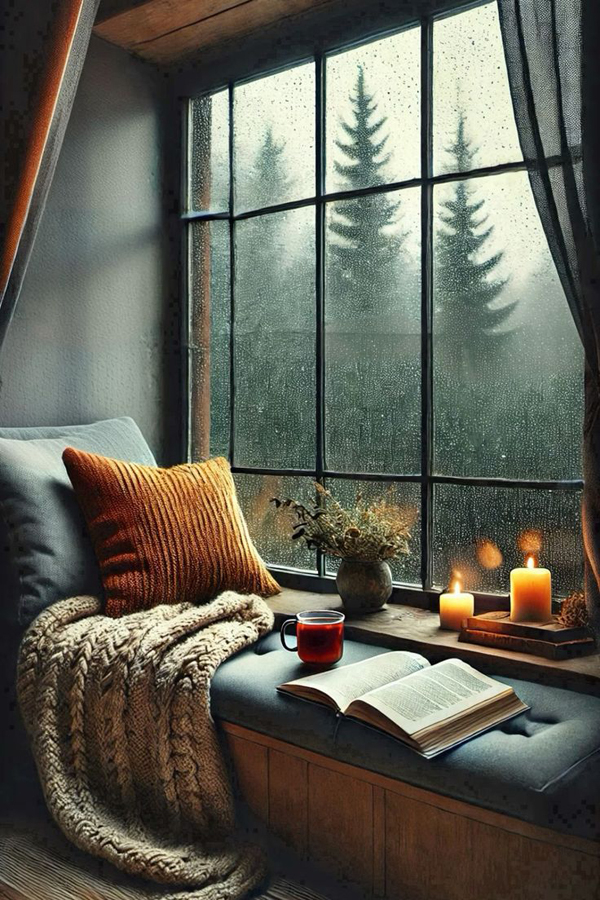
The coffee cup leaves a faint ring on the reclaimed oak surface, and a single grey cat hair drifts across a plush mohair throw. This is not the sterile, cordoned-off interior of a shelter magazine page. It is a Tuesday afternoon in a real home, where human lives intersect with high-concept design. Too often, we approach interior design as a binary choice. We can either live in a museum-grade jewel box of moody hues, oversized sculptural lighting, and untouchable silk velvets, or we can surrender entirely to the beige embrace of performance fabrics, sectional sofas the size of parking spaces, and sanitized minimalism.
The trouble with living inside a museum piece is the constant, nagging anxiety of disruption. Every misplaced cushion feels like a structural failure; every spilled glass of wine is an existential crisis. Conversely, a home engineered solely for maximum sloth often starves the soul, leaving residents surrounded by a sea of foam and synthetic gray yarns that drain the room of any distinct personality or visual heartbeat. The real challenge of contemporary interior styling lies in rejecting this false binary. We want rooms that grip the imagination the moment we cross the threshold, yet fold around our weary bodies at the end of a grueling day like a well-worn coat.
Achieving this delicate equilibrium requires a fundamental shift in how we source, edit, and arrange our physical environments. It means treating bold aesthetic choices—such as light-swallowing dark paint tones, baroque metallic finishes, or avant-garde furniture silhouettes—not as fragile ornaments, but as resilient anchors of daily living. By understanding the underlying physics of light, the tactile performance of high-end textiles, and the psychology of spatial breathing room, any living space can become both an arresting visual statement and an uncompromised sanctuary of comfort.
The modern dwelling must function as an emotional anchor and a pragmatic workstation, a realization that has fundamentally altered residential architecture. As remote work and hyper-connected lifestyles blur the boundaries between public performance and private retreat, our interiors carry a heavier psychological load than ever before. When a living room doubles as a conference backdrop, a weekend reading nook, and a toddler racetrack, standard decor formulas fail. The historical pendulum has swung wildly between the sterile minimalism of the early 2000s and the sensory overload of maximalist trends. Today, the most resilient interiors draw from transitional design principles, bridging the gap between historical weight and contemporary ease. This synthesis requires a disciplined eye, separating genuine design investments from transient aesthetic noise.
The Anatomy of Visual Contrast and Atmospheric Tension
Every unforgettable room relies on tension. Without contrast, a space flattens into a visual monotone where the eye wanders aimlessly, finding no anchor or resting place. Dramatic flair is essentially the art of calculated disruption. It introduces an element that commands attention—a high-gloss lacquered ceiling, an oversized vintage canvas with aggressive brushstrokes, or an obsidian wall treatment that absorbs and bends natural light. However, this high-stakes visual theater cannot survive in a vacuum. If every square inch of the room screams for dominance, the human nervous system goes on high alert, translating visual clutter into subconscious stress.
The secret to controlling dramatic decor lies in establishing a strict hierarchy of visual weight. When a wall is painted in a saturated, moody tone like midnight indigo or deep forest green, the surrounding elements must be curated to either support or balance that gravity. Lighter, organic wood grains, matte ceramic vessels, and unadorned architectural moldings prevent the space from descending into a heavy, oppressive crypt. Furthermore, spatial breathing room—often referred to by interior architects as negative space—acts as the vital silence between notes in a musical composition. Leaving a corner entirely bare or choosing a low-profile sofa that exposes more of the floor allows the eye to appreciate the dramatic focal points without feeling claustrophobic.
Lighting serves as the primary instrument for modulating this atmospheric tension. Harsh, uniform illumination flattens out expensive moody paint jobs and exposes every minor flaw in everyday upholstery. Layered lighting architecture solves this dilemma by divorcing function from mood. Ambient recessed fixtures provide baseline utility, but the real magic happens at the task and accent levels. Picture lights skimming down textured plaster walls, dimmable floor lamps with sculptural brass stems casting pools of warm amber light, and concealed LED strips tucked behind floating media consoles create pockets of deep shadow and luminous glow. This chiaroscuro effect introduces immediate cinematic flair while softening the hard edges of daily living, making the room feel intimate and deeply protective as daylight fades.
Beyond lighting and color theory, the choice of spatial layout dictates how drama and comfort coexist in real time. Traditional parlor layouts often prioritized formal symmetry over human movement, leaving striking antique chairs stranded in useless corners. Modern layout philosophy flips this script, insisting that the most dramatic arrangements must also respect natural traffic patterns. If a sculptural, asymmetrical velvet armchair blocks the natural route from the kitchen to the patio, it fails the comfort test regardless of how stunning its silhouette appears in photographs. True spatial harmony marries the grand gesture with ergonomic flow, ensuring that walking through a heavily styled room feels effortless rather than like an obstacle course.
Materiality as the Bridge Between Luxury and Durability
There is a persistent myth that luxury materials are inherently fragile—that silk, marble, unlacquered brass, and velvet belong exclusively behind velvet ropes. This perspective fundamentally misunderstands how high-end materials age and interact with human touch. In professional interior styling, the concept of a "patina" is not a euphemism for wear and tear; it is the physical record of life lived inside a space. A marble coffee table that acquires soft etching rings from morning espresso and evening wine glasses transforms from a pristine showroom display into a personalized artifact. The trick to utilizing high-end, dramatic finishes without living in constant fear of damage is selecting materials that improve with physical engagement rather than degrading under it.
Consider the application of textiles. A flat, synthetic microfiber sofa offers zero visual drama and quickly attracts unwanted static and lint, whereas a heavy cotton-linen blend or a high-rub-count mohair invites the hand while absorbing color with astonishing depth. Mohair, in particular, is a secret weapon for balancing luxury and resilience; its dense pile naturally resists crushing, sheds liquids if treated properly, and catches directional light in a way that flat synthetics never can. When paired with heavy, architectural drapery made from raw silk or structured wool-blends, the room gains an immediate layer of theatrical weight that insulates against both acoustic noise and thermal drafts.
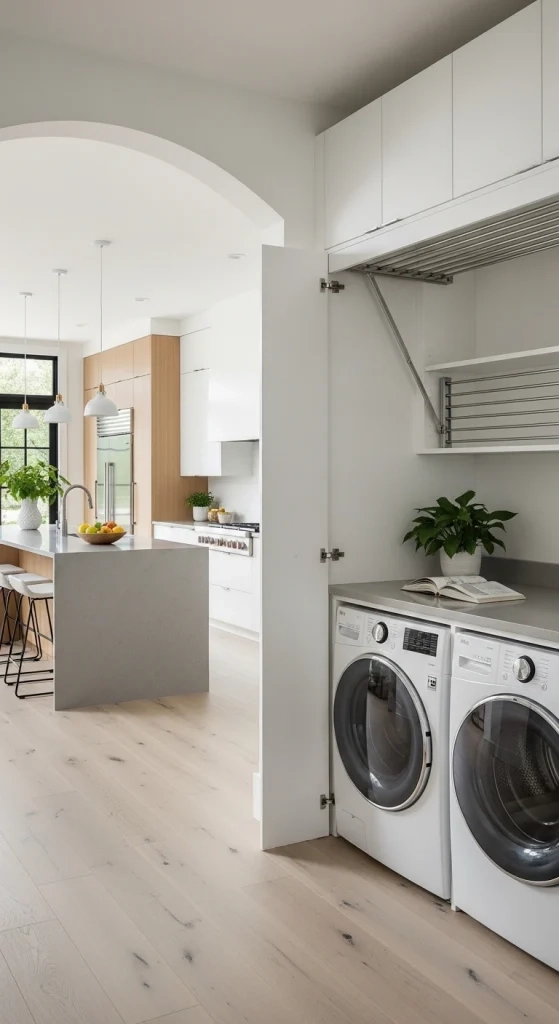
Storage integration represents the silent partner in any material strategy. Even the most exquisite room will fail if everyday detritus—phone chargers, dog toys, unread mail, and children’s homework—overflows onto the surfaces. Sleek and stylish storage solutions are the non-negotiable backbone of refined interior aesthetics. This goes far beyond standard flat-pack cabinetry. Custom millwork featuring fluted wood paneling or concealed push-to-open hardware allows functional storage to masquerade as architectural wall treatments. A floor-to-ceiling bookshelf with integrated rolling ladder can house a chaotic collection of paperbacks while simultaneously providing the grand, scholarly drama of a historic library.
Material selection must also account for tactile contrast within arm’s reach. The human hand craves variation. If a room features cold, hard surfaces like polished concrete floors and steel-framed furniture, the introduction of a deeply textured, hand-knotted wool rug or a bouclé-upholstered lounge chair immediately grounds the space. This interplay prevents the aesthetic from feeling stark or unapproachable. Conversely, a room overrun with soft, billowy fabrics can quickly feel sloppy and formless; anchoring those soft elements with a striking, geometric stone side table or a blackened steel floor lamp restores the architectural backbone necessary to keep the drama alive.
The Methodical Roadmap for Curating Your Space
Transforming a chaotic room into a balanced sanctuary of drama and comfort cannot be rushed. It requires a systematic approach that edits out the superfluous while building up the structural and emotional layers of the room.
- Step 1 (The Great Audit and Spatial Mapping): Strip the room down to its raw architectural shell by removing all small decorative accessories, temporary furniture, and mismatched rugs to evaluate the natural light paths, ceiling height, and focal points without visual bias.
- Step 2 (Establishing the Anchors): Select one or two high-impact, dramatic elements—such as a deep, moody wall color, a massive piece of statement art, or a sculptural sofa silhouette—around which the rest of the functional elements will revolve.
- Step 3 (Curating the Tactile Layer): Introduce high-performance yet luxurious textiles, prioritizing natural fibers like wool, heavy linen, and leather that withstand daily wear while adding rich visual depth and inviting textures.
- Step 4 (Engineering the Lighting Architecture): Layer your illumination sources across three distinct tiers—ambient, task, and accent—utilizing warm color temperatures (2200K to 2700K) and dimmable fixtures to instantly shift the room’s mood from day to night.
- Step 5 (Integrating Seamless Storage): Deploy concealed organizational systems, custom millwork, or multi-functional furniture with hidden compartments to eliminate everyday clutter without sacrificing square footage or style.
Following this sequence prevents the common trap of buying decorative items piecemeal without a cohesive master plan. When the foundation and lighting are established first, every subsequent textile, piece of art, or furniture addition acts as a deliberate brushstroke rather than a random guess. This methodical pacing also protects your budget, ensuring that funds are allocated toward high-impact investments like solid wood millwork or heavy-gauge hardware rather than disposable fast-decor items that end up discarded within a single season.
Furthermore, this phased approach allows homeowners to live with the space at each stage of development. After establishing the anchor wall color and the primary seating arrangement, pausing for a week or two reveals how natural light shifts across the room at different hours of the day. This observational window prevents costly mistakes, such as purchasing an oversized coffee table that impedes foot traffic or choosing an accent fabric that looks entirely different under incandescent bulbs compared to morning sunlight.
Navigating Common Traps and Field-Tested Workarounds
Even experienced designers occasionally stumble when attempting to merge theatrical style with practical livability. Recognizing these predictable failure points before picking up a paintbrush or ordering custom upholstery saves immense time, money, and frustration.
- Pitfall 1 (Over-Styling Without Function): Filling surfaces with fragile, impractical decor items that must be moved constantly just to use the room. Practitioner Workaround: Adopt the "one-in, two-out" rule for surface accessories, and ensure every decorative tray, bowl, or sculptural object doubles as a functional catch-all or has a designated home.
- Pitfall 2 (Sacrificing Ergonomics for Silhouette): Purchasing ultra-modern, low-profile architectural seating that looks stunning in photographs but causes back strain during a movie marathon. Practitioner Workaround: Test seating strictly for seat depth and lumbar support; if a chair is pure sculpture, use it as a corner accent piece rather than the primary lounging spot.
- Pitfall 3 (Neglecting Acoustic Comfort in Dramatic Rooms): Using hard, highly reflective surfaces like polished concrete, exposed brick, and glass without balancing them against sound-dampening materials. Practitioner Workaround: Integrate thick wool area rugs with dense felt pads, acoustic wall panels disguised as fabric art, and heavy linen drapery to absorb sound waves and eliminate hollow echoes.
- Pitfall 4 (Ignoring Maintenance Realities): Selecting delicate fabrics like raw silk upholstery or unsealed porous marble for high-traffic family rooms or homes with pets. Practitioner Workaround: Utilize advanced performance textiles that mimic the exact hand-feel of velvet or linen while offering stain-repellent technology and commercial-grade durability ratings.
- Pitfall 5 (Flat, Monolithic Lighting Schemes): Relying entirely on harsh overhead ceiling cans or a single central pendant light that washes out all architectural shadow and drama. Practitioner Workaround: Install low-level light sources—such as picture lights, floor lamps, and shelf-integrated LEDs—at eye level and below to create intimate pools of warm illumination.
By addressing these pitfalls proactively, the resulting interior remains resilient against the friction of daily human existence. A home should never feel like an exhibition that requires policing; its beauty must stem from its capacity to absorb the messy, beautiful reality of life while maintaining an unmistakable air of sophistication and intentional design.
Another subtle trap is matching furniture sets straight out of a catalog showroom. While this approach guarantees a uniform look, it drains all personality and theatrical tension from the space. A truly captivating room requires historical dialogue—mixing mid-century modern wood tones with a rustic, primitive oak stool or a sleek, contemporary brass floor lamp next to a vintage leather club chair. This eclectic curation creates a narrative depth that mass-market matched sets can never replicate, signaling that the home was thoughtfully assembled over years rather than purchased in a single afternoon.
The Long-Term Economics and Sustainability of Intentional Design
The pursuit of balance between dramatic flair and everyday comfort is not merely an aesthetic exercise; it is an economic and environmental commitment. Fast-decor culture encourages a revolving door of cheap, trend-driven items that degrade quickly and end up in landfills within a few short years. These disposable pieces are engineered for visual impact on social media feeds rather than structural longevity under physical use. Investing in high-quality foundational pieces—such as kiln-dried hardwood framing, solid brass hardware, and sustainably sourced natural stone—alters this cycle entirely.
When you purchase a sofa built with an eight-way hand-tied suspension system and upholstered in a high-rub-count, sustainable mohair or heavy linen, you are buying an asset that can be reupholstered and restyled decades into the future. This durability makes high-end, dramatic design surprisingly cost-effective over a long time horizon. A bold, beautifully executed paint color or an extraordinary vintage sideboard does not age out of style the way mass-market geometric prints or neon accent pillows do. True style possesses a timeless gravity that transcends passing micro-trends.
Sustainability also manifests in how we manage energy and material waste within the home. Incorporating heavy, insulating drapery not only adds magnificent theatrical drape to a tall window but also dramatically reduces thermal heat loss during winter months, lowering residential energy consumption. Similarly, choosing VOC-free, high-pigment lime washes or clay paints for moody accent walls improves indoor air quality while delivering an unmatched, chalky visual depth that synthetic latex paints cannot replicate. Every design decision carries a ripple effect, impacting both our immediate physical well-being and the broader environment.
Moreover, a well-designed home reduces the psychological urge for retail therapy. When your living space successfully satisfies your craving for sensory richness, emotional security, and visual inspiration, the desire to constantly buy new things to fill perceived voids disappears. The room becomes self-sustaining in its appeal. You stop looking for what is missing because the environment speaks clearly, holding you in a secure balance between the exhilarating spark of drama and the unconditional embrace of comfort.
Frameworks for Lifelong Interior Evolution
A home is never truly finished; it is an evolving ecosystem that must adapt as your life stage, career, family structure, and personal tastes shift over the decades. The framework established to balance dramatic flair with everyday comfort must therefore be flexible enough to accommodate future iterations without requiring a total teardown.
- The Neutral Baseline Rule: Keep your most expensive architectural investments—flooring, wall paneling, and major structural cabinetry—in timeless, neutral palettes that can support wildly different aesthetic moods as your tastes evolve.
- The Swappable Drama Principle: Confine high-volatility, dramatic choices to easily changeable elements such as wall paint, throw pillows, art, and portable lighting fixtures rather than permanent structural installations.
- The Ergonomic Check-In: Conduct a semi-annual audit of your living spaces, sitting in every chair and walking every pathway to ensure that aesthetic focal points have not quietly begun to impede your physical ease of living.
- The Patina Acceptance: Cultivate an appreciation for how your chosen materials age, allowing brass to tarnish, leather to soften, and wood to scratch as a testament to a life fully inhabited.
Applying these principles ensures that your interior remains a living, breathing entity rather than a frozen set piece. It grants you the freedom to experiment with bold, theatrical ideas—a moody ceiling color, an avant-garde light fixture, a striking abstract canvas—knowing that your foundational comfort is securely locked in.
The journey toward an interior that honors both the dramatic and the domestic is ultimately an exercise in self-knowledge. It asks us to look past the prescribed formulas of design influencers and catalog spreads to identify what truly makes us feel alive when we enter a room, and what makes us exhale when we drop our keys on the console.
By marrying high-contrast visual drama with uncompromised ergonomic support, we create spaces that do not demand our perfection. Instead, they elevate our everyday routines into moments of quiet luxury. The ring on the coffee table, the rumpled mohair throw, and the warm, dim glow of a brass floor lamp all coexist in a harmonious dance of style and substance.
As we look forward, the homes that will sustain us best are those that refuse to choose between the thrill of beauty and the sanctuary of comfort. Step into your space with this dual intention, and watch how a thoughtfully curated room transforms not just how your house looks, but how your life feels within its walls.