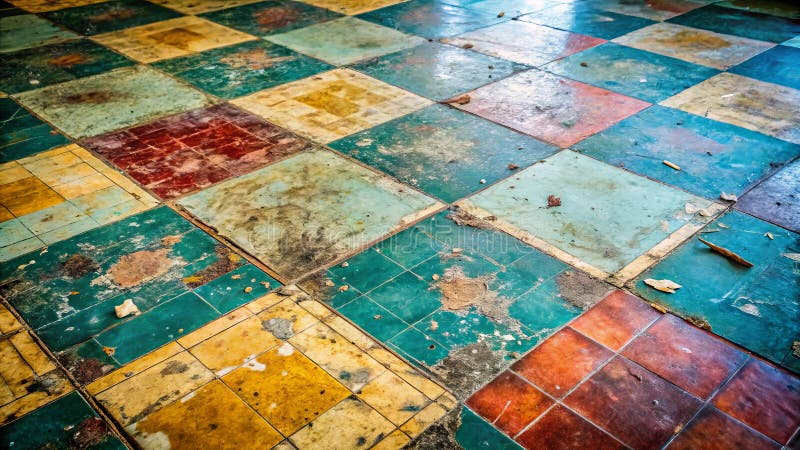
The air inside the municipal salvage yard smells faintly of oxidized iron, spent engine oil, and decades of accumulated dust. Overhead, an orange gantry crane shifts a stack of structural I-beams with a low, bone-rattling groan. To the casual passerby, this sprawling acreage of industrial detritus is simply a graveyard for rust and obsolescence—a final stop before the electric arc furnace. Yet, step onto these gravel lots with a specialized eye, and the perspective shifts instantly. What looks like construction waste to a demolition contractor is recognized by pioneering interior architects as an untapped quarry of rare architectural stone, patinated bronze, and hand-forged steel.
For decades, the definition of luxury interiors was tethered to notions of pristine flawlessness. High-end design meant showroom floors lined with virgin Italian marble, perfectly extruded aluminum profiles, and exotic hardwoods harvested from protected canopies, each piece wrapped in protective plastic to ensure zero blemishes. But wealth and taste are undergoing a quiet, radical evolution. True status in 2026 is no longer about buying something brand-new out of a catalog; it is about provenance, ecological stewardship, and the unmatched visual weight of materials that carry an authentic history.
This transformation marks the birth of a new design vocabulary where scrap metal, discarded factory timber, and broken stone fragments are elevated to high art. Architects are bypassing traditional distributors to scour deconstruction sites and regional salvage yards, seeking out elements that possess narrative depth. When an oxidized steel plate from a decommissioned shipping vessel is polished, sealed, and integrated into a penthouse fireplace surround, it stops being trash. It becomes a geological artifact of human industry, possessing a tactile honesty that synthetic luxury can simply never manufacture.
The Shift from Virgin Extraction to Salvaged Pedigree
The traditional luxury market has long relied on linear supply chains that demand the continuous depletion of natural resources. Extracting virgin minerals, quarrying flawless stone slabs, and logging old-growth forests carry an invisible ecological debt that modern consumers are increasingly unwilling to pay. However, the appeal of industrial scrap goes deeper than mere environmentalism. It taps into an innate human desire for authenticity and rarity. A mass-produced brass fixture can be bought by anyone with a sufficient credit limit; a custom coffee table forged from an engine block salvaged from a 1950s locomotive is inherently one-of-a-kind.
Consider the thermal and mechanical history embedded in industrial metal offcuts. Steel and iron that have spent forty years enduring the vibrations, heat cycles, and weather events of an active manufacturing plant develop internal stresses and surface patinas that cannot be chemically simulated. Acid-washed faux rust looks cheap under directional gallery lighting because it lacks depth. True corrosion, stabilized through professional conservation techniques like tannic acid conversion and microcrystalline wax sealing, reveals a complex topography of deep burgundies, burnt siennas, and slate grays.
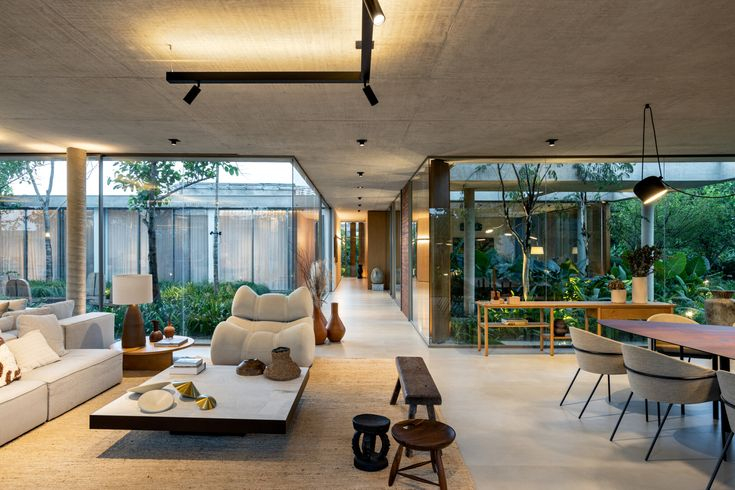
This material honesty has forced a re-evaluation of luxury finishes across high-end residential and hospitality architecture. Designers are pairing these rugged, structural elements with ultra-refined counter-surfaces—such as honed architectural concrete, cashmere upholstery, and Venetian plaster. This deliberate tension between the raw and the refined creates spaces that feel both grounded and ethereal. By treating industrial waste as a luxury resource, contemporary interiors achieve a sophisticated equilibrium that feels rooted in reality rather than staged for a digital rendering.
Decoding the Anatomy of Industrial Salvage for High-End Spaces
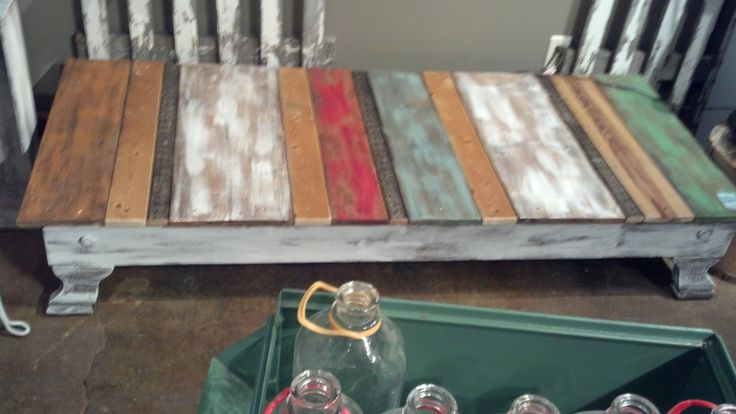
Working with material sourced from scrap yards requires a complete pivot in how designers evaluate physical matter. When browsing a standard material showroom, the priority is consistency: matching grain patterns, uniform color batches, and precise dimensional tolerances. In contrast, the scrap yard rewards intuition, structural literacy, and an appreciation for entropy. A pile of discarded factory timber—often dense heart pine or old-growth oak salvaged from demolished textile mills—must be inspected not for perfection, but for structural integrity and nail-iron staining.
These structural remnants offer immense technical versatility when processed by skilled artisans. Heavy-gauge copper pipes, once carrying industrial coolants, can be split, flattened, and hand-beaten into luxurious wall cladding tiles that catch ambient light with a warm, living glow. Similarly, discarded marble offcuts from commercial stone fabrication yards, long relegated to landfill dumpsters, are now being rescued and reimagined through techniques like terrazzo inlay and dry-stacked geometric wall panels.
The economic model underpinning this shift is equally compelling. High-end clients are willing to invest heavily in the labor-intensive craftsmanship required to transform industrial scrap into refined interior features. The value has migrated away from raw material scarcity and toward human ingenuity. Paying a master metalworker thirty hours to clean, straighten, and finish a twisted channel iron beam into a staircase stringer costs significantly more than buying a standard prefabricated steel stair package. Yet, the resulting architectural statement possesses a gravitas and an artistic pedigree that money alone could never buy off a shelf.
Methodical Sourcing: How to Mine Industrial Yards Like a Master Designer
Sourcing from scrap yards is an investigative discipline that requires patience, specialized tools, and a clear operational framework. Walking onto a salvage lot without a strategy often leads to choice paralysis or purchasing oversized, structurally compromised elements. To successfully transition raw industrial waste into a five-star residential interior, designers follow a rigorous, step-by-step curation protocol.
- Step 1 (The Reconnaissance Phase): Visit regional demolition sites, architectural salvage yards, and heavy industrial scrap merchants with a digital measuring tape, a high-lumen flashlight, and a sample testing kit to check for surface contaminants like lead paint or industrial solvents.
- Step 2 (Structural and Metallurgical Triage): Assess potential finds for core integrity. Check steel and iron for deep structural delamination or severe pitting, and inspect reclaimed timber for rot, insect damage, and hidden ferrous fasteners that will ruin expensive saw blades during milling.
- Step 3 (Chain of Custody and Provenance Documentation): Record the origin story of the material—such as the specific factory, bridge, or warehouse it came from—as this narrative documentation adds immense intrinsic and emotional value for the luxury client.
- Step 4 (Stabilization and Remediation): Transport the raw materials to specialized restoration workshops where they undergo thorough pressure washing, media blasting (using walnut shells or glass beads to preserve patina), and chemical stabilization to halt oxidation.
- Step 5 (Artisanal Transformation and Integration): Collaborate with master fabricators to cut, join, and integrate the salvaged elements into the architectural shell, ensuring that structural loads are verified by a licensed engineer before final installation.
Avoiding Common Structural and Aesthetic Traps in Upcycled Interiors
The enthusiasm for industrial chic can easily lead inexperienced designers into heavy-handed clichés. Turning a living room into an imitation machine shop or an unpolished warehouse kills the very luxury aesthetic one aims to achieve. The line between a sophisticated, soulful sanctuary and a cold, inhospitable garage is razor-thin, and crossing it usually stems from poor execution and a lack of editorial restraint.
Another major hazard involves material safety and environmental compliance. Industrial scrap yards are filled with materials that may harbor hazardous substances, from heavy metal coatings to asbestos-containing insulation trapped within old machinery housings. Ignoring these risks in pursuit of aesthetic authenticity jeopardizes both the health of the occupants and the structural longevity of the installation. Proper testing and professional remediation are non-negotiable steps in the luxury upcycling pipeline.
- Pitfall 1 (Over-Industrialization): Using too many raw, unmitigated metal surfaces makes a space feel cold and institutional. Workaround: Balance every square foot of rusted steel or rough-sawn timber with tactile, softening elements like custom mohair upholstery, acoustic wool wall panels, and warm, layered architectural lighting.
- Pitfall 2 (Ignoring Material Toxicity): Sourcing old industrial components without testing for chemical treatments, lead-based primers, or PCBs. Workaround: Always commission independent laboratory testing for vintage metals and paints before bringing them into a residential environment, and use chemical stripping or encapsulation where necessary.
- Pitfall 3 (Neglecting Dimensional Movement): Installing reclaimed timber with high moisture content inside climate-controlled luxury homes, leading to catastrophic warping and splitting. Workaround: Kiln-dry all salvaged wood to a stable 6% to 8% moisture equilibrium and allow it to acclimate on-site before final installation.
- Pitfall 4 (Undersizing Structural Engineering): Treating heavy structural scrap as mere decorative trim without verifying load-bearing capacities or anchoring requirements. Workaround: Partner with structural engineers to calculate weight loads, specify heavy-duty epoxy or mechanical anchors, and ensure wall assemblies can support massive upcycled elements.
- Pitfall 5 (Surface Patina Destruction): Sandblasting or acid-dipping historic metals too aggressively, stripping away decades of authentic weathering down to raw, characterless steel. Workaround: Opt for gentler media blasting methods (such as soda or walnut shell) and hand-seal the surface immediately with microcrystalline wax to lock in the historical patina.
The Broader Cultural and Economic Impact of Upcycled Luxury
The movement toward industrial salvage is reshaping the global luxury market by rewriting the economic rules of interior architecture. For generations, the luxury sector operated on an ethos of disposability disguised as opulence—replacing interiors every decade as trends shifted. Upcycling challenges this throwaway culture by proving that materials can appreciate in character and value over time. When a high-end penthouse features structural elements reclaimed from a 19th-century textile mill, it anchors the home in a deep sense of temporal continuity.
This approach also aligns with the broader economic shift toward hyper-localization and artisanal support. Instead of ordering mass-manufactured luxury goods shipped across oceans with heavy carbon footprints, high-end clients are investing in local fabricators, metalsmiths, and restorers. This localized supply chain keeps traditional trades alive, fostering a vibrant ecosystem of craftspeople who possess the rare skills required to transform heavy industrial scrap into exquisite interior details.
Furthermore, this design philosophy redefines what it means to live sustainably at the highest levels of wealth. True luxury is no longer about consuming more resources; it is about exercising discernment, curation, and stewardship. By rescuing materials that were destined for the scrap heap and elevating them through exceptional design, architects and homeowners are demonstrating that ecological responsibility and five-star aesthetics are not mutually exclusive—they are inextricably linked.
Strategic Frameworks for Curation and Long-Term Value
Translating the raw potential of an industrial salvage yard into a cohesive, gallery-grade interior requires a deliberate curation framework. It is not enough to scatter a few rusted gears or weathered beams around a room and call it design. Every salvaged piece must serve a structural, functional, or narrative purpose within the spatial choreography of the home.
When designing with upcycled industrial elements, the concept of negative space becomes critical. Heavy patinated metals and dense reclaimed timbers demand breathing room. Pairing a massive sliding door fashioned from salvaged factory fire doors with expansive, minimalist plaster walls allows the texture and history of the metal to take center stage without overwhelming the senses. Lighting design must also be tailored specifically to these materials; linear grazing lights and narrow-beam spotlights highlight the subtle topography of rusted surfaces and hand-tooled welds, turning architectural salvage into living wall art.
- Framework 1 (The Anchor Element Strategy): Select one major salvaged focal point per zone—such as a monumental steel staircase or a kitchen island clad in reclaimed foundry plates—and build the surrounding material palette to complement its specific tone and texture.
- Framework 2 (The Contrast Ratio Principle): Ensure a balanced interplay between rough, high-entropy industrial surfaces and ultra-smooth, low-entropy finishes like polished brass, satin-lacquered millwork, and seamless terrazzo flooring.
- Framework 3 (Narrative Integration): Document the origin of each salvaged component in a bespoke commissioning book presented to the homeowner, transforming a design choice into an heirloom story passed down through generations.
The journey from a forgotten industrial scrap yard to the sophisticated interior of a luxury residence represents one of the most compelling design evolutions of our time. It challenges the lazy assumptions of consumer culture, proving that true beauty is found not in pristine perfection, but in depth, history, and transformation. As architects and designers continue to push the boundaries of what can be rescued, repurposed, and refined, the vocabulary of luxury will only expand.
Ultimately, looking at industrial scrap yards with fresh eyes is an act of optimism. It reminds us that nothing truly has to go to waste, and that human creativity possesses the power to redeem the discarded remnants of our industrial past. By embracing this gritty, authentic elegance, we do not just build better homes; we build a more thoughtful, enduring relationship with the material world around us.