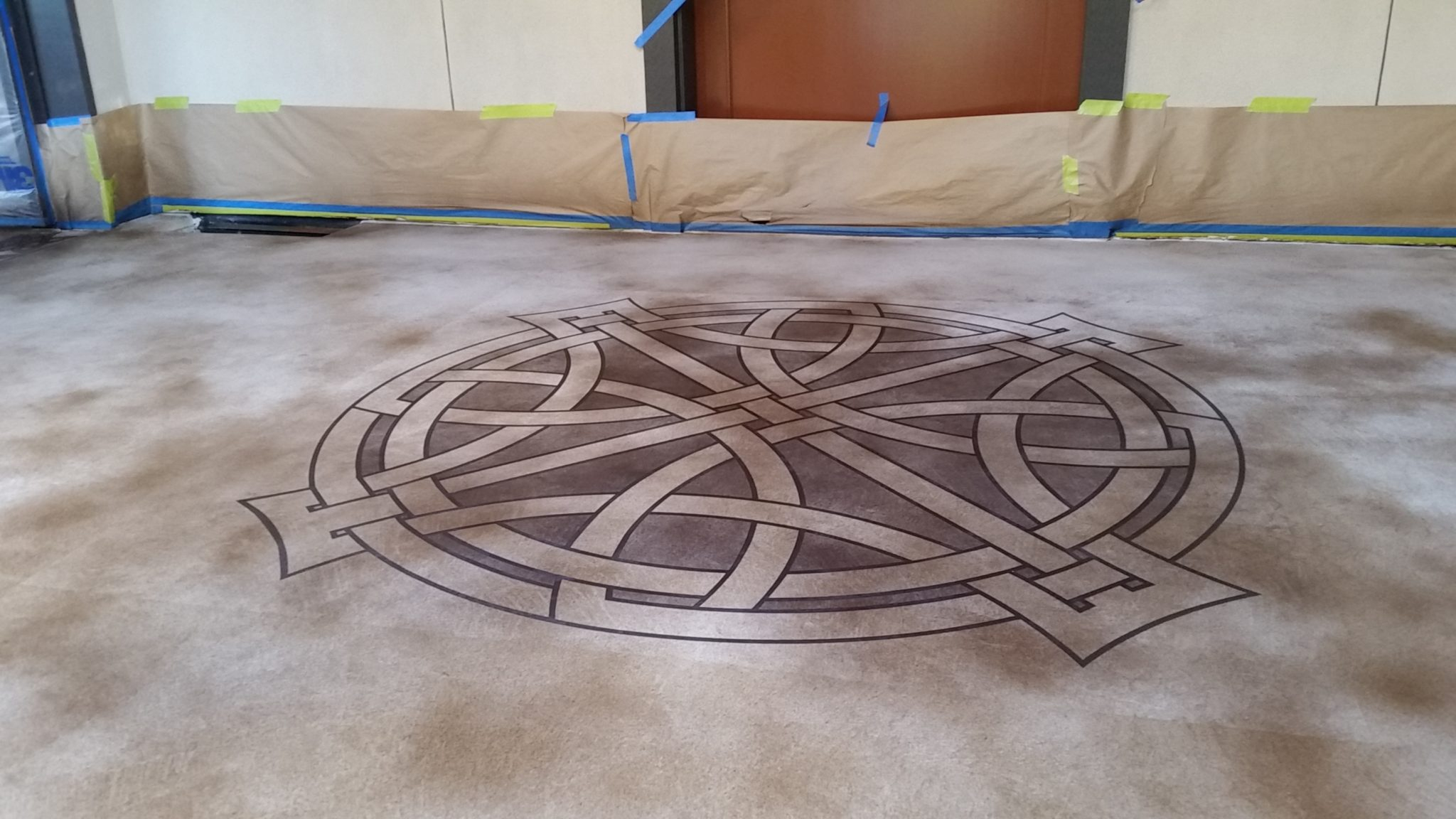
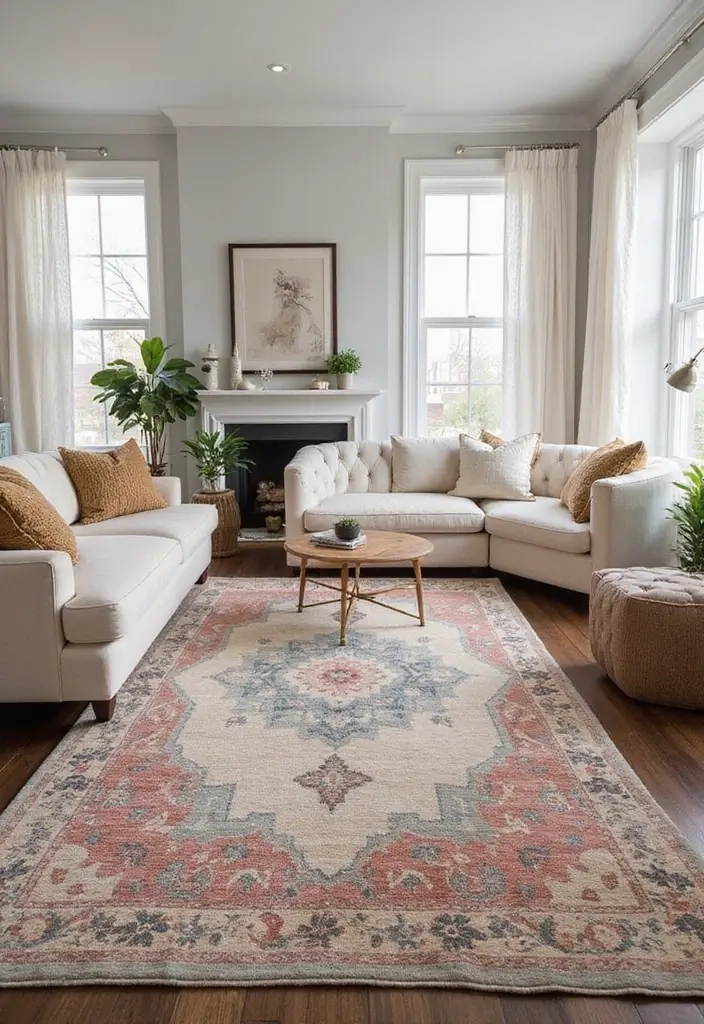
The fibers of a luxury wool rug trap dust, absorb pet odors, and require specialized professional cleaning every twelve months. Worse still, a standard area rug acts as a visual break in a room, cutting up the expanse of a floor and shrinking the perceived dimensions of an interior. Walk into a high-end design showroom today, and you will notice a striking shift. Expansive floors stretch uninterrupted across rooms, free from the traditional rugs that once dominated high-end interiors. Instead, designers are specifying custom floor murals, stenciled motifs, and hand-painted artistry directly onto wood, concrete, and tile substrates.
This is not a budget concession or a minimalist fad; it is a fundamental re-engineering of how we ground a space. For decades, interior design treated the floor as a passive foundation meant to be covered up with textiles. Today, visionaries like Joa Studholme, color curator at Farrow & Ball, note that flooring is finally reclaiming its rightful place as a primary canvas. When you paint a pattern directly onto the subfloor, you eliminate the visual clutter of fringed edges, curled corners, and misplaced furniture footprints. The room feels instantly larger, more cohesive, and deeply curated.
At the core of this movement is a growing fatigue with mass-produced decor and cookie-cutter interiors. Homeowners are actively seeking the human touch—imperfections, brush strokes, and authentic artistry that tell a story. Hand-painted floor art delivers an extraordinary return on investment. It costs a fraction of a bespoke silk-and-wool rug while offering limitless customizability in color, scale, and geometry. As we navigate contemporary living spaces, this architectural approach to flooring bridges the gap between high art and everyday practicality.
The Architectural Evolution of the Naked Floor Plane
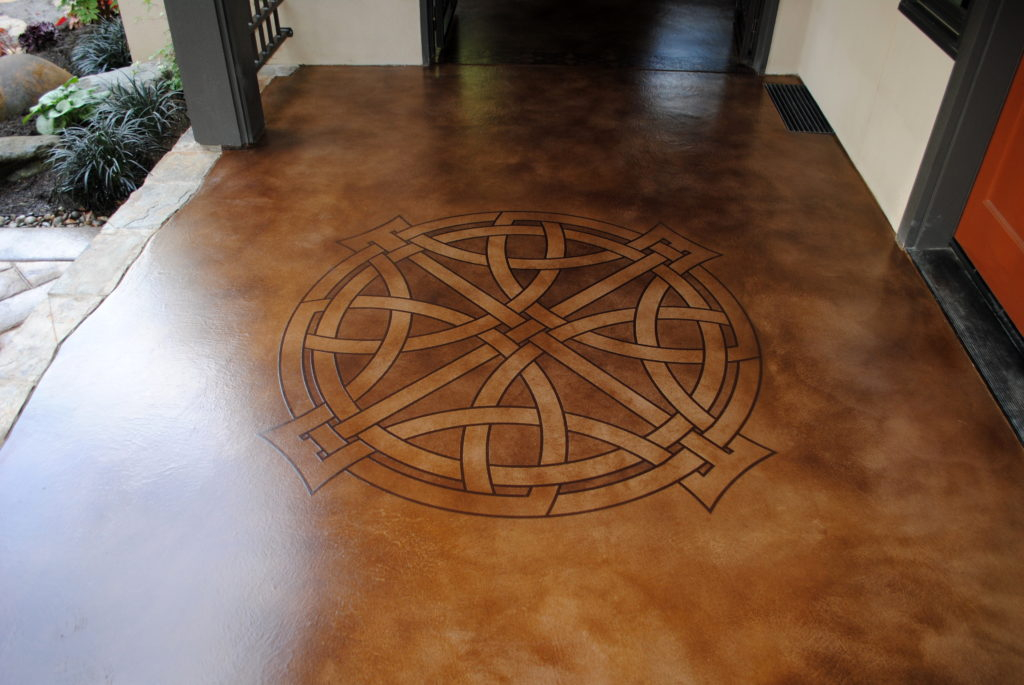
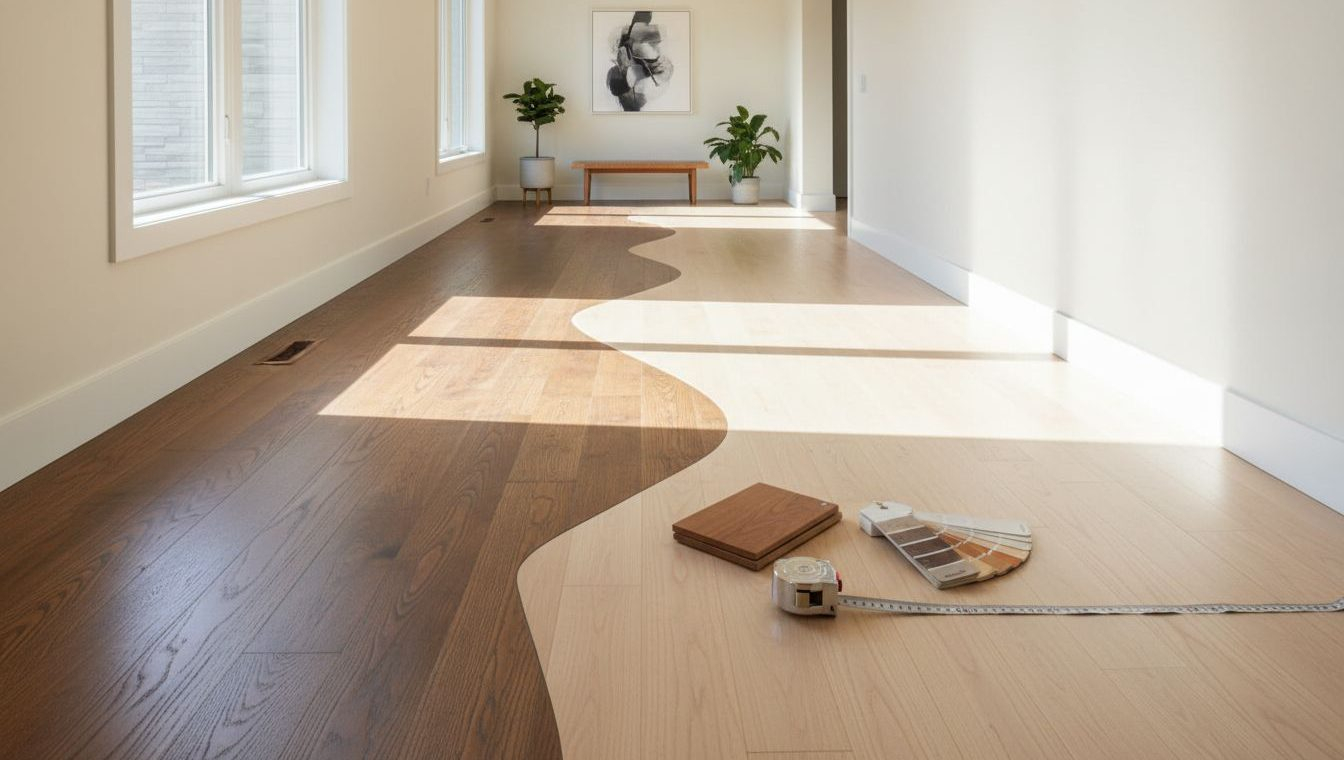
Traditional area rugs serve a singular purpose: to zone a room and soften hard surfaces. However, they introduce a distinct spatial problem by interrupting the continuity of the floor plane. When a heavy rug sits in the center of an open-plan living area, it acts as a visual speed bump, halting the eye and chopping the room into rigid, isolated compartments. Painted floor art solves this spatial dilemma by extending the pattern across the room, allowing the eye to travel fluidly from wall to wall. The result reads as architectural rather than decorative, tricking the brain into perceiving the overall footprint as significantly larger.
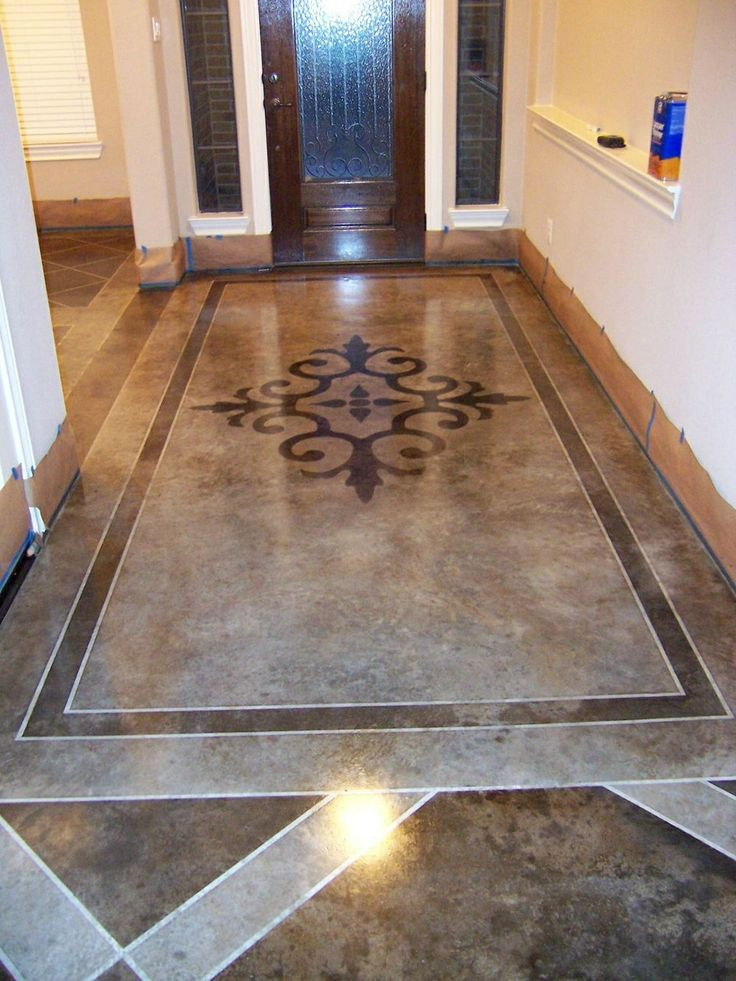
Open floor plans benefit most from this design shift. In a sprawling loft or an open-concept kitchen and dining zone, laying down multiple rugs often leads to visual chaos, where competing textures and patterns clash. A continuous hand-painted motif—such as a large-scale checkerboard, a delicate stenciled vine, or a sweeping abstract watercolor wash—ties disparate zones together without adding physical or visual weight. The design becomes an integral part of the structure itself, echoing ceiling beams, molding details, or custom millwork.
Historically, painted floors are far from a novel invention. Colonial settlers and European craftsmen frequently turned to paint when they lacked the capital for imported Persian rugs or polished hardwoods. They hand-stenciled floorboards with intricate geometric designs, simulating expensive marble tiles or European tapestries. Today’s revival honors that resourceful heritage while elevating it with modern chemistry. Advanced floor enamels, polyurethane topcoats, and industrial-grade pigments ensure that hand-painted surfaces withstand heavy foot traffic, dragging chairs, and daily life with remarkable resilience.
Reclaiming Craftsmanship Through Artisan Floor Painting
The current handmade revival sweeping through the design industry represents a direct rebellion against sterile, algorithmic aesthetics. For years, digital rendering tools and fast-furniture supply chains flooded the market with identical, mass-produced textiles. Consumers and designers alike are now hungering for the tactile irregularities of maker-driven goods. Hand-painted floors capture this desire for authenticity in its purest form. Each brushstroke carries the unique signature of the artisan, transforming a utilitarian walking surface into a bespoke gallery piece.
This shift mirrors the broader appreciation for hand-painted walls, custom ceramic tiles, and artisanal plaster. When an artist kneels on a subfloor to apply meticulous layers of pigmented glaze or crisp geometric lines, they infuse the home with an unmistakable sense of soul. Unlike a factory-woven rug that begins to shed and degrade the moment it is unpacked, a hand-painted floor gains character over time. Minor scuffs and patinas blend into the artwork, telling the ongoing story of the household.
Furthermore, custom floor art allows for absolute synchronization with a home’s specific color palette and lighting conditions. While a designer might spend weeks hunting for a vintage rug that comes close to the desired hue, a painter can custom-mix acrylic alkyd paints on-site. They can adjust undertones to catch the natural afternoon light pouring through a south-facing window. This level of tailoring is impossible in mass production, positioning floor painting as the ultimate expression of bespoke luxury.
Step-by-Step Methodology for Commissioning and Executing Floor Art
Transforming a bare floor into a hand-painted masterpiece requires meticulous preparation, precise geometry, and industrial-grade finishing. Skipping a single step in the priming or sealing phases can result in peeling paint and premature wear.
- Step 1 (Surface Evaluation and Repair): Inspect the substrate to ensure it is structurally sound. Fill any nail holes, sand down high spots on wood planks, or patch cracks in concrete slabs using a flexible epoxy filler. The floor must be completely flat, dry, and free of wax, grease, or previous contaminant sealers.
- Step 2 (Sanding and Priming): Sand the entire surface with 120-grit sandpaper to create a mechanical grip for the primer. Vacuum meticulously, then apply an adhesion-promoting primer specifically formulated for your substrate—such as an oil-based primer for raw wood or a bonding primer for tile and concrete.
- Step 3 (Base Coating and Layout): Roll on two even coats of high-durability floor enamel in your chosen background color, allowing proper cure times between coats. Once cured, snap chalk lines and use low-tack painter’s tape to map out your design, double-checking all measurements and symmetry points before applying any decorative color.
- Step 4 (Hand-Painting the Art): Apply your design using artist-grade acrylics, specialized floor paints, or custom stencils. Work systematically from the center of the room outward toward the exits. Use fine-artist brushes for intricate detailing and high-density foam rollers for solid geometric color blocks.
- Step 5 (Protective Sealing): Allow the painted design to cure fully for at least 72 hours. Apply two to three coats of a high-solids, water-clear polyurethane or polyaspartic topcoat with a UV blocker. This sacrificial wear layer protects the artwork from abrasion, moisture, and fading.
Navigating Common Pitfalls and Field-Tested Workarounds
While hand-painted floors offer staggering aesthetic and financial rewards, novice DIYers and inexperienced contractors frequently run into structural and chemical roadblocks. Anticipating these challenges ensures a flawless, long-lasting finish.
- Pitfall 1 (Incompatible Paint and Substrate Chemistry): Applying water-based latex paint over an oily or incompatible old finish causes immediate delamination. Workaround: Always perform an adhesion test patch before starting. When in doubt, strip the floor down to bare material and apply a universal bonding primer.
- Pitfall 2 (Ignoring Wood Movement and Expansion): Hardwood floors expand and contract with seasonal humidity swings, which can crack rigid paint films. Workaround: Use elastomeric or flexible alkyd enamel paints designed to flex slightly with wood movement rather than brittle wall paints.
- Pitfall 3 (Trapped Moisture in Concrete Slabs): Painting a basement or ground-level concrete floor without checking moisture levels leads to blistering and bubbling. Workaround: Perform a simple plastic sheet moisture test. Tape a 2-foot square of plastic to the floor for 24 hours; if condensation forms underneath, you must apply a vapor-mitigating primer first.
- Pitfall 4 (Premature Foot Traffic): Stepping on the floor before the polyurethane topcoat has chemically cured damages the protective seal. Workaround: Keep socks-only traffic restricted for the first week, and avoid placing heavy furniture back onto the floor for at least 10 to 14 days.
- Pitfall 5 (Slippery Safety Hazards): High-gloss polyurethane finishes can turn a painted floor into an ice rink, especially in high-traffic hallways or kitchens. Workaround: Stir a microscopic anti-slip aluminum oxide flattening agent into your final coat of clear sealer to maintain traction without dulling the artwork.
The Economic and Environmental Case for Painted Subfloors
Beyond visual appeal and artistic expression, the shift toward hand-painted flooring reflects a broader reckoning with economic pragmatism and ecological sustainability. Traditional high-end rugs—particularly those woven from hand-spun wool, silk, or antique fibers—demand astronomical investments, frequently ranging from five to twenty thousand dollars for custom dimensions. Conversely, floor painting utilizes standard architectural paints and artist pigments, reducing material costs by up to eighty percent while delivering a far more personalized outcome.
From a maintenance standpoint, the lifecycle economics heavily favor paint. Rugs require constant vacuuming, chemical dry cleaning, and eventual replacement due to irreversible staining or fiber breakdown. A properly sealed painted floor, however, is exceptionally hygienic. It harbors zero dust mites, pet dander, or allergens, making it the superior choice for modern households prioritizing indoor air quality. Spills wipe away instantly with a damp microfiber cloth, eliminating the panic of red wine on antique silk.
Environmentally, painted floors champion adaptive reuse. Instead of ripping out aging, mismatched hardwood or scuffed concrete to install brand-new flooring materials, designers are simply resurfacing what is already there. This approach diverts tons of construction waste from landfills and avoids the carbon footprint associated with manufacturing and shipping massive textile rugs across oceans. By utilizing existing structural substrates as a permanent canvas, interior design takes a meaningful step toward genuine sustainability.
Actionable Frameworks for Integrating Floor Art Into Your Home
Successfully incorporating hand-painted floor art into an interior scheme requires a strategic balance between statement and subtlety. Because a painted floor commands immediate visual attention, the surrounding elements must be curated to support rather than fight the artwork.
- Establish the Focal Scale: Match the scale of your floor pattern to the room’s dimensions. Use large-scale geometric shapes or sweeping motifs in expansive spaces to anchor the room, and reserve delicate, micro-stenciled borders for intimate powder rooms or entryways.
- Coordinate Vertical Planes: Echo the tones found in your floor art through subtle vertical accents, such as painted trim, custom lampshades, or throw pillows, ensuring the room feels unified without appearing overly matched.
- Embrace Negative Space: Let portions of the painted floor remain visible around furniture arrangements. Avoid overcrowding the room with heavy, skirted sofas that obscure the very artistry you worked to create.
- Plan for Lighting Interactions: Test your paint colors under both warm incandescent lighting and cool natural daylight. Gloss levels matter tremendously; satin or semi-gloss sheens offer the ideal balance between light reflection and scuff resistance.
The widespread transition from expensive, high-maintenance rugs to bespoke hand-painted floor art signals a mature shift in contemporary interior design. We are moving away from trend-chasing consumerism and returning to an architectural appreciation of space, light, and authentic craftsmanship. By treating the floor as a primary canvas, designers are liberating rooms from the visual clutter of floating textiles and unlocking a new dimension of spatial fluidity.
As homes increasingly become sanctuaries for personal expression, the demand for human-made, customizable surfaces will only accelerate. Whether you choose to commission an intricate trompe-l’œil tile pattern for a foyer or paint a bold, minimalist stripe across an open-concept loft, the underlying philosophy remains the same: true luxury lies in originality, permanence, and the quiet beauty of a well-crafted surface. Step off the rug, look down at your floor, and see the endless possibilities waiting beneath your feet.