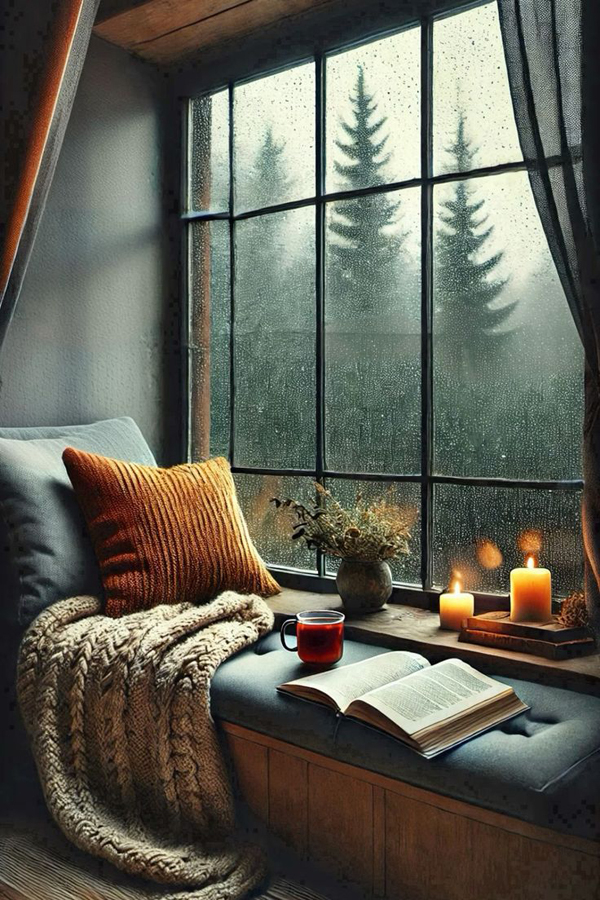
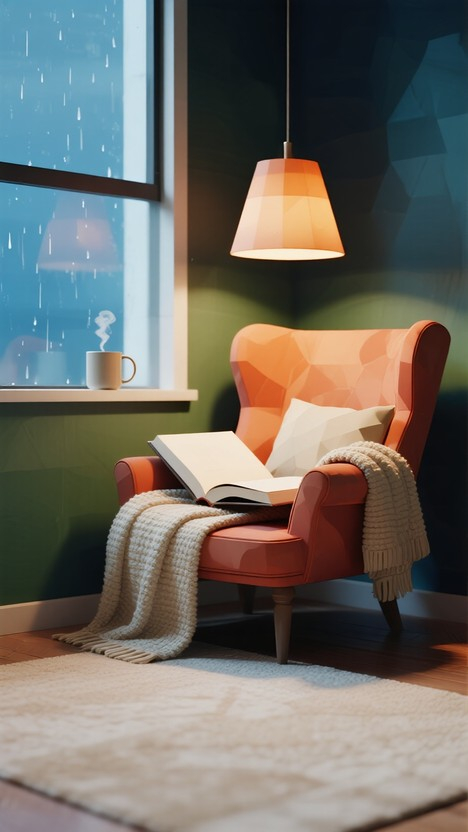
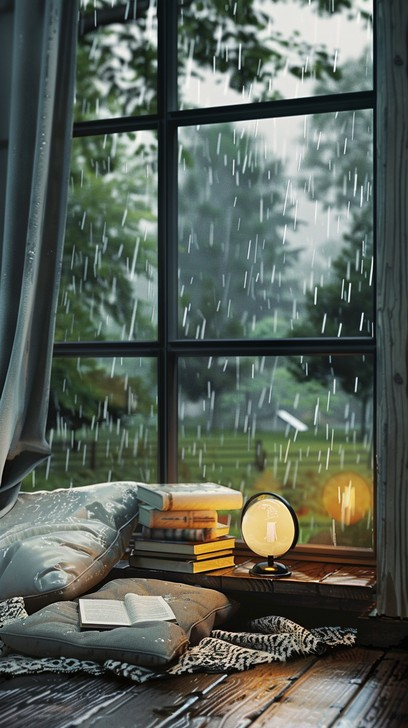
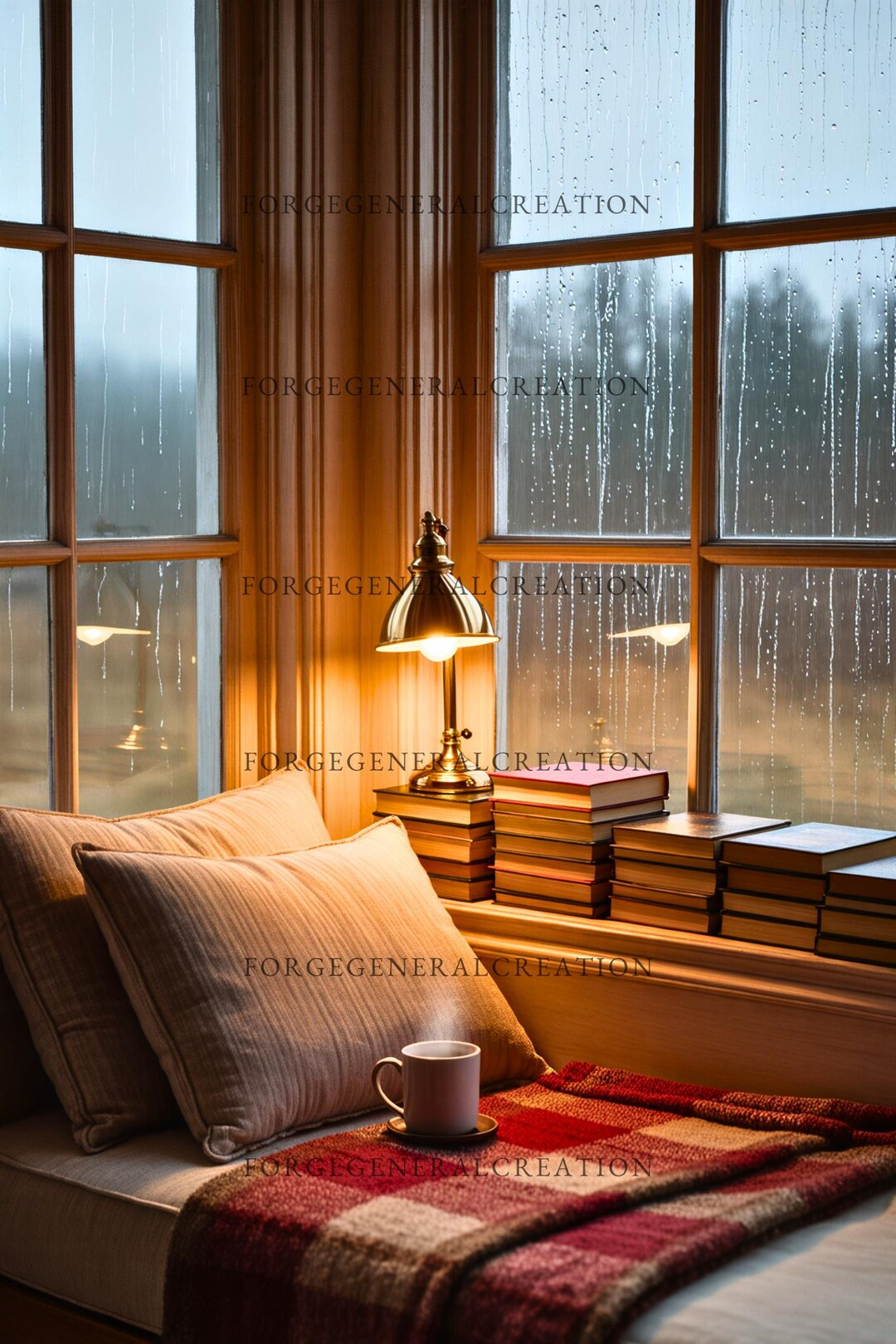
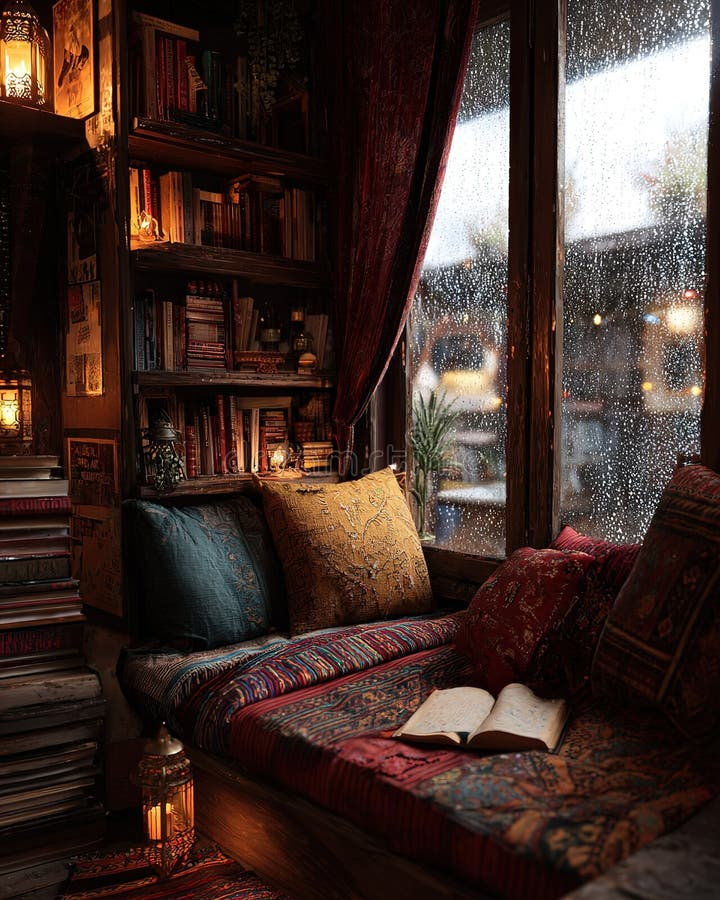
The winter rain taps a steady rhythm against the windowpane, but inside, the air smells faintly of aged paper, beeswax furniture polish, and roasted chicory. You pull a heavy wool throw tighter around your shoulders, trace the spine of an old poetry collection with your thumb, and realize something profound: a room filled with books doesn’t just store stories—it acts as an architectural anchor for your sanity. In an era dominated by slick glass screens and relentless digital pings, carving out a physical sanctuary for reading has become the ultimate interior design rebellion.
We have moved far past the sterile, minimalist white boxes that defined the previous decade. Today, interior designers and literary enthusiasts alike are leaning heavily into rich, saturated environments that hug the senses. The prevailing design ethos centers on comfort, tactile authenticity, and spaces that tell a deeply personal narrative. Whether you are working with a sprawling bonus room, an awkward under-stair cavity, or simply a lonely corner of your studio apartment, turning your square footage into a literary retreat is entirely achievable with the right strategy.
The Architecture of Literary Drenching and Immersive Shelving
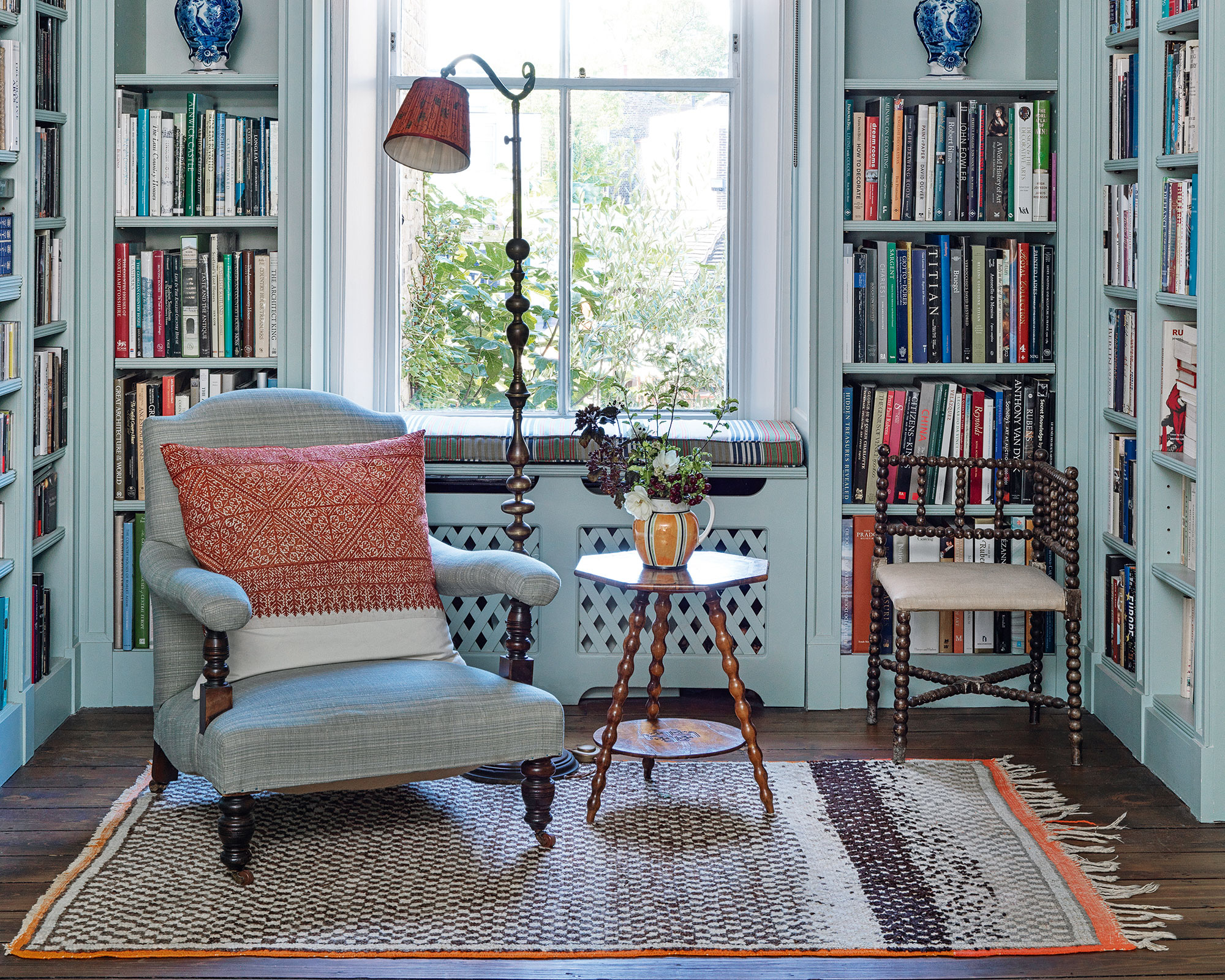
The concept of "book drenching"—the striking evolution of bookshelf wealth—has taken residential design by storm, transforming ordinary rooms into floor-to-ceiling cocoons of literature. Instead of treating books as mere accessories on a single floating shelf, book drenching involves wrapping an entire perimeter in timber, MDF, or custom built-ins, painting the walls, trim, and shelving the exact same deep, enveloping shade. Think moody hunter green, charcoal slate, or burnished terracotta. This monochromatic flood creates a seamless visual horizon where the colorful spines of your collection become the primary artwork, softening sharp architectural angles and introducing an instant layer of historical gravity.
When designing these immersive shelf walls, structural load is the silent variable that separates amateur builds from professional masterpieces. Standard pine shelving will inevitably sag under the weight of hardcovers over a three-to-five-year span. To prevent unsightly bowing, serious builders rely on high-density MDF core panels or ¾-inch-thick solid hardwoods like white oak, walnut, or maple. If you are spanning shelves wider than 36 inches, incorporating vertical dividers or hidden metal reinforcement channels routed into the underside of the wood is non-negotiable.
Beyond structural integrity, lighting within these saturated spaces dictates whether your library feels like a subterranean crypt or a welcoming den. Recessed puck lights mounted flush into the top header of the shelving units cast a gentle waterfall of illumination down the book spines. However, avoid harsh, cool-toned LEDs; opt for warm 2400K to 2700K integrated strips with a high Color Rendering Index (CRI) of 95 or above. This ensures the true, rich pigments of vintage book cloth and aged paper jump out without casting an institutional glare across the room.
Carving Intimate Nooks From Forgotten Architectural Dead Space
Not every home possesses the sprawling square footage required for a dedicated mahogany-paneled reading room. Fortunately, some of the most charming literary setups emerge from architectural dead zones that most homeowners ignore. Take the awkward triangular void beneath a staircase, for instance. By custom-building pull-out vertical utility drawers or stepped open shelving that matches the rake of the stairs, you can house hundreds of paperbacks in a footprint that previously collected dust bunnies and stray gym shoes.
Attic spaces and loft conversions present another goldmine for cozy library design. The sloping angular ceilings, while frustrating for standard furniture placement, create an inherently intimate, womb-like atmosphere ideal for reading. Lining these slanted knee walls with low-profile shelving keeps books within arm’s reach while you recline on a low-slung daybed or a pile of oversized floor cushions. Pairing these low units with operable skylights allows you to read under natural daylight by afternoon and stare up at the stars through a haze of amber reading lamps by night.
Even standard bedroom closets can be gutted and reimagined as a "cloffice" library hybrid or a dedicated reading cove. Removing the traditional sliding doors, installing a built-in upholstered bench seat with hidden lift-top storage for extra blankets, and surrounding the interior with shallow picture-ledge book displays turns a cramped storage box into a private writing and reading sanctuary. It proves that physical intimacy and spatial constraint often breed the most creative interior design solutions.
Step-by-Step Blueprint for Building Your Custom Home Library
Executing a functional and visually stunning home library requires a methodical approach that balances carpentry, electrical planning, and ergonomic design. Skipping a phase often results in crooked shelves, inadequate lighting, or a chair that looks magnificent but destroys your lower back after twenty minutes of reading.
- Step 1 (Audit and Spatial Mapping): Measure your available wall space down to the millimeter, accounting for baseboard heaters, electrical outlets, and HVAC vent returns. Catalog your existing book collection by height and weight to determine the exact linear footage of shelving required, adding a 30% buffer for future literary acquisitions.
- Step 2 (Structural Framing and Anchoring): Secure wall standards or cabinet boxes directly into wood studs or masonry using heavy-duty toggle bolts. If building floating shelves, install heavy steel concealed bracket systems capable of supporting at least 50 pounds per linear foot.
- Step 3 (Electrical and Lighting Integration): Run low-voltage wiring behind the drywall before final painting or shelving installation. Position under-shelf LED channels or hardwire flush-mount library picture lights above designated reading zones, hooking them up to dimmer switches to control ambiance.
- Step 4 (Surface Finishing and Paint Drenching): Apply two coats of high-adhesion primer followed by durable satin or eggshell enamel paint across all built-ins, walls, and baseboards to achieve that cohesive, designer-grade wrapped look.
- Step 5 (Ergonomic Seating and Styling): Introduce a supportive armchair with an ottoman, a heavy wool or mohair throw blanket, a sturdy side table for a mug of tea, and layer in decorative objects like vintage globes, brass bookends, and framed botanical prints.
Navigating Structural Pitfalls and Avoiding Common Design Missteps
Even enthusiastic DIYers and seasoned home renovators run into predictable hurdles when tackling library builds. Recognizing these traps before you drive the first screw saves you from expensive remodeling tear-outs down the road.
- Pitfall 1 (Underestimating Book Weight): Piling heavy art monographs and leather-bound encyclopedias onto unreinforced shelving leads to sagging boards within months. Workaround: Always use ¾-inch thick hardwood or high-density core materials, and install intermediate vertical uprights every 30 to 36 inches to distribute gravitational load evenly.
- Pitfall 2 (Ignoring Natural Sunlight Damage): Positioning unshaded bookshelves directly opposite a south-facing window exposes your prized paperbacks and rare editions to aggressive ultraviolet rays that bleach spines and dry out leather bindings. Workaround: Install UV-filtering window film, sheer linen Roman shades, or position your heavy shelving along interior partition walls free from direct solar exposure.
- Pitfall 3 (Sacrificing Ergonomics for Aesthetics): Buying a visually striking, mid-century wireframe chair that pinches your shoulders and lacks lumbar support ruins the reading experience. Workaround: Prioritize deep-seat upholstery, test-sit armchairs with your feet firmly on the floor, and always pair lounge chairs with an adjustable floor lamp and an ottoman positioned at the correct knee height.
- Pitfall 4 (Creating Cluttered Visual Noise): Jamming books, knick-knacks, charging cords, and loose papers onto shelves haphazardly turns a curated library into a messy storage closet. Workaround: Alternate between vertical book stacks and horizontal flat stacks, incorporate closed cabinet doors at the base for less aesthetic items, and leave breathing room on shelves by styling with ceramics or framed photos.
- Pitfall 5 (Neglecting Adequate Electrical Access): Building a magnificent corner reading nook only to realize the nearest wall outlet is ten feet away, forcing ugly extension cords across your walkway. Workaround: Plan floor pop-up outlets or route concealed USB-C and standard electrical ports directly into the baseboards or built-in millwork during the rough carpentry phase.
The Broader Cultural Shift Toward Slow Living and Analogue Spaces
The surging popularity of home libraries is not merely a transient Pinterest trend; it represents a profound psychological counter-movement against hyper-connectivity and the erosion of deep focus. Contemporary interior design is increasingly recognizing that homes must function as psychological buffers against an exhausting outside world. When you walk into a room lined with physical books, your nervous system responds differently than it does when facing a glowing television or an open laptop. The tangible textures of paper, cloth, leather, and wood ground the senses, signaling to the brain that it is safe to slow down, disconnect, and absorb complex narratives over hours rather than seconds.
Economically and sustainably, this movement aligns with the broader embrace of circular design and mindful consumption. Rather than filling rooms with disposable, flat-pack furniture designed to last a single lease cycle, homeowners are investing in permanent, heirloom-quality millwork and second-hand book collections curated from estate sales, thrift shops, and independent antiquarian dealers. This practice of collecting over time infuses living spaces with authenticity and personal history, ensuring that a home library feels lived-in, soulful, and entirely unique to its inhabitant rather than stamped out from a corporate catalog.
Furthermore, integrating greenery, botanical wallpaper accents, or live-edge wooden coffee tables into these spaces bridges the gap between indoor architecture and the natural world—a design philosophy known as biophilic design. Plants such as trailing pothos, snake plants, and broad-leaf monsteras thrive in the indirect lighting typical of cozy reading nooks, purifying the air while softening the vertical rigidity of bookshelves. The result is an ecosystem of calm that nurtures both intellectual curiosity and emotional well-being.
Actionable Frameworks for Curating, Organizing, and Maintaining Your Collection
Building the physical shell of your home library is only half the battle; maintaining a functional, breathing collection requires an ongoing curation strategy. Without a logical system, your library quickly devolves into an unnavigable maze where finding a specific volume feels like an archaeological excavation.
To strike the right balance between order and accessibility, categorize your collection based on how you actually read rather than rigid Dewey Decimal numbers. Grouping books by genre—such as historical nonfiction, speculative fiction, poetry, and art philosophy—makes intuitive sense for daily browsing. Alternatively, some bibliophiles prefer chromatic organization (arranging books by spine color), which creates a striking visual gradient across the wall, though this method requires a disciplined memory of what color cover your favorite novel sports.
Dust management is another practical reality that every home library owner must confront. Books love moderate humidity and cool temperatures, but they act as natural dust magnets. Combat this by investing in a soft-bristled brush attachment for your vacuum cleaner and gently sweeping book tops twice a year. Keep your HVAC system fitted with high-efficiency particulate air (HEPA) filters to capture floating particulate matter before it settles into the porous paper fibers. By treating your library as a living, breathing archive, you ensure that your investment in literature remains pristine for decades to come.
The home library of today stands as a quiet sanctuary against the noise of modern life. By combining thoughtful spatial planning, structural integrity, and rich aesthetic choices like book drenching and mood lighting, you transform ordinary rooms into enduring vessels of personal history and intellectual peace.
As you embark on your own literary room project, remember that perfection is secondary to comfort. The most successful reading spaces are those that invite you in, kick off your shoes, and lose track of time entirely. Gather your favorite volumes, clear out that neglected corner, and build the refuge you have always deserved.