Have you ever stared at a blank screen while your brain feels like a bowl of cold spaghetti. We have all been there. Big goals start as a giant cloud of random notes and half-formed dreams. Making sense of that mess usually feels impossible.
Getting those tangled thoughts out of your head and onto a canvas changes everything. When you use visual building blocks, you stop guessing what to do next. You begin seeing the actual shape of your plan.
Why Our Brains Love Visual Shapes
Human minds adore pictures. Reading endless paragraphs of text tires you out fast. Looking at connected boxes and shapes lets your eyes scan the entire layout in seconds.
By mapping thoughts visually, you take the heavy lifting off your memory. You no longer have to hold twenty different tasks in your head at once. They live safely on the page right in front of you.
Collecting Your Brain Dump
Start by writing down every single random fragment you own. Grab sticky notes or open a blank digital board. Do not worry about order yet. Just let the thoughts spill out.
Throw in every detail, even the silly ones. This messy pile is your raw material. Without this chaotic first step, you cannot build a sturdy structure later.
Grouping Related Pieces Together
Now comes the fun sorting phase. Look at your giant pile of notes. What items belong in the same family. Move similar ideas close to each other on your workspace.
As you cluster these items, patterns will naturally appear. You might notice three tasks that always happen before a project launches. Give each cluster a simple label so you know what it represents.
Turning Piles Into Step-by-Step Paths
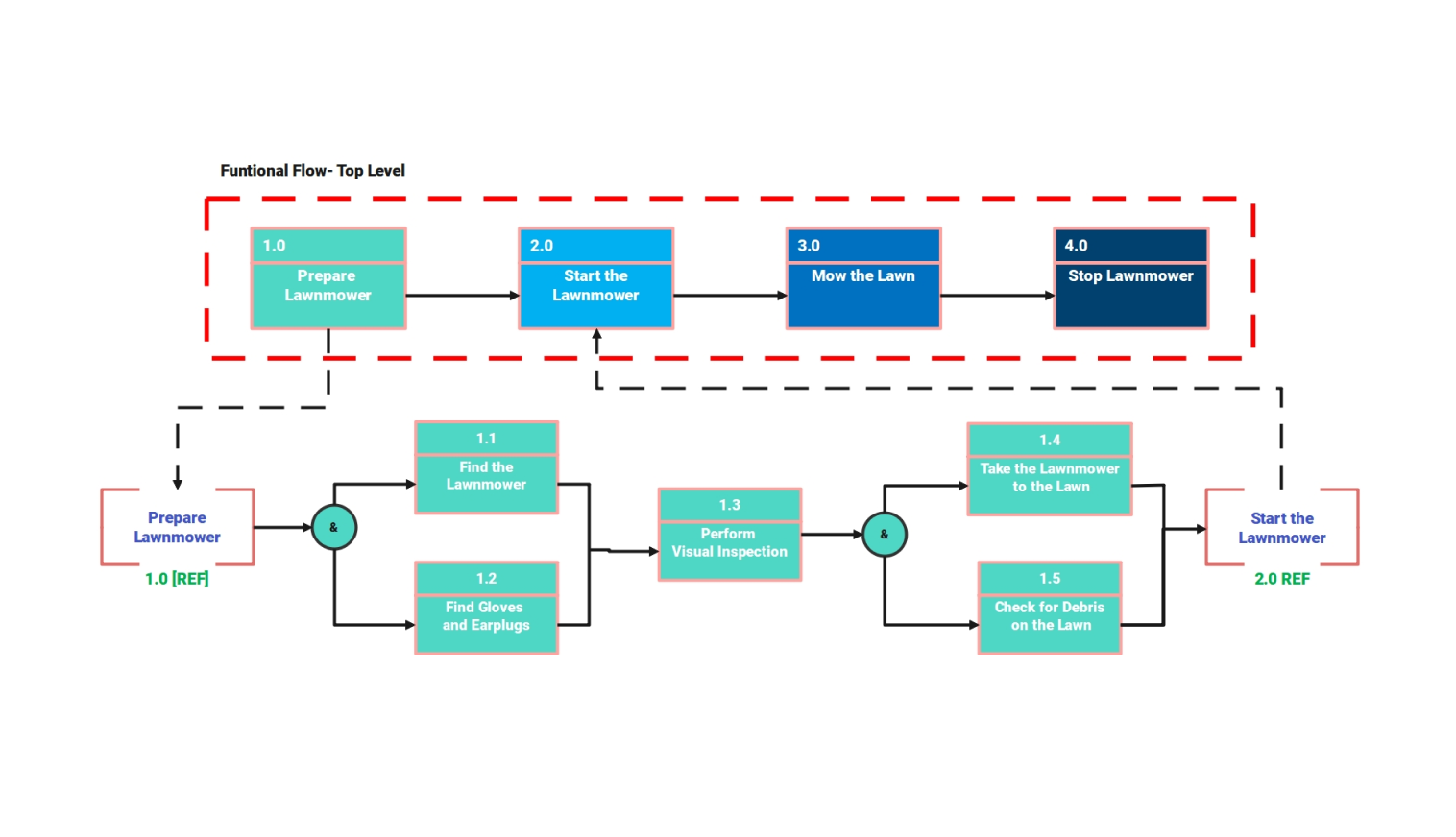
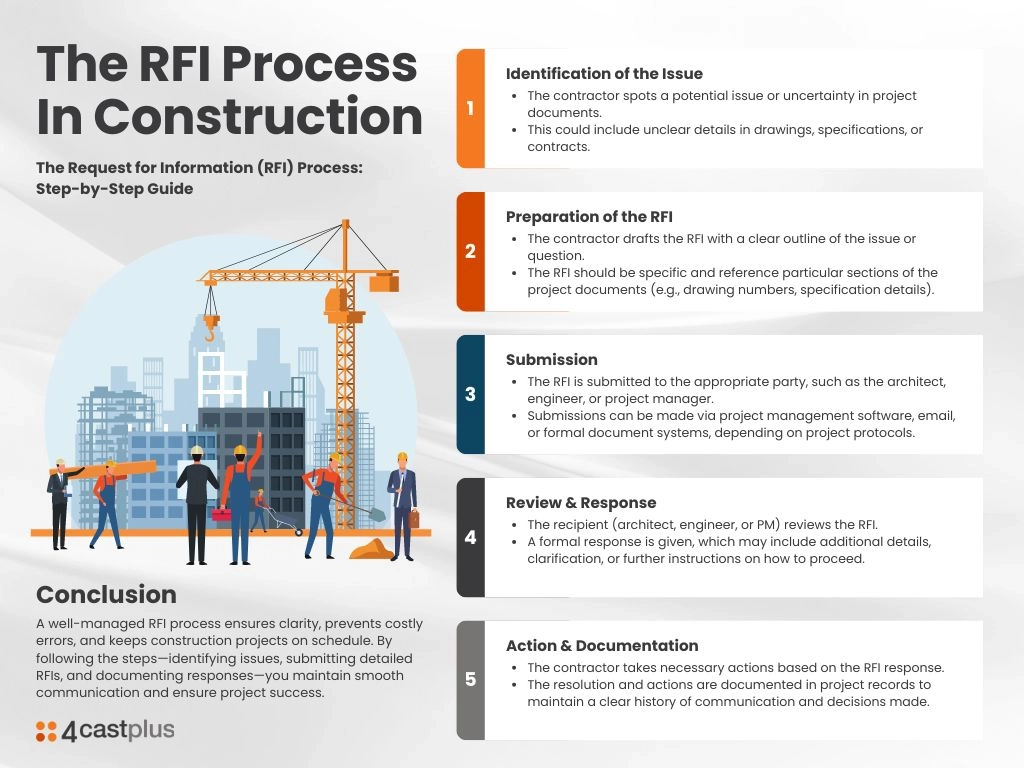
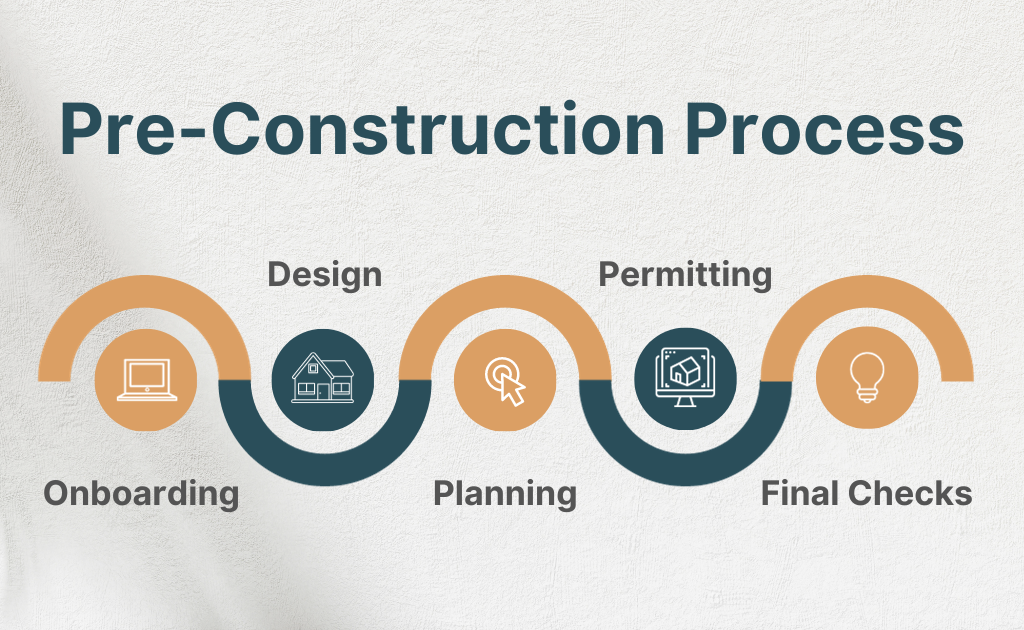
Once your notes form neat groups, put them in chronological order. Ask yourself what happens first. What happens next. Follow the natural flow of time.
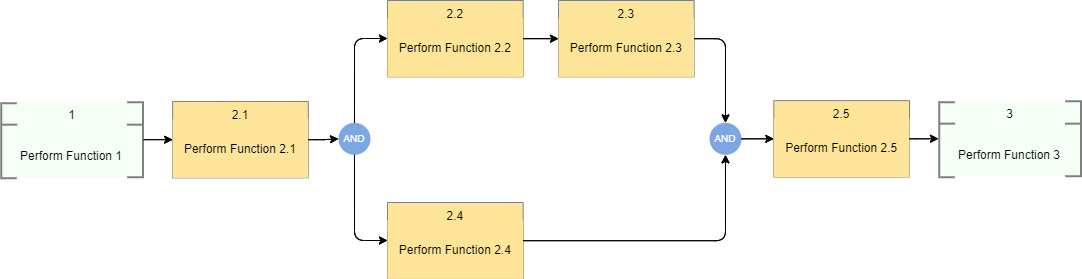
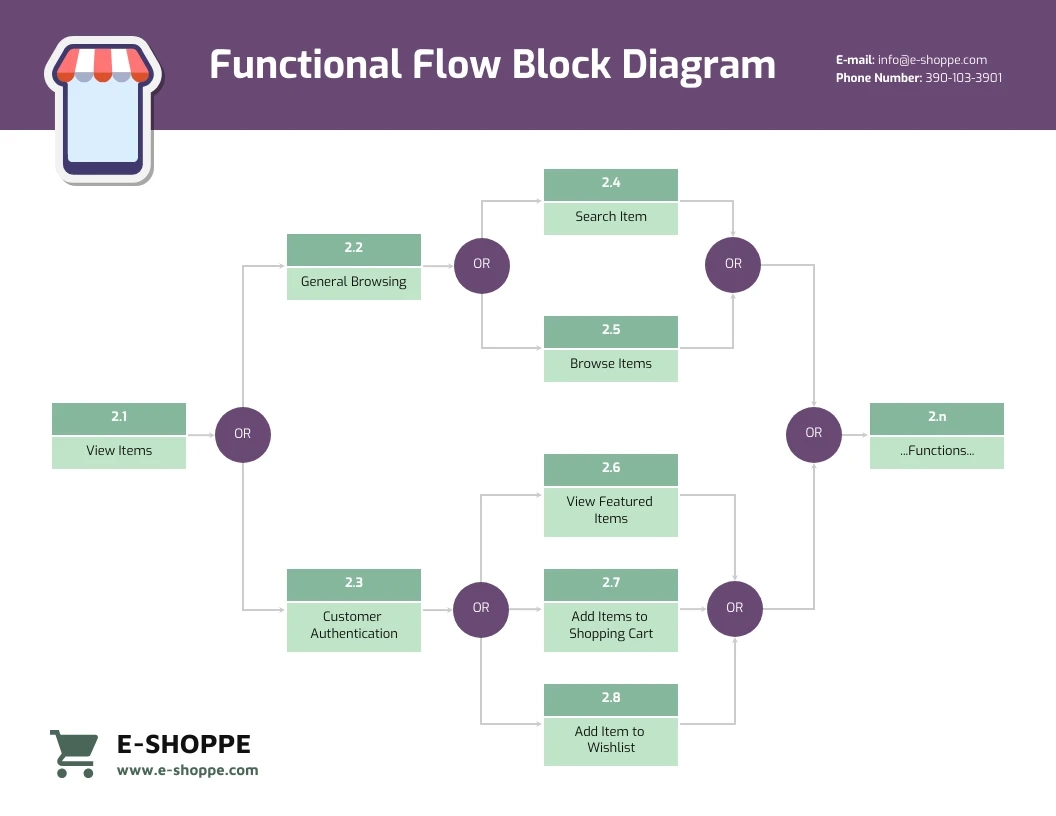
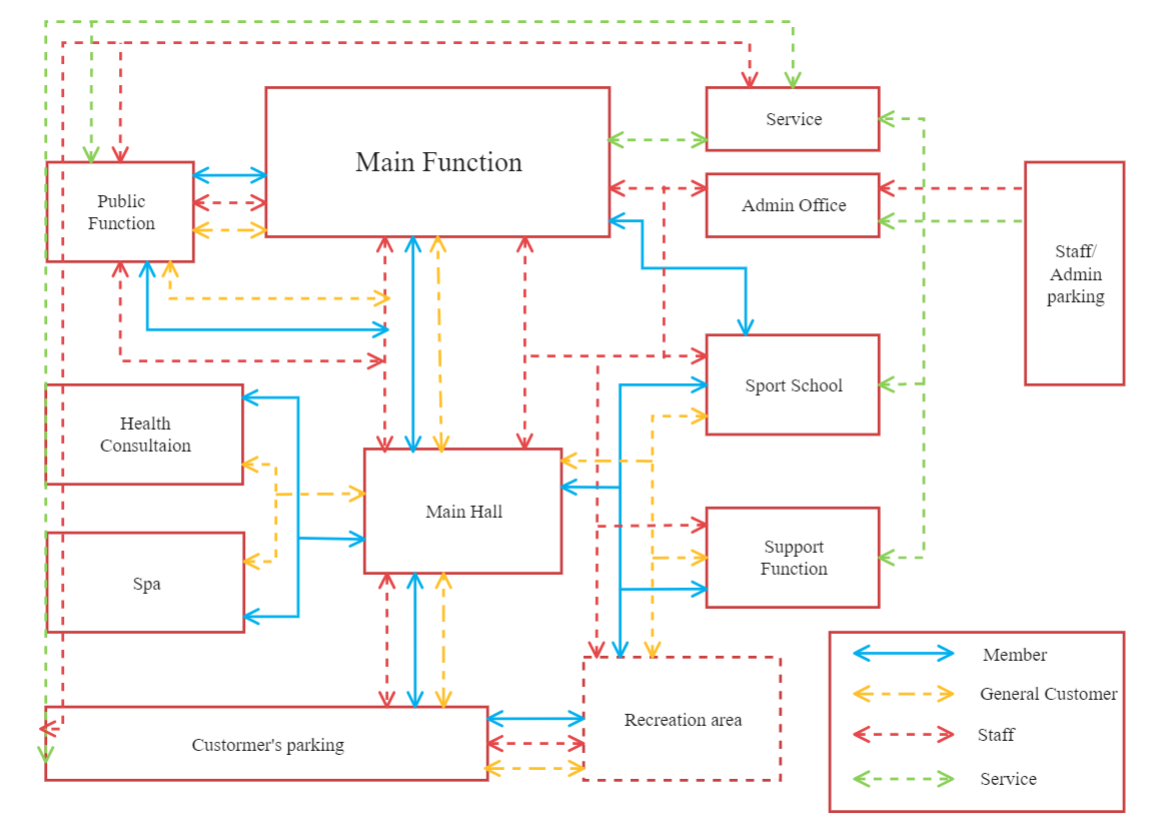
Draw simple lines or arrows to connect these groups. This creates your very first draft of a system. If a step feels confusing, break it down into two smaller pieces.
Testing Your New Visual Blueprint
Never trust your first draft completely. Walk through your newly connected blocks from start to finish. Pretend you are executing the plan for the very first time.
Do you hit any dead ends. Is a crucial instruction missing. Fix those gaps right now. Adjusting your visual path early saves you from massive headaches later on.
Simplicity wins every time. Look at your connected blocks and remove any clutter. Can you delete an unnecessary step. Can you combine two boxes into one.
Keep your layout clean and easy to follow. If someone else looks at your board, they should understand the main path within thirty seconds. Clear visuals lead to clear actions.
Transforming tangled concepts into clean paths takes a little practice. You do not need fancy software to get started. Just take your chaotic thoughts, group them wisely, and connect the dots.
When you break massive projects down into bite-sized visual pieces, the overwhelm simply melts away. You gain the confidence needed to turn any wild dream into a working reality today.