Imagine pulling all the comfort your home needs right out of your own backyard. No noisy outdoor fans, no delivery trucks bringing fuel, and no massive monthly utility bills. That is exactly what happens when you build a house around a ground source heat pump. It sounds like something from the future, but it is happening right now in 2026.
For years, people looked at heating and cooling as something you just buy from a utility company. But as we focus more on building sustainable spaces, our approach has shifted. Instead of treating the climate control system as an afterthought, smart homeowners are designing their entire homes around the earth’s natural, steady temperature. Let’s look at how you can do exactly that.
What Exactly is a Ground Source Heat Pump?
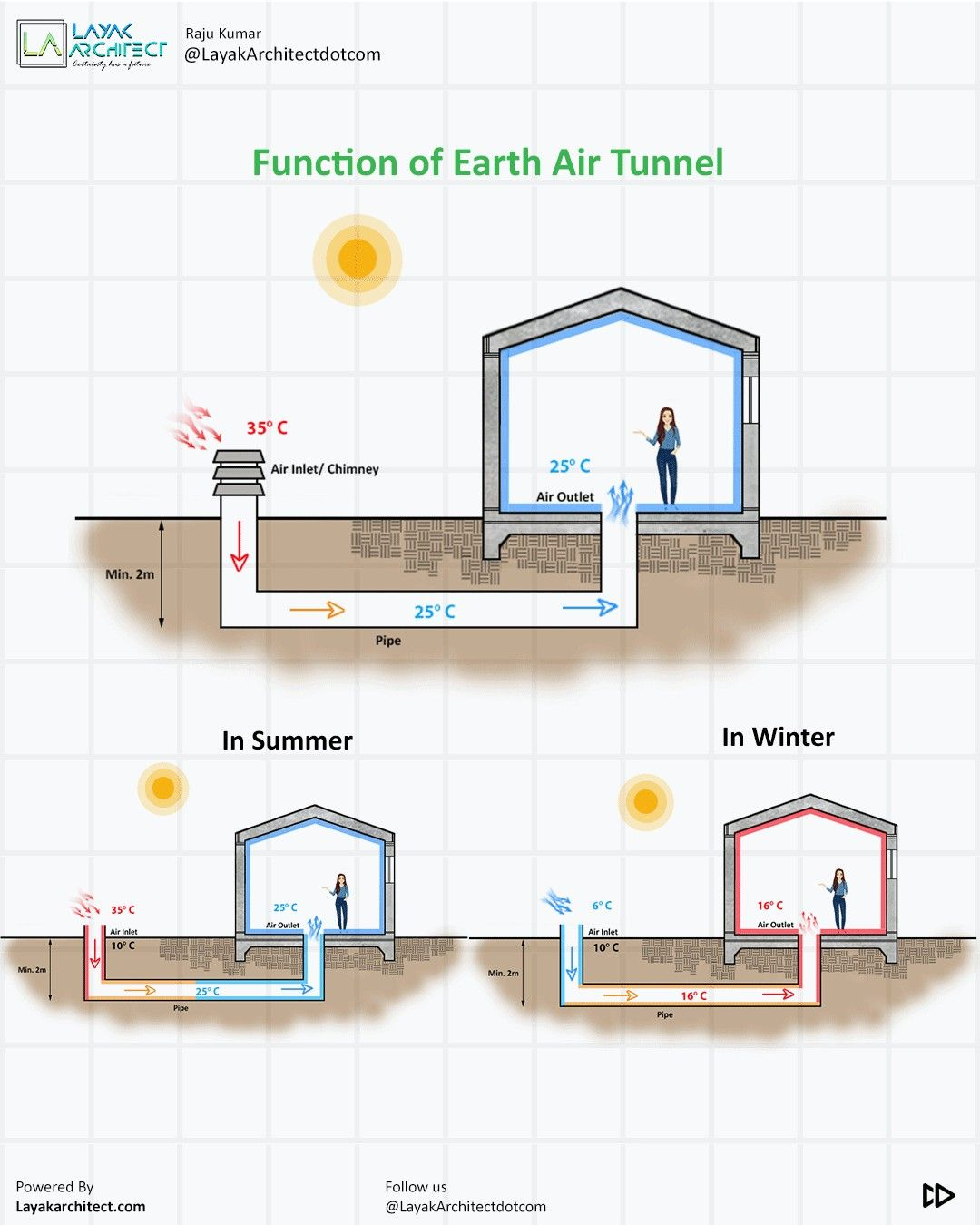
At its core, a ground source heat pump—or geothermal system—is a clever setup that moves heat from one place to another. While the air temperature outside changes wildly between summer and winter, the ground a few feet below us stays remarkably constant all year round. Usually, it sits around 50 to 55 degrees Fahrenheit.
The system uses a loop of underground pipes filled with water or a special fluid. In the winter, this fluid absorbs the natural warmth from the earth and carries it into your house. A pump inside compresses that heat to make it warmer and distributes it through your rooms. In the summer, the whole process flips. The system takes the extra heat from your house and pushes it back down into the cool earth.
Designing Your Layout for Maximum Efficiency
When you plan a home around geothermal, you want to think about how air moves. It is not just about dropping a machine into the basement. You want to match the house layout to the system’s strengths. For instance, open-concept floor plans work beautifully because they allow the steady, gentle air from the heat pump to circulate naturally without getting trapped by too many walls.
You also want to consider where the actual indoor equipment goes. While these systems are much quieter than a traditional furnace or air conditioner, they still make a gentle humming sound. Putting the mechanical room near a garage or a laundry room rather than right next to a bedroom is a smart move.
Choosing Between Vertical and Horizontal Loops
One of the biggest choices you will make during the planning phase is deciding how to bury your pipes. If you have a massive lot with plenty of acreage, a horizontal loop system is often the most budget-friendly path. Workers dig long, shallow trenches about four to six feet deep, lay out the pipes, and cover them back up.
But what if you are building on a smaller suburban lot. That is where vertical drilling comes in. A drilling rig will create a few deep holes, often between 100 and 400 feet deep. Pipes are dropped straight down into these holes. This method requires very little surface space, though it does cost a bit more upfront because of the heavy drilling equipment.
Matching Your Floors to Your Heat Source
To get the absolute most out of your geothermal system, you should think about your flooring choices. These pumps excel at delivering a continuous flow of moderate warmth. Because of this, they pair perfectly with radiant in-floor heating systems.
Imagine walking across a cozy tile or concrete floor in the middle of January. When you circulate warm water from the heat pump directly through tubes in your floor, the heat rises evenly throughout the room. It feels much more comfortable than traditional systems that blast hot air from ceiling vents, which quickly cools down and leaves your feet freezing.
Insulation and the Importance of a Tight Envelope
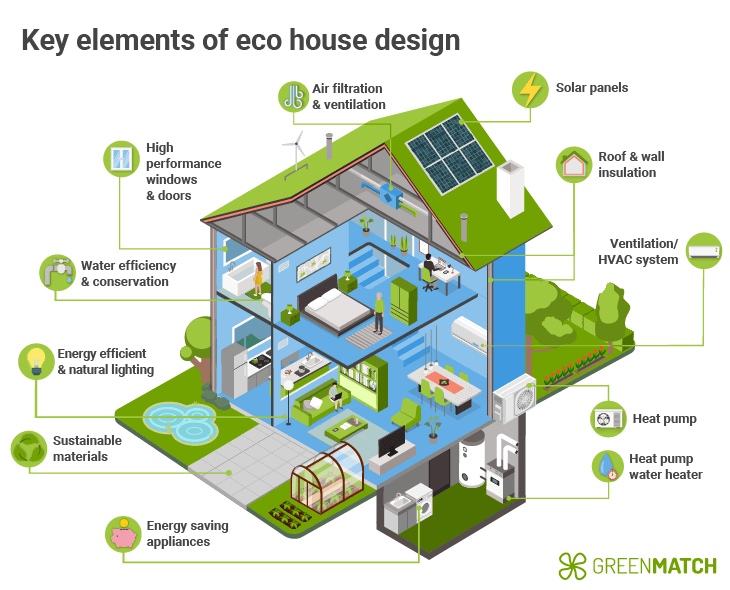
A ground source heat pump is incredibly efficient, but it shouldn’t have to work harder than necessary. If your new home has drafty windows or poor insulation, you are basically throwing away that free earth energy. Planning a sustainable home means looking at the building as a complete, connected system.
Investing in high-quality insulation and modern, double-paned windows pays off instantly. When you seal up the house tightly, you can actually install a smaller, less expensive heat pump because the home retains its temperature so well. It is a win-win scenario that saves you money on equipment and monthly bills.
Navigating the Financials and Incentives in 2026
There is no sugarcoating the fact that geothermal systems cost more to install upfront than a standard fossil-fuel furnace. The excavation and drilling work takes time and specialized labor. However, looking at the big picture changes things completely.
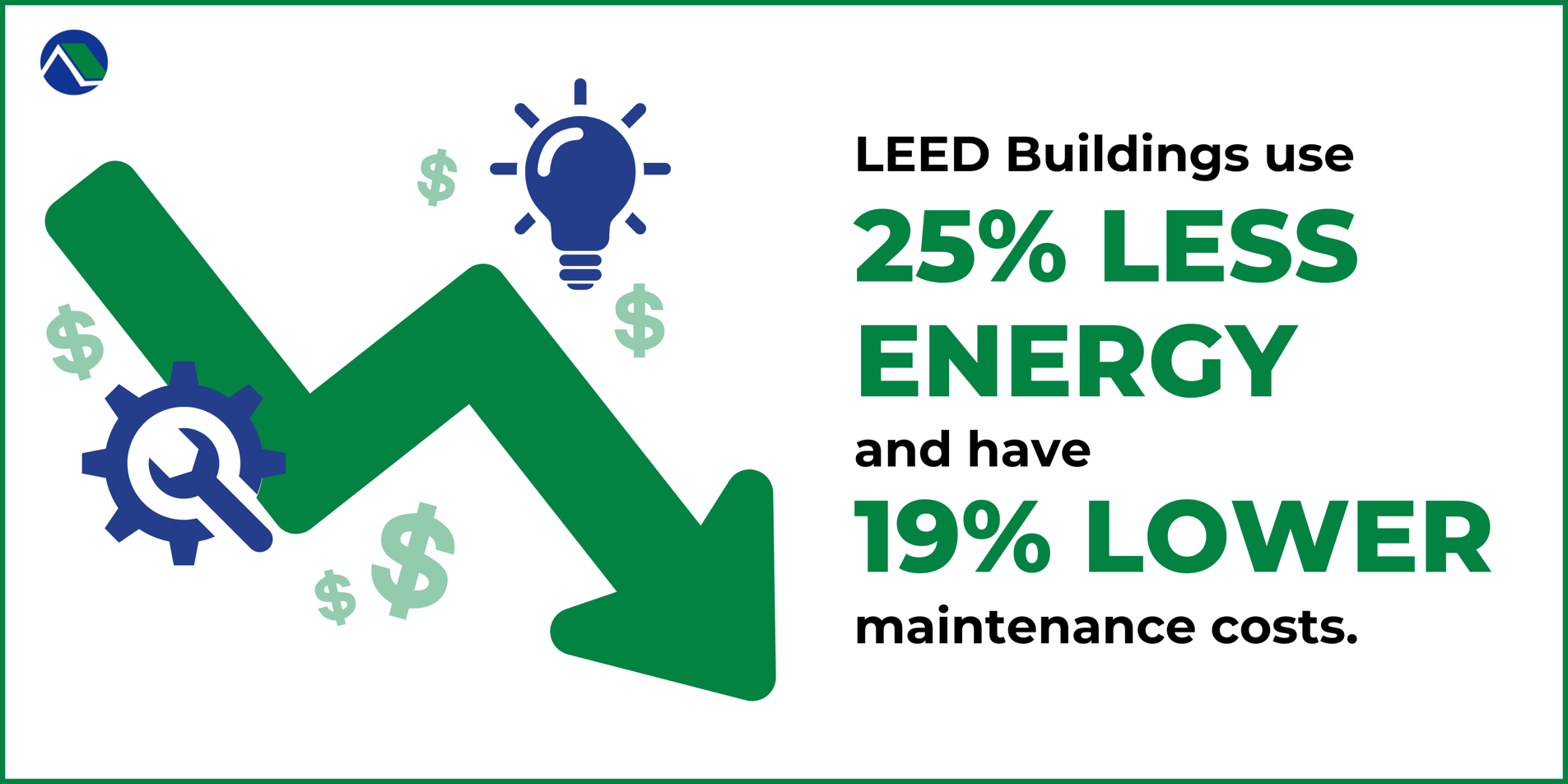
In 2026, there are numerous tax credits, rebates, and green financing options available that can slash the initial installation bill significantly. When you factor in those incentives along with energy bills that are often 40% to 70% lower than your neighbors, the system usually pays for itself much faster than people expect. Plus, the underground pipes are rated to last for over fifty years.
Planning a sustainable home is an exciting journey, and centering it around a ground source heat pump gives you a rock-solid foundation. It requires some careful thought during the early architectural stages, but the reward is a home that feels incredibly comfortable, keeps your energy footprint tiny, and stands the test of time.
By aligning your floor plans, choosing the right loop style for your land, and sealing up your home tightly, you create a living space that works with nature instead of fighting against it. It is a smart investment that makes your home a true sanctuary for decades to come.