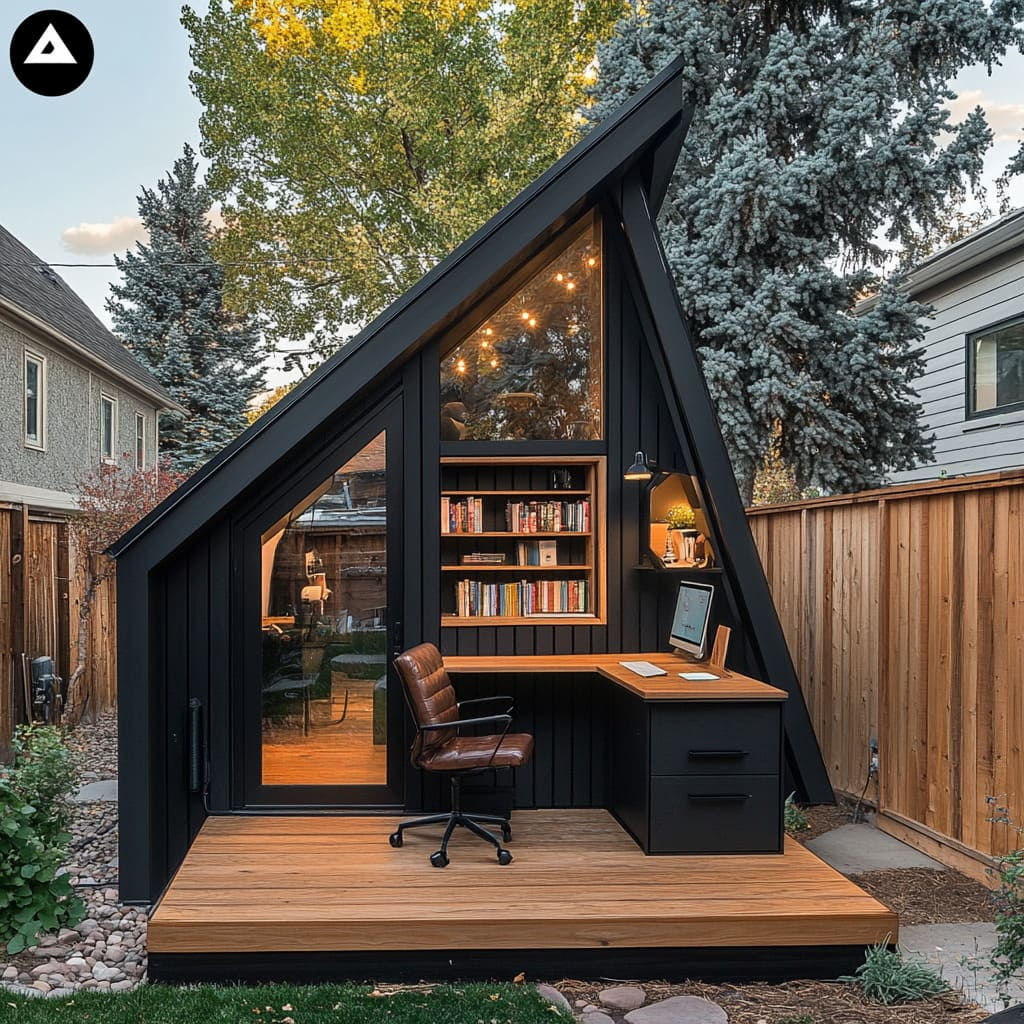
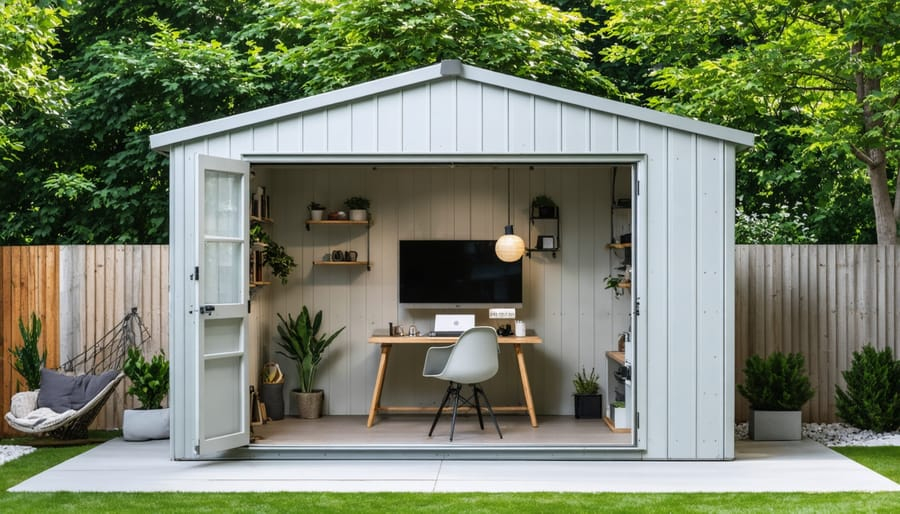
We have all been there. You walk down to the back of the yard, open up your wooden outbuilding to grab a lawnmower, and you are hit with that unmistakable, earthy smell of dampness. Maybe you notice a little bit of green mold creeping up the corner of the wall, or a soft spot on the floorboards that definitely wasn’t there last summer. It is heartbreaking because a good backyard building isn’t cheap.
The truth is, most outdoor structures do not die of old age. They get taken out by two silent killers: trapped moisture and relentless weather. But here is the good news. With a few basic adjustments to how your space breathes and blocks out the elements, you can easily double its lifespan. Let’s look at how to protect your investment for 2026 and beyond.
The Invisible Threat of Trapped Moisture
Many folks assume that sealing up a building like a tight ziplock bag is the best way to protect it. It makes sense on the surface, right? Keep the rain out, keep the inside dry. But that is actually a recipe for disaster. When you trap air inside a small space without any escape route, everyday temperature swings create condensation.
Think about what happens to your car windows on a chilly morning. That exact same moisture is pooling on your tools, your lawnmower, and the wooden studs behind your walls. Over time, this constant damp environment invites wood rot and rust. You need to let that trapped air escape, or your structure will literally rot from the inside out.
Finding and Fixing the Weak Spots
Before you can fix anything, you have to know where the water is actually getting in. Most leaks don’t start on the main roof panels. They start at the joints, the windowsills, and right along the foundation line where rainwater splashes back up from the ground.
Take a flashlight out during a heavy rainstorm and look for dark patches on the wood. Pay close attention to the corners where the walls meet. If you find gaps, a high-quality exterior silicone caulk is your best friend. Just trace the seams on the outside to block out the draft, but remember to leave your actual vents clear.
The Magic of Proper Air Circulation
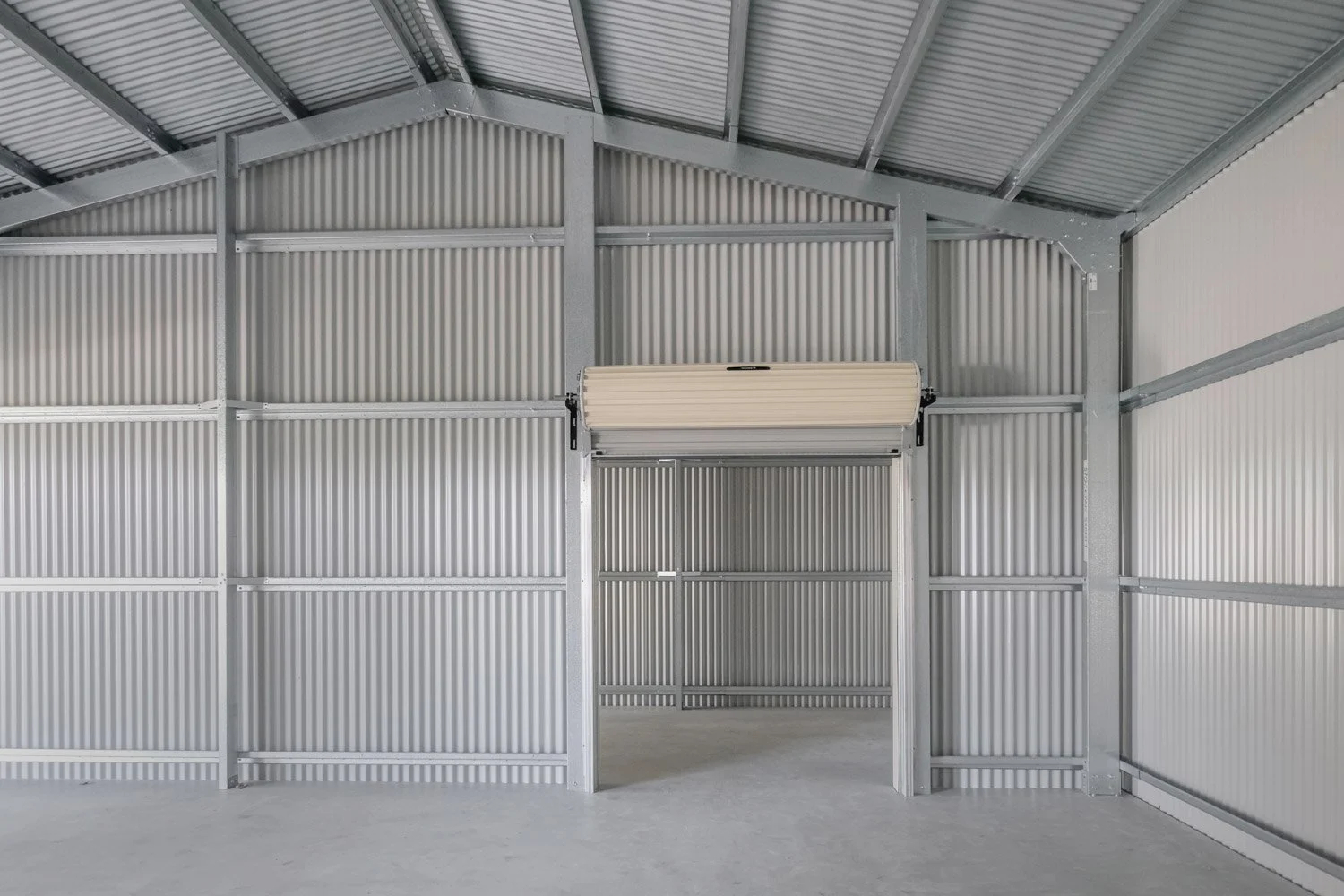
So how do we get rid of that dampness? It all comes down to passive ventilation. Air needs a clear path to flow in and out naturally. The most effective setup uses a combination of soffit vents down low and a ridge vent or gable vents up high.
Because warm, moist air naturally rises, it will head toward the roof. If you have vents near the top of your walls, that humid air can escape, pulling fresh, dry air in through the lower openings. It creates a gentle, continuous breeze that keeps the interior completely dry without needing any electricity.
Choosing the Right Barrier Materials
If you are building a new space or replacing old siding this year, investing in a solid house wrap is a total game-changer. These modern materials act like a one-way mirror for water. They block liquid rain drops from pushing inward, but they allow microscopic vapor from inside to escape out.
For existing buildings, a fresh coat of oil-based stain or premium exterior paint every few years does wonders. It creates a flexible shield that stretches and contracts as the seasons change, preventing water from sinking into the wood grain. Don’t skip the doors either; the bottom edges of doors are notorious for soaking up puddles.
Ground Defense and Drainage Solutions
Water coming from the sky is only half the battle. The moisture rising up from the damp earth can be just as destructive. If your structure sits directly on the grass or soil, it is constantly sucking up moisture like a sponge.
Ideally, your base should be raised on concrete blocks or a thick bed of crushed gravel to allow drainage. If it is already built on the ground, you can install a simple French drain—a small trench filled with gravel—around the perimeter. This catches the runoff from your roof and directs it safely away from the wooden foundation.
At the end of the day, the best protection strategies are the ones you actually maintain. It doesn’t take much time. Once every autumn, clear out the gutters so leaves don’t cause water to back up under your shingles. Trim back any bushes or tree branches that are touching the sides, as they hold dampness against the walls after a storm.
Also, try not to stack heavy boxes right against your wall vents. Leaving a few inches of breathing room between your storage bins and the interior walls keeps the air moving freely. It is these tiny, simple habits that keep your backyard building sturdy for decades.
Taking care of your outdoor space doesn’t require a degree in architecture or thousands of dollars in professional contractors. It really just comes down to understanding how water moves and giving air a proper path to flow. By sealing up the cracks and letting the structure breathe, you are saving yourself a massive headache down the road.
Take a walk out to your backyard this weekend. Check the corners, feel the walls, and see where you might need to add a little extra protection. Your tools, your budget, and your future self will absolutely thank you for it.