We’ve all been there. You walk into a big-box store, aisle after aisle of identical plastic bins staring back at you. They’re cheap, sure. They’re uniform. But do they have any soul? Probably not. In 2026, something interesting is happening in our backyards and patios. People are tired of the disposable culture. We’re looking for things that last, things that tell a story, and things that feel good to touch. That’s where handmade outdoor canisters come in. They aren’t just containers; they’re statements.
Think about the last time you held a piece of pottery or woodwork made by a real person. You could feel the weight of it, the slight irregularities that prove a human hand was involved. It’s different from the cold, perfect smoothness of injection-molded plastic. This shift isn’t just a trend; it’s a movement toward intentionality. When we choose a handmade canister for our patio tools or garden seeds, we’re choosing quality over quantity. We’re choosing character over conformity. And honestly? It feels better.
The Imperfection That Perfection Can’t Match
Mass production is obsessed with uniformity. Every item coming off the line is supposed to look exactly like the one before it. If there’s a scratch, it’s a defect. If the color is slightly off, it’s rejected. But in the world of handmade goods, those "defects" are actually features. They’re proof of life. A handmade ceramic canister might have a tiny bubble in the glaze or a subtle variation in the rim. These aren’t mistakes; they’re signatures.
This concept is often called wabi-sabi, the Japanese aesthetic of finding beauty in imperfection and transience. When you place a handmade canister on your deck, it brings a sense of calm and authenticity that a factory-made item just can’t replicate. It doesn’t scream for attention with bright, synthetic colors. Instead, it whispers with earthy tones and organic textures. It blends with nature because it is part of nature, crafted from clay, wood, or metal by someone who understands the material.
Consider the tactile experience. Run your hand over a mass-produced plastic bin. It’s smooth, yes, but also cold and lifeless. Now run your hand over a hand-thrown stoneware jar. You feel the ridges from the potter’s wheel. You feel the warmth of the kiln-fired earth. This sensory connection matters. It grounds us. In a digital world where everything is flat screens and virtual interactions, holding something real and tangible is a rare comfort. It reminds us that humans still make things, and they make them with care.
Built to Weather the Storm (Literally)
One of the biggest misconceptions about handmade items is that they’re fragile. People assume that because something is artisanal, it can’t handle the rough-and-tumble of outdoor life. But the opposite is often true. Mass-produced outdoor storage is frequently made from thin, brittle plastics designed to be cheap, not durable. They crack under UV exposure. They become brittle in the cold. They fade after one summer.
Handmade canisters, on the other hand, are built with longevity in mind. An artisan making a wooden storage box for garden hoses isn’t cutting corners. They’re selecting cedar or teak for its natural resistance to rot and insects. They’re using joinery techniques that have stood the test of centuries, not just glue that fails when it gets wet. A metalworker crafting a copper canister for patio cushions is hammering the metal to strengthen it, creating a piece that will develop a beautiful patina over time rather than rusting away.
Let’s talk about materials for a second. In 2026, sustainability isn’t just a buzzword; it’s a requirement for many buyers. Handmade creators often source their materials locally or use reclaimed resources. That old barn wood becomes a stunning seed storage container. Recycled copper becomes a weather-resistant tool holder. This approach reduces the carbon footprint significantly compared to shipping plastic pellets across oceans to manufacture generic bins. Plus, these materials age gracefully. Plastic looks worse every year; handmade wood and metal look better.
The Story Behind the Lid
When you buy a mass-produced canister, the story ends at the checkout counter. You don’t know who made it. You don’t know where the materials came from. You don’t know the conditions under which it was produced. It’s anonymous. But when you purchase a handmade outdoor canister, you’re buying into a narrative. You’re connecting with a maker.
Maybe you bought it from a local potter at a weekend market. She told you about how she mixes her own glazes using minerals from nearby hills. Maybe you ordered it from a woodworker online who shared photos of his workshop and explained why he chooses white oak for its durability. This connection transforms the object from a commodity into a cherished possession. It has a history. It has a face.
This storytelling aspect is huge for consumers today. We crave authenticity. We want to know that our purchases align with our values. Supporting a handmade business means supporting a family, a local economy, and a tradition of craftsmanship. It’s a direct line between creator and user. There’s no middleman taking a huge cut, no faceless corporation profiting from labor we can’t see. Just you, the maker, and the object that bridges the gap.
Think about the gift-giving potential too. Giving someone a handmade canister filled with gardening gloves and seeds is infinitely more meaningful than handing them a plastic bin from a department store. It shows thought. It shows effort. It says, "I value quality, and I value you." The recipient feels that. They’ll keep that canister for years, maybe even decades, passing it down as a family heirloom. Can you imagine passing down a cracked plastic tote? Didn’t think so.
Customization That Fits Your Life
Mass production relies on standardization. One size fits all, or rather, one size fits most, and if it doesn’t fit you, too bad. Want a canister that’s exactly 14 inches tall to fit under your specific bench? Good luck. Want a lid that locks securely because you have raccoons in your backyard? You’ll probably have to rig something up yourself. Handmade artisans offer flexibility that factories simply cannot match.
Because each piece is made individually, makers can accommodate special requests. Need extra ventilation holes for storing bulbs? Done. Want a specific color glaze to match your patio furniture? No problem. Need a larger handle for easier carrying with gloved hands? They can adjust the design. This level of customization ensures that the canister isn’t just a storage solution; it’s a solution tailored to your specific needs and space.
This adaptability extends to aesthetics as well. Your outdoor space is unique. Maybe you have a modern minimalist patio with clean lines and neutral tones. Or maybe you have a cottage garden overflowing with flowers and whimsical decor. A handmade canister can be designed to complement either style perfectly. You’re not stuck with the three color options offered by the big manufacturer. You can work with the artist to create something that feels like it was always meant to be there.
In 2026, personalization is key. We’re moving away from cookie-cutter homes and gardens. We want spaces that reflect our personalities. Handmade outdoor canisters allow for this expression. They become focal points, conversation starters, and integral parts of the design scheme. They’re not just hiding clutter; they’re enhancing the beauty of the environment.
The Environmental Ripple Effect
Let’s dive deeper into the eco-friendly angle, because it’s crucial. The environmental cost of mass production is staggering. From the extraction of raw materials to the energy-intensive manufacturing processes and the global shipping logistics, the carbon footprint is massive. And then there’s the end-of-life issue. Most plastic outdoor storage ends up in landfills, where it sits for hundreds of years, breaking down into microplastics that contaminate soil and water.
Handmade production operates on a completely different scale. It’s slower, smaller, and often localized. Many artisans use renewable resources or upcycled materials. The energy used to fire a kiln or power a small woodworking shop is a fraction of what a factory consumes. Furthermore, because handmade items are built to last, they don’t need to be replaced every few years. This reduces waste significantly. It’s the antithesis of the throwaway culture.
Buying handmade also supports local economies. Money spent with a local artisan stays in the community. It helps pay for local services, supports other small businesses, and strengthens the social fabric. It’s a ripple effect of positive impact. When you choose a handmade canister, you’re voting for a sustainable future with your wallet. You’re saying no to exploitation and yes to ethical production.
Moreover, many handmade creators are pioneers in sustainable practices. They experiment with non-toxic finishes, biodegradable packaging, and zero-waste techniques. They’re innovating out of necessity and passion, not just compliance with regulations. By supporting them, you’re encouraging further innovation in green craftsmanship. It’s a cycle of improvement that benefits everyone, from the maker to the buyer to the planet.
Finally, let’s talk about value. Yes, handmade outdoor canisters often cost more upfront than their mass-produced counterparts. But value isn’t just about the initial price tag; it’s about cost per use and emotional return on investment. A $20 plastic bin might last two seasons before cracking and fading. A $150 handmade ceramic or wooden canister could last a lifetime. Do the math. Over twenty years, the handmade item is arguably cheaper, not to mention infinitely more enjoyable.
But beyond the financials, there’s the emotional value. Handmade items carry an energy. They hold the intention of the maker. When you use them daily, you’re reminded of that connection. You appreciate the skill involved. You take better care of them because you know they’re special. This mindfulness extends to other areas of life. It encourages us to slow down, to appreciate the details, and to value quality over quantity in all our choices.
In a world that’s constantly rushing, having objects that demand a bit more attention and care is grounding. Cleaning a wooden canister with oil becomes a ritual. Polishing a copper lid becomes a moment of pause. These small acts connect us to our surroundings and to the objects we live with. They transform mundane tasks into meaningful experiences. That’s the true value of handmade. It’s not just about storage; it’s about enriching the quality of our daily lives.
So, the next time you’re looking to organize your outdoor space, consider skipping the aisles of identical plastic. Look for the handmade option. Talk to the maker. Ask about the materials. Feel the weight. You might just find that what you’re really buying isn’t just a canister, but a piece of art, a story, and a commitment to a better way of living. And honestly, isn’t that worth a little extra? It sure is.
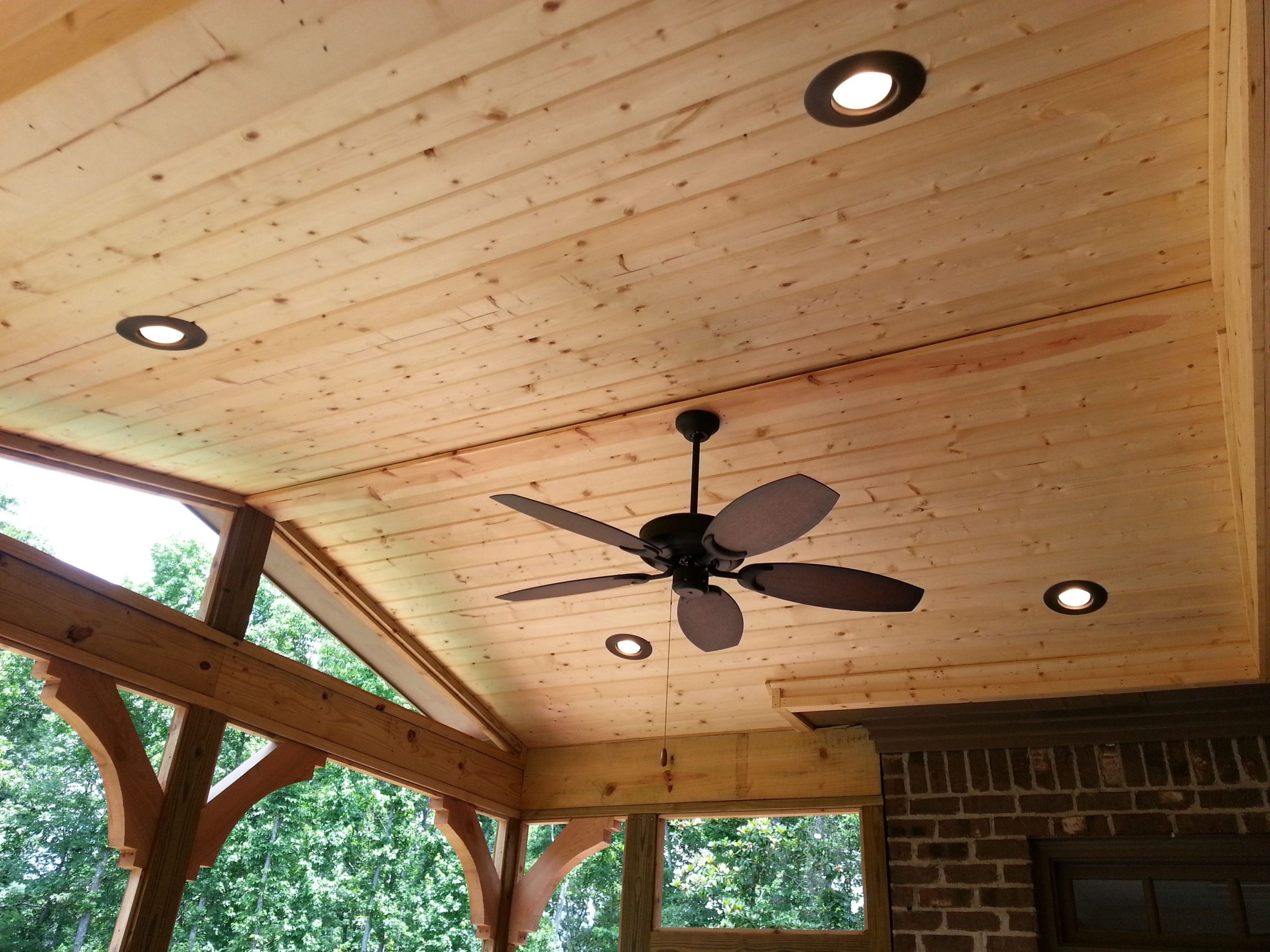
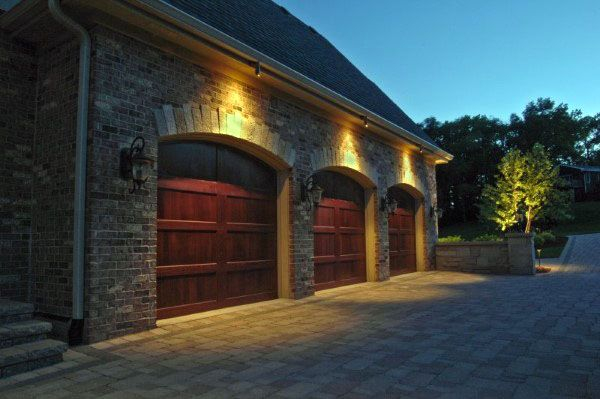
[sps_html tag=”img” src=”https://cdn.northcarolinafinearchitecture.com/2026/06/exterior-soffit-recessed-lights-shelly-lighting-within-transforming-exterior-spaces-with-directional-outdoor-canister-lighting.jpg” alt=”Exterior Soffit Recessed Lights | Shelly Lighting within Transforming Exterior Spaces with Directional Outdoor Canister Lighting” style=”width: 100%; height: auto;”]
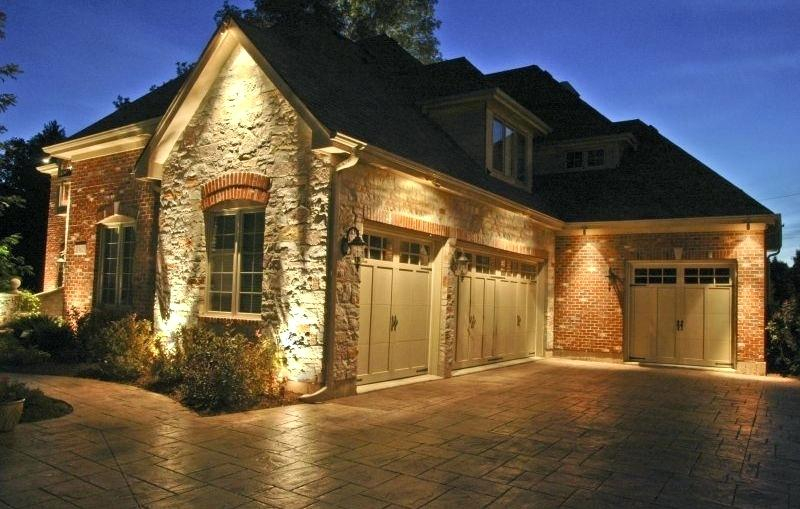
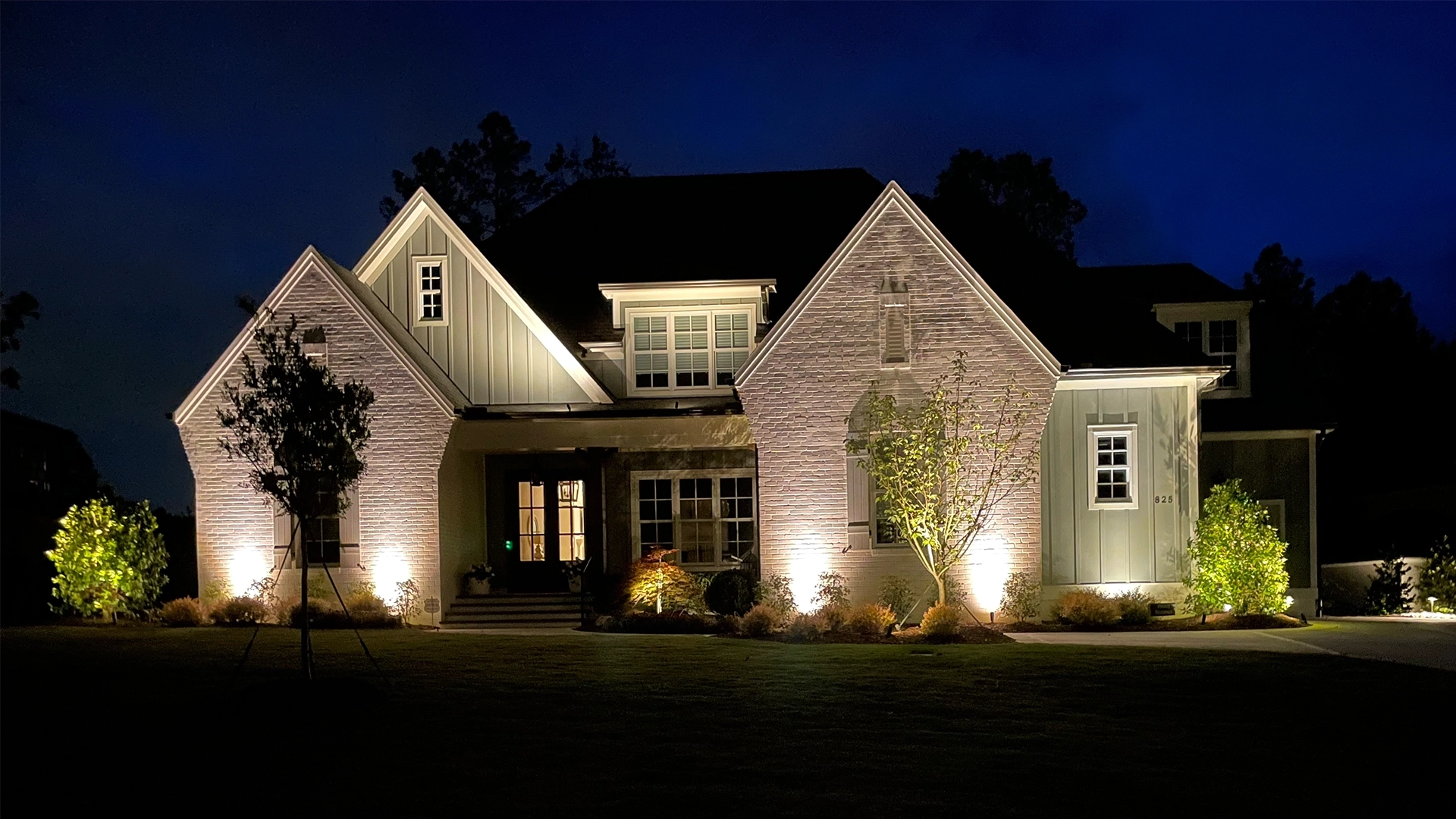
[sps_html tag=”img” src=”https://cdn.northcarolinafinearchitecture.com/2026/06/50-outdoor-garage-lighting-ideas-exterior-illumination-designs-throughout-transforming-exterior-spaces-with-directional-outdoor-canister-lighting.jpg” alt=”50 Outdoor Garage Lighting Ideas - Exterior Illumination Designs throughout Transforming Exterior Spaces with Directional Outdoor Canister Lighting” style=”width: 100%; height: auto;”]
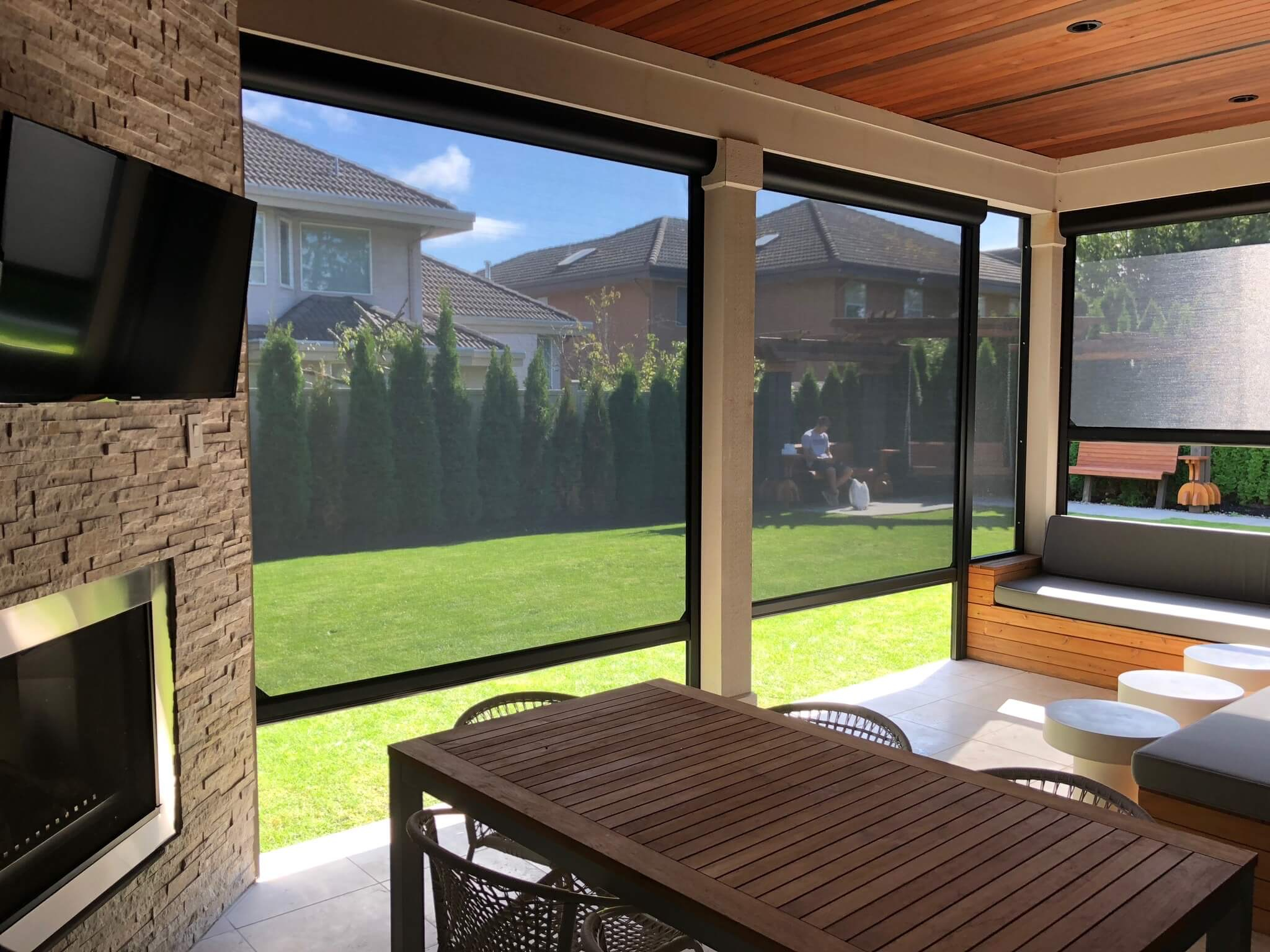
[sps_html tag=”img” src=”https://cdn.northcarolinafinearchitecture.com/2026/06/outdoor-recessed-lighting-install-at-megan-barrera-blog-with-transforming-exterior-spaces-with-directional-outdoor-canister-lighting-scaled.jpg” alt=”Outdoor Recessed Lighting Install At Megan Barrera Blog with Transforming Exterior Spaces with Directional Outdoor Canister Lighting” style=”width: 100%; height: auto;”]
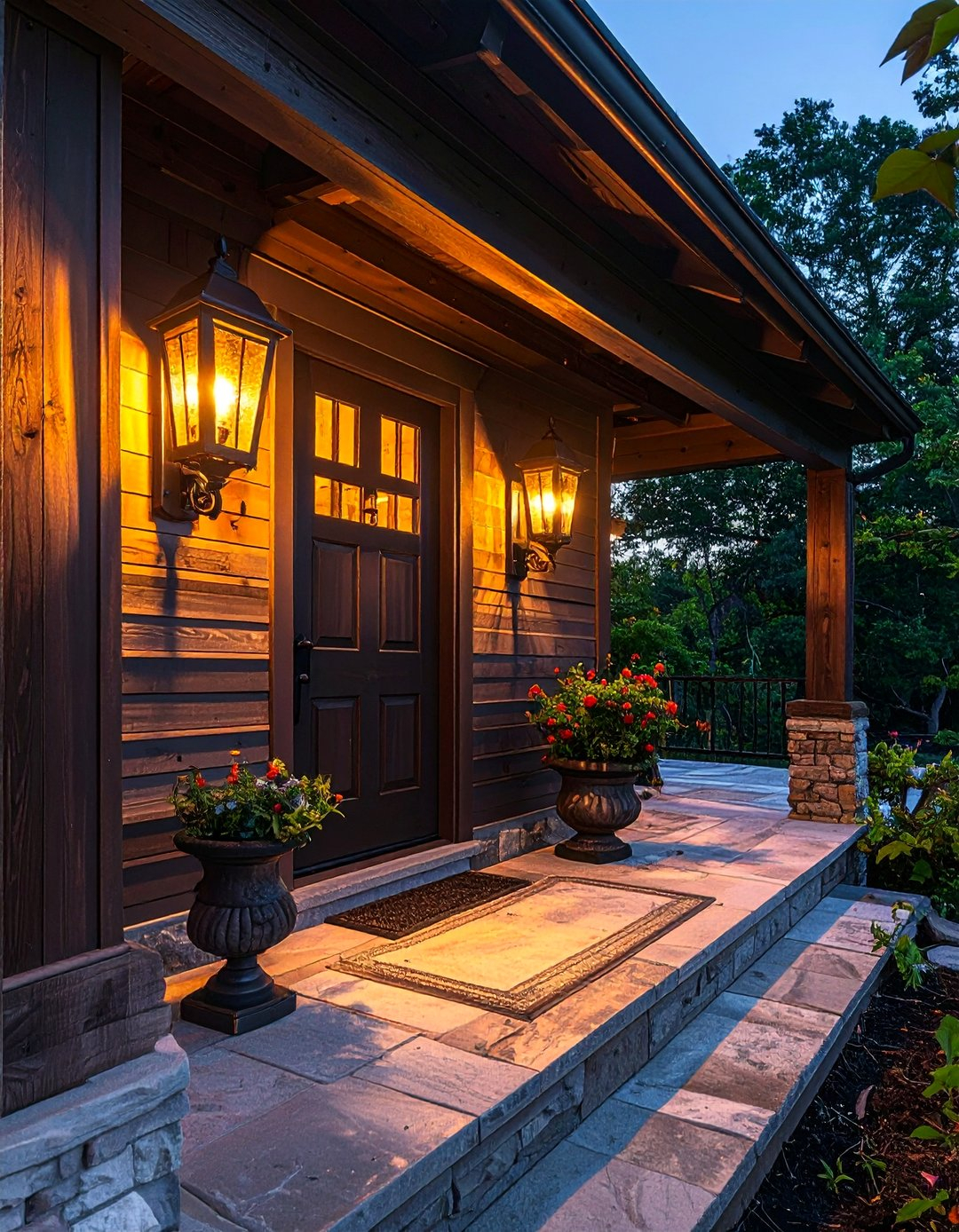
[sps_html tag=”img” src=”https://cdn.northcarolinafinearchitecture.com/2026/06/outdoor-residential-lighting-solutions-in-transforming-exterior-spaces-with-directional-outdoor-canister-lighting.webp” alt=”Outdoor Residential Lighting Solutions in Transforming Exterior Spaces with Directional Outdoor Canister Lighting” style=”width: 100%; height: auto;”]
[sps_html tag=”img” src=”https://cdn.northcarolinafinearchitecture.com/2026/06/beautiful-blooms-landscaping-transforming-outdoor-spaces-in-yulee-fl-regarding-transforming-exterior-spaces-with-directional-outdoor-canister-lighting.jpg” alt=”Beautiful Blooms Landscaping: Transforming Outdoor Spaces In Yulee, Fl … regarding Transforming Exterior Spaces with Directional Outdoor Canister Lighting” style=”width: 100%; height: auto;”]