Choosing where to say goodbye is never easy. It’s a decision heavy with emotion, memory, and love. But when you decide to keep that memory outside—under the open sky, amidst the trees, or in a garden bed—you’re adding another layer of complexity. You aren’t just picking a container; you’re choosing a guardian for what remains of someone dear. And guardians need to be tough.
In 2026, the options are vast. Maybe too vast. Walk into any memorial shop or scroll through online catalogs, and you’ll see hundreds of designs. Some look like sleek modern art. Others mimic ancient stone. But looks can be deceiving. A beautiful urn might crack after one harsh winter. A sturdy-looking one might fade in the summer sun. So, how do you pick the right one? How do you ensure it lasts through every season, year after year? Let’s break it down, piece by piece.
Understanding the Enemy: What Weather Actually Does
Before we talk about materials, let’s talk about what we’re fighting against. Weather isn’t just rain. It’s a relentless cycle of change. Think about your local climate. Does it freeze solid in January? Does it bake in July? These shifts are the real killers of outdoor memorials.
Temperature fluctuations cause expansion and contraction. Materials swell when hot and shrink when cold. Do this enough times, and cracks appear. Moisture is another big one. Rain, snow, humidity—they all seep into tiny pores. If that water freezes inside the material, it expands, causing internal damage. This is called freeze-thaw cycling, and it’s brutal. Wind doesn’t just blow things over; it carries abrasive particles like sand or dust that can scratch surfaces over time. UV rays from the sun bleach colors and weaken certain plastics and resins. It’s a lot to handle.
That’s why an indoor urn won’t cut it outdoors. Indoor urns are designed for stable environments. They don’t have the sealing or the structural integrity to handle the outdoors. Putting an indoor urn outside is like wearing a silk shirt in a hailstorm. It might look nice for a minute, but it won’t last. You need something built specifically for the elements. Something that respects the power of nature while protecting what’s inside.
Material Matters: Stone, Metal, and Beyond
So, what survives? Let’s look at the heavy hitters. Granite and marble are classic choices for a reason. Natural stone is incredibly durable. It’s been used for monuments for thousands of years. Granite, in particular, is hard and resistant to scratching. It handles freeze-thaw cycles well if it’s high quality. Marble is beautiful but softer. It can stain or erode faster in acidic rain areas. Both are heavy, which is good for stability but bad if you need to move it later.
Metal is another strong contender. Bronze, copper, and stainless steel are top picks. Bronze develops a patina over time—a greenish layer that actually protects the metal underneath. It’s a living finish that changes with the seasons. Copper does something similar. Stainless steel is sleek and modern, resisting rust if it’s high-grade (look for 316 marine grade). Aluminum is lighter and cheaper but can dent easier. Avoid cheap metals that aren’t treated for outdoor use; they’ll rust quickly.
Then there’s resin and ceramic. High-quality resin, often mixed with stone powder, is surprisingly tough. It’s lighter than stone, easier to shape, and can mimic the look of granite or bronze. Good resin urns are UV-stabilized to prevent fading. Ceramic is tricky. Glazed ceramic can be waterproof, but if the glaze cracks, water gets in and ruins it in winter. Only choose ceramic labeled specifically for outdoor use. Wood? Generally, no. Even treated wood rots eventually. It’s best kept indoors or in covered areas.
Sealing and Construction: The Hidden Details
Material is only half the battle. How the urn is put together matters just as much. A solid block of stone is great because it has no seams. But many urns are assembled from parts. Look for tight seals. The lid should fit snugly. Some urns come with rubber gaskets or silicone seals. These are crucial. They keep moisture out and air in check. Without a good seal, rain can seep in, leading to mold or degradation of the ashes inside.
Check the base. Is it flat? Does it have drainage holes? Wait, drainage holes? Yes, sometimes. If an urn is placed directly on soil, water can pool underneath. A small gap or feet can help air circulate and prevent rot or corrosion at the bottom. But if it’s on a patio, you want a solid, flat base to prevent tipping. Stability is key. A top-heavy urn in a windy area is a disaster waiting to happen.
Also, consider the closure mechanism. Screw-top lids are common and secure. Some have threaded inserts that make them easy to open if needed, but tight enough to stay shut. Glue-on lids are permanent but can fail if the glue degrades in heat. Look for mechanical closures whenever possible. They’re more reliable long-term. And don’t forget the interior. Some urns have a separate inner container or bag. This adds an extra layer of protection, keeping the ashes dry even if the outer shell gets wet.
Placement Strategy: Location, Location, Location
Where you put the urn changes everything. An urn under a deep eave or in a covered gazebo faces less direct rain and sun. It’ll last longer than one sitting in the middle of an open lawn. Think about microclimates. Is the spot shady most of the day? That reduces UV damage. Is it exposed to prevailing winds? That increases wear. Is it near sprinklers? Constant watering can accelerate weathering, especially on metals and ceramics.
Security is another factor. Sadly, theft happens. Heavy stone or metal urns are harder to steal. If you choose a lighter resin urn, consider anchoring it. Some come with kits to bolt them to a concrete pad. Others can be secured with discreet cables. It’s not pleasant to think about, but it’s practical. You want peace of mind, knowing the memorial is safe.
Also, think about accessibility. Will you visit often? If so, place it where you can easily reach it, clean it, and reflect. If it’s in a remote corner of the garden, you might neglect maintenance. Regular cleaning helps spot issues early. Wipe down stone with water and mild soap. Polish metal with appropriate cleaners. Check seals annually. A little care goes a long way.
Design and Symbolism: Making It Personal
Durability doesn’t mean boring. In 2026, outdoor urns come in countless styles. Nature-inspired designs are popular. Think leaves, waves, mountains, or animals. These motifs connect the memorial to the environment. If your loved one loved the ocean, a wave-patterned bronze urn makes sense. If they were a gardener, a stone urn with floral carvings fits perfectly.
Color matters too. Dark colors absorb heat, which can increase thermal stress. Light colors reflect heat but might show dirt more. Earth tones blend into gardens nicely. Bright colors stand out but may fade faster unless they’re high-quality pigments. Consider the surrounding landscape. You want the urn to feel like part of the scene, not an eyesore.
Personalization options are wide. Engraving names, dates, or short messages is common. Laser etching is durable and won’t rub off. Hand-carved details add warmth but cost more. Some people add small plaques or attach keepsakes. Just ensure any additions are also weather-resistant. A paper photo laminated in plastic might peel. A metal plaque screwed in securely will last.
Even the toughest urn needs some love. Think of it like a car or a house. Regular checks prevent big problems. Once a season, give it a once-over. Look for cracks, chips, or discoloration. Clean off debris like leaves or bird droppings, which can be acidic. Use soft brushes, not wire ones, to avoid scratching.
For stone, a sealant applied every few years can help repel water. Make sure it’s breathable so trapped moisture can escape. For metal, waxing can protect the finish and enhance the patina. For resin, mild soap and water are usually enough. Avoid harsh chemicals that might degrade the material.
If you notice damage, act fast. Small cracks can be filled with epoxy designed for outdoor use. Loose lids can be re-sealed. Ignoring small issues leads to bigger failures. Remember, this is a long-term commitment. You’re choosing something to last decades. Proper care ensures it honors your loved one properly, staying beautiful and intact through every storm and sunshine.
In the end, choosing a weather-resistant urn is about balancing heart and head. You want something that speaks to your soul, that reflects the person you lost. But you also need something that stands up to reality. By focusing on material, construction, placement, and care, you can find a memorial that endures. It becomes a steady presence in your life, a quiet companion through the changing seasons. And isn’t that what we all hope for? A memory that lasts, strong and true, no matter what the weather brings.
[sps_html tag=”img” src=”https://cdn.northcarolinafinearchitecture.com/2026/06/page-not-found-landscape-architecture-platform-landezine-regarding-outdoor-urn-design.jpg” alt=”Page Not Found – Landscape Architecture Platform | Landezine … regarding Outdoor Urn Design” style=”width: 100%; height: auto;”]
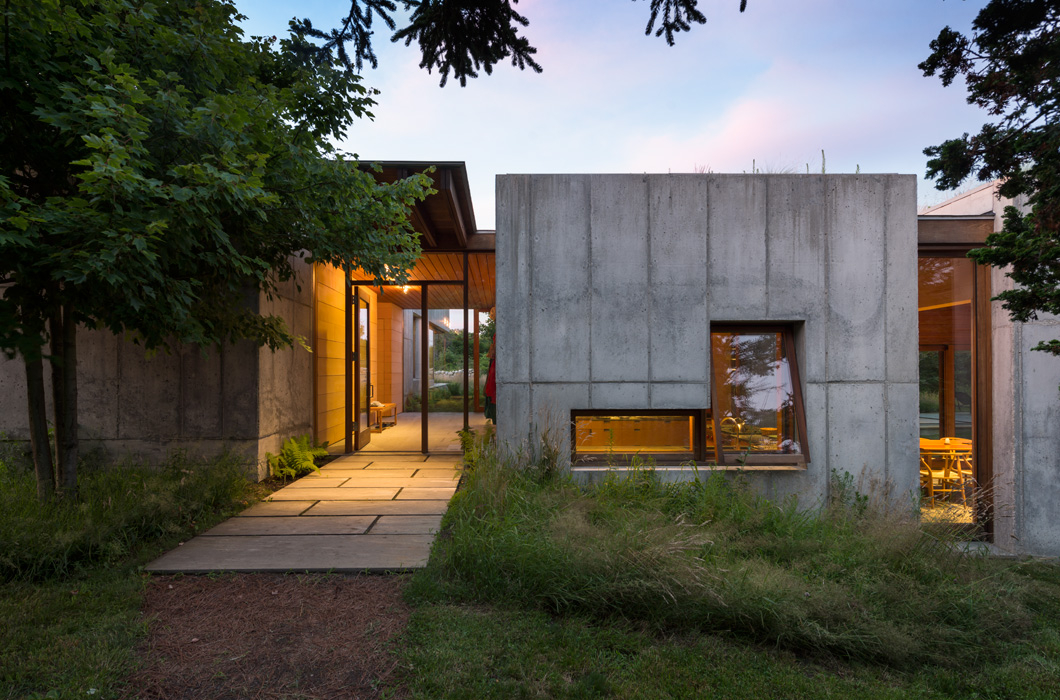
[sps_html tag=”img” src=”https://cdn.northcarolinafinearchitecture.com/2026/06/concrete-architecture-intended-for-the-hidden-benefits-of-using-concrete-urns-in-modern-landscape-architecture.jpeg” alt=”Concrete Architecture intended for The Hidden Benefits of Using Concrete Urns in Modern Landscape Architecture” style=”width: 100%; height: auto;”]
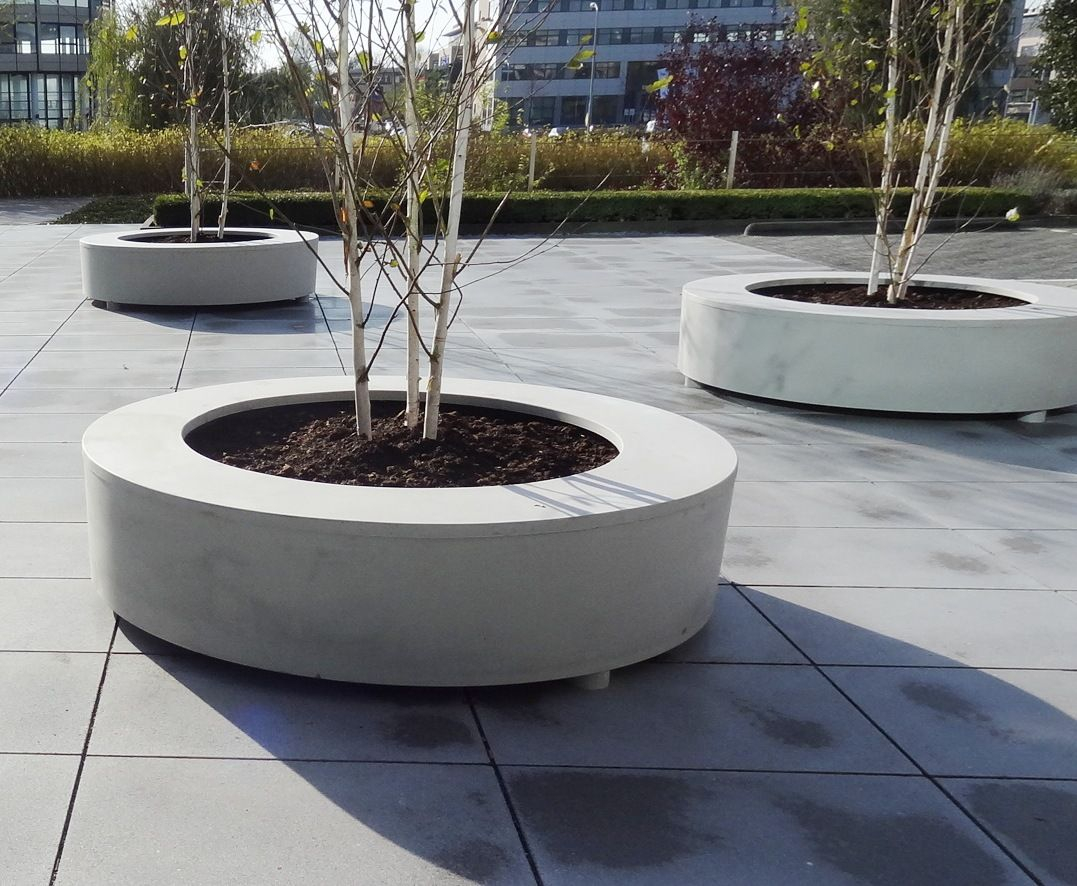
[sps_html tag=”img” src=”https://cdn.northcarolinafinearchitecture.com/2026/06/polymer-concrete-planters-by-potmaat-for-the-hidden-benefits-of-using-concrete-urns-in-modern-landscape-architecture.jpg” alt=”Polymer Concrete Planters By Potmaat for The Hidden Benefits of Using Concrete Urns in Modern Landscape Architecture” style=”width: 100%; height: auto;”]
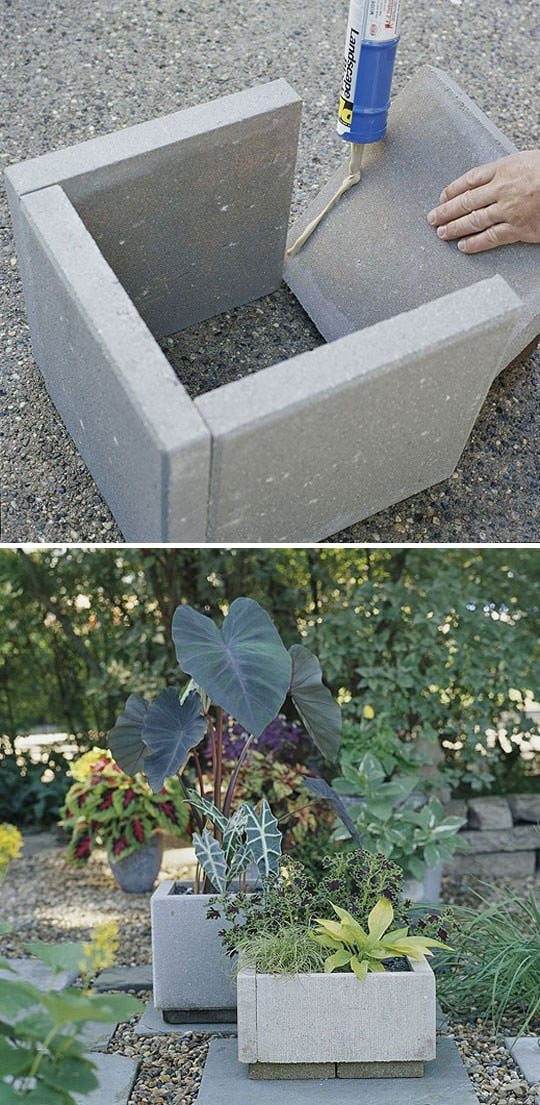
[sps_html tag=”img” src=”https://cdn.northcarolinafinearchitecture.com/2026/06/17-awesome-diy-concrete-garden-projects-the-garden-glove-pertaining-to-outdoor-urn-design.jpg” alt=”17 Awesome Diy Concrete Garden Projects • The Garden Glove pertaining to Outdoor Urn Design” style=”width: 100%; height: auto;”]
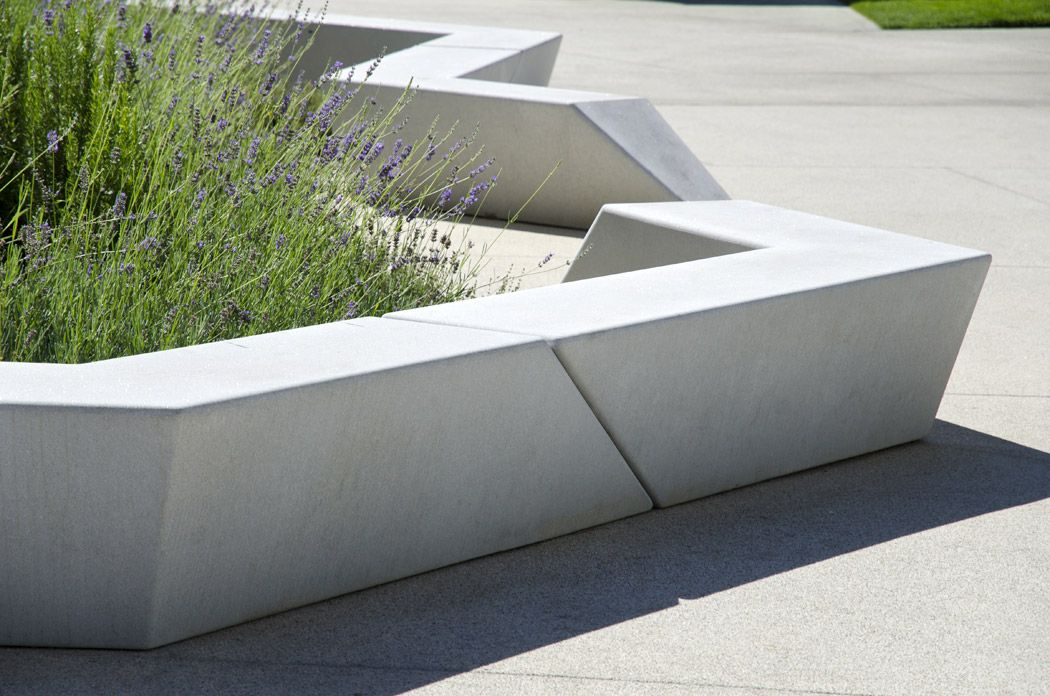
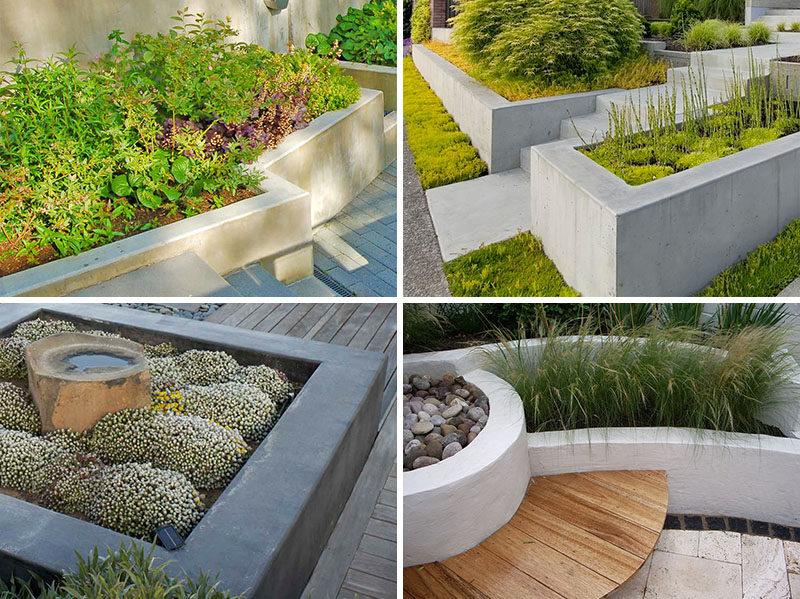
[sps_html tag=”img” src=”https://cdn.northcarolinafinearchitecture.com/2026/06/10-excellent-examples-of-built-in-concrete-planters-contemporist-in-the-hidden-benefits-of-using-concrete-urns-in-modern-landscape-architecture.jpg” alt=”10 Excellent Examples Of Built-In Concrete Planters | Contemporist in The Hidden Benefits of Using Concrete Urns in Modern Landscape Architecture” style=”width: 100%; height: auto;”]