You’ve probably seen it before. A beautiful stone wall, maybe holding back a garden bed or leveling out a sloped backyard, looking perfect in the brochure photos. Then, three years later, you drive by that same house and notice a slight bulge in the middle. Or worse, a crack running diagonally across the face. It’s heartbreaking, really. We spend thousands on hardscaping to make our outdoor spaces look pristine, yet we often ignore the one thing that can tear it all down faster than anything else.
It isn’t bad craftsmanship. It isn’t cheap materials. It’s water.
Specifically, it’s water that has nowhere to go. In 2026, as climate patterns shift and heavy rain events become more common in many regions, the stakes for proper landscape engineering have never been higher. A retaining wall isn’t just a stack of rocks or concrete blocks; it’s a dam. And like any dam, if you don’t manage the pressure building up behind it, something eventually gives way. Understanding this hidden dynamic is the difference between a wall that lasts decades and one that becomes a costly pile of rubble after a single wet season.
The Invisible Force: Hydrostatic Pressure Explained
Let’s get technical for a second, but keep it simple. Imagine you’re holding a sponge soaked with water. It’s heavy, right? Now imagine that sponge is the size of a car, and it’s pushing against your back. That’s essentially what happens behind a retaining wall. Soil acts like a sponge. When it rains, water seeps into the ground behind the wall. If that water can’t escape, it saturates the soil.
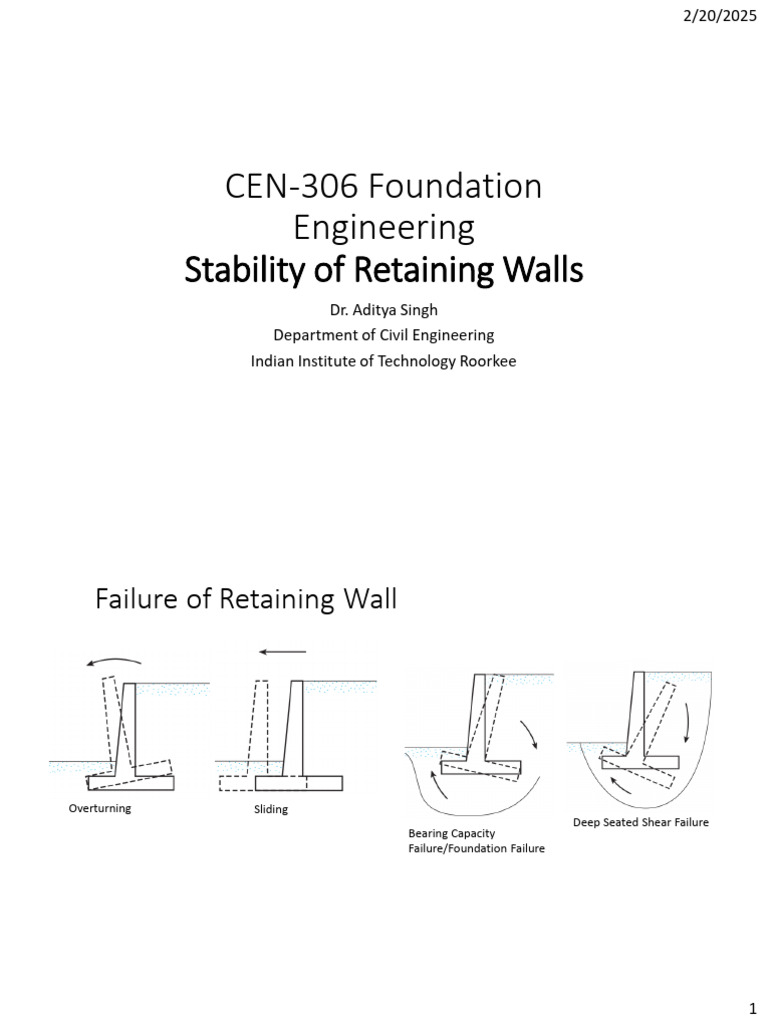
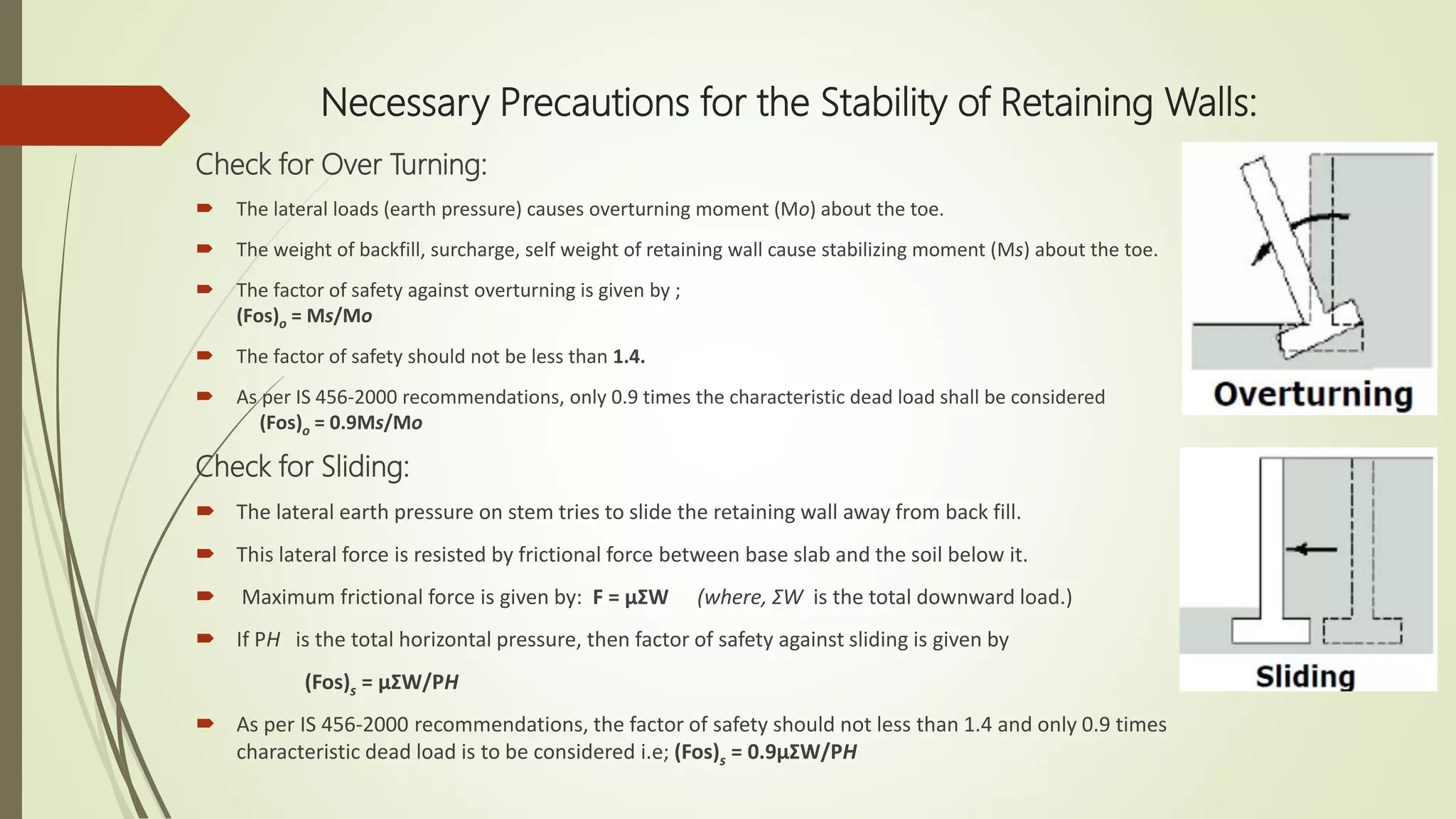
This saturation creates what engineers call hydrostatic pressure. It’s not just the weight of the dirt pushing against the wall; it’s the weight of the water trapped within that dirt. Water is incredibly dense—about 8.3 pounds per gallon. When you have hundreds of gallons trapped behind a barrier, the force exerted on the structure skyrockets. This pressure doesn’t push evenly, either. It tends to concentrate at the bottom, which is exactly where walls are most vulnerable to tipping or sliding.
Most homeowners don’t see this happening until it’s too late. The signs are subtle at first. Maybe the wall leans forward slightly. Perhaps you notice small cracks appearing in the mortar or between the blocks. These aren’t just cosmetic issues; they are distress signals. The wall is fighting a losing battle against physics. By the time you see visible bulging, the internal structure has likely already been compromised. The key takeaway here is that dry soil is stable soil. Wet soil is a liquid-like mass that wants to move, and it will take your wall with it if given the chance.
The Anatomy of a Dry Wall: Essential Components
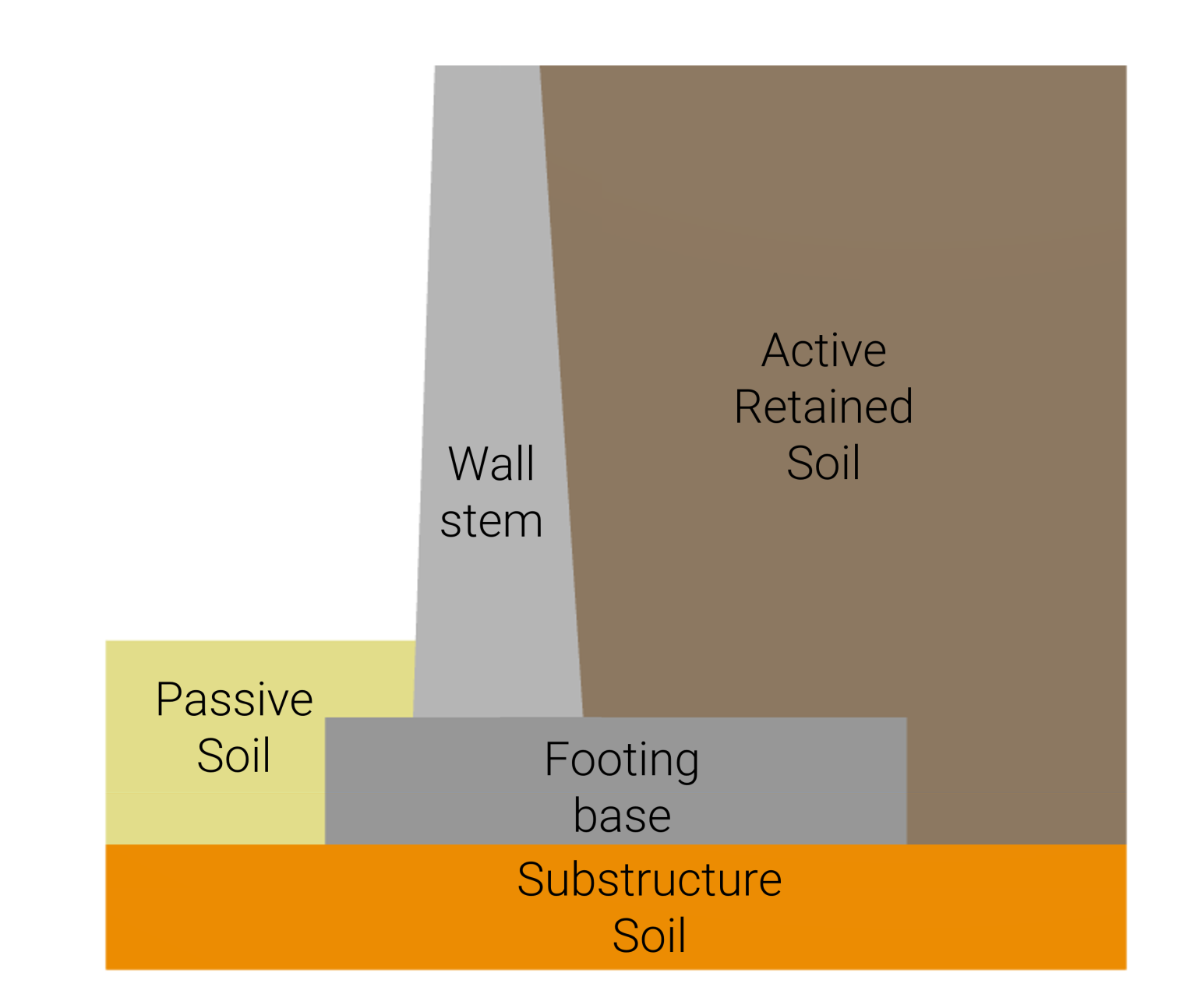
So, how do we stop this invisible force? We give the water a way out. A properly drained retaining wall is like a well-ventilated room; air (or in this case, water) flows through it freely rather than getting stuck. The first line of defense is the gravel backfill. Instead of shoving native clay or dense topsoil right up against the back of the wall, builders use crushed stone or gravel.
Why gravel? Because it’s full of air pockets. Water moves through gravel much faster than it does through soil. Think of it like a highway for water. This layer, usually about 12 inches thick, sits directly behind the wall blocks. It prevents water from pooling against the structure. But gravel alone isn’t enough. You need a pipe to carry that water away. This is where the perforated drain pipe, often called a French drain, comes into play.
This pipe sits at the very bottom of the gravel layer, right on top of the compacted base. It’s perforated, meaning it has tiny holes all around it. As water filters down through the gravel, it enters the pipe. The pipe then slopes slightly downward, guiding the water away from the wall and out to a safe discharge point, like a storm drain or a lower part of the yard. Without this slope, the water would just sit in the pipe, defeating the purpose. It’s a simple system, but every part matters. If the gravel is too fine, it clogs. If the pipe isn’t sloped, it floods. If the outlet is blocked, the whole system backs up.
Common Mistakes That Lead to Disaster
You’d think with all the information available in 2026, everyone would get this right. But walk around any neighborhood, and you’ll see walls failing. Why? Because cutting corners is easy, and drainage is hidden. Once the wall is built, you can’t see the gravel or the pipe. So, it’s tempting to skip steps. One of the most common mistakes is using the wrong type of stone. Some people use rounded pea gravel, which looks nice but compacts tightly, reducing flow. Angular crushed stone is far better because it locks together and maintains those crucial air pockets.
Another huge error is forgetting the filter fabric. This is a geotextile material that wraps around the gravel and pipe. Its job is to keep soil particles out of the drainage system. Without it, fine dirt slowly washes into the gravel, eventually turning your free-draining highway into a muddy mess. This process, called silting up, can happen over a few years. The wall looks fine initially, but gradually, the drainage capacity drops to zero. Then, a heavy storm hits, and the pressure builds up instantly.
Also, many DIYers overlook the weep holes. These are small gaps or pipes left between the blocks at the base of the wall. They allow any water that does get behind the wall to escape directly out the front. If you mortar these shut or block them with landscaping mulch, you’re trapping water inside. It’s like plugging the drain in your bathtub while leaving the faucet on. The water has to go somewhere, and it will push against the weakest point. Ignoring these small details is usually what separates a professional job from a future lawsuit.
Surface Water: The Enemy Above Ground
While we focus a lot on what happens underground, surface water is just as dangerous. Rain falling on the patio or lawn above the wall needs to be managed before it even reaches the soil behind the structure. If you have a flat area right behind the wall, water can pool there and seep down slowly, overwhelming your drainage system. This is why grading is critical.
The ground surface behind the wall should slope away from the structure. Even a slight incline—about one inch for every foot of distance—can make a massive difference. This directs rainwater runoff away from the wall, reducing the amount of water that infiltrates the soil. In 2026, with more intense rainfall events, this surface management is becoming even more vital. You might also consider installing swales or channels to catch roof runoff from nearby houses. Never let a downspout dump water directly behind a retaining wall. It’s a recipe for disaster.
Landscaping choices matter too. Planting deep-rooted vegetation above the wall can help absorb some moisture, but be careful with trees. Large roots can disrupt the drainage pipe or crack the wall blocks. Small shrubs and ground covers are generally safer. They help hold the topsoil in place, preventing erosion that could clog your gravel backfill. It’s a balancing act. You want the area to look natural and green, but you also need to respect the engineering limits of the structure. Think of the wall as part of a larger ecosystem, not just an isolated object.
Maintenance: Keeping Your Wall Healthy for Years
Building the wall correctly is only half the battle. Maintaining it ensures it survives the long haul. Many people assume that once the hardscape is done, it’s done. But drainage systems can fail over time. Debris, leaves, and sediment can clog weep holes or the outlet of the drain pipe. It’s a good idea to inspect your wall twice a year, ideally in spring and fall. Look for any signs of standing water behind the wall after a rainstorm. If puddles linger for more than a day, your drainage isn’t working efficiently.
Check the weep holes. Are they clear? You can use a thin wire or a garden hose to gently flush them out if they look blocked. Also, inspect the area where the drain pipe exits. Is water flowing freely? If you see mud or sediment coming out, it might indicate that the filter fabric has failed or the gravel is washing away. Catching these issues early can save you from expensive repairs later. Sometimes, a simple cleaning is all it takes to restore proper function.
In colder climates, freeze-thaw cycles add another layer of stress. Water trapped in the soil expands when it freezes, pushing against the wall with incredible force. Proper drainage prevents this water accumulation, protecting the wall from frost heave. If you live in an area with harsh winters, ensuring your drainage is flawless before the first freeze is crucial. Don’t wait for a crack to appear. Proactive maintenance is cheaper and less stressful than emergency reconstruction. Treat your wall like a living part of your home, and it will serve you well.
Retaining walls under three feet tall are often manageable for a skilled DIYer. There are plenty of kits available that make the process straightforward. However, once you go above that height, or if you’re dealing with poor soil conditions like heavy clay, the risks increase significantly. In these cases, professional expertise is worth every penny. Engineers calculate load bearings and drainage requirements based on specific site conditions. They know how to handle complex scenarios, like walls near property lines or those supporting driveways.
Hiring a pro in 2026 also means accessing better technology. Many contractors now use specialized software to model water flow and pressure before breaking ground. They can predict potential problem areas and adjust the design accordingly. They also have access to commercial-grade materials and equipment for proper compaction. Compaction is key. If the base isn’t compacted correctly, the wall can settle unevenly, breaking the drainage pipe and causing failures. It’s hard to get that level of precision with hand tools.
That said, if you do decide to tackle a smaller project yourself, don’t skimp on the drainage components. Buy the high-quality gravel. Use the filter fabric. Install the pipe with the correct slope. Watch tutorial videos from reputable sources, not just quick clips that skip the boring parts. The boring parts are usually the most important. And if you’re ever unsure, consult with a local landscaper or structural engineer. A one-hour consultation could save you thousands in repairs. It’s about knowing your limits and respecting the power of water.
In the end, a retaining wall is more than just a boundary. It’s a testament to thoughtful design and careful construction. By prioritizing drainage, you’re not just building a wall; you’re building peace of mind. You’re ensuring that your landscape remains beautiful and functional, regardless of what the weather throws at it. Water is relentless, but with the right preparation, it doesn’t have to be your enemy. Let it flow, let it drain, and let your wall stand strong.
[sps_html tag=”img” src=”https://cdn.northcarolinafinearchitecture.com/2026/05/retaining-walls-pptx-intended-for-a-practical-guide-to-retaining-wall-stability-and-safety-checks.jpg” alt=”Retaining Walls | Pptx intended for A Practical Guide to Retaining Wall Stability and Safety Checks” style=”width: 100%; height: auto;”]
[sps_html tag=”img” src=”https://cdn.northcarolinafinearchitecture.com/2026/05/stability-checks-for-retaining-wall-cantilever-retaining-wall-youtube-for-a-practical-guide-to-retaining-wall-stability-and-safety-checks.jpg” alt=”Stability Checks For Retaining Wall | Cantilever Retaining Wall - Youtube for A Practical Guide to Retaining Wall Stability and Safety Checks” style=”width: 100%; height: auto;”]
[sps_html tag=”img” src=”https://cdn.northcarolinafinearchitecture.com/2026/05/retaining-wall-stability-checks-explained-pdf-throughout-a-practical-guide-to-retaining-wall-stability-and-safety-checks.jpg” alt=”Retaining Wall Stability Checks Explained | Pdf throughout A Practical Guide to Retaining Wall Stability and Safety Checks” style=”width: 100%; height: auto;”]
[sps_html tag=”img” src=”https://cdn.northcarolinafinearchitecture.com/2026/05/wall-footing-stability-checks-_-stability-calculation-of-retaining-with-regard-to-retaining-wall-design.png” alt=”Wall Footing Stability Checks _ Stability Calculation Of Retaining … with regard to Retaining Wall Design” style=”width: 100%; height: auto;”]
[sps_html tag=”img” src=”https://cdn.northcarolinafinearchitecture.com/2026/05/retaining-wall-stability-factors-pdf-drainage-structural-engineering-within-a-practical-guide-to-retaining-wall-stability-and-safety-checks.jpg” alt=”Retaining Wall Stability Factors | Pdf | Drainage | Structural Engineering within A Practical Guide to Retaining Wall Stability and Safety Checks” style=”width: 100%; height: auto;”]