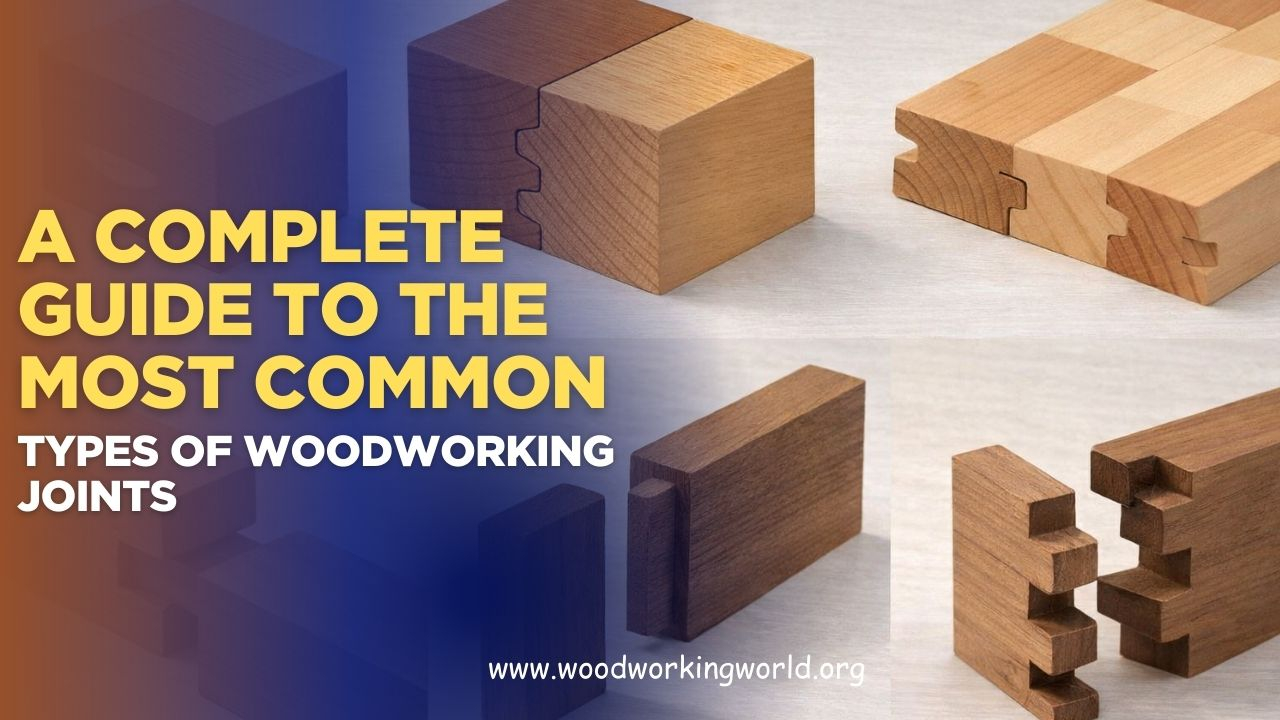
We often look up at a skyscraper or walk through a massive warehouse and marvel at the sheer scale of it. The gleaming glass, the towering columns, the open spaces. But have you ever stopped to think about what’s holding it all together? It’s not just the big beams or the thick plates. It’s the joints. The connections. They are the unsung heroes of structural engineering, working silently in the background to keep everything from falling apart. If the steel members are the bones of a building, the connections are the ligaments and tendons. And just like in the human body, if those joints fail, the whole system collapses.
Choosing the right connection isn’t just a box-checking exercise for engineers. It’s a critical decision that impacts safety, cost, constructability, and even the aesthetic of the final structure. In 2026, with materials getting stronger and designs getting more ambitious, the margin for error is smaller than ever. You can have the highest grade steel money can buy, but if your connection design is flawed, it’s all for nothing. So, how do you make sure you’re picking the right one? It starts with understanding that there is no "best" connection. There is only the right connection for the specific job at hand.
Understanding the Role of Connections in Structural Stability
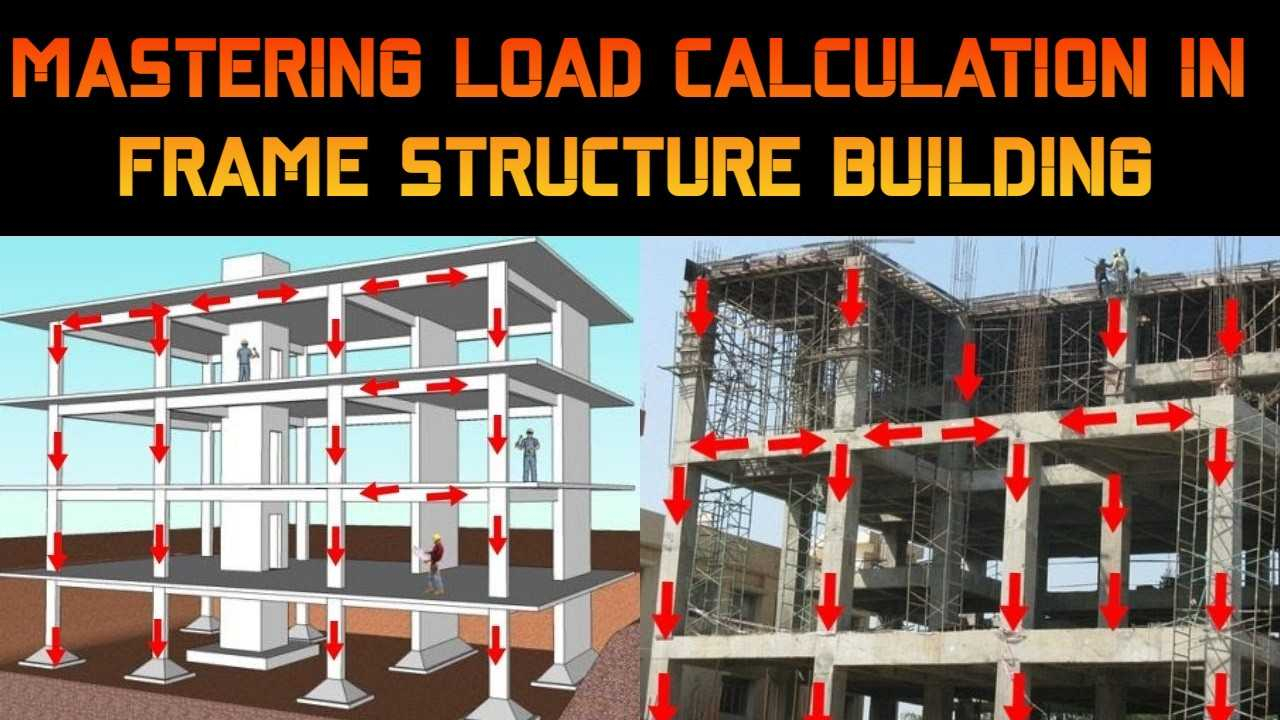
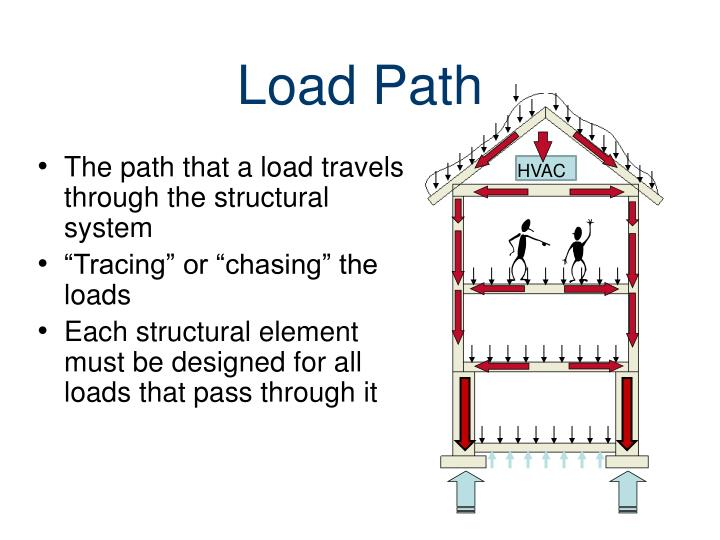
At its core, a steel connection has one primary job: to transfer forces. Whether it’s gravity pulling down, wind pushing sideways, or an earthquake shaking the ground, these forces travel through the structure and must be passed from one member to another. A beam doesn’t just sit on a column; it leans on it, twists against it, and pulls at it. The connection is the mediator in this chaotic dance of physics. If the connection is too stiff, it might attract more force than it can handle, leading to brittle failure. If it’s too flexible, the building might sway too much, causing discomfort for occupants or damage to non-structural elements like glass facades.
Think of it like holding hands. You can hold someone’s hand loosely, allowing for movement and flexibility. Or you can grip it tightly, creating a rigid link. In structural terms, we call these "pinned" and "fixed" connections. A pinned connection allows rotation, like a hinge on a door. It’s great for simple spans where you don’t want to transfer bending moments. A fixed connection, on the other hand, resists rotation. It’s rigid. This is crucial for frames that need to resist lateral loads, like wind or seismic activity. Choosing between the two isn’t just about strength; it’s about how you want the building to behave under stress.
In recent years, the industry has moved towards more nuanced approaches. We don’t just think in binary terms of pinned or fixed anymore. Semi-rigid connections are gaining traction, offering a middle ground that can optimize material usage and improve performance. But this complexity means engineers need to be more precise in their modeling and analysis. You can’t just assume a connection is perfectly pinned if it has some stiffness. That assumption could lead to unexpected deflections or stresses elsewhere in the structure. It’s a reminder that details matter. Small assumptions in the design phase can have huge consequences in the real world.
Bolted vs. Welded: The Eternal Debate
When it comes to joining steel, you generally have two main options: bolts or welds. And honestly, the debate between the two is as old as steel construction itself. Bolting is like using screws; it’s mechanical, reversible, and often faster on site. Welding is like fusing the metal together; it creates a continuous, monolithic joint that can be incredibly strong and aesthetically clean. But which one should you choose? Well, it depends. There’s no single winner here, only trade-offs.
Bolted connections are the workhorses of modern construction. They’re predictable. You know exactly how much torque was applied, and you can inspect them visually or with simple tools. They’re also easier to erect, especially in bad weather. Trying to weld in the rain or high winds is a nightmare, whereas bolting can often continue with minimal disruption. Plus, if you make a mistake, you can just unbolt it and try again. With welding, a bad weld means cutting it out and starting over, which is time-consuming and expensive. For many contractors, the speed and reliability of bolting make it the default choice for site connections.
Welding, however, has its place. It’s often used in the factory where conditions are controlled. Shop welds can be done with higher precision and quality control. Welded connections are also smoother, with no protruding bolts or plates, which can be important for architectural reasons or where space is tight. They can also provide a more direct load path, reducing stress concentrations. But welding requires skilled labor, rigorous inspection (like ultrasonic testing), and careful attention to heat input, which can distort the steel if not managed properly. In 2026, with labor shortages in skilled trades, the availability of certified welders is becoming a bigger factor in this decision. Sometimes, the best connection is the one you can actually get built properly.
Common Connection Types and Their Best Uses
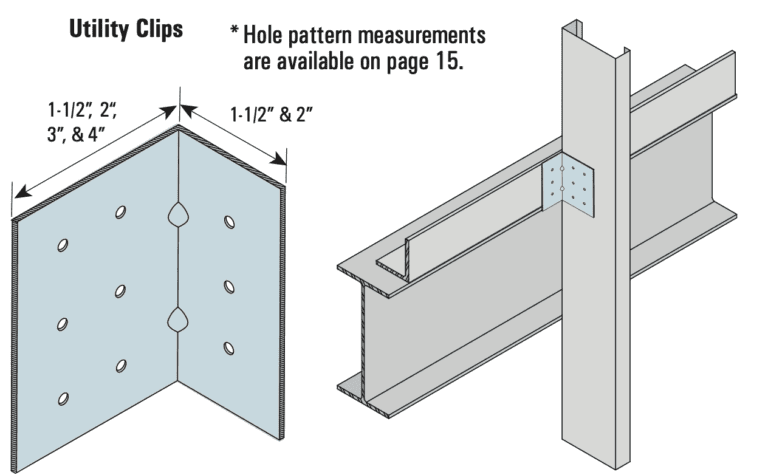
So, what do these connections actually look like? Let’s break down a few common types. First, there’s the shear tab or fin plate connection. This is a simple, economical way to connect a beam to a column. It’s typically considered a pinned connection, meaning it transfers vertical shear forces but allows the beam to rotate. It’s great for secondary beams or where you don’t need moment resistance. It’s easy to fabricate and erect, making it a favorite for standard office buildings or warehouses.
Then you have the end plate connection. Here, a plate is welded to the end of the beam, and then bolted to the column. This can be designed as either pinned or fixed, depending on the thickness of the plate and the arrangement of the bolts. Thick plates with bolts in tension create a rigid, moment-resisting connection. Thinner plates allow for some rotation. End plates are versatile and widely used in multi-story frames. They offer a good balance between strength and constructability. You’ll see them everywhere from hospitals to shopping malls.
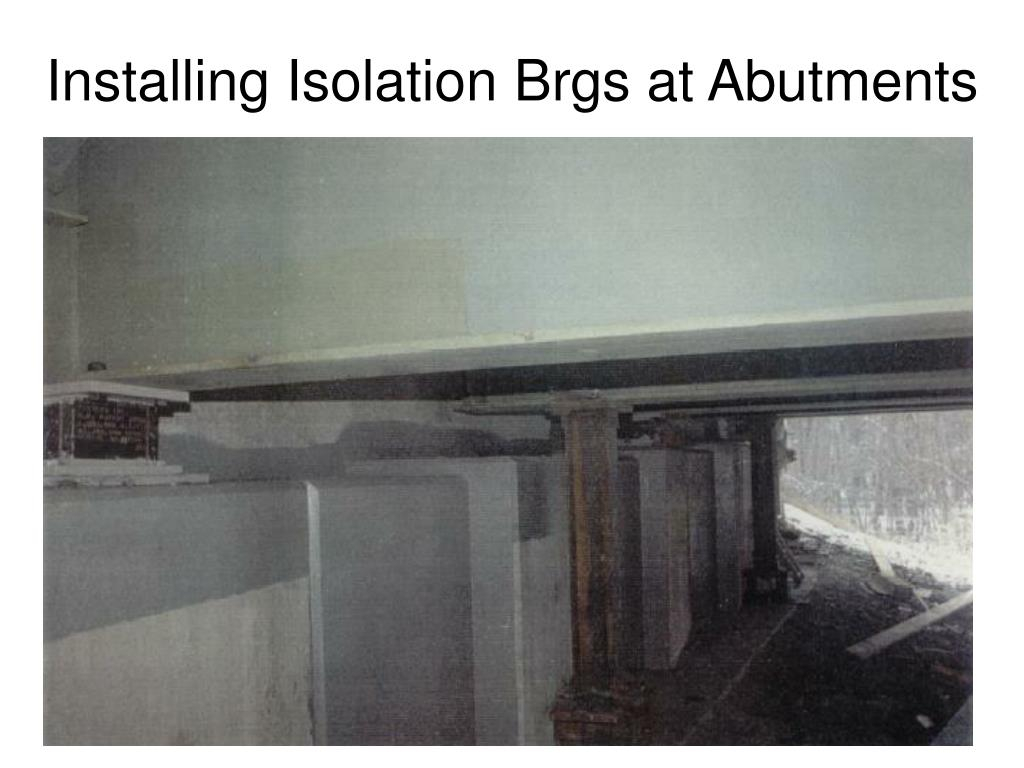
For column bases, you’ve got base plates. These anchor the column to the concrete foundation. They need to transfer huge axial loads and sometimes moments. The design involves careful consideration of anchor bolts, grout, and the concrete’s bearing capacity. A poorly designed base plate can lead to catastrophic failure, so it’s not an area to cut corners. Then there are splice connections, used to join two columns or beams end-to-end. These are critical in tall buildings where columns come in manageable lengths. The splice must be strong enough to carry the full load of the member, often requiring heavy plates and many bolts. Each type has its niche, and knowing when to use which is key to efficient design.
Load Considerations and Environmental Factors
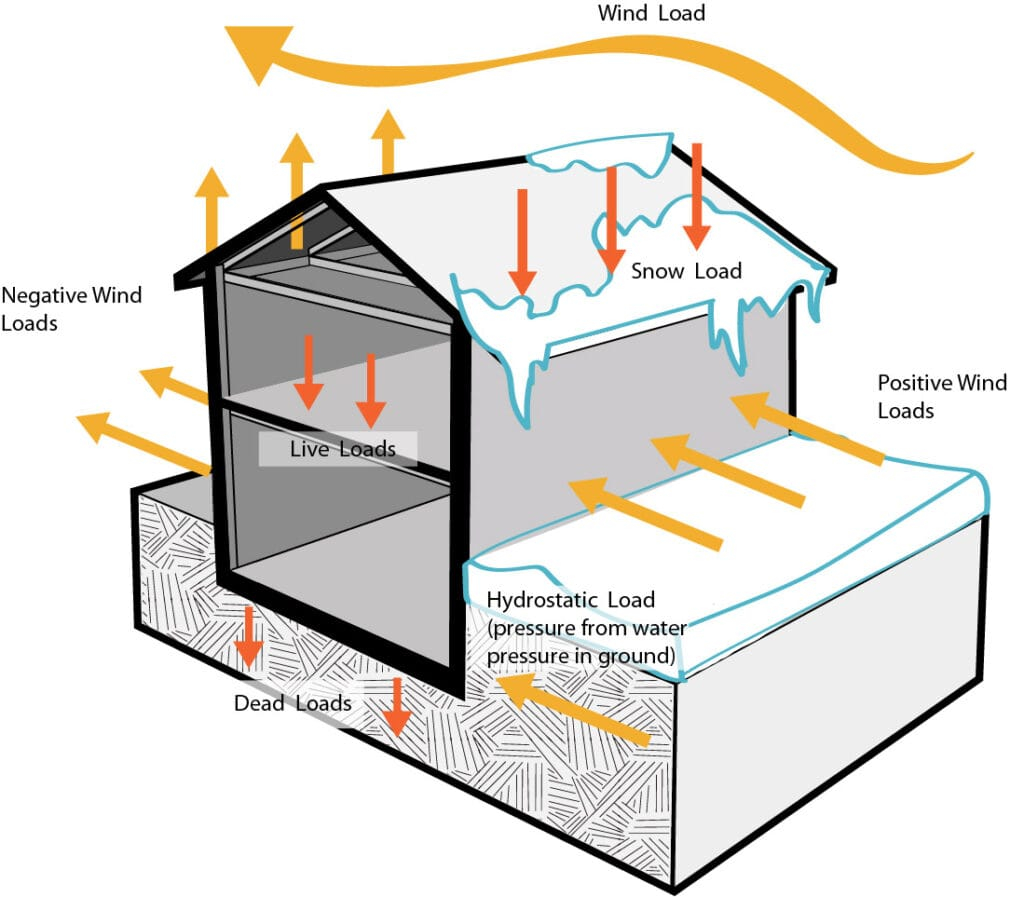
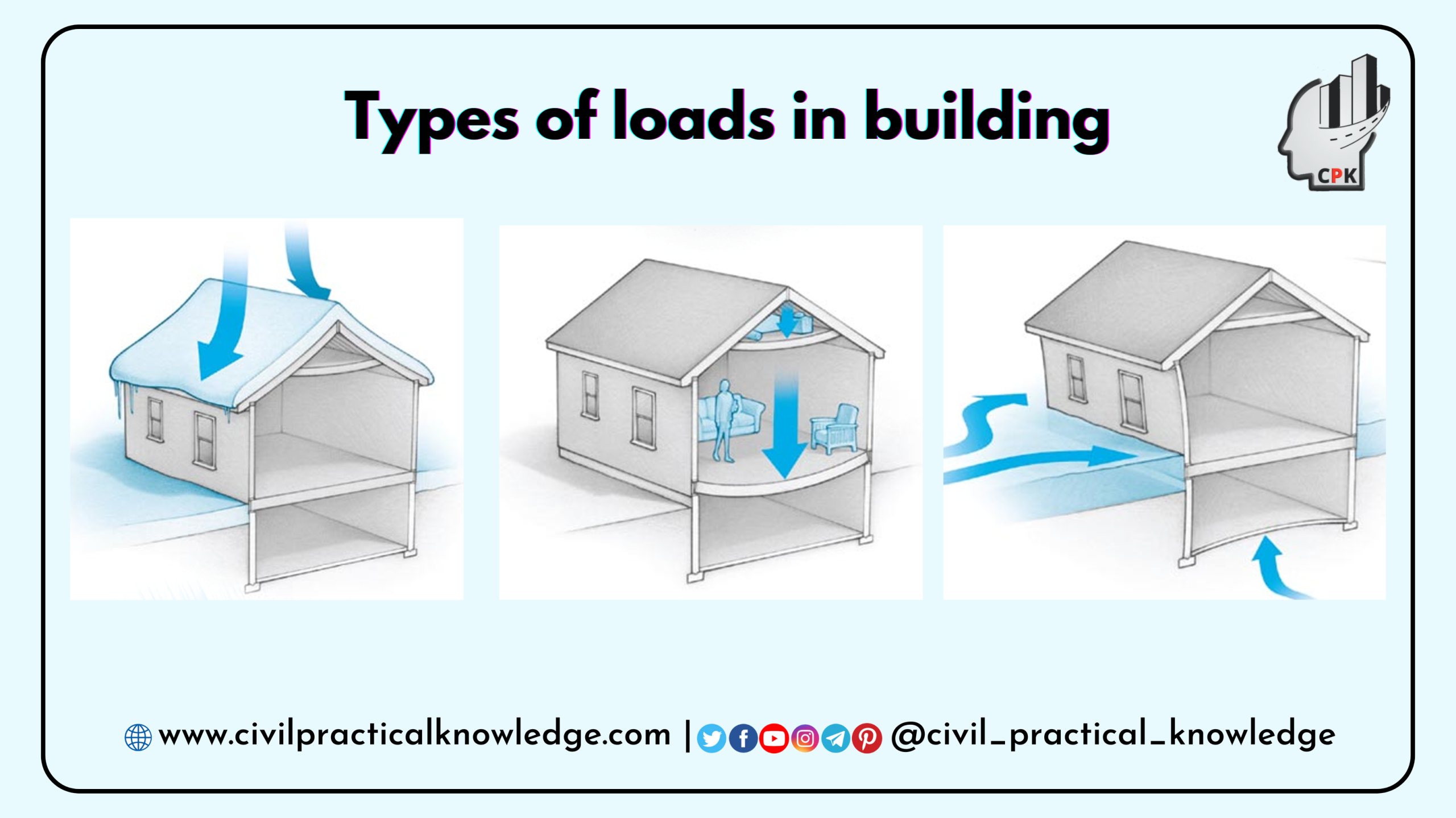
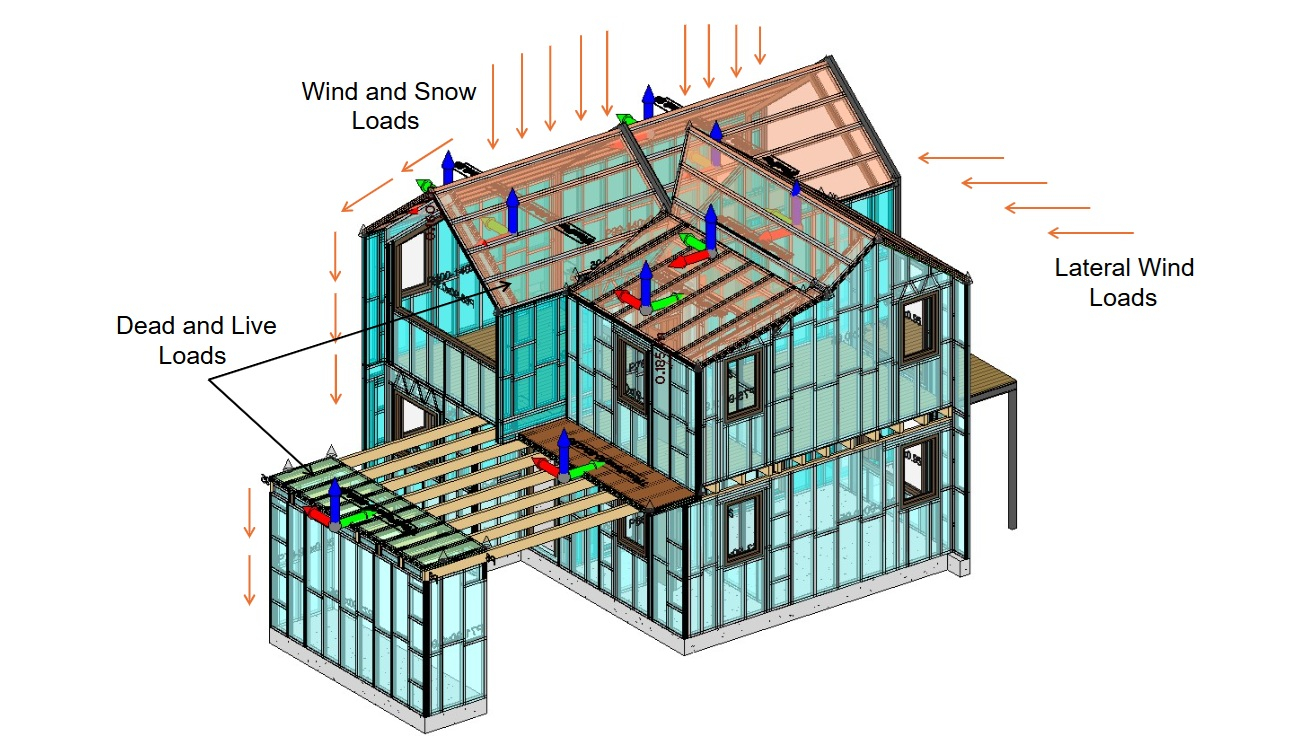
Choosing a connection isn’t just about static loads. You have to think about everything the structure will face over its lifetime. Gravity is the obvious one, but what about wind? In coastal areas or high-rise buildings, wind loads can be massive, creating significant lateral forces and overturning moments. Your connections need to be designed to handle these cyclic loads without fatiguing. Fatigue is the silent killer of steel structures; repeated stress cycles can cause cracks to form and grow, even if the individual loads are well below the yield strength of the steel.
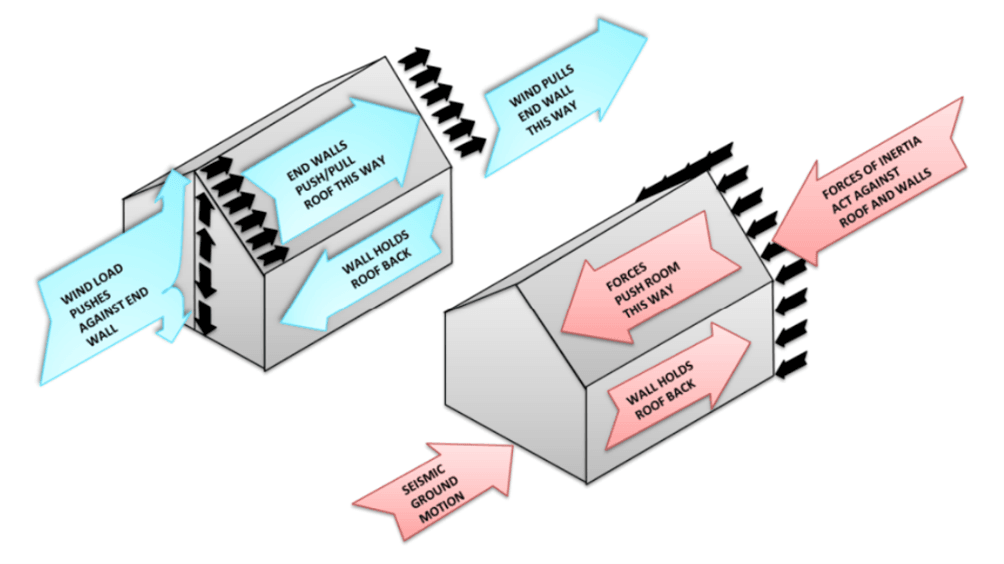
Seismic activity is another major concern. In earthquake-prone zones, connections need to be ductile. This means they should be able to deform significantly without breaking. The goal is to dissipate energy through yielding in controlled ways, rather than sudden, brittle fracture. After the earthquakes of the past few decades, codes have become much stricter about seismic detailing. You’ll often see reduced beam sections (RBS) or dog-bone cuts in beams near connections. These weaken the beam slightly in a specific spot, forcing the plastic hinge to form there instead of in the connection itself. It’s a clever way to protect the joint, which is harder to repair.
Don’t forget corrosion either. If your structure is in a humid environment, near the ocean, or exposed to industrial chemicals, your connections need protection. Galvanizing, painting, or using weathering steel are common strategies. But you have to be careful with galvanizing and high-strength bolts, as hydrogen embrittlement can be an issue. Also, crevices in bolted connections can trap moisture, accelerating corrosion. Welded connections might be smoother, but if the weld isn’t sealed properly, it can also corrode. Environmental factors aren’t an afterthought; they should influence your choice of connection type and protective coatings from day one.
Constructability and Cost Efficiency
Here’s a truth that doesn’t always get enough attention in design studios: the cheapest connection on paper might be the most expensive one to build. Constructability is huge. A connection that looks elegant in a 3D model might be impossible to bolt up because there’s no room for the wrench. Or it might require complex shoring or temporary supports during erection. These real-world constraints can blow out your budget and schedule. Good designers talk to fabricators and erectors early in the process. They ask, "Can you actually build this?"
Standardization helps. Using common bolt sizes, plate thicknesses, and connection details across a project can streamline fabrication and reduce errors. Custom, one-off connections might save a few kilograms of steel, but they add complexity and cost in the shop and on site. In 2026, with supply chain issues still lingering in some sectors, using readily available materials and standard practices is smarter than trying to be too clever. Simplicity is often synonymous with robustness.
Cost isn’t just about materials. It’s about labor time. A connection that takes four hours to weld might cost more than one that takes thirty minutes to bolt, even if the steel weight is higher for the bolted option. Speed of erection also matters. Every day a crane is on site costs money. Connections that are quick and easy to align and secure can significantly reduce overall project costs. It’s a balancing act between material efficiency and labor efficiency. Often, spending a bit more on steel to save on labor is a wise trade-off.
The world of steel connections isn’t standing still. In 2026, we’re seeing some exciting developments. One trend is the use of high-strength steels. As steel grades get stronger, connections need to keep up. This often means thicker plates or more bolts, which can lead to congestion. Engineers are exploring new geometries and detailing techniques to manage this. Another area is modular construction. With more buildings being prefabricated off-site, connections need to be designed for easy assembly. This means robust, forgiving joints that can tolerate slight misalignments during module stacking.
Technology is also playing a bigger role. Building Information Modeling (BIM) allows for clash detection and precise coordination of connections before anything is fabricated. You can simulate the erection sequence and identify potential problems virtually. Augmented reality (AR) is starting to be used on site, helping erectors visualize connection details and verify bolt patterns. This reduces errors and rework. Additionally, research into self-centering connections is promising. These use post-tensioned tendons or special devices to allow the structure to rock during an earthquake and then return to its original position, minimizing residual drift and damage.
Sustainability is driving innovation too. Designing for deconstruction is becoming more important. Bolted connections are inherently more reusable and recyclable than welded ones. As the industry moves towards a circular economy, connections that can be easily disassembled at the end of a building’s life are gaining value. This shift in mindset—from designing for demolition to designing for disassembly—is changing how we think about joints. It’s not just about holding things together today; it’s about letting them apart cleanly tomorrow.
Choosing the right steel connection is a blend of science, art, and practical wisdom. It requires understanding the physics, respecting the materials, and acknowledging the realities of construction. There’s no magic formula, but by focusing on load paths, constructability, and long-term performance, you can make informed decisions that lead to safer, more efficient structures. Remember, the goal isn’t just to hold steel together. It’s to create a system that stands strong, serves its purpose, and endures. So next time you walk under a steel beam, take a moment to appreciate the invisible work happening at the joints. They’re doing the heavy lifting, literally and figuratively.
[sps_html tag=”img” src=”https://cdn.northcarolinafinearchitecture.com/2026/05/residential-design-loads-buildings-measuring-progress-interpreting-pertaining-to-steel-structure-design-scaled.png” alt=”Residential Design Loads Buildings Measuring Progress: Interpreting pertaining to Steel Structure Design” style=”width: 100%; height: auto;”]
[sps_html tag=”img” src=”https://cdn.northcarolinafinearchitecture.com/2026/05/scottsdale-load-flow-path-in-a-steel-frame-house-buildsteel-org-within-steel-structure-design.jpg” alt=”Scottsdale Load Flow Path In A Steel Frame House - Buildsteel.org within Steel Structure Design” style=”width: 100%; height: auto;”]
[sps_html tag=”img” src=”https://cdn.northcarolinafinearchitecture.com/2026/05/understanding-load-distribution-in-buildings-xncuc-regarding-steel-structure-design.jpg” alt=”Understanding Load Distribution In Buildings – Xncuc regarding Steel Structure Design” style=”width: 100%; height: auto;”]
[sps_html tag=”img” src=”https://cdn.northcarolinafinearchitecture.com/2026/05/ppt-loads-and-load-paths-powerpoint-presentation-id423295-in-steel-structure-design.jpg” alt=”Ppt - Loads And Load Paths Powerpoint Presentation - Id:423295 in Steel Structure Design” style=”width: 100%; height: auto;”]
[sps_html tag=”img” src=”https://cdn.northcarolinafinearchitecture.com/2026/05/residential-structural-loads-the-basics-of-load-bearing-walls-in-for-a-practical-guide-to-mastering-load-paths-in-steel-building-design.jpg” alt=”Residential Structural Loads The Basics Of Load Bearing Walls In for A Practical Guide to Mastering Load Paths in Steel Building Design” style=”width: 100%; height: auto;”]