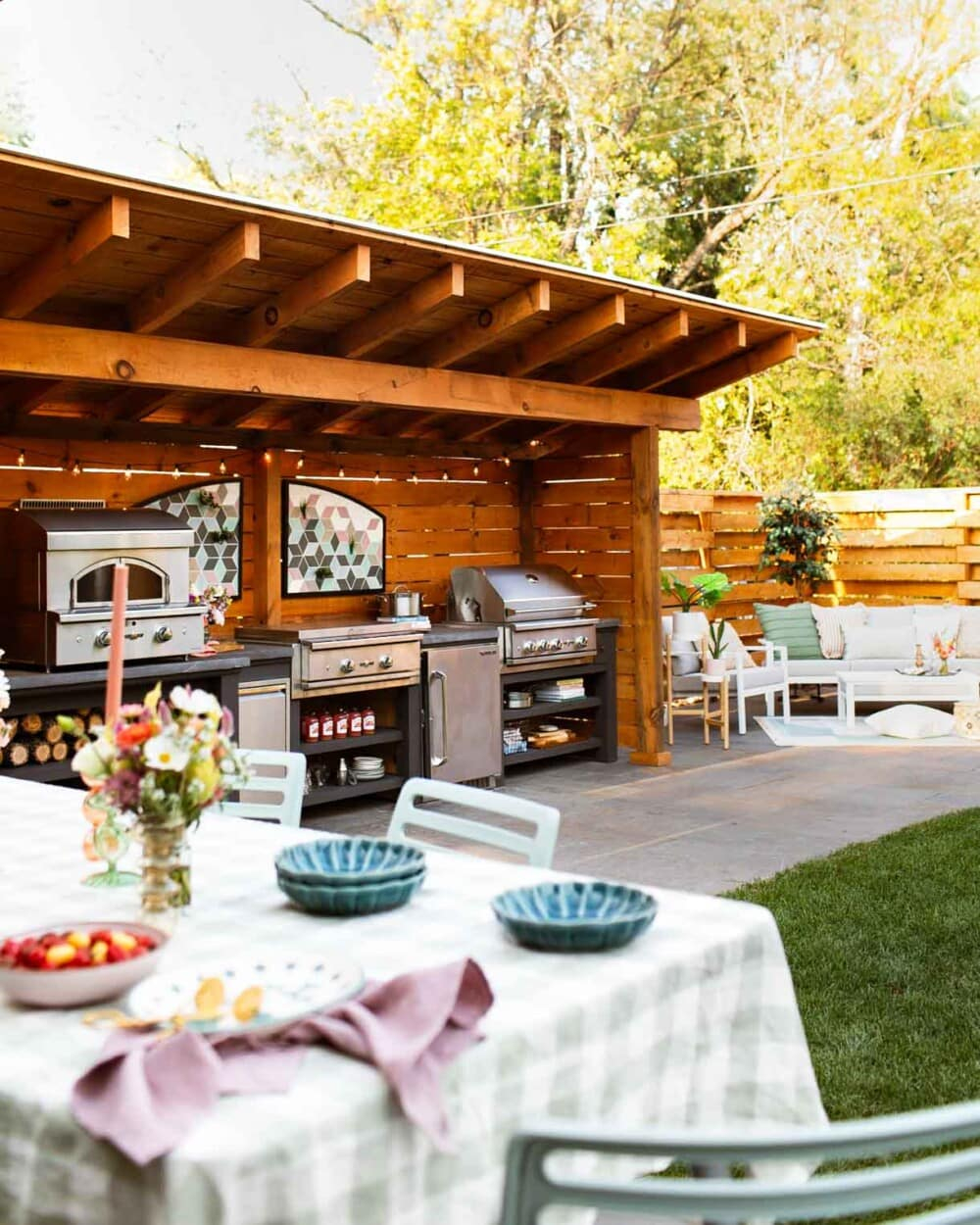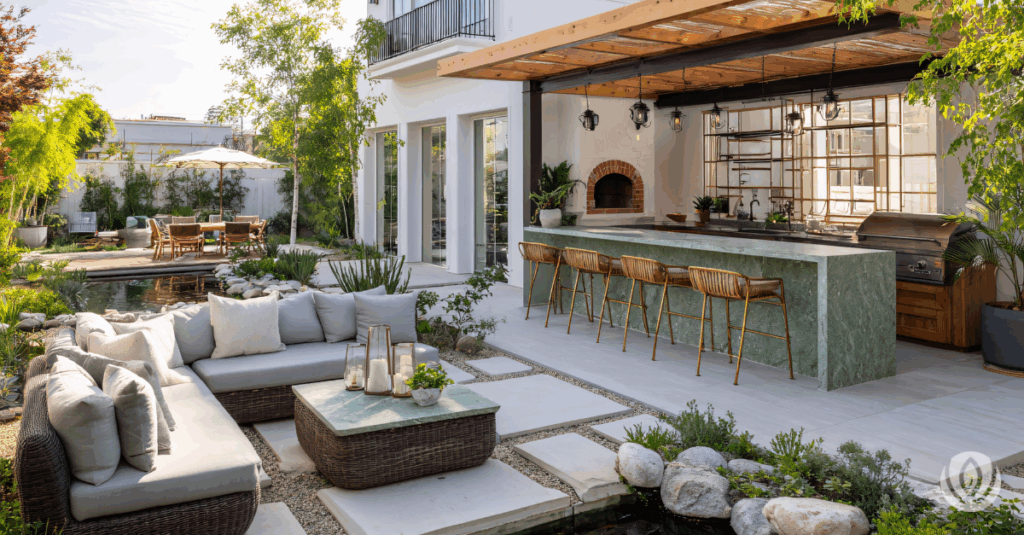
You’ve seen it happen. Maybe it was your neighbor’s place, or perhaps a friend who bragged about their new al fresco cooking zone last summer. They spent a small fortune. We’re talking tens of thousands of dollars on sleek stainless steel, fancy stone countertops, and a grill that costs more than some used cars. It looked incredible in the renderings. It looked even better on opening day. But fast forward two years, and the story changes. The cabinet doors are sticking. There are orange streaks running down the side of the island. The countertop has a crack that wasn’t there before.
It’s heartbreaking, really. And it’s avoidable.
The problem isn’t usually bad luck. It’s not that the weather was unusually harsh, though climate change is making storms more unpredictable in 2026. The issue is that most homeowners design outdoor kitchens using "indoor logic." They assume that because something works in a climate-controlled kitchen, it will work under the blazing sun, freezing rain, and humidity swings of the backyard. Spoiler alert: it won’t. Nature is relentless. It finds every weakness in your design and exploits it. If you want a space that survives more than just a few seasons, you have to stop thinking like an interior decorator and start thinking like an engineer.
The Stainless Steel Myth and the Rust Reality
Let’s talk about the elephant in the room: rust. Most people hear "outdoor kitchen" and immediately think "stainless steel." It’s shiny, it’s modern, and it’s what you see in high-end indoor restaurants. So, naturally, you assume it’s invincible outside. This is perhaps the single biggest misconception in the industry. Not all stainless steel is created equal. In fact, most of the "stainless" appliances and cabinets sold at big-box stores are made with grade 304 steel. Inside your house, protected from salt and constant moisture, 304 is fine. Outside? It’s a ticking time bomb.
When exposed to coastal air, heavy pollution, or even just regular rain and humidity, 304 steel begins to corrode. It starts as tiny pits—barely visible to the naked eye. Then, it spreads. You get those ugly brown tears running down your pristine white cabinetry. By the time you notice it, the structural integrity is often compromised. The fix isn’t to avoid metal; it’s to choose the right metal. You need marine-grade 316 stainless steel. Yes, it costs more. Sometimes significantly more. But 316 contains molybdenum, which acts as a shield against chlorides and corrosion. It’s the difference between replacing your cabinets in three years and having them look great in fifteen.
But here’s the kicker: even 316 steel isn’t magic. It needs care. Many homeowners install these premium units and then forget them. They don’t clean off the grease splatter. They don’t wipe down the surfaces after a storm. Grease is acidic. When it sits on metal, it eats away at the protective oxide layer. So, while buying the right grade is step one, maintenance is step two. If you aren’t willing to wipe down your investment occasionally, no amount of money spent on materials will save you. It’s a partnership between quality engineering and basic upkeep. Ignore either, and you’ll be dealing with rust.
Countertops That Crack Under Pressure
Granite is beautiful. Quartz is trendy. Marble is luxurious. But putting these materials in an outdoor kitchen is often a recipe for disaster. Why? Because stone is porous and sensitive to temperature fluctuations. In 2026, we’re seeing wider swings in daily temperatures than ever before. A hot July day can see temps hit 95°F, only to drop into the 60s at night. Stone expands when it heats up and contracts when it cools down. Do this enough times, and micro-fractures appear. Eventually, those turn into visible cracks.
Then there’s the issue of staining. Outdoor cooking is messy. Think about it: you’re dealing with wine, tomato sauce, oil, and charcoal dust. If your countertop isn’t perfectly sealed—and even if it is—these substances can seep in. Once they’re in, they’re nearly impossible to remove. You end up with a splotchy, stained surface that looks dirty no matter how much you scrub it. Homeowners often overlook this because they’re focused on the look, not the lifestyle. They pick the stone that matches their indoor backsplash, not the stone that can handle a spilled bottle of red wine during a backyard BBQ.
So, what’s the alternative? Look at engineered materials designed specifically for exterior use. Porcelain slabs are gaining massive traction in 2026 for good reason. They are non-porous, meaning they don’t absorb stains. They are incredibly dense, so they resist scratching and chipping. Most importantly, they are manufactured to withstand extreme thermal shock. You can put a hot pot directly on them without worry. Concrete is another option, but it requires rigorous sealing and can still crack if the base isn’t prepared correctly. The lesson here is simple: durability beats aesthetics every time. Choose a surface that forgives mistakes, not one that highlights them.
The Hidden Danger of Poor Ventilation and Heat Traps
When we build indoors, we have walls and ceilings that help direct heat and smoke. Outdoors, we assume the wind will take care of everything. This is a dangerous assumption. An outdoor kitchen is often built under a pergola, a pavilion, or an extended roofline. These structures provide shade and protection from rain, which is great. But they also trap heat. If you have a high-BTU grill tucked under a low ceiling with no proper ventilation, you are creating a heat trap. This heat doesn’t just make you uncomfortable; it damages your components.
Electrical wiring, gas lines, and even the finish on your cabinetry can degrade rapidly when exposed to sustained high temperatures. I’ve seen cases where the heat from a grill warped the wooden beams of a pergola above it. I’ve seen electronic igniters fail because the ambient temperature around the grill exceeded their operating limits. It’s not just about comfort; it’s about safety and longevity. Proper clearance is non-negotiable. You need to follow the manufacturer’s guidelines for distance from combustible materials, and then add a buffer. Better safe than sorry.
Ventilation isn’t just about hoods, either. Airflow matters. If your kitchen is enclosed on three sides, smoke and heat will linger. This creates a corrosive environment. Smoke contains acids and particulates that settle on surfaces. Over time, this buildup accelerates wear and tear. Installing a high-quality outdoor-rated hood is essential, but so is ensuring there’s enough open space for air to circulate. Don’t box yourself in. Leave gaps. Use open designs. Let the breeze do some of the work. If you ignore airflow, you’re essentially baking your kitchen every time you cook, and nothing lasts long in an oven.
Ignoring the Ground Beneath Your Feet
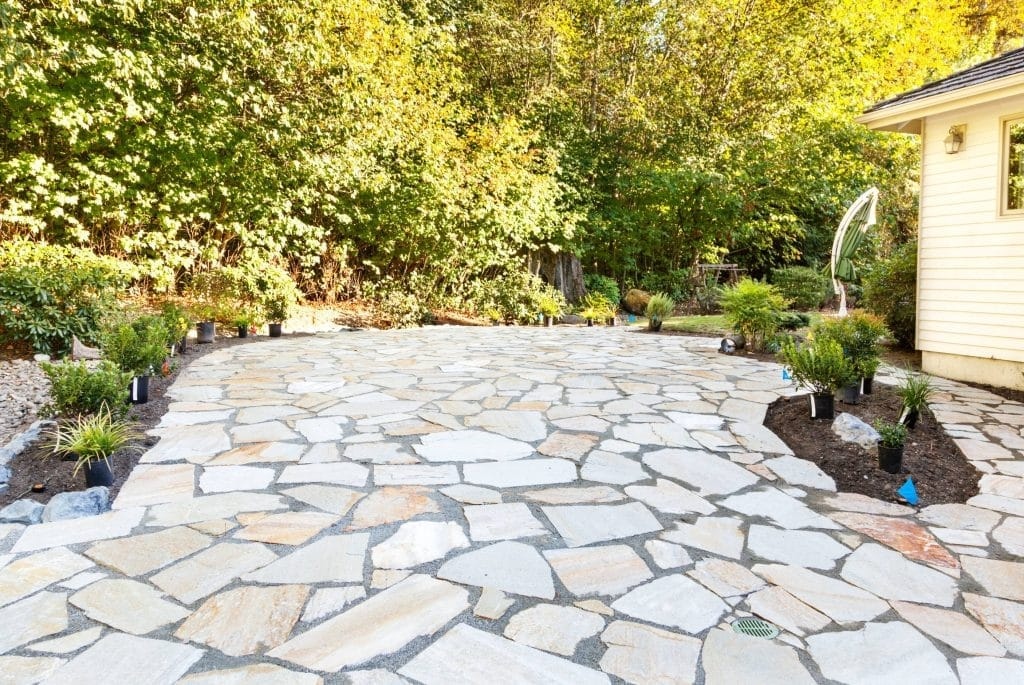
You can buy the best grill in the world. You can install the most expensive countertops. But if your foundation is weak, the whole thing will fail. This is the most overlooked aspect of outdoor kitchen durability. Indoor floors are level, stable, and protected from the elements. Outdoor patios shift. Soil expands when wet and shrinks when dry. Frost heaves in colder climates push concrete up. If your kitchen island is built on a standard patio slab that wasn’t reinforced for the weight, it will crack. And when the base cracks, everything on top of it cracks too.
Many homeowners try to save money by building on existing pavers or a thin layer of concrete. This is a false economy. An outdoor kitchen is heavy. A large grill, stone countertops, and full cabinets can weigh thousands of pounds. You need a dedicated footing—a reinforced concrete slab that goes below the frost line (if you live in a freezing zone) and is engineered to support the specific load of your structure. Skipping this step is like building a house on sand. It might look fine for a year, but eventually, gravity and geology will win.
Drainage is part of this equation too. Water needs to move away from your kitchen, not pool underneath it. Standing water under your foundation leads to erosion and instability. It also creates a breeding ground for mold and insects, which can find their way into your cabinetry. Ensure your site has a slight slope away from the structure. Install proper drainage channels if necessary. Treat the ground with the same respect you treat the appliances. It’s the unsung hero of durability. Without a solid base, nothing else matters.
The Utility Nightmare: Gas, Water, and Electricity
Indoor utilities are protected. They run inside walls, insulated from temperature changes and physical damage. Outdoor utilities are exposed. Yet, many DIYers and even some contractors treat them with the same casual attitude. They use indoor-rated electrical outlets. They run gas lines without proper protective sleeves. They install plumbing that isn’t freeze-proof. The result? Shocks, leaks, and bursts. In 2026, safety codes are stricter, but enforcement varies. Don’t rely on the inspector to catch everything. You need to be proactive.
Electrical components must be GFCI-protected and housed in weatherproof boxes rated for outdoor use. This seems obvious, but you’d be surprised how often it’s skipped. Moisture gets into standard outlets, causing shorts and corrosion. For lighting and appliances, use low-voltage systems where possible. They are safer and less prone to catastrophic failure. Run your wires in conduit, not just buried in the dirt. Rodents love to chew on unprotected wires, and shovels love to slice through them during garden maintenance. Protect your infrastructure.
Gas lines are even more critical. A leak in an enclosed outdoor space can be deadly. Always use black iron pipe or CSST (Corrugated Stainless Steel Tubing) designed for exterior burial. Never use flexible rubber hoses for permanent connections; they degrade in sunlight and heat. Have a professional pressure-test the lines before you cover them up. And for water? If you live anywhere that freezes, you need shut-off valves and drain plugs. Winterizing your outdoor kitchen isn’t optional; it’s mandatory. One forgotten drop of water in a pipe can burst it, leading to thousands in repairs. Plan for the worst, hope for the best.
Finally, we have to address the mindset. Many homeowners view an outdoor kitchen as a "set it and forget it" installation. They think, "I bought expensive stuff, so it should take care of itself." This is pure fantasy. An outdoor kitchen is more like a car than a sofa. It requires regular maintenance to keep running smoothly. If you neglect it, it breaks down. Period. The elements are constantly attacking your investment. Sun UV rays break down plastics and fades colors. Rain brings moisture that promotes mold. Wind blows in debris that clogs vents.
Create a maintenance routine. It doesn’t have to be complicated. Once a month, give everything a good wipe down. Check the seals on your fridge. Clean the grease traps in your grill. Inspect the covers for tears. Twice a year, do a deeper check. Look for signs of rust, even on stainless steel. Check the tightness of screws and hinges, which can loosen due to temperature expansion. Re-seal stone or concrete surfaces if needed. Cover your appliances when not in use, but make sure they are dry first. Covering a wet grill traps moisture and accelerates corrosion.
This isn’t about being obsessive. It’s about being smart. Ten minutes of maintenance can save you ten thousand dollars in repairs. It extends the life of your kitchen by years. Think of it as insurance. You wouldn’t buy a car and never change the oil. Don’t buy an outdoor kitchen and never clean it. Respect the space, and it will reward you with decades of use. Neglect it, and you’ll be planning a renovation before you’ve even paid off the loan. It’s that simple.
Building an outdoor kitchen is an exciting journey. It transforms your backyard into a social hub, a place for memories and meals. But excitement shouldn’t blind you to reality. Durability isn’t an accident. It’s the result of careful planning, smart material choices, and ongoing care. Avoid the indoor logic trap. Choose materials that fight back against the elements. Build on a solid foundation. Protect your utilities. And commit to maintenance. If you do these things, you won’t just have a kitchen that looks good for Instagram. You’ll have one that works, withstands the storms, and serves your family for years to come. That’s the real value. That’s the dream worth building.
[sps_html tag=”img” src=”https://cdn.northcarolinafinearchitecture.com/2026/06/the-ultimate-guide-to-outdoor-kitchens-and-design-for-outdoor-kitchen-design.png” alt=”The Ultimate Guide To Outdoor Kitchens And Design for Outdoor Kitchen Design” style=”width: 100%; height: auto;”]
[sps_html tag=”img” src=”https://cdn.northcarolinafinearchitecture.com/2026/06/beautiful-functional-covered-outdoor-kitchen-design-for-how-to-design-an-outdoor-kitchen-that-extends-your-homes-living-space.jpg” alt=”Beautiful & Functional Covered Outdoor Kitchen Design for How to Design an Outdoor Kitchen That Extends Your Home’s Living Space” style=”width: 100%; height: auto;”]
[sps_html tag=”img” src=”https://cdn.northcarolinafinearchitecture.com/2026/06/custom-outdoor-kitchen-design-in-houston-fivestar-landscape-intended-for-outdoor-kitchen-design.jpg” alt=”Custom Outdoor Kitchen Design In Houston- Fivestar Landscape intended for Outdoor Kitchen Design” style=”width: 100%; height: auto;”]
[sps_html tag=”img” src=”https://cdn.northcarolinafinearchitecture.com/2026/06/kitchen-that-extends-outside-rustica-house-regarding-how-to-design-an-outdoor-kitchen-that-extends-your-homes-living-space.jpg” alt=”Kitchen That Extends Outside - Rustica House regarding How to Design an Outdoor Kitchen That Extends Your Home’s Living Space” style=”width: 100%; height: auto;”]
[sps_html tag=”img” src=”https://cdn.northcarolinafinearchitecture.com/2026/06/how-to-build-your-own-outdoor-kitchen-make-it-right-within-outdoor-kitchen-design.jpg” alt=”How To Build Your Own Outdoor Kitchen - Make It Right® within Outdoor Kitchen Design” style=”width: 100%; height: auto;”]