You know that feeling when you step out your back door and just… stare? The grass is green, sure. The flowers are blooming. But something feels off. It’s like the space is holding its breath, waiting for you to tell it where to go. Most of us treat our yards like blank canvases we’re afraid to ruin, so we do nothing. Or worse, we slap down a straight line of concrete pavers because it was on sale at the big box store.
But here’s the thing: paths aren’t just about getting from point A to point B. They’re the veins of your outdoor living space. They guide the eye, slow down the pace, and invite you to linger. In 2026, with more people than ever treating their backyards as essential extensions of their homes, the demand for thoughtful, organic design has skyrocketed. We aren’t looking for perfect symmetry anymore. We want soul. We want paths that feel like they’ve always been there.
Let’s talk about how to fix that empty feeling. Not with a bulldozer, but with some simple, time-tested principles that actually work in the real world. No degree in landscape architecture required. Just a shovel, some stones, and a bit of patience.
The Art of the Meander: Why Straight Lines Feel Wrong
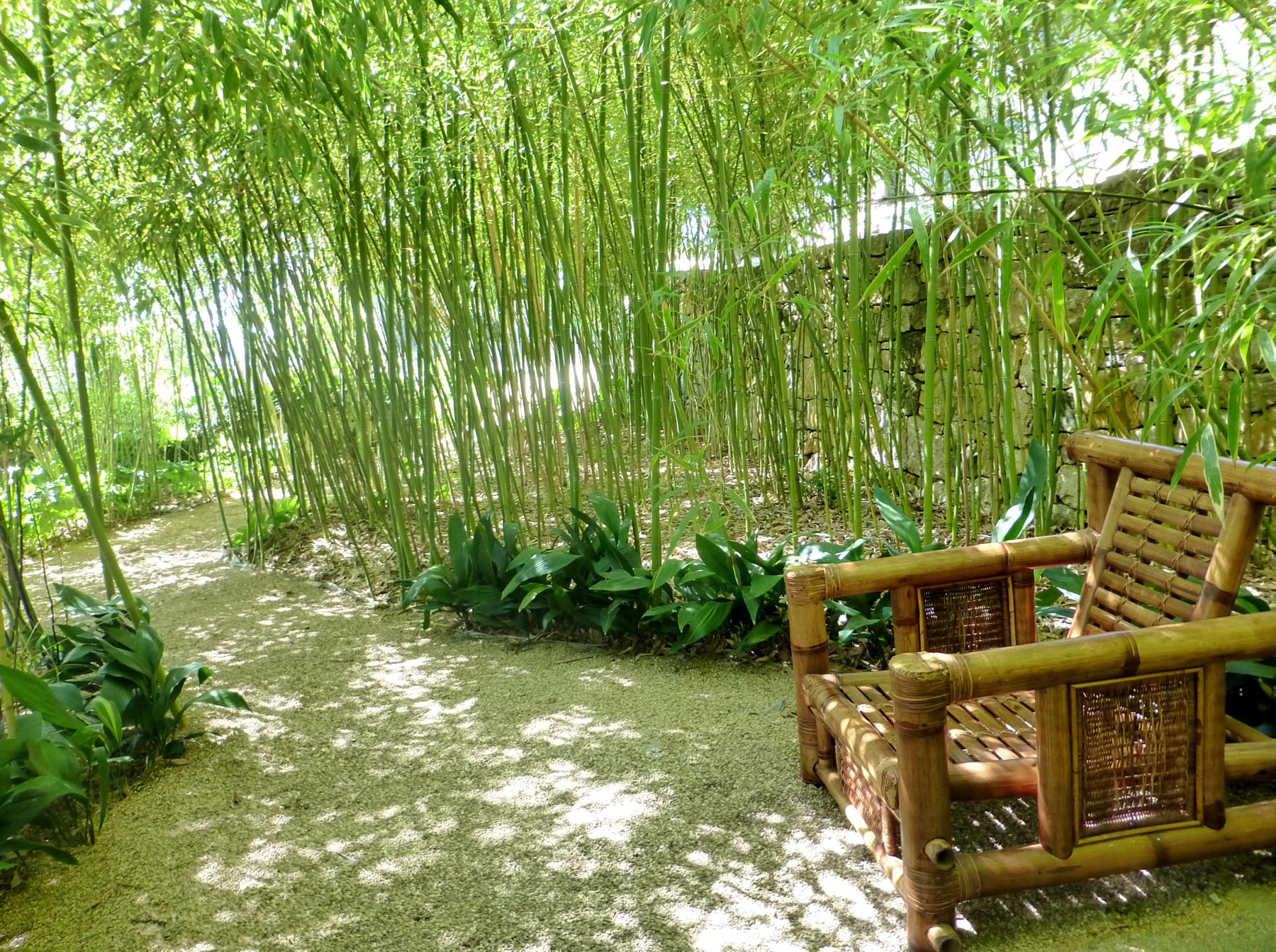
Think about the last time you walked through a forest. Did you walk in a perfectly straight line? Probably not. You dodged roots, stepped around puddles, and followed the natural contour of the land. Human beings are wired to respond to curves. It’s in our DNA. When we see a straight, rigid path in a garden, our brains register it as artificial. It feels forced. A curved path, on the other hand, creates mystery. It hides what’s around the bend, encouraging you to keep moving, to explore.
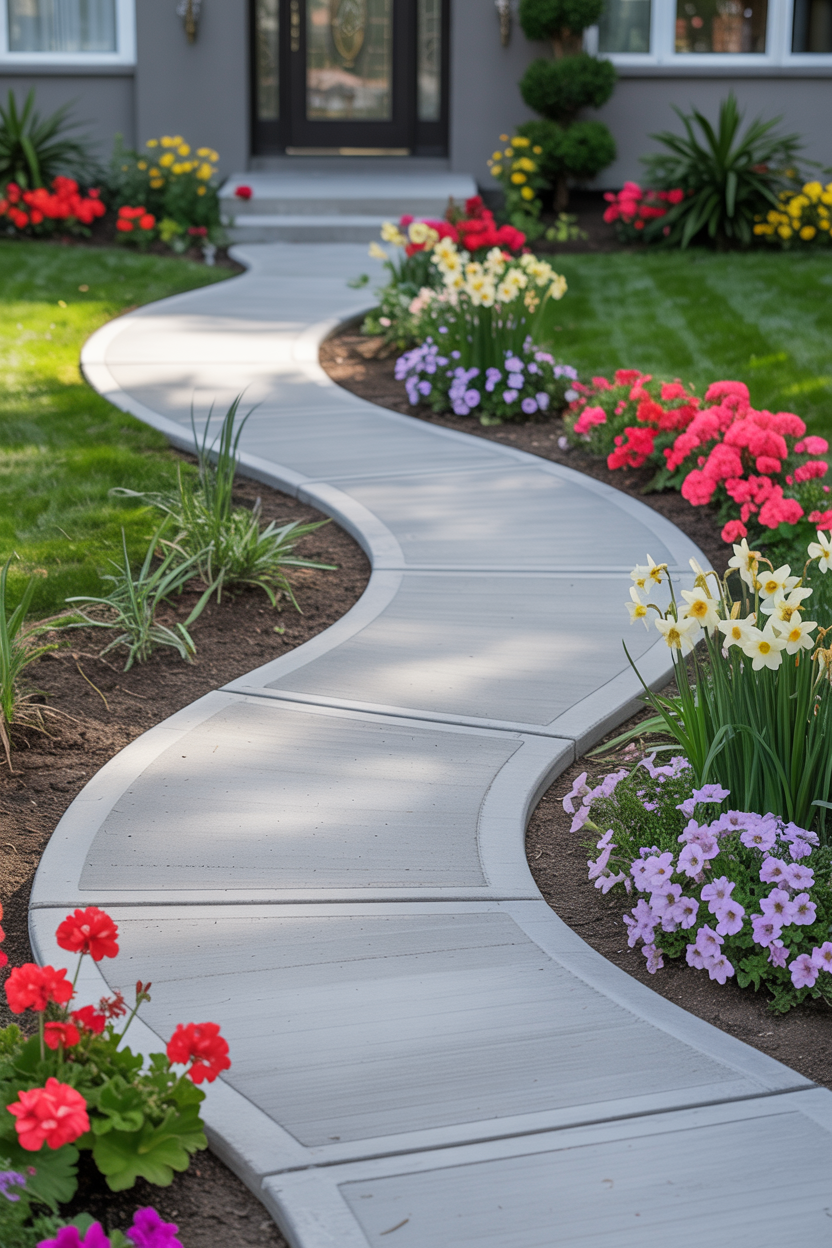
This doesn’t mean you need to draw a snake-like squiggle across your lawn. That looks messy. The key is the "S" curve or a gentle arc. Start at your door and end at your destination—maybe a fire pit or a vegetable patch. Then, imagine a loose connection between them. Push the middle of that line out to one side. Suddenly, the journey becomes longer, even if the distance is the same. It slows you down. In a fast-paced world, slowing down is a luxury. A meandering path gives you permission to breathe.
Try this trick: grab a garden hose or a long rope. Lay it out on the grass. Stand back. Does it look natural? If it looks like a cartoon snake, soften the bends. If it looks too stiff, add a little wiggle. Walk along it mentally. Where would your foot naturally fall? Adjust until it feels easy. This low-tech method saves you from digging up the wrong spot later. And honestly, it’s kinda fun to play with.
Material Matters: Choosing Stones That Age Well
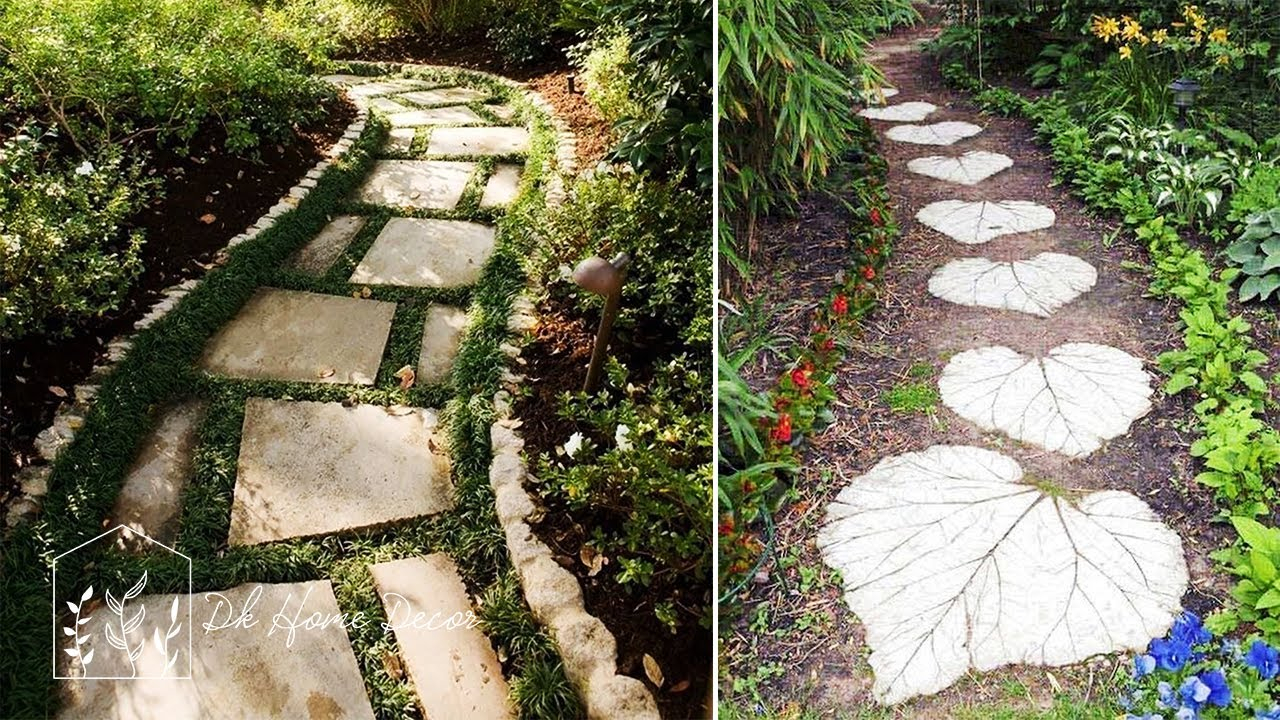
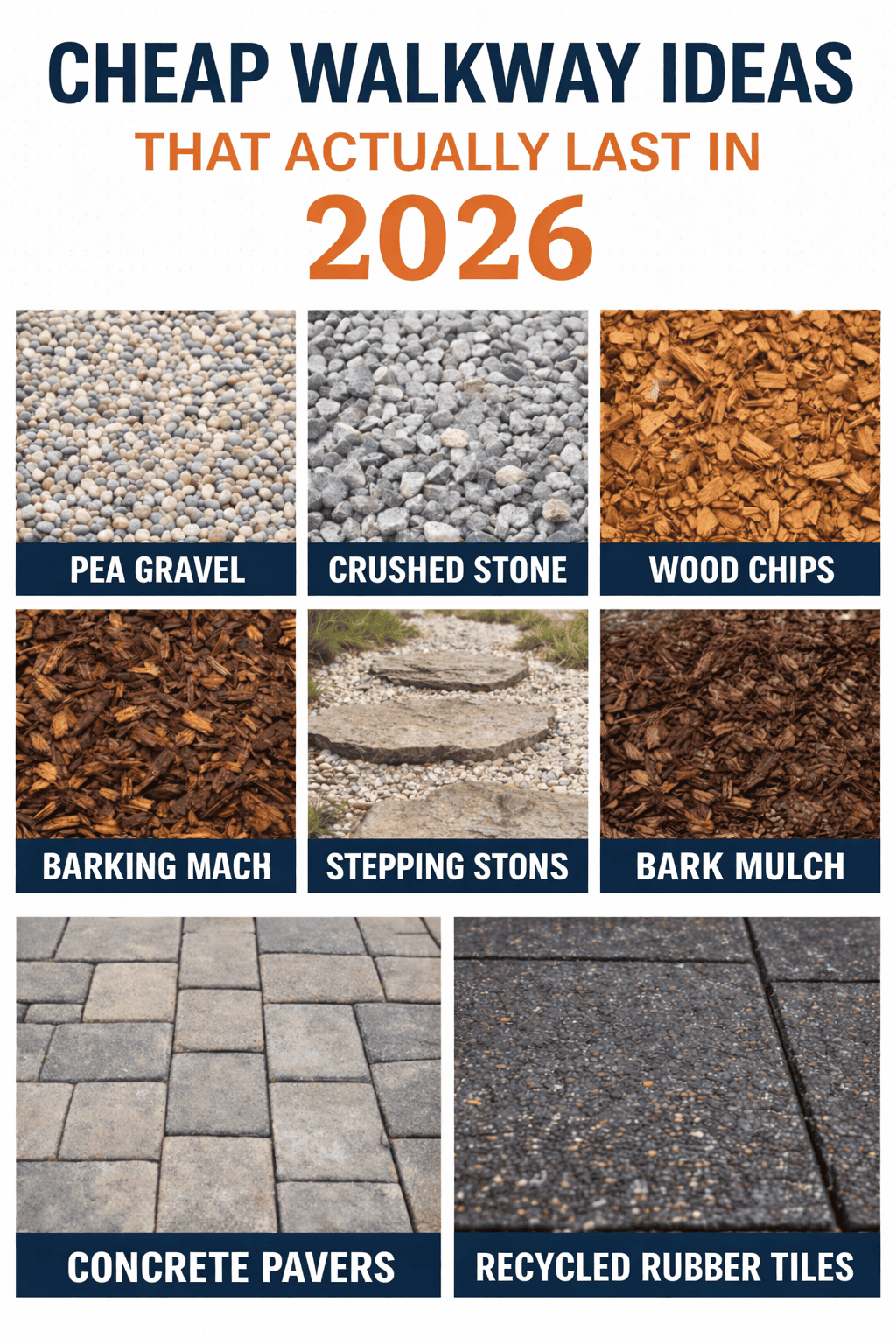
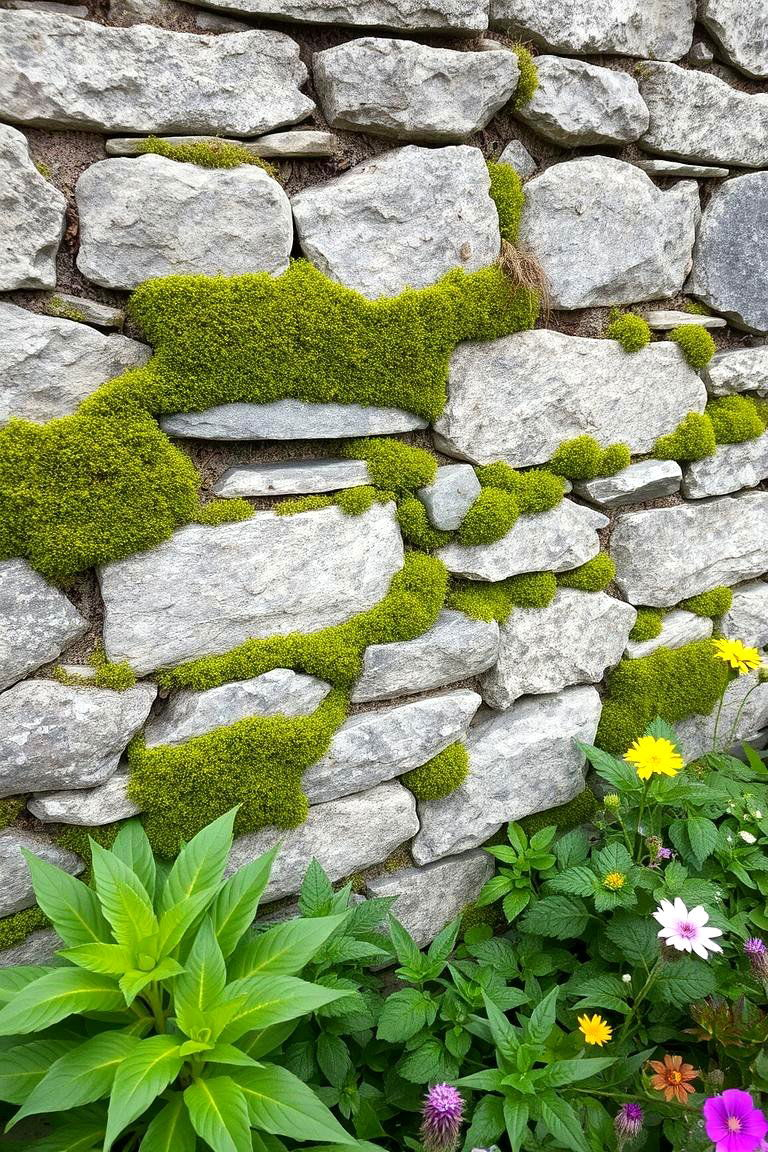
In 2024 and 2025, we saw a huge shift away from pristine, uniform pavers. People got tired of cleaning moss out of perfect gray squares. The trend now—and it’s a good one—is toward materials that look better with age. Think local stone, reclaimed brick, or even gravel. These materials blend into the environment rather than fighting it. They develop a patina. A little moss? That’s character, not dirt.
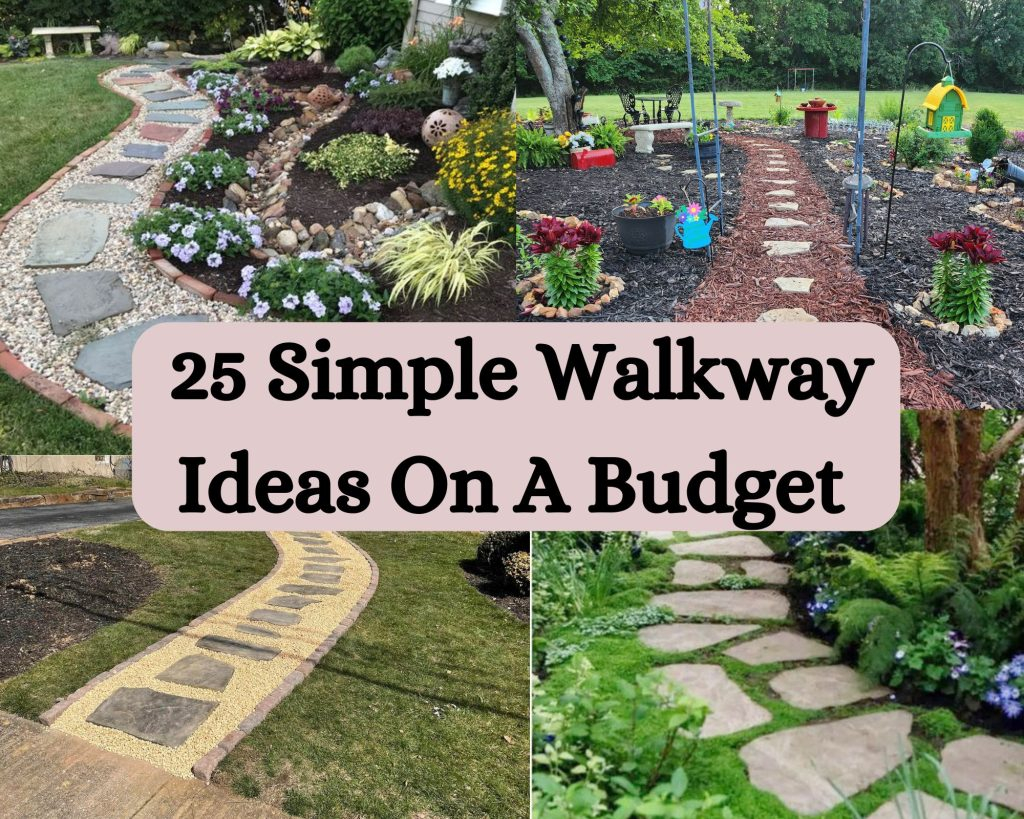
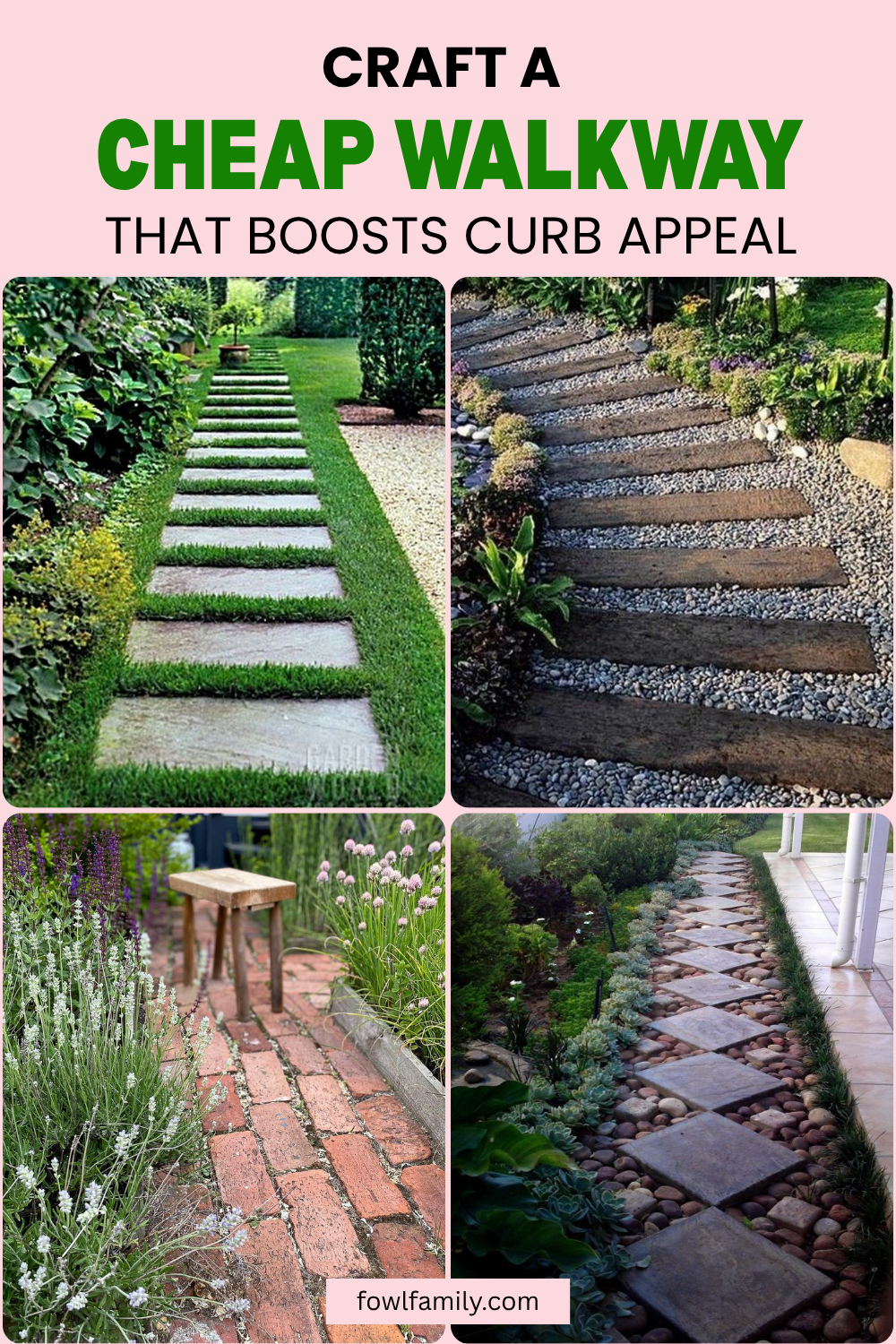
Flagstone is a classic choice for a reason. It’s irregular, which makes laying it out forgiving. You don’t need perfect cuts. But it can be pricey. If budget is tight, consider crushed granite or pea gravel. It’s permeable, meaning rainwater soaks in instead of running off into the storm drain. That’s a big deal for eco-conscious homeowners. Plus, it crunches underfoot. That sound is satisfying. It alerts birds (and neighbors) that you’re coming, adding a sensory layer to the experience.
Avoid slick, polished surfaces. They’re dangerous when wet and look out of place in a garden. You want texture. You want grip. If you’re using wood chips or bark, remember they break down. You’ll need to top them off every year or two. Stone lasts forever. Brick lasts a long time but can crack in freeze-thaw cycles if not installed right. Know your climate. If you live somewhere with harsh winters, skip the porous limestone. It’ll flake apart in five years. Choose hardy local rock instead. It supports local quarries and fits the regional aesthetic.
Width and Scale: Don’t Skimp on the Walkway
Here’s a mistake I see all the time: paths that are too narrow. Someone puts down three small stepping stones, spaced far apart. It looks delicate in the plan, but in reality, it’s awkward. You have to hop. You can’t walk side-by-side with a friend. It feels precarious. A path should accommodate the way you actually live. If you’re carrying a tray of drinks to the patio, you need stability. If you’re walking the dog, you need room for them to trot alongside you.
The golden rule? Aim for at least 3 to 4 feet wide for main pathways. This allows two people to walk abreast comfortably. For secondary paths, like one leading to a compost bin or a hidden bench, 2 feet might suffice. But err on the side of generous. Wide paths feel welcoming. Narrow paths feel like an afterthought. They also impact the perceived size of your yard. A wide, curving path can make a small yard feel larger because it draws the eye along the journey.
Consider the "desire lines." These are the tracks people naturally wear into the grass when there’s no path. Look at your yard now. Where are the muddy patches? That’s where people want to walk. Don’t fight it. Build your path there. If you put a path somewhere else, people will still walk on the grass, killing it anyway. Work with human behavior, not against it. It’s easier and smarter.
The Magic of Negative Space: Planting Between the Steps
A path isn’t just stone. It’s the space between the stones, too. This is where the magic happens. In traditional design, we used to fill those gaps with sand or polymeric dust. Clean, yes. But sterile. Today, we’re seeing a resurgence of "soft paving." This means planting low-growing, tough perennials between pavers or stones. Thyme, sedum, chamomile, or creeping jenny.
Why do this? First, it softens the hardscape. The green spills over the edges, blurring the line between built and natural. Second, it’s fragrant. Imagine stepping on lemon thyme as you walk to your morning coffee spot. The scent releases with every step. It’s a small joy, but it adds up. Third, it helps with drainage. The soil absorbs water, reducing runoff.
But be realistic. Don’t plant delicate ferns between high-traffic steps. They’ll get crushed. Choose plants that tolerate foot traffic. Creeping thyme is a champion here. It’s drought-tolerant once established and smells amazing. Sedum is another tough cookie. Just make sure you leave enough room for the plants to grow. Don’t cram them in. Give them space to breathe. And remember, they’ll need water while they get established. Once they’re in, they’re largely on their own. It’s a low-maintenance win.
Lighting the Way: Safety Meets Atmosphere
As the days get shorter in late 2026, lighting becomes crucial. But most people get it wrong. They blast the area with floodlights, turning their yard into a parking lot. Or they use cheap solar lights that flicker and die after a month. Good path lighting should be subtle. It should guide, not glare. Think of it as whispering, not shouting.
Low-voltage LED fixtures are the standard now. They’re energy-efficient and safe. Place them low to the ground, tucked among plants or along the edge of the path. The light should graze the surface, highlighting the texture of the stone and the surrounding foliage. Avoid placing lights directly in the walking path. You don’t want to trip over them. Instead, aim for a rhythm. Light every few feet, or highlight specific features like a tree trunk or a bench.
Solar technology has improved alot in recent years. If you can’t run wires, modern solar lights are a viable option. Just buy quality ones with separate panels you can place in direct sun. The integrated all-in-one cheap ones rarely work well in shady gardens. Test your layout before you dig. Use temporary stakes or even lanterns to see how the light falls at night. Adjust until it feels cozy. You want to create pools of light that invite you forward, into the darkness.
Let’s be honest. Gardens require work. But a well-designed path should reduce maintenance, not add to it. One of the biggest headaches is weeds. They’ll find their way into cracks. It’s inevitable. The best defense is a good offense. Install a high-quality landscape fabric underneath your gravel or stone base. It blocks weeds from below. For between pavers, pull weeds when they’re small. It’s easier. Or use a torch weeder for a chemical-free zap.
Edging is another critical factor. Without a clear edge, grass creeps onto your path. Mulch washes away. Use metal edging, stone borders, or even buried bricks to keep materials in place. This keeps the lines crisp and reduces the time you spend trimming grass along the walkway. In 2026, many homeowners are opting for "no-mow" zones near paths, replacing grass with ground covers or mulch beds. This cuts down on weekly chores significantly.
Also, think about drainage. If your path collects water, it becomes a skating rink in winter or a mud pit in spring. Ensure the path has a slight crown (higher in the middle) or slopes slightly to one side. Water should sheet off, not pool. Check this after a heavy rain. If you see puddles, adjust the base material. It’s much harder to fix later. A little attention to detail upfront saves hours of frustration later.
So, where does this leave you? With a yard that invites you in. A path that guides your steps and calms your mind. It’s not about perfection. It’s about connection. Connecting your home to the land. Connecting you to the outdoors. Start small. Lay out a hose. Pick a spot. Drop some stones. See how it feels. You might find that the journey really is the destination. And if you mess up? Just move the stones. That’s the beauty of it. It’s your space. Make it work for you.
[sps_html tag=”img” src=”https://cdn.northcarolinafinearchitecture.com/2026/06/23-cheap-diy-walkway-ideas-on-a-budget-inside-budget-friendly-walkway-ideas-that-dont-look-cheap.png” alt=”23+ Cheap Diy Walkway Ideas On A Budget inside Budget Friendly Walkway Ideas That Don't Look Cheap” style=”width: 100%; height: auto;”]
[sps_html tag=”img” src=”https://cdn.northcarolinafinearchitecture.com/2026/06/cheap-walkway-ideas-for-2026-that-last-on-a-budget-throughout-outdoor-path-design.png” alt=”Cheap Walkway Ideas For 2026 That Last On A Budget throughout Outdoor Path Design” style=”width: 100%; height: auto;”]
[sps_html tag=”img” src=”https://cdn.northcarolinafinearchitecture.com/2026/06/20-cheap-walkway-ideas-diy-for-budget-friendly-outdoor-makeovers-with-regard-to-outdoor-path-design.png” alt=”20 Cheap Walkway Ideas Diy For Budget-Friendly Outdoor Makeovers … with regard to Outdoor Path Design” style=”width: 100%; height: auto;”]
[sps_html tag=”img” src=”https://cdn.northcarolinafinearchitecture.com/2026/06/how-to-create-a-budget-friendly-cheap-walkway-diy-backyard-in-budget-friendly-walkway-ideas-that-dont-look-cheap.png” alt=”How To Create A Budget-Friendly Cheap Walkway | Diy Backyard … in Budget Friendly Walkway Ideas That Don't Look Cheap” style=”width: 100%; height: auto;”]
[sps_html tag=”img” src=”https://cdn.northcarolinafinearchitecture.com/2026/06/affordable-landscape-walkway-ideas-that-enhance-your-outdoor-space-with-outdoor-path-design.jpg” alt=”Affordable Landscape Walkway Ideas That Enhance Your Outdoor Space with Outdoor Path Design” style=”width: 100%; height: auto;”]