Ever tried to enjoy a cup of coffee outside, only to have the breeze turn it into a cold, unpleasant chore? It’s frustrating. You want that fresh air feeling, but not the gale-force winds that send napkins flying and chill you to the bone. In 2026, creating a sheltered spot isn’t just about building a wall. It’s about understanding how air moves and using that knowledge to your advantage.
We’ve all been there. You spend money on nice furniture, maybe some plants, and then realize your patio is basically a wind tunnel. But here’s the good news. You don’t need to enclose yourself in a box to get relief. The best windbreaks are subtle. They filter the air rather than stopping it dead. This guide will walk you through exactly how to do that, using techniques that are popular right now and proven to work.
Know Your Wind Before You Build Anything
Before you buy a single plank of wood or dig a hole for a tree, you need to play detective. Where is the wind actually coming from? It sounds obvious, but most people guess. And guessing leads to wasted money. Spend a few days watching your yard. Use a simple ribbon tied to a stick if you have to. Note the direction of the strongest gusts. Is it the prevailing westerly wind that bothers you most? Or is it those unpredictable northerly blasts in the evening?
Homes & Gardens points out that carefully assessing your plot is key. You need to identify the most exposed areas. Once you know the source, you can plan accordingly. If the wind hits your patio from the side, a screen on the front won’t help much. You need to block the source. Also, think about the speed. A gentle breeze is nice. A strong wind needs a solid barrier. Understanding this difference helps you choose the right height and density for your break.
Don’t forget to check local rules too. Outdoorfixes.com reminds us that planning regulations matter. Some neighborhoods have height limits for fences or structures. You don’t want to build a beautiful windbreak only to be asked to take it down. A quick call to your local council or HOA can save you a headache later. It’s a small step, but it’s crucial for a smooth project.
The Magic of Filtering vs. Blocking
Here is a secret that changes everything. Solid walls often make things worse. When wind hits a solid barrier, it doesn’t just stop. It goes up and over, creating turbulence on the other side. This creates eddies and downdrafts that can be even more annoying than the original wind. It’s like putting your thumb over a hose. The water sprays everywhere. You want to avoid that effect on your patio.
Instead, aim for permeability. You want a barrier that lets some air through. Softlyoutdoor.com suggests that trees filter wind rather than completely blocking it. This reduces harsh gusts while keeping the gentle breezes. A barrier that is about 50% solid is often ideal. It slows the wind down without causing it to swirl violently. Think of it as calming the air, not stopping it.
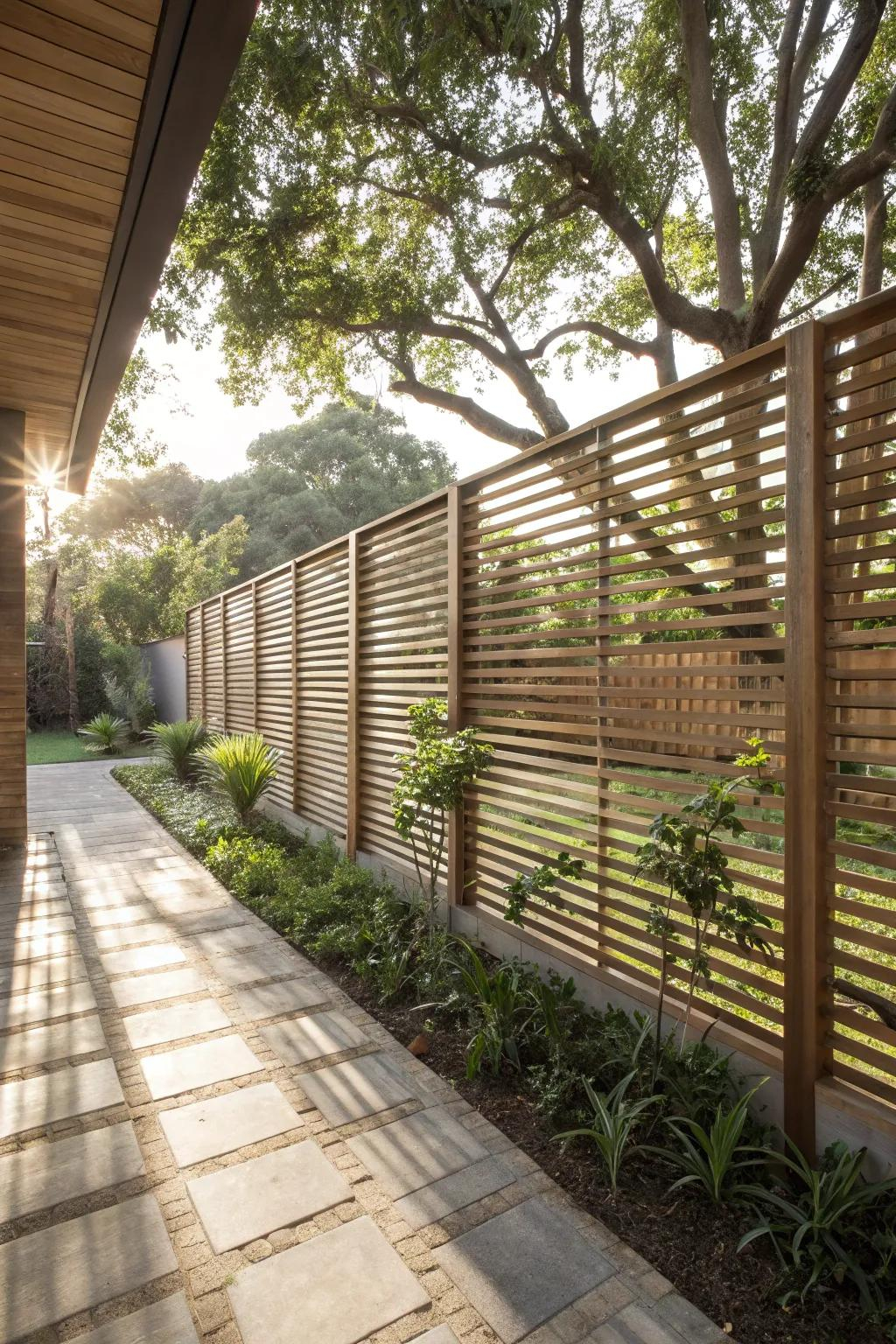
This approach also feels more natural. A solid wall can make a space feel cramped or closed off. A filtered view keeps the connection to the outdoors. You still see the garden, the sky, and the neighbors (if you want to). It’s about comfort, not isolation. Using slatted wood, lattice, or even certain types of fabric can achieve this balance. The goal is a peaceful retreat, not a bunker.
Natural Solutions That Grow With You
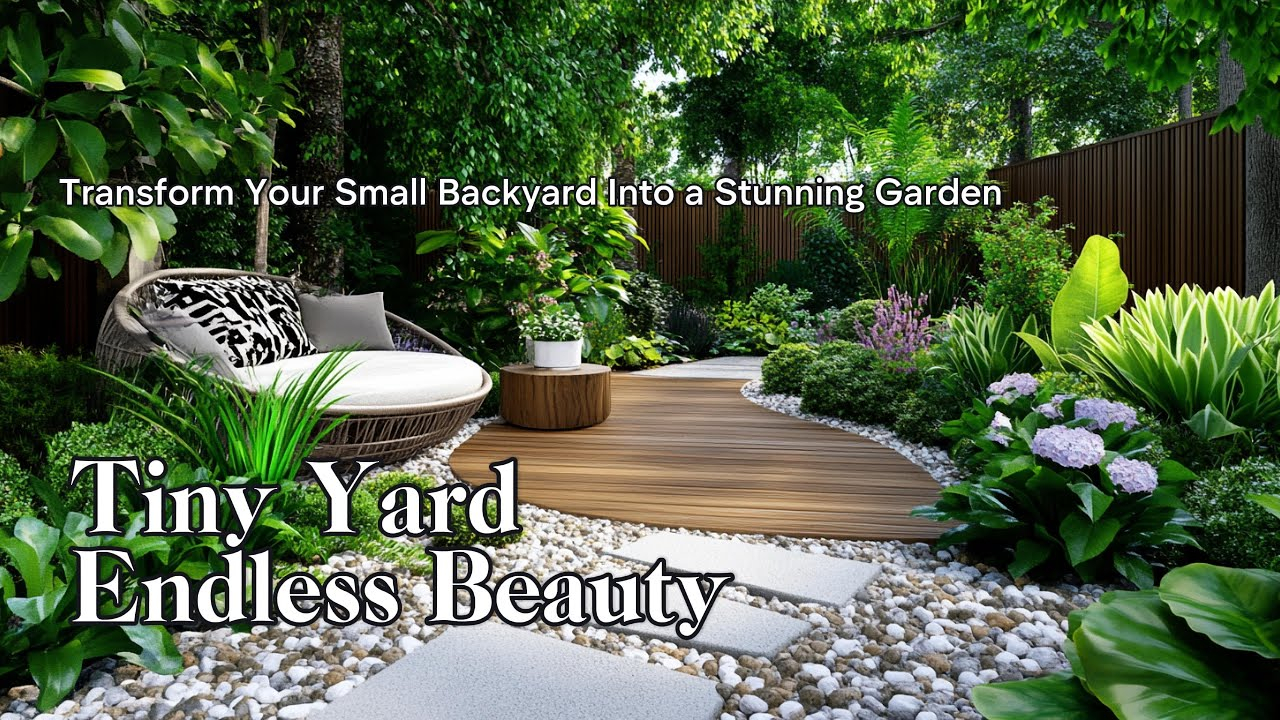
Plants are the original windbreaks. They’re beautiful, eco-friendly, and they get better with time. But you can’t just plant anything anywhere. Placement is everything. Softlyoutdoor.com recommends positioning medium-sized trees like Japanese maple, flowering dogwood, or ornamental pear 10 to 15 feet from seating areas. This distance allows the branches to spread and create a canopy of protection without feeling too close.
Shrubs are also great options. They fill in the lower gaps where trees might let wind through. Mix evergreens with deciduous plants. Evergreens provide year-round protection, which is vital in winter. Deciduous plants let light in during the colder months when you might want the sun’s warmth. It’s a balancing act. Consider bamboo too, but be careful. Clumping bamboo is safer than running bamboo, which can take over your yard.
The benefit of greenery is the sensory experience. Leaves rustling is a soothing sound. It masks traffic noise and adds to the tranquility. Plus, plants improve air quality and support local wildlife. It’s a win-win. Just remember that plants take time to grow. If you need immediate relief, you might need to combine them with temporary structures until they mature. Patience is part of the process.
Modern Materials and Structural Options
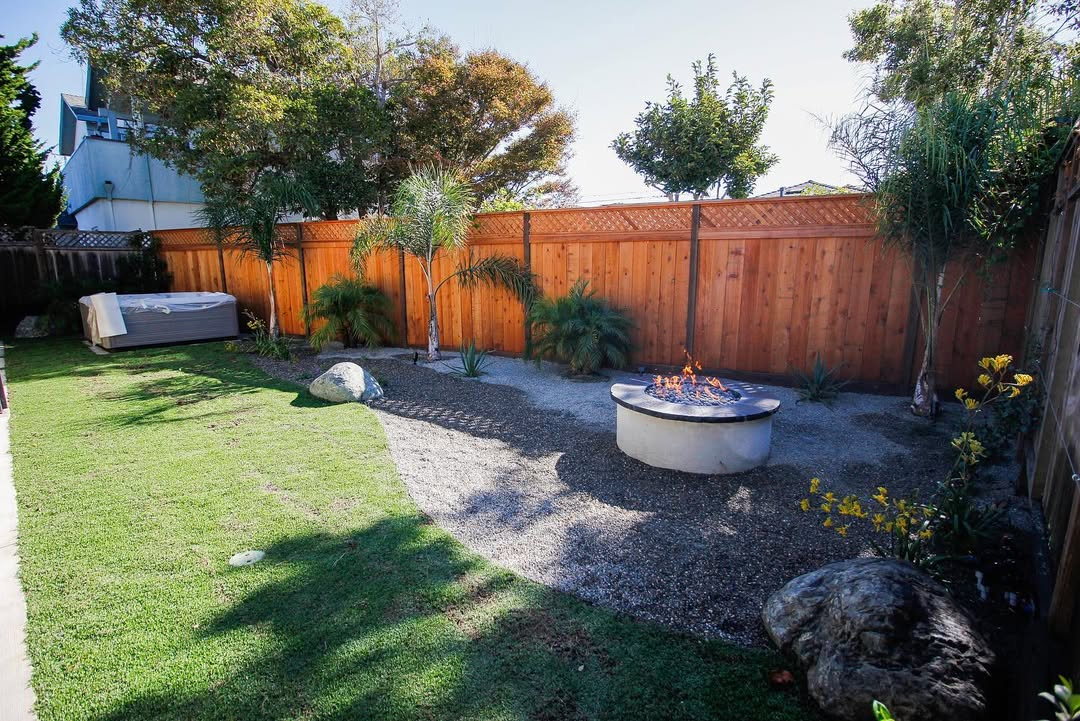
Sometimes, nature isn’t enough. Or maybe you rent and can’t plant trees. That’s where built structures come in. Woodfixes.com highlights windbreak walls or fences made from wood, metal, or tempered glass. These materials offer durability and style. Tempered glass is particularly popular in 2026 because it blocks wind without blocking views. It’s sleek and modern, perfect for urban patios.
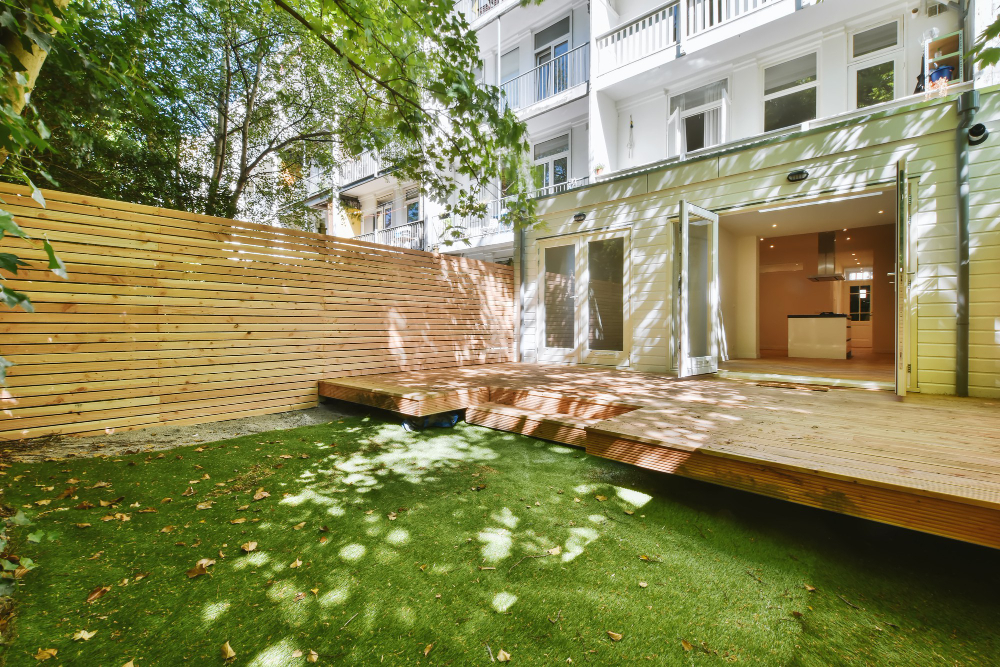
Wood remains a classic choice. It’s warm and versatile. You can stain it to match your house or leave it natural for a rustic look. Slatted wood panels are excellent for that filtering effect we talked about. Metal screens are another option. They’re low maintenance and can feature intricate designs that add artistic flair. Powder-coated aluminum resists rust and looks sharp for years.
Installation matters. Ensure your structure is anchored securely. Wind exerts a lot of force, especially during storms. If you’re building a freestanding panel, make sure the base is heavy or dug in deep. Alderlight.com mentions freestanding windbreak panels as a versatile option. These can be moved around if needed, which is great for renters or people who like to change their layout. Just ensure they are stable enough not to tip over.
DIY Hacks and Portable Solutions
Not everyone wants to commit to a permanent structure. Maybe you’re on a budget. Or perhaps you just want flexibility. DIY solutions can be surprisingly effective. Practicalhomeandgarden.com offers steps for basic barriers. You can use old pallets, stacked crates, or even heavy-duty outdoor curtains. The key is weight and stability. A light screen will just blow away.
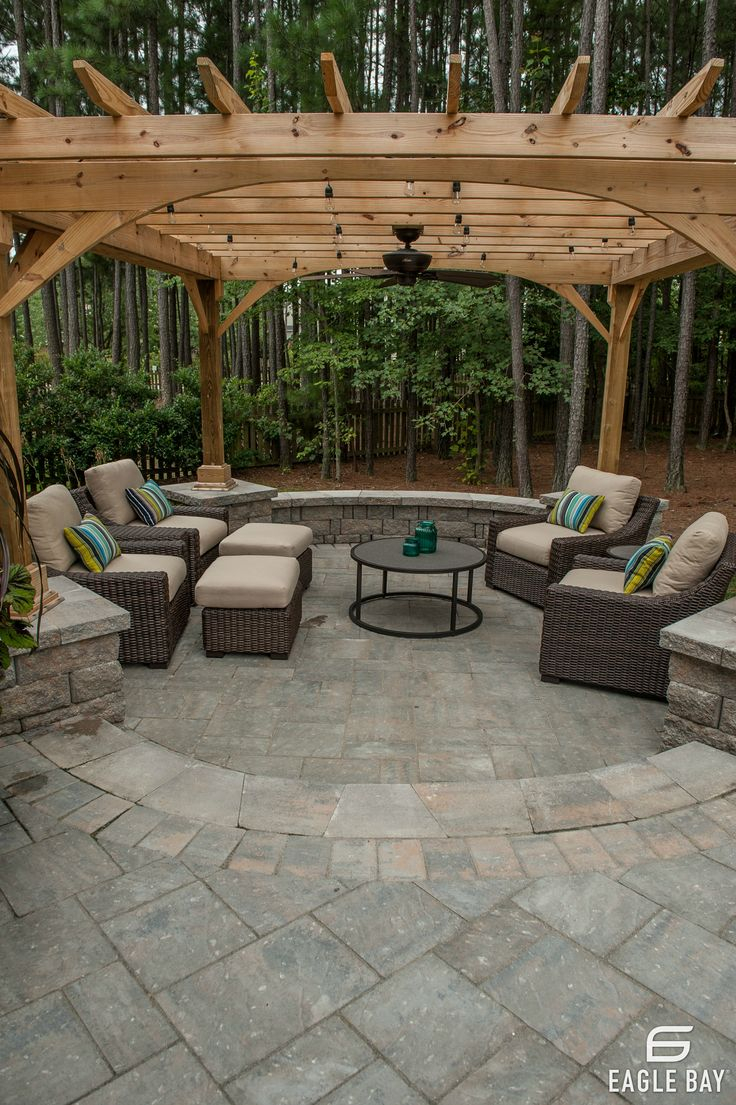
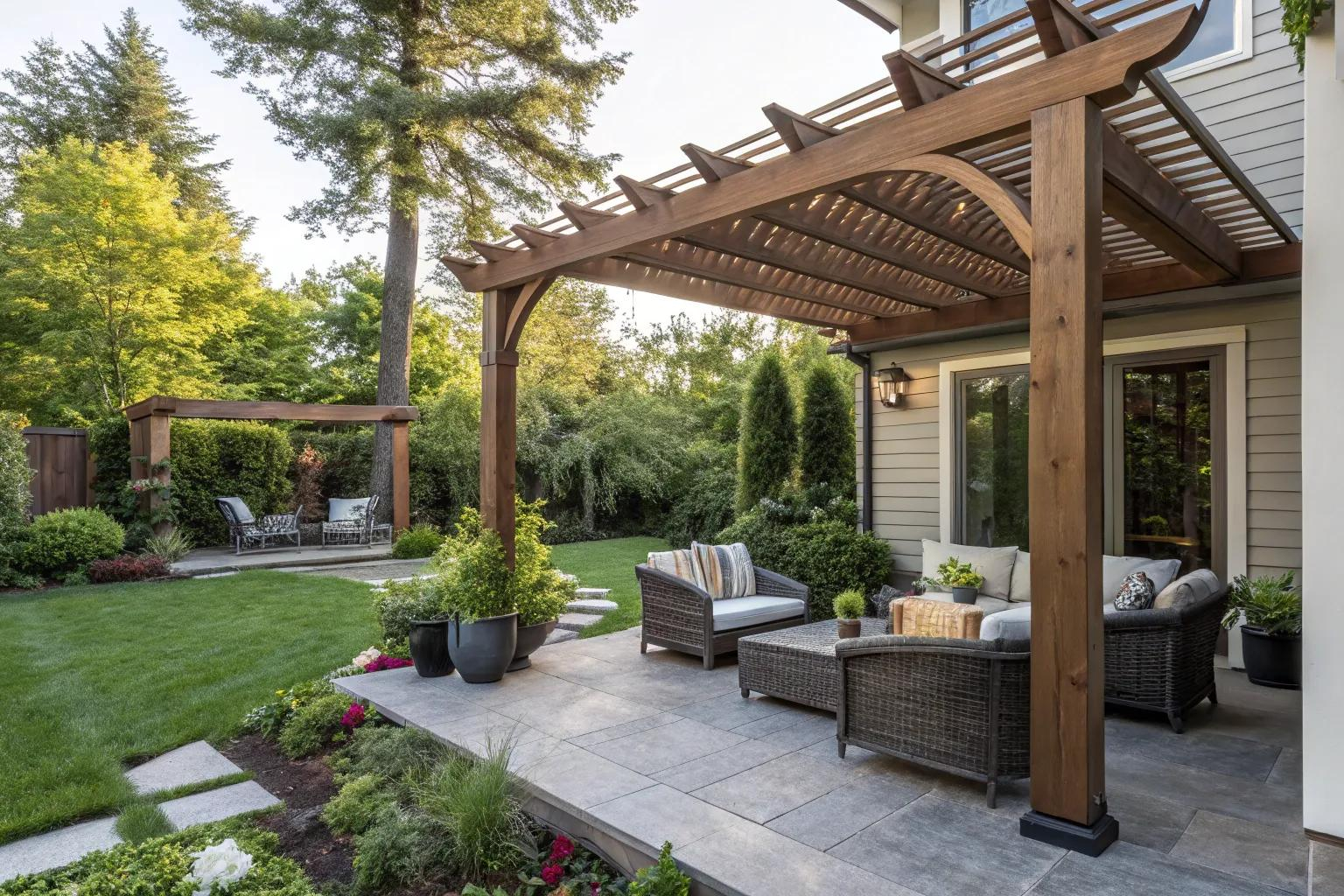
Outdoor curtains are a fantastic hack. Hang them from a sturdy pergola or a tension rod. Choose heavy, weather-resistant fabric. When the wind picks up, draw the curtains. When it’s calm, open them up. It gives you control. You can also use large potted plants as movable barriers. Group them together to create a dense wall of greenery. If the wind direction changes, you can move the pots.
Another idea is using shade sails. While designed for sun, they also disrupt wind flow. Angle them correctly, and they can deflect breezes away from your seating area. Lifewithhana.com suggests looking for clever wind-blocking solutions that transform spaces. Don’t underestimate the power of a well-placed trellis with climbing vines. It’s lightweight, cheap, and looks lovely. Get creative with what you already have.
A windbreak isn’t a "set it and forget it" project. It needs care to keep working well. If you chose plants, prune them regularly. Overgrown branches can become weak and break in high winds. Keep the foliage dense at the bottom where wind speeds are lower. Remove dead leaves and debris that might clog up slats or lattice. A clean barrier works better.
For structural elements, check for wear and tear. Wood can rot or warp. Metal can rust. Glass can get scratched or loose. Inspect your windbreak at least twice a year. Tighten any loose screws or bolts. Re-stain wood every few years to protect it from the elements. Taking these small steps extends the life of your investment. It saves money in the long run.
Also, think about seasons. In winter, ice and snow can add weight to structures and plants. Make sure your design can handle the load. If you have portable panels, consider storing them during extreme weather. Being proactive prevents damage. A well-maintained windbreak continues to provide comfort and beauty for years. It becomes a cherished part of your home.
Creating a wind-protected patio is about more than just blocking air. It’s about crafting a space where you want to spend time. Whether you choose lush trees, sleek glass, or clever DIY hacks, the principle remains the same. Filter the wind, respect the environment, and prioritize your comfort. Start small if you need to. Observe, adjust, and enjoy the process.
Your outdoor space should be a refuge. With the right design, you can tame the wildest breezes. Don’t let the wind dictate your lifestyle. Take control. Use these tips to build a barrier that works for you. Soon, you’ll be sipping that coffee in peace, listening to the leaves rustle, and wondering why you didn’t do it sooner. It’s your sanctuary. Make it count.
[sps_html tag=”img” src=”https://cdn.northcarolinafinearchitecture.com/2026/06/27-outdoor-fire-pit-area-ideas-thatll-make-your-backyard-the-new-throughout-turn-your-breezy-backyard-into-a-private-haven-with-smart-screening.jpg” alt=”27 Outdoor Fire Pit Area Ideas That’ll Make Your Backyard The New … throughout Turn Your Breezy Backyard Into a Private Haven With Smart Screening” style=”width: 100%; height: auto;”]
[sps_html tag=”img” src=”https://cdn.northcarolinafinearchitecture.com/2026/06/transform-your-small-backyard-into-a-stunning-garden-100-expert-tips-intended-for-outdoor-windbreak-design.jpg” alt=”Transform Your Small Backyard Into A Stunning Garden: 100 Expert Tips … intended for Outdoor Windbreak Design” style=”width: 100%; height: auto;”]
[sps_html tag=”img” src=”https://cdn.northcarolinafinearchitecture.com/2026/06/transform-your-backyard-into-a-private-haven-in-turn-your-breezy-backyard-into-a-private-haven-with-smart-screening.jpg” alt=”Transform Your Backyard Into A Private Haven in Turn Your Breezy Backyard Into a Private Haven With Smart Screening” style=”width: 100%; height: auto;”]
[sps_html tag=”img” src=”https://cdn.northcarolinafinearchitecture.com/2026/06/transform-your-backyard-into-a-breezy-retreat-f09f8cac-pergola-outdoor-within-turn-your-breezy-backyard-into-a-private-haven-with-smart-screening.jpg” alt=”Transform Your Backyard Into A Breezy Retreat! 🌬 | Pergola Outdoor … within Turn Your Breezy Backyard Into a Private Haven With Smart Screening” style=”width: 100%; height: auto;”]
[sps_html tag=”img” src=”https://cdn.northcarolinafinearchitecture.com/2026/06/gadgets-that-turn-your-backyard-into-a-smart-oasis-with-turn-your-breezy-backyard-into-a-private-haven-with-smart-screening.webp” alt=”Gadgets That Turn Your Backyard Into A Smart Oasis with Turn Your Breezy Backyard Into a Private Haven With Smart Screening” style=”width: 100%; height: auto;”]