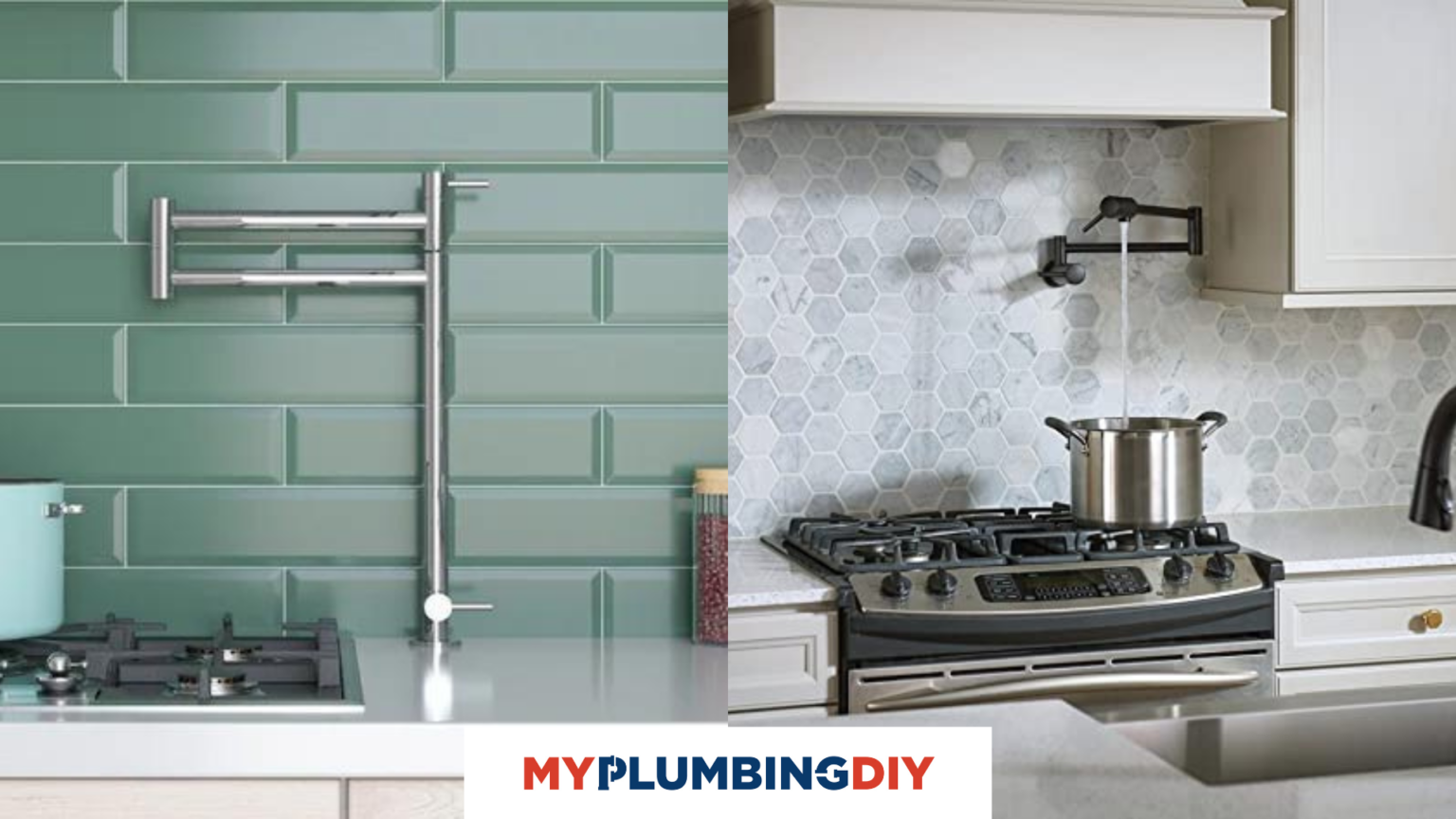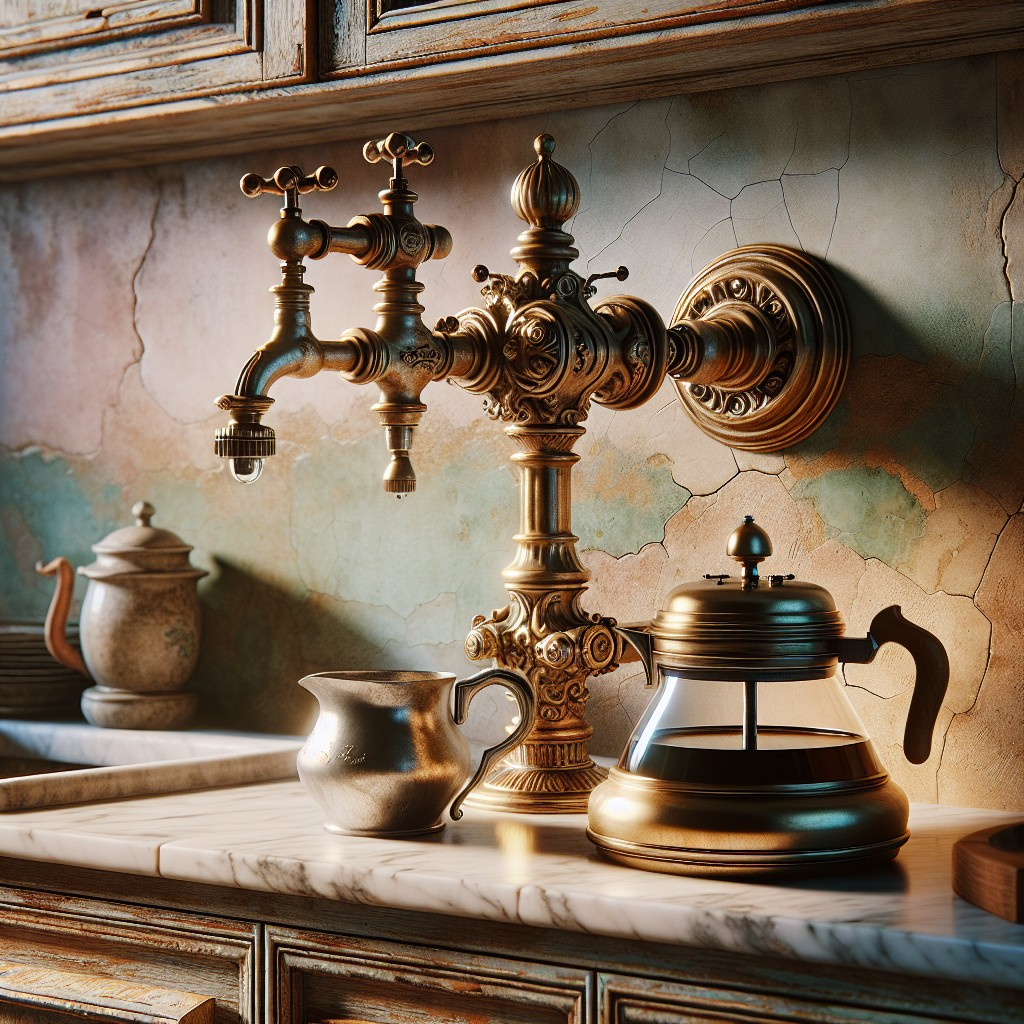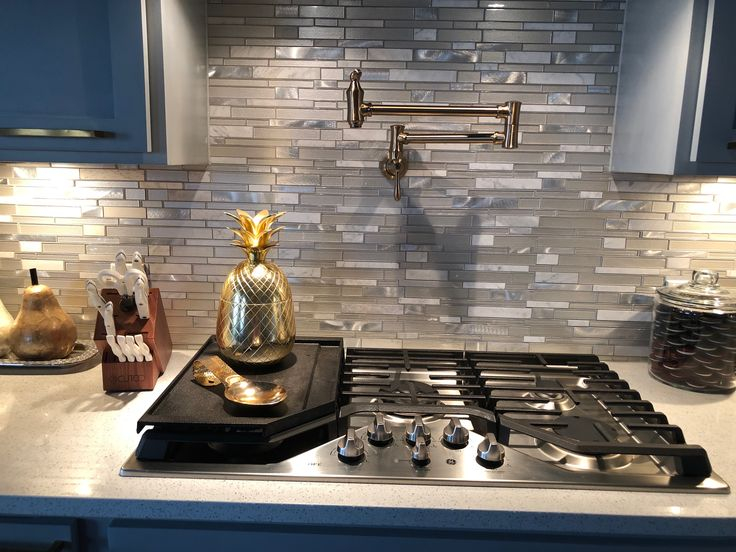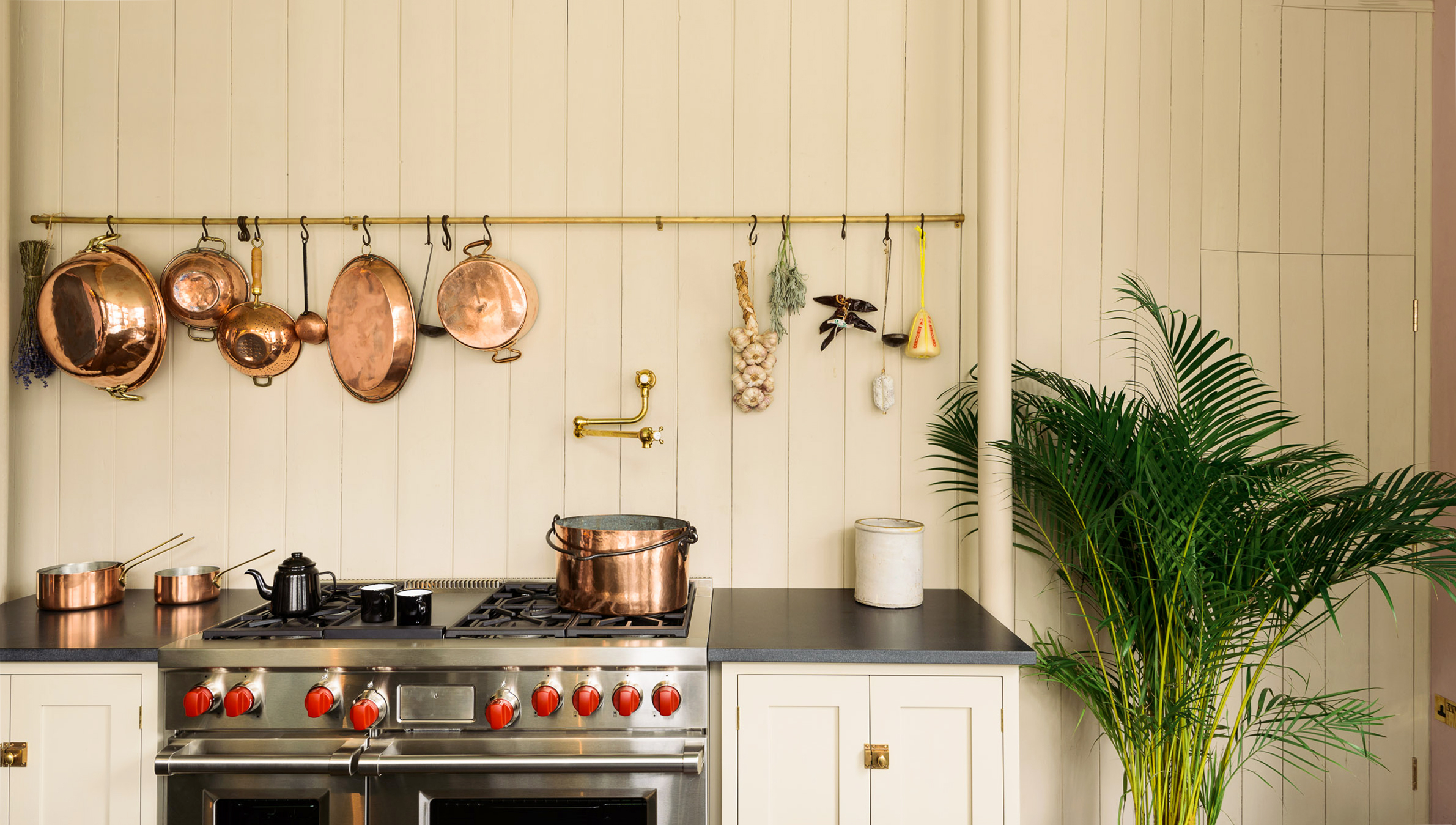
It’s funny how trends work, isn’t it? One minute something is the absolute height of luxury, the thing every renovation show host gushes over while standing in a pristine, white-marble kitchen. The next minute? It’s relegated to the "please don’t do this" list alongside shag carpet and avocado green appliances. For years, the pot filler—that sleek, articulated faucet mounted on the wall above your stove—was the ultimate status symbol. It whispered, "I cook big meals," even if you mostly ordered takeout. But lately, the whisper has turned into a heated argument.
Walk into any high-end design studio in 2026, and you’ll hear two very different stories. On one hand, you’ve got the pragmatists who call it the most useless expense in modern remodeling. They point to dust-covered handles and leaks that ruin cabinetry. On the other hand, there’s a growing chorus of designers pointing to celebrity homes and luxury builds, claiming the pot filler is having a major moment. So, which is it? Is this fixture a relic of the past or a coming attraction? Let’s dive into the messy, contradictory truth.
The Case Against the Counter Splash
Let’s start with the hard truth, because it’s what most homeowners need to hear first. For nearly half of the interior designers surveyed recently, the pot filler tops the list of overrated features. It’s not just a mild dislike; it’s a strong recommendation to skip it entirely. Nancy Davilman, a principal designer, has been quite vocal about this, labeling the pot filler as the number one needless renovation item. Her reasoning? People simply don’t use them.
Think about your own cooking habits for a second. How often do you actually fill a massive stockpot with water right on the burner? For most of us, it’s maybe once a month for a big batch of soup or pasta. Is installing complex plumbing behind a hot stove worth that occasional convenience? Many pros say no. They argue that the money spent on the fixture, the labor to run the water line, and the potential maintenance issues could be better spent on a higher-quality range or better ventilation.
There’s also the issue of hygiene and safety. Having a water source directly above a grease-spattered cooktop creates a unique cleaning challenge. Splatters happen. Grease accumulates. And when you have a mechanical joint with multiple hinges sitting right in the splash zone, it becomes a magnet for grime that is incredibly difficult to clean thoroughly. Designers are increasingly prioritizing kitchens that are easy to maintain, and the pot filler often fails that test miserably.
The Celebrity Comeback Effect
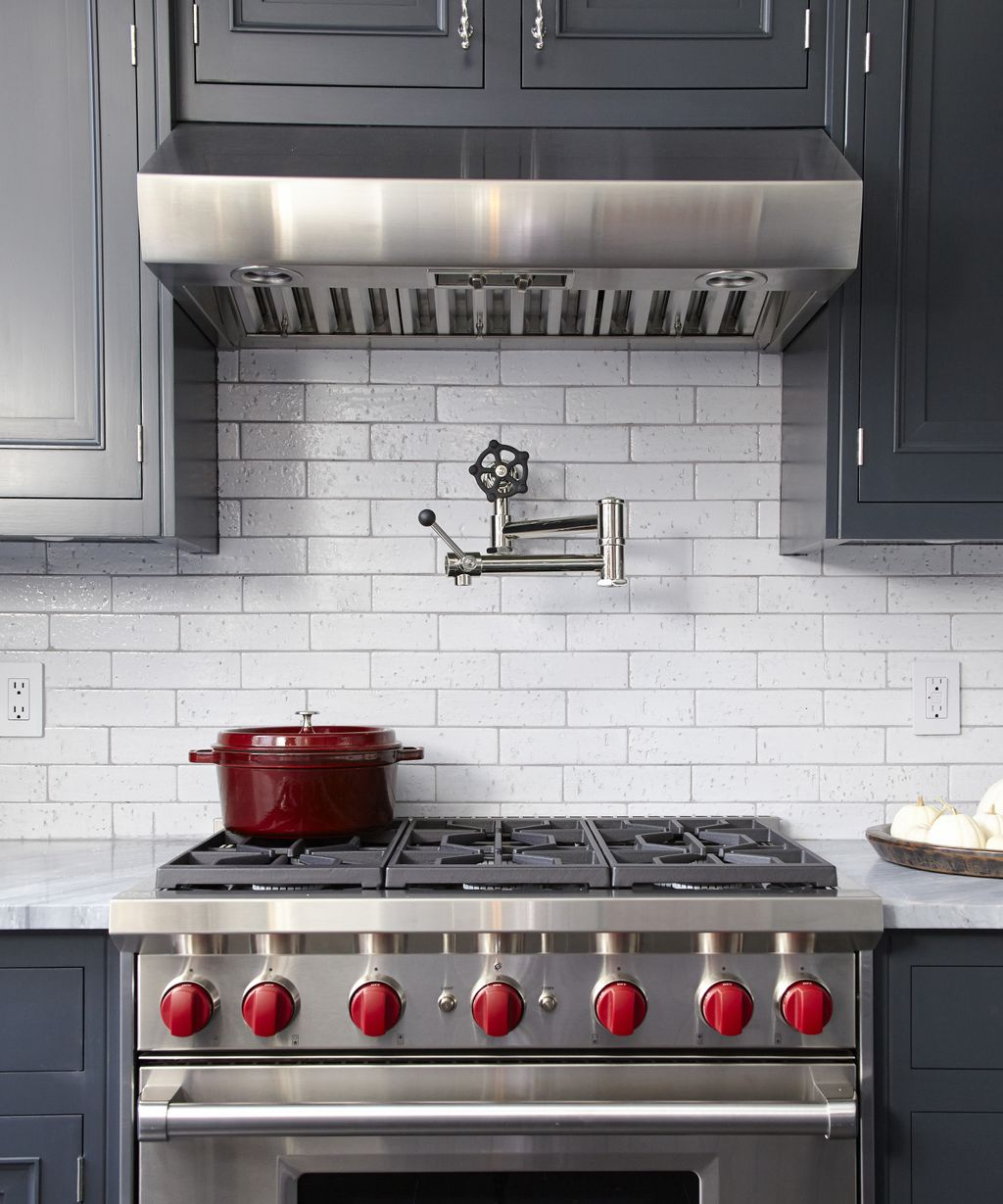
But wait, don’t cancel your order just yet. Because while the pragmatists are shouting from the rooftops, another group of designers is quietly bringing the pot filler back from the dead. The catalyst? High-profile visibility. Take Cameron Diaz, for instance. Her New York home, designed in collaboration with the legendary Kelly Wearstler, features a pot filler prominently. In the world of interior design, when a style icon like Diaz embraces a feature, it sends a ripple effect through the industry.
This isn’t just about one celebrity, though. In 2026, we’re seeing a shift in how luxury is defined. It’s less about minimalism for minimalism’s sake and more about curated convenience. Richard Moore, the creative director at Martin Moore, has noted a distinct uptick in interest from homeowners. He describes the pot filler as a favorite "micro trend" that enhances the everyday cooking experience. For those who love to entertain or cook elaborate meals, the ability to fill a heavy pot without sloshing water across the kitchen floor is a genuine luxury.
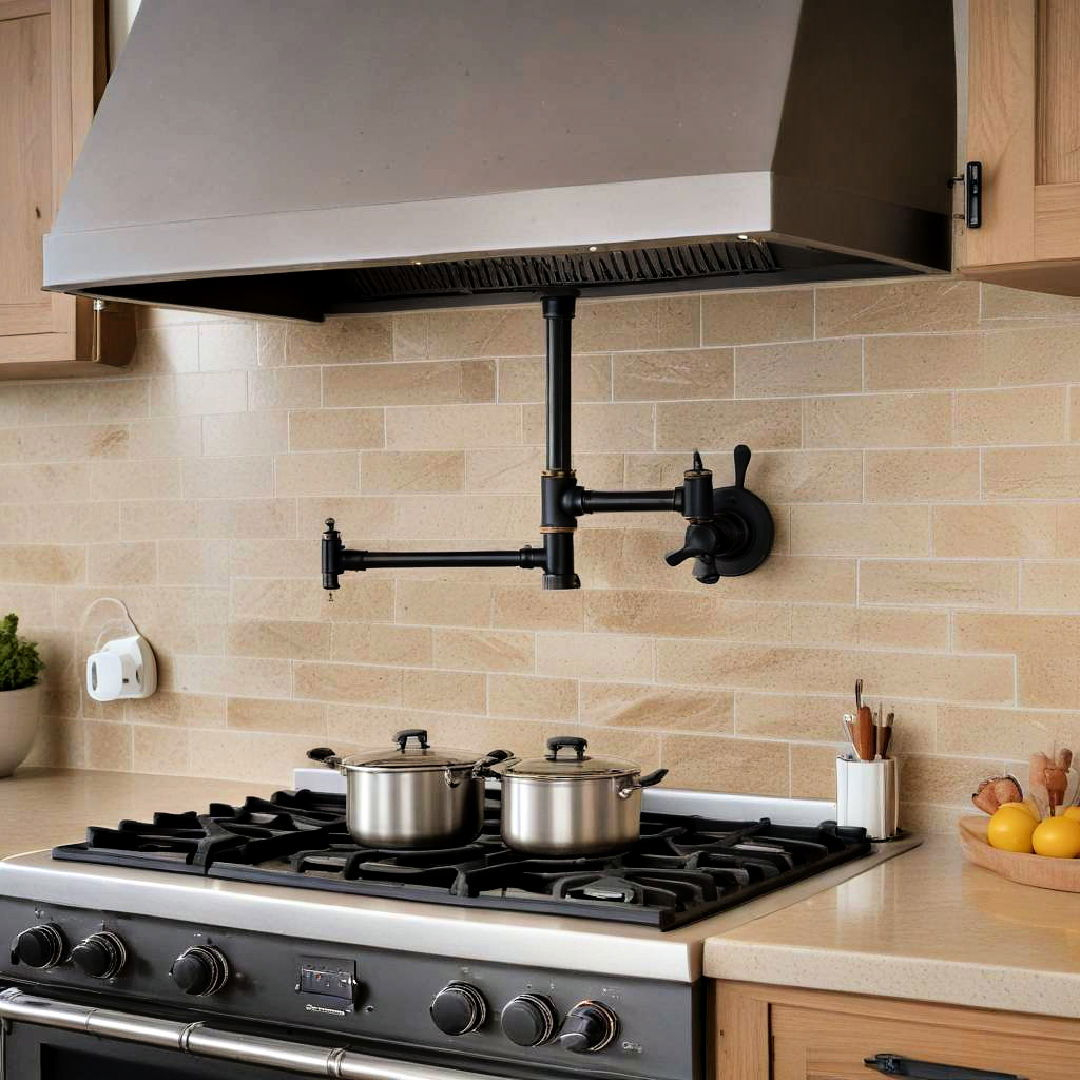
It’s also about aesthetics. A well-chosen pot filler can act as jewelry for the kitchen. With finishes ranging from matte black to brushed brass, these fixtures add a layer of visual interest to the backsplash area. Designers who support the trend argue that when done correctly, it elevates the entire cooking zone. It signals that the kitchen is a place of serious culinary activity, not just a room where you microwave leftovers. The key here is intentionality—it’s not for everyone, but for the right client, it’s perfect.
The Reality Gap: Instagram vs. Real Life
A huge part of the confusion surrounding pot fillers comes from the difference between how they look online and how they function in real life. Social media platforms are filled with stunning images of pristine kitchens where the pot filler is the star of the show. These photos are static, clean, and perfectly lit. They don’t show the reality of trying to maneuver a large Dutch oven under the spout without banging it against the wall.
Designers have pointed out that clients often request pot fillers because they saw them on Pinterest or Instagram, assuming it’s a standard feature of a "dream kitchen." But once installed, the novelty wears off quickly. Several professionals reported that their clients rarely touch the fixture after the first few weeks. It becomes a decorative element rather than a functional tool. This disconnect between expectation and usage is why so many experts label it as overrated.
Moreover, the installation process is far more invasive than people realize. You can’t just slap one on during a cosmetic update. It requires running water lines through the wall, which means opening up drywall, dealing with insulation, and ensuring proper sealing to prevent leaks inside the wall cavity. If you’re doing a full gut renovation, it’s easier to justify. But if you’re hoping to add one to an existing kitchen, the hassle and cost often outweigh the benefits. It’s a commitment that demands careful consideration.
Who Actually Needs One?
So, if it’s so controversial, who is the ideal candidate for a pot filler? It’s not the casual cook who makes scrambled eggs and salads. It’s the serious home chef. If you find yourself making stocks, boiling lobsters, or cooking pasta for a crowd of ten or more on a weekly basis, the utility becomes clear. Lifting a twenty-quart pot filled with water from the sink to the stove is a back-breaking task. A pot filler eliminates that strain.
Large families also benefit from this feature. When you’re feeding a sports team or hosting holiday dinners, the efficiency gains add up. You can fill multiple pots simultaneously—one on the stove, one in the sink—speeding up meal prep significantly. For these users, the pot filler isn’t a gimmick; it’s a ergonomic necessity. Designers who advocate for the feature usually screen their clients carefully, asking detailed questions about their cooking frequency and habits before giving the green light.
Another niche group is those with mobility issues. For individuals who struggle with lifting heavy items or walking back and forth across the kitchen with unstable loads, having water access at the point of use is a significant accessibility upgrade. In these cases, the design conversation shifts from "is it trendy?" to "does it improve quality of life?" And the answer is often a resounding yes. Context matters immensely here.
The Maintenance Nightmare No One Talks About
Let’s get into the nitty-gritty of ownership, because this is where the romance of the pot filler often dies. Plumbing behind a stove is a tough environment. Heat fluctuates, grease settles, and vibrations from cooking can loosen connections over time. Leaks are a common complaint. And unlike a leak under the sink, a leak behind the stove can go unnoticed for months, causing mold and structural damage inside the wall.
Then there’s the cleaning aspect. As mentioned earlier, the articulated arms of a pot filler have joints and crevices. These areas trap grease and food particles. Cleaning them requires diligence and specific tools. If you’re not the type to wipe down your stove area after every single use, the fixture will quickly become grimy. Some designers suggest choosing models with fewer joints or smoother surfaces to mitigate this, but the problem never fully goes away.
Additionally, if the fixture breaks, repairs are not simple. You can’t just call a plumber to swap it out like a standard faucet. Accessing the plumbing might require removing the range or cutting into the backsplash. This potential for future headache is a major deterrent for many homeowners. It’s a classic case of high initial beauty leading to long-term inconvenience. Knowing this upfront helps manage expectations and prevents buyer’s remorse down the road.
If you’re still on the fence, here is some actionable advice. First, be honest about your lifestyle. Do not install a pot filler because you think it will increase your home’s resale value. Data suggests it doesn’t offer a significant ROI, and many buyers view it as a liability. Install it only if you know you will use it. Second, if you decide to proceed, invest in quality. Cheap fixtures will leak and corrode. Look for solid brass construction and reputable brands with good warranty support.
Consider the placement carefully. Ensure the spout reaches all burners comfortably without hitting the hood or backsplash tiles. Test the range of motion before finalizing the installation. Also, think about the finish. Matte finishes tend to hide water spots and grease better than polished chrome, which shows every fingerprint. Integrating the pot filler into the overall design scheme ensures it feels like a cohesive part of the kitchen, not an afterthought.
Finally, talk to your designer openly. Ask them about their experiences with other clients. Have they seen regrets? Have they seen joy? A good designer will guide you based on your specific needs, not just current trends. In 2026, the trend is personalization. It’s about creating a space that works for you, not one that looks good on a magazine cover. Whether that includes a pot filler or not is entirely up to your daily reality.
In the end, the pot filler debate isn’t really about faucets. It’s about how we define luxury in our homes. Is luxury about having every possible gadget, regardless of utility? Or is it about simplicity, ease, and functionality? As we move further into 2026, the answer seems to be splitting. For some, the pot filler is a beloved tool. For others, it’s a cautionary tale. Listen to your own rhythm in the kitchen. That’s the only trend that truly matters.
[sps_html tag=”img” src=”https://cdn.northcarolinafinearchitecture.com/2026/05/40-small-kitchen-ideas-to-maximize-space-and-style-in-small-kitchen-hacks-using-pot-fillers-to-maximize-counter-space-efficiency.jpg” alt=”40 Small Kitchen Ideas To Maximize Space And Style in Small kitchen hacks using pot fillers to maximize counter space efficiency” style=”width: 100%; height: auto;”]
[sps_html tag=”img” src=”https://cdn.northcarolinafinearchitecture.com/2026/05/pot-fillers-pot-filler-kitchen-pot-beautiful-kitchens-throughout-small-kitchen-hacks-using-pot-fillers-to-maximize-counter-space-efficiency.jpg” alt=”Pot Fillers | Pot Filler, Kitchen Pot, Beautiful Kitchens throughout Small kitchen hacks using pot fillers to maximize counter space efficiency” style=”width: 100%; height: auto;”]
[sps_html tag=”img” src=”https://cdn.northcarolinafinearchitecture.com/2026/05/pot-fillers-are-trending-kitchen-design-experts-approve-homes-and-in-small-kitchen-hacks-using-pot-fillers-to-maximize-counter-space-efficiency.jpg” alt=”Pot Fillers Are Trending – Kitchen Design Experts Approve | Homes And … in Small kitchen hacks using pot fillers to maximize counter space efficiency” style=”width: 100%; height: auto;”]
[sps_html tag=”img” src=”https://cdn.northcarolinafinearchitecture.com/2026/05/experts-explain-why-a-pot-filler-will-add-value-to-your-home-homes-pertaining-to-small-kitchen-hacks-using-pot-fillers-to-maximize-counter-space-efficiency.jpg” alt=”Experts Explain Why A Pot Filler Will Add Value To Your Home | Homes … pertaining to Small kitchen hacks using pot fillers to maximize counter space efficiency” style=”width: 100%; height: auto;”]
[sps_html tag=”img” src=”https://cdn.northcarolinafinearchitecture.com/2026/05/pot-filler-faucet-installation-guide-height-placement-with-regard-to-pot-filler-design.png” alt=”Pot Filler Faucet Installation Guide: Height + Placement with regard to Pot Filler Design” style=”width: 100%; height: auto;”]