We’ve all been there. You step out onto your patio with a cup of coffee, ready to soak in the morning sun, and your eye catches it. That plastic bin. The pile of terracotta pots stacked haphazardly against the fence. The lawnmower that looks like it’s judging you. It ruins the vibe, doesn’t it? We spend hours picking the perfect perennials and arranging furniture, but then reality hits us in the form of necessary junk.
Gardens are living spaces, sure, but they are also workspaces. They need tools, fuel, spare parts, and seasonal gear. The challenge isn’t getting rid of these things; it’s making them vanish. Or at least, making them look like they belong. In 2026, the trend isn’t about building bigger sheds. It’s about building smarter ones. It’s about weaving storage into the very fabric of the landscape so that function meets form without a fight.
This isn’t just about aesthetics. It’s about peace of mind. When your outdoor space feels ordered, your mind feels clearer. But how do you achieve that zen-like state when you have a weed whacker and three bags of mulch to deal with? The secret lies in looking at storage not as an afterthought, but as a primary design element from day one. Let’s dig into how we can make the ugly stuff beautiful, or at least, invisible.
The Psychology of Visual Noise
Why does a blue plastic tarp feel so wrong in a green garden? It’s not just the color clash. It’s what designers call "visual noise." Our brains are wired to notice irregularities. A bright object in a natural setting screams for attention. It breaks the flow. When we talk about blending storage, we are really talking about reducing cognitive load. We want the eye to glide over the garden, not stumble over a pile of hoses.
Think about a forest. You don’t see "storage" in a forest, but everything is stored. Leaves fall and become soil. Branches drop and become habitats. Nature doesn’t waste space, and it doesn’t create visual clutter because everything has a purpose and a place. We can mimic this. By using materials that age well—like weathered wood, stone, or corten steel—we allow our storage structures to settle into the environment. They stop fighting the landscape and start supporting it.
Recent studies in environmental psychology suggest that organized outdoor spaces significantly lower stress levels. It’s not just about having a tidy yard; it’s about creating a sanctuary. When storage is hidden or integrated, the garden becomes a place of retreat rather than a list of chores. This shift in perspective is crucial. Instead of asking "where can I shove this box?", ask "how can this box contribute to the scene?" Maybe the box becomes a bench. Maybe the shed becomes a backdrop for climbing jasmine. The mindset shift changes everything.
Architecture as Camouflage
The days of the generic, beige plastic shed are numbered. Thank goodness. Today, the most effective storage solutions are those that mimic the architecture of the home or the surrounding structures. If your house has brick accents, your storage unit should too. If you have a modern minimalist home with clean lines, your garden storage should reflect that same geometry. Continuity is key.
Consider the "garden room" concept. Rather than a small, cramped shed, build a structure that serves dual purposes. One side can house your lawn equipment, while the other acts as a potting station or even a small office nook. By giving the structure windows, proper roofing, and high-quality doors, it stops looking like a utility box and starts looking like a feature. In 2026, we’re seeing a rise in modular units that snap together, allowing homeowners to customize the footprint to fit awkward corners.
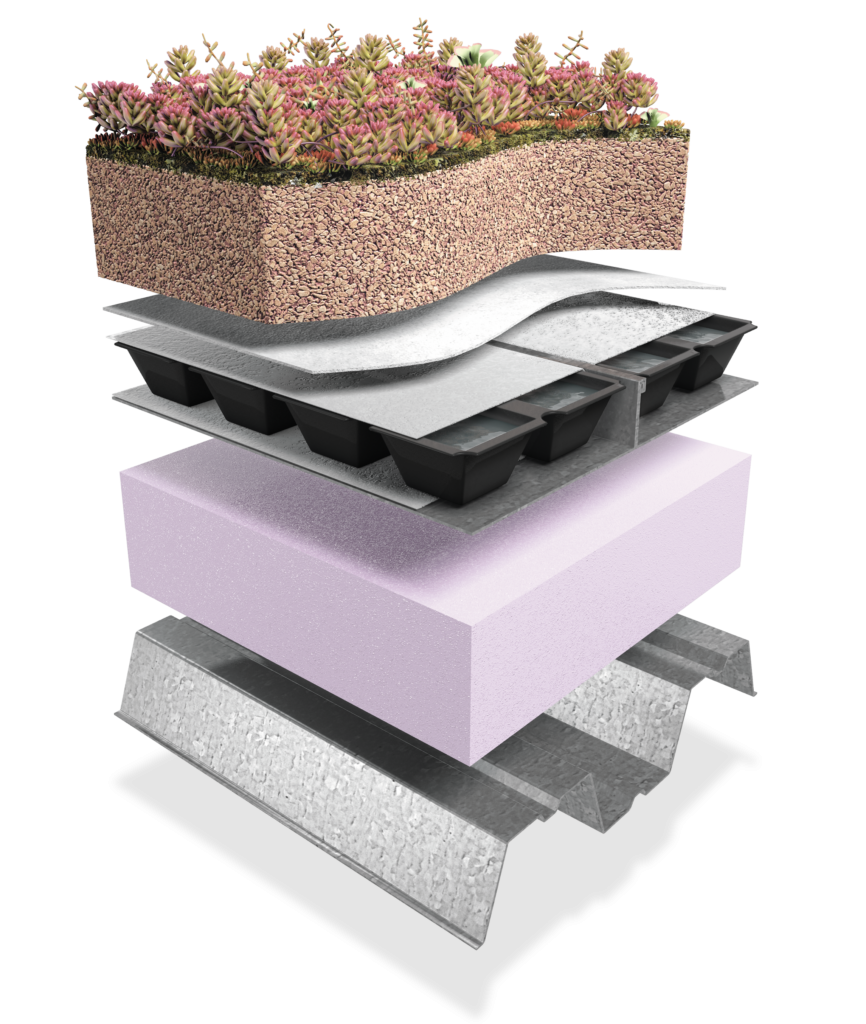
Don’t forget the roofline. A flat roof might suit a contemporary space, but a pitched roof covered in sedum (green roof) can make a large storage building disappear into the canopy. Green roofs absorb rainwater, provide insulation, and visually lower the height of the structure. They blend the man-made with the natural in a way that feels effortless. It’s a bit more upfront cost, yes, but the visual payoff is immense. You aren’t just hiding a shed; you’re adding habitat.
The Power of Living Screens
Sometimes, the best way to hide something is to grow over it. Living screens are arguably the most beautiful solution for outdoor storage. They soften hard edges and add texture, scent, and movement to the garden. But you can’t just plant anything anywhere. You need species that are dense, fast-growing, and appropriate for your climate.
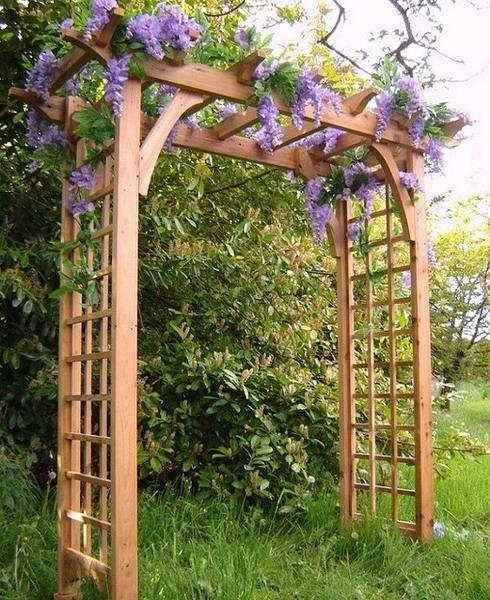
Evergreen climbers like Star Jasmine or Clematis armandii offer year-round coverage. For a quicker fix, consider bamboo—but be careful. Clumping bamboo is your friend here; running bamboo is a nightmare you’ll regret in five years. Train these plants over trellises that stand in front of your storage bins or sheds. The trellis creates a gap between the plant and the stored items, allowing air circulation and preventing mold, which is a common issue when things are tucked away too tightly.
Another trick is the "mixed border" approach. Plant tall ornamental grasses or shrubs like Hydrangea paniculata in front of low-profile storage boxes. The feathery texture of grasses like Miscanthus or Calamagrostis blurs the outline of rigid containers. In the winter, when the grasses die back, the structure might show, but by then, the garden is dormant, and our eyes are less critical. It’s a seasonal dance. The key is layering. Don’t rely on a single row of plants. Use depth. Foreground, mid-ground, background. This creates a visual buffer that makes the storage feel distant and unimportant.
Hardscaping and Hidden Compartments
Not everyone has the space for a shed or the patience for climbing vines. For smaller urban gardens or patios, hardscaping offers sleek, integrated solutions. Think built-in benches with lift-up lids. These are perfect for storing cushions, toys, or small tools. The beauty here is that the storage is multifunctional. You aren’t dedicating square footage solely to hiding things; you’re using that space for seating as well.
Stone or concrete planters can also be designed with false bottoms or side access panels. Imagine a long, linear planter that runs along a wall. From the front, it’s full of lavender and sage. From the back, a discreet door opens to reveal a narrow slot for storing brooms, rakes, and long-handled tools. This vertical storage utilizes dead space behind the planter. It’s clever, it’s clean, and it keeps the tools dry and out of sight.
Decking is another prime real estate for hidden storage. Raised decks can incorporate drawers or trapdoors underneath. If you’re building a new deck in 2026, ask your contractor about integrated storage systems. Many modern composite decking materials come with matching accessories that seal tightly and resist water. Just ensure you have proper drainage underneath so your stored items don’t sit in dampness. A little ventilation goes a long way in preventing that musty smell we all dread.
Material Matters: Texture and Tone
The material you choose for your storage can make or break its ability to blend in. Plastic shines. It reflects light in a way that looks artificial and cheap. Wood, stone, metal, and woven materials absorb light and offer texture. Texture is the enemy of visibility. A rough surface breaks up light and shadow, making an object harder to focus on.
Corten steel is having a moment, and for good reason. It rusts to a stable, orange-brown patina that complements earth tones beautifully. A corten storage box looks like a sculptural element, not a bin. It ages gracefully. Similarly, reclaimed wood offers character. No two planks are the same. The knots, the grain, the weathered gray tones—they all speak the language of the garden. If you’re painting, avoid gloss. Use matte finishes in earth tones: sage, slate, charcoal, or warm taupe. These colors recede into the background.
Woven willow or hazel hurdles are fantastic for wrapping around compost bins or water butts. They add a rustic, cottage-garden charm that feels intentional. Even a simple wooden slat screen, spaced slightly apart, can obscure the view of what’s behind it while allowing air to flow through. The goal is to disrupt the silhouette. If the eye can’t trace the exact shape of the object, it registers it as less significant. It becomes part of the pattern rather than an interruption.
Here’s the thing nobody tells you: hidden storage requires maintenance. If you let vines overgrow a shed, they can damage the roof or trap moisture against the walls. If you use wooden screens, they need treating every few years to prevent rot. Integration doesn’t mean "install and forget." It means "install and care for."
Accessibility is also crucial. Don’t hide your lawnmower so deep behind a thicket of rhododendrons that you dread getting it out. If it’s a hassle to access, you won’t use the storage properly. You’ll end up leaving the mower on the lawn, defeating the whole purpose. Design for ease. Wide doors, clear paths, and logical organization inside the storage unit are just as important as the exterior look.
In 2026, sustainability is also part of the equation. Use recycled materials where possible. Repurpose old doors as shed fronts. Use leftover bricks for a small tool alcove. This not only reduces waste but adds a layer of history and uniqueness to your garden. A storage solution made from reclaimed materials has soul. It tells a story. And frankly, a story is much more interesting to look at than a plastic box. Keep the interiors organized with hooks and shelves so that when you do open the door, you’re greeted by order, not chaos. It makes the effort worth it.
So, where does this leave us? Blending outdoor storage isn’t about deception. It’s about harmony. It’s about respecting the beauty of your garden enough to give your tools a dignified place to live. Whether you choose living screens, architectural integration, or clever hardscaping, the principle remains the same: reduce visual noise, enhance texture, and prioritize function.
Start small. Pick one eyesore in your garden this weekend. Maybe it’s that stack of pots. Build a simple wooden crate for them, or plant some tall grasses nearby. See how it changes the feel of the space. Notice how your eyes rest easier. Then move to the next spot. Over time, your garden will transform from a collection of objects into a cohesive, calming retreat.
Remember, perfection isn’t the goal. A little bit of visible life is fine. A hose coiled neatly on a hook is better than one hidden behind a dying bush. Aim for intentionality. Make every choice deliberate. Your garden is a reflection of your mind, after all. Give it the clarity it deserves. And if you make a mistake? Well, plants grow. Wood weathers. Things change. That’s the beauty of gardening. It’s never truly finished, and that’s okay.
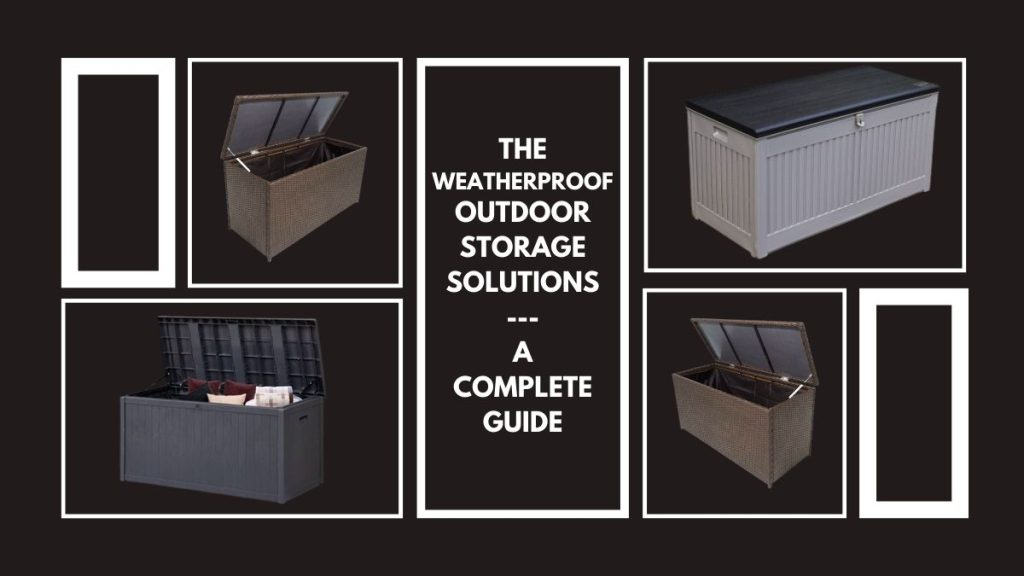
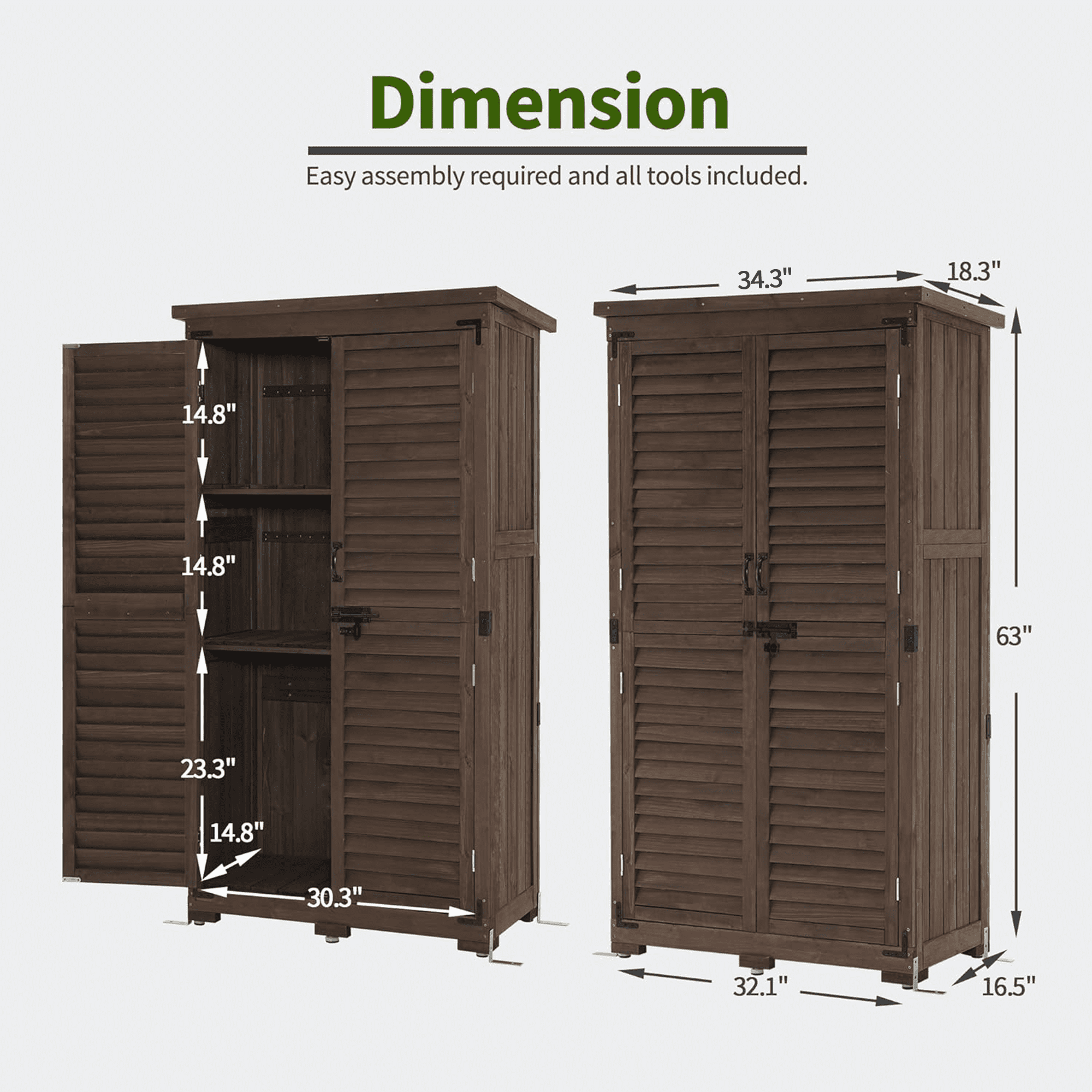
[sps_html tag=”img” src=”https://cdn.northcarolinafinearchitecture.com/2026/06/weatherproof-outdoor-storage-cabinets-cabinets-matttroy-in-outdoor-organizer-design.png” alt=”Weatherproof Outdoor Storage Cabinets | Cabinets Matttroy in Outdoor Organizer Design” style=”width: 100%; height: auto;”]
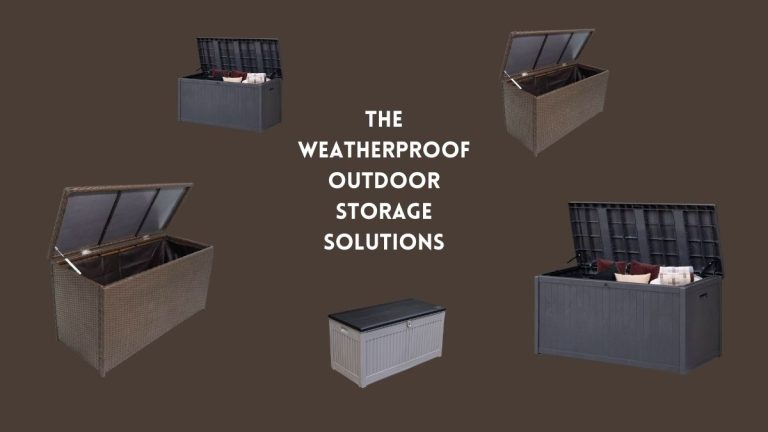
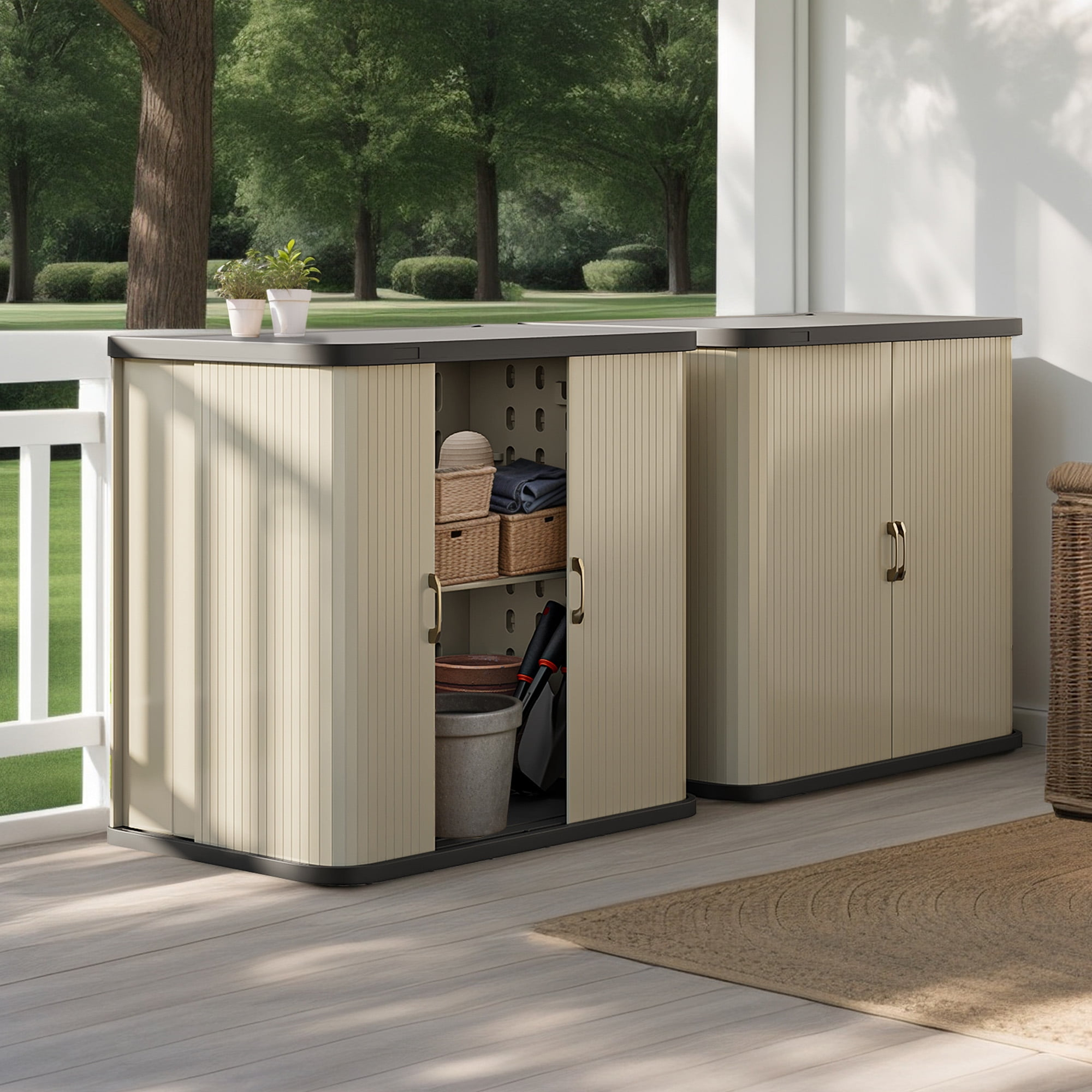
[sps_html tag=”img” src=”https://cdn.northcarolinafinearchitecture.com/2026/06/the-weatherproof-outdoor-storage-solutions-a-complete-guide-dwell-throughout-designing-weatherproof-outdoor-organizers-that-actually-last-through-2026.jpeg” alt=”The Weatherproof Outdoor Storage Solutions: A Complete Guide - Dwell … throughout Designing Weatherproof Outdoor Organizers That Actually Last Through 2026″ style=”width: 100%; height: auto;”]
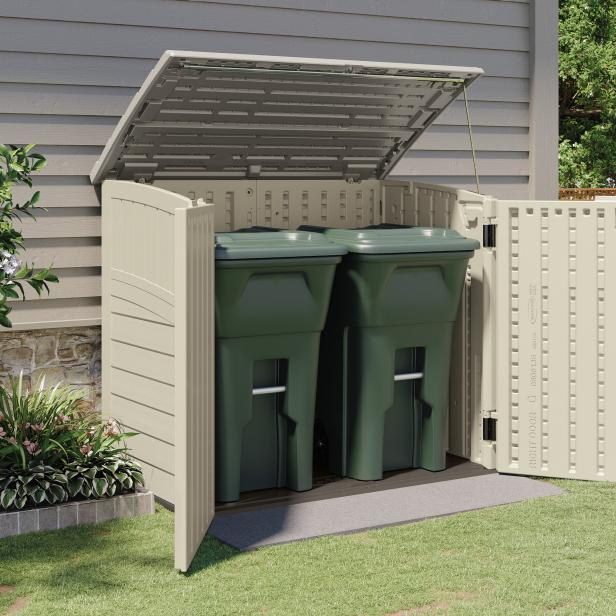
[sps_html tag=”img” src=”https://cdn.northcarolinafinearchitecture.com/2026/06/the-weatherproof-outdoor-storage-solutions-a-complete-guide-dwell-for-designing-weatherproof-outdoor-organizers-that-actually-last-through-2026.jpg” alt=”The Weatherproof Outdoor Storage Solutions: A Complete Guide - Dwell … for Designing Weatherproof Outdoor Organizers That Actually Last Through 2026″ style=”width: 100%; height: auto;”]
[sps_html tag=”img” src=”https://cdn.northcarolinafinearchitecture.com/2026/06/the-weatherproof-outdoor-storage-solutions-a-complete-guide-dwell-in-designing-weatherproof-outdoor-organizers-that-actually-last-through-2026.jpg” alt=”The Weatherproof Outdoor Storage Solutions: A Complete Guide - Dwell … in Designing Weatherproof Outdoor Organizers That Actually Last Through 2026″ style=”width: 100%; height: auto;”]
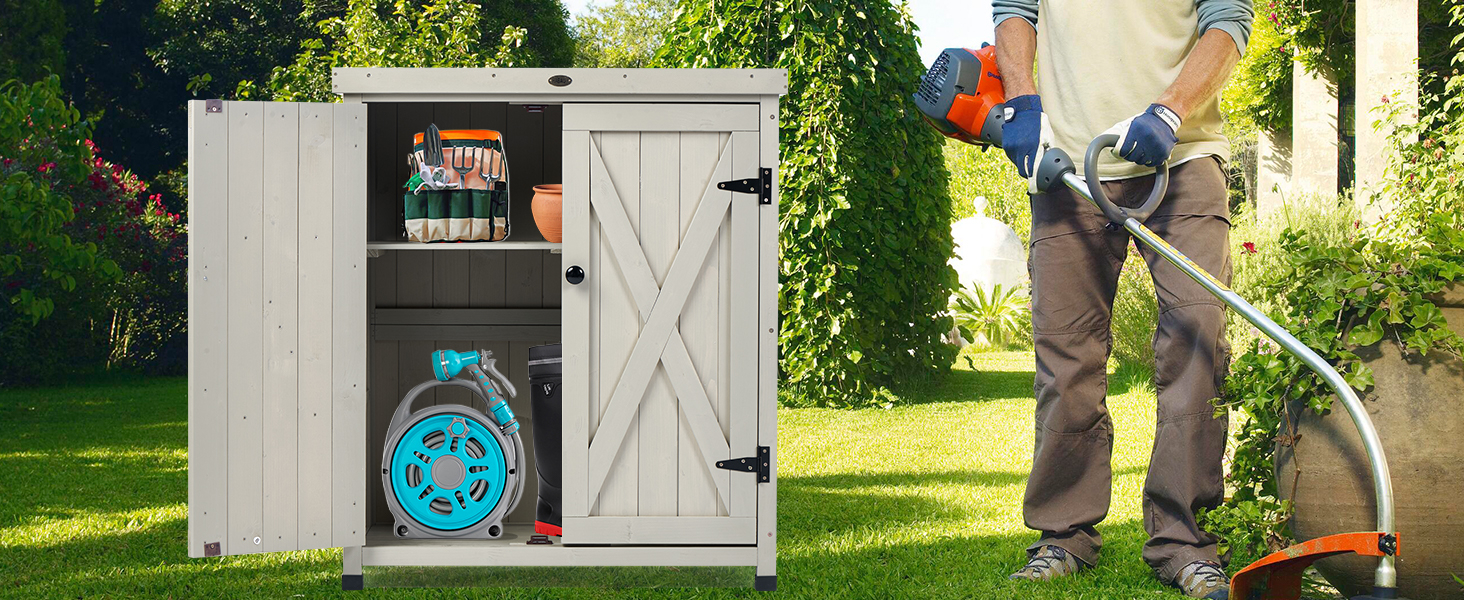
[sps_html tag=”img” src=”https://cdn.northcarolinafinearchitecture.com/2026/06/uforic-73-gal-large-weatherproof-outdoor-storage-cabinet-dual-wall-in-designing-weatherproof-outdoor-organizers-that-actually-last-through-2026.jpeg” alt=”Uforic 73 Gal Large Weatherproof Outdoor Storage Cabinet, Dual-Wall … in Designing Weatherproof Outdoor Organizers That Actually Last Through 2026″ style=”width: 100%; height: auto;”]