You know that feeling. The client loves your portfolio. They’re excited. You’re excited. There’s this electric buzz in the air because everyone just knows it’s going to be a great project. They say, "Let’s get started," and you think, "Great, I’ll send over the paperwork later." But later never comes. Weeks turn into months. You’re deep in sketches, revisions, and late-night renderings. And still, no signature on the dotted line.
It feels harmless at first. Actually, it feels good. You’re being helpful. You’re showing initiative. But here’s the cold, hard truth: you are working for free. Until that contract is signed, you have no leverage, no clear boundaries, and often, no legal right to get paid if things go south. In 2026, with projects moving faster than ever and budgets tighter, skipping this step isn’t just risky—it’s professional suicide. Let’s talk about why that piece of paper is your best friend, not your enemy.
The Trap of "Just Getting Started
We’ve all been there. A potential client reaches out with a dream project. They want it done yesterday. In our eagerness to please—and let’s be honest, to secure the income—we jump straight into the work. We tell ourselves we’ll formalize the agreement once they see some initial concepts. It seems logical, right? Show them value first, then ask for the commitment.
But this approach flips the power dynamic completely. Once you’ve handed over those initial designs, you’ve given away your leverage. If the client decides they don’t like your terms, or worse, decides they don’t want to pay your full rate, you’re stuck. Do you withhold the work you’ve already done? Do you sue for hours spent? Most designers don’t have the time or money for a legal battle over a few thousand dollars. So, you swallow the loss, resentful and burned out.
This scenario is more common than you’d think. Industry reports from recent years show that a significant chunk of freelance disputes stem from undefined scopes and missing contracts. When you start work before signing, you’re essentially betting your livelihood on the client’s goodwill. And while many clients are wonderful people, goodwill doesn’t pay rent. It doesn’t cover software subscriptions. And it certainly doesn’t protect you when the project scope creeps out of control.
Scope Creep Is Real (And It Eats Profits)
Without a contract, what exactly are you hired to do? Is it three logo concepts? Or is it thirty? Is it one round of revisions? Or is it unlimited tweaks until the CEO’s cousin likes it? Without a written agreement defining the scope of work, the answer is usually whatever the client thinks they’re getting. And spoiler alert: they usually think they’re getting everything.
Scope creep is the silent killer of creative businesses. It starts small. "Can you just change this color?" "Maybe try a different font?" "Oh, and can you also design the business cards while you’re at it?" Each request seems minor on its own. But add them up over weeks, and suddenly you’ve worked double the hours for the same flat fee. Your hourly rate plummets. Your stress skyrockets.
A solid contract acts as a boundary keeper. It clearly lists what is included and, just as importantly, what is not included. It specifies the number of revisions, the deliverables, and the timeline. When a client asks for extra work, you can gently point to the contract and say, "I’d love to help with that! That falls outside our current scope, so I’ll send over a separate quote for those additional hours." Suddenly, you’re not the bad guy; you’re just following the agreement. It keeps the relationship professional and respectful.
Protecting Your Intellectual Property
Here’s a scary thought: until you have a signed contract stating otherwise, who owns the work you create? In many jurisdictions, the default laws around copyright can be tricky for freelancers and agencies. Without explicit terms transferring rights upon payment, you might find yourself in a messy situation where the client uses your designs without paying, or worse, claims ownership of your raw files and process work.
Your intellectual property is your asset. It’s what you sell. Giving it away without protection is like handing over the keys to your car before checking if the buyer has cash. A design contract clarifies exactly when ownership transfers. Usually, it’s tied to final payment. This means if the client ghosts you halfway through, you still own the designs. They can’t legally use them. This gives you a powerful tool to ensure you get paid for your effort.
In 2026, with AI-generated content blurring the lines of ownership even further, having clear clauses about originality and IP rights is crucial. You need to state that your work is original and that you retain certain rights until the invoice is cleared. This protects you from liability if a client claims your work infringes on someone else’s trademark, provided you’ve done your due diligence. It also prevents clients from taking your preliminary sketches to another designer to finish cheaper. Your process is valuable. Protect it.
The Payment Safety Net
Let’s talk money. Awkward, right? But necessary. How much are you getting paid? When? What happens if they pay late? Without a contract, these questions are left to vague verbal agreements or email threads that can be misinterpreted. "Net 30" might mean something different to you than it does to their accounting department.
A contract sets clear payment terms. It outlines the deposit required upfront (always get a deposit!), the milestone payments, and the final balance due date. It also includes late fees. Yes, charging interest on late payments might feel aggressive, but it’s standard practice. It incentivizes timely payment. More importantly, it validates your professionalism. It shows you run a serious business, not a hobby.
Furthermore, contracts define what happens if the project is cancelled. Do you keep the deposit? Do you charge for work completed up to that point? These "kill fees" or cancellation clauses are essential. Clients change their minds. Budgets get cut. Companies pivot. If a project stops halfway through, you shouldn’t be left holding the bag for unpaid hours. A contract ensures you’re compensated for the time and resources you’ve already invested, regardless of how the project ends.
Setting Professional Boundaries and Expectations
Beyond money and legalities, a contract sets the tone for the entire working relationship. It establishes expectations for communication, response times, and feedback loops. Will you be available on weekends? Probably not, unless specified. Will you answer emails at 10 PM? Nope. The contract helps define your working hours and availability, preventing burnout before it starts.
It also outlines the client’s responsibilities. Do they need to provide brand assets by a certain date? Do they need to consolidate feedback from their team? Often, delays happen because clients are disorganized. A contract can include clauses that extend the timeline if the client fails to provide necessary materials on time. This shifts the responsibility back to them and protects your schedule.
Think of the contract as a roadmap. When both parties agree on the route beforehand, there are fewer arguments about where you’re going. It reduces anxiety for both sides. The client knows what to expect, and you know what’s expected of you. This clarity builds trust. Paradoxically, having a strict contract often leads to a more relaxed and collaborative partnership because everyone feels secure in their roles and obligations.
So, how do you bring this up without sounding like a lawyer or scaring off the client? The key is framing. Don’t present the contract as a barrier or a sign of distrust. Present it as a tool for success. Say something like, "I’m so excited to get started on this! To make sure we’re both aligned and the project runs smoothly, I’ll send over our standard agreement. It outlines the scope, timeline, and next steps so we can hit the ground running."
Make your contract easy to read. Avoid dense legalese. Use plain language. Break it down into clear sections. If possible, use digital signing tools that make the process quick and painless. The easier you make it for them to sign, the less friction there is. Also, be willing to explain any clause they question. Transparency builds confidence. If they ask why you need a deposit, explain that it secures their spot in your schedule and covers initial setup costs.
Remember, if a client balks at signing a contract, that’s a huge red flag. It suggests they might be planning to push boundaries or avoid payment later. A reputable client will understand the need for a contract. They likely have them for their own vendors. Standing firm on this requirement filters out problematic clients early on. It saves you from headaches down the line. In 2026, protecting your peace is just as important as protecting your income.
Signing a design contract before work begins isn’t about mistrust. It’s about respect. Respect for your time, your talent, and your business. It’s about ensuring that the creative partnership is built on a solid foundation, not shaky assumptions. So, the next time a client says, "Let’s just get started," smile politely and reply, "Absolutely! Just let me get that agreement over to you first." Then, wait for the signature. Your future self will thank you.
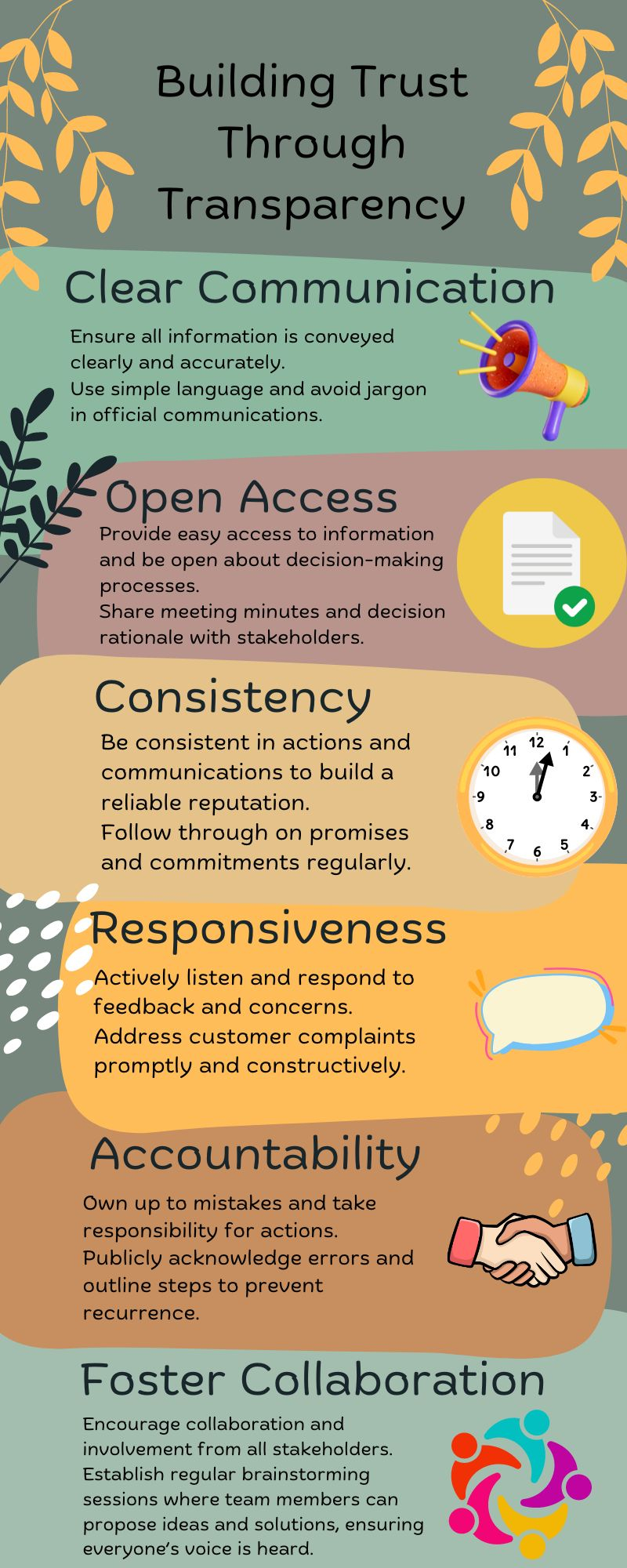
[sps_html tag=”img” src=”https://cdn.northcarolinafinearchitecture.com/2026/06/ppt-building-trust-through-transparency_-the-human-resources-intended-for-design-contract-preparation.jpg” alt=”Ppt - Building Trust Through Transparency_ The Human Resources … intended for Design Contract Preparation” style=”width: 100%; height: auto;”]
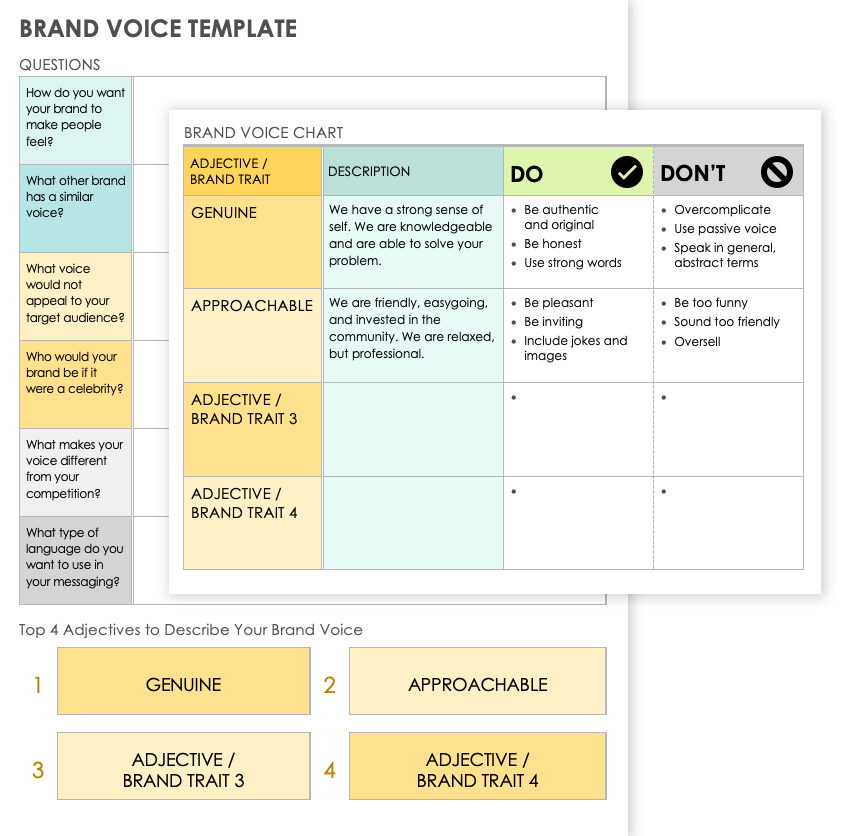
[sps_html tag=”img” src=”https://cdn.northcarolinafinearchitecture.com/2026/06/how-to-build-trust-with-transparency-candace-gillhoolley-posted-on-pertaining-to-design-contract-preparation.jpg” alt=”How To Build Trust With Transparency | Candace Gillhoolley Posted On … pertaining to Design Contract Preparation” style=”width: 100%; height: auto;”]
[sps_html tag=”img” src=”https://cdn.northcarolinafinearchitecture.com/2026/06/building-trust-through-transparent-communication-with-regard-to-design-contract-preparation.png” alt=”Building Trust Through Transparent Communication with regard to Design Contract Preparation” style=”width: 100%; height: auto;”]
[sps_html tag=”img” src=”https://cdn.northcarolinafinearchitecture.com/2026/06/building-trust-through-transparent-management-practices-with-regard-to-design-contract-preparation.png” alt=”Building Trust Through Transparent Management Practices with regard to Design Contract Preparation” style=”width: 100%; height: auto;”]
[sps_html tag=”img” src=”https://cdn.northcarolinafinearchitecture.com/2026/06/building-trust-through-transparency-ashwheelzs-commitment-to-clear-with-regard-to-design-contract-preparation.png” alt=”Building Trust Through Transparency: Ashwheelz's Commitment To Clear … with regard to Design Contract Preparation” style=”width: 100%; height: auto;”]