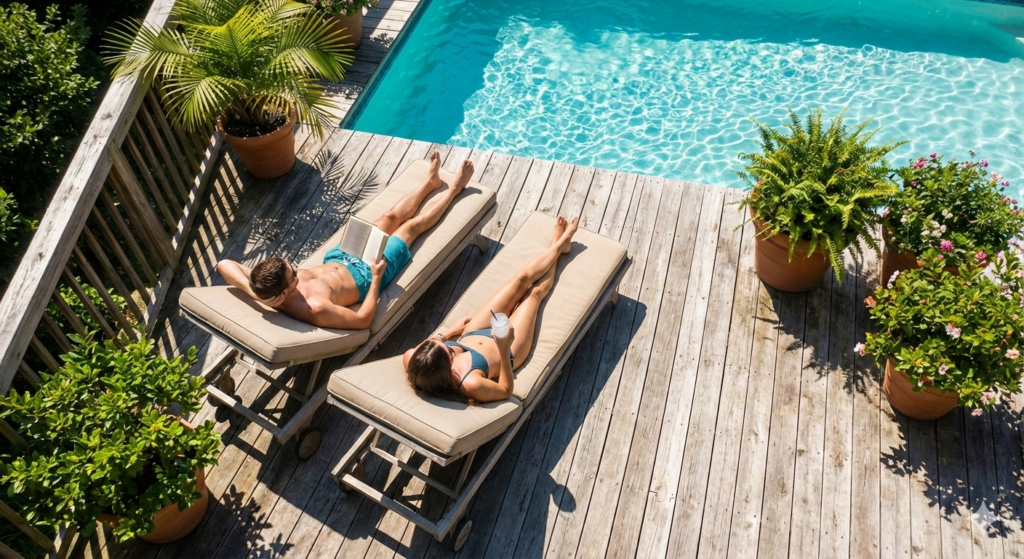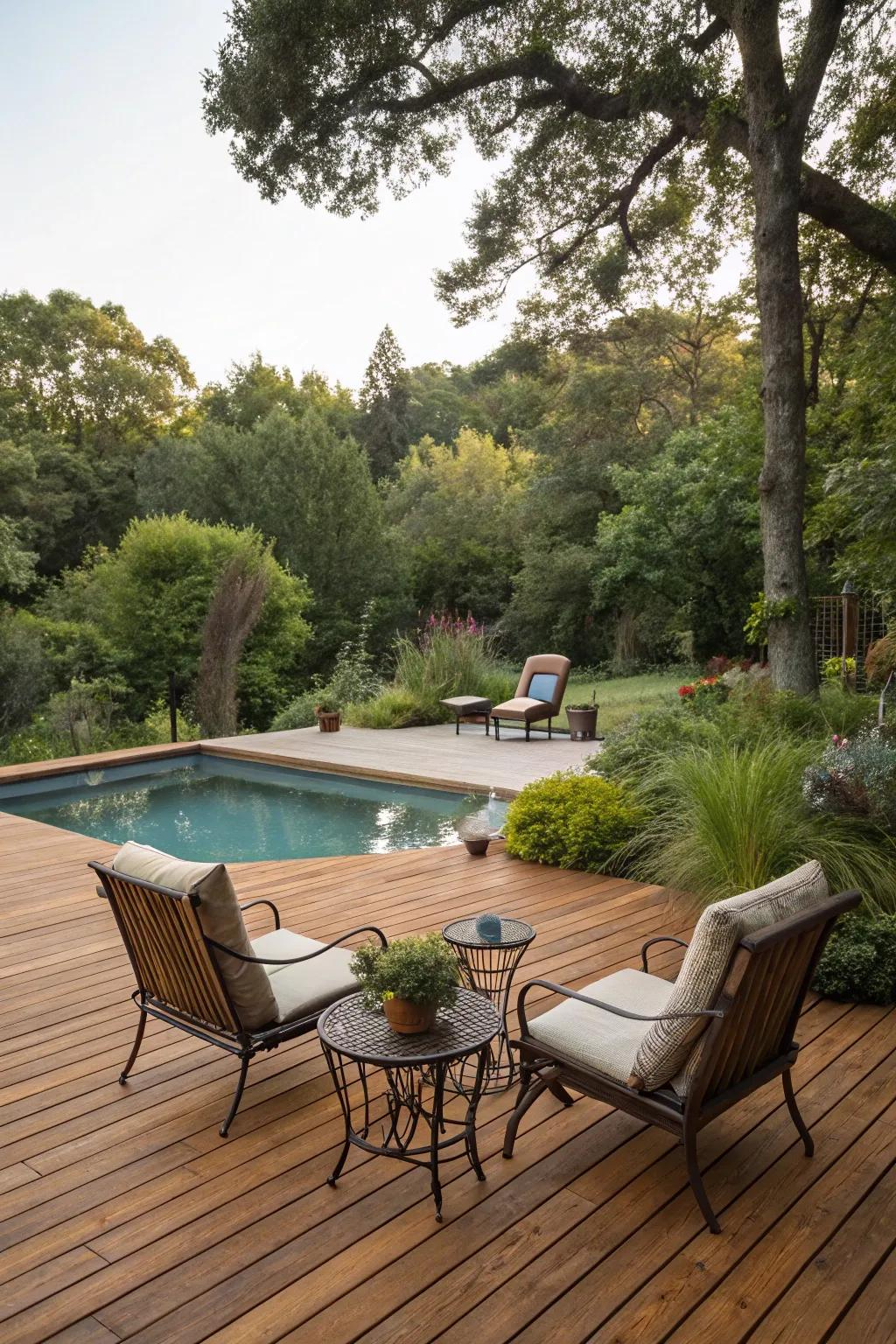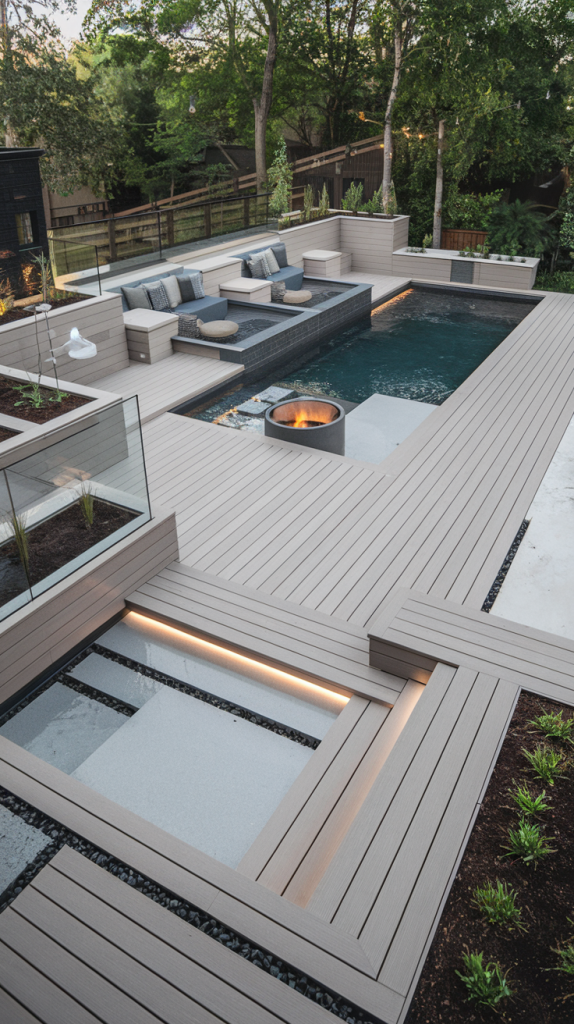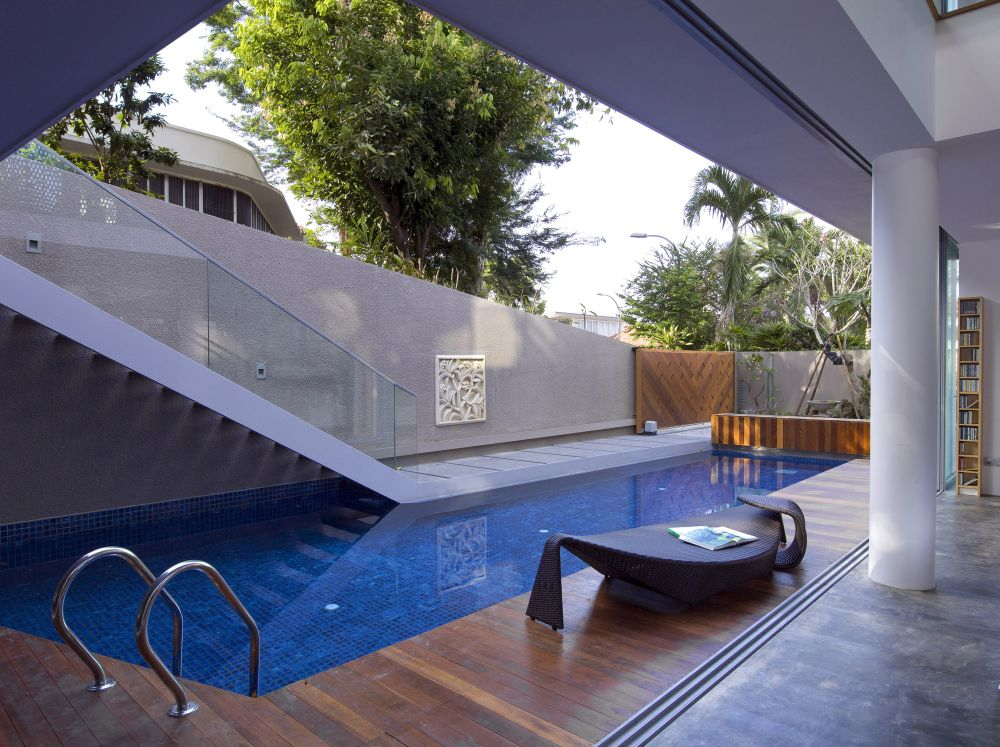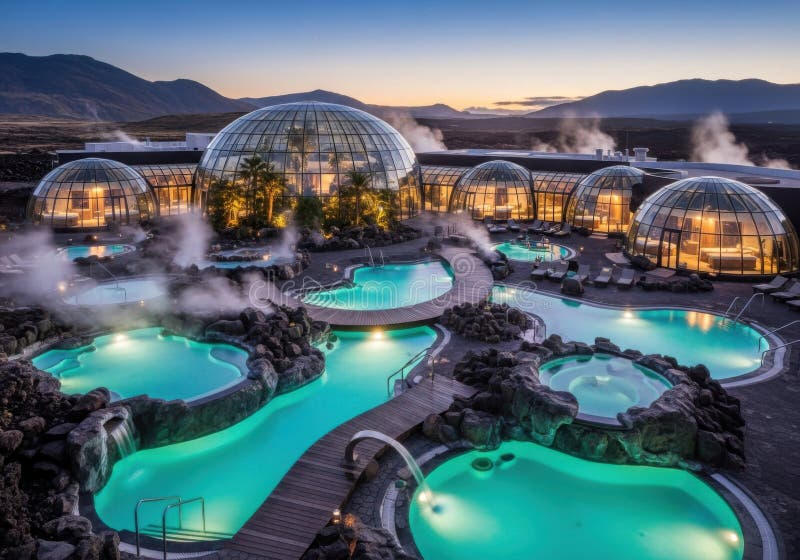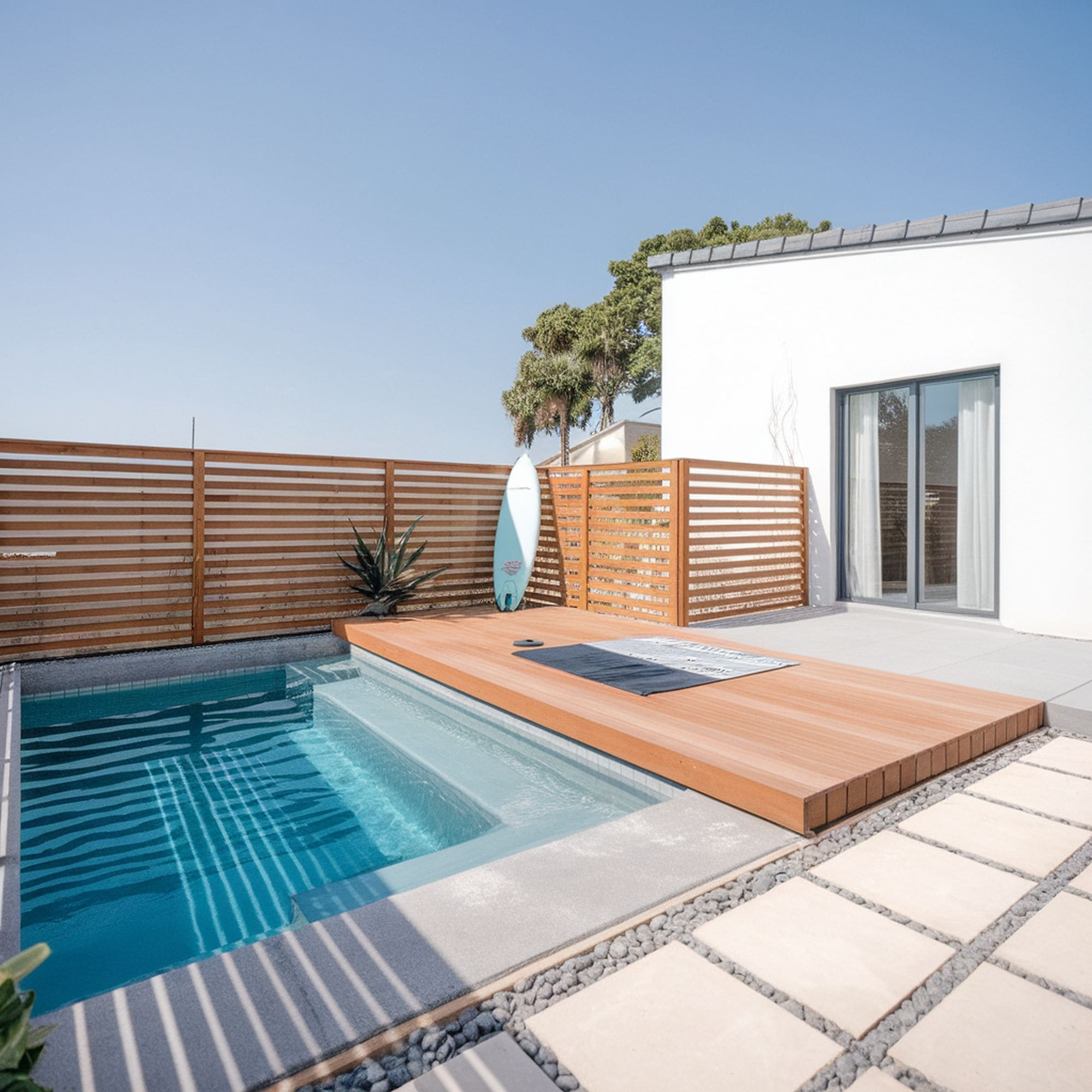
Ever stood by a pool that felt like it was dropped from outer space? You know the type. Stark white concrete, sharp angles, and not a leaf in sight. It’s impressive, sure. But it’s cold. Now imagine that same sleek structure, but softened by waving ornamental grasses, warm timber accents, and stone that looks like it grew there. That’s the magic we’re chasing. It’s not about choosing between nature and modern design. It’s about making them dance together.
In 2026, the trend isn’t just about having a pool. It’s about creating a sanctuary. People are tired of high-maintenance lawns and sterile spaces. They want retreats that feel alive. The best backyards today don’t shout "look at my expensive deck." They whisper "come relax." Achieving this balance requires a shift in thinking. You have to stop seeing the pool as an object and start seeing it as part of the ecosystem. It’s a blend of hardscape and softscape that feels effortless, even though it takes careful planning.
Choosing Materials That Speak the Same Language
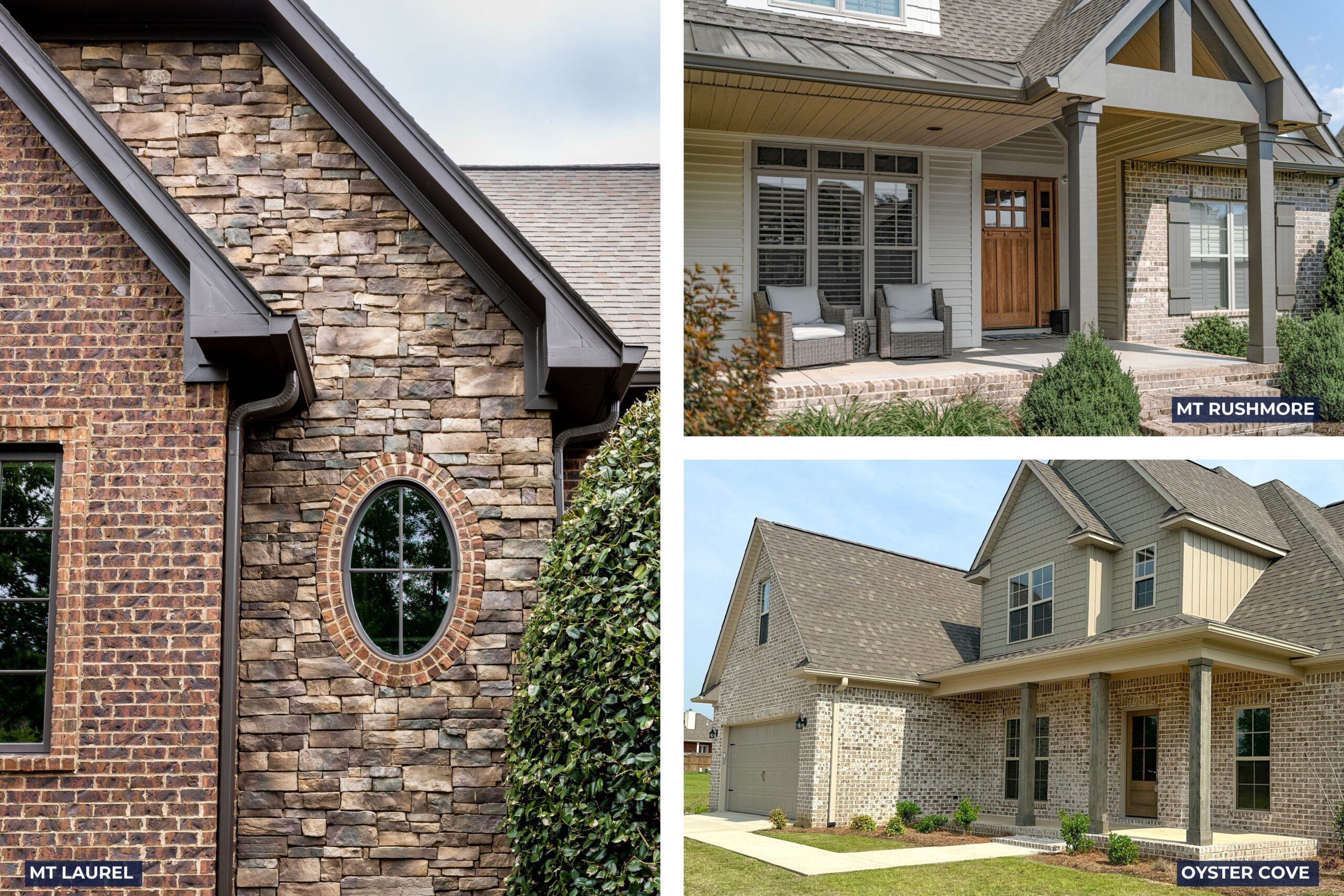
The first step in blending these two worlds is material selection. Modern architecture loves clean lines and uniform surfaces. Nature loves chaos and texture. If you pick materials that are too perfect, they clash with the plants. If you go too rustic, you lose the modern edge. The trick is finding the middle ground. Think about materials that age well. Travertine is a classic choice for a reason. It’s natural stone, so it has variation, but it can be cut into precise, modern shapes. It bridges the gap beautifully.
Concrete doesn’t have to be boring gray slab either. In recent years, textured finishes and integral colors have changed the game. You can get concrete that mimics the look of weathered stone or even wood grain. This allows you to keep the sleek, minimalist aesthetic of modern design while introducing the visual warmth of natural elements. Another great option is composite decking. Early versions looked plastic-y, but the 2026 models are incredibly realistic. They offer the durability needed for a wet environment but provide the organic feel of wood without the rotting issues.
Don’t forget about the transitions. How does the deck meet the garden? Avoid hard, abrupt edges where possible. Use stepping stones that lead from the deck into a bed of mulch or gravel. This creates a visual pathway that invites the eye to travel from the built structure into the green space. It makes the boundary feel permeable rather than rigid. When the materials complement each other in tone and texture, the whole space feels cohesive. It’s like wearing a suit with a casual t-shirt underneath. Structured, but approachable.
Strategic Plant Placement for Softness and Privacy
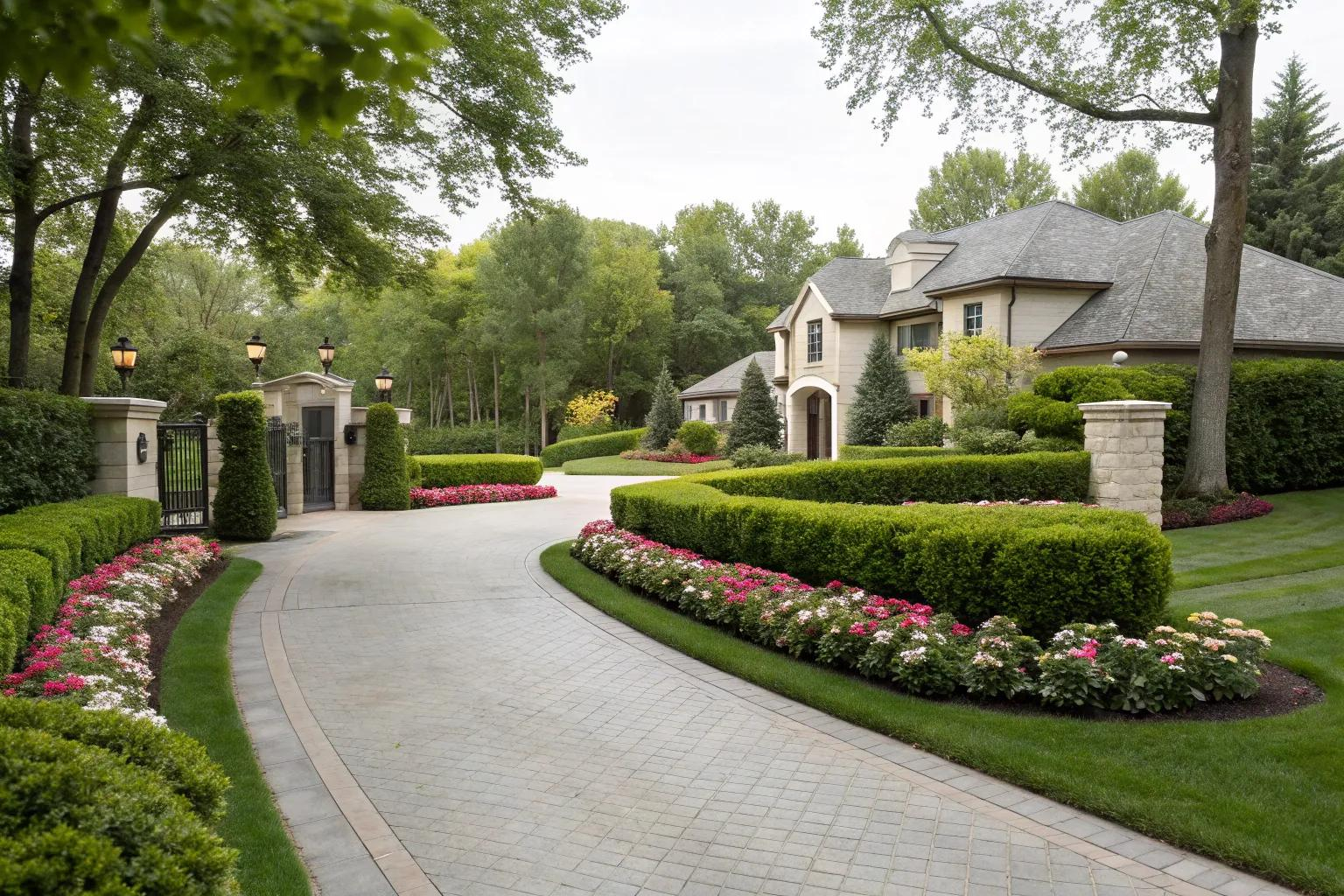
Plants are the glue that holds this design concept together. But you can’t just throw some shrubs in the corner and call it a day. Placement is everything. In modern landscaping, less is often more. You want intentional groupings rather than a messy border. Start with structural plants. These are the anchors. Small ornamental trees like Japanese Maples or Olive trees work wonders. They provide height and shade without overwhelming the space. Their sculptural forms complement the geometric lines of a modern pool deck.
Layering is key to creating depth. Place taller plants at the back or corners to frame the view. Then, move inward with mid-height perennials and grasses. Ornamental grasses are fantastic for this. They sway in the wind, adding movement to a static scene. Varieties like Fountain Grass or Maiden Grass soften the hard edges of concrete or stone walls. They blur the line between the hardscape and the sky. Plus, they’re generally low maintenance, which fits the modern desire for easy living.
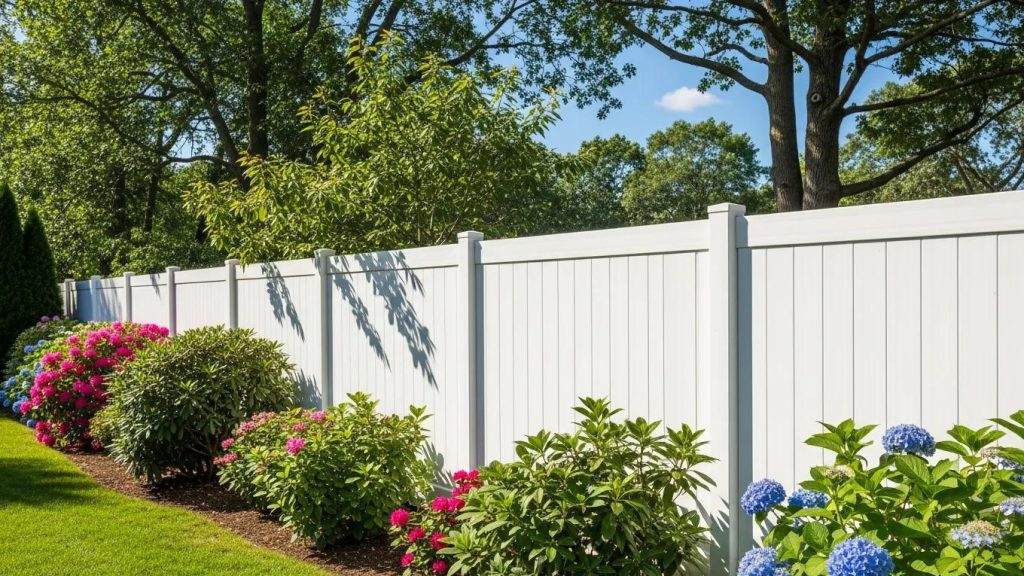
Privacy is another huge factor. Nobody wants to feel like they’re on display. Instead of building a tall, solid fence which can feel oppressive, use planting to create screens. Bamboo is a popular choice, but be careful with the clumping variety so it doesn’t take over your yard. Alternatively, layer evergreen hedges with deciduous shrubs. This gives you year-round privacy but adds seasonal interest. The goal is to make the space feel enclosed and safe, like a secret garden, rather than boxed in. It’s about curating views, not blocking them out entirely.
Integrating Water Features and Natural Elements
Water doesn’t have to stop at the pool’s edge. In fact, extending the water element into the landscape can create a stunning sense of continuity. Consider adding a small spillway or a sheer descent waterfall that flows from the deck level into the pool. The sound of moving water masks neighborhood noise and adds a calming sensory layer. It connects the stillness of the pool with the dynamism of nature. Even a simple bubbling rock feature nestled among plants can draw the eye and create a focal point that feels organic.
Rock formations are another powerful tool. Large boulders placed strategically around the pool deck can anchor the space. They look like they’ve been there for centuries. This contrasts nicely with the newness of modern construction. Use local stone if possible. It ties the backyard to the regional landscape, making it feel more authentic. You can tuck smaller rocks into planting beds to mimic a dry riverbed or a natural outcrop. This reduces the amount of mulch you need and adds textural interest that doesn’t require watering.
Think about the edge of the pool itself. Traditional coping can look very manufactured. Try using a vanishing edge or a negative edge design where the water seems to disappear into the landscape. Or, use natural stone coping that extends slightly into the water, allowing plants to drape over the side. Water lilies or marginal plants in adjacent pots or built-in planters can soften the water’s surface. These small details break up the reflection of the sky and add life right at the water level. It makes the pool feel like a natural pond, just with cleaner water.
Lighting That Enhances Both Architecture and Nature
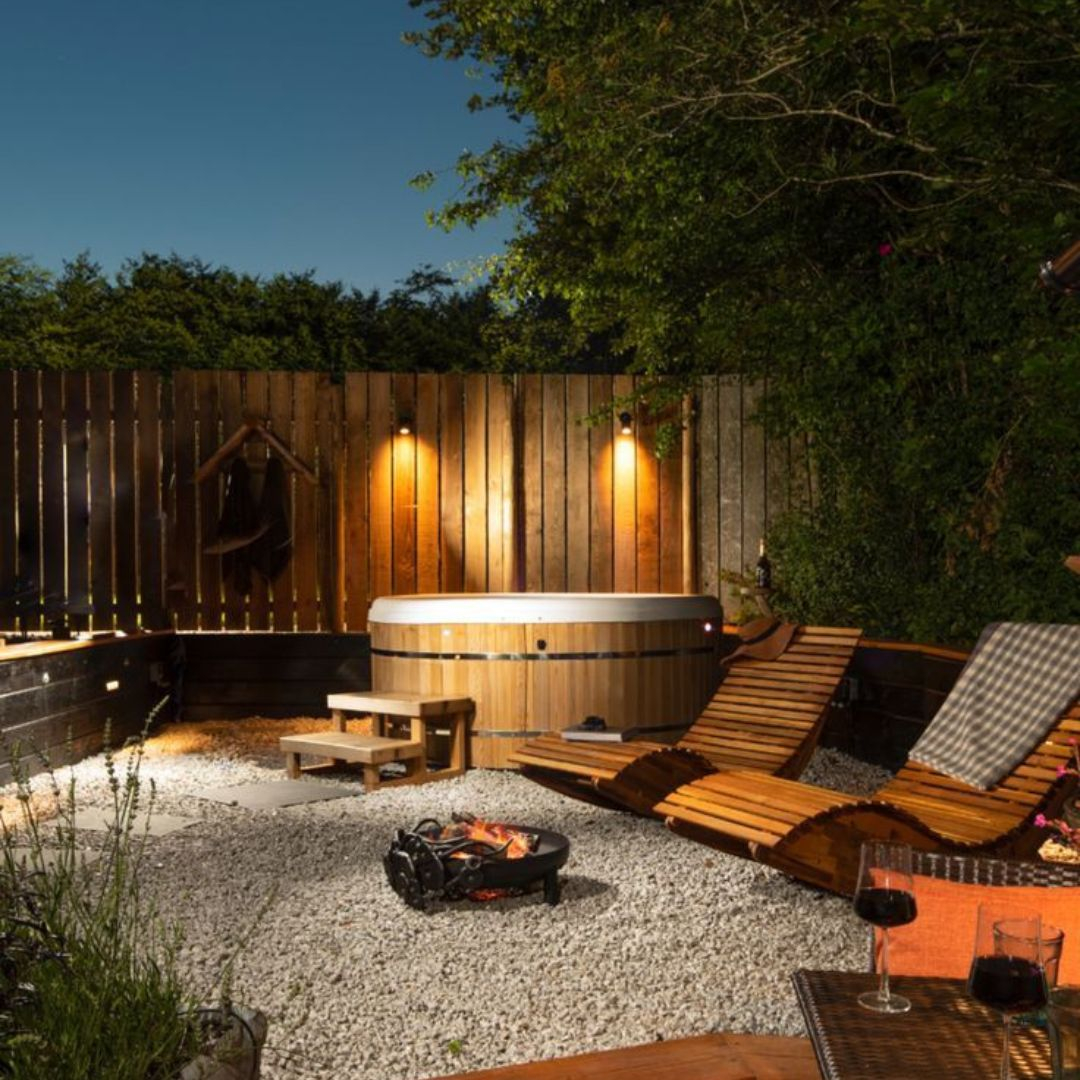
Lighting is often an afterthought, but it’s crucial for blending these elements. Bad lighting can make a beautiful space look like a parking lot. Good lighting highlights textures and creates mood. For modern decks, recessed LED strip lighting under steps or along bench seats provides a sleek, futuristic glow. It defines the architecture without being obtrusive. But you need to balance this with warmer, softer light for the plants. Uplighting trees and large shrubs casts dramatic shadows and adds depth to the garden at night.
Avoid bright, white floodlights. They wash out the natural colors of the leaves and stone. Stick to warm white temperatures, around 2700K to 3000K. This creates a cozy, inviting atmosphere. Path lights should be low to the ground and shielded so you don’t see the bulb. You want to see the path, not the source of the light. Solar lights have come a long way in 2026, offering reliable brightness without the hassle of wiring. They’re great for lining a gravel path that leads away from the main deck.
Consider accent lighting for specific features. A spotlight on a specimen tree or a sculptural rock can turn it into art. Submersible lights in the pool can change the color of the water, reflecting onto the surrounding deck and plants. Imagine the soft blue glow of the pool illuminating the underside of fern fronds hanging over the edge. It’s magical. The key is layering. Combine ambient light for general visibility, task light for safety, and accent light for drama. This mix ensures the space is functional yet enchanting after sunset.
Creating Functional Zones Within the Landscape
A modern pool deck isn’t just for swimming. It’s an outdoor living room. To make it work, you need to define zones. Don’t let the furniture float aimlessly. Use the landscaping to create rooms. A pergola covered in vines can define a dining area. The overhead structure provides shade and a sense of enclosure, while the plants soften the beams. This separates the eating space from the lounging area near the pool. It makes the backyard feel larger because your eye travels through different "rooms."
Seating areas should feel integrated, not plonked down. Build-in benches made from the same material as the deck create a seamless look. Cushions in earthy tones help blend the furniture with the garden. Surround these seating nooks with dense planting to create a sense of intimacy. It’s like sitting in a nest. This is particularly important in smaller yards where space is at a premium. By verticalizing the greenery, you maximize the feeling of seclusion without sacrificing square footage.
Think about flow. How do you move from the house to the pool? From the pool to the shower? The paths should be intuitive. Wide, clear walkways are essential for safety, especially when wet. But you can line these paths with low-growing groundcovers like creeping thyme or mondo grass. This spills over the edges of the pavers, softening the hardscape. It encourages barefoot walking and connects the user physically to the landscape. The goal is to make every transition feel natural and easy, encouraging people to use every part of the space.
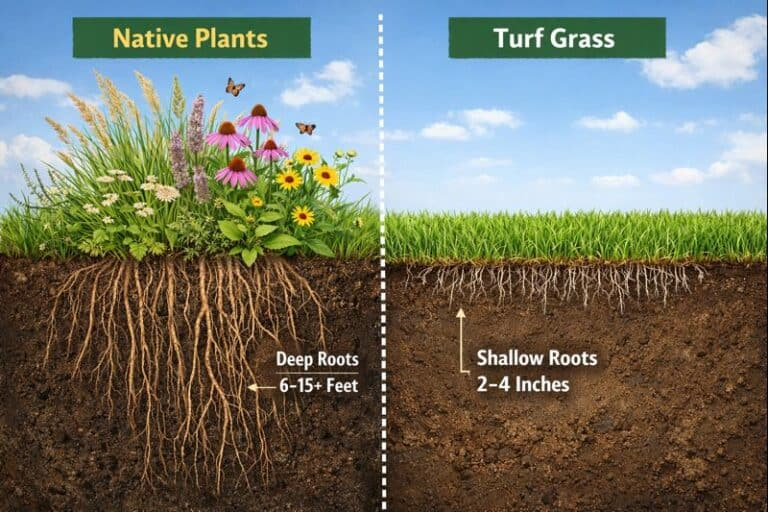
Let’s be real. No one wants a second job taking care of their backyard. The beauty of blending natural landscaping with modern design is that it can be low maintenance if planned correctly. Start with the right plants for your climate. Native species are always the best bet. They’re adapted to local weather conditions, require less water, and support local wildlife. In 2026, water conservation is huge. Drip irrigation systems hidden under mulch deliver water directly to the roots, reducing waste and evaporation. It’s efficient and keeps the foliage dry, which prevents disease.
Choose materials that don’t demand constant cleaning. Porous stone can stain, so seal it properly. Composite decking needs occasional washing but no staining or sealing. Artificial turf has improved significantly and can be a good option for small patches where real grass would struggle, though real grass is better for the environment if you can manage it. The key is to design for laziness. Group plants with similar water and sun needs together. This makes care easier and prevents over- or under-watering.
Regular pruning keeps the modern aesthetic crisp. Overgrown plants look messy and hide the architectural lines you worked hard to create. Trim hedges neatly. Remove dead leaves from ornamental grasses in late winter. Keep the pool skimmers clear of debris. A little bit of weekly upkeep goes a long way. But because the design is rooted in natural forms, it forgives minor imperfections. A few fallen leaves on the deck add to the charm, rather than detracting from it. It’s about sustainable beauty that lasts year after year.
Creating a backyard that blends natural landscaping with modern pool deck architecture is an exercise in balance. It’s not about forcing nature to conform to rigid lines, nor is it about letting the garden run wild. It’s about finding the sweet spot where both can thrive. By choosing materials that echo natural textures, placing plants with intention, and integrating water and light thoughtfully, you create a space that feels both curated and organic. It’s a place that respects the environment while providing modern comfort.
The result is a sanctuary that serves you. It’s a place to swim, to sit, to breathe. It connects you to the outdoors without sacrificing style. As we move further into 2026, this approach to design is becoming the standard. People crave connection. They want their homes to reflect their values of sustainability and well-being. A well-blended pool landscape does exactly that. It’s an investment in your daily quality of life. So take your time. Plan carefully. And enjoy the process of bringing your own piece of paradise to life.
[sps_html tag=”img” src=”https://cdn.northcarolinafinearchitecture.com/2026/05/17-inspiring-modern-pool-deck-ideas-pertaining-to-pool-deck-design.jpg” alt=”17+ Inspiring Modern Pool Deck Ideas pertaining to Pool Deck Design” style=”width: 100%; height: auto;”]
[sps_html tag=”img” src=”https://cdn.northcarolinafinearchitecture.com/2026/05/15-modern-pool-deck-ideas-for-a-21st-century-home-rhythm-of-the-home-within-the-hidden-safety-features-every-modern-pool-deck-should-include.jpg” alt=”15 Modern Pool Deck Ideas For A 21St Century Home – Rhythm Of The Home within The Hidden Safety Features Every Modern Pool Deck Should Include” style=”width: 100%; height: auto;”]
[sps_html tag=”img” src=”https://cdn.northcarolinafinearchitecture.com/2026/05/how-to-build-a-pool-deck-easy-step-by-step-guide-2026-in-pool-deck-design.png” alt=”How To Build A Pool Deck: Easy Step-By-Step Guide [2026] in Pool Deck Design” style=”width: 100%; height: auto;”]
[sps_html tag=”img” src=”https://cdn.northcarolinafinearchitecture.com/2026/05/modern-pool-deck-designs-that-perfectly-complete-their-homes-within-pool-deck-design.jpg” alt=”Modern Pool Deck Designs That Perfectly Complete Their Homes within Pool Deck Design” style=”width: 100%; height: auto;”]
[sps_html tag=”img” src=”https://cdn.northcarolinafinearchitecture.com/2026/05/28-best-deck-ideas-for-above-ground-pools-stylish-affordable-and-within-pool-deck-design.png” alt=”28 Best Deck Ideas For Above Ground Pools: Stylish, Affordable, And … within Pool Deck Design” style=”width: 100%; height: auto;”]