Ever stepped onto a deck and felt like you were standing on a separate island? Like the house ended at the sliding door, and everything beyond was just… outside? It’s a common feeling. But it doesn’t have to be that way. In 2026, the line between inside and out is blurrier than ever. We aren’t just building platforms anymore; we are crafting extra rooms without walls.
The best decks don’t look like add-ons. They feel inevitable. Like they were always meant to be there. When you get it right, walking from your kitchen to your grill feels as natural as walking to your fridge. It’s about flow. It’s about material choices. And honestly, it’s about forgetting that you’re technically "outside." Let’s dig into how you can make that happen.
Blurring the Threshold with Material Continuity
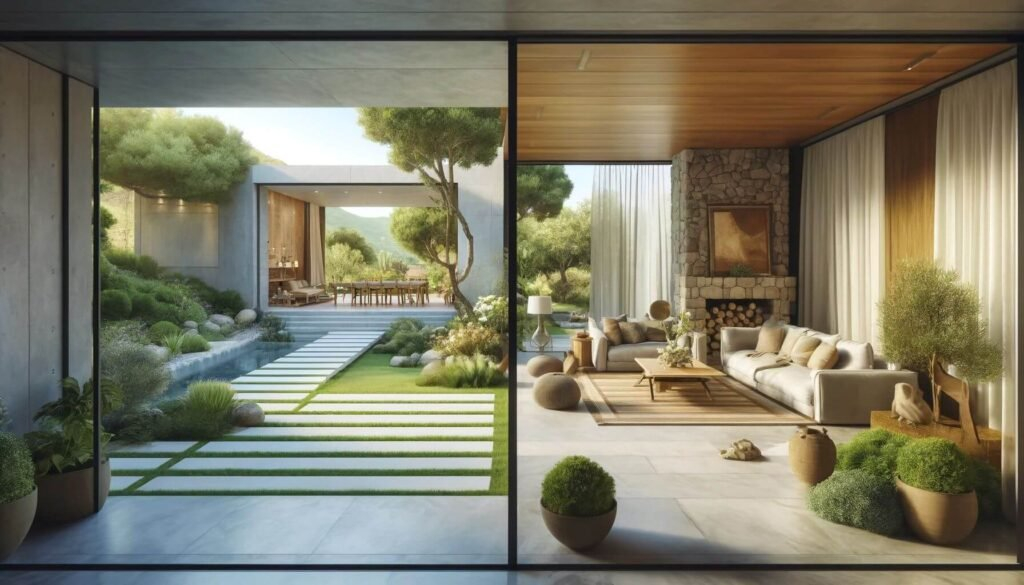
The first mistake people make is treating the deck as a totally different zone. They pick a wood tone that clashes with their interior flooring or choose a stone paver that has no relation to their patio inside. Stop doing that. The easiest way to trick the eye into seeing one big space is to carry your indoor materials out. If you have wide-plank oak floors in your living room, look for composite decking or thermally modified wood that mimics that same warm, honeyed tone.
It’s not about matching it perfectly—that can look fake. It’s about harmony. In 2026, we’re seeing a huge rise in "hybrid" transitions. Think of large format porcelain tiles that start in your sunroom and continue seamlessly onto the deck surface. Or maybe it’s a concrete stain inside that matches the hue of your outdoor pavers. When the floor doesn’t change drastically underfoot, your brain stops registering a boundary. You just keep moving.
Consider the height, too. Ideally, your deck should be level with your interior floor. That single step down is a psychological barrier. If you can eliminate it, or reduce it to a tiny lip, the space instantly feels bigger. It becomes a true extension. People in smaller homes are using this trick to double their perceived square footage without pouring a new foundation. It’s smart, it’s stylish, and it works.
Aligning Architecture and Rooflines
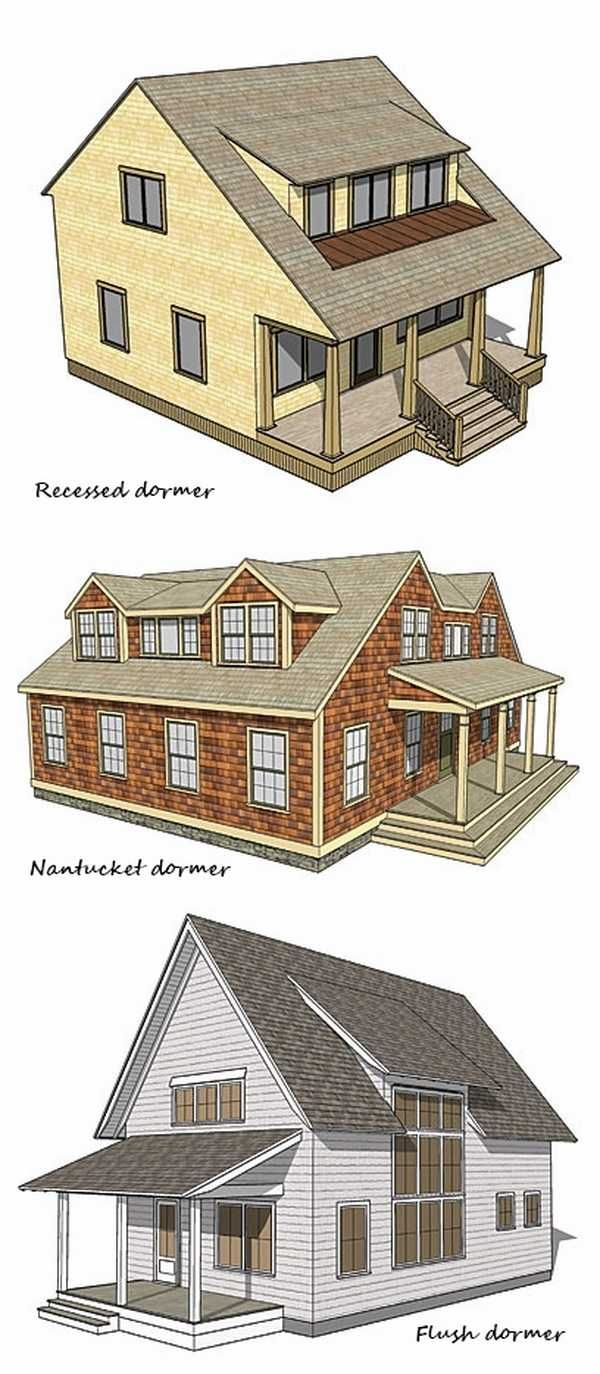
A deck shouldn’t look like it was haphazardly bolted on. It needs to respect the bones of your house. Look at your roofline. Does your home have deep eaves? A flat modern roof? Gables? Your deck structure should echo these elements. If you have a mid-century modern home with strong horizontal lines, a low-profile deck with horizontal cable railings will complement it beautifully. Vertical balusters might fight against the aesthetic.
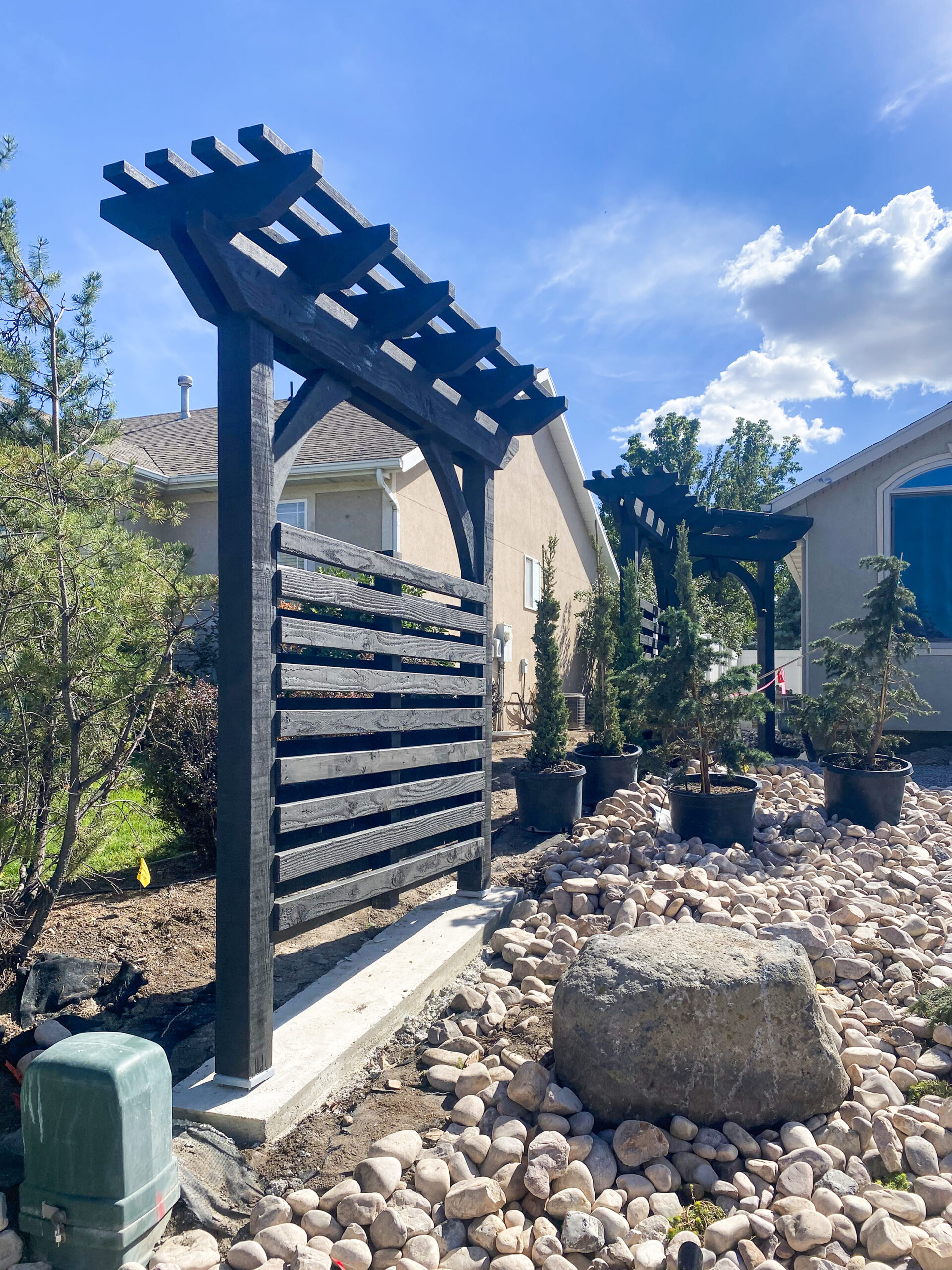
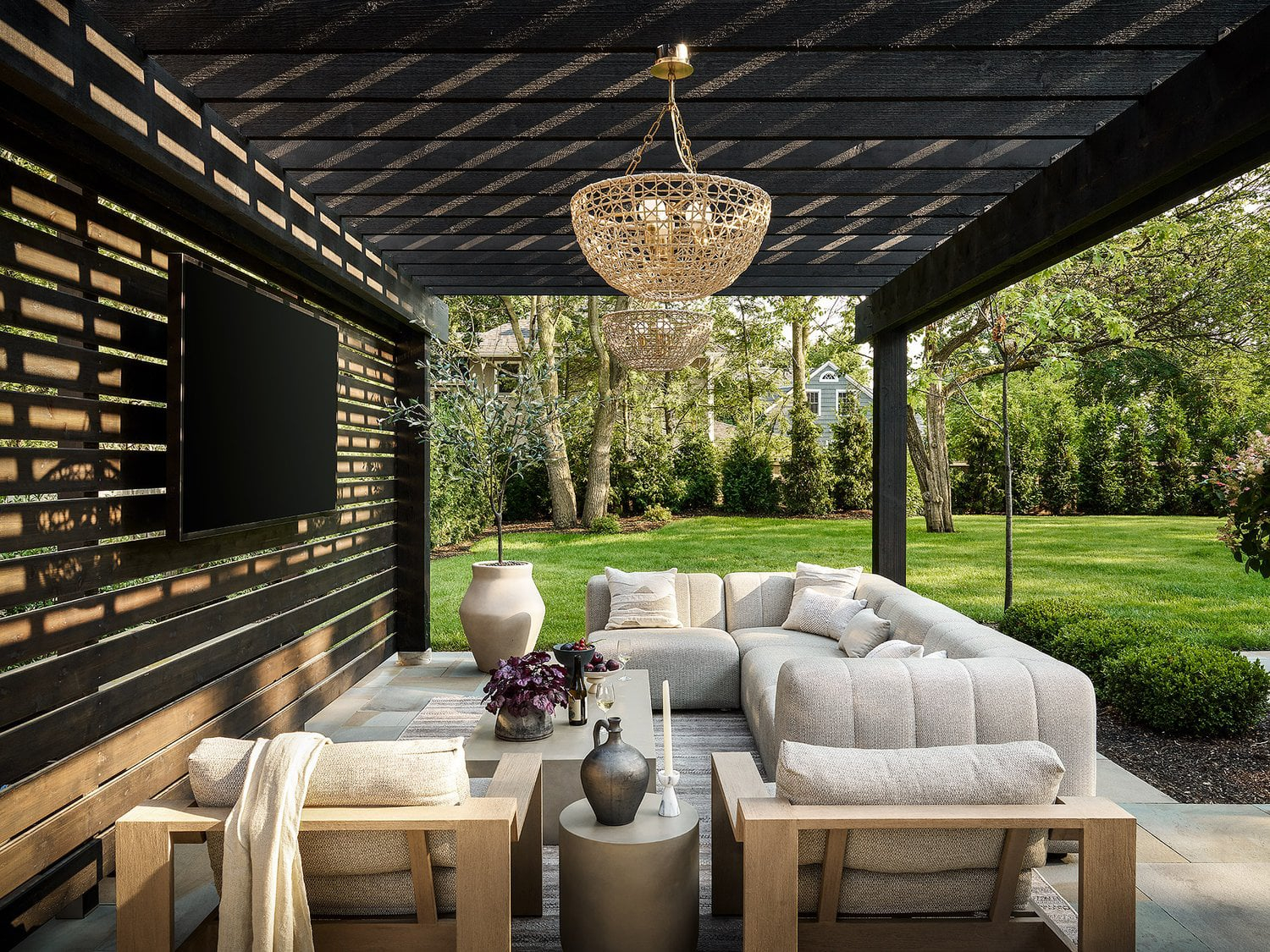
Covered structures are huge right now. Pergolas, pavilions, or even simple cantilevered awnings can tie the deck to the house visually. They provide shade, sure, but they also create a "ceiling" outdoors. This makes the space feel enclosed and cozy, just like a room inside. In 2026, we’re seeing more integrated lighting in these structures. Recessed LEDs in pergola beams mimic the can lights in your kitchen ceiling. It’s a subtle cue that tells guests, "This is part of the house."
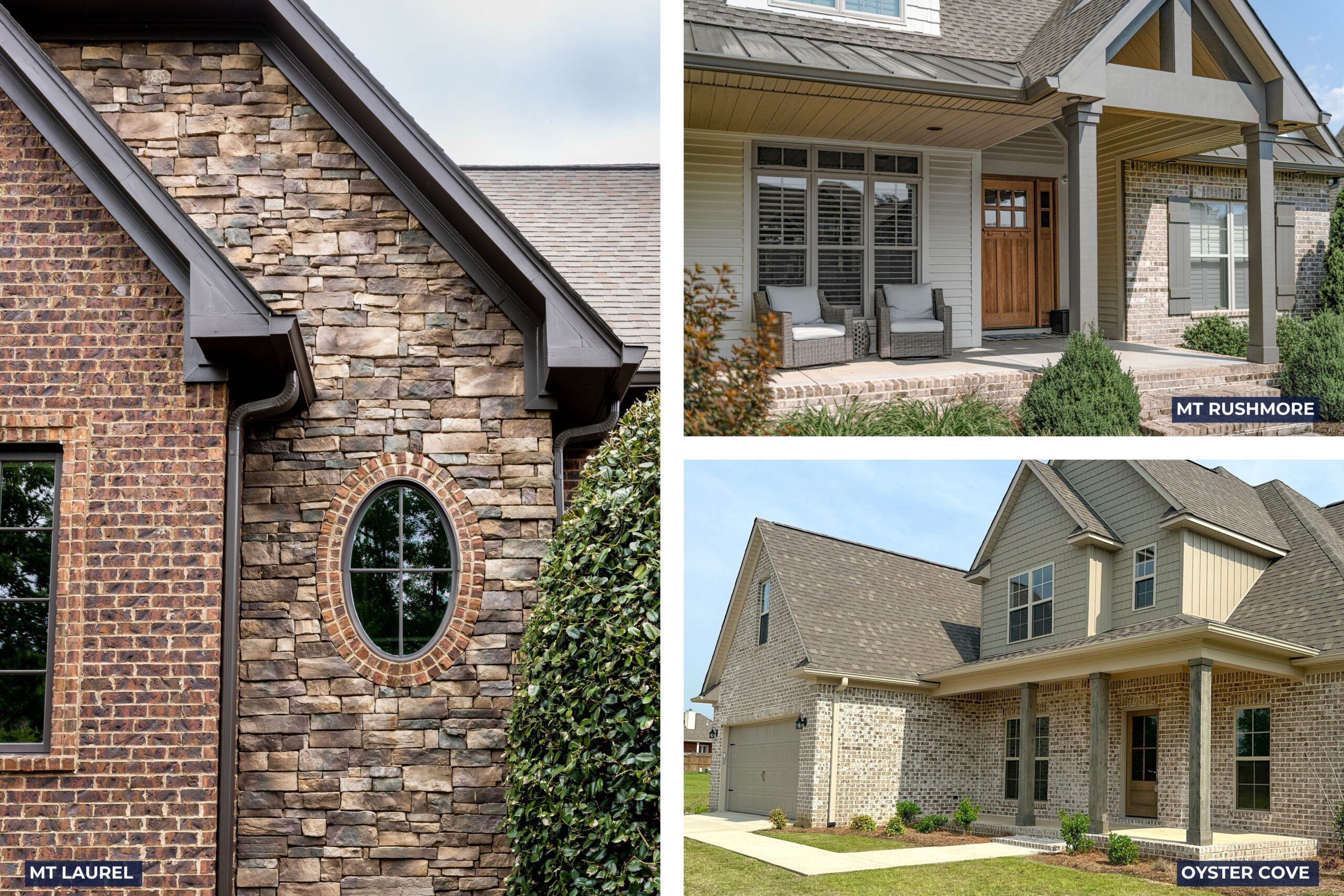
Don’t ignore the siding either. If your house has cedar shakes, consider using cedar accents on your deck’s fascia or skirting. If it’s brick, maybe incorporate a brick pillar or planter box that matches the masonry. These small touches create a visual dialogue between the old structure and the new addition. It stops the deck from feeling like an alien object and starts making it feel like family.
Zoning for Function, Not Just Form
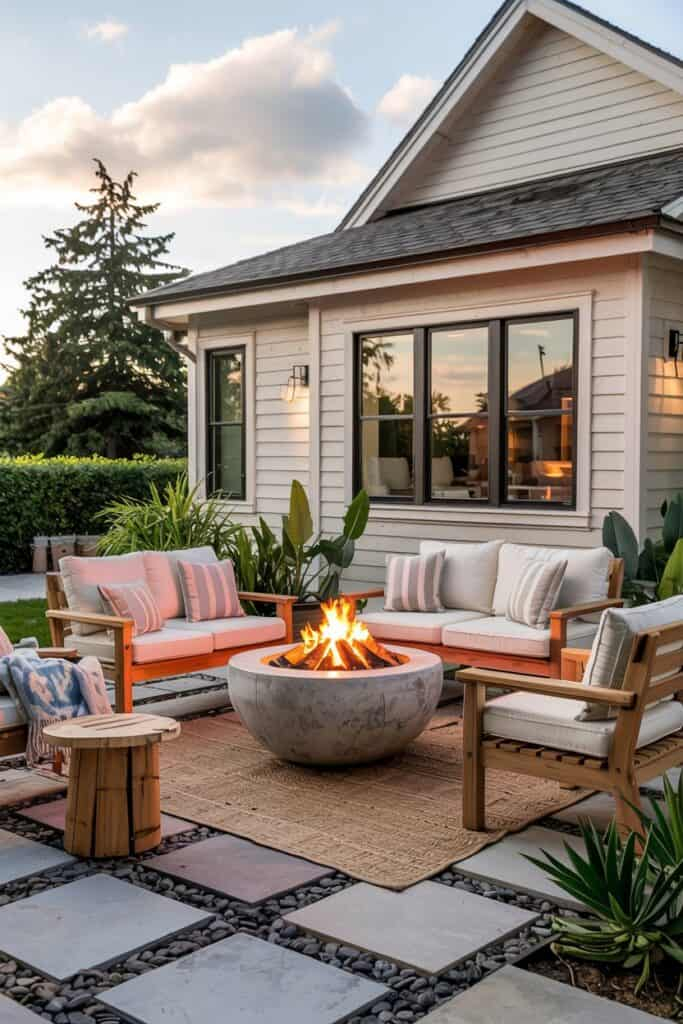
Think about how you use your living room. You probably have a seating area, maybe a reading nook, and a path to the kitchen. Your deck needs the same logic. Don’t just dump a table in the middle and call it done. Zone the space. Create distinct areas for dining, lounging, and cooking. Use furniture arrangement to define these zones, just like you would indoors. An outdoor rug under the sofa group anchors it. A different texture under the dining set separates it.
In 2026, outdoor kitchens are getting smarter and more compact. You don’t need a full-blown restaurant setup. A built-in grill station with counter space and a mini-fridge can serve as a functional anchor. Place it near the kitchen door for easy access. This creates a natural workflow. You grab plates inside, walk three steps, and serve dinner outside. The convenience makes the deck feel usable every day, not just on special occasions.
Consider traffic flow. Can you walk around the furniture easily? Is there a clear path from the door to the stairs? Awkward bottlenecks kill the vibe. Keep pathways wide enough for two people to pass comfortably. If your deck is long and narrow, think linear. Place zones side-by-side rather than trying to squeeze them into a tight square. It’s about making the space work for your life, not just looking good in a photo.
Lighting That Sets the Mood
Lighting is often an afterthought, but it’s arguably the most important element for making a deck feel like home. Harsh floodlights are a no-go. They create glare and shadows that make the space feel unsafe and uninviting. Instead, layer your light. Start with ambient lighting—soft, warm glows that illuminate the whole area gently. String lights are classic, but recessed deck lights or step lights are cleaner and more modern.
Task lighting is key for cooking and eating. Under-cabinet lights on your outdoor kitchen counter or a pendant light over the dining table provide focused illumination where you need it. In 2026, smart lighting systems allow you to control brightness and color temperature from your phone. Dim the lights for a romantic dinner, brighten them for a game night. It gives you control over the atmosphere, just like inside.
Accent lighting adds drama. Uplight a tree in the corner. Highlight a textured wall. Illuminate a water feature. These pockets of light draw the eye and add depth. They make the deck feel curated and intentional. Remember, the goal is to extend the warmth of your interior lighting outward. If your living room has a cozy, golden glow, let that spill out onto the deck. Consistency is key.
Integrating Nature Without Losing Comfort
We want to be outside, but we don’t necessarily want to be in the wild. The trick is to bring nature in on your terms. Planters are your best friend. Large, structural planters can act as room dividers, softening the edges of the deck and adding greenery without encroaching on your seating space. Choose plants that thrive in your climate and require minimal maintenance. You want to enjoy the view, not spend your weekend pruning.
Vertical gardens are having a moment in 2026. A living wall behind your seating area adds texture and color while providing a sense of privacy. It feels lush and alive, but it’s contained. You can also use climbing vines on trellises to create a natural canopy. It filters sunlight and adds a dappled, magical quality to the space. Just make sure the structure is sturdy enough to support the weight as the plants grow.
Don’t forget about the senses. The sound of water from a small fountain can mask neighborhood noise and create a calming backdrop. The scent of jasmine or lavender from nearby planters can drift into the house, linking the two spaces olfactorily. These subtle sensory cues reinforce the connection between inside and out. It makes the deck feel like a sanctuary, not just a slab of wood.
Choosing Furniture That Bridges the Gap
Outdoor furniture used to mean bulky plastic or heavy teak that stayed outside year-round. Not anymore. In 2026, the trend is "indoor-outdoor" furniture. Pieces that look like they belong in your living room but are made with weather-resistant fabrics and materials. Think plush sofas with performance velvet upholstery, sleek coffee tables with tempered glass tops, and accent chairs with intricate metalwork.
Scale matters. Don’t cram tiny bistro chairs onto a massive deck. It’ll look lost. Conversely, don’t put oversized sectionals on a tiny balcony. Measure your space and choose furniture that fits proportionally. Leave enough breathing room around each piece. The furniture should invite conversation, not obstruct movement. Arrange seats to face each other, fostering interaction, just like you would in a lounge area inside.
Textiles are the secret weapon. Outdoor rugs, throw pillows, and blankets add color, pattern, and comfort. They soften the hard surfaces of the deck and make it feel cozy. In 2026, these textiles are incredibly durable, resisting fade and mildew. So you can leave them out without worry. They bridge the gap between the rugged outdoors and the refined indoors, making the transition seamless. It’s the final touch that makes guests forget they’re outside.
Designing a deck that feels like an extension of your home isn’t about spending the most money. It’s about intention. It’s about looking at your house and your lifestyle and asking, "How can I make this flow better?" When you align materials, respect architecture, zone for function, layer lighting, integrate nature, and choose the right furniture, something magical happens. The barrier dissolves.
You stop thinking of it as "the deck." It becomes the summer living room. The morning coffee spot. The place where you host friends until late. It becomes part of your daily rhythm. And that’s the ultimate goal. In 2026, we’re not just building structures; we’re expanding our lives. So take a look at your back door. What’s waiting for you out there? With a little thought, it could be your favorite room in the house.
[sps_html tag=”img” src=”https://cdn.northcarolinafinearchitecture.com/2026/05/tips-for-choosing-the-right-materials-for-your-outdoor-deck-hue-business-with-regard-to-deck-design-ideas.jpeg” alt=”Tips For Choosing The Right Materials For Your Outdoor Deck - Hue Business with regard to Deck Design Ideas” style=”width: 100%; height: auto;”]
[sps_html tag=”img” src=”https://cdn.northcarolinafinearchitecture.com/2026/05/how-to-choose-the-right-deck-material-2025-guide-intended-for-deck-design-ideas.jpg” alt=”How To Choose The Right Deck Material | 2025 Guide intended for Deck Design Ideas” style=”width: 100%; height: auto;”]
[sps_html tag=”img” src=”https://cdn.northcarolinafinearchitecture.com/2026/05/top-deck-builders-in-new-jersey-barrett-outdoors-intended-for-expert-tips-for-choosing-the-right-materials-and-layout-for-your-deck.webp” alt=”Top Deck Builders In New Jersey | Barrett Outdoors intended for Expert Tips for Choosing the Right Materials and Layout for Your Deck” style=”width: 100%; height: auto;”]
[sps_html tag=”img” src=”https://cdn.northcarolinafinearchitecture.com/2026/05/how-to-choose-the-right-materials-for-your-outdoor-deck-within-expert-tips-for-choosing-the-right-materials-and-layout-for-your-deck.jpg” alt=”How To Choose The Right Materials For Your Outdoor Deck within Expert Tips for Choosing the Right Materials and Layout for Your Deck” style=”width: 100%; height: auto;”]
[sps_html tag=”img” src=”https://cdn.northcarolinafinearchitecture.com/2026/05/choosing-the-best-materials-for-your-deck-renovationfind-blog-within-deck-design-ideas.jpg” alt=”Choosing The Best Materials For Your Deck - Renovationfind Blog within Deck Design Ideas” style=”width: 100%; height: auto;”]