Let’s be honest for a second. Nobody wakes up excited to read a Request for Information response. Not really. If you are on the receiving end—maybe you’re a contracting officer, a project manager, or a procurement lead—you’re likely staring at a stack of digital documents that all look exactly the same. Dense blocks of text. Corporate jargon. Endless paragraphs that say nothing while using every word in the dictionary. It’s exhausting. And if you’re the one writing them? You know the pain. You spend hours, sometimes days, pouring your team’s expertise into a document, only to hear… silence. Or worse, a generic rejection because they “went with another vendor.”
It feels personal, doesn’t it? But here is the thing. It isn’t about you. It’s about attention. In 2026, attention is the scarcest resource we have. We are drowning in information but starving for insight. The old way of writing RFIs—stuffing them with every possible feature, hiding the key points in paragraph four, and hoping someone cares enough to dig for gold—that ship has sailed. It sank years ago. Today, if you want your response to get read, you have to respect the reader’s time. You have to make it easy. You have to be human. This isn’t just about following a template; it’s about changing how you think about communication. It’s about realizing that behind every RFI is a person who is overwhelmed, under pressure, and looking for a lifeline, not a lecture.
So, how do you become that lifeline? How do you write something that stands out in a sea of sameness? It starts with empathy. It continues with clarity. And it ends with value. Over the next few minutes, we’re going to break down exactly how to craft an RFI response in 2026 that doesn’t just get filed away, but actually gets read, remembered, and acted upon. No fluff. No robotic corporate-speak. Just real, actionable advice that works.
The Psychology of the Overwhelmed Reader
Before you type a single word, you need to understand who is on the other side of that screen. In 2026, the average procurement professional or government contracting officer is handling more volume than ever before. Tools have made it easier to send requests, which means everyone sends more of them. The result? Decision fatigue. When a buyer opens your response, their brain is already in defense mode. They are scanning for reasons to say "no" so they can move on to the next task. This is a harsh reality, but accepting it is the first step to winning.
Most RFI responses get thrown away after the first two paragraphs. That’s not an exaggeration; it’s a statistic born from countless interviews with exhausted buyers. If your introduction is a wall of text about your company’s history, founded in 1985, and your mission statement, you’ve already lost. They don’t care about your history yet. They care about their problem. They are asking, "Can you help me?" and your answer should be, "Yes, and here is exactly how," not "Let me tell you about our CEO." You have to flip the script. Instead of starting with yourself, start with them. Mirror their language. Use their pain points as your headline.
Think of it like a conversation at a noisy party. If someone leans in and starts monologuing about themselves, you tune out. But if they lean in and ask, "Hey, I heard you’re struggling with X, I solved that last week, want to know how?" you listen. That’s the energy you need. Your opening needs to be a hook, not a biography. Acknowledge the specific challenge they mentioned in the RFI. Validate their stress. Show them you get it. When people feel understood, they lower their guard. And when their guard is down, they actually read what you have to say. It’s simple psychology, but most companies forget it in their rush to sound "professional."
Structure Is Your Best Friend (And Your Secret Weapon)
Now that you have their attention, you need to keep it. This is where structure comes in. In 2026, nobody reads linearly. We skim. We scan. We jump around. If your response is a solid block of text, you are fighting against human nature. Don’t do it. Break it up. Use white space like it’s oxygen. Short paragraphs. Bullet points. Bold text for key takeaways. Your goal is to make the document skimmable without losing depth. A reader should be able to get the gist of your entire proposal in thirty seconds just by scanning the headers and bolded sentences.
Start with an Executive Summary that isn’t boring. Most exec summaries are dry recaps. Yours should be a highlight reel. What is the one big idea you want them to walk away with? Put it right at the top. Then, use clear, descriptive headings. Instead of "Technical Approach," try "How We Solve [Specific Problem] in 3 Steps." See the difference? One is a label; the other is a promise. Labels are ignorable. Promises are intriguing. Every section should answer a specific question the buyer has, not just dump data.
Also, consider the visual hierarchy. In construction and tech alike, the trend in 2026 is toward modular content. Think of your response like a website, not a book. Can you insert a small chart? A quick comparison table? A screenshot of the dashboard? Visuals process faster than text. If you can show a before-and-after scenario in a graphic, do it. Don’t make them imagine the benefit; show it. And please, keep your fonts readable. No tiny footnotes. No dense academic spacing. Make it look inviting. If it looks like work to read, they won’t do it. Make it look like a relief.
Clarity Over Cleverness: The 2026 Standard
There was a time when using big words made you sound smart. In 2026, it makes you sound suspicious. Or worse, boring. The modern buyer values clarity above all else. They don’t want to decode your sentences. They want to know if you can do the job. So, cut the jargon. If you must use a technical term, define it simply. Write like you speak. Use contractions. It’s okay to say "we’ll" instead of "we will." It sounds more natural. More human. Remember, you are talking to a person, not a robot.
Be specific. Vague promises are the enemy of trust. Don’t say "we offer fast support." Say "we respond to all tickets within 2 hours, 24/7." Don’t say "we have experience in this field." Say "we completed three similar projects in the last six months, saving clients an average of 15% on costs." See how the second version lands harder? It’s concrete. It’s verifiable. In an era where AI can generate fluffy marketing copy in seconds, specific, hard data is the only thing that proves you are real. It proves you have done the work.
This also means being honest about what you can’t do. This feels counterintuitive, right? Why would you highlight weaknesses? Because it builds massive credibility. If you admit, "Our tool doesn’t handle X feature yet, but here is our roadmap for Q3," you show integrity. Buyers are tired of vendors who claim to do everything. They know it’s a lie. By being transparent, you differentiate yourself from the crowd. You become the safe choice. The honest partner. And in high-stakes decisions, safety and honesty are worth more than a flashy feature list. Keep it simple. Keep it true.
Leveraging AI Without Losing Your Soul
Let’s address the elephant in the room. AI is everywhere in 2026. You probably use it to draft emails, check grammar, or brainstorm ideas. That’s fine. But when it comes to RFI responses, relying too heavily on AI is a trap. Why? Because AI sounds like AI. It tends to be overly polite, vaguely positive, and utterly devoid of personality. If you copy-paste an AI-generated response, the buyer will know. They can smell the lack of soul. And they will reject it. Not because the content is bad, but because it feels lazy.
Use AI as a tool, not a writer. Use it to organize your thoughts. Ask it to summarize a long technical document into bullet points. Ask it to check for tone consistency. But never let it write the core message. The insights, the stories, the specific examples of how you helped a client—that has to come from humans. Your team’s unique perspective is your competitive advantage. AI can’t replicate your team’s late-night brainstorming session that solved a tricky problem. AI can’t replicate the empathy you feel for a client’s struggle.
So, here is the workflow. Draft the skeleton with AI if you want. Fill in the facts. But then, have a human rewrite the intro and the conclusion. Have a human add the anecdotes. Have a human check the tone. Does it sound like us? Does it sound like a person wrote it? If it sounds too perfect, break it up. Add a colloquialism. Add a bit of warmth. The goal is augmentation, not automation. You want the efficiency of machines with the heart of humans. That combination is unstoppable. Anything less is just noise.
The Art of the Follow-Through and Formatting
You’ve written the response. It’s clear. It’s structured. It’s human. Now, how do you deliver it? In 2026, format matters as much as content. If you send a 50-page Word document with no bookmarks, you are creating friction. Don’t do that. Use PDFs with clickable tables of contents. If the platform allows, submit modular sections. Make it easy for the evaluator to find exactly what they need. If they are looking for pricing, they shouldn’t have to scroll past ten pages of methodology to find it. Respect their navigation.
Also, pay attention to the details. Typos matter. Not because they are moral failings, but because they signal carelessness. If you can’t proofread your own proposal, how can they trust you with their multi-million dollar project? Use tools to catch errors, but also have a fresh pair of eyes look at it. Someone who hasn’t seen the document before will spot things you missed. They will see where the logic jumps or where the tone shifts. This quality control step is non-negotiable. It’s the final polish that shows you respect the opportunity.
And don’t forget the metadata. Tag your files correctly. Name them clearly. "Vendor_Response_Final_v2.pdf" is bad. "Acme_Corp_RFI_Response_ProjectX_May2026.pdf" is good. Small things like this make the evaluator’s life easier. And remember, evaluators talk. If you make their job easier, they remember you. Not just for this bid, but for the next one. Reputation is built in these tiny moments of convenience. Be the vendor who is easy to work with, starting with the submission process. It sets the tone for the entire relationship.
Finally, remember why you are doing this. An RFI isn’t just a test; it’s the beginning of a conversation. Your goal isn’t just to "win" the document review; it’s to start a partnership. So, end your response with an invitation. Don’t just say "thank you for considering us." Say, "We’d love to walk you through this solution in a 15-minute demo. We can show you exactly how this works with your data." Give them a next step. Make it low commitment. High value.
This shift in mindset changes everything. When you write to build a relationship, your tone softens. You stop trying to impress and start trying to connect. You share more genuine insights. You offer more helpful advice, even if it doesn’t directly sell your product. This generosity builds trust. And in 2026, trust is the currency of business. People buy from people they trust. Not from companies with the slickest brochures. So, be helpful. Be kind. Be real.
If you follow these steps, you won’t just write a better RFI response. You’ll stand out. You’ll be the breath of fresh air in a stale room. You’ll be the one they remember. And when it comes time to make a decision, they won’t just be choosing a vendor. They’ll be choosing a partner they already feel like they know. That’s the power of writing for humans. It’s not just about getting read. It’s about getting remembered. And that makes all the difference.
So, take a deep breath. Look at your current draft. Is it for a robot? Or is it for a person? Rewrite it for the person. Cut the fluff. Add the heart. Make it easy. And watch what happens. You might just surprise yourself. And them.
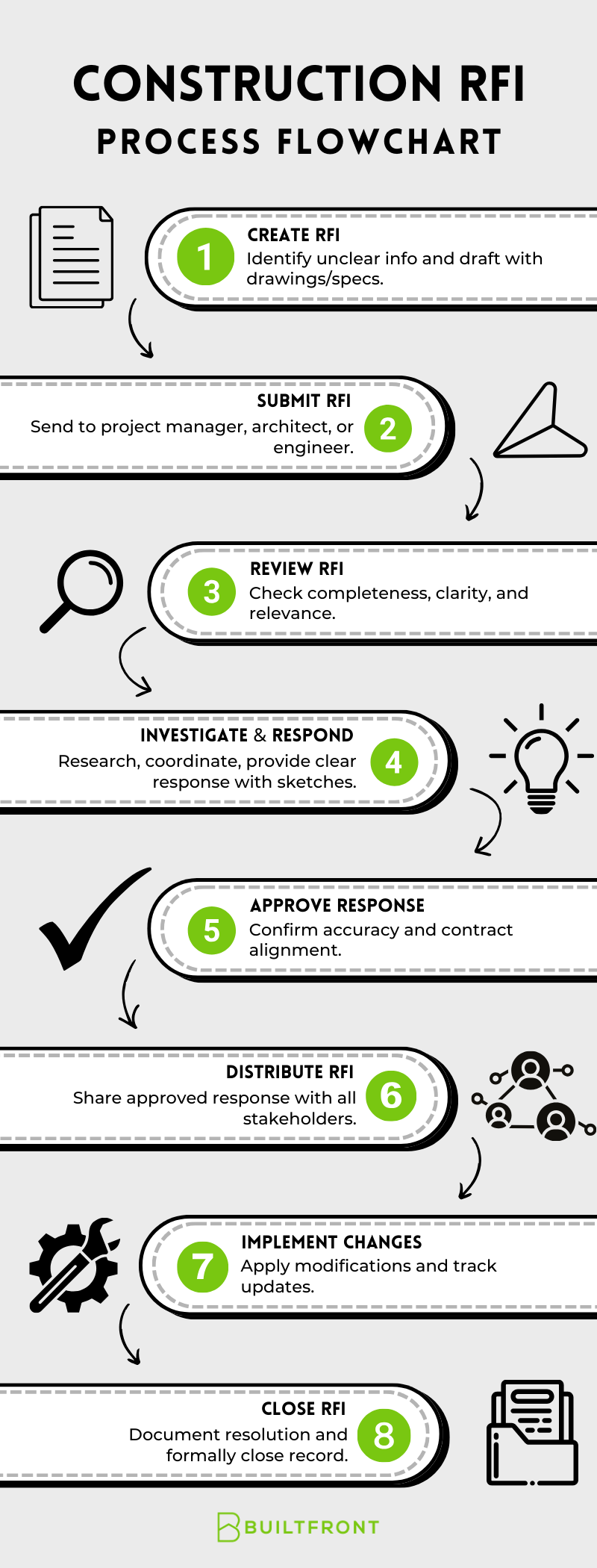
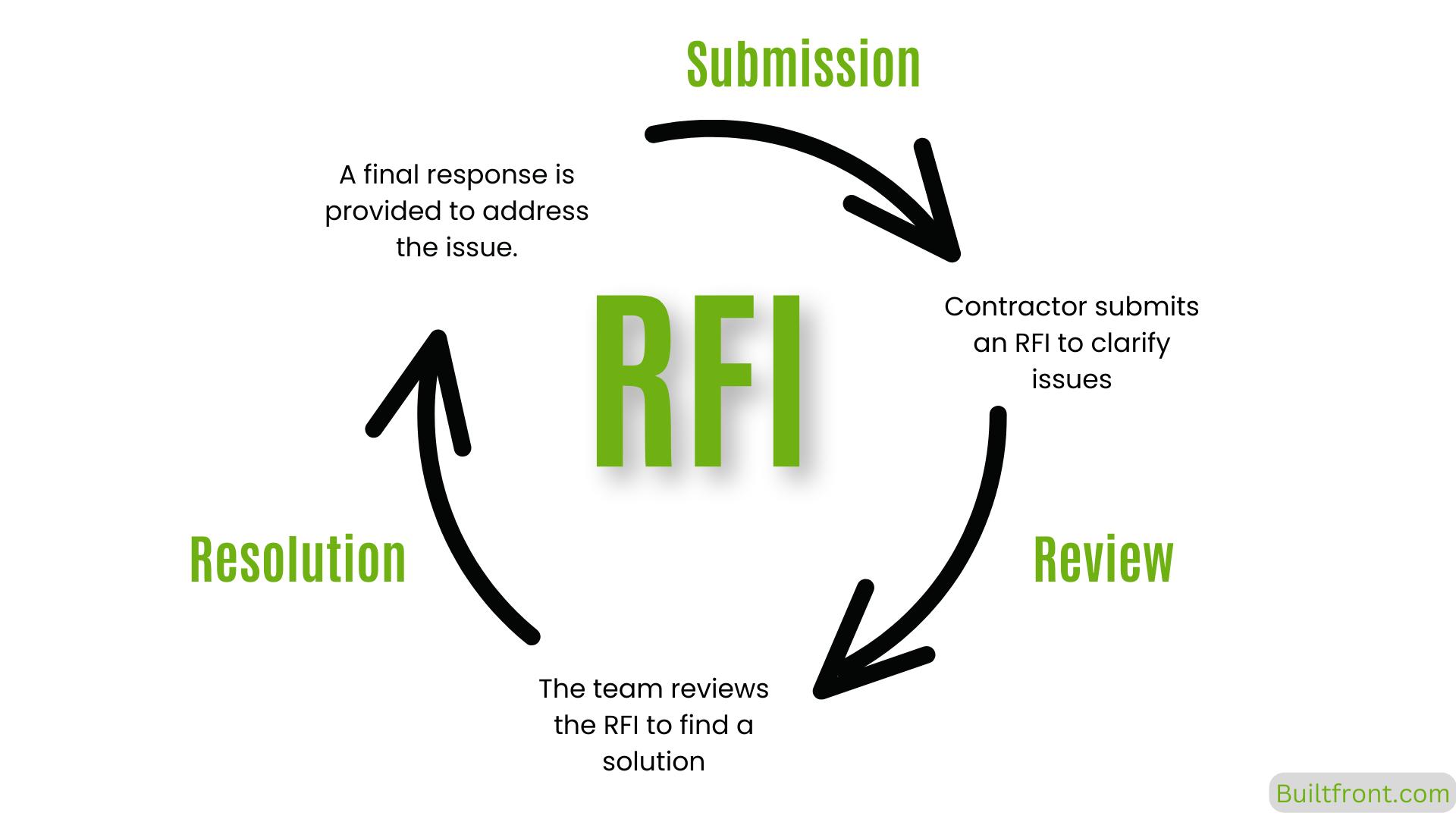
[sps_html tag=”img” src=”https://cdn.northcarolinafinearchitecture.com/2026/05/what-is-an-rfi-in-construction-meaning-process-and-template-with-regard-to-rfi-response-design.png” alt=”What Is An Rfi In Construction? Meaning, Process, And Template with regard to Rfi Response Design” style=”width: 100%; height: auto;”]
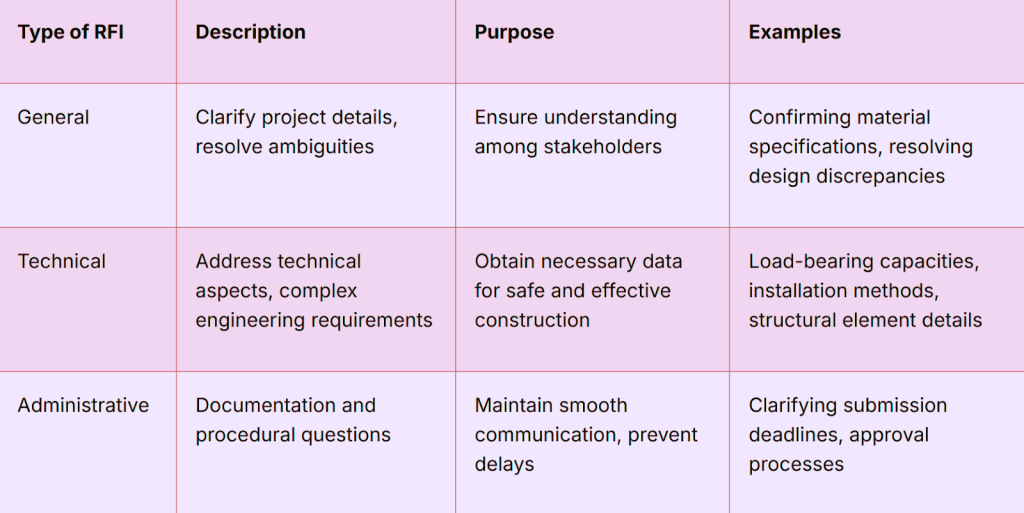
[sps_html tag=”img” src=”https://cdn.northcarolinafinearchitecture.com/2026/05/what-is-rfi-and-its-role-in-construction-projects-firstbit-blog-within-rfi-response-design.png” alt=”What Is Rfi And Its Role In Construction Projects - Firstbit Blog within Rfi Response Design” style=”width: 100%; height: auto;”]
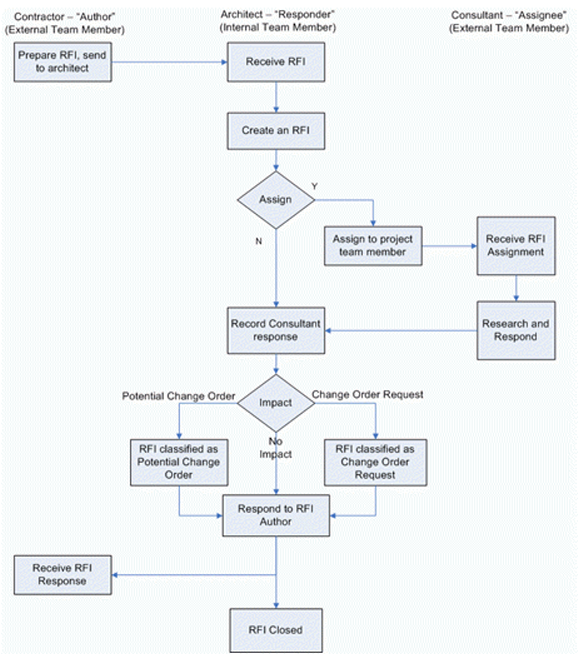
[sps_html tag=”img” src=”https://cdn.northcarolinafinearchitecture.com/2026/05/rfi-in-construction-the-complete-2025-guide-for-contractors-and-intended-for-rfi-response-design.png” alt=”Rfi In Construction: The Complete 2025 Guide For Contractors And … intended for Rfi Response Design” style=”width: 100%; height: auto;”]
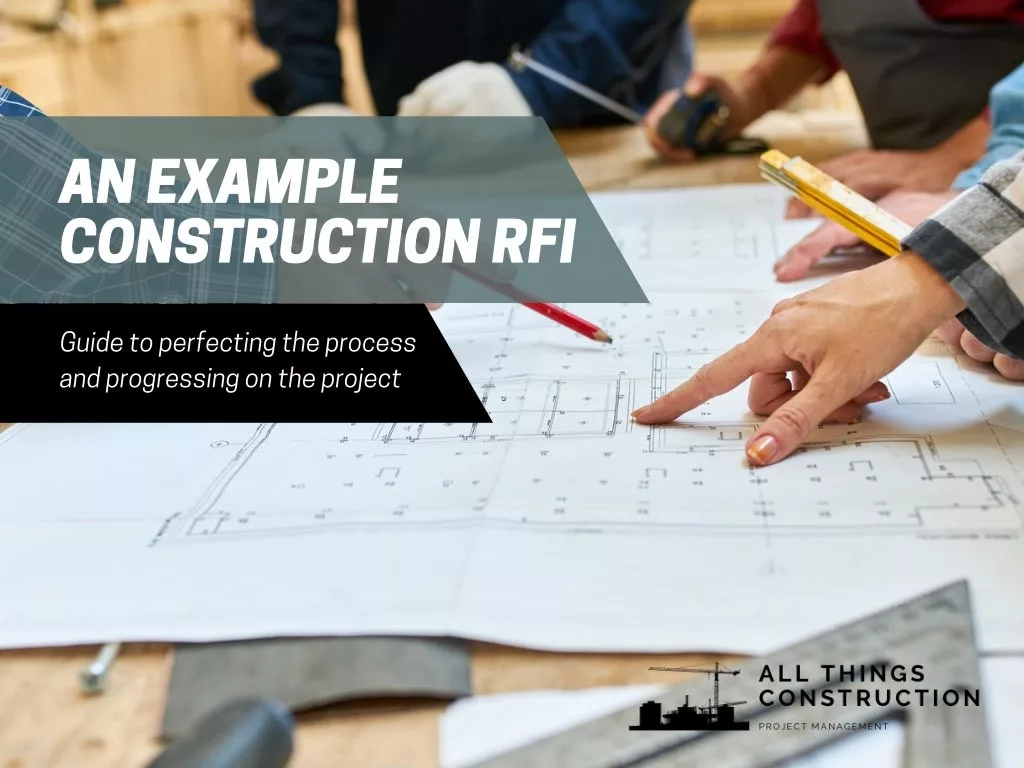
[sps_html tag=”img” src=”https://cdn.northcarolinafinearchitecture.com/2026/05/an-example-construction-rfi-guide-to-perfecting-the-process-in-mastering-the-rfi-response-process-for-construction-projects-in-2026.webp” alt=”An Example Construction Rfi: Guide To Perfecting The Process in Mastering the RFI response process for construction projects in 2026″ style=”width: 100%; height: auto;”]
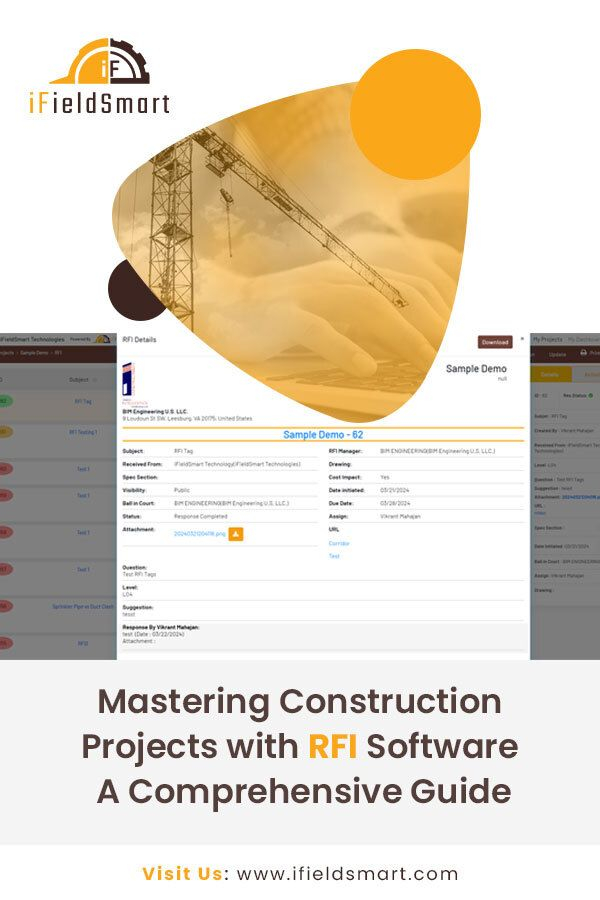
[sps_html tag=”img” src=”https://cdn.northcarolinafinearchitecture.com/2026/05/mastering-construction-projects-with-rfi-software-within-rfi-response-design.jpg” alt=”Mastering Construction Projects With Rfi Software within Rfi Response Design” style=”width: 100%; height: auto;”]